

Exploring Recife: Between Coastal Beaches and Cultural Energy
Often called the Venice of Brazil because of its winding rivers, canals, and bridges, Recife packs colonial history, modern grit, and a serious tropical climate into one coastal hub. As the capital of the state of Pernambuco, it draws travelers looking for both ocean air and deep historical roots. Here is a realistic look at what you can expect on the ground.
The Historic Core of Recife Antigo
The neighborhood of Recife Antigo forms the historical heart of the city. Once a busy port district, it retains its character through colorful 17th and 18th century colonial buildings now converted into coffee shops, museums, and local storefronts. Among the key stops, Praça do Marco Zero marks the zero point of the city and opens up to wide views across the Capibaribe River. Just a short walk away, the 19th-century Torre Malakoff stands as a relic from the imperial era, offering an observation deck at the top for panoramic city views.
Olinda: A Colonial Gem Just Up the Road
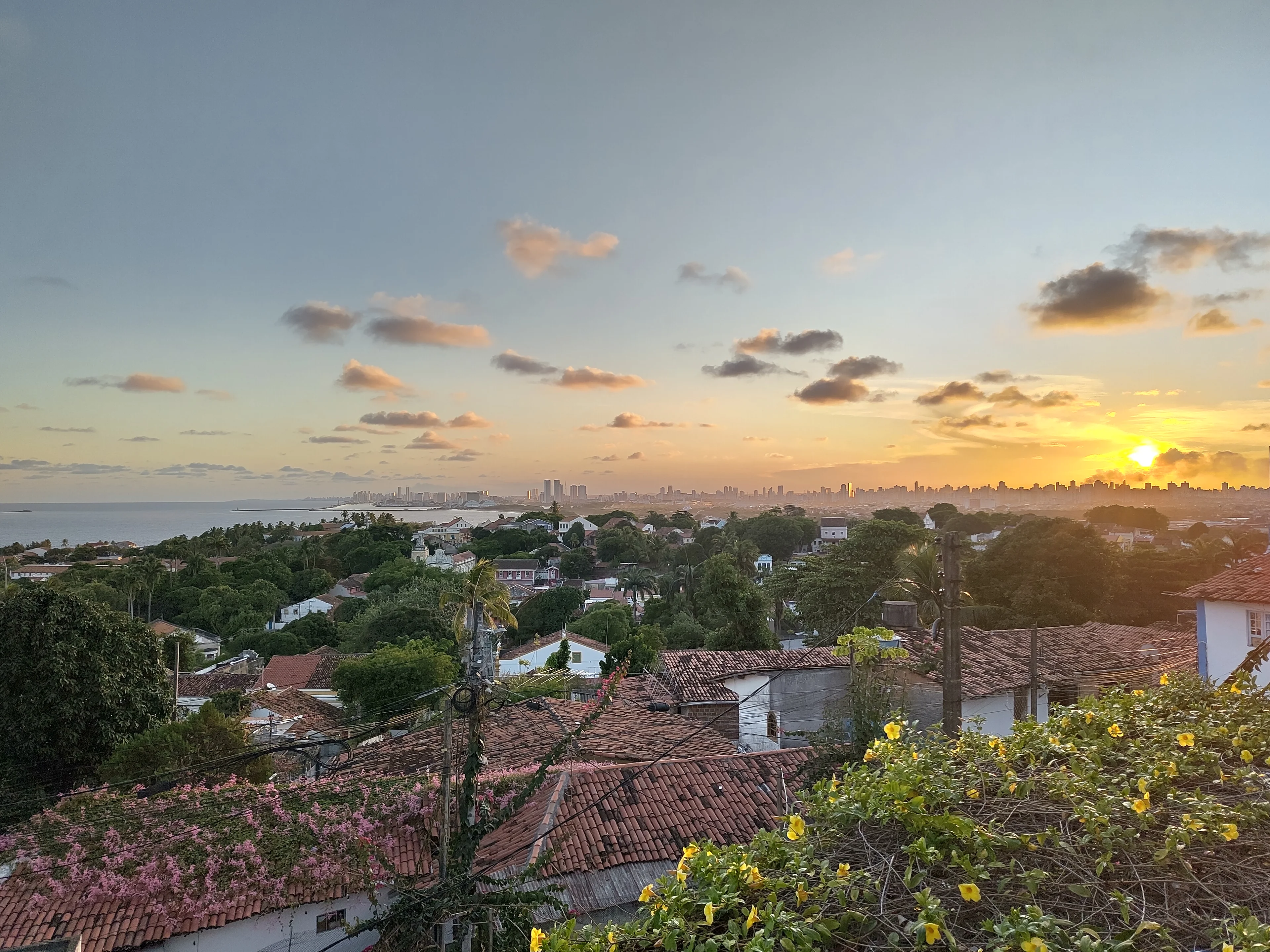
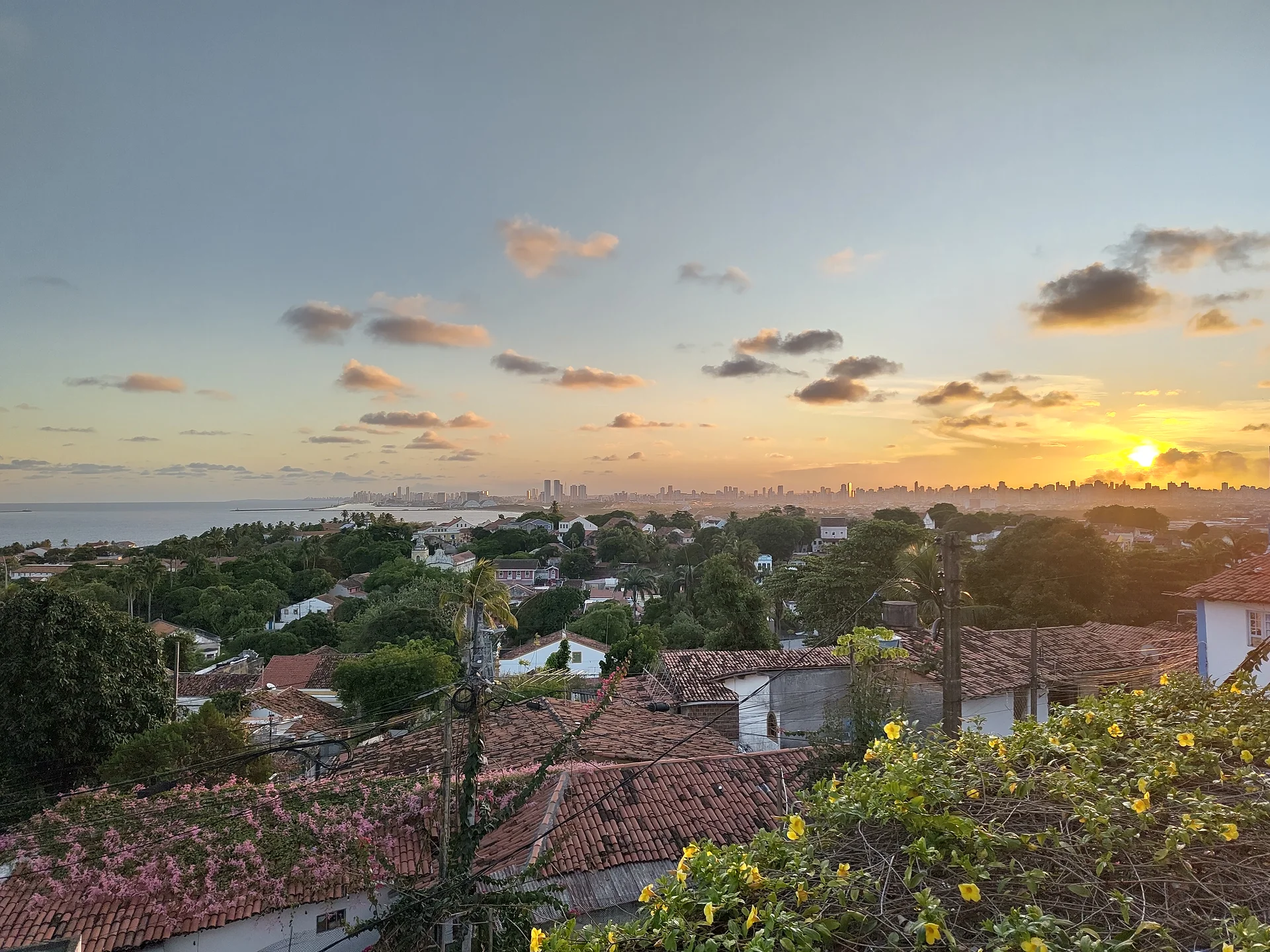
Located only a few kilometers from downtown Recife, the hilltop town of Olinda holds UNESCO World Heritage status and demands an afternoon of walking. This colonial settlement features steep cobblestone streets, brightly painted facades, and a reputation for hosting one of the country's wildest pre-Lenten carnivals. Outside of festival season, you can tour landmark baroque churches like the Sé de Olinda and catch sweeping views looking back toward the skyline of Recife.
The Beaches: Urban Sand and Shark Warnings
Recife sits right on the Atlantic, but local ocean conditions and resident shark populations make swimming restricted along several stretches of the city coastline. The most famous urban strip, Boa Viagem, delivers miles of open sand backed by high-rises, though you should stick strictly to the designated wading pools protected by offshore reefs. For a safer beach day in the water, head south about 60 km to Porto de Galinhas, where natural tidal pools and clear turquoise water create an ideal swimming environment.
A Deep Cultural Scene
Music and dance drive the cultural engine here. The Paço do Frevo museum serves as the definitive stop to understand Pernambuco's signature brass-heavy frevo music and acrobatic dance style tied to carnival traditions. Art enthusiasts will want to check out the Museu do Estado de Pernambuco, which houses collections detailing regional history and fine arts. When the sun goes down, Recife Antigo comes alive with open-air bars and live music venues.
Northeastern Flavors to Try
The culinary identity of Recife reflects the Brazilian Northeast, blending Indigenous, Portuguese, and African influences. A staple comfort dish is baião de dois, a hearty mix of rice, beans, and shredded carne de sol. Another local classic is moqueca pernambucana, a seafood stew simmered in coconut milk, garlic, and bright yellow dendê oil. To drink, order a pour of local cachaça served neat or mixed into a classic caipirinha.
Where to eat?
- Leite (Center): Operating as one of the oldest restaurants in Recife, serving traditional upscale Portuguese and Brazilian plates.
- Parraxaxá (Boa Viagem): The go-to spot for sampling a massive buffet of regional Pernambucan home cooking.
- Casa dos Frios (Boa Viagem): Famous for inventing bolo de rolo, a thin-layered guava roll cake considered a state cultural heritage item.
- Oficina do Sabor (Olinda): A hilltop restaurant known for creative regional dishes served out of hollowed-out pumpkins, paired with a view.
When to go?
Recife maintains a warm tropical climate year-round, with a drier season running from September to March that brings the most reliable beach weather. The absolute peak for energy and crowds hits in February during carnival, when Recife and neighboring Olinda morph into a nonstop street party.
How to get there?
Recife/Guararapes International Airport connects the region with direct flights from major South American hubs and select transatlantic gateways; from North America you connect through Panama City or São Paulo. If you are flying in from São Paulo or Rio de Janeiro, expect a flight time of around 3 hours. Long-distance buses are available from other Brazilian capitals, though travel times stretch across multiple days.
How to get around?
You can easily explore the historic center of Recife on foot, but longer jumps across the city are best handled by the metro and bus network. Taxis and rideshare apps like Uber are widely available, inexpensive, and recommended for night travel.


A pretty quiet city, but not all that interesting. Go for its neighbor Olinda instead!