
Visiting Ilhéus: Cocoa, Beaches, and Literature
Set along the southern coast of Bahia, Ilhéus blends history, culture, and tropical scenery. Known for its deep ties to the cocoa trade and its role in the novels of Jorge Amado, it offers a relaxed atmosphere between the Atlantic and rolling green hills. What is there to do and see here? Here is a look at a coastal destination still relatively untouched by mass tourism.
A Historic Center Shaped by Cocoa
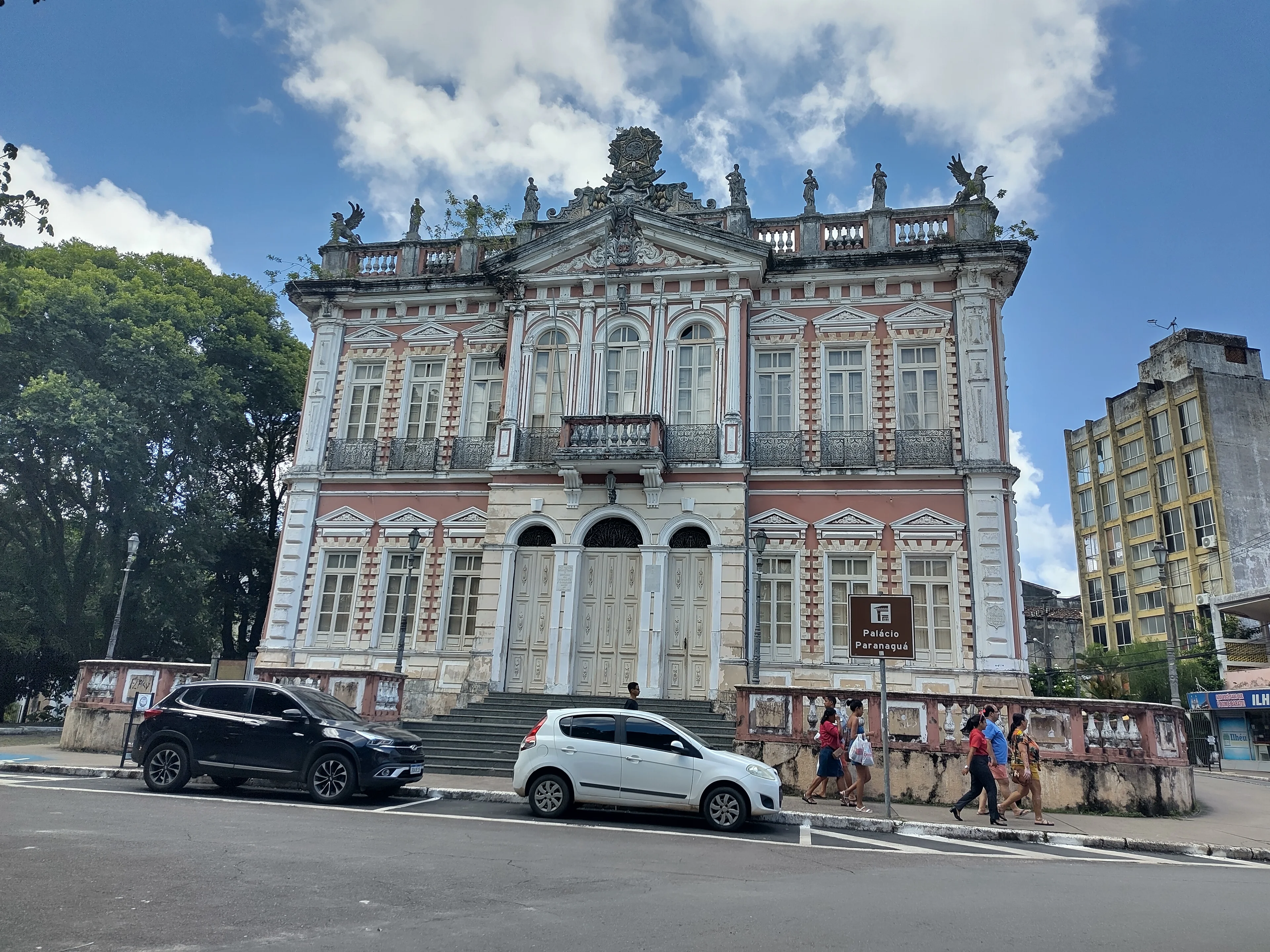
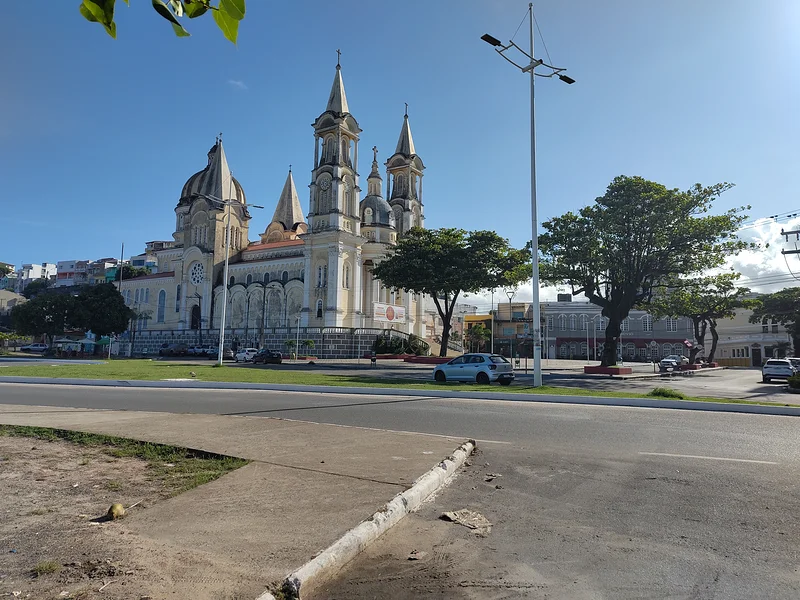
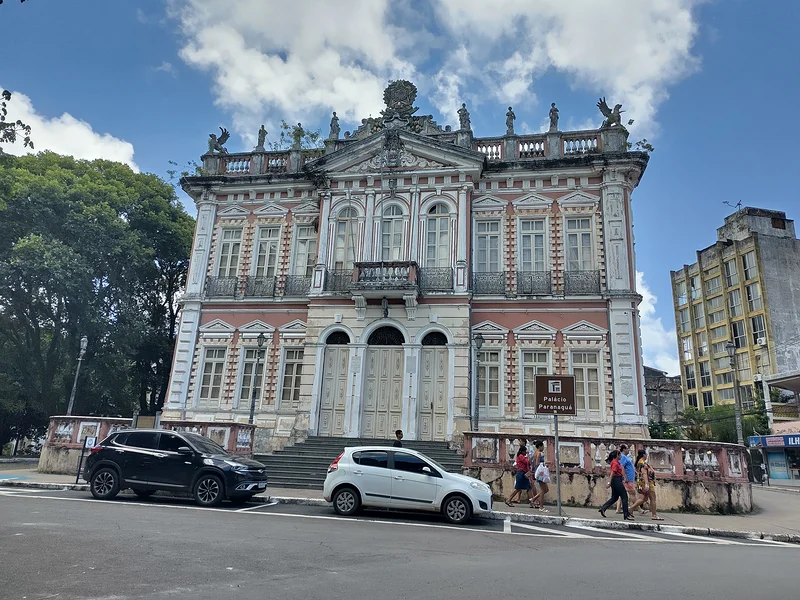
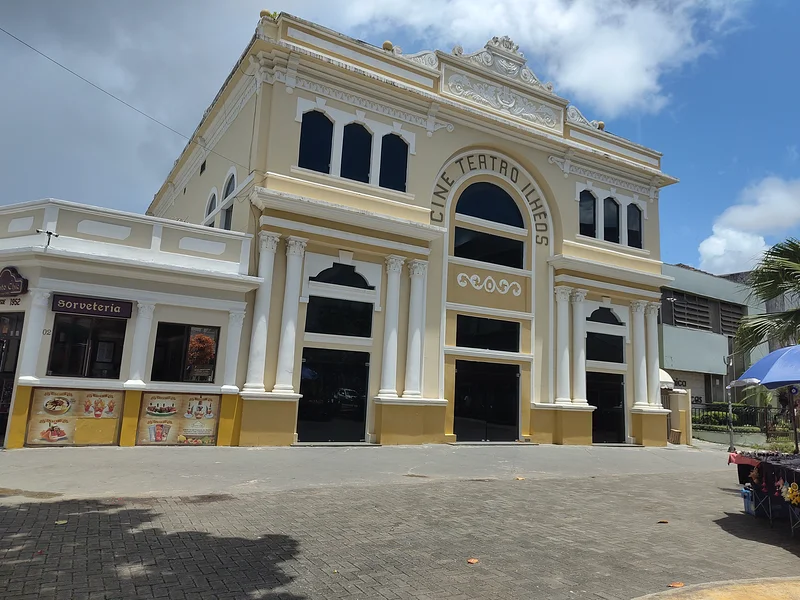
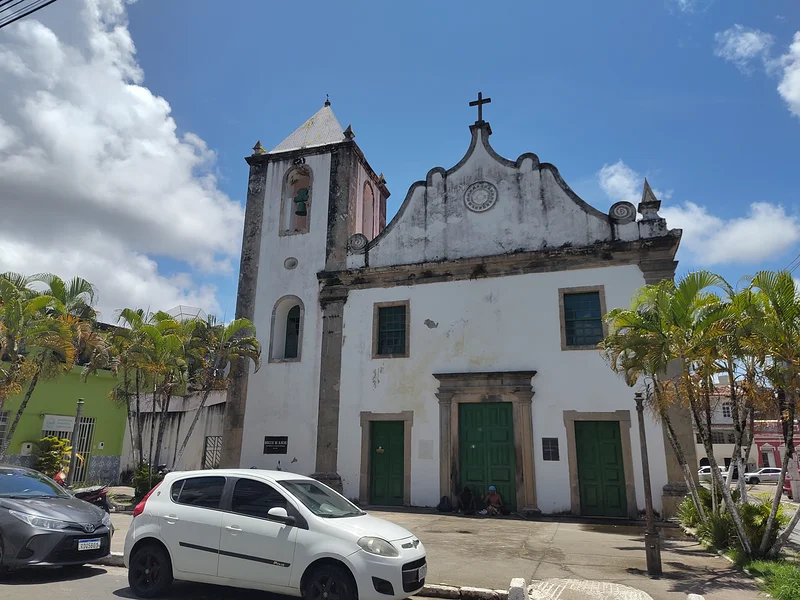
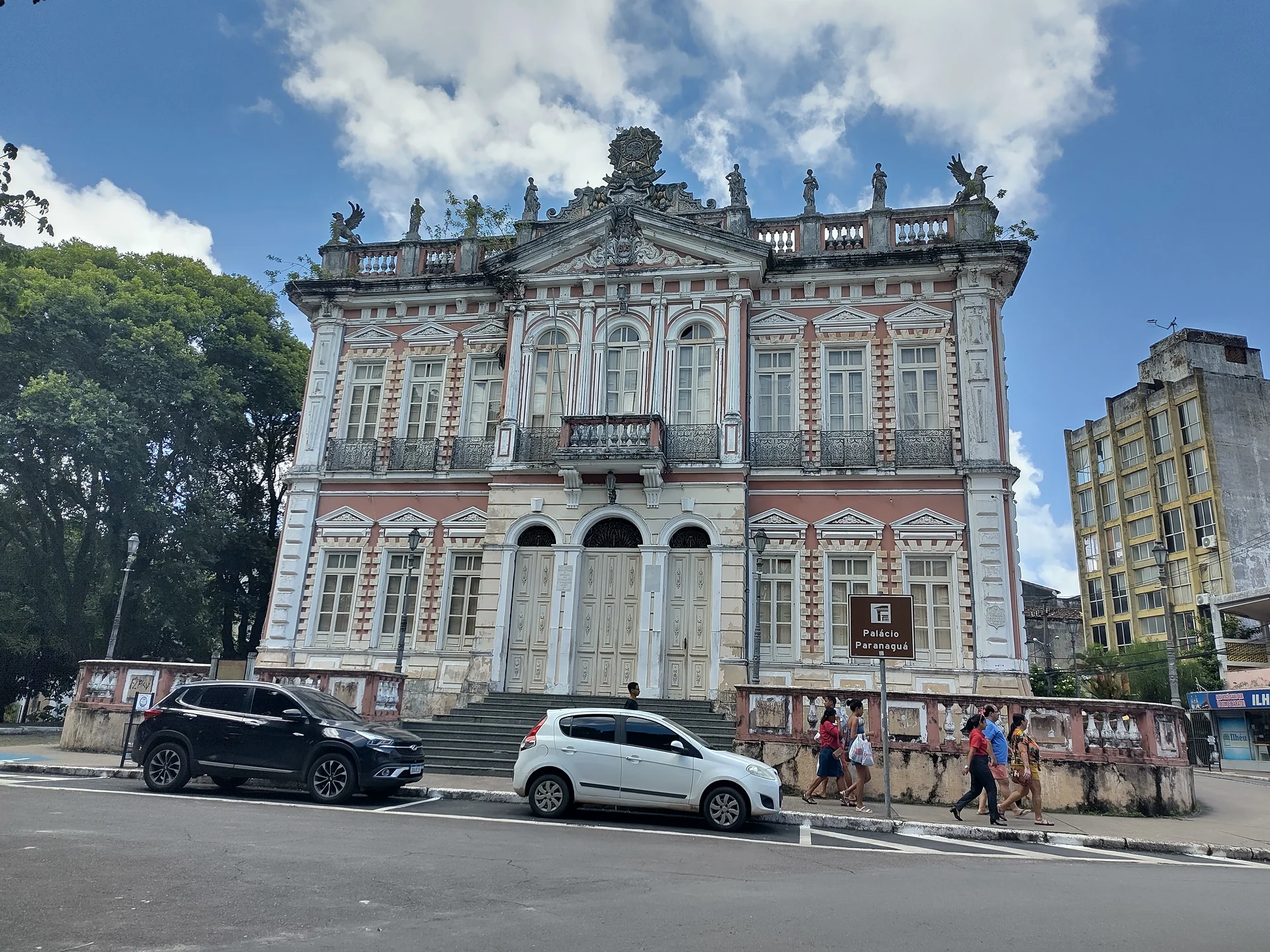
Ilhéus owes much of its past development to cocoa production, which shaped its local architecture and economy. Strolling through the historic center reveals elegant early 20th century buildings like the Palácio Paranaguá and the Teatro Municipal. Do not miss the São Sebastião Cathedral, an imposing neo-Gothic church that anchors the main square.
In the Footsteps of Jorge Amado
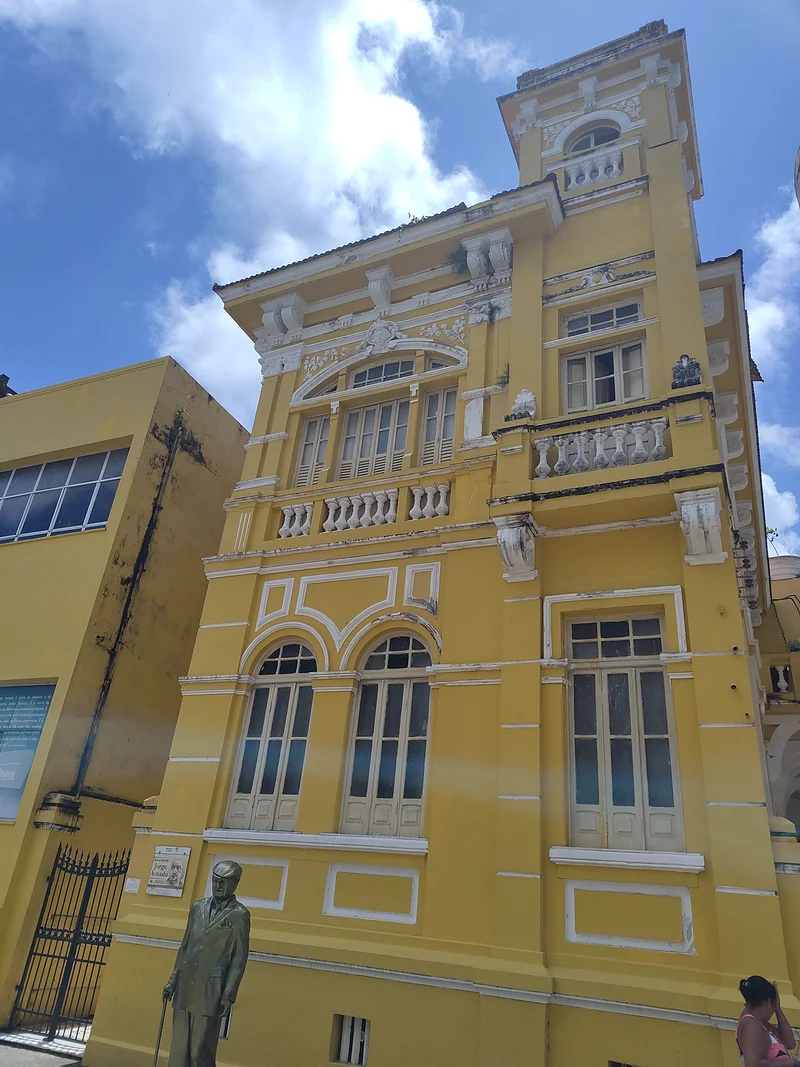
Famed Brazilian author Jorge Amado put Ilhéus on the literary map through his novel Gabriela, Clove and Cinnamon. His childhood home, now a museum, offers insight into his life and work, though he was actually born in Itabuna about 30 km away. Just a short walk away, the Bar Vesúvio mentioned in his pages remains a classic spot to grab a coffee or a cocktail.
Beaches for Every Vibe
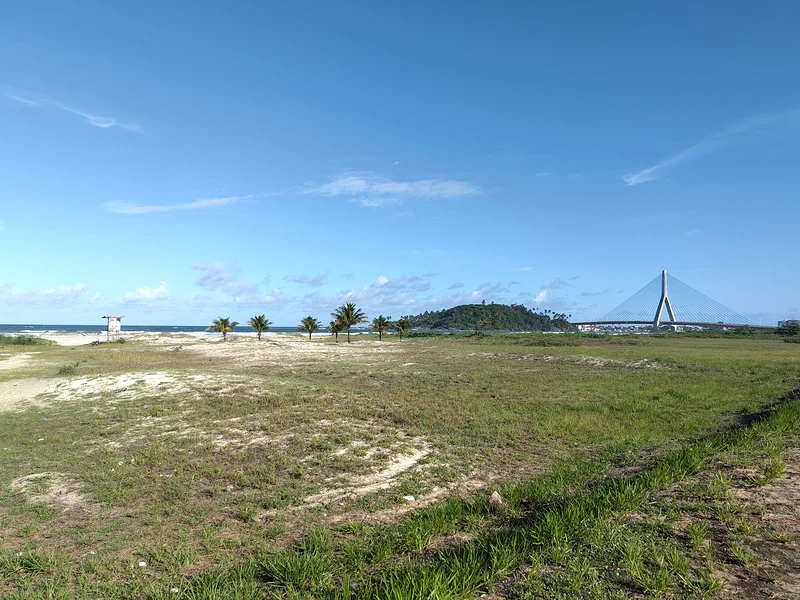
Ilhéus is framed by a long stretch of coastline with beaches ranging from lively to secluded. Praia dos Milionários, closest to town, is great for unwinding at beachfront restaurants. For a wilder setting, Praia do Cururupe is backed by coconut palms and dunes. Surfers head straight for the breaks at Praia de Back Door a few kilometers away.
Touring a Cocoa Farm
You cannot visit Ilhéus without exploring its signature crop. Several working fazendas open their doors to visitors, walking you through every step of chocolate making from tree to bar. Fazenda Provisão and Fazenda Yrerê are among the most popular choices for tours.
Bahian Cuisine with Tropical Roots
The culinary scene in Ilhéus reflects Bahian traditions with strong African roots. One signature dish is moqueca de peixe, a fish stew simmered in coconut milk and palm oil known as dendê. Another local staple is acarajé, a street food classic made from black-eyed pea dough stuffed with dried shrimp. For dessert, local artisanal chocolate crafted right from regional plantations is a major point of pride.
Where to Eat?
- Bataclan (Center): A historic spot serving refined local dishes.
- Restaurante Mar Aberto (Praia dos Milionários): A great choice for fresh seafood right by the water.
- Vesúvio (Center): Famous for its literary ties to Jorge Amado, ideal for a coffee break or a traditional dinner.
- Cabana da Empada (Cururupe): Perfect for tasting regional bites in a casual beach setting.
Where to Stay?
- Jardim Atlântico Beach Resort (Praia dos Milionários): A beachfront hotel featuring a pool and an on-site restaurant.
- Opaba Praia Hotel (Praia do Sul): A budget-friendly option in a convenient location.
- Hotel Aldeia da Praia (Praia dos Milionários): A family-friendly property with direct beach access.
- Eco Village Indaiá (Praia do Norte): A quiet natural setting ideal for a peaceful getaway.
When to Go?
Ilhéus has a tropical climate with warm temperatures year-round. The best time to visit runs from September to March when rainfall is lower. July brings the annual Festival do Chocolate, a celebration dedicated to local farmers and chocolate enthusiasts.
Getting There
Ilhéus has a regional airport with flights connecting from Salvador and São Paulo. From Salvador, driving or taking a bus down the coast takes about 6 hours. Several bus lines connect the city to major urban centers across the northeast.
Getting Around
The downtown area is easy to explore on foot, but reaching outlying beaches and cocoa farms makes it smart to rent a car or grab a taxi.
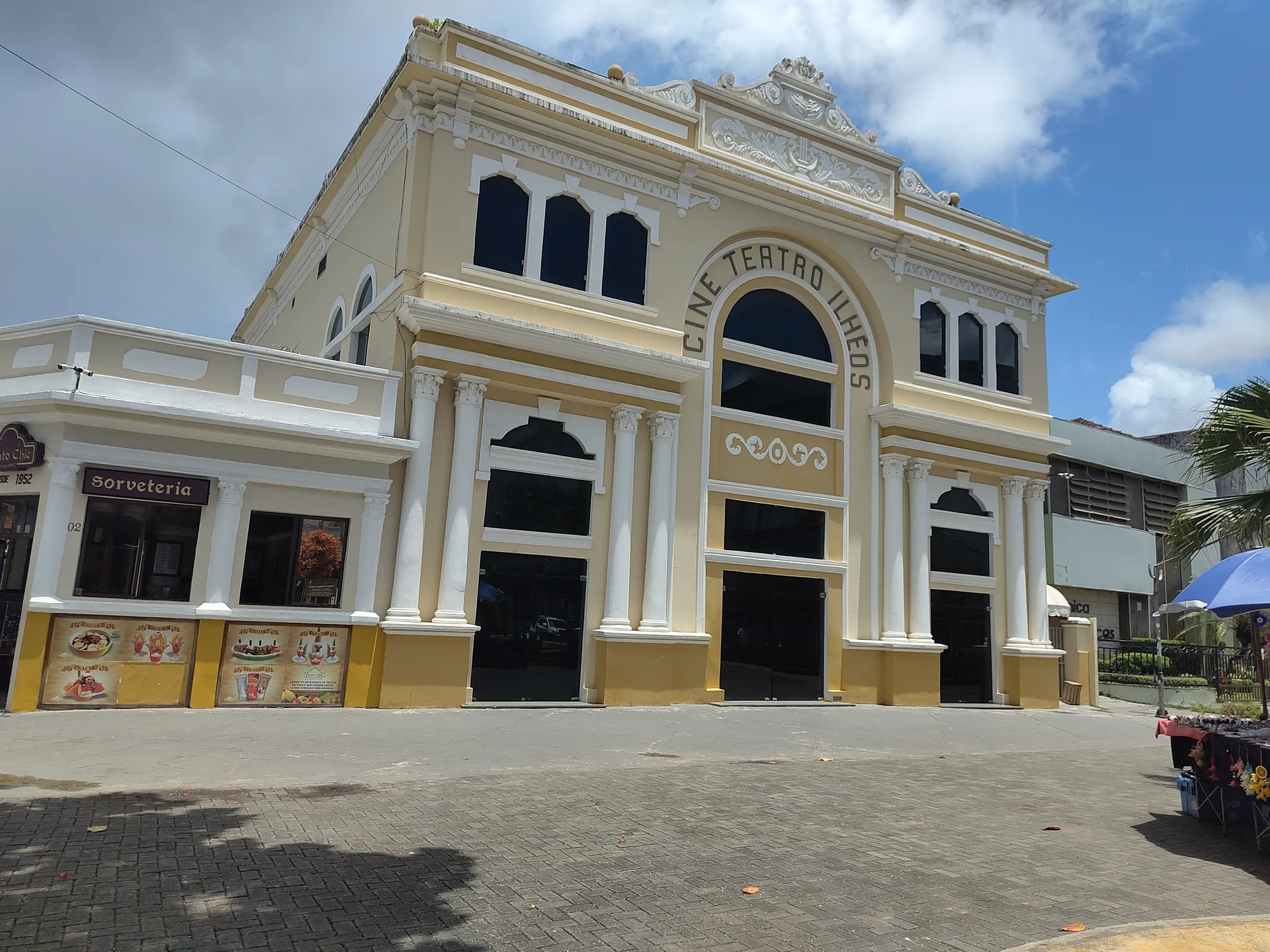
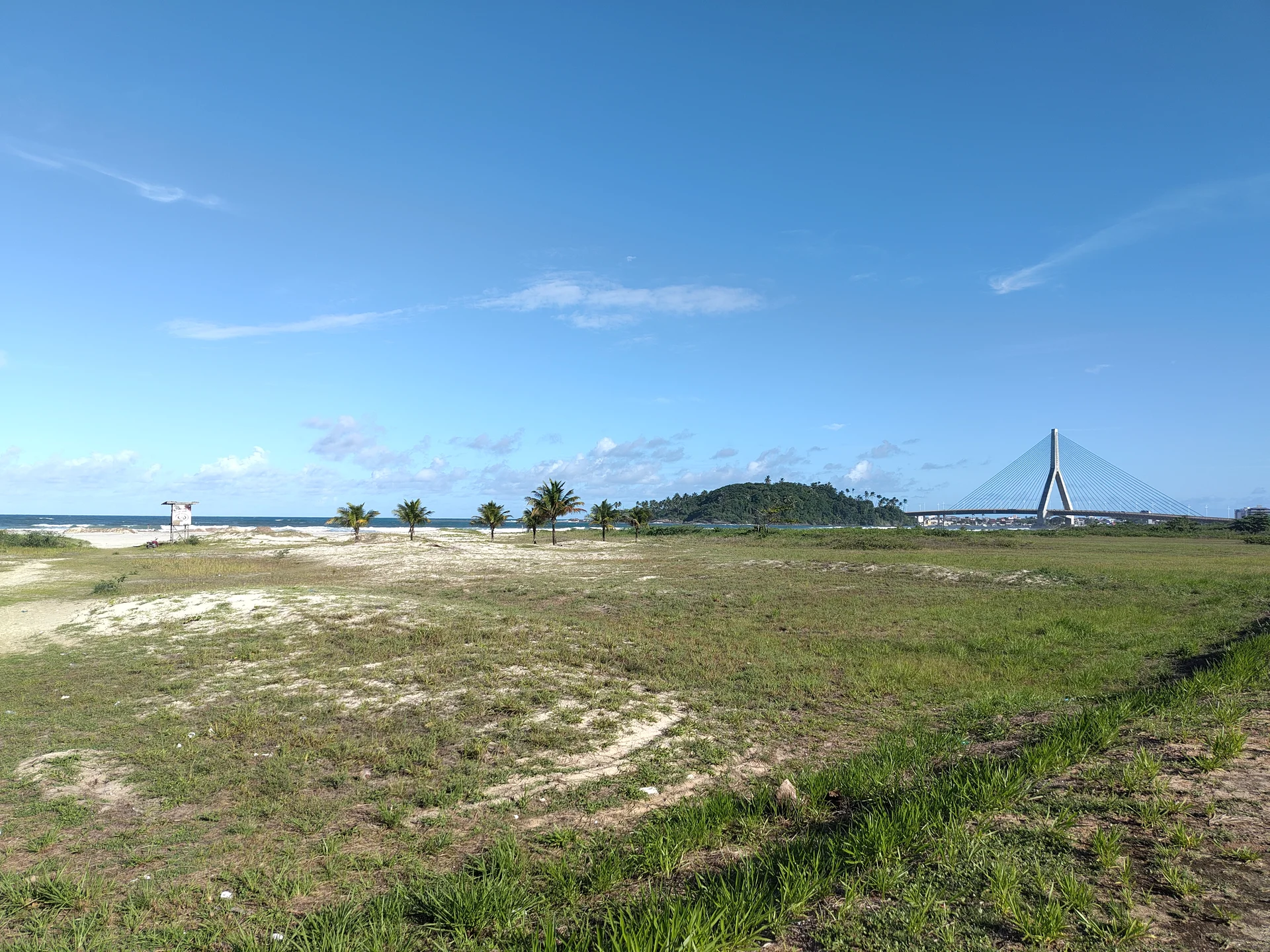
You can see everything in the city center pretty quickly, especially on Sundays when everything closes at 1 p.m. and there is not a soul in sight! It is a good starting point for visiting a cocoa fazenda, and it is fairly nice between the lagoon and the ocean.