
Exploring Porto Seguro, Colonial History and Tropical Beaches
Set along the southern coast of the state of Bahia, Porto Seguro pairs a deep historical footprint with palm-fringed shoreline. As the reported landing point of navigator Pedro Álvares Cabral in 1500, the city blends Portuguese heritage with Atlantic beachfront energy. Here is a breakdown of what the area has in store.
A Historic Center with Colonial Character
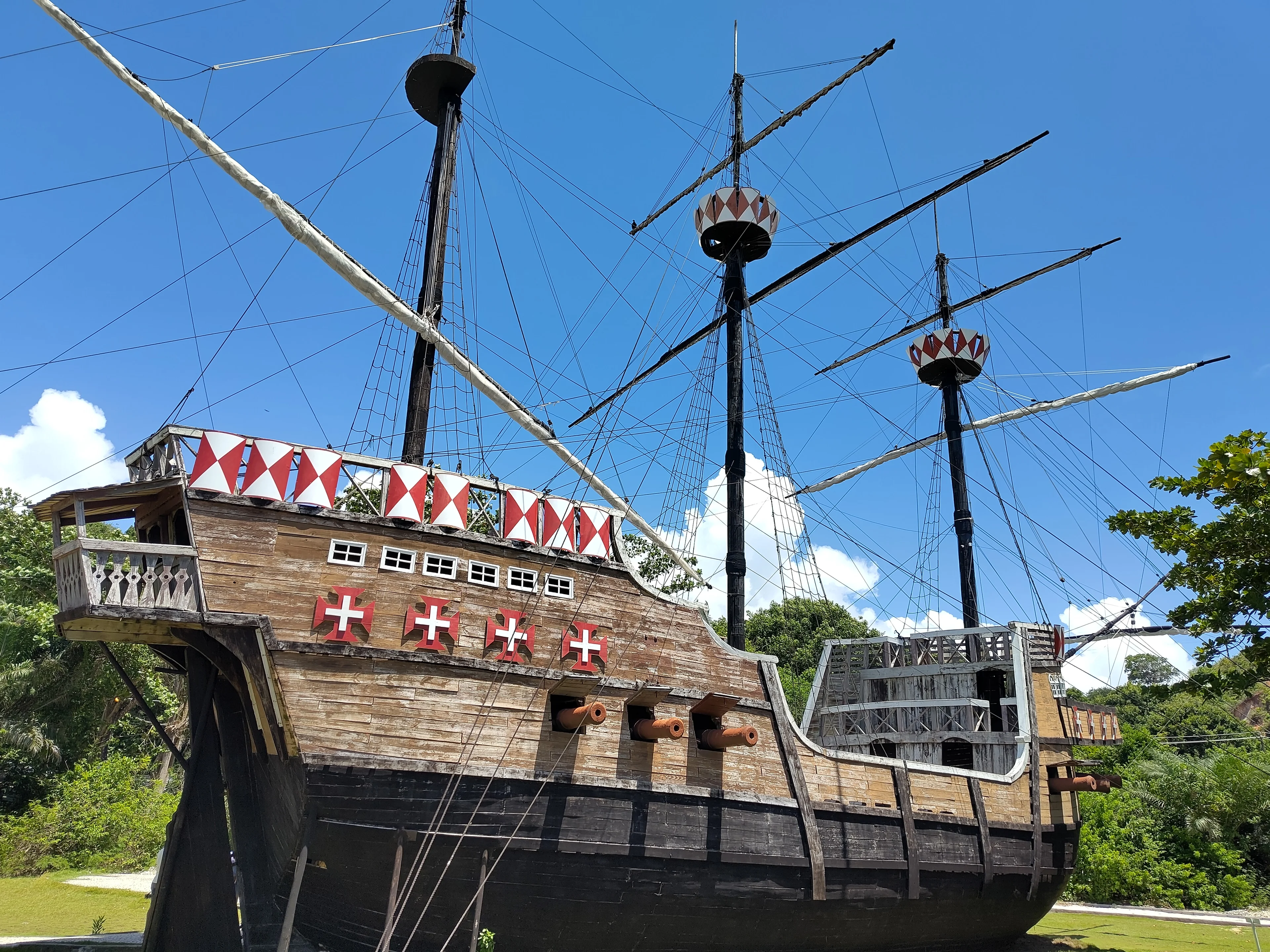
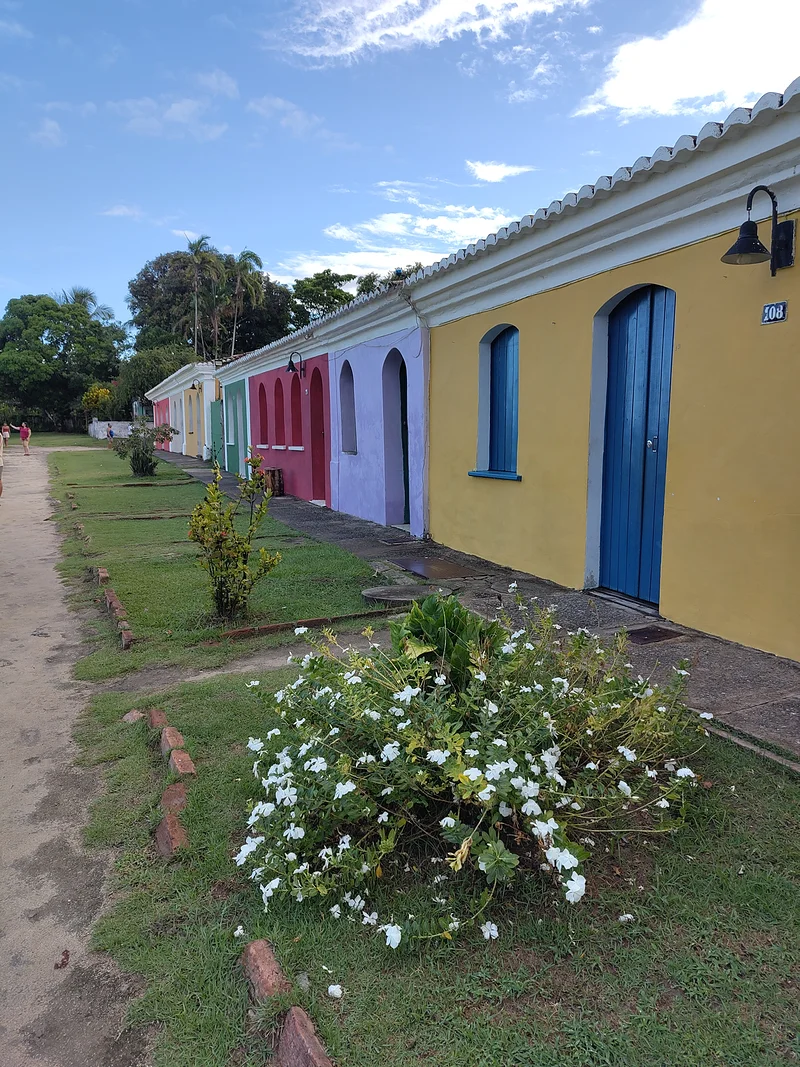
The Centro Histórico sits on a bluff overlooking the coast and serves as the town's prime historical anchor. It preserves several 16th-century structures from early colonial Brazil. Among them, the Igreja de Nossa Senhora da Pena dates back to 1535 and features period ecclesiastical architecture. The neighborhood also houses the Museum of the Discovery, detailing the arrival of Portuguese explorers and regional history. Walking the cobblestone alleys reveals brightly painted facades and wide coastal vistas.
Beaches for Every Mood
Porto Seguro is defined by its coastline, which ranges from high-energy party strips to calmer waters. Close to town, Praia de Taperapuã draws the biggest crowds with its beachfront barracas serving cold caipirinhas alongside live music. For a calmer pace, Praia do Mutá offers shallow waters and quiet surroundings. Just a short hop down the coast, Arraial d’Ajuda features dramatic red clay cliffs and a relaxed village atmosphere.
A Lively Nightlife Scene
After dark, Porto Seguro draws travelers looking for outdoor music and nightlife. The Passarela do Álcool acts as the central hub, lined with cocktail stands and street food vendors. Visitors interested in regional dance can check out the local clubs, where Bahian rhythms play until dawn.
Excursions and Protected Nature
A short distance inland, the Jaqueira Indigenous Reserve provides a look into the traditions of the local Pataxó indigenous community. For marine life, the Recife de Fora Marine Park offers boat excursions to offshore coral reefs for snorkeling. Further afield, adventurous travelers can head inland to the Chapada Diamantina national park, located roughly 500 km away, for canyon hiking and waterfalls.
Classic Bahian Flavors
Bahian cuisine shapes the local food scene in Porto Seguro. A primary dish to try is moqueca de peixe, a fish stew simmered in coconut milk and dendê palm oil. Another regional staple is acarajé, a fried black-eyed pea fritter split and stuffed with dried shrimp and vatapá paste. To drink, a caipirinha made with cachaça, fresh limes, and cane sugar is served everywhere.
Where to eat?
- Colher de Pau (Taperapuã): A traditional restaurant known for seafood stews.
- Restaurante Canto d’Alvorada (Arraial d’Ajuda): Regional dishes served with ocean views.
- Recanto do Sossego (Mutá): A quiet spot for local flavors near the sand.
- Churrascaria do Gaúcho (Center): A classic Brazilian steakhouse for grilled meats.
Where to stay?
- Porto Seguro Eco Resort (Center): Comfortable lodging within walking distance of the historic district.
- Brisa da Praia Hotel (Taperapuã): Positioned directly for beach access and evening nightlife.
- Arraial d’Ajuda Eco Resort (Arraial d’Ajuda): A resort setting nestled between coastal vegetation and the sea.
- Hotel Estalagem (Center): A functional, well-situated mid-range choice.
When to go?
Porto Seguro maintains a tropical climate with warm weather year-round. The driest months run between July and November. Travelers seeking local festivals can visit during the Carnival season or for the Bahia Revolution celebrations in July.
How to get there
Porto Seguro has a local airport with direct flights from São Paulo, Rio de Janeiro, and Belo Horizonte. International travelers from outside South America will need a connection, with round-trip flights typically ranging between $680 and $1,020*. Long-distance buses also run from Salvador, taking roughly 10 hours on the road.
How to get around
The town center is easily walkable, but reaching outlying beaches and nearby districts calls for a rental car or the frequent local minibus system.
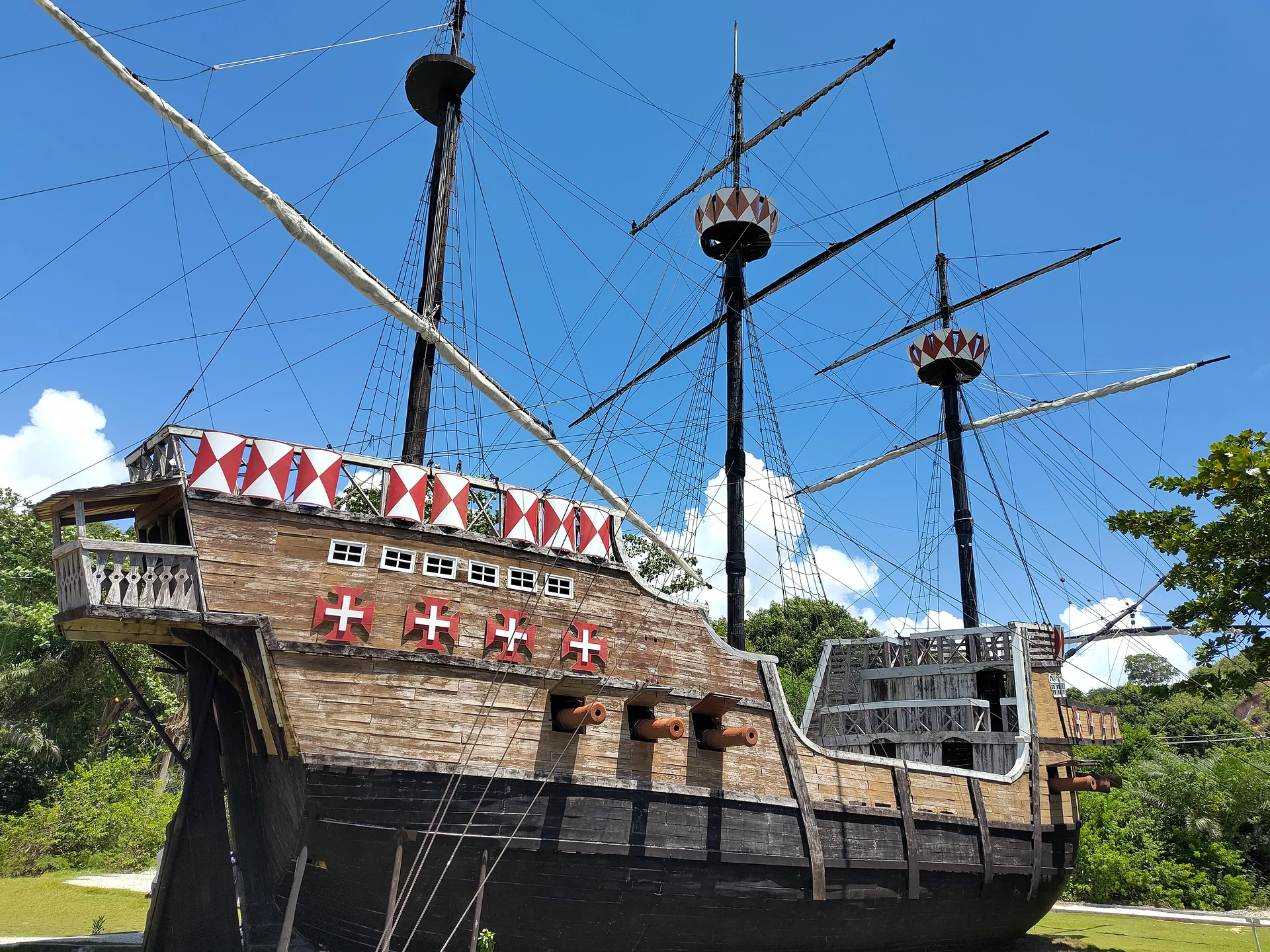
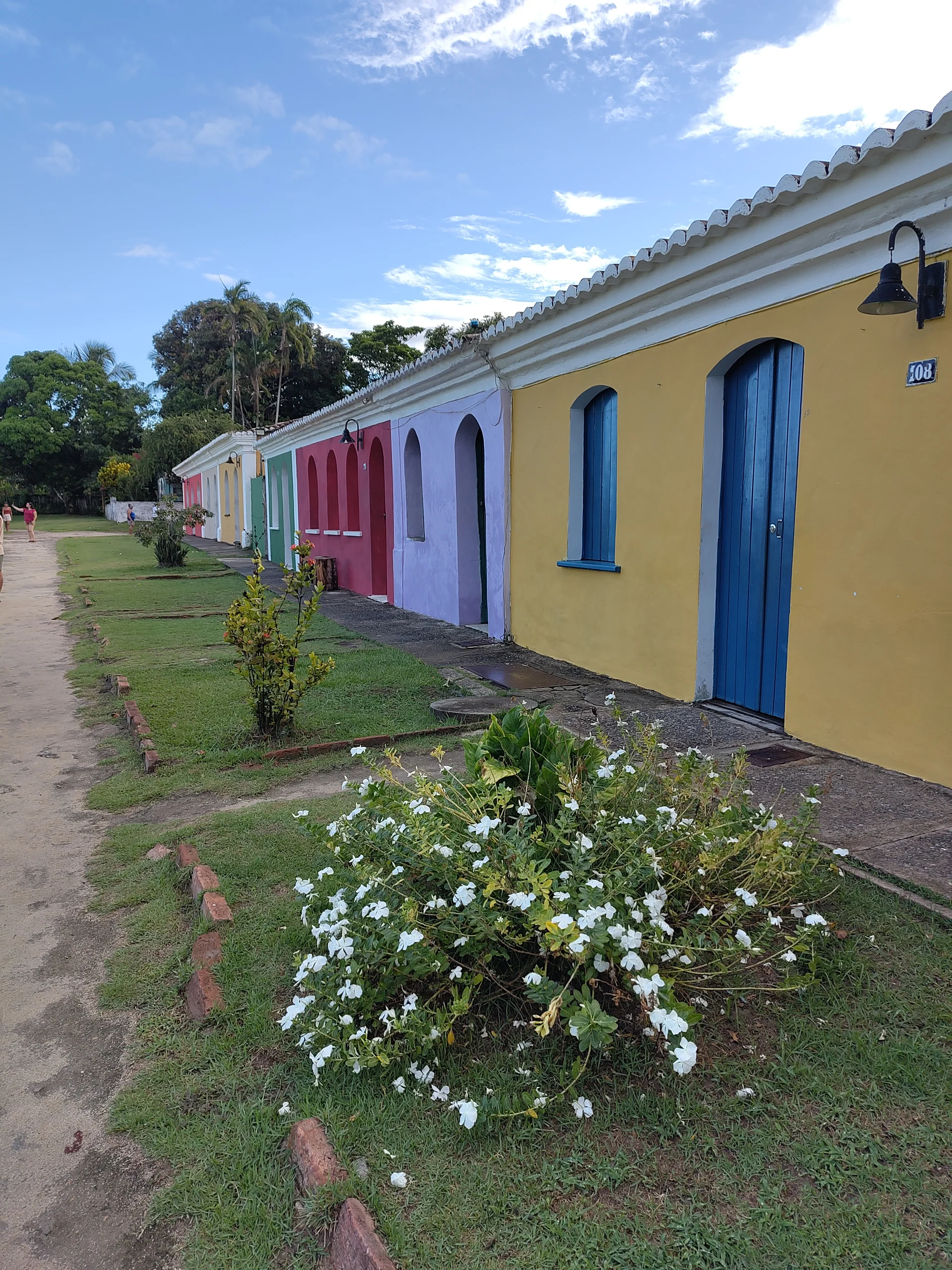
Just enough time to visit the Discovery of Brazil Museum and walk around the city center. If you have a car, go meet the Pataxo indigenous people or go for a hike at Monte Pascoal.