
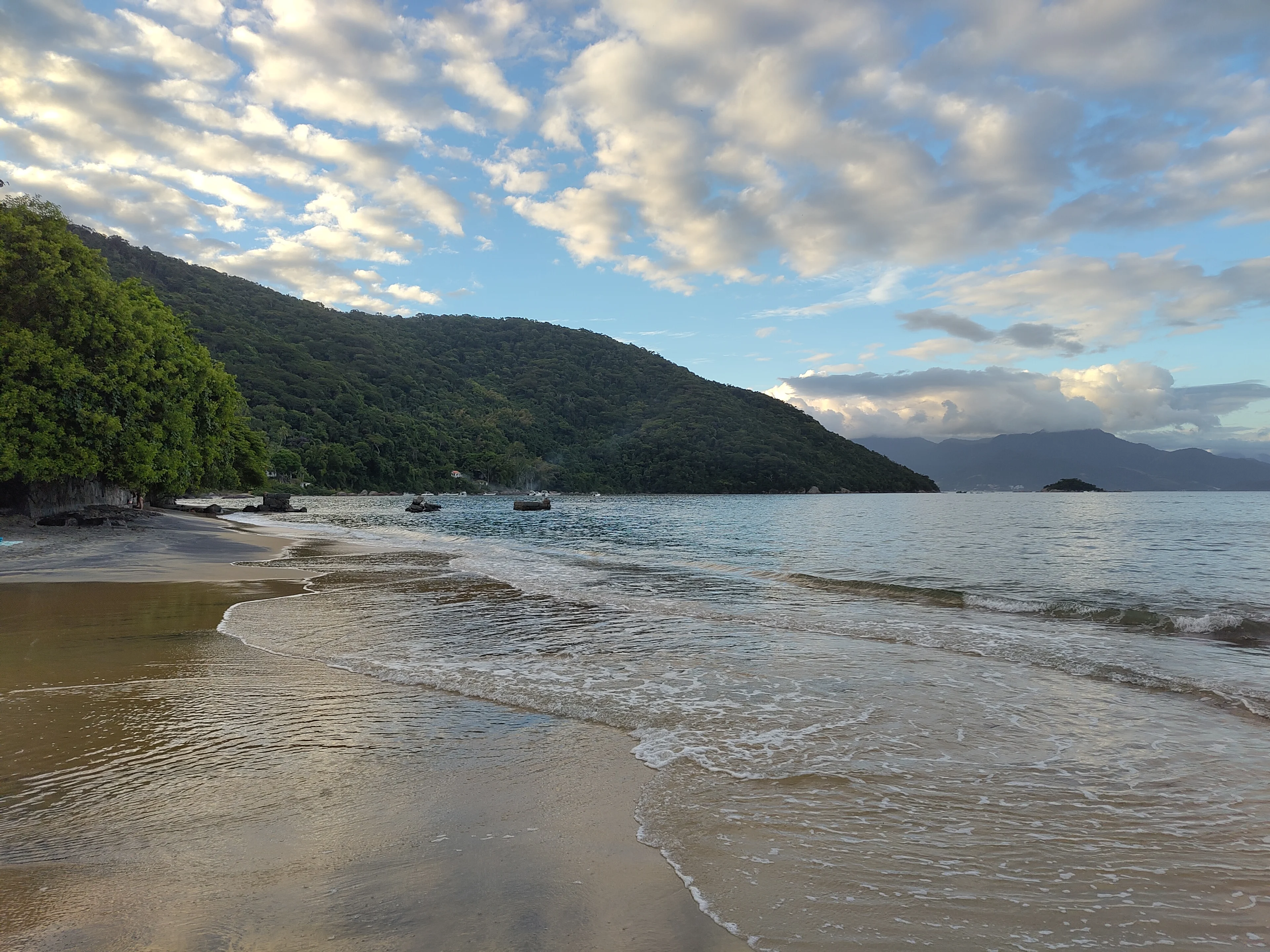
Ilha Grande: The island with no cars, no concrete, and no compromises
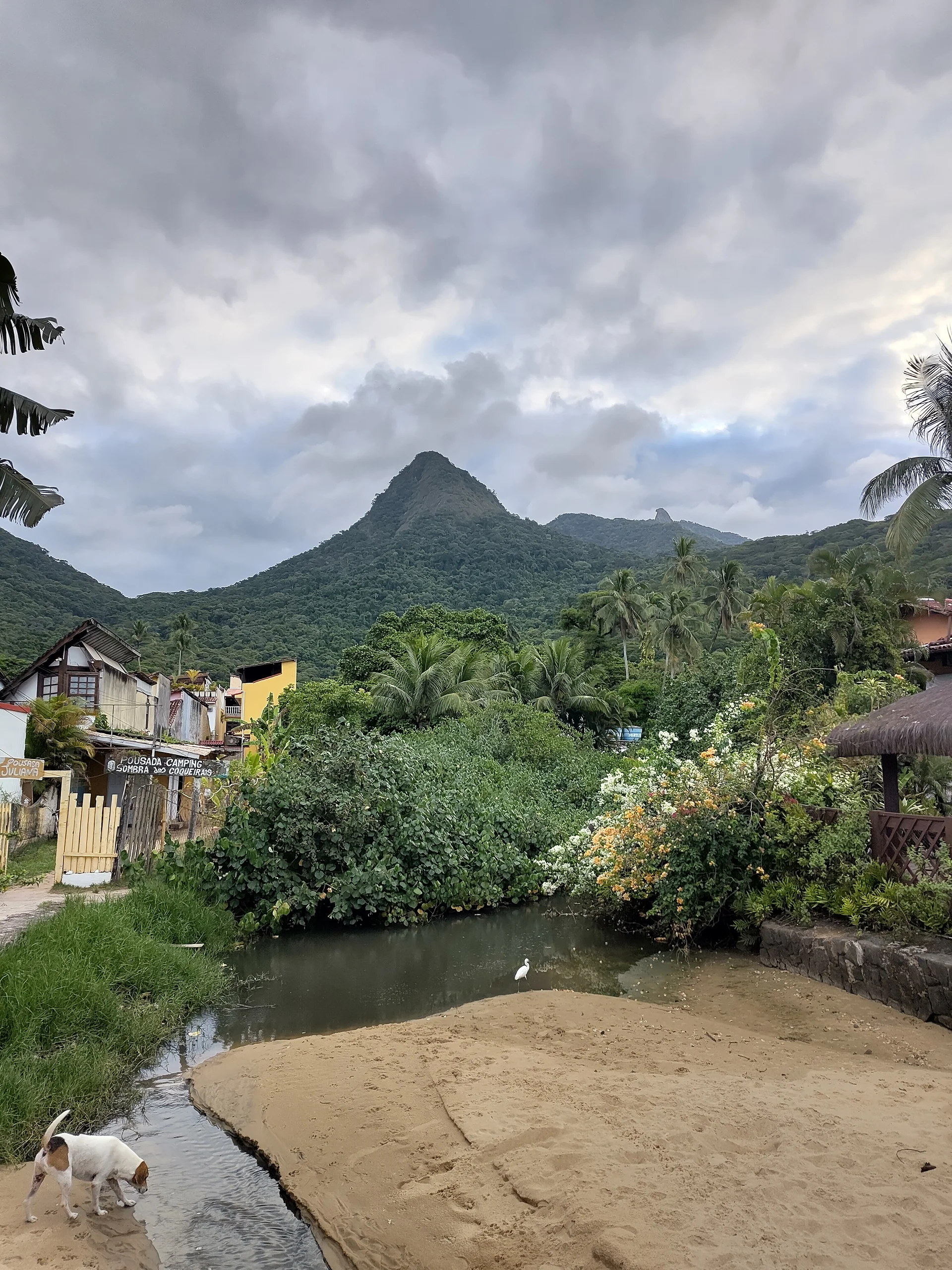
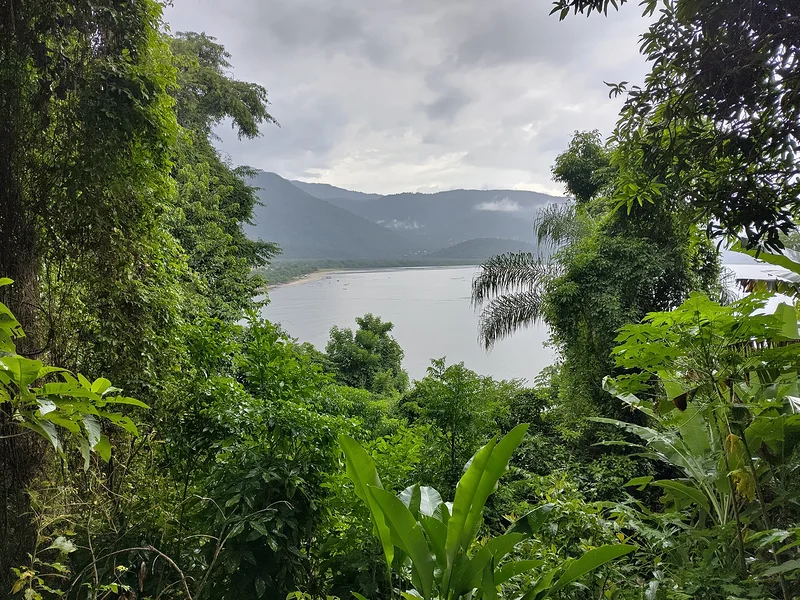
Two hours from Rio de Janeiro, a 75-square-mile island stretches across the Ilha Grande Bay without a single horn honk or traffic light. Ilha Grande owes its near-miraculous preservation to a dark history. Serving as a federal prison until 1994, it was effectively off-limits to real estate developers. Today, 87% of its landmass is classified as a state park, and the only motorized vehicles allowed on the island belong to emergency services.
Is this destination for you?
Ilha Grande is built for travelers seeking untouched coastal nature, hikes through dense Atlantic rainforest, and beaches accessible only by foot or boat. If you require standard hotel comforts, fine dining, or a high-energy nightlife scene, you will likely be disappointed.
The island is less suited for travelers with limited mobility, as the paths are rugged and unpaved. Families with very young children may find the boat transfers and long treks challenging, and travelers hauling large wheeled suitcases will find them impossible to navigate on the island's sandy trails.
Best for:
- Hiking and tropical rainforest enthusiasts
- Divers and snorkelers (clear water, abundant marine life)
- Travelers looking to completely disconnect
- Backpackers
- Couples seeking wild beaches away from the Rio crowds
Not recommended for:
- Travelers with limited mobility
- Those traveling with wheeled luggage
- Fans of 4 or 5-star hotel luxury
- Travelers on a tight schedule (transfers are slow)
Budget: Expect to spend more than you think
Ilha Grande has a reputation as a nature-focused budget destination, but that needs context. The lack of roads and the island logistics drive prices up. Everything eaten or drunk on the island has to be brought in by boat. Basic pousadas (guesthouses) exist, but prices surge during high season (December through February and during Carnival).
| Item | Estimated Range |
|---|---|
| Night in a basic pousada (dorm or simple room) | $16 to $29* |
| Night in a comfortable pousada | $48 to $96* |
| Quick meal (self-service or snack bar) | $4.80 to $9.60* |
| Restaurant meal | $12 to $23* |
| Ferry crossing (one-way from Angra dos Reis) | $2.90 to $4.80* |
| Boat excursion (island tour, full day) | $16 to $29* |
Prices are indicative and subject to change.
Practical realities
The main village, Vila do Abraão, is home to almost all the island's accommodations, restaurants, and excursion agencies. This is where you arrive by boat and where everything starts. The village is small, the streets are paved with stone or dirt, and everything is within walking distance. Bring a sturdy backpack, as hauling a suitcase along these paths is not an option.
Cell connectivity is spotty. The Wi-Fi in pousadas is inconsistent, and you should not count on 4G outside the village. This is a drawback for some and a blessing for others. Regardless, to stay minimally connected without overpaying, we strongly suggest buying an eSIM for Brazil before you arrive.
Friendly tip: Bring enough cash before you board the boat. ATMs in Abraão are rare and often run out of money during high season. Withdraw what you need in Angra dos Reis or Mangaratiba before heading over.
The beaches: Between accessibility and earned rewards
Lopes Mendes is often cited as one of the most beautiful beaches in Brazil. It features over a mile of white sand, consistent waves prized by surfers, and turquoise water. To get there from Abraão, count on about 90 minutes of hiking or a combination of boat and walking. The effort is real, but so is the reward.
Closer to the village, Praia de Abraão is convenient for a quick dip but lacks character. Praia do Pouso and Praia de Palmas offer a good balance between accessibility and quiet. For snorkelers, Lagoa Azul (accessible only by boat) features surprisingly clear water and abundant marine life.
Hiking: The Atlantic Forest as your playground
The Parque Estadual da Ilha Grande covers most of the island. The trails are numerous, sometimes poorly marked, and a few require a licensed guide. The hike to Pico do Papagaio (3,215 ft) is the most demanding and spectacular. Count on 5 to 6 hours round-trip for a panoramic view of the entire bay.
The trail connecting Abraão to Dois Rios, the former site of the federal prison, is a 3 to 4-hour trek through dense jungle. The prison ruins are striking within this tropical setting. It is one of our favorite hikes on the island for its rare mix of history and raw nature.
Friendly tip: Always start long hikes early in the morning. The heat and humidity become draining quickly after 10 a.m. Bring at least 2 liters of water per person and high-SPF sunscreen.
Where to eat and drink on Ilha Grande?
The local cuisine revolves around seafood. Moqueca (a fish or shrimp stew with coconut milk and dende oil) is the specialty you should order at least once. Restaurants in Abraão also serve grilled meats and feijão (black beans) with rice, a staple of every Brazilian table.
For drinks, the beachside bars offer cold caipirinhas at reasonable prices outside of high season. The nightlife in Abraão is low-key, far from any frenetic club scene.
Where to stay on Ilha Grande?
Almost all lodging is concentrated in Vila do Abraão. Pousadas range from basic dorms to rooms with ocean views, but do not expect large hotel chains. A few isolated accommodations exist in other villages like Provetá or Araçatiba for those who want to get further away from the tourist flow.
Book well in advance for Christmas, New Year's, and Carnival. Outside of these peaks, finding a last-minute room is usually possible.
How to get to Ilha Grande?
Ilha Grande has no airport. Access is exclusively by boat from two points on the mainland: Angra dos Reis and Mangaratiba. Regular ferries and fast lanchas (speedboats) operate year-round. From Angra dos Reis, expect about 75 minutes by ferry or 30 minutes by lancha.
From Rio de Janeiro, reach Angra dos Reis by bus from the Rodoviária Novo Rio terminal (about 2.5 hours). Private van transfers are also available, which are more comfortable but cost more. From the Rio airports (GIG or SDU), budget a full day of travel to reach the island.
How to get around on Ilha Grande?
On the island, everything is done by foot or boat. There are no other options. Walking paths connect the beaches and villages, and water taxis operate from Abraão to the more remote beaches. Water taxi prices are either posted or need to be negotiated at the pier.
When to go?
The best time to visit is from March to June and from September to November, when temperatures are pleasant, the sea is calm, and crowds are thinner. The austral summer (December to February) is hot, humid, periodically rainy, and very crowded with Brazilians on vacation. Carnival transforms the small village of Abraão into a non-stop party, which can be an experience in itself or a reason to avoid the island depending on your preferences.
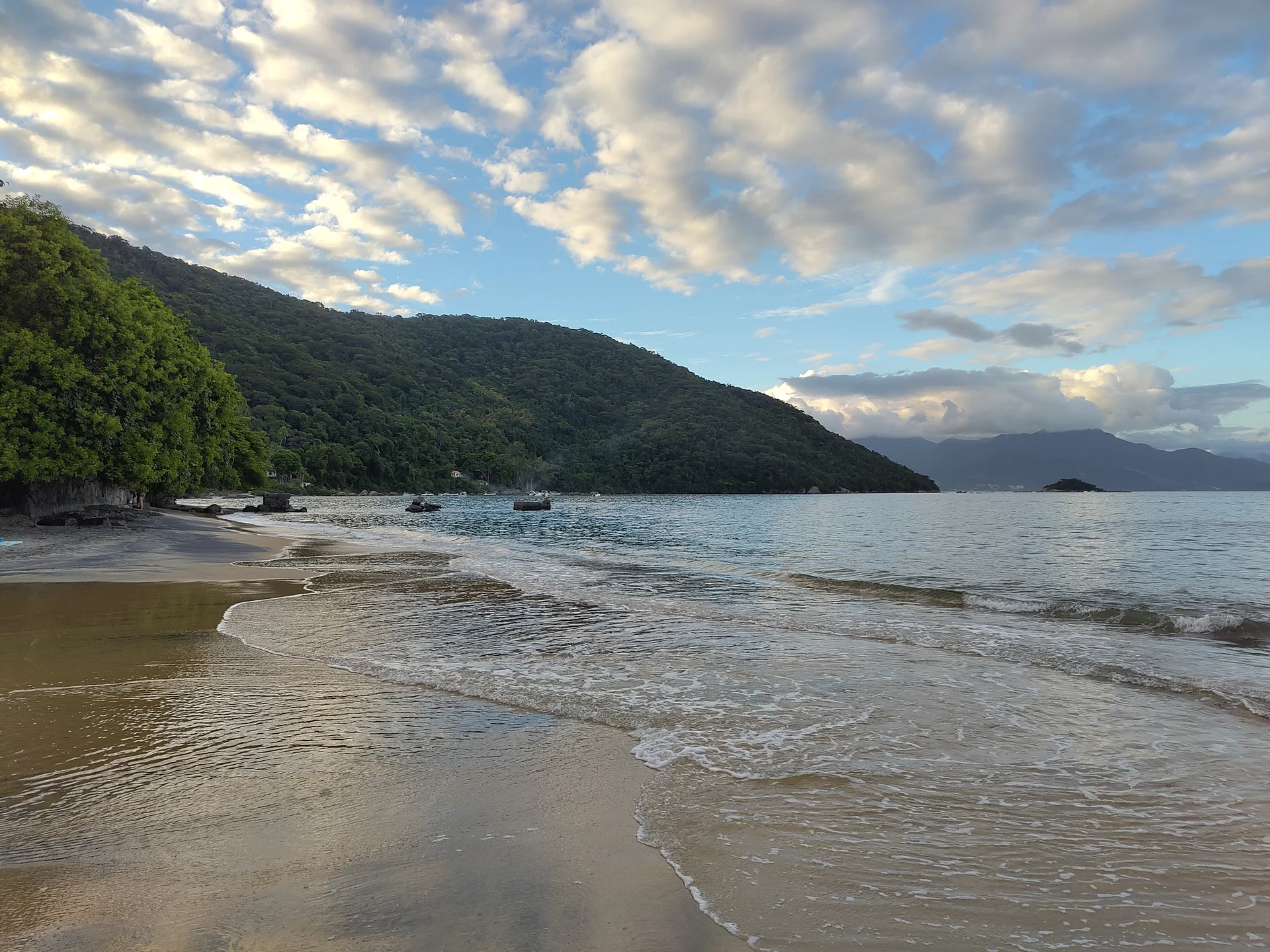
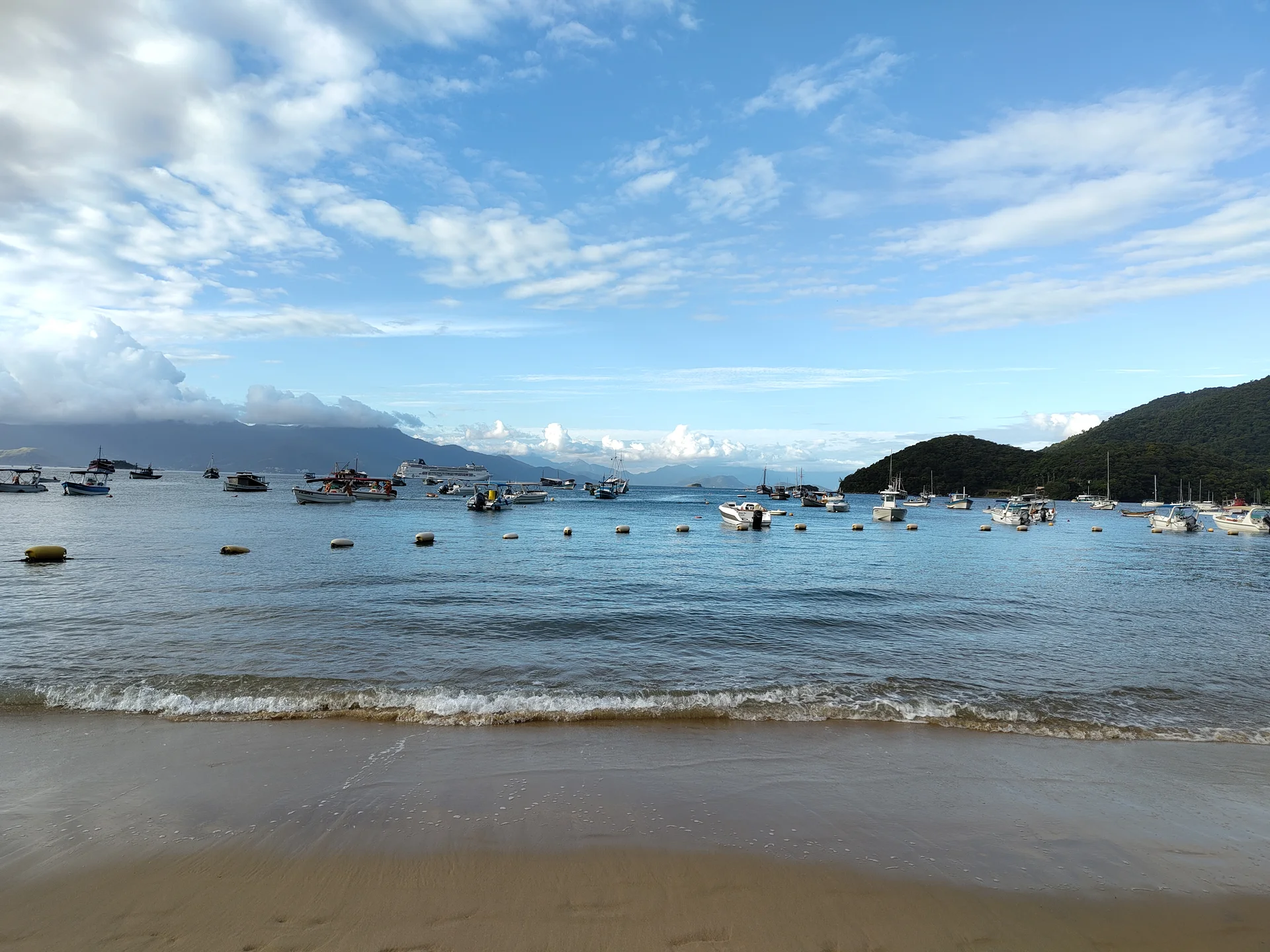
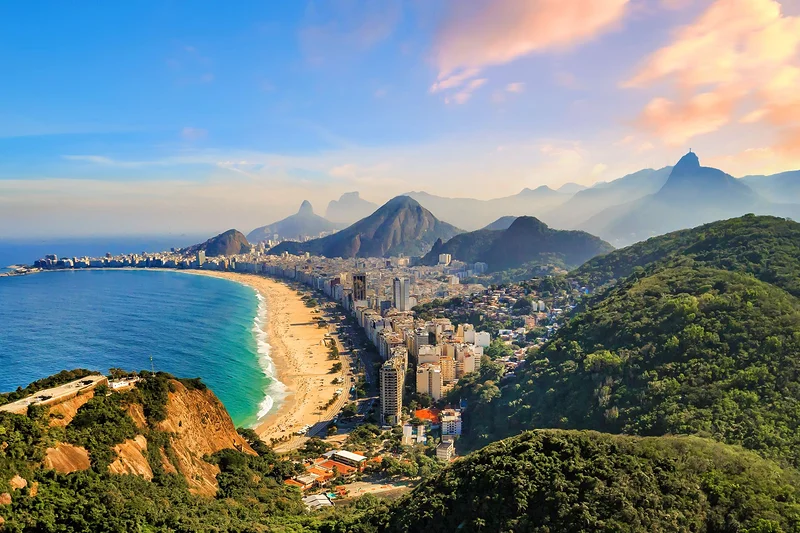
If you are spending a short vacation in Rio, it's nice to go get some sea air, but don't expect to find deserted beaches. If you have been backpacking around Brazil for several weeks, honestly there are better places. Although the climb to Pico do Papagaio, which is rated "extreme," is a good challenge for hiking enthusiasts. At least there is no one on that trail!