Pain de Sucre

Things to do in Rio de Janeiro: top 19 must-see attractions

Looking for inspiration to visit Rio de Janeiro? Browse the attractions our traveler community loves most — historic sites, cultural visits, scenic walks and laid-back spots...

Top 19 attractions our members recommend

Christ the Redeemer

#1 Christ the Redeemer +24 4.8

Le Corcovado est le nom porté par un mont en granite de 704 mètres de haut qui surplombe la ville de Rio de Janeiro et au sommet duquel a été construite la célèbre statue du Christ Rédempteur, symbole du Brésil. Des voies ont été aménagées dès le début du XIXème siècle pour grimper au sommet et admirer le panorama sur la baie. Qu’il s’agisse du chemin de randonnée ou du train à crémaillère, vous ne manquerez pas en y allant de traverser la forêt de Tijuca et son écosystème naturel situé aux portes de la ville.

Voir le guide View offers-7%AVYGEO7
Sugarloaf Mountain

#2 Sugarloaf Mountain +23 4.6

Le Mont du Pain de Sucre est un incontournable du panorama de Rio de Janeiro. Du haut de ses 396 mètres de haut, ce bloc de granit domine la ville à laquelle il est relié depuis plus d’un siècle au moyen de plusieurs lignes de téléphériques, parmi les premières construites dans le monde entier. Le Mont du Pain de Sucre offre de beaux points de vue sur la ville et le Christ Rédempteur. Il fait partie intégrante de la culture populaire mondiale depuis son apparition dans le film James Bond Moonraker de Lewis Gilbert.

Voir le guide View offers-7%AVYGEO7
Tijuca National Park

#3 Tijuca National Park +19 4.7

Le parc national de Tijuca est l’un des plus grands espaces verts urbains au monde. Reboisé au XIXe siècle, il abrite une forêt tropicale dense, des sentiers de randonnée, des cascades et des points de vue spectaculaires sur Rio. Accessible facilement, il permet de s’immerger dans la nature tout en restant proche de la ville. Idéal pour les amateurs de marche, de faune tropicale et de panoramas dégagés sur la baie de Guanabara.

Voir le guide View offers
Pedra da Gávea

#4 Pedra da Gávea +19 3.3

La Pedra da Gávea est un sommet granitique spectaculaire situé dans le parc national de Tijuca à Rio. Connue pour sa vue à 360° sur la ville et ses plages, elle attire les randonneurs avertis en quête d’un défi physique. L’ascension est technique et nécessite une bonne condition physique, mais offre une immersion totale dans la nature tropicale, entre forêt, falaises et panoramas uniques. Un lieu à la fois mystérieux, sauvage et emblématique.

Voir le guide View offers
Rodrigo de Freitas Lagoon

#5 Rodrigo de Freitas Lagoon +19 5

La Lagoa Rodrigo de Freitas est une lagune située dans la zone sud de Rio de Janeiro, entourée de quartiers résidentiels. Elle propose un sentier de 7,5 km pour les activités de plein air, des installations pour les sports nautiques et des espaces verts tels que le Parque da Catacumba. Des kiosques et restaurants bordent la lagune, offrant une ambiance locale agréable, notamment en soirée avec de la musique en direct.

Rio de Janeiro Botanical Garden

#6 Rio de Janeiro Botanical Garden +19 5

Le jardin botanique de Rio de Janeiro est une institution au Brésil avec près de 200 ans d’histoire ! Il se parcourt tranquillement à pied et permet de découvrir une partie de la flore et de la faune locale et / ou exotique. Cet espace naturel est idéalement situé, entre le centre de Rio et la forêt de Tijuca qui mène au mont du Corcovado et à la célèbre statue du Christ Rédempteur, surplombant la ville. Au total, il héberge plus de 6500 espèces animales et végétales différentes, dont certaines sont menacées.

Praia Vermelha

#7 Praia Vermelha +19 4.7

Praia Vermelha, nichée dans le quartier d'Urca à Rio de Janeiro, est une plage discrète au pied du Pain de Sucre. Elle offre un cadre paisible avec une mer calme, une petite crique de sable rougeâtre et un sentier côtier agréable. Moins fréquentée que Copacabana, elle attire surtout les locaux. C’est aussi un bon point de départ pour explorer les hauteurs environnantes ou prendre le téléphérique vers le sommet du Pain de Sucre.

Maracanã Stadium

#8 Maracanã Stadium +17 4.4

Le stade Maracanã a été construit pour accueillir la coupe du monde de foot de 1950 dont le Brésil était pays hôte. Cet évènement a marqué la mémoire des brésiliens qui ont vu leur pays battu en finale contre l’Uruguay alors qu’il était donné vainqueur : c’est le coup de Maracanã. Le stade a régulièrement été réhabilité depuis, notamment pour correspondre aux normes de sécurité et d’accueil du public. Sa façade est classée auprès de l’Institut National du Patrimoine Artistique et Historique. Aller y voir un match relève du spectacle avec un grand S : ambiance garantie au rythme des batucadas !

Voir le guide View offers
Candelária Church

#9 Candelária Church +13 3.5

Située en plein centre de Rio, l’église de Candelária se distingue par son architecture baroque et néoclassique, héritage de la période coloniale. Connue pour sa façade imposante et ses intérieurs richement décorés, elle est aussi un lieu de mémoire marqué par des événements tragiques. Un détour intéressant lors d’une visite du centre historique, à proximité d'autres sites majeurs comme le Théâtre municipal ou la Bibliothèque nationale.

Flamengo Park

#10 Flamengo Park +13 5

Inauguré en 1965, le parc Aterro do flamengo est le plus grand espace vert de la ville de Rio de Janeiro. D’une superficie de 120 hectares, il est le lieu idéal pour flâner, faire un jogging ou pratiquer le tennis ou le football. Situé à proximité du centre, il offre de jolis points de vue sur le célèbre mont du Pain de Sucre et sur la baie. Outre le Musée d’Art Moderne, notez aussi la présence de la Marina da Glória au sud du parc, d’où sont parties les épreuves olympiques de voile en 2016.

Barra da Tijuca

#11 Barra da Tijuca +12 4.5

Le quartier de Barra de Tijuca est un quartier récent et aisé de Rio de Janeiro, qui a été mis en lumière pendant les Jeux Olympiques de 2016. Il comporte la plus grande plage de la ville, la Praia de Barra de Tijuca, de 18 kilomètres de long. C’est un quartier qui comprend des infrastructures haut de gamme, de nombreux bars et restaurants. Le quartier évoque les styles de vie propres aux littoraux nord américains comme celui de la ville de Miami, avec les hautes tours qui bordent la longue plage de sable blanc.

Ipanema Beach

#12 Ipanema Beach +6 5

La plage d’Ipanema, rendue célèbre par la chanson éponyme, est un lieu emblématique de Rio. On y découvre une ambiance vivante et variée selon les zones, entre surfeurs, familles et jeunesse locale. Avec son sable blanc, sa vue sur les montagnes et ses vendeurs ambulants typiques, elle offre un aperçu coloré de la vie carioca. Située dans un quartier agréable, c’est aussi un bon point de départ pour explorer la ville.

Voir le guide View offers
Sambadrome

#13 Sambadrome +6 5

À l’origine, les compétitions de danse qui prennent place pendant le festival de Rio de Janeiro avaient lieu au niveau de la Praça Onze ou de l’avenue du Président Vargas. Dans les années 80, le gouvernement local lance un projet d'infrastructure pour pérenniser les défilés : le Sambodrome, conçu par l’architecte Oscar Niemeyer, permettra de multiplier la capacité d’accueil du public par 5. Véritable symbole de la culture brésilienne et de la ville de Rio de Janeiro, le Sambodrome accueille de multiples évènements tout au long de l’année avec en point d’orgue, le festival de Rio.

Arcos da Lapa

#14 Arcos da Lapa +5 3.3

Les arches de Lapa sont les vestiges d’un ancien aqueduc construit par les colons portugais entre 1723 et 1744. Représentatif de l’architecture coloniale, cet aqueduc a été réhabilité au 19ème siècle pour servir de pont à la ligne du célèbre petit tramway jaune Bondé, un emblème de cette partie de la ville, qui constitue aujourd’hui le centre-historique de Rio de Janeiro. Le quartier de Lapa fait partie des endroits les plus festifs de la ville : les sessions de samba endiablées comme les concerts de rock animent régulièrement les alentours de ces vieilles arches.

Selarón Steps

#15 Selarón Steps +5 3.3

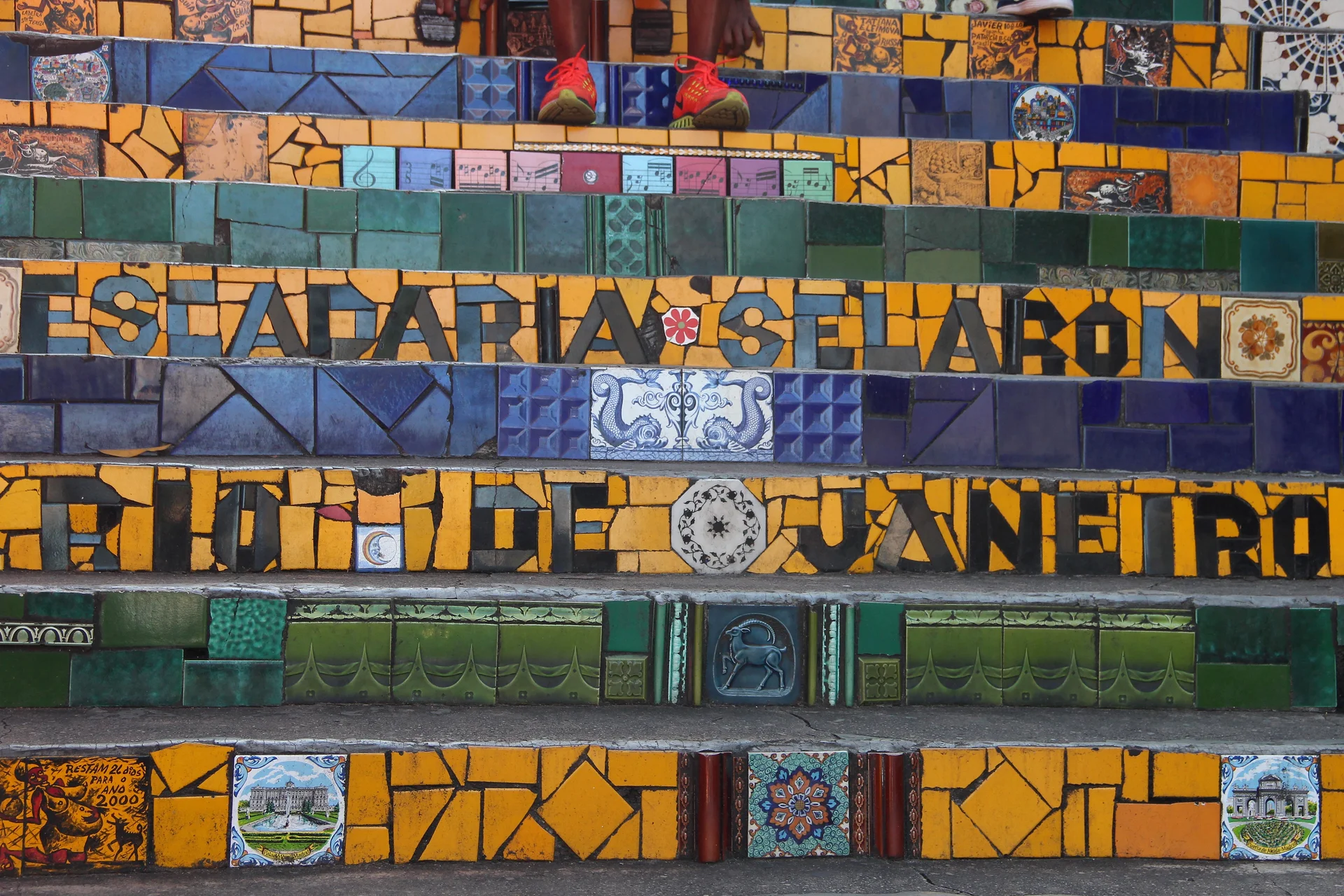
L’escalier Selarón est une voie publique en escalier transformée en œuvre d’art urbain par l’artiste chilien émigré au Brésil Jorge Selarón, qui habitait en face. À l’origine, l’artiste souhaite remercier son pays d’accueil en redonnant vie à cet escalier et en le recouvrant de mosaïques aux couleurs du drapeau brésilien, bleu, jaune et vert. Le projet évolue au cours du temps et jusqu’à la mort de l’artiste en 2013. Au total, 2000 morceaux de faïence colorés recouvrent les 215 marches que comptent l’escalier : une œuvre unique à voir grandeur nature à l’occasion d’un séjour à Rio de Janeiro !

Voir le guide View offers
Parque das Ruínas

#16 Parque das Ruínas +1 3.5

Le Parc des Ruines, perché dans le quartier de Santa Teresa à Rio, est un espace culturel unique aménagé dans les vestiges d'une ancienne demeure de mécène. Il offre une combinaison charmante d'histoire, d'art contemporain et de panoramas spectaculaires sur la baie de Guanabara et les monuments emblématiques de Rio. C'est un lieu idéal pour une pause culturelle et visuelle, imprégné d'une atmosphère bohème.

Voir le guide View offers
Royal Portuguese Reading Room

#17 Royal Portuguese Reading Room pas encore de reco

La Royal Portuguese Reading Room, située au centre de Rio de Janeiro, est un chef-d'œuvre d'architecture néo-manuéline inauguré en 1887. Cette bibliothèque impressionnante abrite plus de 350 000 ouvrages, dont des éditions rares et des manuscrits anciens faisant partie du patrimoins de la culture lusophone. Avec son intérieur majestueux, ses étagères en bois sculpté et sa lumière naturelle, elle offre un cadre paisible pour les amateurs d'histoire et de littérature, loin de l'effervescence urbaine.

Saint Sebastian Cathedral

#18 Saint Sebastian Cathedral -1 2.5

La Cathédrale Saint-Sébastien de Rio de Janeiro est une merveille architecturale moderniste, reconnaissable à sa forme conique unique. Ses quatre immenses vitraux colorés baignent l'intérieur d'une lumière spectaculaire, créant une atmosphère de grandeur et de sérénité. Plus qu'un lieu de culte, c'est une œuvre d'art audacieuse, un symbole de l'ingéniosité brésilienne, et un site incontournable pour les amateurs d'architecture et de spiritualité.

Voir le guide View offers
Copacabana

#19 Copacabana -8 2.5

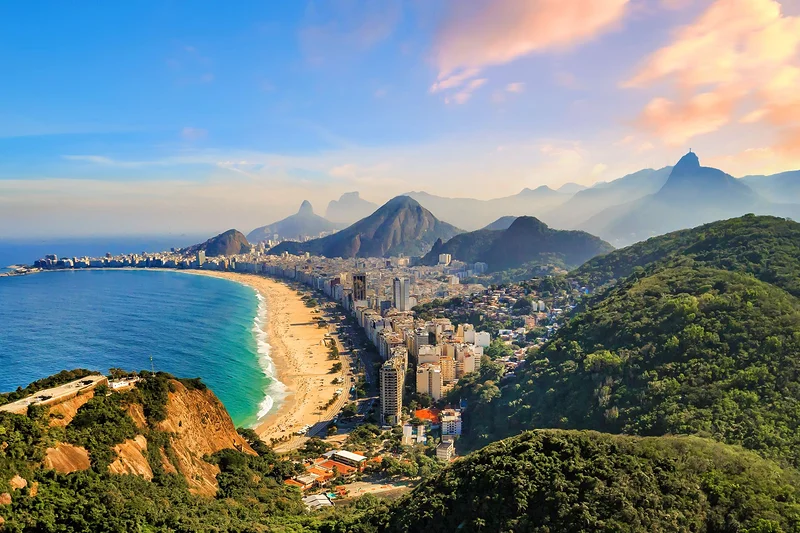
Copacabana est à la fois un quartier et une des plages les plus connues de la ville de Rio de Janeiro au Brésil. C'est un quartier résidentiel, avec de nombreuses possibilités de sorties et de restauration sur le front de mer. La plage fait l'objet de scandales pour pollution en 2016 à l'occasion des jeux olympiques d'été de Rio. Aujourd'hui, le quartier est le plus densément peuplé de la ville et la baie s'est couverte d'immeubles. D'impressionnants feux d'artifices sont lancés chaque 31 décembre sur la baie pour célébrer le passage à la nouvelle année.

Map of must-see attractions in Rio de Janeiro

Visiting Rio de Janeiro, where the ocean meets the mountains

Imagine a city where granite peaks rise straight out of the Atlantic, where the rainforest spills down to golden beaches, and where every sunset feels like a large-scale work of art. Rio de Janeiro is not just a destination. It is a geographic love at first sight that permanently shifts your perspective on what is possible.

Rio, a city that awakens all your senses

This Brazilian metropolis is for those who love sharp contrasts and raw energy. If you are looking for a place that cradles you in soft, muted comfort, look elsewhere. Rio requires an open mind. Here, beauty often sits right next to poverty, luxury dialogues with simplicity, and the momentum never truly stops.

Budget-wise, plan on at least 450 BRL per day (about $80) to enjoy the city properly, including transportation and meals. Those who enjoy intelligent leisure will find their groove here, as will fans of urban culture and untamed nature. Conversely, travelers seeking absolute silence or those who dislike constant stimulation may find themselves unsettled by the permanent symphony of car horns, music, and animated chatter.

The mythical heights of the bay

The Corcovado and its famous Christ the Redeemer statue are the mandatory pilgrimage for every visitor. This 38-meter Art Deco colossus has been overlooking the bay since 1931, and the rack railway ride through the Tijuca National Park is worth the trip on its own. Arrive early in the morning to avoid the crush and enjoy softer light over the city.

The Sugarloaf Mountain offers a different but equally striking perspective. Its 396-meter height is reached via a two-stage cable car ride, with an intermediate stop on the hill of Urca. The sunset panorama is particularly magical here, as the city lights begin to twinkle.

A local tip: Book your tickets for the Christ statue online and choose a late afternoon slot. You will avoid the cruise ship crowds and benefit from optimal lighting for your photos.

The Carioca lifestyle between Copacabana and Ipanema

These two legendary beaches are more than postcards. They are the true open-air living rooms of Rio. Copacabana pulses to the rhythm of its 4 kilometers of fine sand, punctuated by its famous numbered lifeguard stations that serve as meeting points. The vibe is popular and electric, filled with impromptu beach volleyball matches and vendors selling ice-cold caipirinhas.

Ipanema cultivates a more refined elegance. This is where Rio's beautiful people come to perfect their tan, specifically near Posto 9, a temple for the local jet-set. The famous song was not lying. The girls of Ipanema really do have something special.

A local tip: Rent a chair and umbrella directly on the beach instead of bringing your own. It is cheaper than you might expect, you support the local economy, and you avoid hauling equipment around.

Santa Teresa and Lapa, the bohemian soul of Rio

Perched on the hills, Santa Teresa charms visitors with its cobblestone alleys lined with colorful colonial mansions. For decades, this neighborhood has attracted artists and intellectuals drawn to its relaxed atmosphere and studios tucked away in old fazendas. Art galleries sit alongside fusion restaurants, creating a striking blend of tradition and modernity.

Lapa takes over when night falls. Its iconic arches, the remains of an old aqueduct, now frame the city's most frenetic nightlife. Samba bars line up under the arcades, and the Escadaria Selarón, the staircase covered in multicolored tiles, becomes the perfect backdrop for a night that never seems to end.

A local tip: Explore Santa Teresa in the late afternoon, then walk down to Lapa via the Escadaria Selarón to naturally transition from day to night in these two complementary neighborhoods.

Where to eat and drink in Rio?

Carioca gastronomy blends African, Portuguese, and indigenous influences with expert skill. Do not leave Rio without tasting a feijoada completa, the stew of black beans and smoked meats that serves as the national dish, traditionally served on Wednesdays and Saturdays. Pastéis de camarão (shrimp fritters) are best enjoyed beachside, accompanied by a freshly cut água de coco (coconut water).

In terms of drinks, the caipirinha reigns supreme, but treat yourself to a cerveja gelada, the ultra-chilled beer that Cariocas drink at all hours. Local markets are overflowing with exotic fruits. Açaí, cupuaçu, or caju will introduce you to flavors you have likely never encountered before.

Where to stay in Rio and its surroundings?

Ipanema and Copacabana have the most varied hotel selection, ranging from hostels to oceanfront palaces. For more authenticity, Santa Teresa offers charming pousadas in restored colonial houses with panoramic views of the bay. The Flamengo neighborhood is a good compromise. It is more affordable than the beach zones while remaining perfectly connected to the rest of the city by metro.

Travelers seeking quiet might opt for Barra da Tijuca, a modern neighborhood with less crowded beaches, though it is further from the historic center. Book several months in advance if you plan to visit Rio during Carnival, as prices can triple during that time.

How to get to and around Rio?

Galeão International Airport receives direct flights from major hubs (roughly 11 hours of flight time from Europe). Expect to pay between 4,500 and 6,800 BRL ($800-$1,200) depending on the season. From the airport, prioritize official taxis or the Uber app to reach your accommodation safely.

Within Rio, the metro efficiently serves the main tourist areas, supplemented by a dense bus network that can sometimes be difficult to decipher for the uninitiated. For short distances, walking remains the most enjoyable way to discover the city, especially along the waterfront where a well-maintained bike path invites leisurely strolls.

When to go?

The period from December to February coincides with the austral summer and the pre-Carnival energy. Expect high temperatures, short but intense tropical rains, and a permanent festive atmosphere. To avoid the crowds and enjoy a more temperate climate, prefer May to September, during the Brazilian winter when temperatures hover around 77°F (25°C). Avoid July if possible, as it is the month for Brazilian school vacations and Rio overflows with families on holiday.


Find the best deals to travel to Rio de Janeiro

Activities and guided tours Hotels and stays Flights Custom trips

When to visit Rio de Janeiro?

The most favorable period to discover Rio de Janeiro covers:

January February March April August September October November

Favorable months also include:

May June July

Check the details below to fine-tune your choice based on your preferences!

Climate and atmosphere in Rio de Janeiro month by month

January Favorable

Temperatures
24°C to 32°C
Sea water
26°C
Sunshine
6.9h / day
Rainy days
12 days
Rainfall
137 mm

January in Rio de Janeiro hits the peak of the Brazilian summer. The beaches at <strong>Copacabana</strong> and <strong>Ipanema</strong> are packed, and the pre-Carnival season kicks off with samba rehearsals spilling into the streets and local samba schools opening their doors to the public.

February Very Favorable

Temperatures
24°C to 33°C
Sea water
27°C
Sunshine
7.2h / day
Rainy days
10 days
Rainfall
125 mm

The famous Rio Carnival brings the city to life with spectacular parades and high-energy street parties. Between the dancing and the festivities, it is a one-of-a-kind way to experience the local Carioca spirit at its peak.

March Very Favorable

Temperatures
23°C to 32°C
Sea water
27°C
Sunshine
7.4h / day
Rainy days
11 days
Rainfall
130 mm

March marks the end of peak season, yet the summer vibe lingers. The beaches are still perfect, and the city settles into a quieter rhythm after the intensity of Carnival, offering a more relaxed experience without losing any of its appeal.

April Very Favorable

Temperatures
22°C to 30°C
Sea water
26°C
Sunshine
7h / day
Rainy days
9 days
Rainfall
105 mm

Brazilian fall brings weather that remains warm but feels much more manageable. It is the perfect time to hike up <strong>Sugarloaf Mountain</strong> or explore the <strong>Tijuca Forest</strong> without the intense humidity of the summer months.

May Very Favorable

Temperatures
20°C to 28°C
Sea water
25°C
Sunshine
6.5h / day
Rainy days
8 days
Rainfall
90 mm

May is the perfect time to take in the views from <strong>Corcovado</strong> and wander the colorful streets of <strong>Santa Teresa</strong> without the usual crowds. The mild temperatures are ideal for strolling through the <strong>Botanical Garden</strong> or catching the sunset from <strong>Mirante Dona Marta</strong>.

June Favorable

Temperatures
19°C to 27°C
Sea water
24°C
Sunshine
6.3h / day
Rainy days
7 days
Rainfall
80 mm

The southern winter is officially here, but the weather remains mild and pleasant. Locals take advantage of the sunny days to jog along the beach, and it is a perfect time of year to explore Guanabara Bay by boat.

July Favorable

Temperatures
18°C to 26°C
Sea water
23°C
Sunshine
6.1h / day
Rainy days
7 days
Rainfall
75 mm

Rio in July is quieter, with dry and sunny weather. Nature lovers will appreciate a hike up <strong>Pedra Bonita</strong> or a trip to <strong>Ilha Grande</strong>, where the ocean remains pleasant for swimming.

August Favorable

Temperatures
19°C to 27°C
Sea water
23°C
Sunshine
6.4h / day
Rainy days
7 days
Rainfall
80 mm

August brings sunny days and minimal rain, perfect for wandering through the bohemian neighborhood of Lapa or sipping a caipirinha on a beachfront terrace. The vibe is relaxed, which makes it an ideal time for a local experience.

September Very Favorable

Temperatures
20°C to 28°C
Sea water
23°C
Sunshine
6.8h / day
Rainy days
9 days
Rainfall
95 mm

Temperatures start to climb in September, making outdoor excursions especially pleasant. It is a great time to explore the region around Rio and experience the waterfalls of the <strong>Tijuca Forest</strong>.

October Very Favorable

Temperatures
21°C to 29°C
Sea water
24°C
Sunshine
7h / day
Rainy days
11 days
Rainfall
110 mm

October signals the return of festivals and cultural events. The city comes alive with outdoor concerts and craft markets. A sunset cruise in the bay of Rio is a highlight this time of year.

November Very Favorable

Temperatures
22°C to 30°C
Sea water
25°C
Sunshine
7.2h / day
Rainy days
13 days
Rainfall
120 mm

High season is right around the corner and the local energy in Rio is shifting into high gear. The beaches are getting busier, and the festive atmosphere is building with the first of the end of year celebrations. It is a prime time to experience the best of the city before the peak crowds arrive.

December Very Favorable

Temperatures
24°C to 32°C
Sea water
26°C
Sunshine
7.5h / day
Rainy days
14 days
Rainfall
135 mm

December in Rio means one thing: non-stop festivities. The city is in full preparation mode for the massive New Year's Eve celebration on Copacabana Beach, complete with a legendary fireworks display. Between the open-air concerts and the high-energy atmosphere, it is a time of year that sticks with you.

Weather charts for Rio de Janeiro

Flight prices to Rio de Janeiro, month by month

Tip: click the filter icon below to choose your departure city and trip duration.

Top photos posted by members

Pain de Sucre
Flores
A Cidade

Traveler reviews on Rio de Janeiro

Write a review

Reviews summary

On the city

6 reviews
+24
recos
  • Overall 4.8/5
  • Family 4.5/5
  • Couple 4.8/5
  • Friends 5/5

On the attractions

114 reviews
+250
recos
  • Beaches +44
  • Mountains +42
  • Monuments +41
  • Parks and gardens +32

The city to visit in Brazil

How can you not love Rio de Janeiro in Brazil? You start with its beautiful beaches, Copacabana and Ipanema, where you can enjoy a nice cold caipirinha. You continue with breathtaking views at Sugarloaf Mountain and Christ the Redeemer. Then keep going with its charming neighborhoods like Lapa and Santa Teresa. To finish, I recommend a bike ride at Rodrigo de Freitas Lagoon, a hike in Tijuca National Park, or, for something more unusual, a tour of the favelas with an organization.

1
Recommends :
Overall rating :
With family :
As a couple :
With friends :

At least a week

I would say that is the amount of time you need to be able to appreciate the city from several angles. Rushing after Sugarloaf Mountain or Corcovado when there is sometimes a 2 hour wait and hundreds of tourists taking selfies... is maybe ambitious. But choosing the day when the weather will be nice to make the most of these 2 must-see viewpoints, all while exploring other neighborhoods like Santa Teresa, the historic center, the botanical garden, or the Tijuca Forest... seems more reasonable!

1
Recommends :
Overall rating :
With family :
As a couple :
With friends :

For a festive and unforgettable vacation

Rio de Janeiro is where partying and nature come together! The view from Corcovado, with Christ the Redeemer, is breathtaking. The beaches of Copacabana and Ipanema are perfect for relaxing or learning how to surf. Sugarloaf Mountain offers an incredible panoramic view of the bay. My little tip: do not miss the Lapa neighborhood for its lively bars and the Escadaria Selarón mosaic. The festive atmosphere, especially during Carnival, and the kindness of the Cariocas make this city unique and, above all, unforgettable.

1
Recommends :
Overall rating :
With family :
As a couple :
With friends :

Marvelous City

My first review on this site and about Rio de Janeiro.
Living here long term, Rio de Janeiro can prove difficult, but for a few days or a few weeks, the city is perfect. Since I am not very objective about this city that I adore, you have to know to get info in advance about the danger level of certain neighborhoods, by day as well as by night. Once you account for that, go enjoy the beaches of Ipanema or Tijuca, which is the best one in my opinion. Take the tram to Santa Teresa, the rack railway to Christ the Redeemer, and the cable car to Sugarloaf Mountain. Get lost in the little streets in Flamengo or Catete on a market day. 1,000 things to do in this incredible city!

1
08/05/2020

Ce premier commentaire est parfait, merci beaucoup. Il donne en quelques lignes des infos très importantes pour toute personne voulant visiter Rio (bon, pas tout de suite à priori étant donné la crise sanitaire mondiale). Bienvenue :)

08/05/2020

Ce premier commentaire est parfait, merci beaucoup. Il donne en quelques lignes des infos très importantes pour toute personne voulant visiter Rio (bon, pas tout de suite à priori étant donné la crise sanitaire mondiale). Bienvenue :)

Recommends :
Overall rating :
With family :
As a couple :
With friends :

What an atmosphere!

With the beach and the sun, the setting is perfect and Rio has such a crazy vibe! It is a huge city with tons of things going on and a real party culture.

1
Recommends :
Overall rating :
With family :
As a couple :
With friends :

Cidade Maravilhosa

Rio is without a doubt the city that best represents the madness and exuberance of Brazilians! Partying here is easy, but you can also just wander around and discover the city's heritage while being close to nature and the many green spaces you find everywhere!

1
Recommends :
Overall rating :
With family :
As a couple :
With friends :

You've seen every review.

More cities to visit from Rio de Janeiro