
Belo Horizonte, the Brazilian city that lives for its locals
Few Brazilian state capitals get as little tourist traffic as Belo Horizonte, and that is precisely what makes it worth your time. Forget postcard vistas, ocean beaches, or the massive global buzz of Carnival. Instead, you get a city of 2.3 million residents that eats exceptionally well, drinks even better, and maintains a thriving arts and architectural scene that most travelers completely overlook.
The city was built from the ground up starting in 1897 to serve as the new capital of Minas Gerais, laid out in a precise grid pattern by Aarão Reis. That planned past explains its distinctive feel with wide avenues, expansive parks, and a bold modernism that stands out against the golden colonial towns elsewhere in the state.
Is this destination for you?
If you like traveling like a local, eating in unpretentious neighborhood spots, and exploring a city for its everyday life rather than a checklist of monuments, BH (as locals call it) might just win you over. It also makes a great base for exploring nearby spots like Ouro Preto, Tiradentes, or the Parque Estadual do Rola-Moça.
On the flip side, skip it if you are hunting for famous historical landmarks, coastal views, or a bustling tourist scene. Belo Horizonte is not a whistle-stop town, rewarding travelers who actually settle in for a few days.
Great destination for:
- Fans of Brazilian food (Mineira cuisine ranks among the best in the country)
- Travelers who prefer to steer clear of standard tourist trails
- Anyone wanting to explore Minas Gerais from a comfortable urban hub
- Aficionados of modernist architecture and contemporary art
- Soccer fans (Mineirão Stadium, one of Brazil's largest arenas)
Not a good fit for:
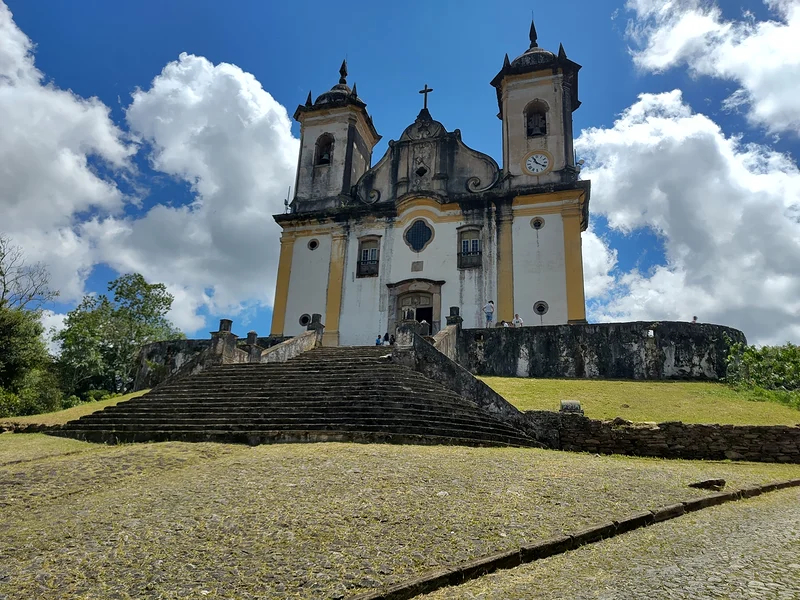
- Travelers looking for historic monuments and colonial architecture
- Anyone searching for the ocean, beaches, or wild nature right outside the door
- Non-Portuguese speakers who do not want to navigate a language barrier since English is rarely spoken
- Travelers on a tight schedule who just want to check a city off a list
Reasonable prices for Brazil
Belo Horizonte is easier on the wallet than São Paulo or Rio de Janeiro, with restaurant tabs coming in notably lower. Traditional neighborhood eateries serving mineira dishes offer some of the best culinary value in the country.
| Expense | Estimated range |
|---|---|
| Hostel bed or basic stay | 50 to 90 BRL ($9.60 to $18*) |
| Comfortable hotel night | 200 to 400 BRL ($39 to $77*) |
| Quick bite (prato feito) | 20 to 40 BRL ($3.90 to $7.70*) |
| Sit-down restaurant meal | 60 to 150 BRL ($12 to $29*) |
| Local transit (bus or subway) | 5 to 10 BRL per ride |
| Backpacker daily total | around 150 to 200 BRL ($29 to $39*) |
| Comfort daily total | around 500 to 700 BRL ($96 to $135*) |
Indicative rates subject to change based on exchange rates and season
Practical realities
The language barrier is very real. Brazilian Portuguese is the only option in the vast majority of shops, restaurants, and transit systems. Learning a few phrases before your trip completely transforms the experience.
The bus network is dense but tricky for newcomers to figure out. The single subway line gets the job done for getting across the central districts. Ride-hailing apps like Uber and 99 work well and are inexpensive compared to US standards.
Is Belo Horizonte safe?
Like any major Brazilian metropolis, BH requires situational awareness. Some outer neighborhoods are best avoided after dark. The tourist and commercial hubs in the center, Savassi, and Lourdes are busy and relatively secure during daylight hours. The golden rule: keep smartphones, jewelry, and cameras out of sight on the street, and call a rideshare at night rather than hailing a cab off the curb.
Exploring Belo Horizonte neighborhood by neighborhood
The city is organized around a few distinct hubs. Do not try to see everything at once, pick two or three neighborhoods and experience them properly.
Downtown
The City Center holds the architectural legacy of the planned urban layout. Praça da Liberdade serves as the civic heart of BH, framed by neoclassical government buildings converted into museums that offer free admission on weekends, making it a pleasant stroll away from the traffic. The Central Market, open since 1929, remains the go-to spot for artisanal cachaça, Minas cheese, and a fresh pastel de queijo amid a loud, lively indoor market atmosphere.
Savassi
Savassi acts as the epicenter for nightlife and dining among the local middle class. The streets surrounding Praça da Savassi fill up by late afternoon with craft beer bars and quality bistros. This is where BH shows off its most cosmopolitan side.
Pampulha
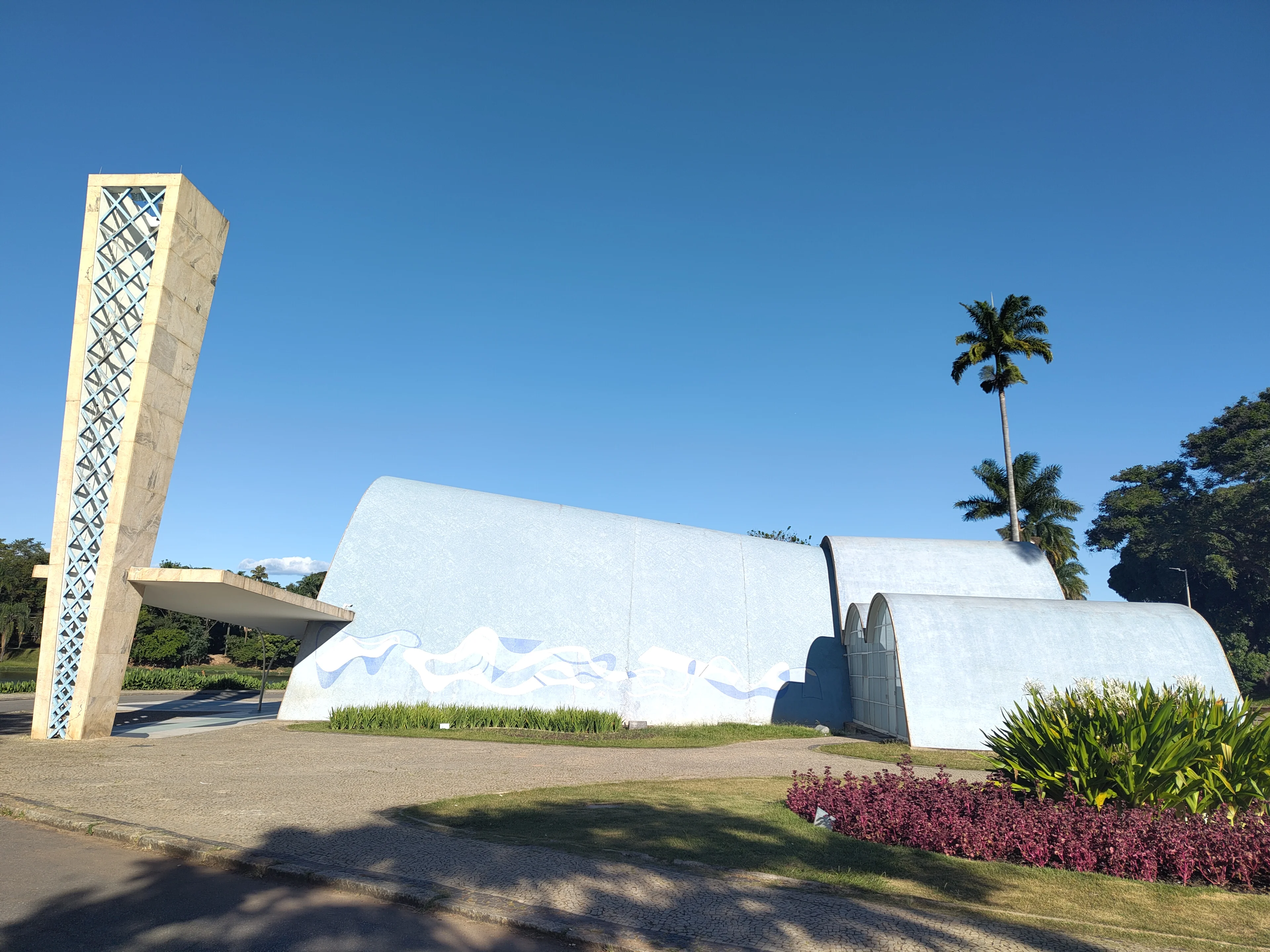
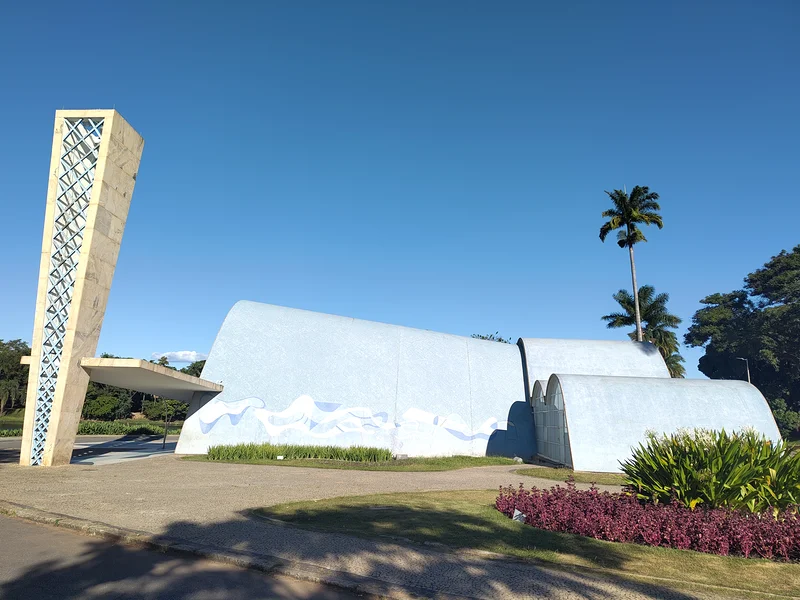
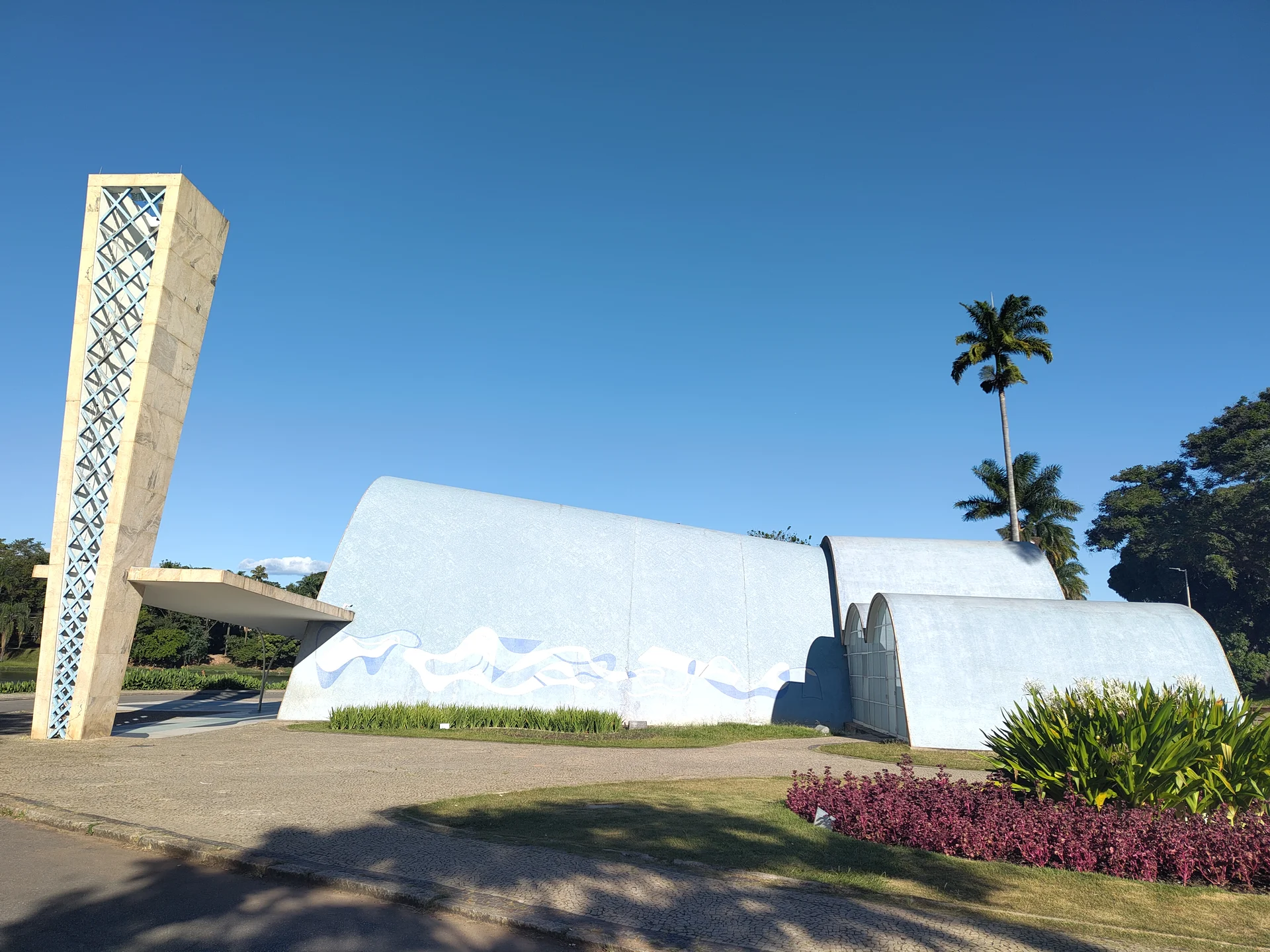
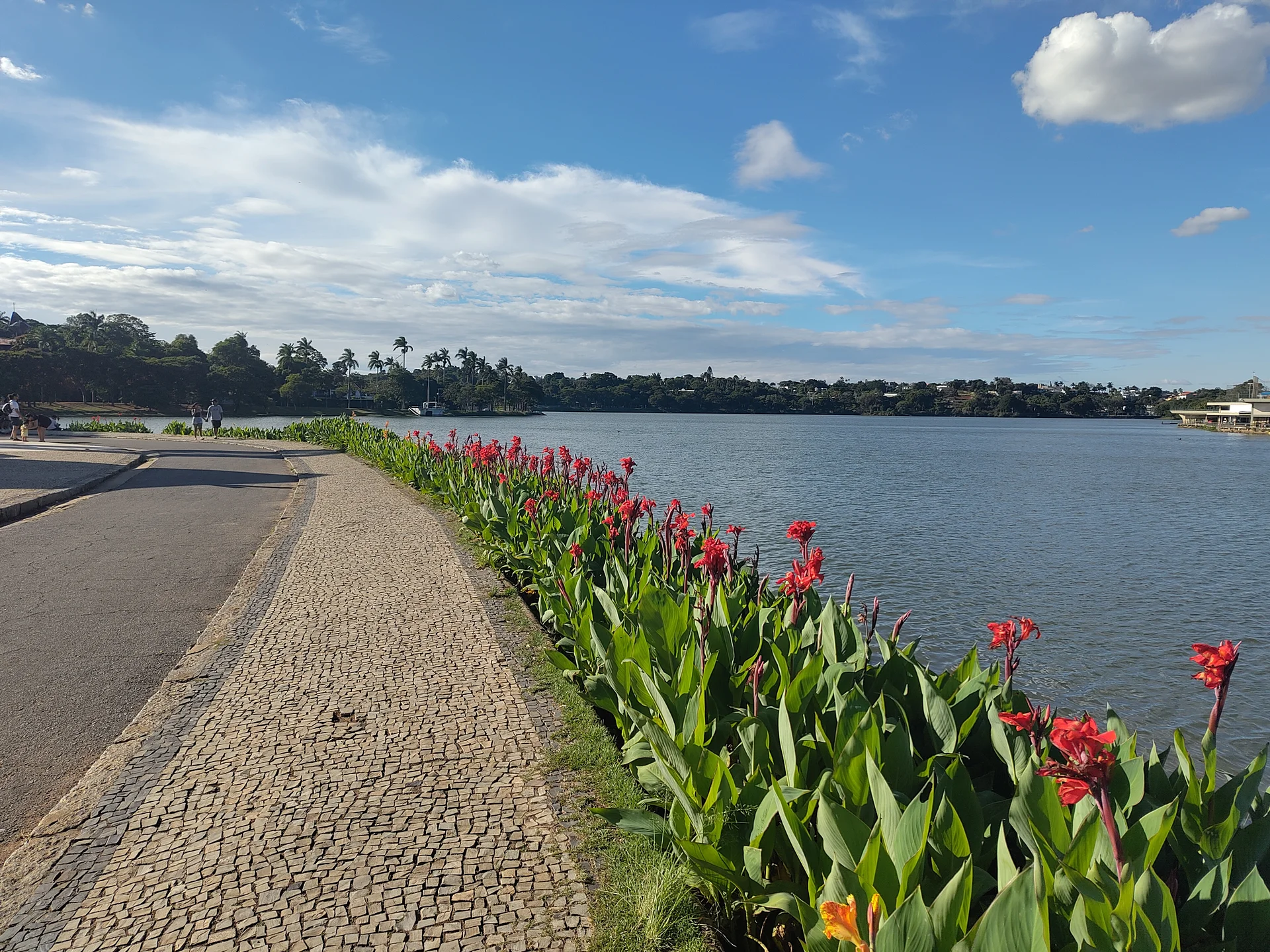
Pampulha draws visitors for one specific reason: it is one of the few places on earth where you can see major works by Oscar Niemeyer in their original setting. The São Francisco de Assis Church, featuring tilework by Cândido Portinari, stands as a masterpiece of Brazilian modern architecture. The entire lakefront complex earned UNESCO World Heritage status in 2016.
Friendly tip: on Sunday mornings, Avenida Afonso Pena transforms into a massive crafts fair known as the Feira de Arte e Artesanato. It ranks among the biggest open-air markets in Brazil, featuring hundreds of local makers. Get there before 10am to beat the heat and the crowds.
Where to eat and drink in Belo Horizonte?
Cuisine from Minas Gerais is considered by many Brazilians to be the finest in the country. Three dishes to try: feijão tropeiro (pinto beans mixed with cassava flour and dried meat), frango ao molho pardo (chicken cooked in a dark blood sauce), and fresh pão de queijo, which puts anything you find elsewhere in Brazil to shame.
Craft cachaça bars are popping up all over Savassi and Santa Tereza, a more bohemian, less touristy neighborhood up in the hills that also hosts independent art galleries and an active MPB (Brazilian popular music) scene on weekends.
Where to stay in Belo Horizonte?
Solo travelers and budget visitors will find local immersion in the hostels around Centro or Santa Tereza. For a comfortable stay, the hotels in Lourdes and Savassi put you right in the middle of the restaurant and nightlife scene.
Steer clear of the cheap hotels near the Rodoviária (bus terminal), as the area gets rough after dark.
How to get to Belo Horizonte?
The city has two airports. Confins International Airport (IATA code: CNF), located about 38 km north, handles international flights and major domestic routes. The more central Pampulha Airport (code: PLU) handles only limited regional flights.
From North America, flights typically require a connection in hubs like São Paulo (GRU), Miami (MIA), or Panama City (PTY). Total travel time usually runs between 12 and 16 hours depending on your layover.
Friendly tip: from Confins Airport, the Executivo bus runs into downtown for around 20 BRL, taking about an hour outside of rush hour. Rideshares cost two to three times more but offer much more convenience if you have heavy bags.
How to get around Belo Horizonte?
The single subway line covers transit between downtown, Savassi, and the Pampulha district. The bus network is extensive but hard to decode without a local transit app. Moovit works well for mapping out bus routes.
For trips out to Pampulha or the outer neighborhoods, ridesharing apps like Uber and 99 provide the easiest option. Rates stay very low, usually running 15 to 30 BRL for most in-town rides.
When to go?
Minas Gerais enjoys a high-altitude tropical climate that keeps BH comfortable year-round, with daytime temperatures hovering between 18 and 30 °C. The rainy season runs from November to March, bringing short, heavy downpours. The most pleasant window spans May to September, bringing clear skies and mild temperatures. Skip January if you are sensitive to humid heat and daily afternoon thunderstorms.
A gigantic, dirty, polluted, and noisy capital city with no real historic center.