
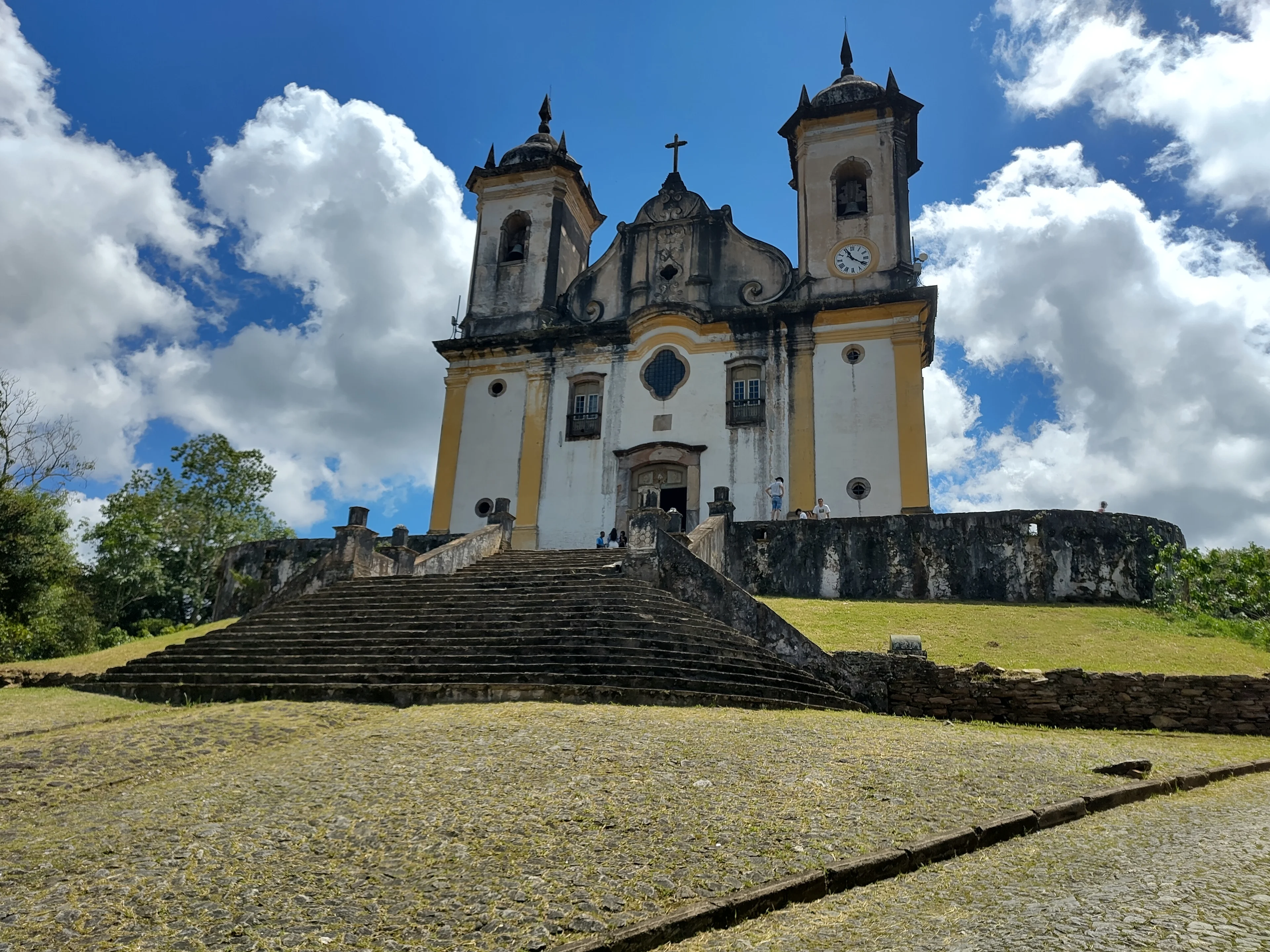


Exploring Ouro Preto, the Baroque Jewel of Minas Gerais
Set among the mountains of Minas Gerais, Ouro Preto is defined by its preserved colonial architecture and steep cobblestone streets. This former mining hub drops you straight into Brazil's colonial past, lined with ornate churches, centuries-old stone bridges, and regional culinary traditions.
Extraordinary Architectural Heritage
Designated a UNESCO World Heritage site, Ouro Preto is famous for its elaborate baroque churches, most notably the église São Francisco de Assis and the église Nossa Senhora do Carmo. These structures stand as monuments to the staggering wealth generated during the Brazilian gold rush.
Museums for Local History
The Musée de l'Or and the Musée de l'École des Mines map out the region's mining past and colonial timeline. Their collections range from geological specimens mined in the surrounding hills to sacred art and historic artifacts.
A Culturally Active City
Ouro Preto hosts regular cultural events, highlighted by the Festival de l'Hiver in July, which brings together musicians, theater troupes, and visual artists for performances across the city.
Natural Landscapes to Explore
Surrounded by green hills, the city sits near rugged terrain well-suited for hiking and outdoor excursions. Nearby areas like Itacolomi State Park protect native plant and animal species across mountainous trails.
Flavors of Minas Gerais
Ouro Preto's food scene showcases the hearty, slow-cooked traditions of the Minas Gerais state. Local specialties include feijão tropeiro, a skillet mix of beans, cassava flour, and pork, alongside frango com quiabo, a traditional chicken and okra stew. Artisanal cheeses and guava-based sweets round out the regional menu.
Where to Eat
- O Passo Pizza Jazz (Centro): A restaurant blending Italian and Brazilian dishes, backed by live music and a lively dining room.
- Escadabaixo Bar Cozinha (Rosário): A popular spot serving updated takes on regional comfort food in a casual setting.
- Tropea Cantina Armazem (Centro): A modern eatery focusing on contemporary plates influenced by local ingredients.
When to Go
The dry season, running from May to September, offers the most reliable weather for walking the steep historic center. July brings the Festival de l'Hiver, making it the peak month for cultural events.
How to Get There
Regular buses run from Belo Horizonte, the capital of Minas Gerais, taking about 2 hours for a fare around $11*. Renting a car is also a practical option if you plan to explore the surrounding mountain towns.
Getting Around
The historic center is best explored on foot, though the steep hills and uneven cobblestones require sturdy walking shoes. Taxis and ride-hailing apps are readily available for longer trips across town.
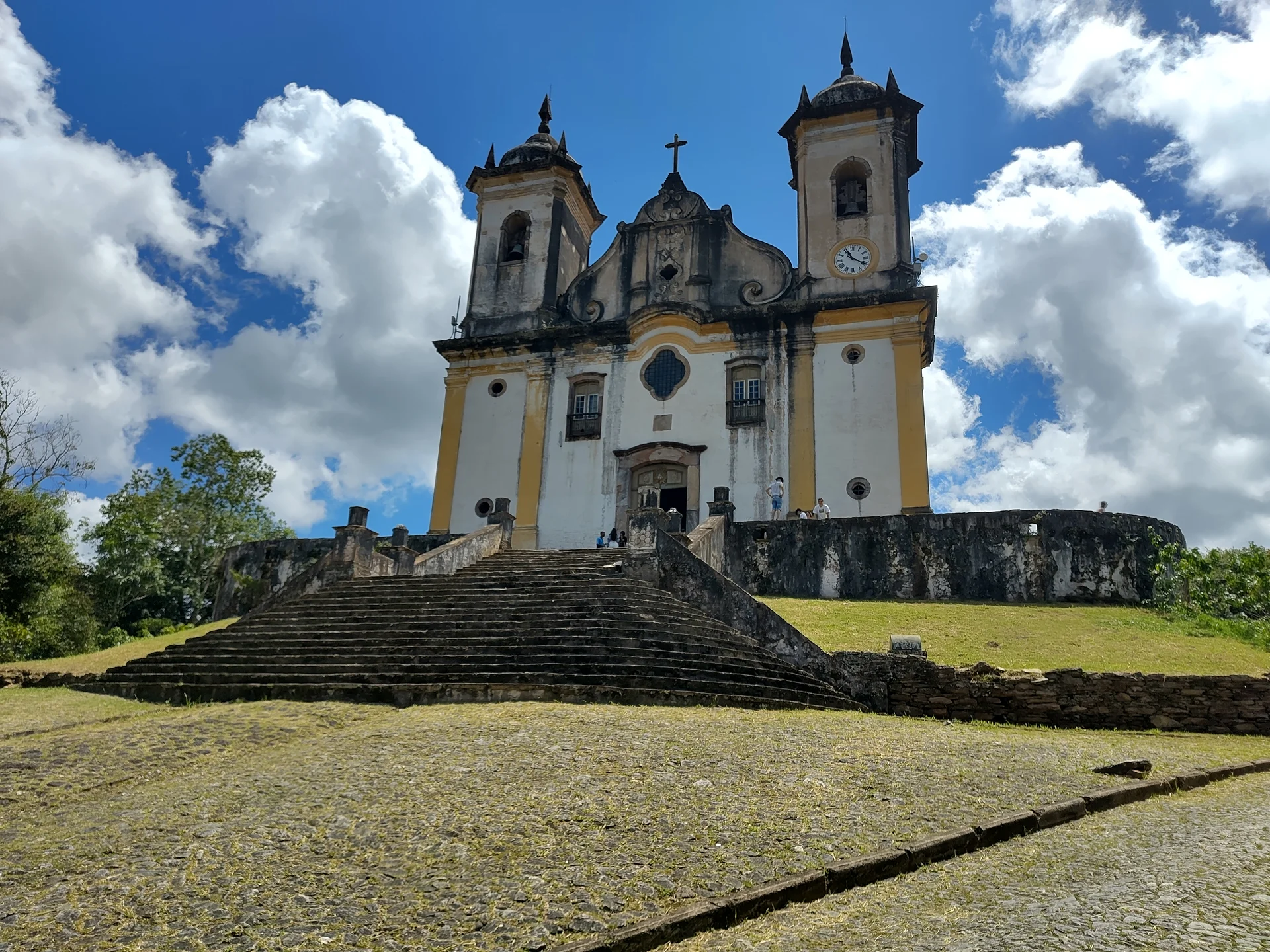
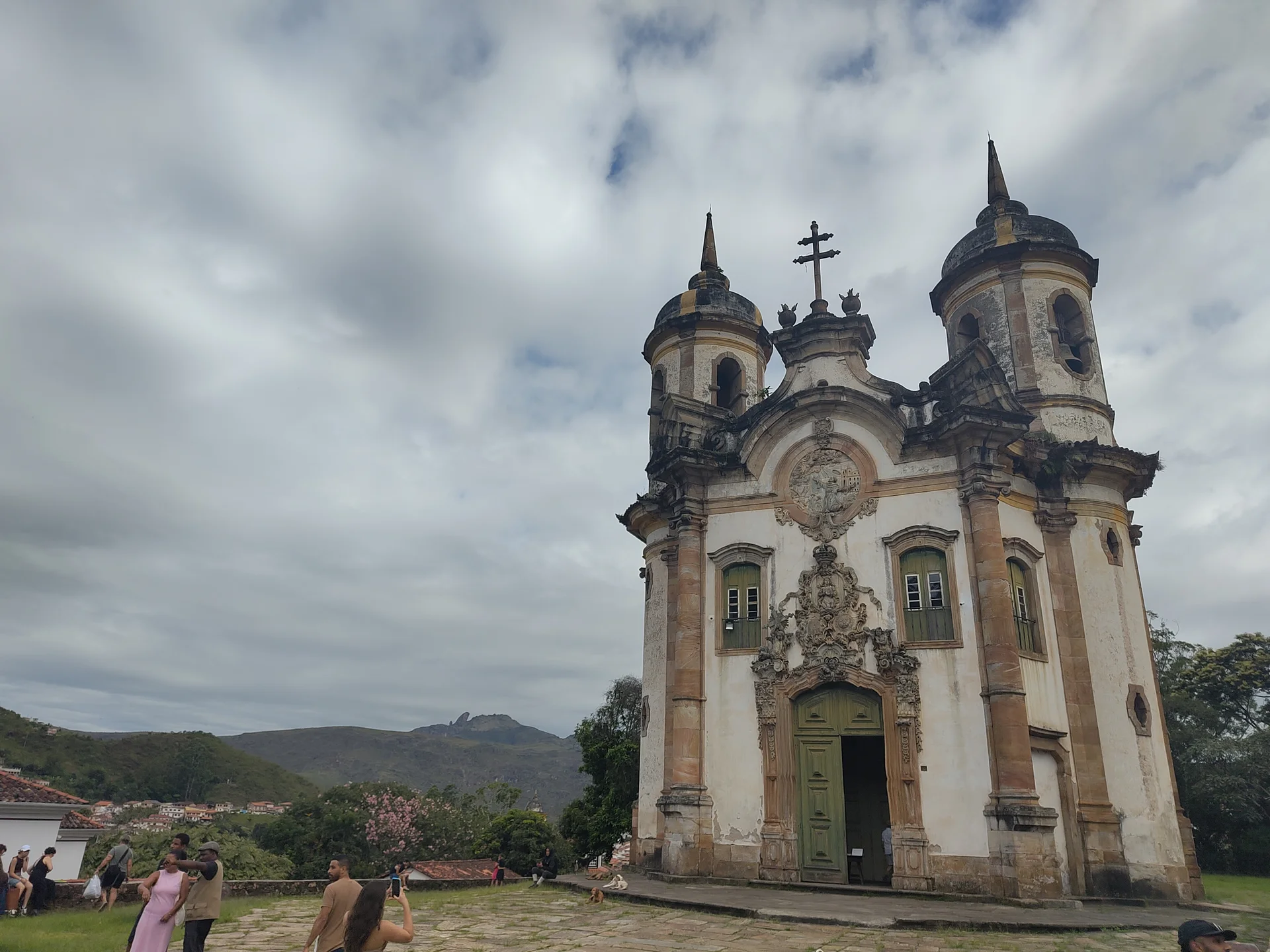
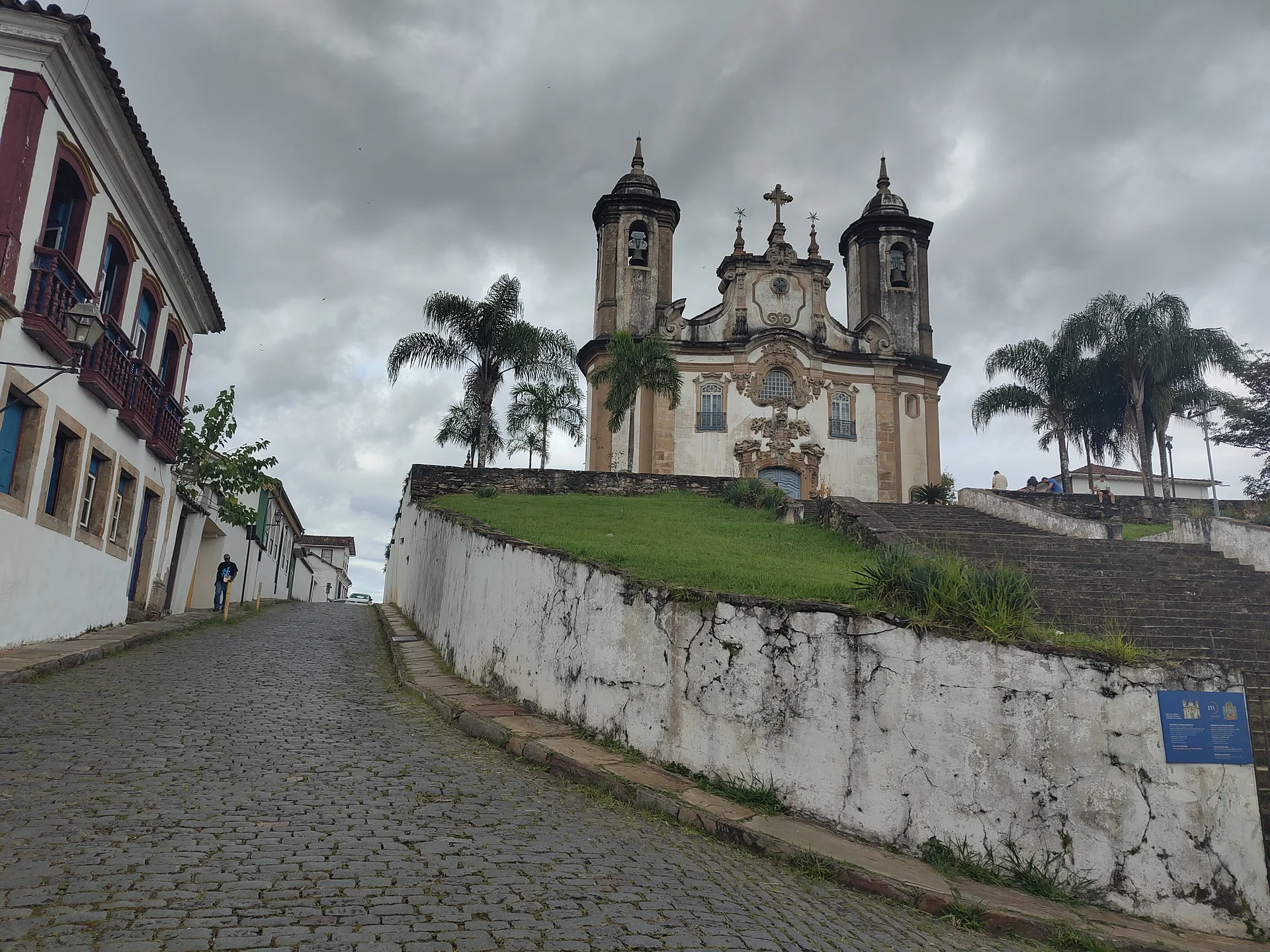
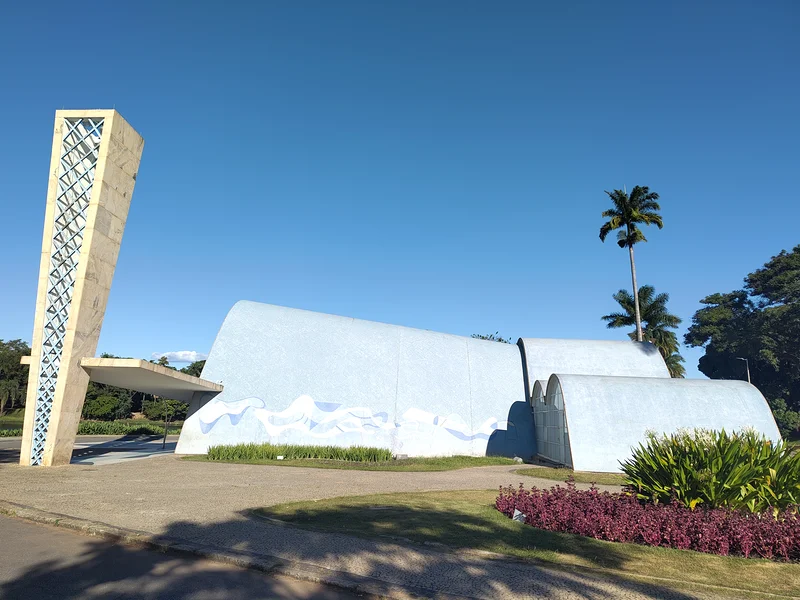
I loved wandering down the cobblestone streets to discover all the colonial churches, surrounded by mountains with a very pleasant, temperate climate.