
Visiting Tiradentes, a colonial jewel in the Minas Gerais mountains
Human-scale yet rich in charm, Tiradentes is a peaceful stop in the heart of colonial Brazil. This understated, well-kept town is sure to dazzle you with its architectural harmony, cobblestone lanes, and timeless atmosphere.
A historic center frozen in time
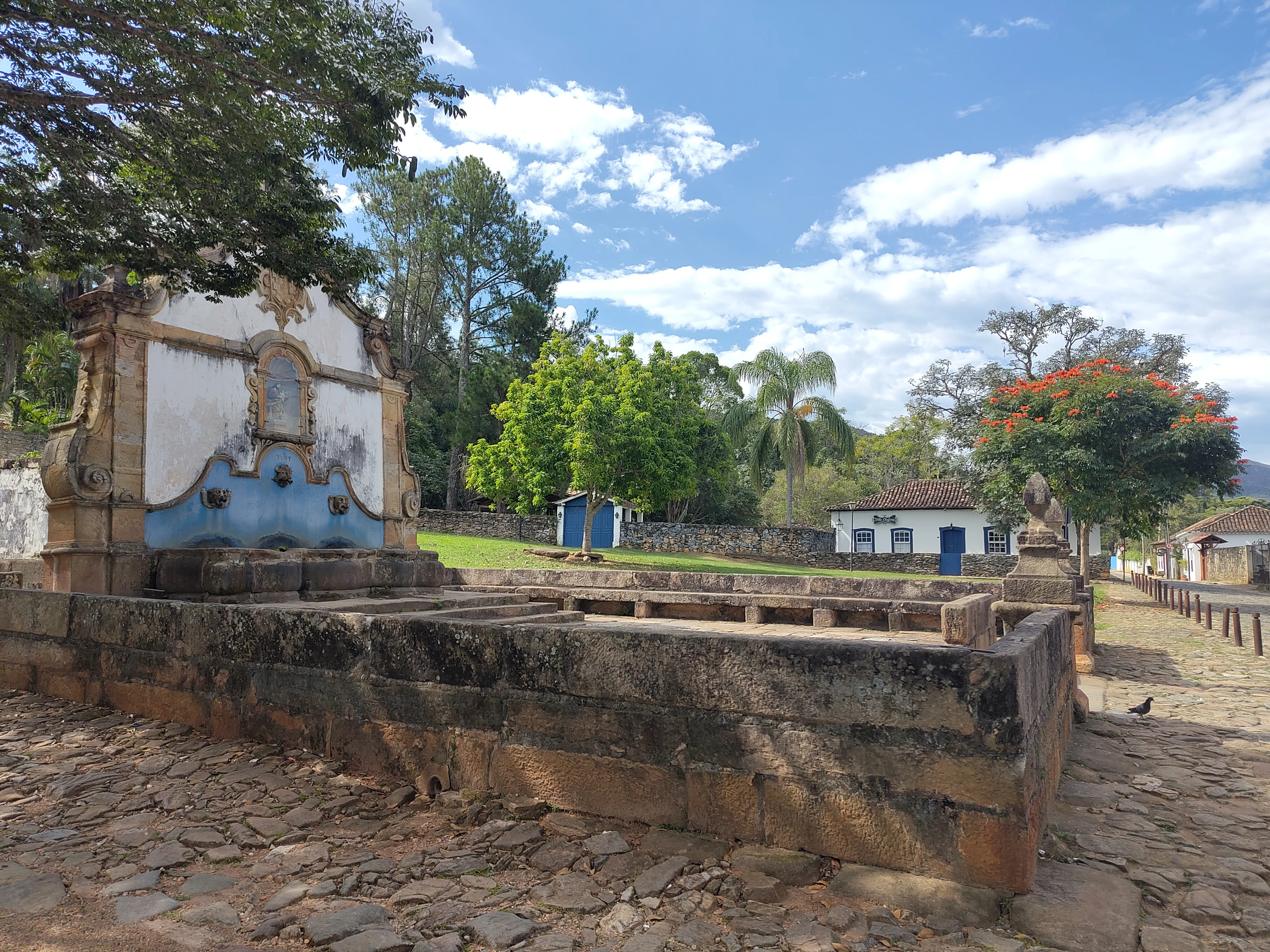
Listed as a Brazilian national landmark, Tiradentes offers a remarkable architectural ensemble that has been carefully restored. Its whitewashed houses with colorful shutters, shaded public squares, and stone streets look straight out of another century.
The church of Matriz de Santo Antônio, perched at the top of the village, draws visitors with its gold-leaf Baroque interior and 18th-century Portuguese pipe organ. Nearby, the Chapel of São Francisco de Paula provides a sweeping panoramic view over the town and the surrounding mountains.
Crafts, galleries, and local boutiques
Tiradentes is also a town of artisans. You will find folk art shops, antique dealers, and contemporary art galleries sharing space with pottery and ironwork studios. The atmosphere is calm and ideal for wandering, and several studios open their doors to visitors. The Casa Torta, for instance, offers an offbeat artistic experience that is especially popular with families.
Hiking and nature right outside town
Surrounded by green hills, Tiradentes is an ideal base for hikers. Several trails, including the path leading to the Serra de São José, offer pleasant walks through unspoiled nature. You can spot varied flora along the way and, with a bit of luck, toucans or howler monkeys. These hikes do not require advanced technical skills, though good footwear is recommended.
Cultural festivals and a friendly vibe
Despite its small size, Tiradentes hosts several major cultural events. The Gastronomy Festival in August draws chefs from all over the country, and the Film Festival in January turns the town into an open-air screening room. These gatherings contribute to the festive energy that occasionally fills the streets, though outside of these periods Tiradentes remains a quiet place to unwind.
Mineira cuisine: hearty and full of flavor
Local food is one of the true pleasures of visiting Tiradentes. Minas Gerais is renowned for its slow-cooked stews, farmhouse cheeses, and traditional sweets. Do not miss out on tasting the feijoada mineira, tutu de feijão (cassava-thickened bean puree), or warm pão de queijo fresh from the oven.
For drinks, spirits enthusiasts will want to discover artisanal cachaça produced in the surrounding area, often available for tasting in bars and specialty boutiques.
Where to eat
- Tragaluz (historic center): one of the most acclaimed spots in Tiradentes, blending mineira tradition with contemporary flair in a romantic, candlelit setting.
- Estalagem do Sabor (near the Matriz): hearty local dishes served inside a colonial house. The tasting menu offers a great way to try several classic dishes.
- Pacco & Bacco (historic center): a popular spot for Brazilian wines and fresh-ingredient cooking, ideal for a refined yet unpretentious dinner.
When to go
The months from April to September are the most pleasant, bringing dry and sunny weather. Evenings can turn chilly. To enjoy the festivals without the high-season crowds, aim for May. Avoid Brazilian school holidays in January if you are looking for peace and quiet.
How to get there
Tiradentes does not have an airport. From Belo Horizonte, expect about a 4-hour drive by bus or rental car. Bus connections also run from São João del-Rei, located 15 km away and served by a tourist train and regional lines.
Getting around
The historic center is easy to explore on foot. To venture into the surrounding countryside or head up to the Serra, renting a bike or grabbing a local taxi comes in handy.
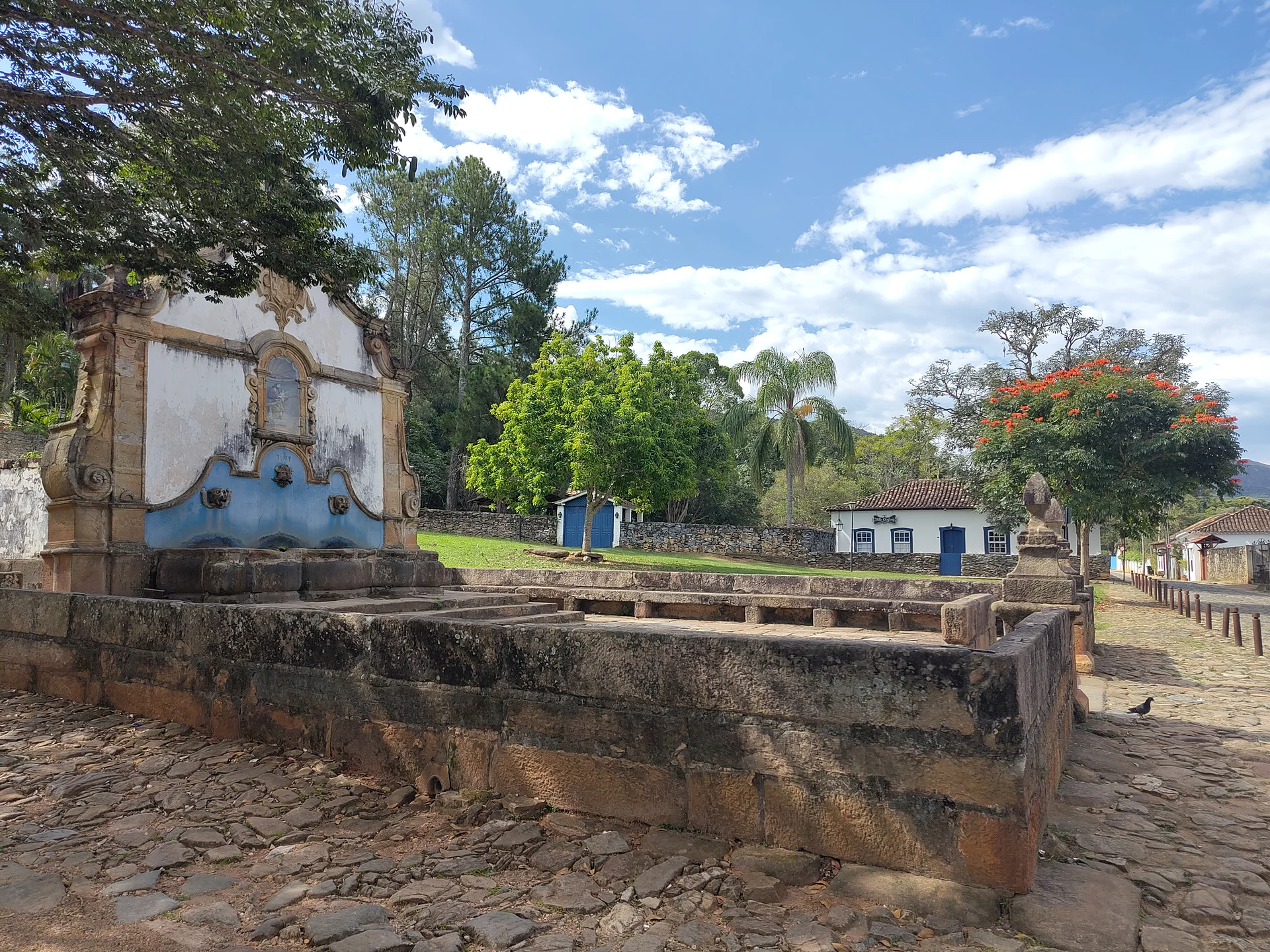
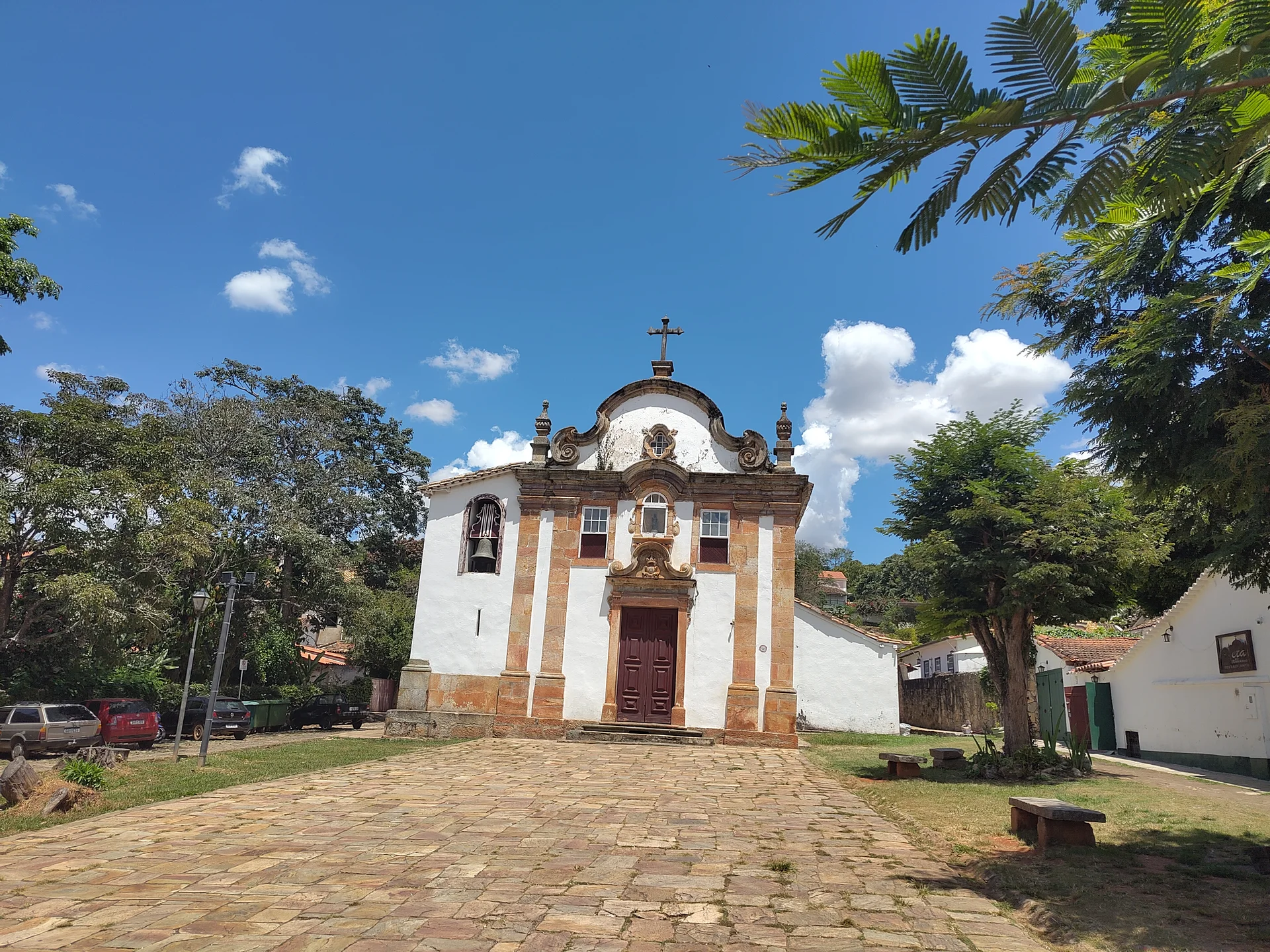
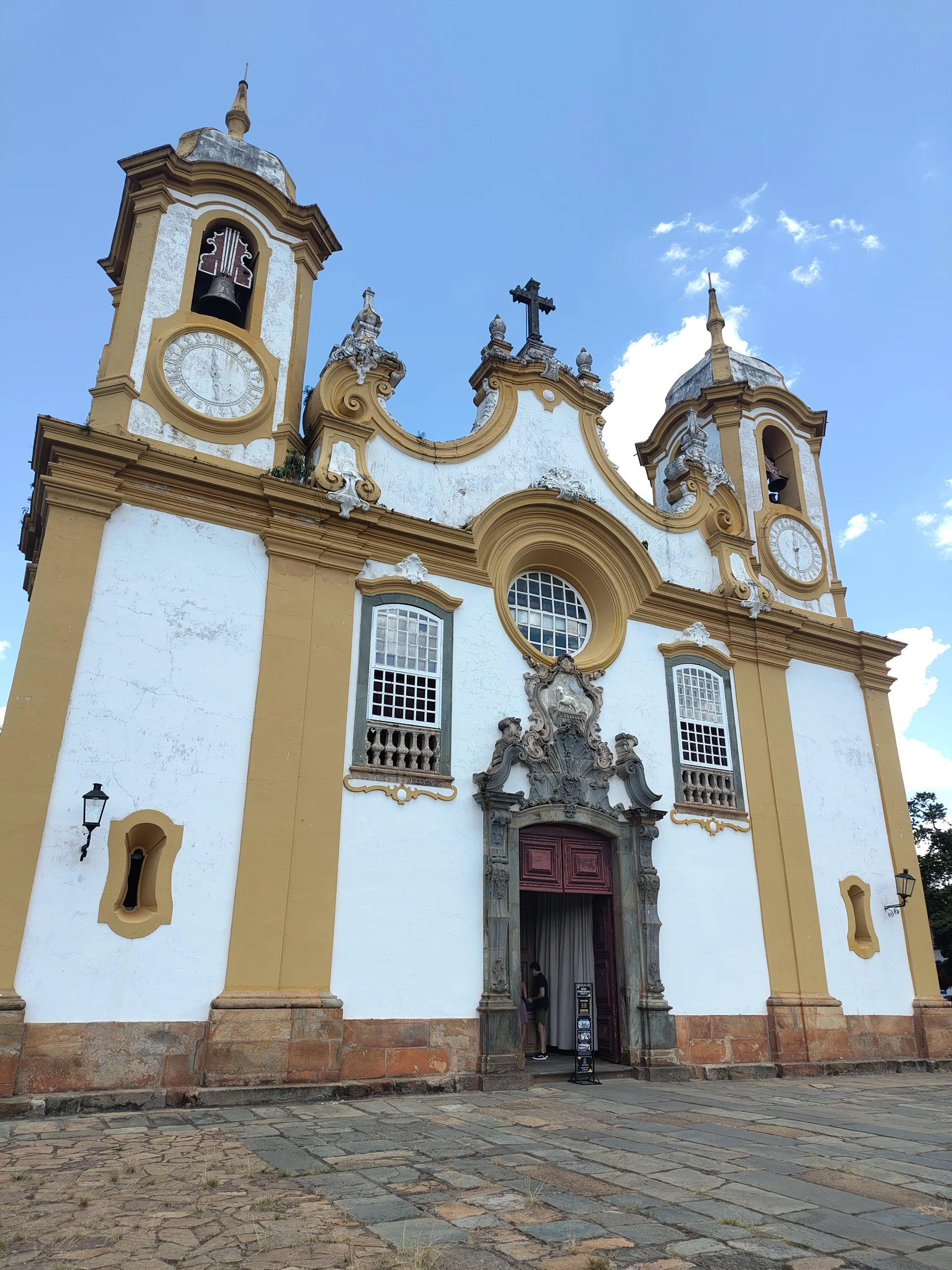
A quiet little town with colorful cobblestone streets. Plenty of churches against a backdrop of mountains. Not to mention the hikes in the Serra São José.