
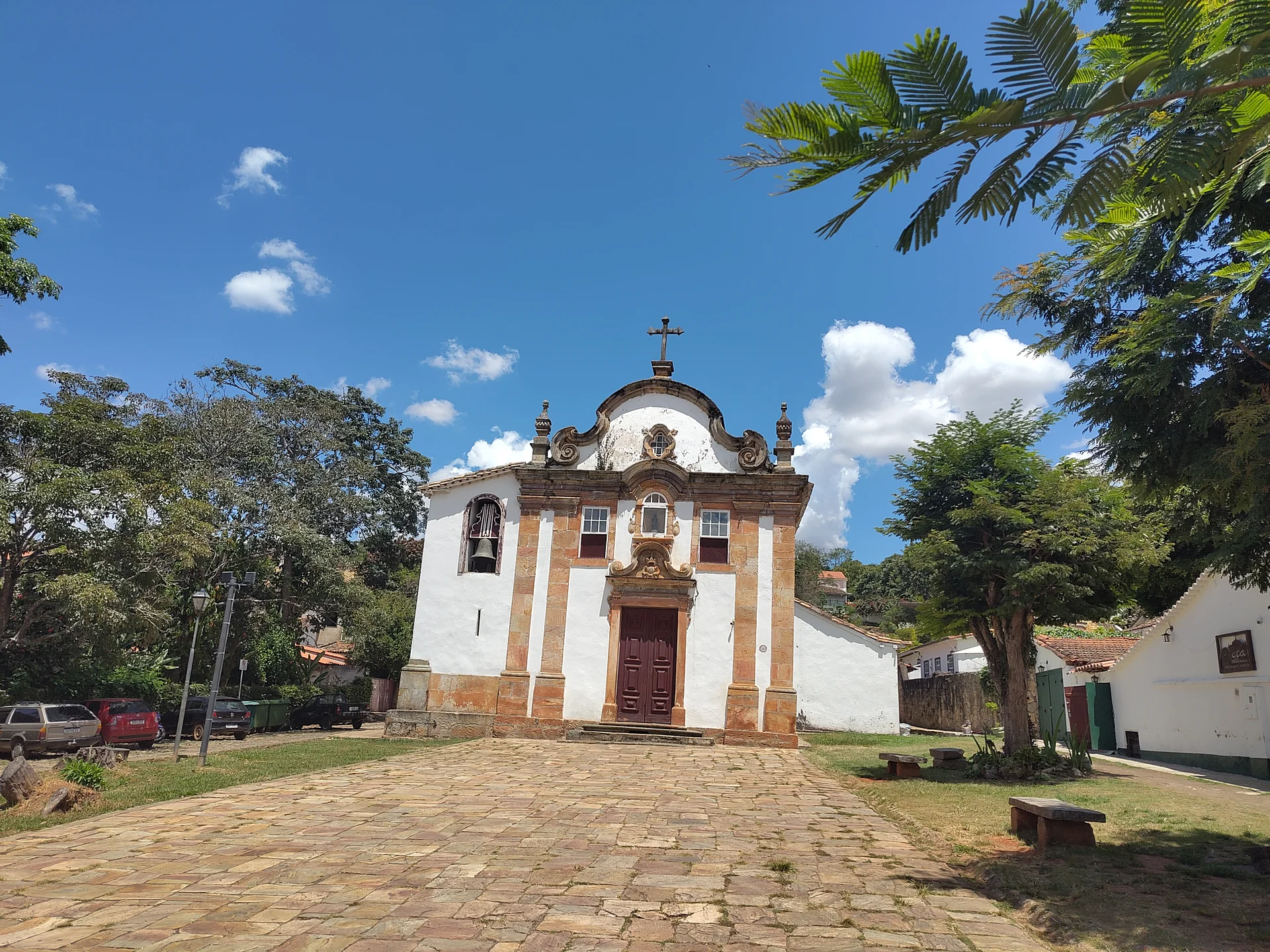
Visiting Rosario Church: A symbol of Afro-Brazilian history in Tiradentes
Perched on a hill, the Igreja de Nossa Senhora do Rosário dos Pretos (Rosario Church) stands as one of the most significant religious structures in Tiradentes. Built during the 18th century by and for enslaved Africans, it serves as a testament to an often overlooked chapter of Brazil's colonial history.
Built by the Black community
Forced to construct churches intended for the Portuguese colonizers, the enslaved African community decided to erect their own place of worship. Work on Rosario Church began in the late 18th century, and the structure was completed incrementally by the community with whatever resources they could secure. The Baroque architecture here is less ornate than other churches in Tiradentes, yet it projects an elegant simplicity that sits in harmony with the surrounding hills.
A simple but refined interior
Unlike the grand colonial churches adorned with gold and elaborate frescoes, the interior of Rosario Church is more modest, though it remains full of character. The sculptures and altars, crafted from carved wood, feature African influences blended with traditional Brazilian Baroque motifs. The main altar, dating to the 18th century, is decorated with precision and displays remarkable craftsmanship.
A peaceful panorama
Located on slightly elevated ground, the church provides a clear view of Tiradentes and the surrounding mountains. The plaza in front of the building is a quiet space, ideal for reflection and observing the architectural details of the facade. At the end of the day, the low-angled sunlight emphasizes the contrast between the whitewashed lime walls and the dark woodwork.
Opening hours
| Monday | 09:00-17:00 |
|---|---|
| Tuesday | 09:00-17:00 |
| Wednesday | 09:00-17:00 |
| Thursday | 09:00-17:00 |
| Friday | 09:00-17:00 |
| Saturday | 09:00-17:00 |
| Sunday | 10:00-14:00 |

Pretty small, but supposedly one of the oldest churches in the city.