
Visiting Manaus, an urban immersion deep in the Amazon
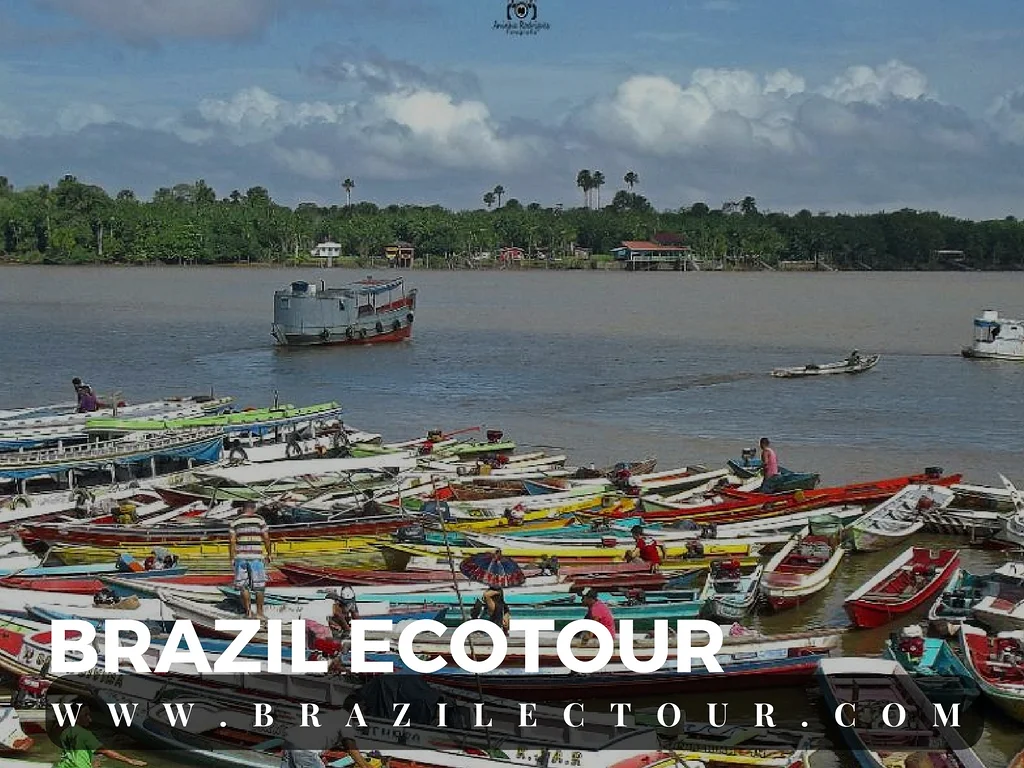
Located at the confluence of the Rio Negro and the Solimões, Manaus is a metropolis of over two million residents isolated within the Amazon rainforest. While it frequently serves as a jumping-off point for river expeditions, the city itself rewards spending time to explore its historical heritage, distinct culture, and cuisine rooted in Amazonian flavors.
Architectural legacy of the rubber boom
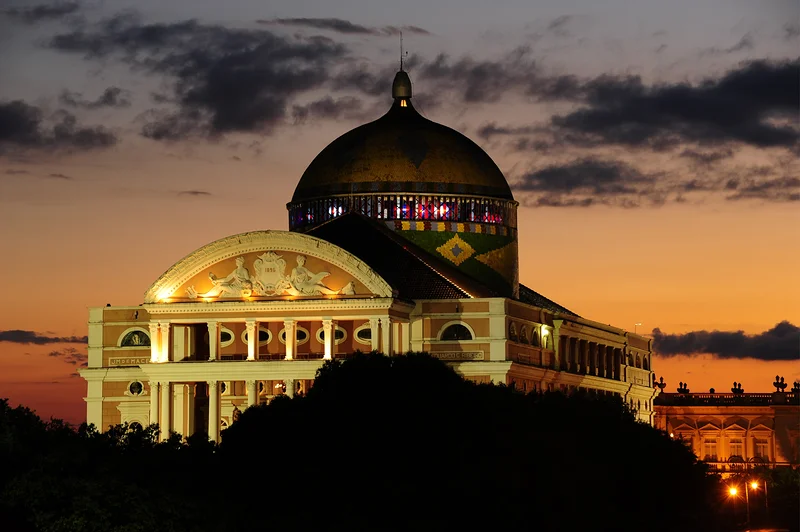
The Teatro Amazonas, opened in 1896, stands as one of the most striking symbols of Manaus. This Neo-Renaissance theater, featuring a dome covered in colorful ceramic tiles imported from Europe, reflects the city's immense wealth during the height of the rubber boom. It still hosts a diverse schedule of artistic performances today.
The meeting of the waters: a fascinating natural phenomenon
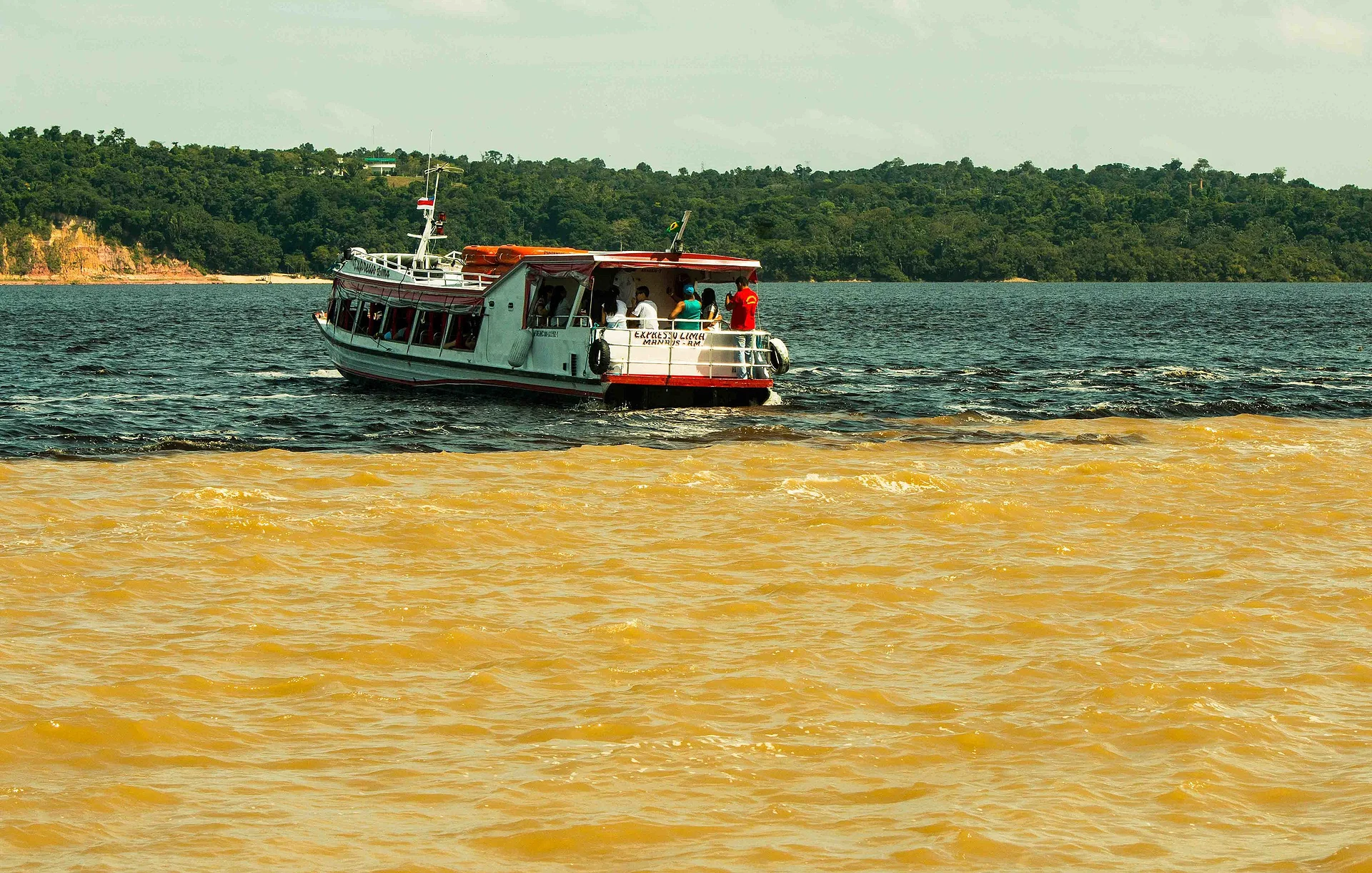
Just a few kilometers outside downtown, the phenomenon known as the Meeting of the Waters is clearly visible. The dark waters of the Rio Negro and the lighter, sand-colored waters of the Rio Solimões flow side by side for several kilometers without mixing, driven by differences in temperature, current speed, and density. Boat excursions out on the water allow visitors to witness this unique natural spectacle firsthand.
A gateway to Amazonian biodiversity
The Museum of Amazonia (MUSA), situated on the outskirts of the city, provides an introduction to the region's biodiversity. It features exhibits on local flora and fauna alongside a 42-meter observation tower offering panoramic views over the canopy. Walking trails also wind through the surrounding preserved forest.
A lively social and cultural scene
Downtown Manaus pulses with activity around its markets, such as the Mercado Municipal Adolpho Lisboa, where locals shop for regional produce, handicrafts, and culinary specialties. The neighborhood surrounding Praça São Sebastião, right next to the Teatro Amazonas, serves a natural gathering spot with sidewalk cafes, street performers, and frequent cultural events.
Authentic Amazonian flavors
The culinary landscape of Manaus relies heavily on bounty pulled straight from the forest and the rivers. Tambaqui, a freshwater river fish, is commonly grilled or prepared in moqueca stew. Pirarucu, another iconic local fish, is typically served braised or dried.
Signature dishes include tacacá, a pungent broth made with cassava extract, jambu greens, and dried shrimp, along with the x-caboquinho, a hearty sandwich loaded with cheese, fried plantain, and tucumã fruit pulp. Amazonian superfruits like açaí, cupuaçu, and guaraná also form the backbone of local desserts and refreshing drinks.
Where to eat?
- Restaurante Banzeiro (Adrianópolis): refined regional cooking highlighting local ingredients in a polished dining room.
- Restaurante Caxiri (Centro): positioned directly across from the Teatro Amazonas, serving creative takes on traditional plates.
- Tambaqui de Banda (Centro): a relaxed spot dedicated to grilled fish, specifically featuring their namesake tambaqui.
- Choupana Cozinha Regional (Adrianópolis): unpretentious, down-to-earth regional fare in a rustic setting.
Where to stay?
- Hotel Villa Amazônia (Centro): a 5-star boutique property with an indoor courtyard pool and restaurant, steps away from the opera house.
- Juma Ópera Boutique Hotel & Spa (Centro): an elegant historic property overlooking the Teatro Amazonas, featuring a rooftop pool, spa, and fine dining.
- Hotel Adrianópolis All Suites (Adrianópolis): a comfortable option offering spacious suites complete with kitchenettes.
- ibis budget Manaus (Chapada): a straightforward, value-driven lodging choice for travelers watching their spending.
When to go?
The dry season spanning from June to November offers the most comfortable window for visiting Manaus, bringing lower humidity and drier conditions. This timeframe works best for jungle expeditions and Amazon river cruises. Meanwhile, the Festival Amazonas de Ópera, typically staged in April and May, anchors the city's cultural calendar.
How to get there?
Manaus is primarily accessible by air from major Brazilian hubs like São Paulo, Rio de Janeiro, or Brasília. Eduardo Gomes International Airport sits roughly 15 km from downtown. From North America, there is no need to fly all the way down to São Paulo first: the usual routings connect through Panama City with Copa, or through Miami, and put you in Manaus in well under a day.
How to get around?
Downtown Manaus can easily be covered on foot, particularly around the Teatro Amazonas and historic squares. For longer cross-town trips, registered taxis and rideshare apps operate throughout the city. Local buses also connect the various neighborhoods, though navigating routes can prove tricky for first-time visitors.
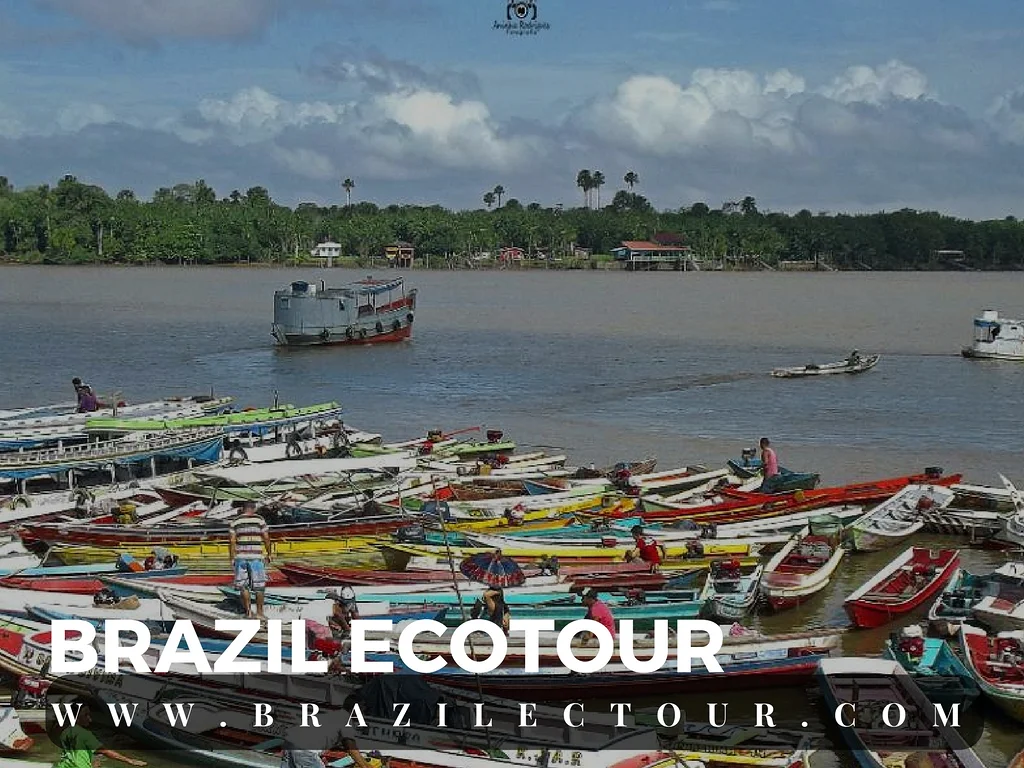
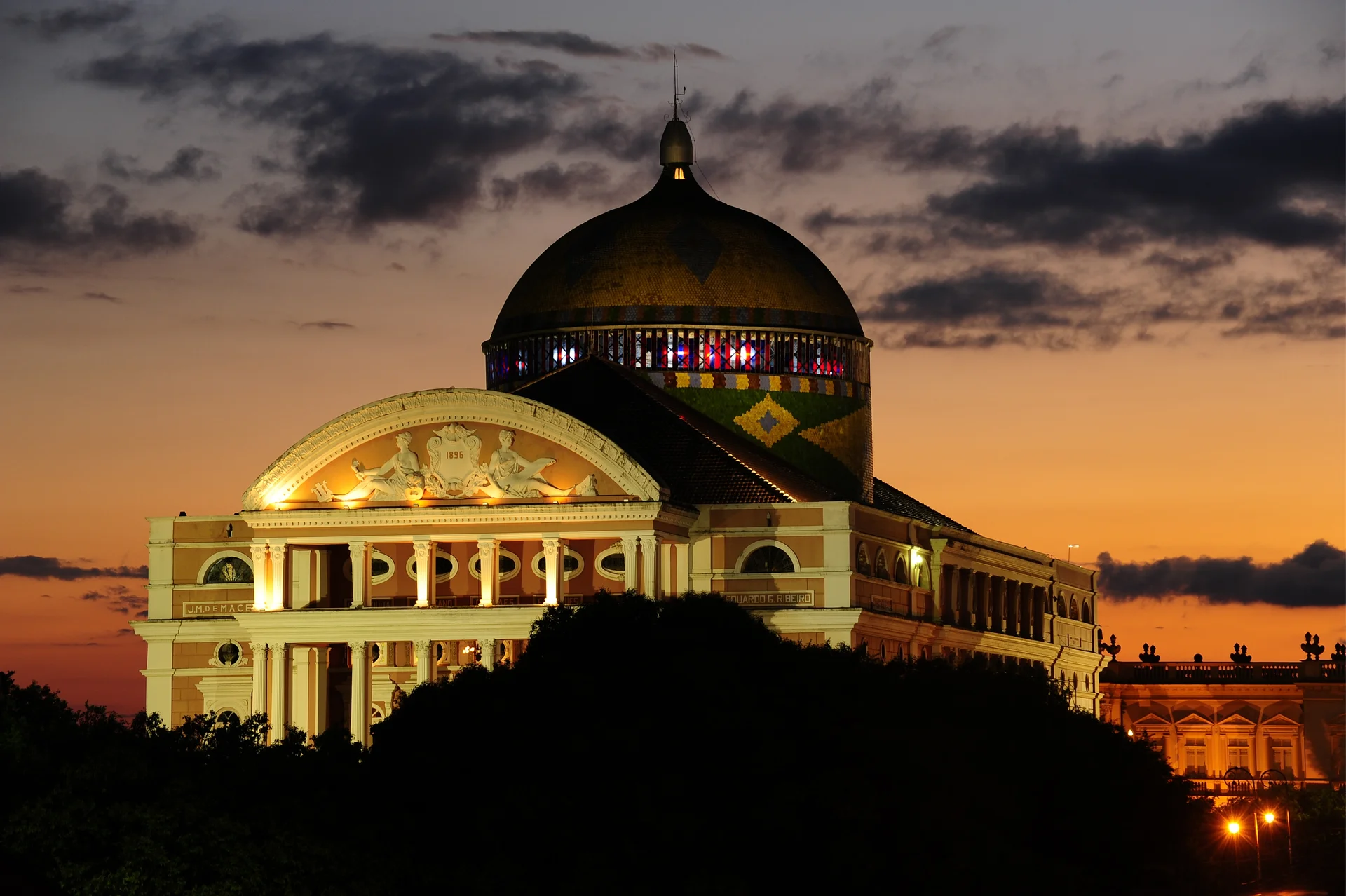
There are two options to get to Manaus, the gateway to the Amazon in Brazil: by river (very long but cheap) or by plane. I was expecting a village on the riverbank, but it is actually a big port city, dirty and sketchy. However, the area around the Teatro Amazonas is charming. Be careful to take an Uber to get back. From 7 PM on, it gets seriously sketchy.
Book your excursion into the Amazon rainforest for the next day, if possible for 3 days. The more expensive it is, the better it is. Just common sense.