
Visiting Brasilia
As Brazil's capital, Brasilia stands out as a city built entirely from scratch in just a few years. Its downtown core follows the master urban plan drawn up by Lucio Costa under the direction of the Brazilian president of the era, Juscelino Kubitschek. The idea to build a brand-new capital for Brazil took shape in the 1950s. At the time, intense rivalry gripped the two power centers of Rio de Janeiro and São Paulo, and the country's wealth remained heavily concentrated along the coast. Because of its scale and unique history, downtown Brasilia is designated as a UNESCO World Heritage Site.
A staunchly modernist city
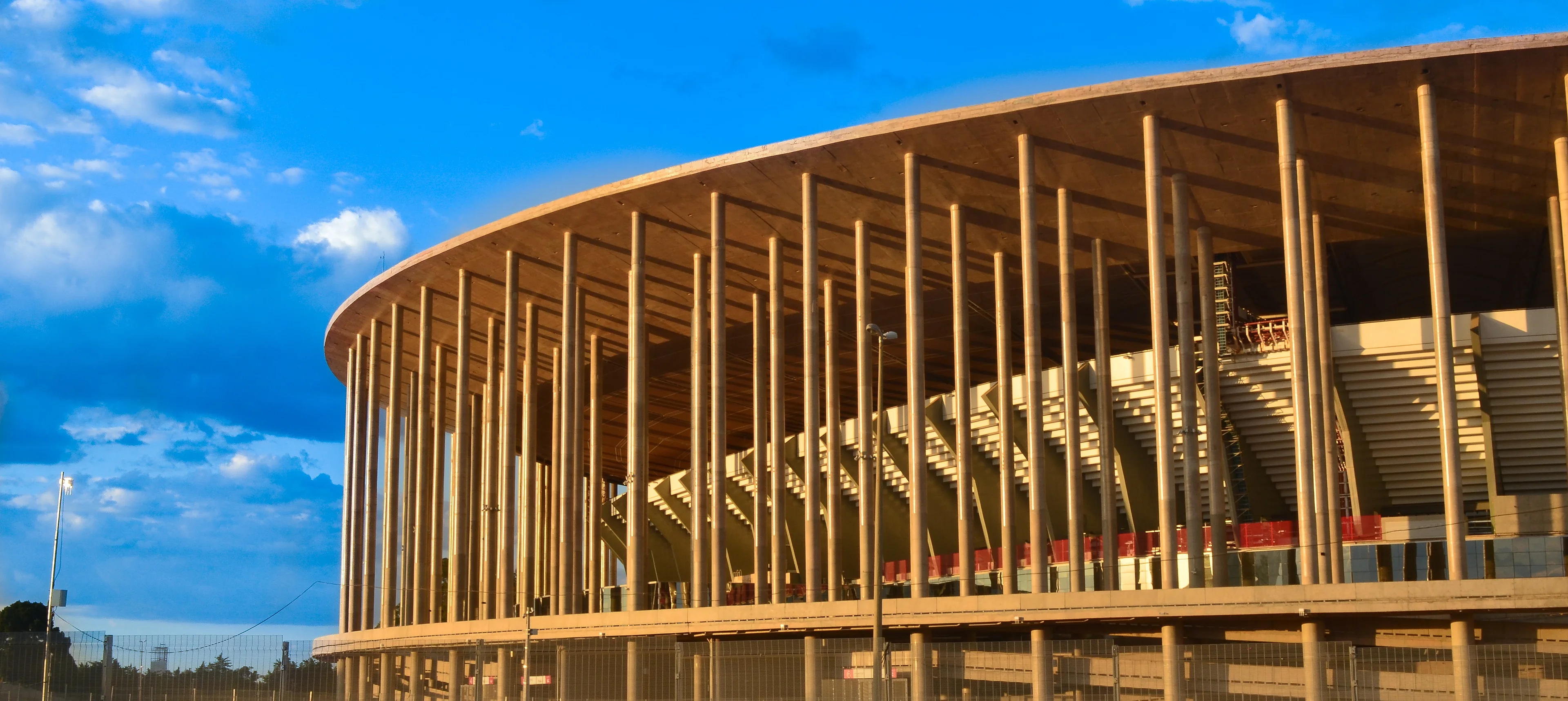
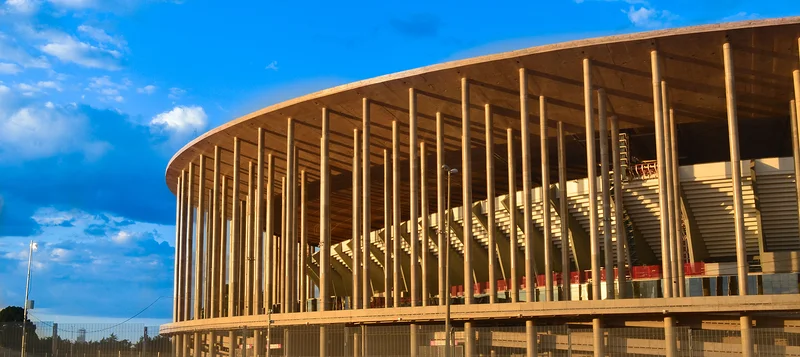
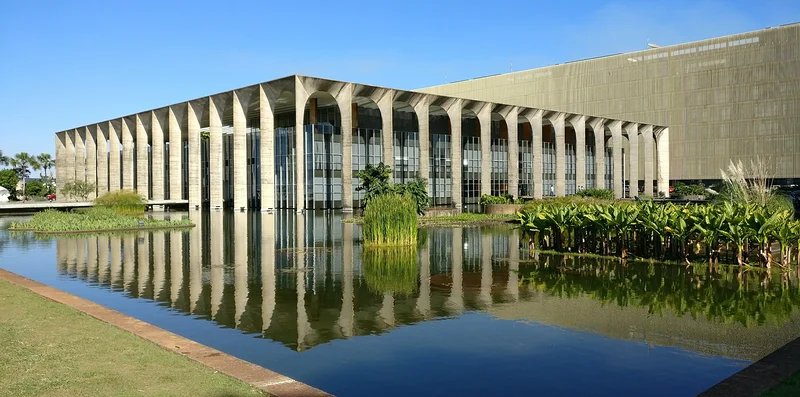
When people talk about Brasilia, the first name that comes up is usually the celebrated architect and disciple of Le Corbusier, Oscar Niemeyer. He designed most of the landmark structures you will see in Brasilia. Among them is the Metropolitan Cathedral, which strikes visitors with its striking, minimalist design resembling a crown of thorns or hands reaching toward the sky, depending on who you ask. Four massive statues representing the Evangelists Matthew, Mark, Luke, and John guard the entrance.
The seats of the Brazilian federal government also occupy massive, striking buildings. The National Congress of Brazil, located on the Three Powers Square or Praça dos Três Poderes, consists of two 100-meter-tall twin towers flanked by matching domes. The convex dome houses the Senate, and the concave one houses the Chamber of Deputies. Another major work by Oscar Niemeyer is the presidential palace. The Palácio da Alvorada is a sweeping glass building framed by elegant white arches. Landscape architect Roberto Burle Marx designed the surrounding floral and water gardens.
The Monumental Axis, the widest boulevard in the world
The city went up during the rise of car culture, so planners designed everything to prioritize automobile traffic. Shaped like an airplane, the city centers on a main thoroughfare: the Monumental Axis, stretching 250 meters wide. Head up the TV Tower observation deck for sweeping panoramas of the layout below.
Make sure to stop by the Dom Bosco Sanctuary to take in the deep midnight blue stained glass windows. Outdoor enthusiasts will find plenty of room to breathe, as Brasilia features massive green spaces like the Parque da Cidade urban park, which spans 420 hectares. Finally, Brasilia sits right along the edge of Lake Paranoá, a massive reservoir ideal for waterfront walks and refreshing dips.
When to go
Temperatures stay pleasant year-round in Brasilia, making it an easy trip any time of the year.
How to get there
Many airlines fly to Brasilia, and most itineraries involve one or more stops.
Getting around
Bus routes are limited and the metro system covers very little ground compared to the massive scale of the city. Renting a car remains the best way to get around Brasilia to this day.
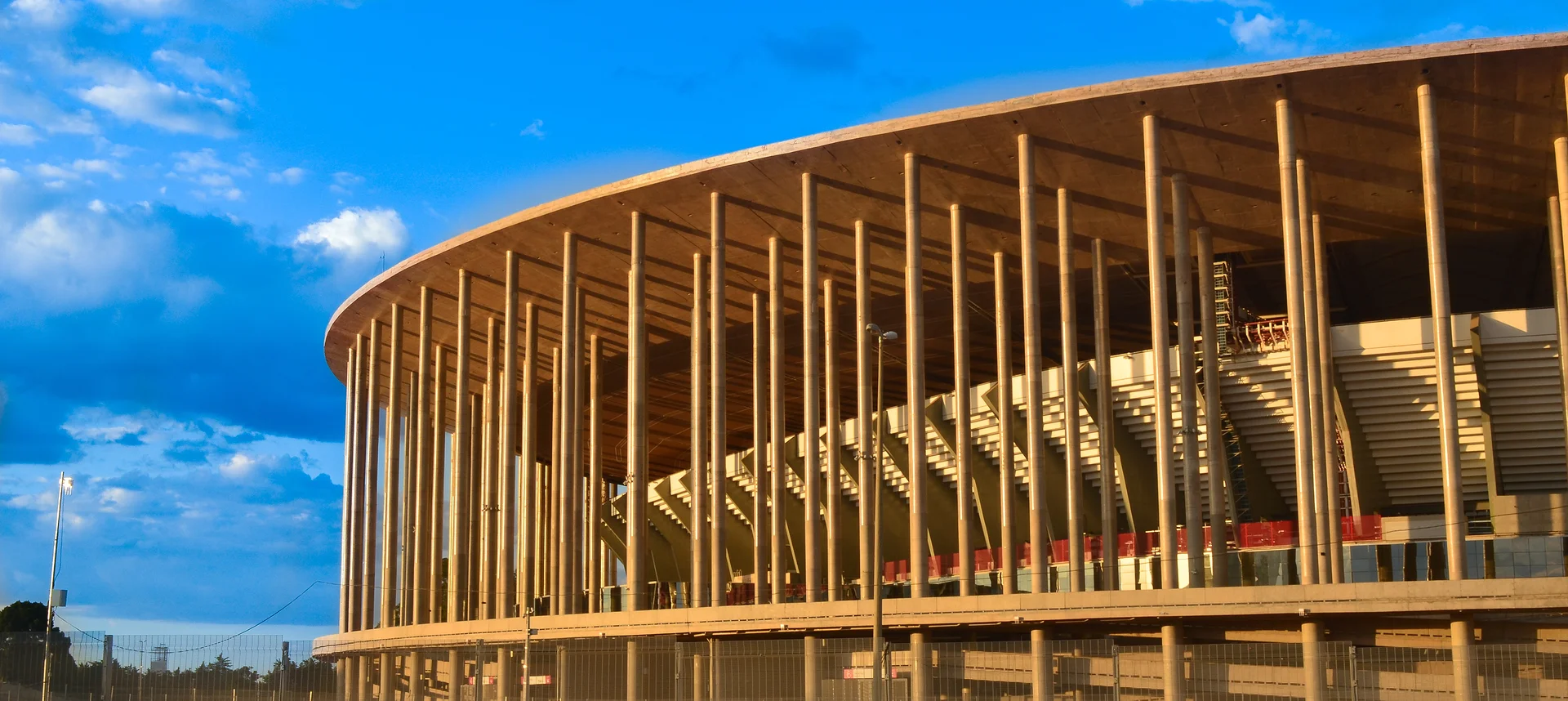
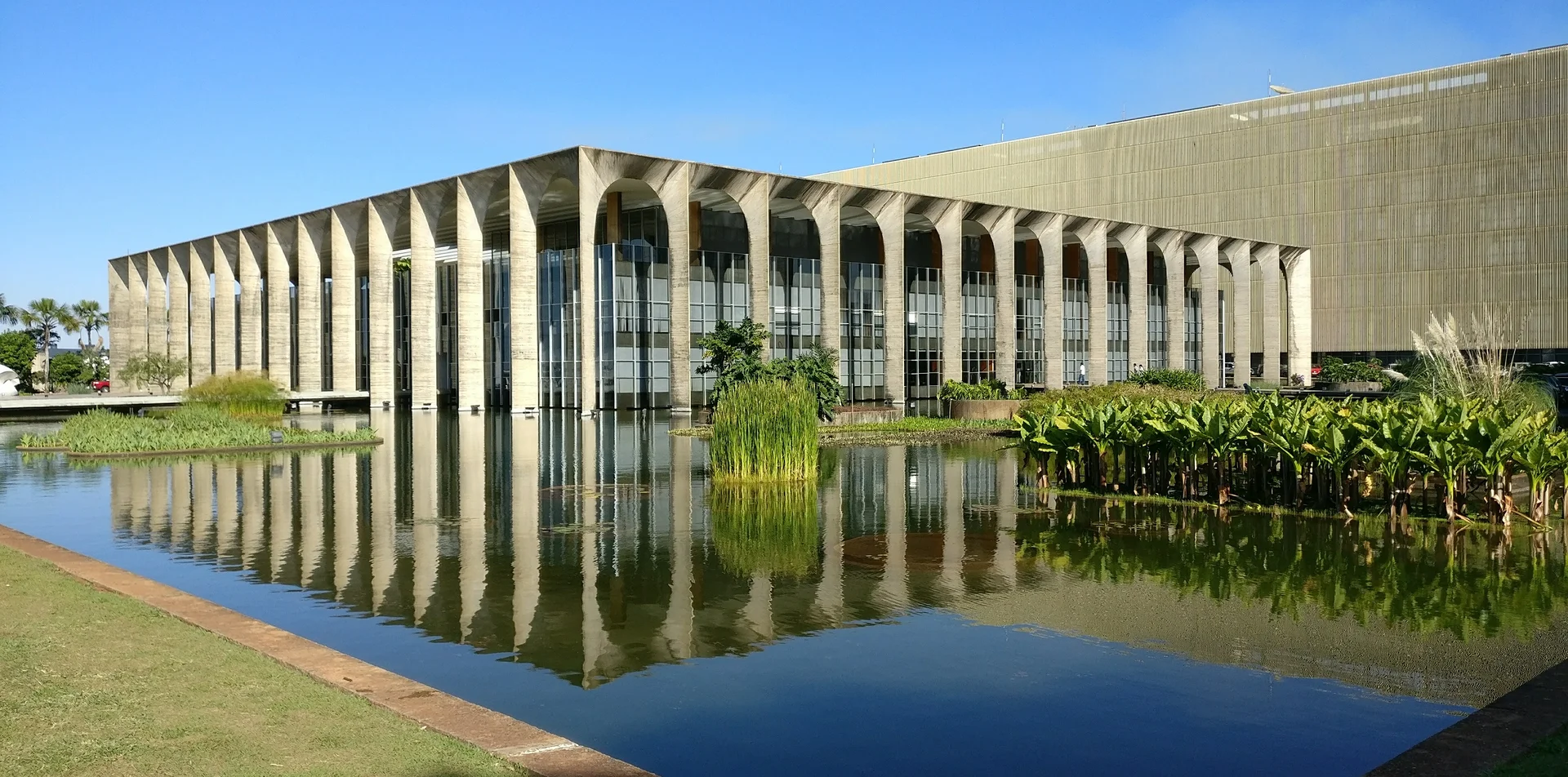
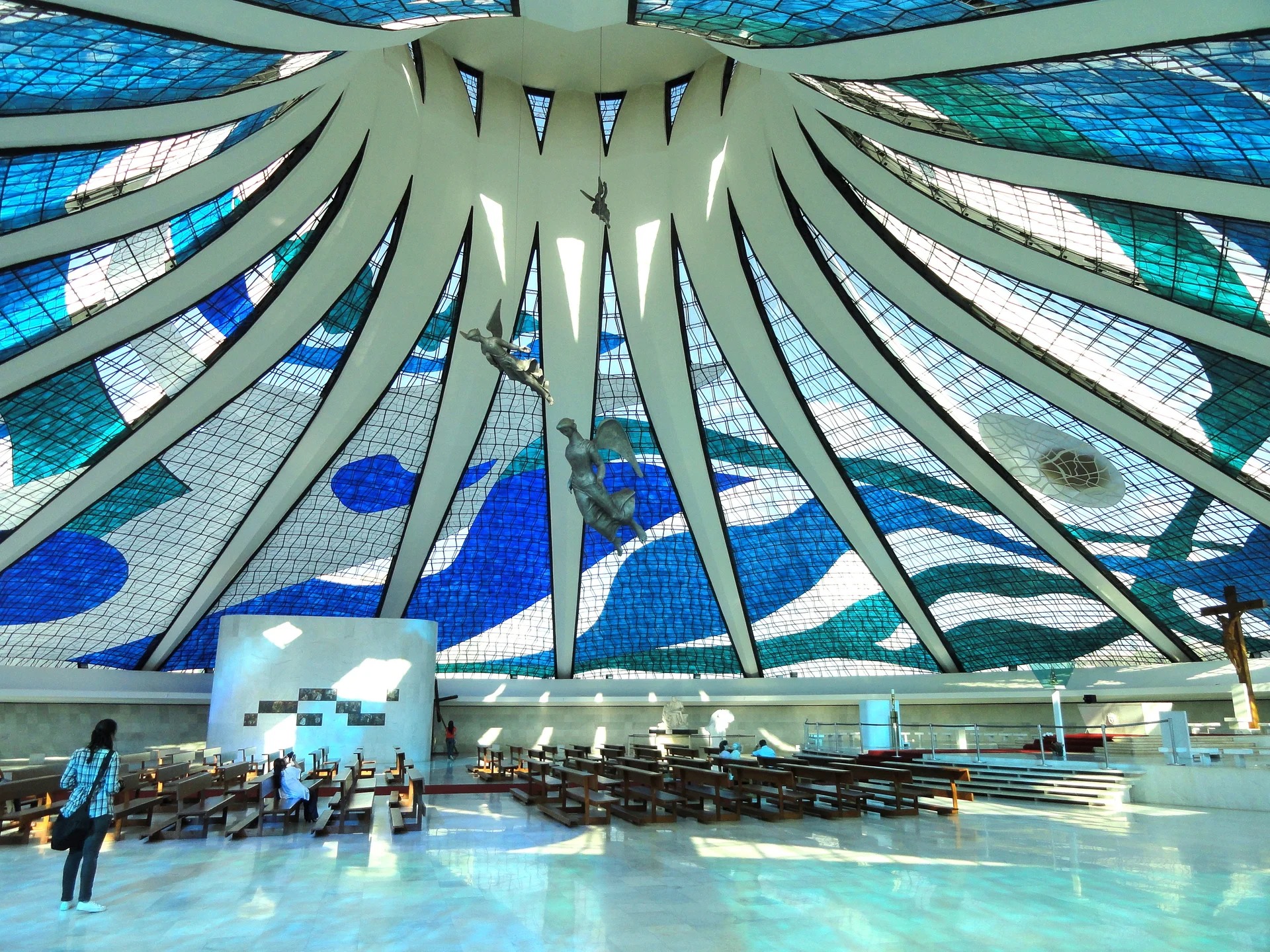
Brasilia, the (real) capital of Brazil, left me with a rather mixed impression despite its interesting urban planning. I appreciated Niemeyer's futuristic architecture, especially the cathedral and the National Congress, which are truly unique. However, the city cruelly lacks life in its streets. Everything is very spread out and designed for cars, which makes getting around on foot not very pleasant. The general atmosphere is quite cold and impersonal, far from the human warmth I felt in other Brazilian cities. Green spaces are present but not very lively. In the end, Brasilia seemed more administrative than touristy to me.