
Visiting Curitiba
Located in southern Brazil, Curitiba has a reputation for being a green city pioneer in South America. City planners intentionally structured its urban development along major transit corridors early on. The public transportation system relies primarily on buses running on dedicated lanes, often compared to an above-ground metro. While Curitiba sits fairly far from the coast, it offers plenty of green spaces where you can unwind in peace.
A landmark model of Brazilian sustainable urban planning
Curitiba gets its name from the indigenous Tupi language, specifically the phrase Coré Etuba, which means "lot of pines," referencing the hills dotted with pine trees surrounding the area. From its very beginnings, Curitiba has integrated closely with its natural surroundings.
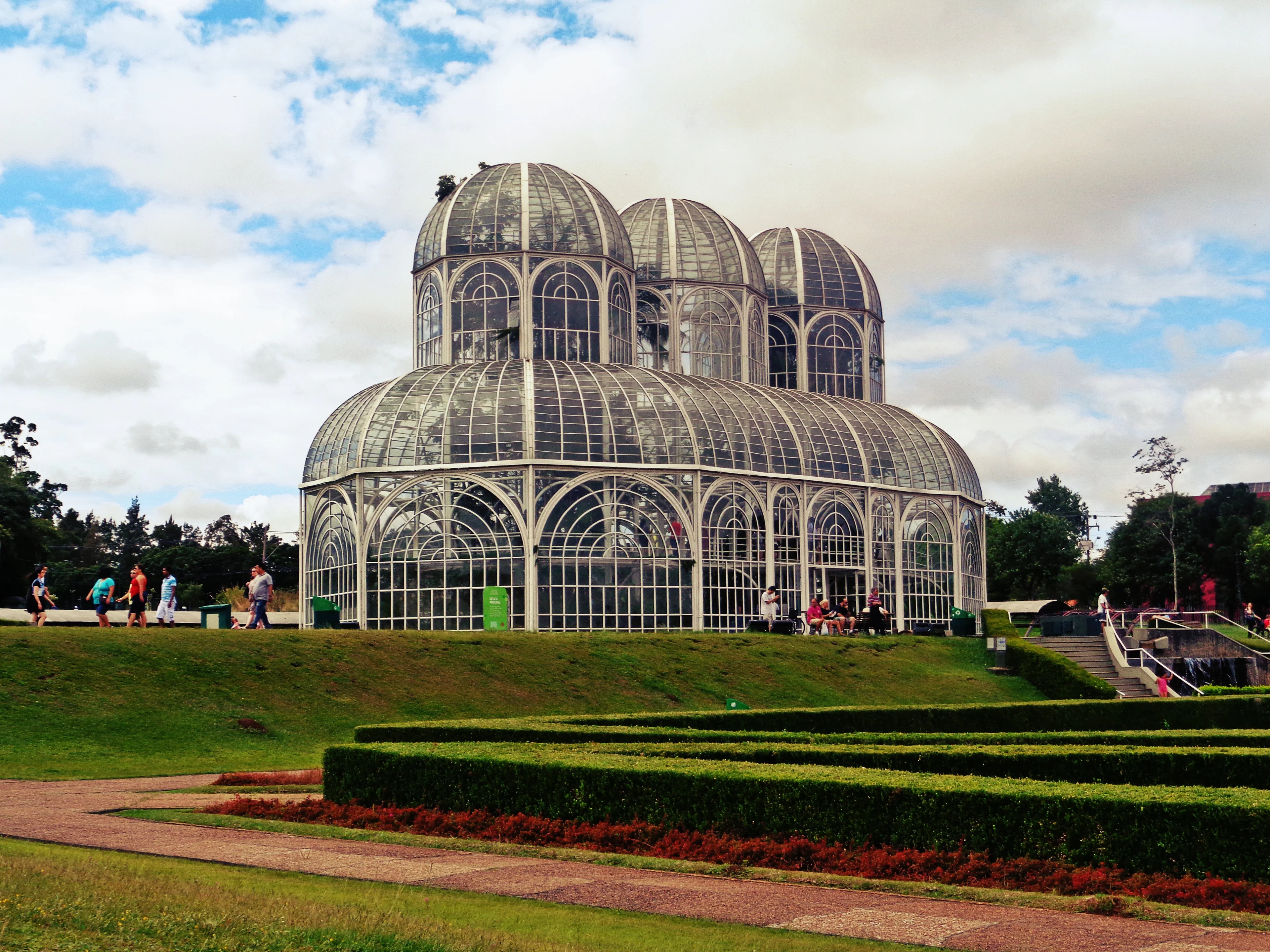
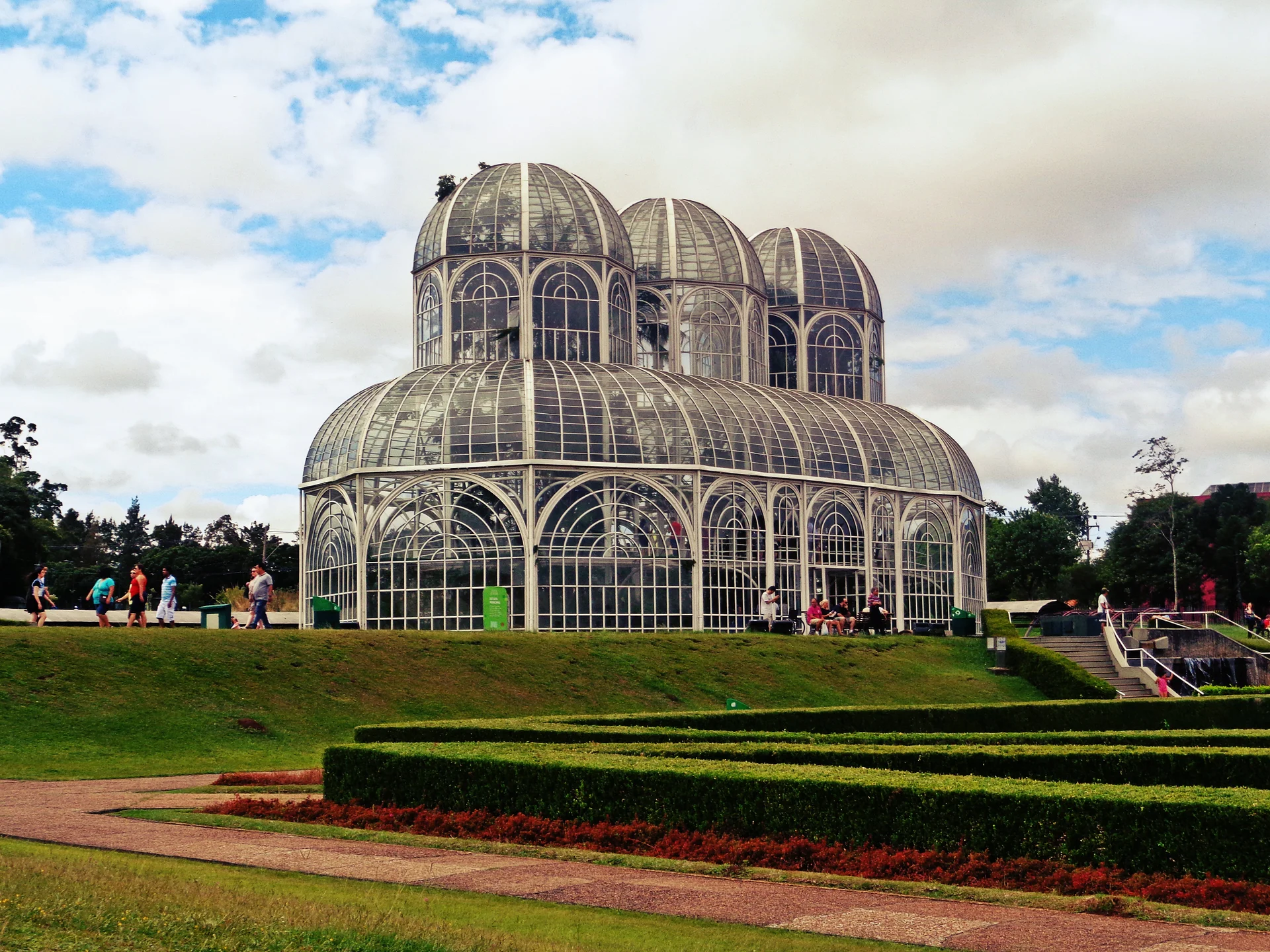
Beyond smart urban design, Curitiba has preserved several iconic parks. That starts with its stunning botanical garden, the Jardim Botânico of Curitiba, whose glass greenhouse takes inspiration from London's Crystal Palace. One section features a "sensory garden" where you walk blindfolded with a guide, taking in the textures and scents of the plants around you.
Another major highlight is Tanguá Park, set in the city's higher elevations on former stone quarries overlooking a lagoon. The observation deck delivers panoramic views of the city below. For outdoor activity, Barigui Park is packed with bike paths, walking trails, and fitness facilities.
A multicultural and modern city
Curitiba is also known as Cidade de Vidro, or the Glass City, thanks to contemporary glass-walled architecture like the Ópera de Arame. This major cultural venue is accessed via a footbridge set on stilt foundations. The Oscar Niemeyer Museum is another standout landmark, featuring an eye-shaped design that seems to watch over you from afar.
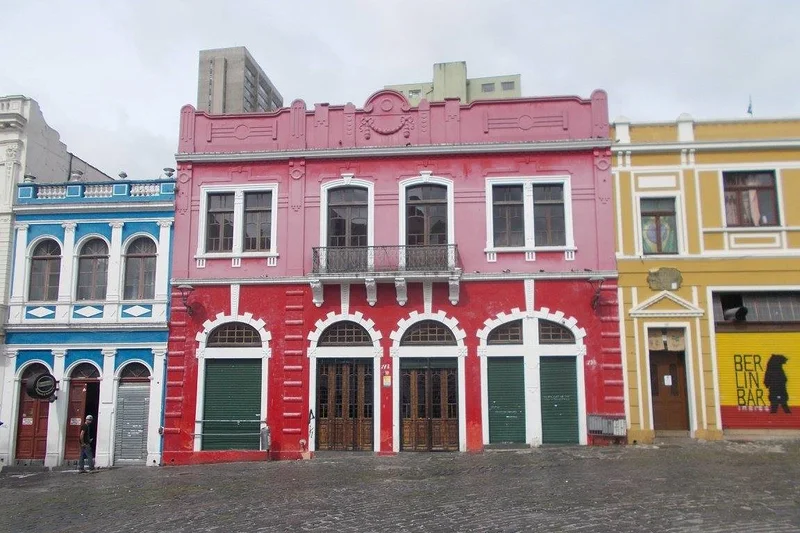
As a colonial city, Curitiba welcomed waves of European immigrants from Germany, Ukraine, and France, alongside communities of Japanese heritage. These pioneers settled near Tiradentes Square, the historic heart of the city. Today, numerous sites honor this multicultural mix, such as the German Forest and the Ukrainian Memorial in Tingui Park, which frequently hosts exhibitions on Ukrainian culture.
Looking for a change of pace? Book a round-trip excursion from Curitiba to Morretes, a well-preserved colonial town. The journey takes you by train through the rainforest on one of Brazil's historic rail routes, the Serra Verde Express.
When to go
Because of its southern latitude, Curitiba experiences distinct seasons and temperature shifts. The ideal time to visit is during the winter months between June and October, when temperatures are cooler but rainfall is much lower.
How to get there
Curitiba is served by its own airport. Coming from North America or Europe requires one or more stops, most commonly through São Paulo.

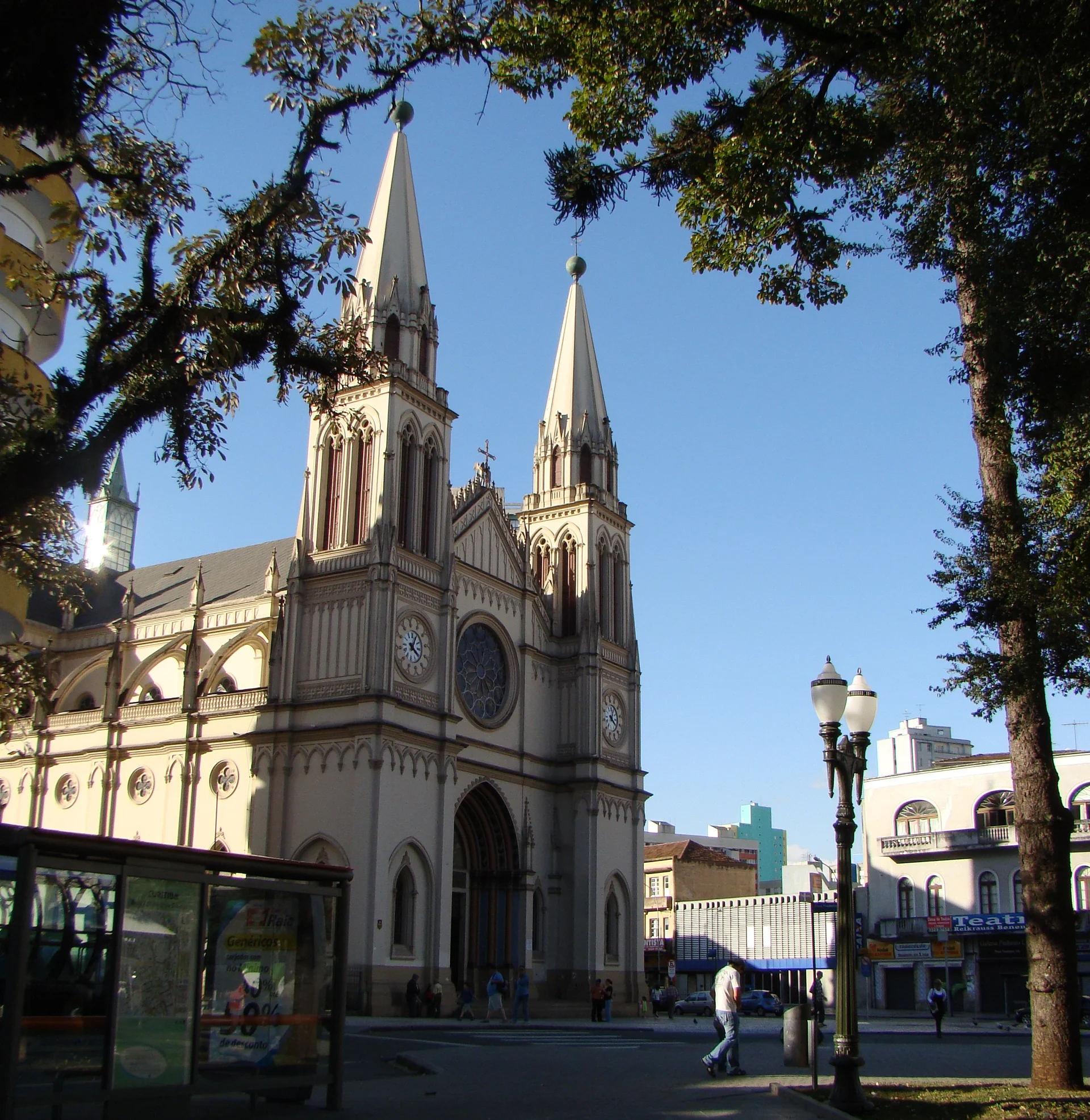

This is a stop that makes it easier to get closer to Iguazu Falls when you are traveling by bus. When entering the city, you are surprised by all the skyscrapers. I did not stay long enough to get a better look, but at first glance, I have the impression that there is not much to see.