Where to stay in Provence: the 7 areas to know in 2026
In Provence the question is not which corner to sleep in, but town or village. A town means the train, everything on foot and a table still serving at nine in the evening. A hilltop village means a car, a parking lot full before eleven, and lanes that empty at nightfall.
Both are worth it, but not for the same trip. Seven areas below, from Mont Ventoux to the Verdon gorges, each with its own trade-off. Rates run from single to triple depending on where and when: $103* in the Verdon in September, $350* in the heart of the Luberon in July.
Compare hotel prices in Provence
In a hurry? Find the best accommodation deals in 3 clicks.
Compare live deals from Booking, Expedia, Agoda and other partners.
Don't do what I did and avoid going during the May holiday weekends. There are so many people that it becomes difficult to find a restroom or a place to eat.
One base or several?
Provence is hard to visit from a single base: from Avignon to the Verdon gorges there are two and a half hours of driving. Here is what we recommend by length of stay.
- A long weekend: One base, in town: Avignon or Aix. You visit on foot, rent a car on the second day for the villages and give it back the last morning. It is the only format where you can arrive and leave by train.
- One week: Two bases: a town and a village. Three nights in Avignon or Arles, three in the Luberon or the Alpilles. An hour's drive between them, never more.
- Ten days: Three bases, from the north down to the sea: the Vaucluse, then the Alpilles or the Luberon, then Marseille or the Var coast. Every leg stays under an hour and a half.
- Two weeks: Four bases at most, adding the Verdon between the Luberon and the coast. Beyond that you spend more time unpacking than visiting.
How much driving between two bases?
By car, outside July and August, when you should add a good quarter of an hour on the Rhône valley roads and along the coast.
| Route | Driving time | Good to know |
|---|---|---|
| Avignon → Gordes | 50 min | 28 miles, twelve of them on back roads |
| Avignon → Arles | 45 min | Via the N570, or 20 min by train |
| Avignon → Aix-en-Provence | 1 hr | Motorway the whole way |
| Arles → Les Saintes-Maries-de-la-Mer | 40 min | A single road across the Camargue |
| Aix-en-Provence → Marseille | 35 min | Or 30 min by train, every half hour |
| Marseille → Cassis | 35 min | Via the route des Crêtes, slower and finer |
| Marseille → Hyères | 1 hr 15 | A50 motorway as far as Toulon |
| Aix-en-Provence → Moustiers-Sainte-Marie | 1 hr 30 | 68 miles, twenty of them mountain road |
| Avignon → Moustiers-Sainte-Marie | 2 hr 30 | The longest drive in the region |
At a glance: our picks by traveller type
Pick the profile that fits you and go straight to the recommended area.
Map of the areas in Provence
See how the areas sit relative to one another before choosing your base. Click a name to jump to its description.
Avignon, the Sorgue and Mont Ventoux Northern Vaucluse
to arrive by train and go three days without a car
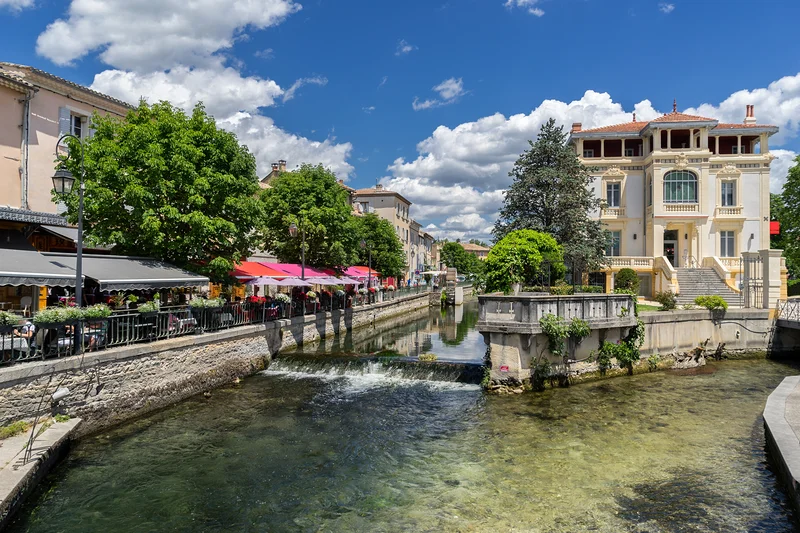
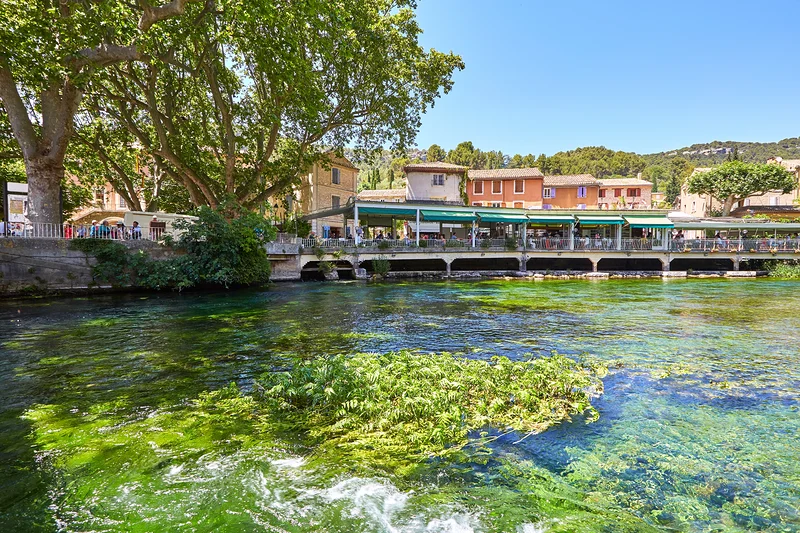
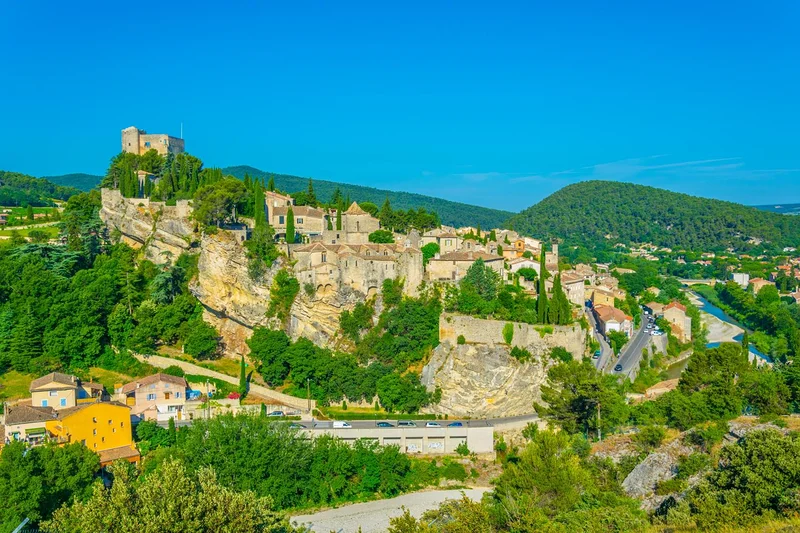
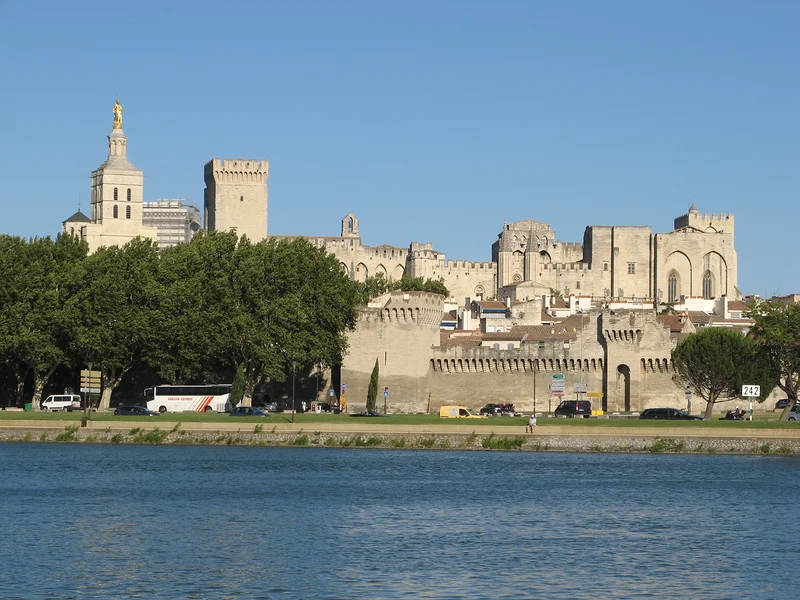
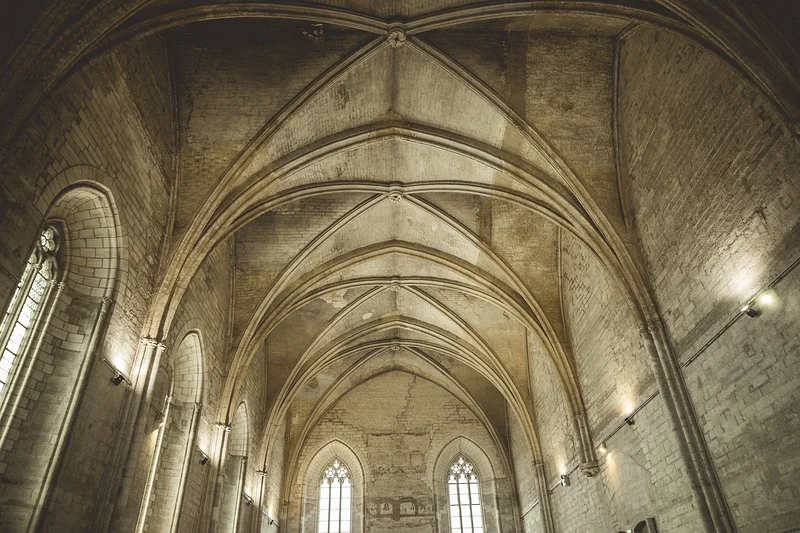
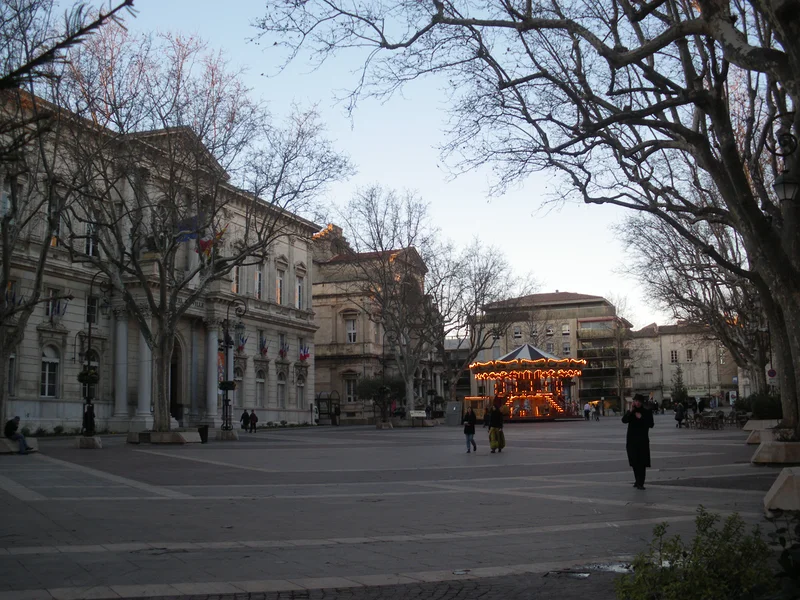
The only base in Provence where you last three days without driving: the TGV station is ten minutes from the center, and the Palais des Papes, the place de l'Horloge and the rue des Teinturiers are all walkable. Around it, L'Isle-sur-la-Sorgue and its waterwheels, Fontaine-de-Vaucluse and its spring, Mont Ventoux forty minutes up the road. What you give up: the outskirts are heavily built up, and in July the festival fills the hotels and doubles the rates.
You can walk through the entire city center. And there is quite a lot to see for a "small town," I'm thinking specifically of the Palais des Papes.
The towns in this area
What to see and do in this area
Where to stay in this area
La Mirande Luxury
A fourteenth-century cardinal's residence built against the Palais des Papes, twenty-six rooms hung with printed fabrics and a two-star restaurant. The address in Avignon, and the only one whose windows look onto the palace.
Hôtel Le Médiéval Mid-range
On rue de la Petite Saunerie, in an old canon's house five minutes from the palace. A quiet three-star with an inner courtyard, and the best location-to-price ratio inside the walls.
Hôtel d'Angleterre Budget
On boulevard Raspail, ten minutes on foot from the central station and as much from the ramparts. The choice for anyone arriving and leaving by train.
Pros
- TGV station ten minutes away, Paris in two hours forty
- Three days of sightseeing on foot, ramparts included
- The Luberon villages less than an hour away
Cons
- The July festival: few rooms and doubled rates
- The outer districts, which several of our members find charmless
The Luberon and its hilltop villages Gordes, Roussillon, the ochre
to sleep inside the scenery, with a car and early mornings
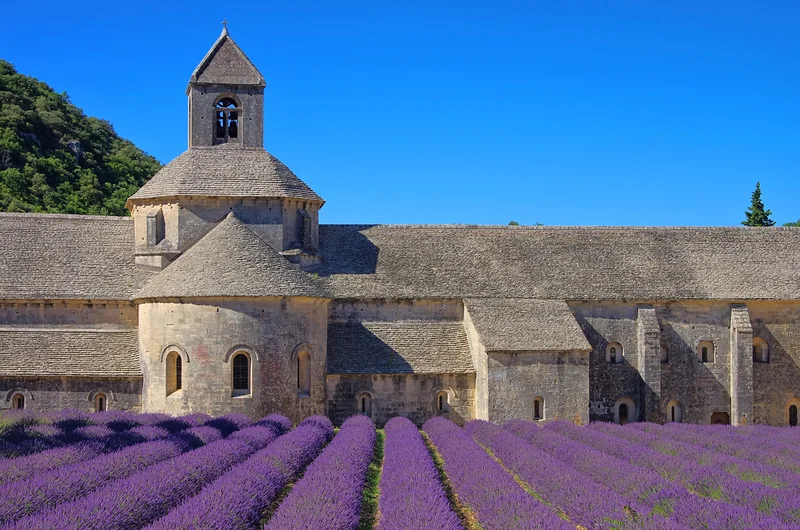
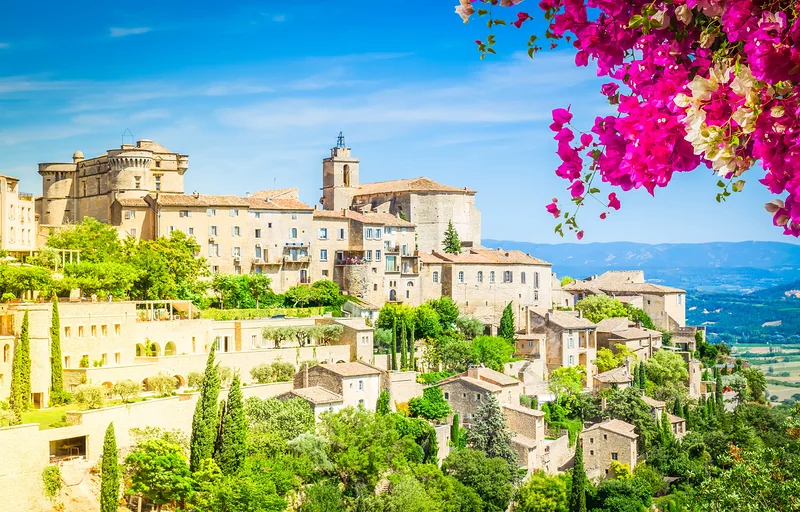
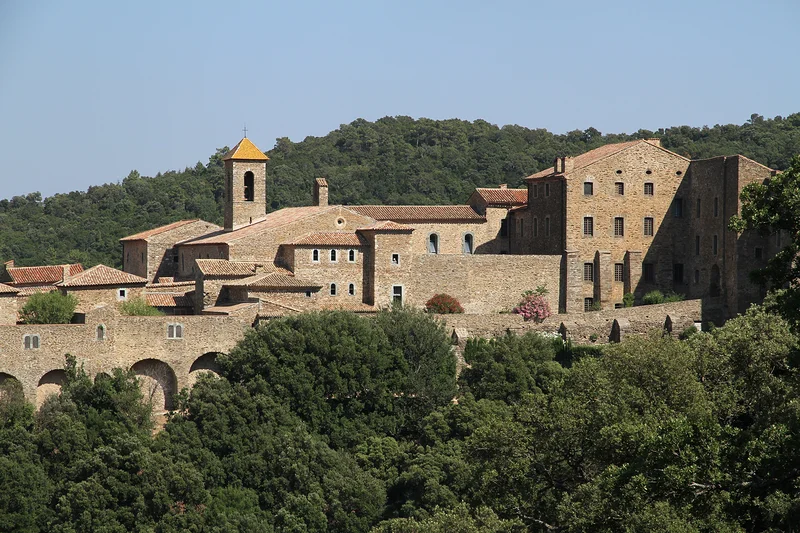
This is the Provence of the postcards: Gordes rising out of its cliff, Roussillon and its ochre facades, the abbey of Sénanque and its lavender in July, the Colorado Provençal at Rustrel. The price is double: a car is compulsory, and parking is our members' number one complaint from May to September. The villages are tiny, dinner is early, and a night costs more than in Avignon.
Clinging to a cliff, it feels like it grows right out of the stone. The center is small but very lively. Be careful in high season, it can quickly become impossible to park.
The towns in this area
What to see and do in this area
Where to stay in this area
Airelles Gordes, La Bastide Luxury
An eighteenth-century bastide clinging to the village, with terraces and hanging gardens above the valley. You sleep inside Gordes itself, which settles the parking question for the whole stay.
Mas de la Beaume Mid-range
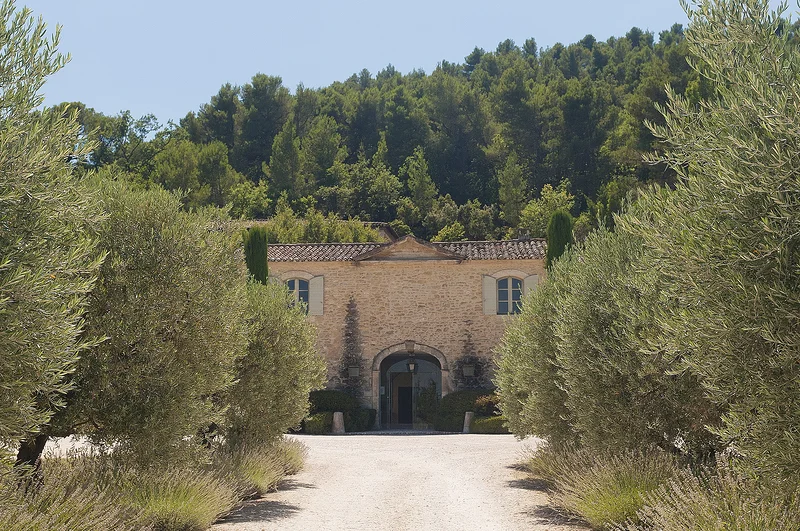
Five rooms in a stone mas at the edge of the village, with a pool and a view over the valley and the Alpilles beyond. Walking distance from the center, which is rare here.
La Ferme de la Huppe Mid-range
An eighteenth-century farmhouse two and a half miles from the village, with a pool and private parking. The compromise for anyone who wants quiet and no half-hour hunt for a space.
Pros
- The scenery at dawn, before the cars arrive
- Sénanque, the bories and the ochre within twelve miles
Cons
- Parking, from May to September, in all four villages
- Few tables serving after nine in the evening
- The most expensive night in Provence for the same comfort
The Alpilles, Arles and the Camargue Roman Provence
for ancient monuments and the open spaces of the Camargue
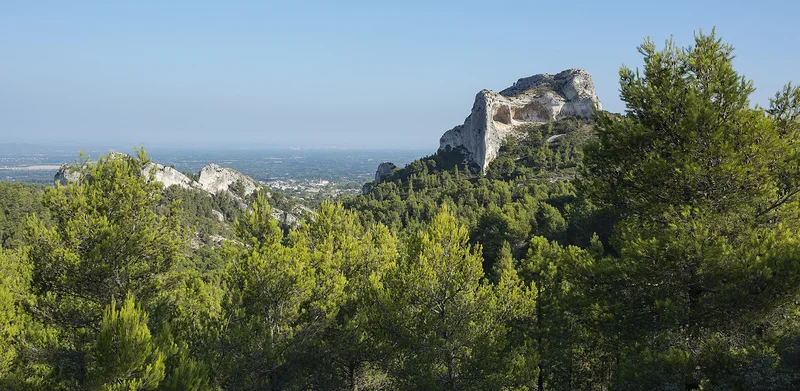
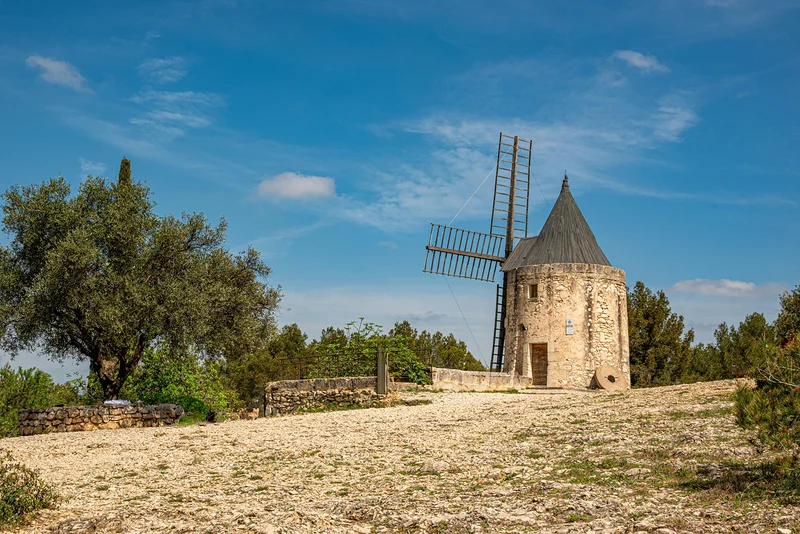
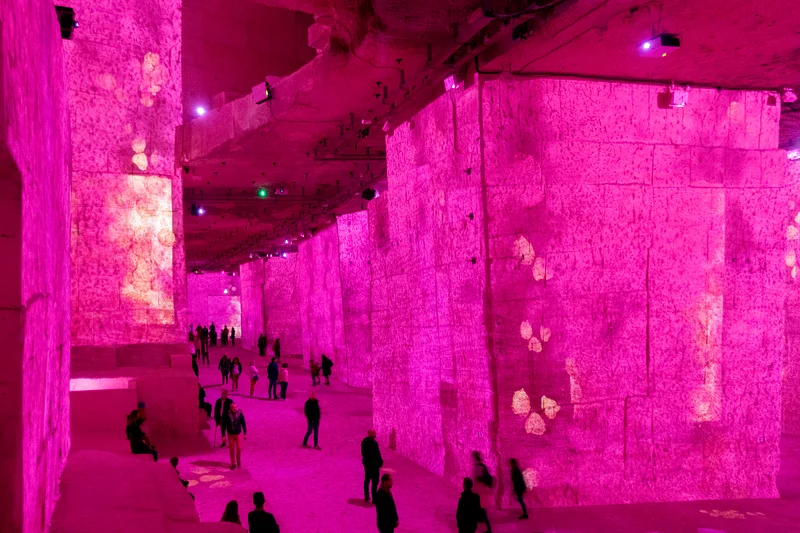
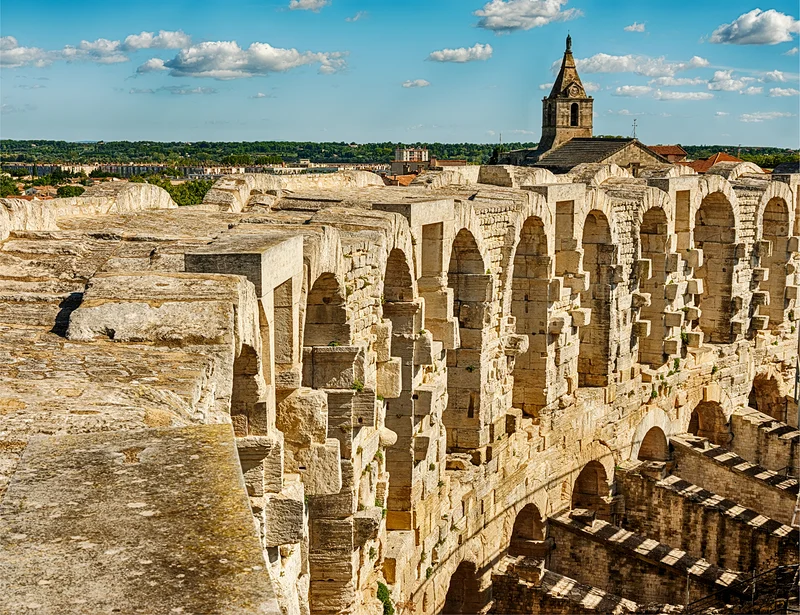
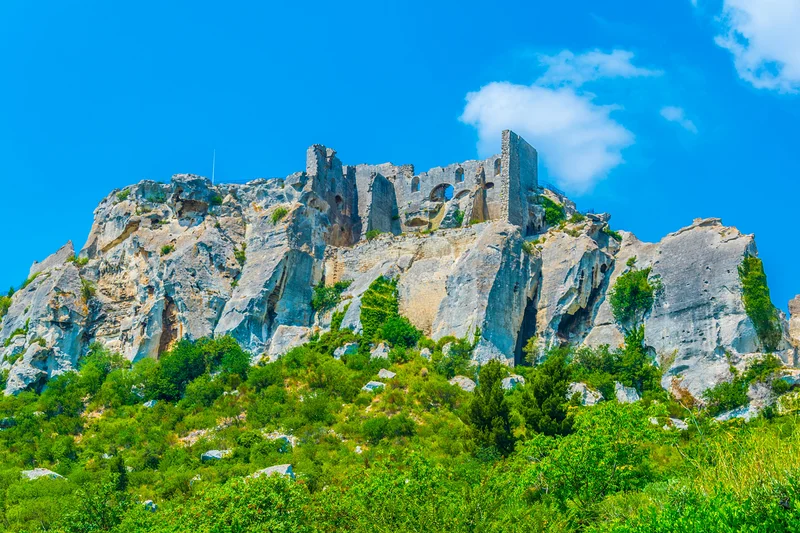
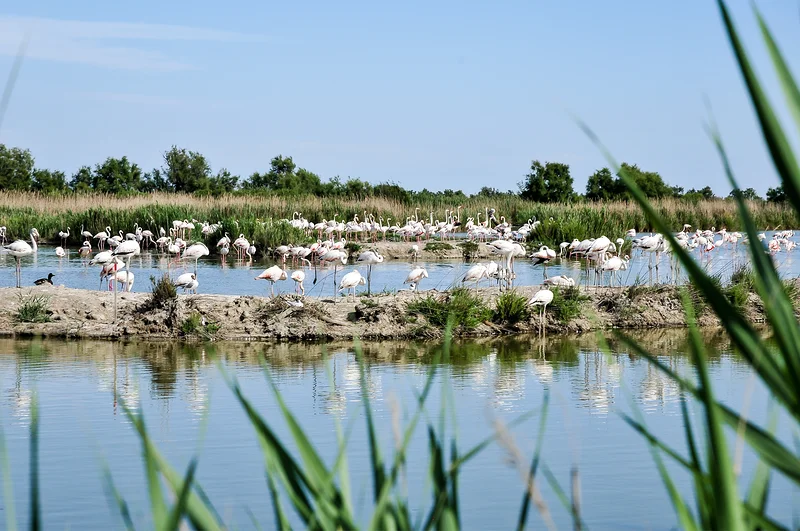
Three landscapes within an hour's drive. Arles and its Roman arena in the middle of town, the white Alpilles where Les Baux hold their rocky spur and where the Carrières de Lumières project onto fifty thousand square feet of quarry wall, then the Camargue with its horses and the Pont-de-Gau bird park. On the other hand, Arles is one of the largest communes in France, and its outskirts lack the charm of its center.
A pretty little town that is worth the trip (preferably on weekdays, otherwise the narrow streets can quickly become stifling).
The towns in this area
What to see and do in this area
Where to stay in this area
Hôtel Jules César Luxury
A former Carmelite convent on the boulevard des Lices, three minutes from the arena, decorated by Christian Lacroix. Spa, pool, and the whole town on foot.
Mas des Carassins Mid-range
A nineteenth-century mas in a two-acre garden, a quarter of an hour's walk from the center of Saint-Rémy and steps from the Glanum site. Pool, no neighbors, and the Wednesday market at the end of the lane.
Le Mas d'Aigret Mid-range
Built against the rock below the castle, five minutes on foot from the village. Sleeping in Les Baux is the only way to see them without the crowd: the coaches arrive around ten and leave before six.
Pros
- The densest Roman heritage in the region, all on foot
- The Camargue twenty minutes from Arles
- Gentler rates than the Luberon for the same comfort
Cons
- Les Baux and Saint-Rémy are saturated on weekends from May to September
- The mistral, which blows harder here than elsewhere
Aix-en-Provence The garden city
for a town on a human scale, markets and terraces
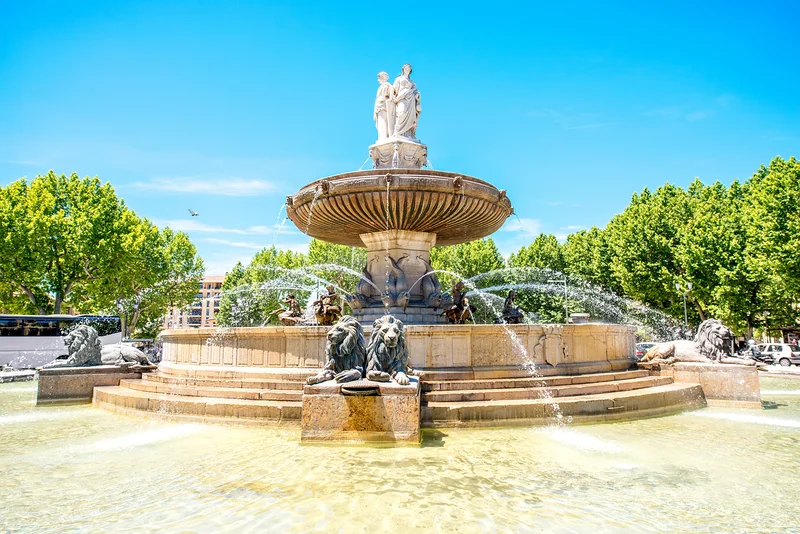
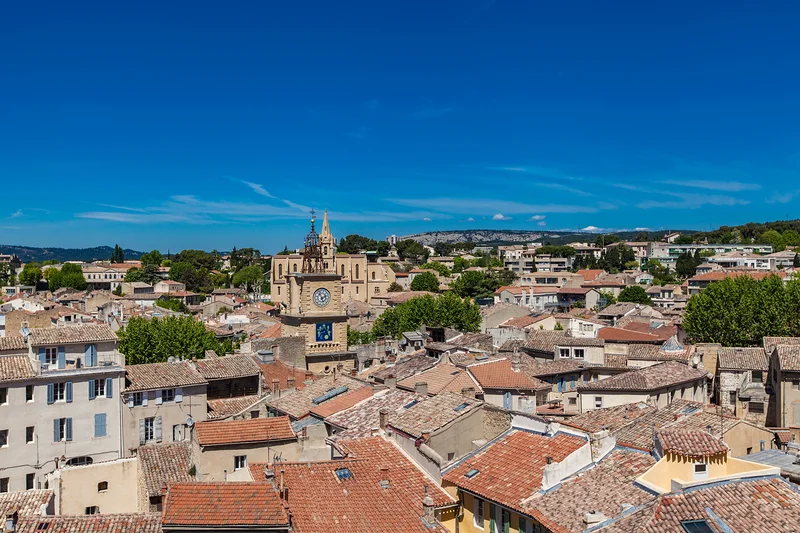
Two thousand fountains, seventeenth-century mansions and a center you cross in twenty minutes. The cours Mirabeau and its plane trees, the place Richelme market every morning, the Sainte-Victoire as a backdrop. Our members come back for the same reason: a town this size that kept its old center. Two reservations: the lanes of old Aix are narrow and can feel stifling in high summer, and you pay big-city rates without the sea.
A city on a human scale that is very lively and has managed to keep its Provençal charm (no big concrete blocks like you might see in other cities of a similar size).
The towns in this area
Where to stay in this area
Le Pigonnet Luxury
A bastide in a park of fountains, ten minutes on foot from the cours Mirabeau, with a view of the Sainte-Victoire from the garden. Cézanne painted here: it is the most Aix-like house in town.
Boutique Hôtel Cézanne Mid-range
Five minutes from the cours Mirabeau and as much from the station, with colorful rooms and breakfast served late. The practical choice for visiting without a car.
Hôtel des Augustins Mid-range
A twelfth-century convent thirty meters from the cours Mirabeau, with its original vaults and stained glass. You are at the exact center of the old town, which you pay for in noise on weekend evenings.
Pros
- Marseille thirty minutes away by train, the airport twenty-five
- The whole center on foot, markets every morning
Cons
- Big-city rates without the sea
- Parking in the center, difficult all year round
Marseille and the calanques The city and the national park
for a big city on the edge of a national park
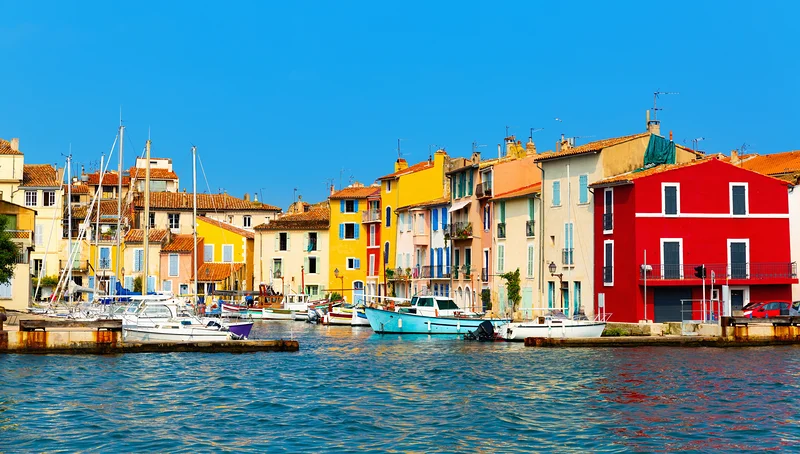
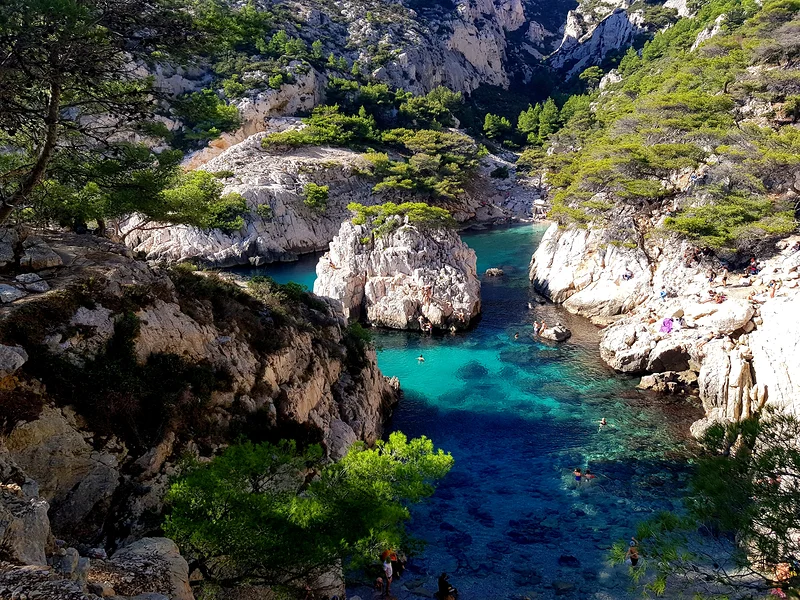
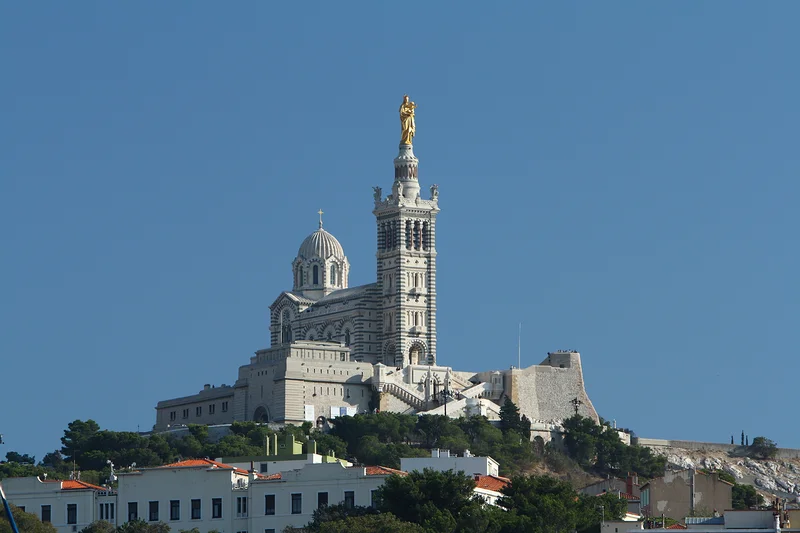
Nowhere else do you go from a café on the harbor to a calanque in forty-five minutes. The Vieux-Port, Le Panier, the MuCEM and Notre-Dame de la Garde on one side; the Calanques National Park, Cassis and its cliffs on the other. Our members disagree about almost everything here, except one point: sleep in the central or seafront neighborhoods. Still, the city is huge and changes sharply from one area to the next.
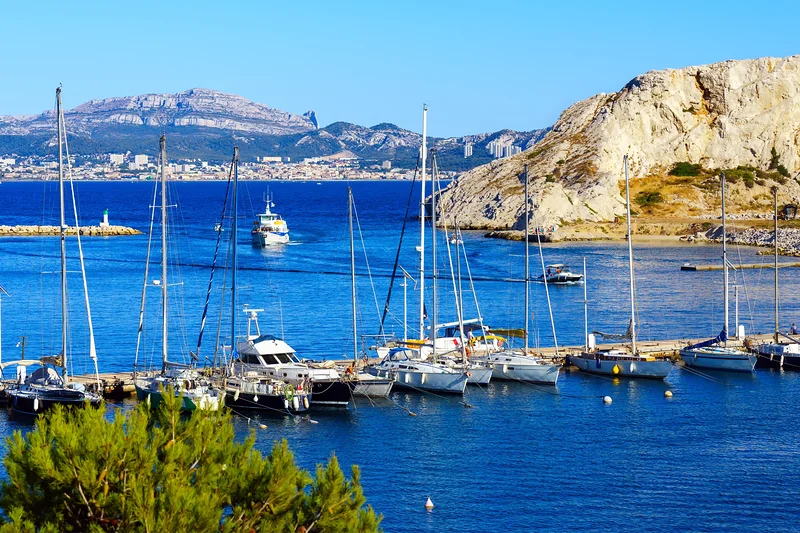
Sure, in the summer and on nice spring Sundays, you are better off avoiding Frioul. But off-season, it is a true paradise. A 15-minute boat ride from the Vieux-Port brings you to wild islands.
The towns in this area
What to see and do in this area
Where to stay in this area
Radisson Blu Hotel Marseille Vieux Port Luxury
On the quai de Rive-Neuve facing the Vieux-Port, with a pool and a view of Fort Saint-Nicolas. The MuCEM is fifteen minutes on foot, and the island shuttles leave downstairs.
Hôtel Hermès Budget
Thirty meters from the Vieux-Port, with a rooftop terrace overlooking the whole harbor and Notre-Dame de la Garde. Small rooms, unbeatable location for the price.
Best Western Hôtel & Spa Cœur de Cassis Mid-range
In the center of Cassis, two hundred meters from the harbor and three hundred from the beach. Sleeping there spares you the evening drive, which crawls in July and August.
Pros
- An airport, a TGV station and a metro: the easiest area to reach
- The calanques by bus and on foot from the city
- The cheapest nights in the region outside the Verdon
Cons
- A city that varies a great deal from one neighborhood to another
- Cassis, tiny and saturated from June to September
The Var coast and the Golden Islands From Bandol to Bormes
for the sea without French Riviera prices
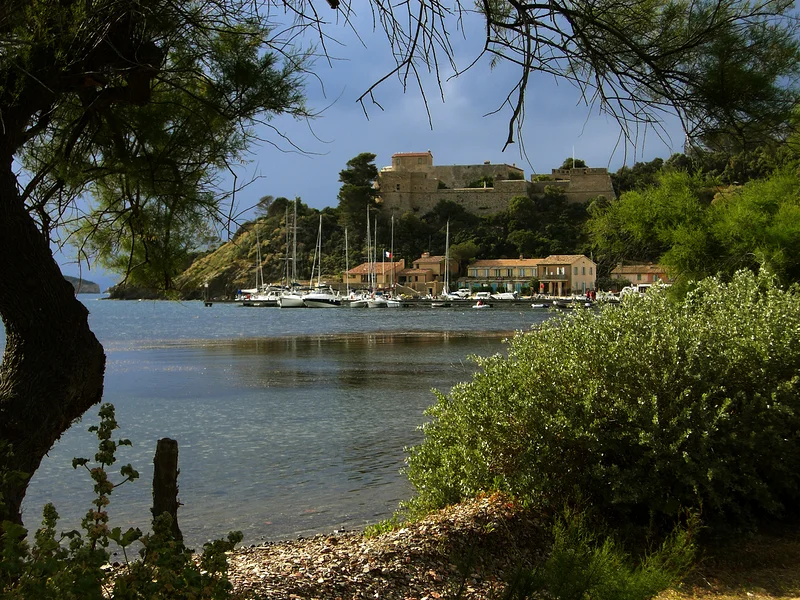
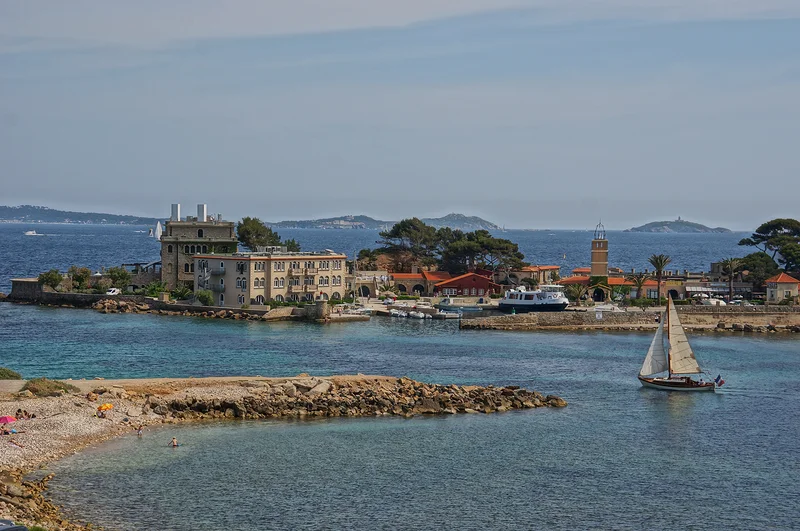
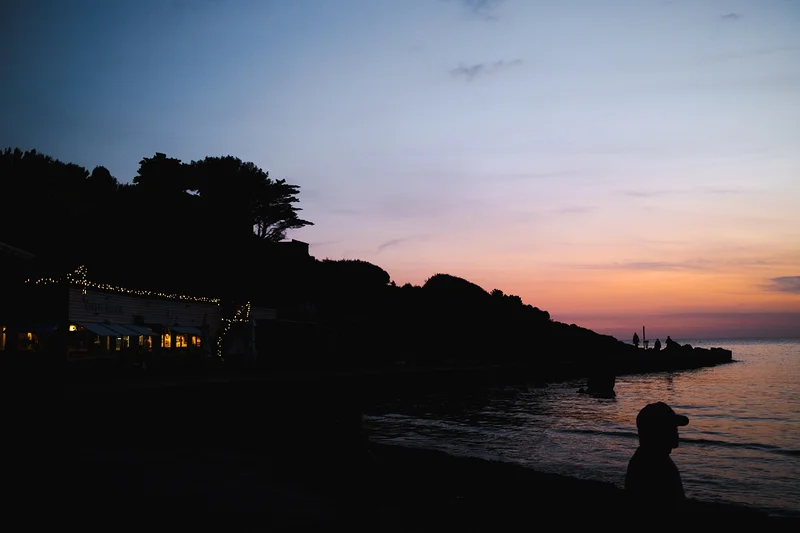
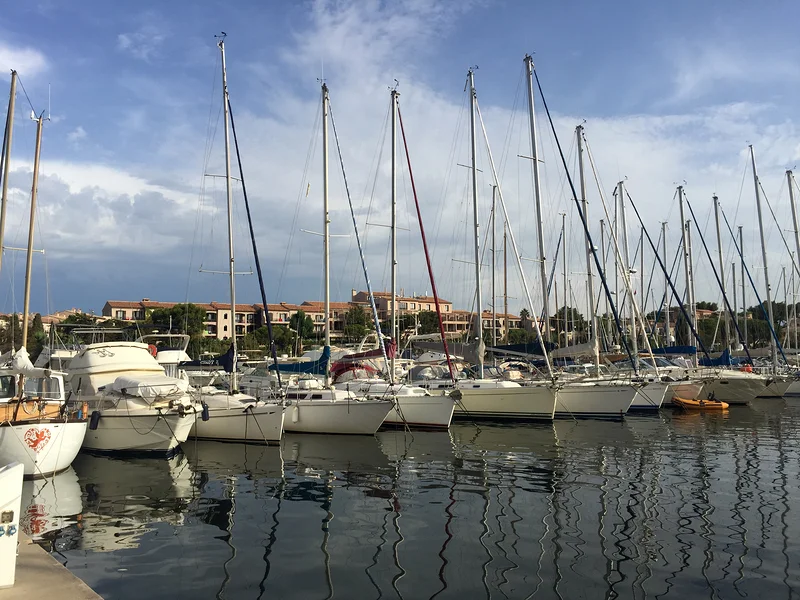
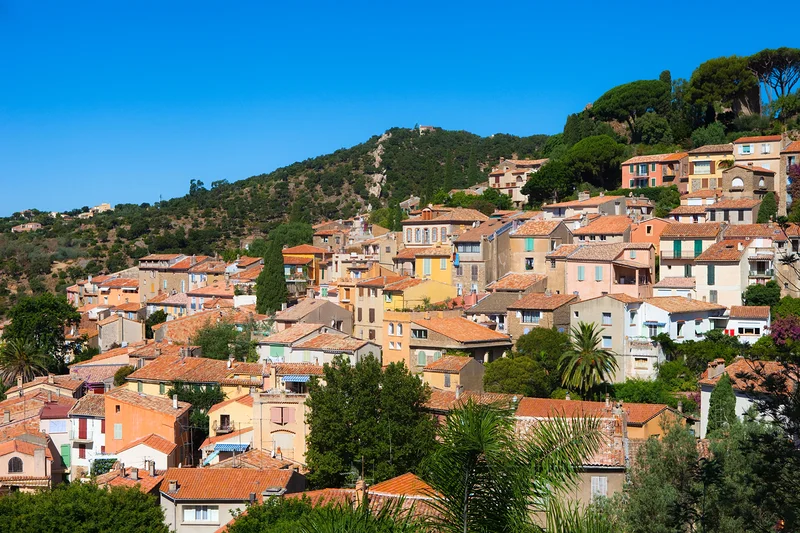
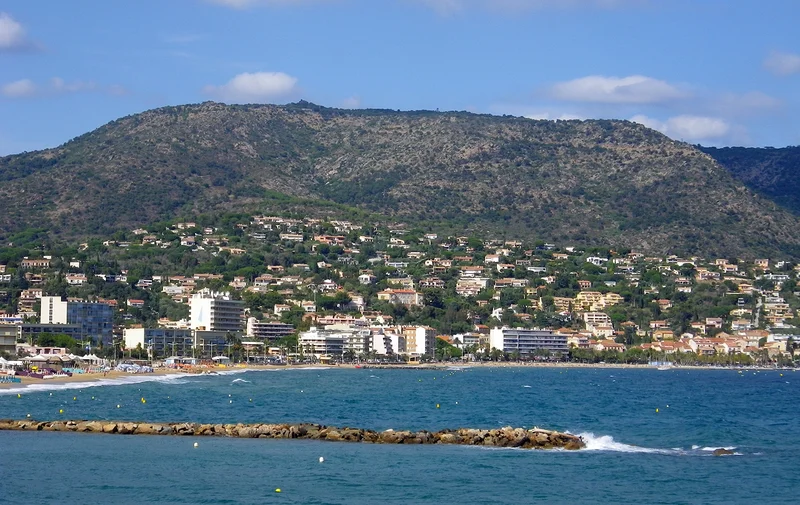
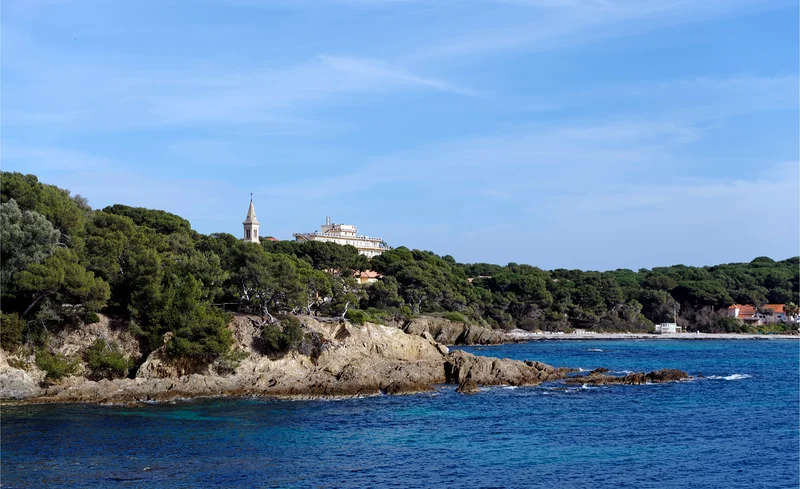
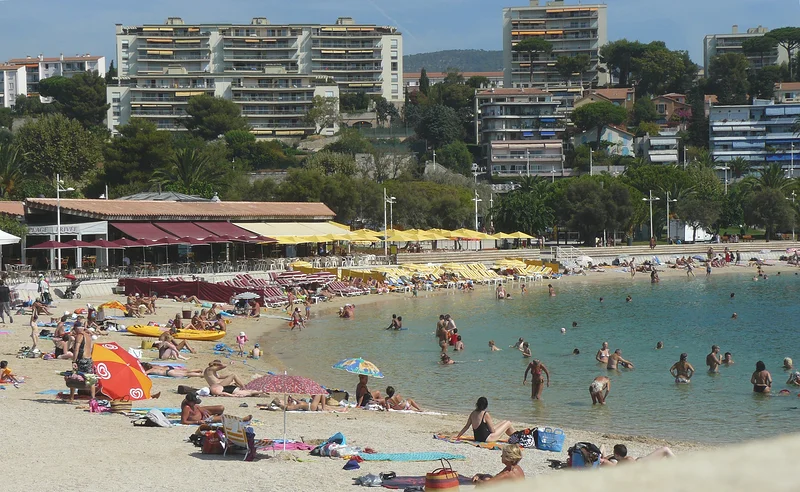
The same Mediterranean as Saint-Tropez, twenty miles further west and half the price. Hyères and its medieval old town, the Giens peninsula, the shuttles to Porquerolles and Port-Cros, the Mourillon beaches in Toulon, the coves of Bormes. Both islands are car-free: Porquerolles is done by bike, Port-Cros on foot only. Two caveats: Toulon divides our members, and the coast between Six-Fours and Le Lavandou is heavily built up in places.
Porquerolles, accessible by boat from several ports like Toulon, is a little gem. It is a real pleasure to walk the trails on this island and then settle into a small cove where you can snorkel in crystal clear water.
The towns in this area
What to see and do in this area
Where to stay in this area
Hôtel Bor Luxury
Right on the water at Almanarre beach, with a private beach facing Porquerolles and Port-Cros. The island shuttles leave ten minutes away by car.
Hôtel Le Porquerollais Mid-range
Six rooms on the place d'Armes in the middle of the village, with a restaurant serving fish landed that morning. Sleeping on the island means having it to yourself between the last boat out and the first one in.
Eden Rose Grand Hôtel Mid-range
Forty-three rooms in an old building above Bormes, in a seven-acre park with an infinity pool and a view over the bay. The medieval village is just below, on foot.
Pros
- Rates far below those of the neighboring French Riviera
- Three car-free islands reachable within the day
- Toulon on the TGV network and served by an airport
Cons
- The island shuttles are stormed in August
- Dense development between Six-Fours and Le Lavandou
The Verdon and upper Provence The gorges, the lake, the altitude
for cool air, turquoise water and the lowest prices in the region
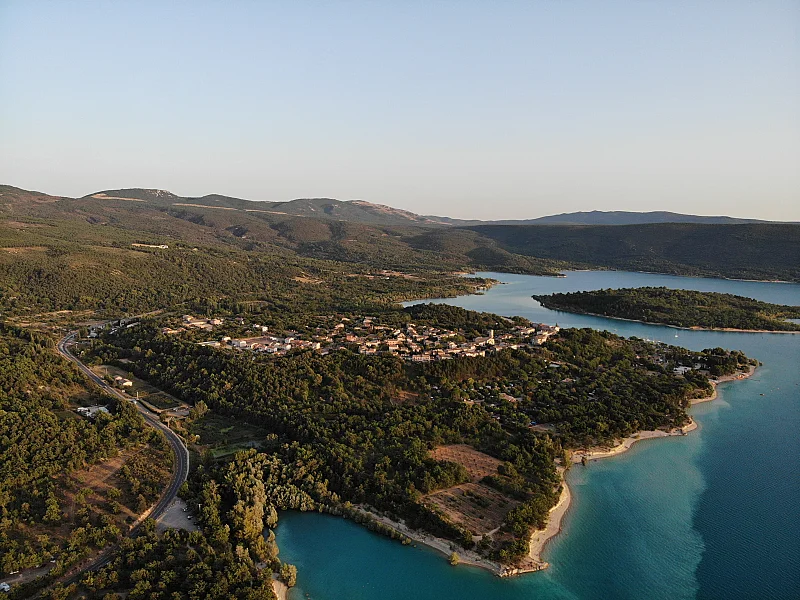
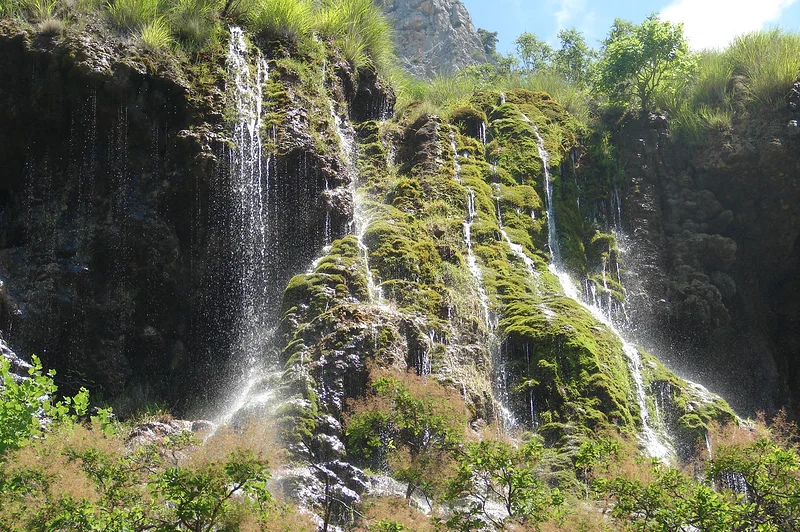
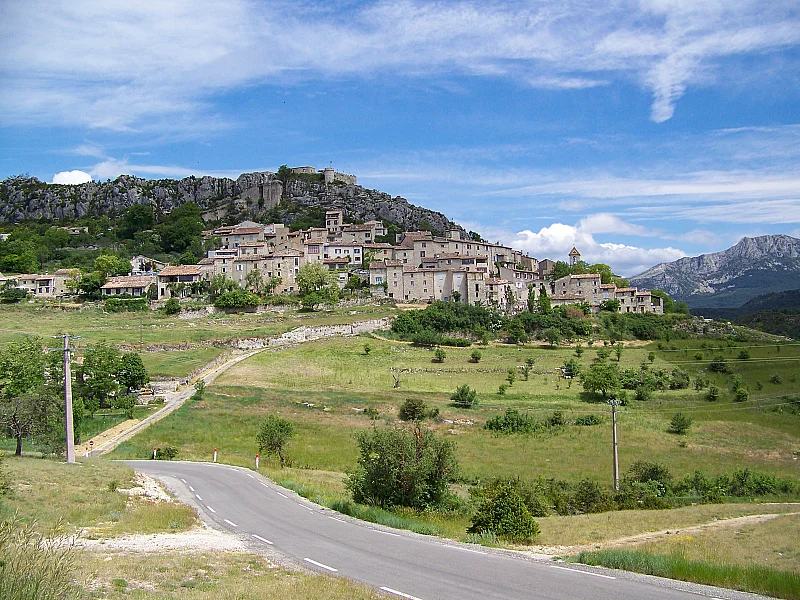
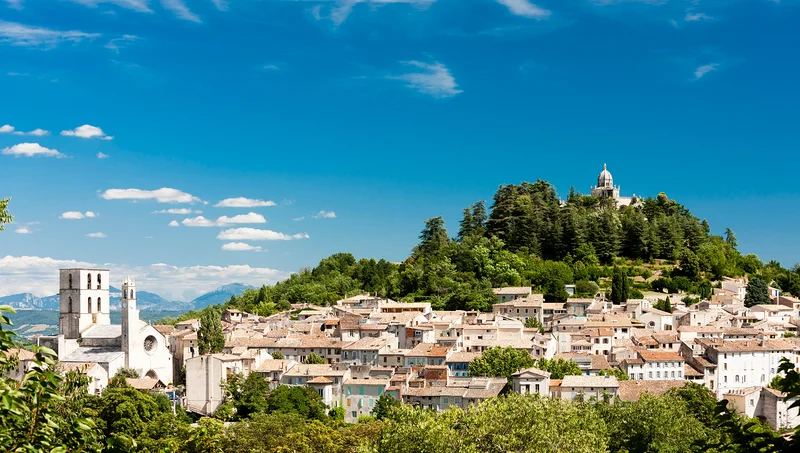
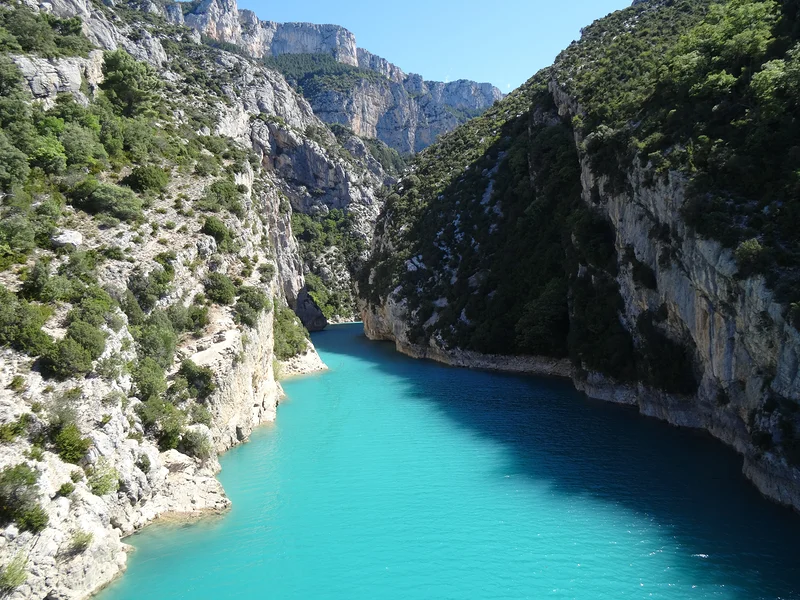
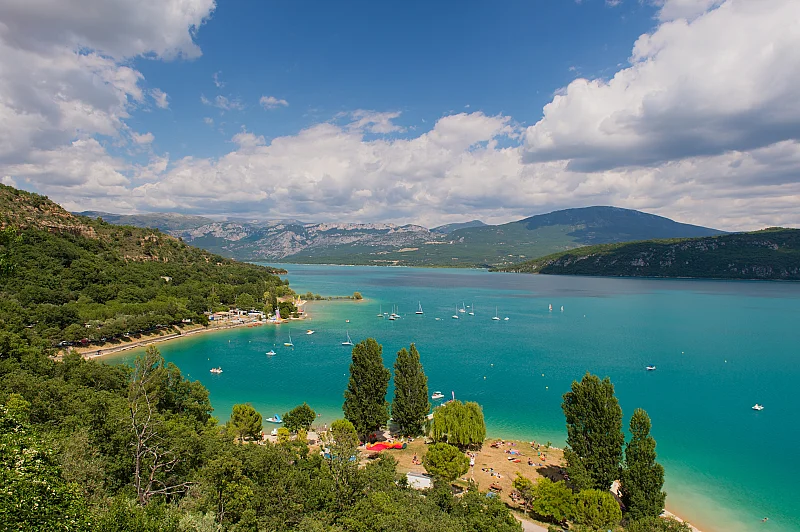
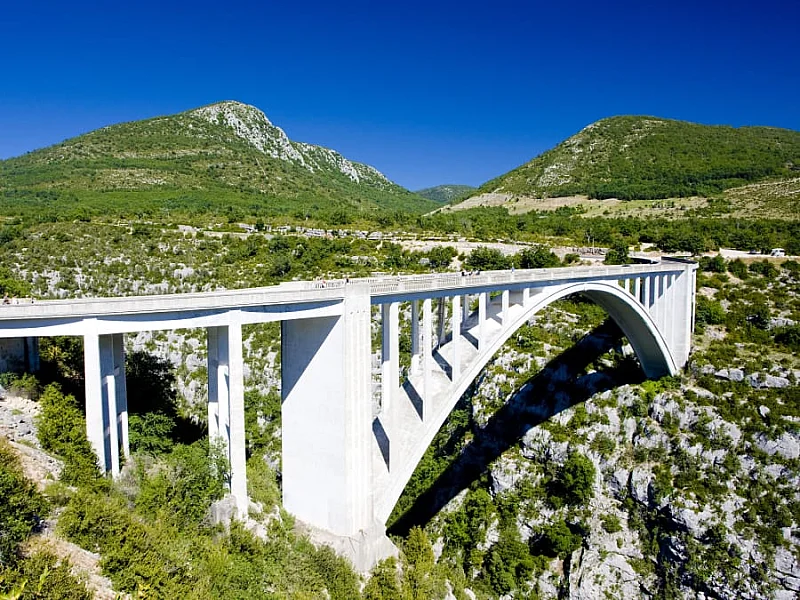
At two thousand feet, Provence changes air. The Verdon gorges cut fifteen miles into the limestone, the Lac de Sainte-Croix can be crossed by pedal boat up to the mouth of the canyon, and Moustiers clings below its notch with its suspended star. It is also the cheapest and coolest area in Provence in July. Count on two hours of driving from Avignon or Marseille, and a short season, April to October.
For me, Moustiers is one of the most beautiful villages in Provence. The setting here is impressive, and I love the houses huddled at the foot of the limestone massif where crevices, promontories, and churches are tucked away!
The towns in this area

What to see and do in this area
Where to stay in this area
La Bastide de Moustiers Luxury
A seventeenth-century bastide below the village, with a kitchen garden and a table signed by Ducasse. The Lac de Sainte-Croix is ten minutes away by car, the gorges twenty.
Hôtel Les Restanques de Moustiers Mid-range
Five hundred meters from the village, with a flowered terrace and private parking, which counts for more here than elsewhere. The lake and the gorges are three miles away each.
La Ferme Rose Mid-range
Half a mile below Moustiers, in a nineteen-thirties and fifties setting assembled by the owner. Pool, garden, bike shelter, and the quiet of an isolated farm.
Pros
- Ten degrees cooler than Marseille on a heatwave day
- The cheapest nights in Provence
- The lake and the gorges in the same day
Cons
- Two hours of driving from the other areas
- Almost everything closes from November to March
Our tips for booking the right place
- Sleeping in a village is paid for in parking: It is our members' number one complaint, and it comes back at Gordes, at Les Baux and at Rustrel, where you often have to park outside the village. The lots are full before eleven from May to September. Roussillon has its own version of the problem, the crowds of the May holiday weekends. A hotel with private parking changes the nature of the stay, and it is the first thing to check, before the price.
- The train reaches further than you think: Avignon, Arles, Aix, Marseille, Toulon and Hyères are all on the network, and Avignon to Arles takes twenty minutes; Aix to Marseille is half an hour on the shuttle bus, a little more by train. A trip built on those six towns needs no rental. For the Luberon, the Alpilles and the Verdon, there is no alternative to driving.
- July is the month of lavender and festivals: The bloom at Sénanque and on the Valensole plateau runs from late June to mid-July, and the Avignon festival takes up the whole month. The two land together, and it is the only stretch of the year when rooms genuinely run short in Provence. May, June and September offer the same light without the crowds.
- The mistral is not a legend: It blows in runs of three, six or nine days, above all in the Rhône valley and the Camargue, and it pushes back boat trips and island shuttles alike. On the Var coast, keep a spare day before any crossing to Porquerolles or Port-Cros.
- Taking a single base to see everything: from Avignon to the Verdon gorges it is two and a half hours, and as much to come back. Two bases are enough for a week, three for ten days.
- Choosing a hilltop village for a whole week without a car: Gordes, Roussillon and Les Baux have a few hundred inhabitants, a handful of tables and no transport in the evening.
- Booking in Cassis in order to visit Marseille: the village is tiny, the evening road crawls in summer, and a night there costs double one on the Vieux-Port.
- Counting on the Verdon in winter: between November and March most hotels, restaurants and boat rentals are closed.
FAQ: where to stay in Provence
Where to stay in Provence for a first visit?
Is it better to stay in a town or in a Provençal village?
Do you need a car in Provence?
Where to stay in Provence on a budget?
How far in advance should you book in Provence?
Our city guides in Provence
Toulon
See prices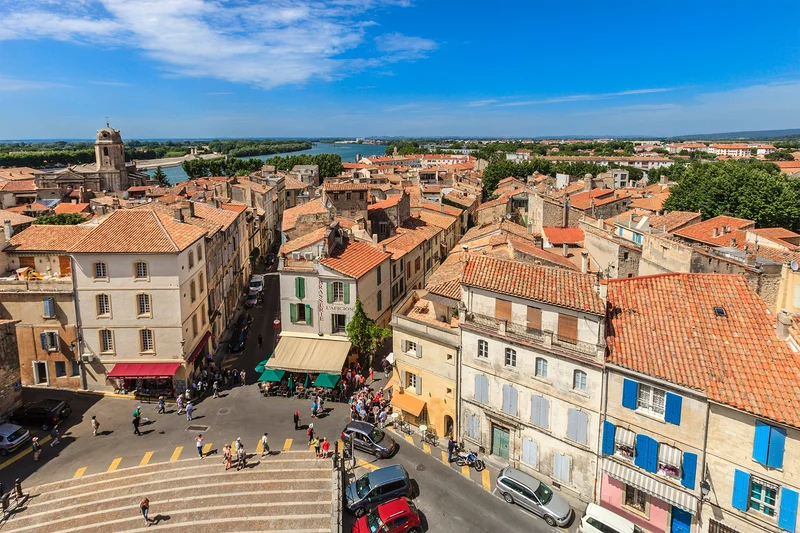
Arles
See prices
Hyères
See prices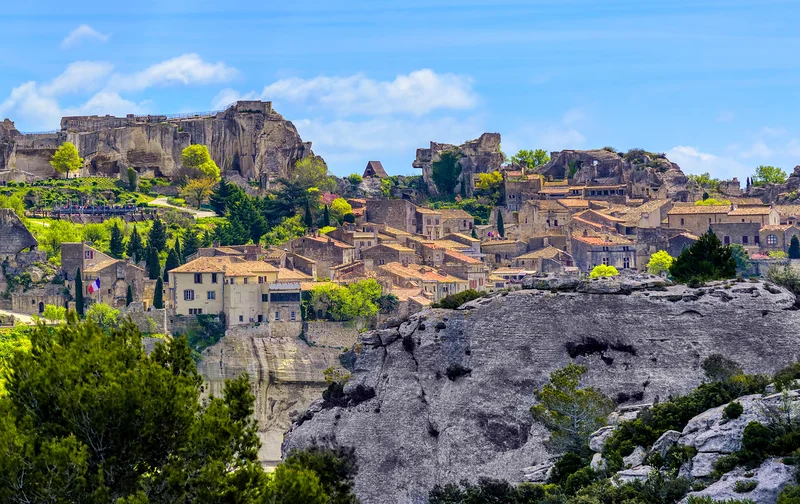
Les Baux-de-Provence
See prices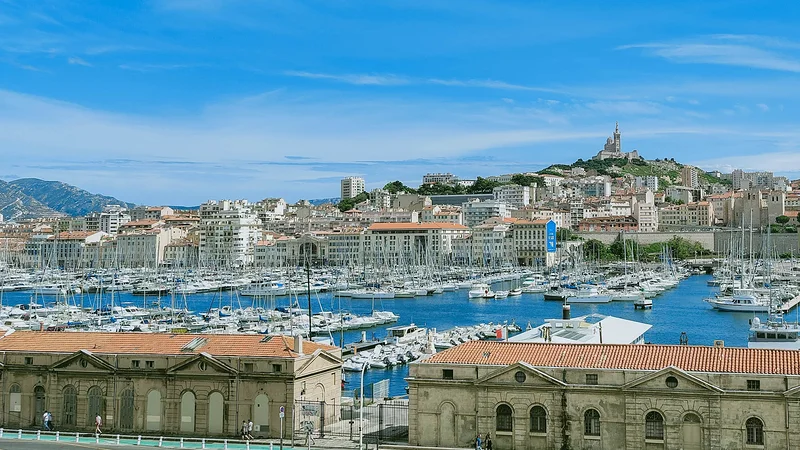
Marseille
See prices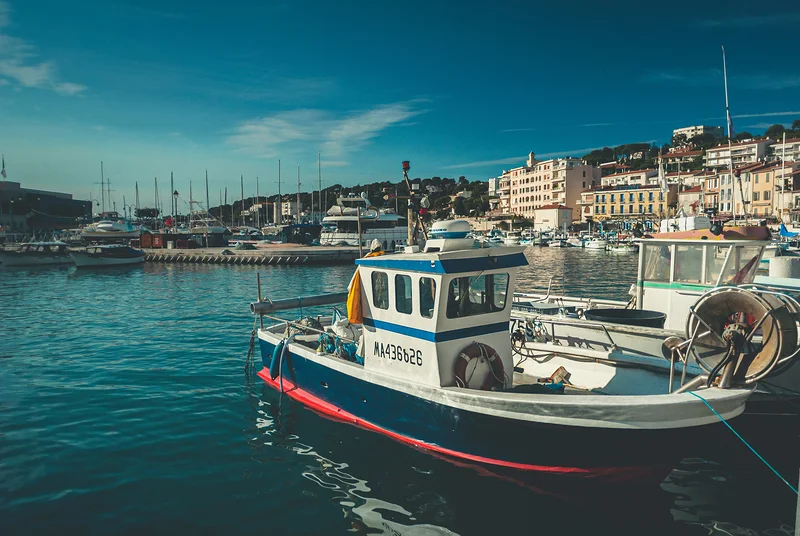
Cassis
See prices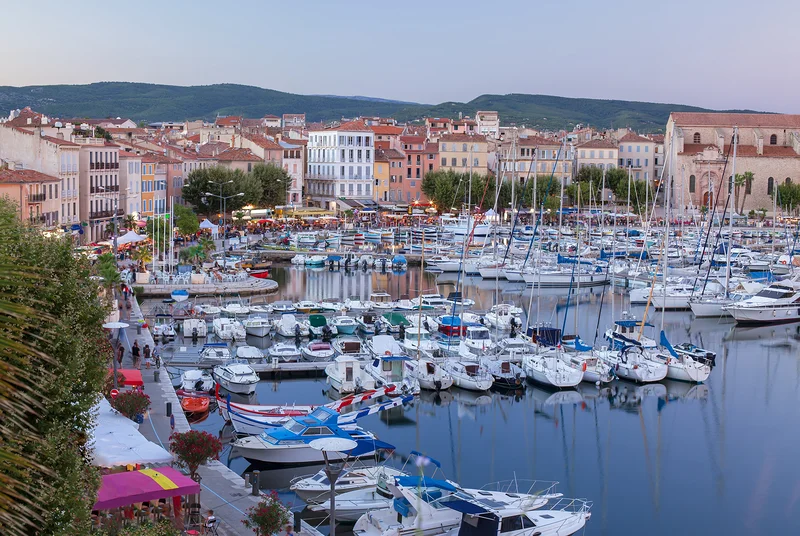
La Ciotat
See prices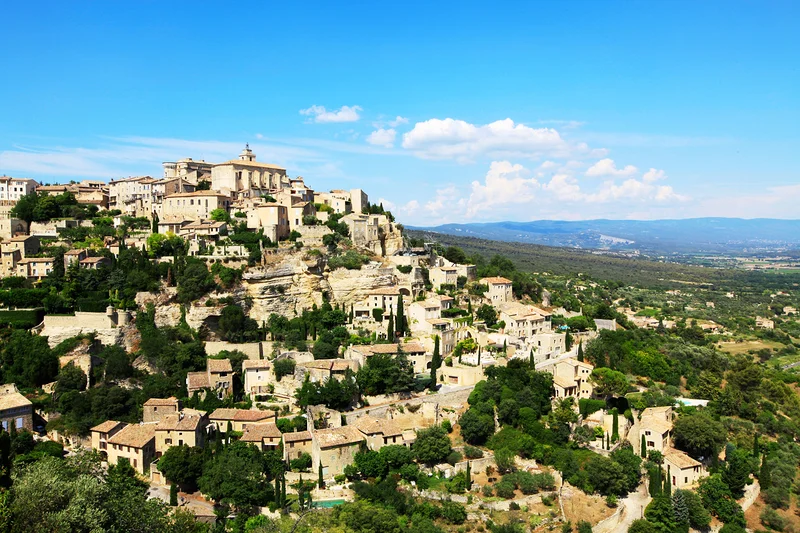
Gordes
See prices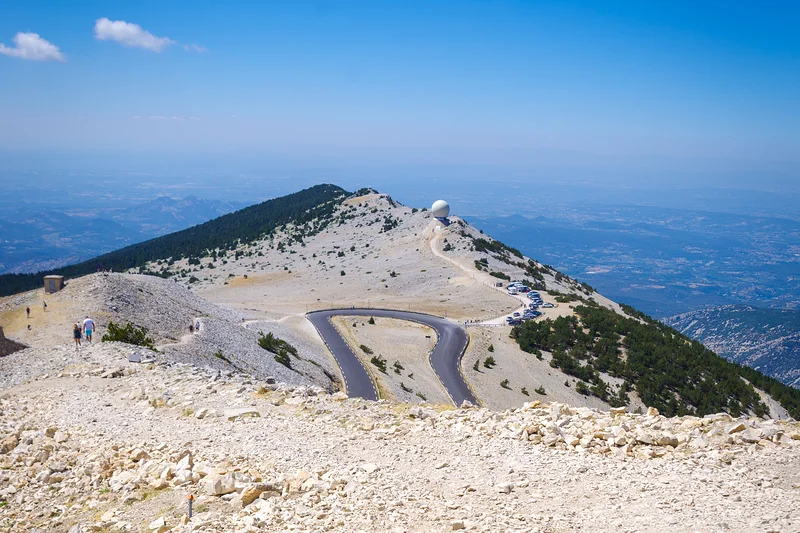
Bédoin
See prices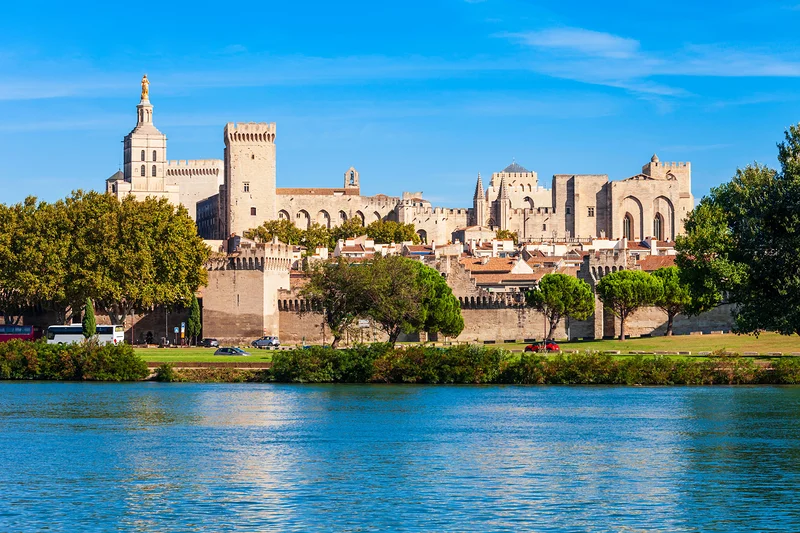
Avignon
See prices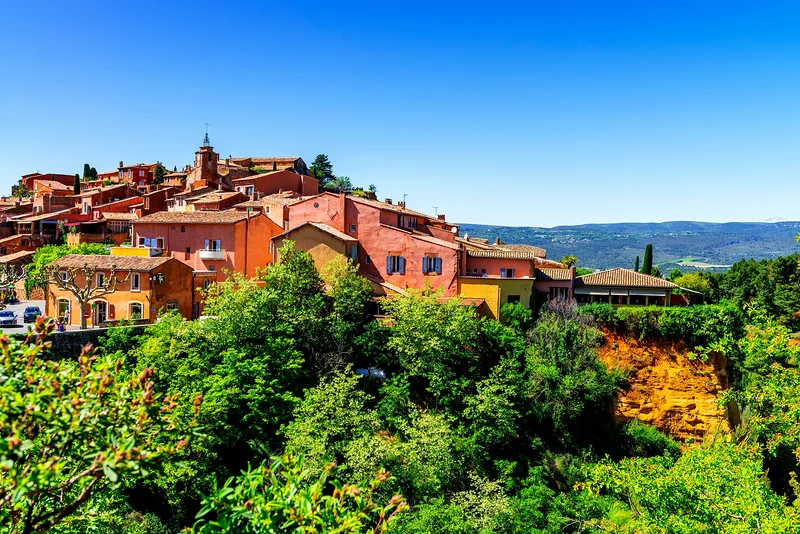
Roussillon
See prices
Saintes-Maries-de-la-Mer
See prices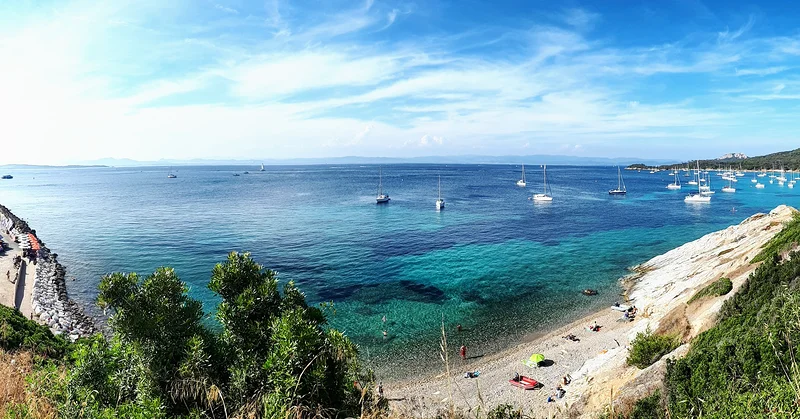
Porquerolles
See prices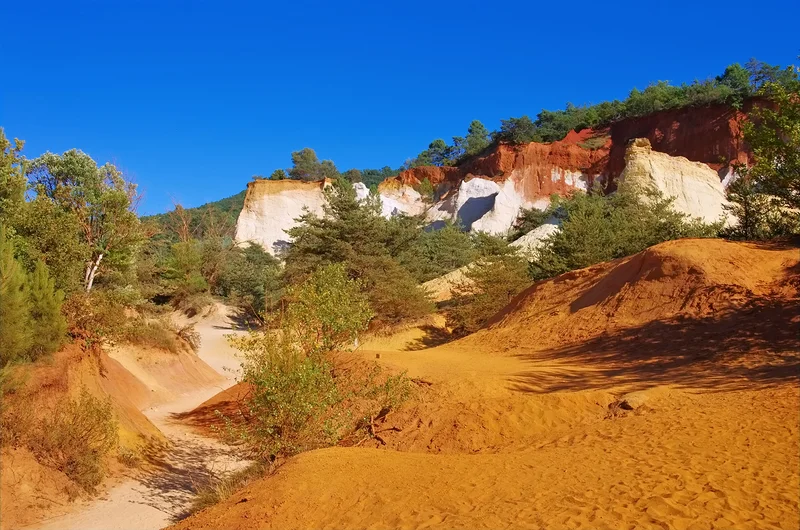
Rustrel
See prices