
The Giant of Provence: climbing Mont Ventoux
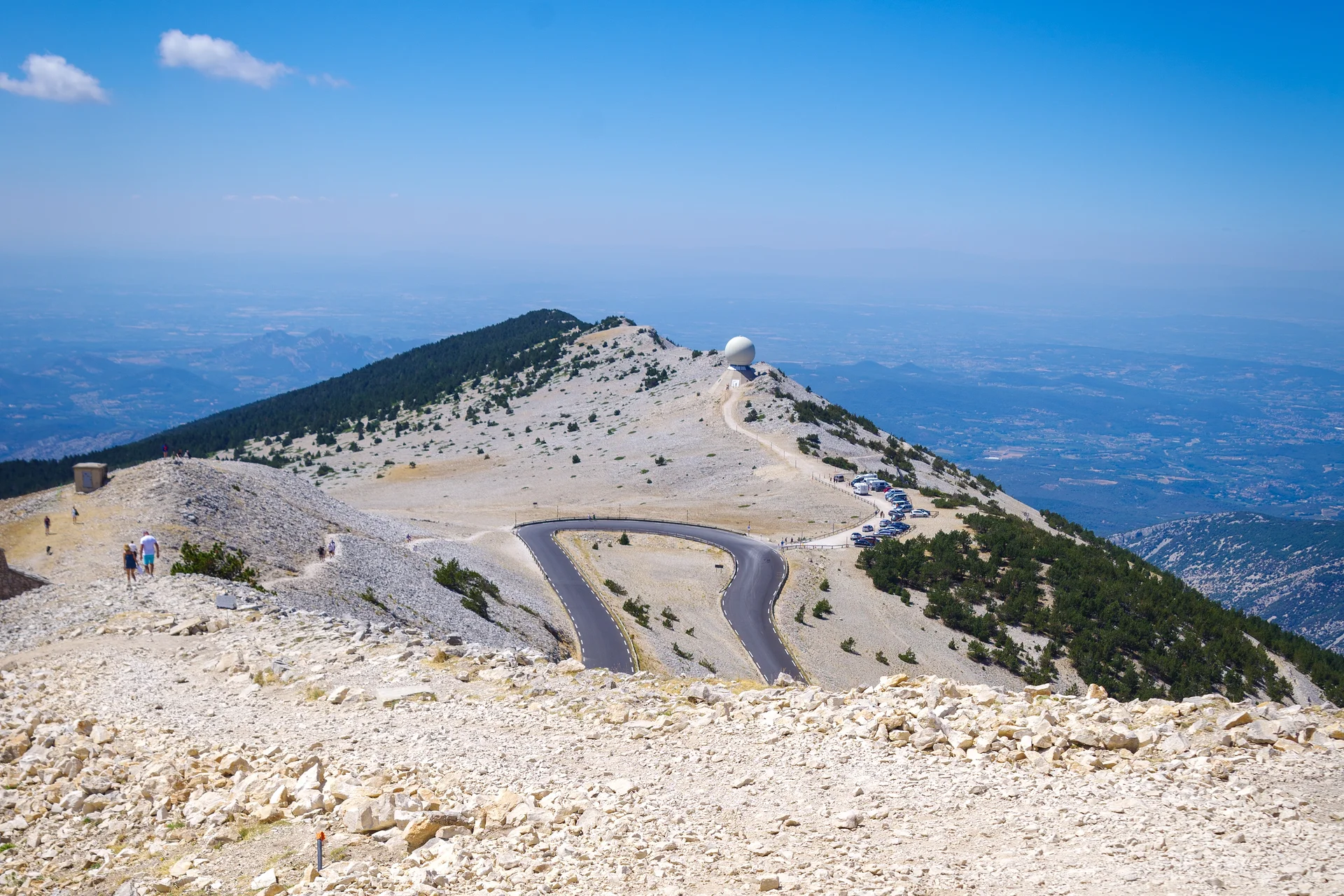
At 1,910 metres of elevation, the wind blows strong enough to knock your hat off. The lunar white stone landscape stretches as far as the eye can see, while the silhouette of the Alps outlines the distance. Lower down, the Mediterranean sparkles on clear days. This bald summit dominating the plains of the Comtat Venaissin has fascinated people for centuries.
Why climb Mont Ventoux?
The Giant of Provence has been designated a biosphere reserve by UNESCO since 1990. This recognition honors a rare phenomenon: on its slopes, Mediterranean vegetation sits right alongside alpine species. Lavender and holm oaks grow at the foot of the massif, beeches and firs take over the mid-slope, and a rocky desert tops the peak where plants normally found only in the Alps manage to bloom. This sharp ecological contrast stems from the dramatic elevation gain of the mountain, standing isolated in the middle of the Provençal hills.
The poet Petrarch made the ascent in 1336, widely considered the first recorded hike in history undertaken purely for pleasure. Ever since, the mountain has continually drawn hikers, cyclists, and curious travelers. The Tour de France has climbed it 18 times, cementing its legendary athletic status.
Three sides, three distinct vibes
Via Bédoin: the ultimate challenge
This is the iconic route of the Tour de France. The road climbs for 21 kilometres with an elevation gain of 1,600 metres. Cyclists dread its sections hitting 11.5%. On foot, the trail starting from the hamlet of Sainte-Colombe takes 4.5 to 5 hours of walking to reach the summit.
Via Malaucène: the forest route
The northern slope passes through massive pine and cedar forests. The scent of pine resin accompanies the climb all the way up. The Mont Serein ski resort makes an excellent starting point for hikers wanting to skip the long lower approaches. From there, count on less than 2 hours to reach the peak via the GR4 trail.
Via Sault: the gentle approach
The most gradual access spans 25 kilometres, keeping the slope moderate throughout. The Sault plateau, known for its endless lavender fields, provides postcard-worthy Provençal scenery before you begin the actual climb.
Friendly tip: The summit can close from mid-November to mid-April depending on weather conditions. In summer, start early in the morning to beat the scorching heat and crowded parking lots. The mistral wind can gust up to 250 km/h at the top, so always check the weather on meteo-ventoux.fr before you head out.
At the summit: a panorama across three regions
The orientation table helps you pick out major landmarks in the landscape. On a clear day, your view stretches from Mont Blanc to the Pyrenees, and from the Cevennes to the Mediterranean. The weather station and telecom tower mark the highest point. A plaque honors British cyclist Tom Simpson, who died on these slopes during the 1967 Tour de France.
What you can spot from the summit terrace:
- The Dentelles de Montmirail, a jagged limestone range to the west
- The Alpilles and the Luberon on the horizon
- The Rhone valley and the Alps chain on a clear day
- The gorges de la Nesque, a striking canyon carved into the base of the massif
Flora and fauna: a condensed climate zone
Chamois have made their home on the northern slope. They coexist peacefully with hikers without showing fear. In the summit scree slopes, around sixty rare plant species have found a refuge: Reuter's columbine with its blue flowers and eryngo with its white prickles. Botanists come from all over the world to observe this mosaic of biotopes where alpine flora survives just a few kilometres from Mediterranean olive trees.
Opening hours
*Information subject to change

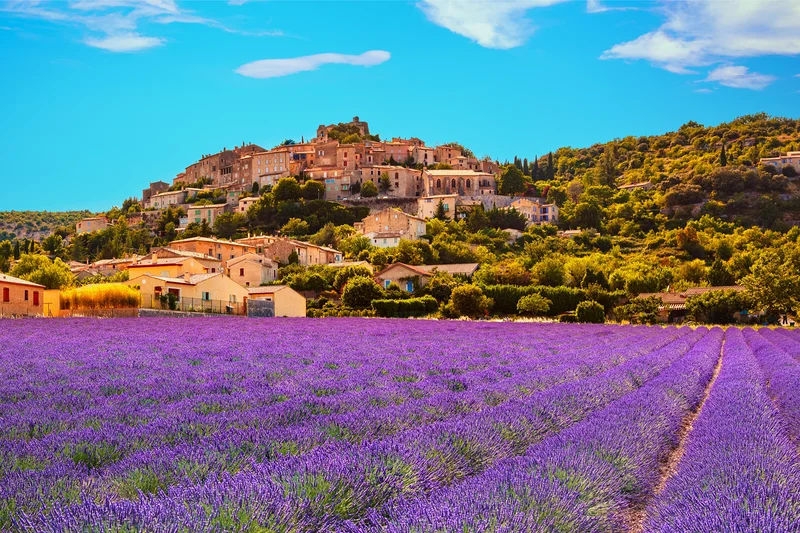
The view from the top of Mont Ventoux is truly exceptional. To get there, you will need to start a hike that remains accessible with a little effort. In the summer, leave early in the morning and bring plenty of water because of the heat. It is also possible to get there by car, but it is less fun.