
Martigues, Where Painters Set Down Their Bags
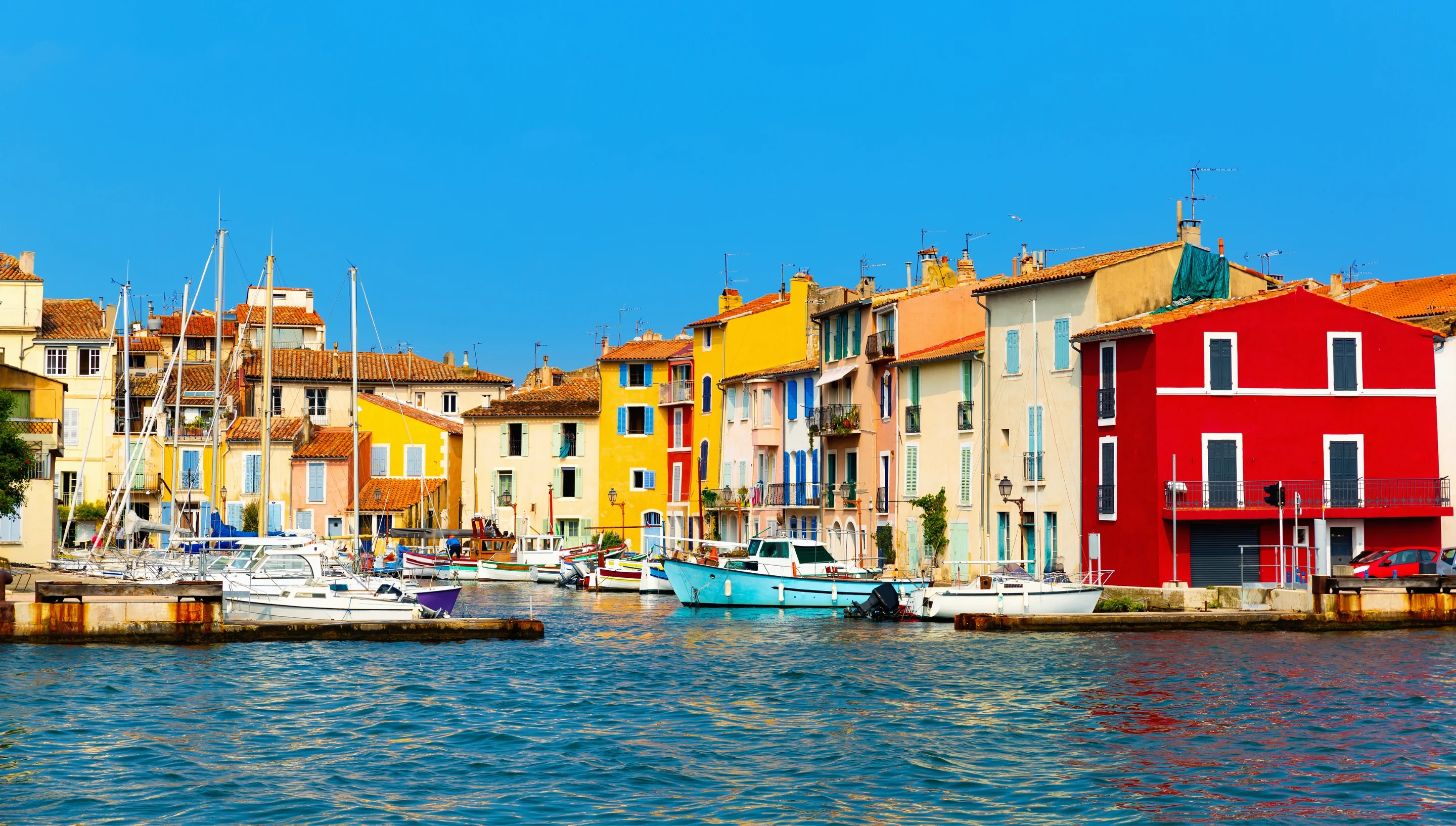
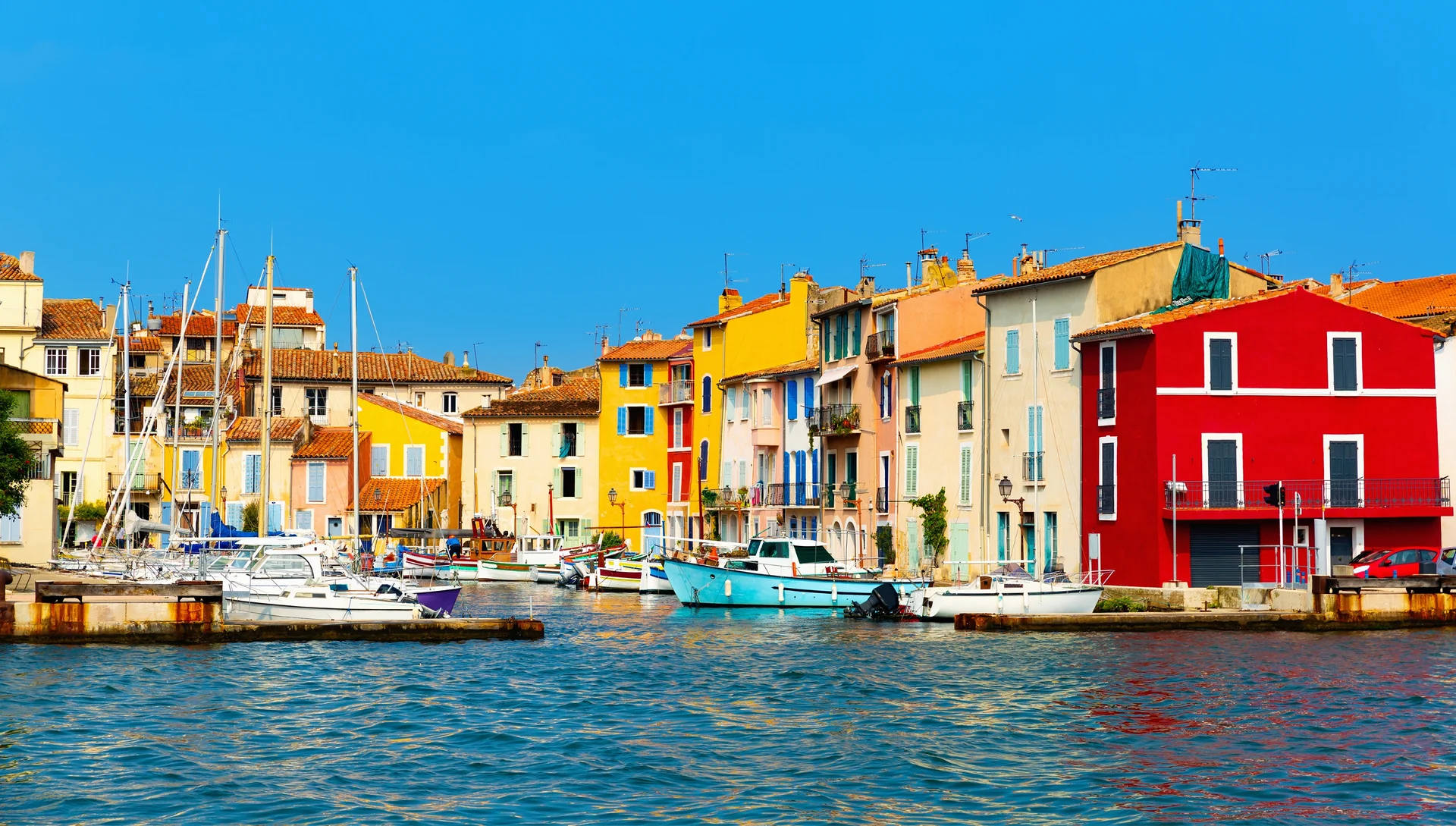
On the rooftop of the Accademia Caffe, migratory birds stop over each year. Their reflections mirror onto the still canal water, creating the namesake for the most photographed spot in Martigues: the Miroir aux Oiseaux. Delacroix, Corot, Ziem, and Dufy all set up their easels along this paved quay lined with pastel facades.
Two centuries later, the colorful boats remain right where they were. Fishermen have largely given way to recreational boaters, but the setting feels untouched.
A Clever Alternative to the Crowded French Riviera
If you want Mediterranean charm without the Riviera crowds, Martigues hits every mark. The town draws fans of canals, accessible beaches, and fresh seafood. Couples find a quiet romantic atmosphere, families enjoy lifeguarded coves, and art lovers discover an underrated creative heritage. Plan for half a day to explore the historic center, or a full day if you add a beach trip and the fishing port of Carro.
Who might want to skip it? Anyone looking for high-end luxury or buzzing nightlife. Martigues remains a working-class town proud of its roots and fishing traditions. It works best for travelers who appreciate straightforward simplicity.
A Truly Reasonable Budget
Prices here will make anyone used to Cassis or Saint-Tropez breathe a sigh of relief. Expect $90 to $135* for a double room in high season, and $17 to $29* for lunch with a canal view. The beaches and the water shuttle are completely free.
The Island and Its Legendary Canals
The historic core sits on an island known simply as L'Île. Two canals have wrapped around it since 1581, when three local fishing villages merged. The Miroir aux Oiseaux is right here along quai Brescon. You reach it by heading down the steps from the pont Saint-Sébastien.
The église de la Madeleine anchors the end of the canal. Its baroque facade dates back to 1680. Inside, the 1694 walnut pulpit and frescoes by Catalan artist Michel Serre are worth a look. The rest of L'Île invites you to wander without a map, moving from shaded squares to vaulted passageways.
Friendly tip: The free water shuttle connects the three neighborhoods in 13 minutes across four stops. Board at Jonquières and get off at Ferrières for the best possible angle of the town from the water.
The Beaches of the Côte Bleue
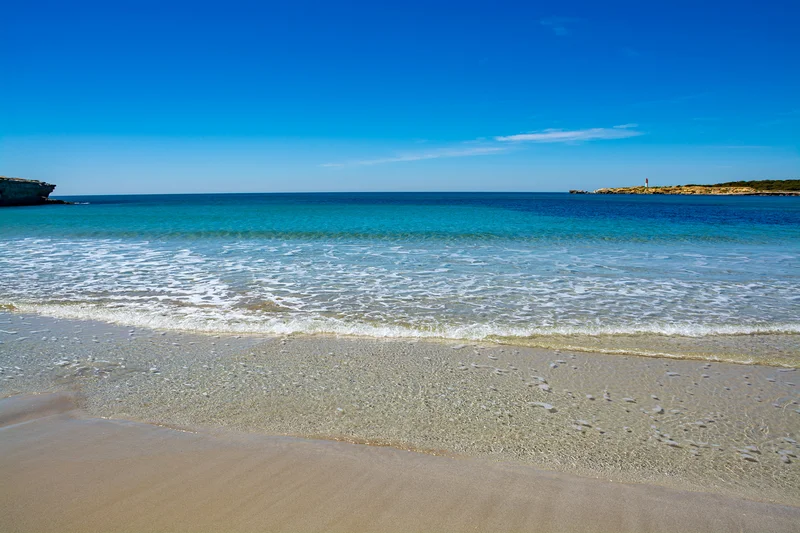
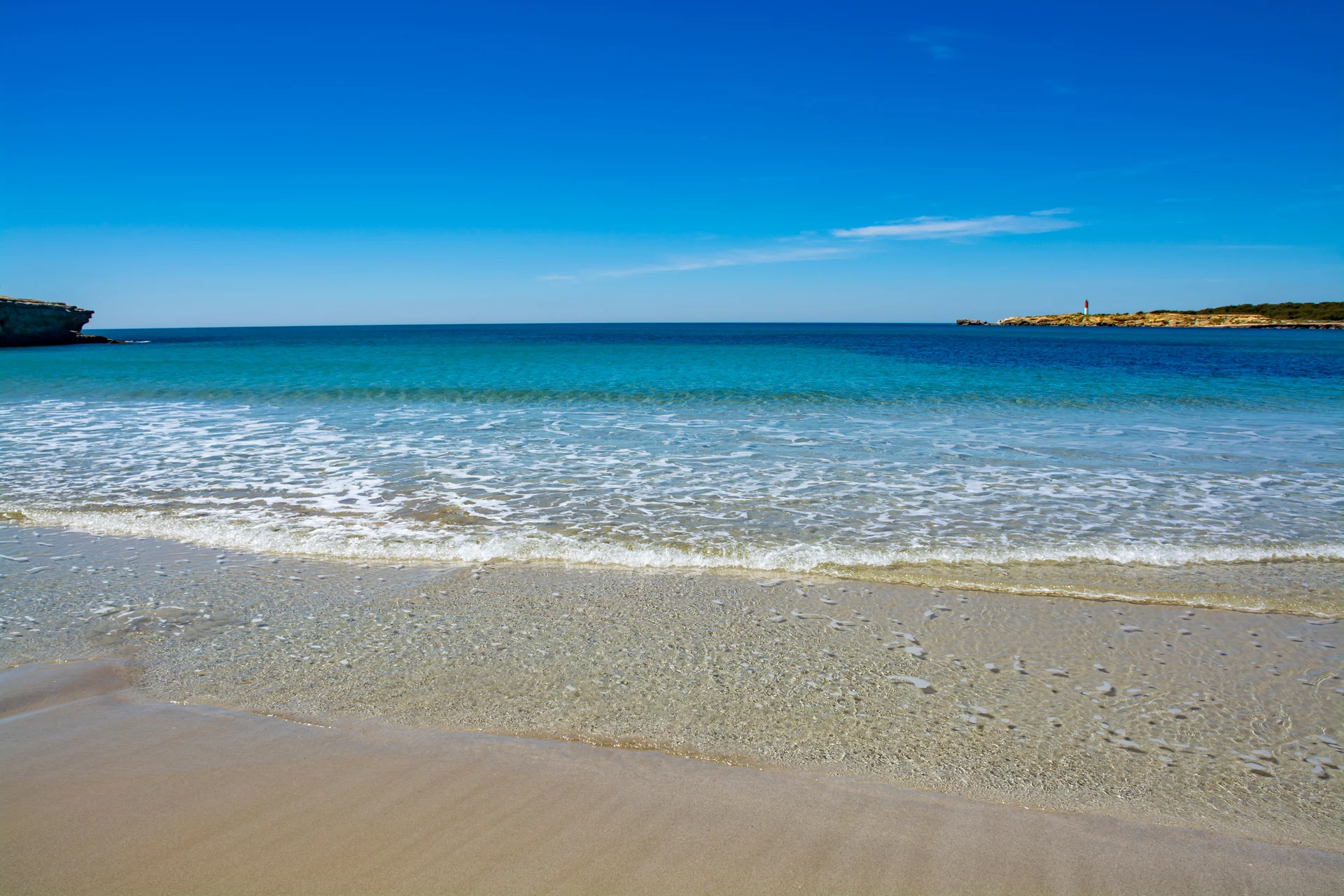
A twenty-minute drive from downtown, the Côte Bleue strings together fine sand coves backed by white limestone cliffs. The plage de Sainte-Croix suits adults looking for quiet. Expect clear water, a gradual drop-off, and zero street vendors. The plage du Verdon right next door brings more infrastructure with bars, restaurants, paddleboard rentals, and a beach volleyball court.
Both beaches have flown the Pavillon Bleu environmental flag for years. For more character, head over to the village of La Couronne and its beach bordered by former blonde stone quarries. That very limestone was used to build the ancient port of Marseille.
Carro and Maritime Traditions
The fishing port of Carro is still very much active. Every morning, trawlers unload their catch straight onto the stalls of the fish market. Go early because the best catches are gone by 9:00 AM. Surfers also head here for the reliable waves that kick up when the mistral wind blows.
In June, the Comité des Fêtes hosts a traditional brasucade right on the port. Mussels are cooked over an open wood fire using a recipe kept secret by local fishermen. The event carries the Marseille Provence Gastronomie label.
The Musée Ziem and Artistic Heritage
Félix Ziem settled in Martigues in the 1840s, drawn in by the intense light and shimmering water reflections. Shortly before his passing, he donated several canvases to the city. The Musée Ziem now occupies the former customs house. Inside, you will find his views of Martigues alongside paintings of Venice and Constantinople, cities he also loved.
The collection extends to the Marseille school with Loubon and Guigou, alongside fauvist works by Derain and Dufy, and canvases by Picabia. Admission is inexpensive, and the galleries rarely get crowded.
Where to Eat and Drink in Martigues
The signature local specialty is poutargue, which consists of salted and dried grey mullet roe harvested right from the canal. The intense, briny flavor is not for everyone, but food lovers consider it a delicacy. Served in thin slices with a squeeze of lemon, it pairs well with a glass of white Cassis or a rosé from the Côtes-de-Provence.
The restaurant Le Miroir claims the most sought-after tables along quai Brescon. Expect market-driven cooking, local ingredients, and unbeatable views. Book ahead if you want a spot on the terrace. La Cocotte de L'Île on Place de la Libération serves hearty dishes at friendly prices. For a fisherman plate featuring fish soup, monkfish, and mussels, head straight to La Caravelle down by the water.
Ice cream enthusiasts should make a stop at Marco, who represented Martigues at the 2024 Gelato Festival World Master with a sorbet made from Sorrento walnuts and Provence honey.
Where to Stay In and Around Martigues
Downtown features few hotels but several character-filled guesthouses. The Golden Tulip Martigues Provence is a reliable choice less than a mile and a half from the canals. For a more immersive stay, look into vacation rentals in the L'Île neighborhood or over toward Jonquières.
Coastal campgrounds let you mix beach days with town exploring. Camping Les Tamaris offers direct beach access. If you prefer sleeping within sight of the Berre lagoon, you will find options near Saint-Mitre-les-Remparts or Istres, both fifteen minutes away by car.
How to Get Here and Get Around
Marseille-Provence Airport is thirty minutes away via the A55 highway. There is no direct flight from North America: connect in Paris, from where Marseille is 1h20 by air, then pick up a rental car. Trains serve three stations in the commune: Martigues, Croix-Sainte, and La Couronne. The rail line connects Marseille in about 45 minutes.
Driving from Aix-en-Provence takes forty minutes via the A55. From Arles, the N568 cuts across the landscapes of the Berre lagoon. Parking is generally straightforward, even in summer, with several free lots bordering the historic center.
Once you are there, the free water shuttle known as the Bac de Martigues connects the neighborhoods across the canals. It is easily the most pleasant and photogenic way to get around.
When to go
May, June, and September offer the ideal sweet spot of pleasant weather and manageable crowds. July brings the big events, including the Fêtes Vénitiennes with fireworks, the Festival Folklorique Mondial, and grilled sardines under the plane trees. The Fête de la Saint-Pierre in late June honors the patron saint of fishermen with processions and community meals. Skip August if you prefer to avoid the heaviest tourist rushes.
A very charming little town! I found it has a real identity. I really enjoyed walking through the streets. You are truly right by the water, hence the nickname Venice. It is full of flowers in the summer and the houses are colorful. Besides, it does not lack activities whether you are a couple or a family. For example, the Parc de Figuerolles!