
Visiting Marseille, between Mediterranean spray and urban grit
The scent of anise hangs in the air, mixing with the cries of seagulls and the chatter at the fish market in the Vieux-Port. Here, the sea defines everything, from what is on your plate to the rhythm of daily life. Yet, beneath the sun-drenched postcard surface lies a complex city that is sometimes rough around the edges and always full of energy.
Marseille: bright and sunny or just plain raw?
This city appeals to those who appreciate contrasts. You can spend your morning swimming in wild coves, your afternoon on a lively terrace, and your evening walking past colorful street art murals. It is a great fit for travelers looking for authenticity, human warmth, and dramatic coastal scenery.
Conversely, those who prioritize pristine order, absolute quiet, or luxury service on every corner may find the city a bit overwhelming.
The Vieux-Port and Le Panier: the historic soul
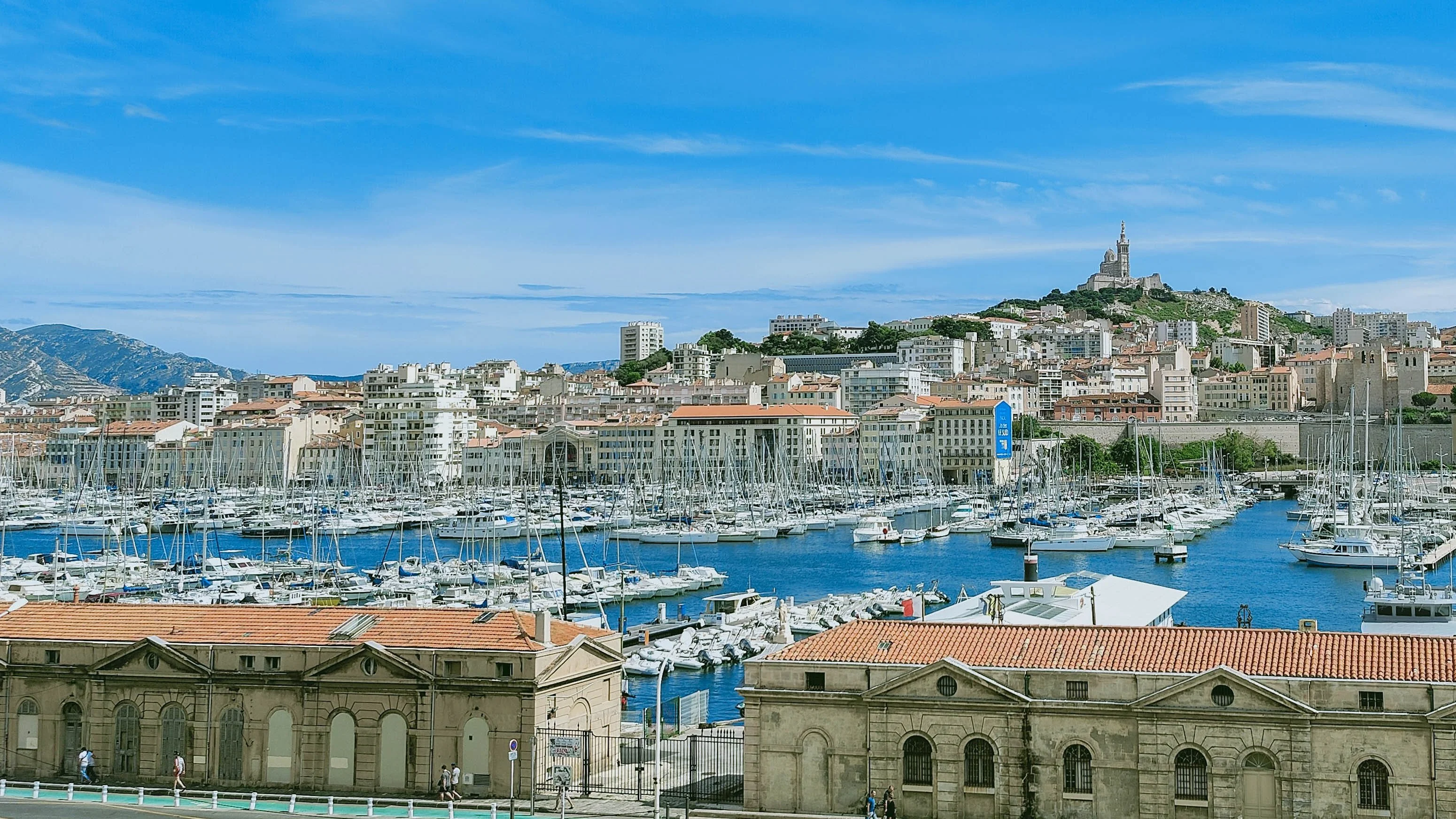
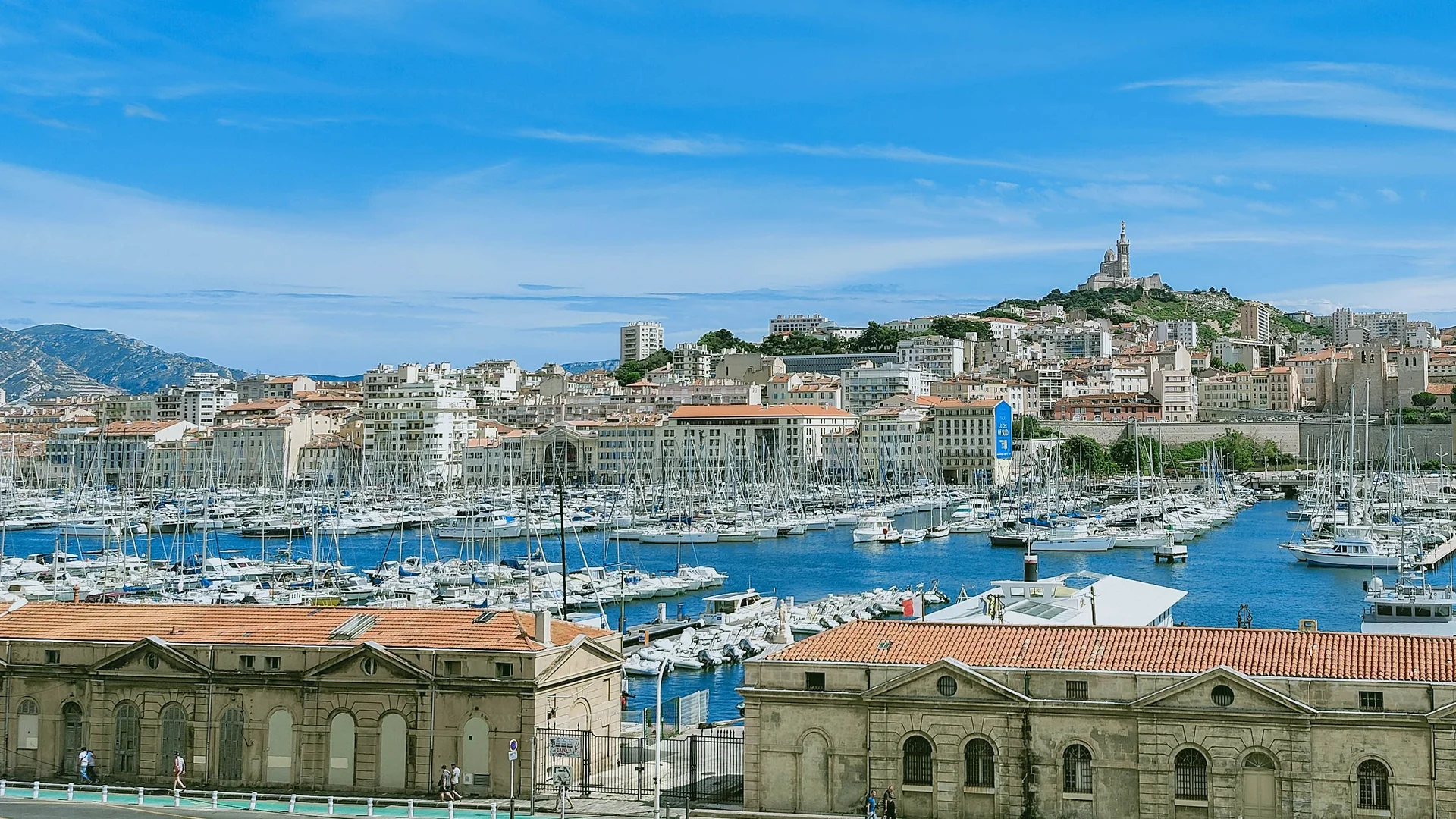
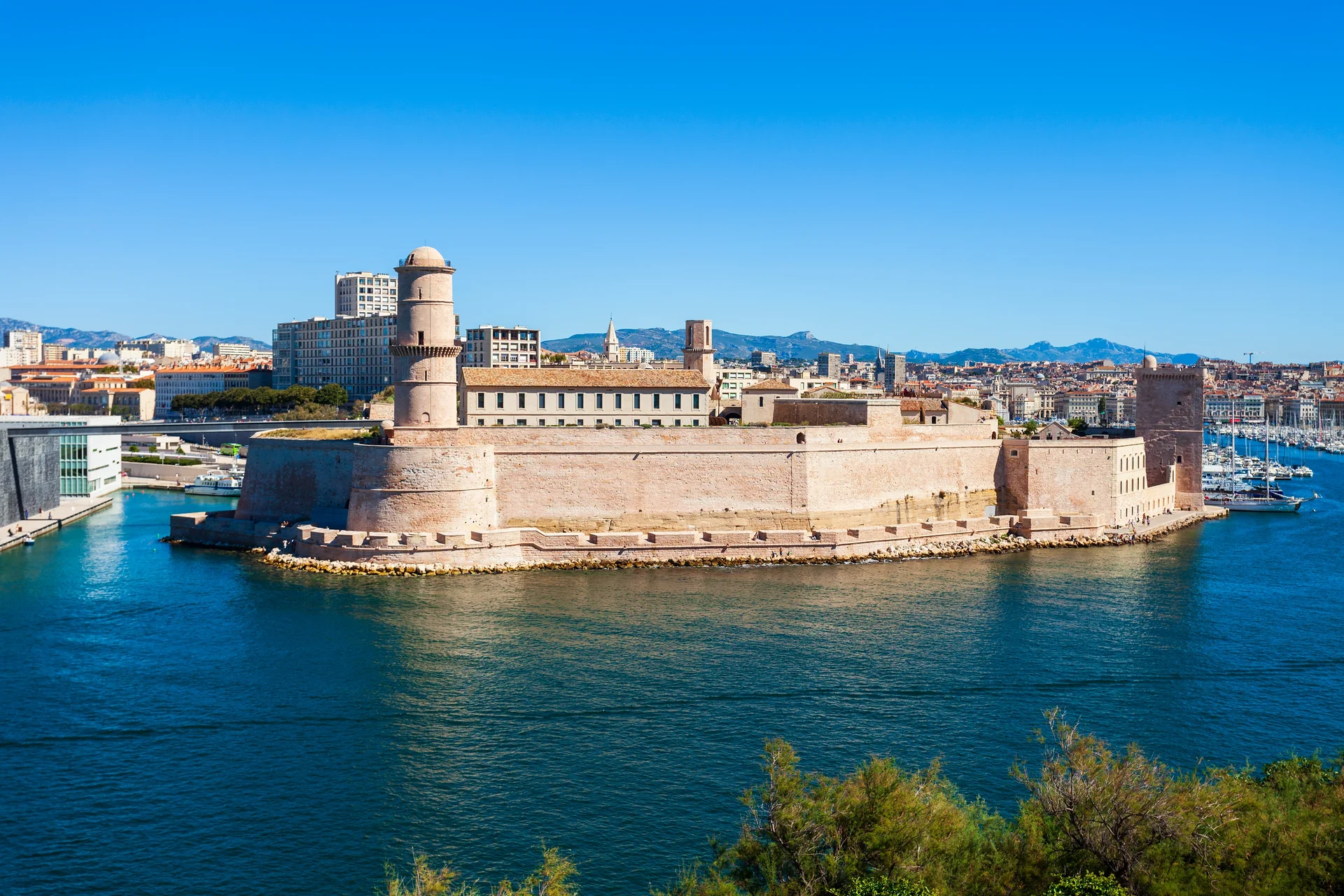
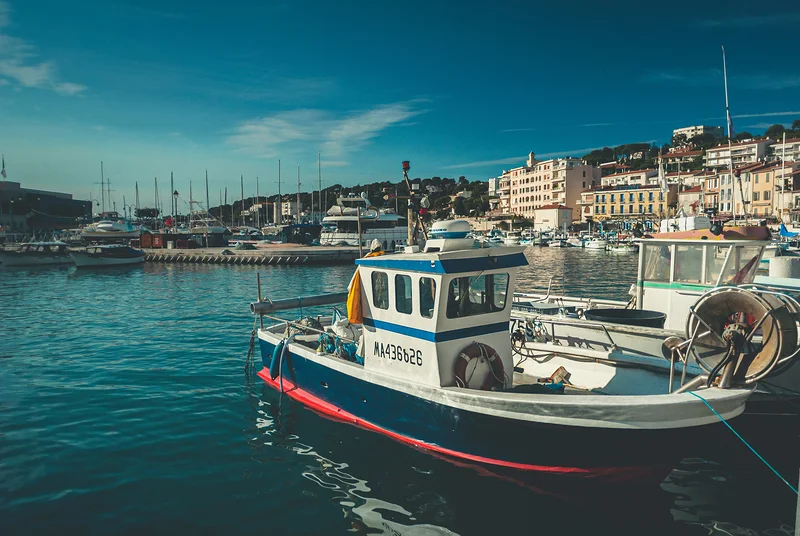
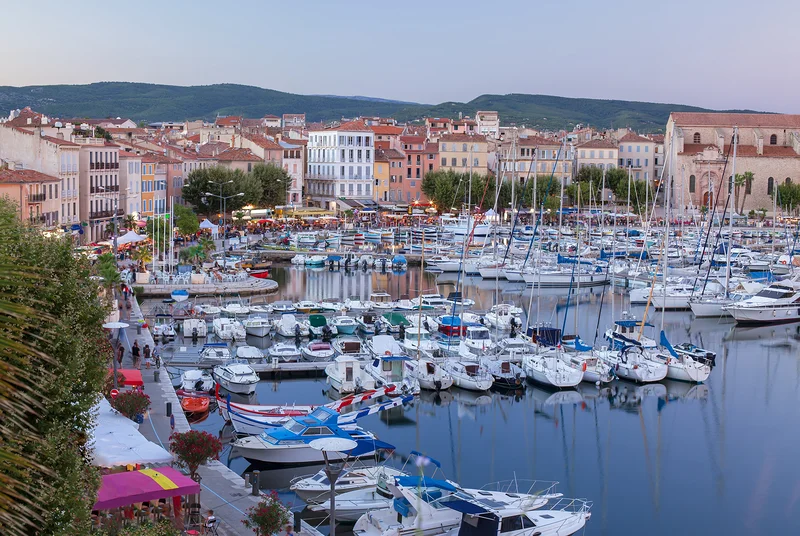
The Vieux-Port is the city's beating heart. Between the fishing boats and the yachts, you will find the constant hum of cafes and the fish market. A few steps away, the Le Panier neighborhood reveals narrow alleys, pastel facades, and artisan workshops. This is the original Marseille, still marked by its Greek roots and successive waves of immigration.
Friendly tip: hike up to the Vieille Charité, a stunning baroque building now serving as a museum, then lose yourself in the nearby alleys toward the end of the day. The atmosphere is much calmer and less tourist-heavy.
The Corniche and the beaches: coastal comfort
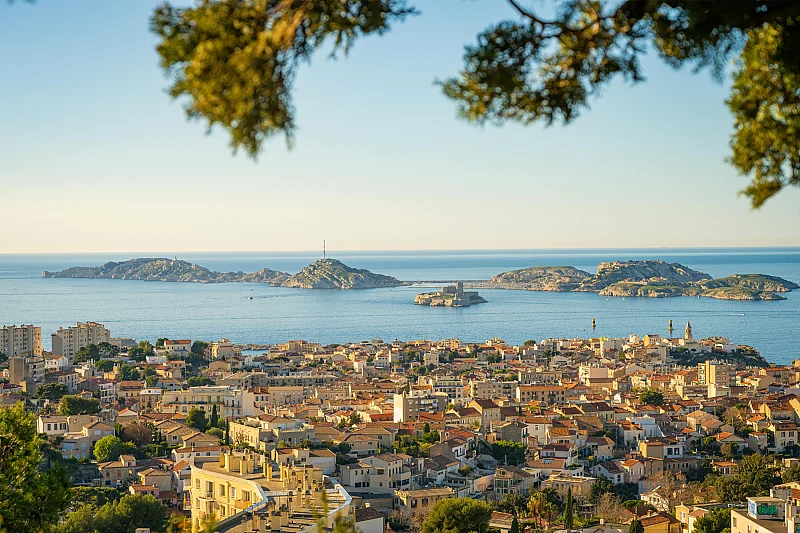
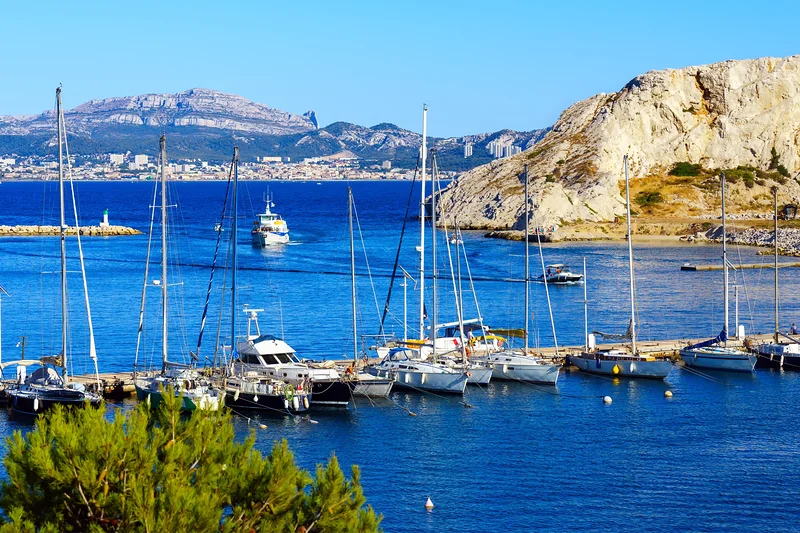
The Corniche Kennedy offers a spectacular promenade high above the water, with unique vantage points looking toward the Îles du Frioul. Below, the Prado beaches are popular with families and athletes, while the smaller, discreet coves offer a bit of privacy for those who take the time to find them.
Friendly tip: for a swim away from the crowds, head to the calanque of Malmousque. It is accessible on foot and remains well-preserved despite its proximity to the city center.
Notre-Dame-de-la-Garde and the heights
You cannot miss the silhouette of Notre-Dame-de-la-Garde perched on its hill. From the top, the view takes in the entire city, from the port out to the backcountry hills. At sunset, the building facades seem to catch fire, making for a striking sight. The surrounding residential areas are quieter, offering a more upscale and peaceful side of the city.
Friendly tip: walk up if you are feeling energetic. The side streets leading to the top offer great intermediate views and a glimpse into local neighborhood life.
The calanques: another world nearby
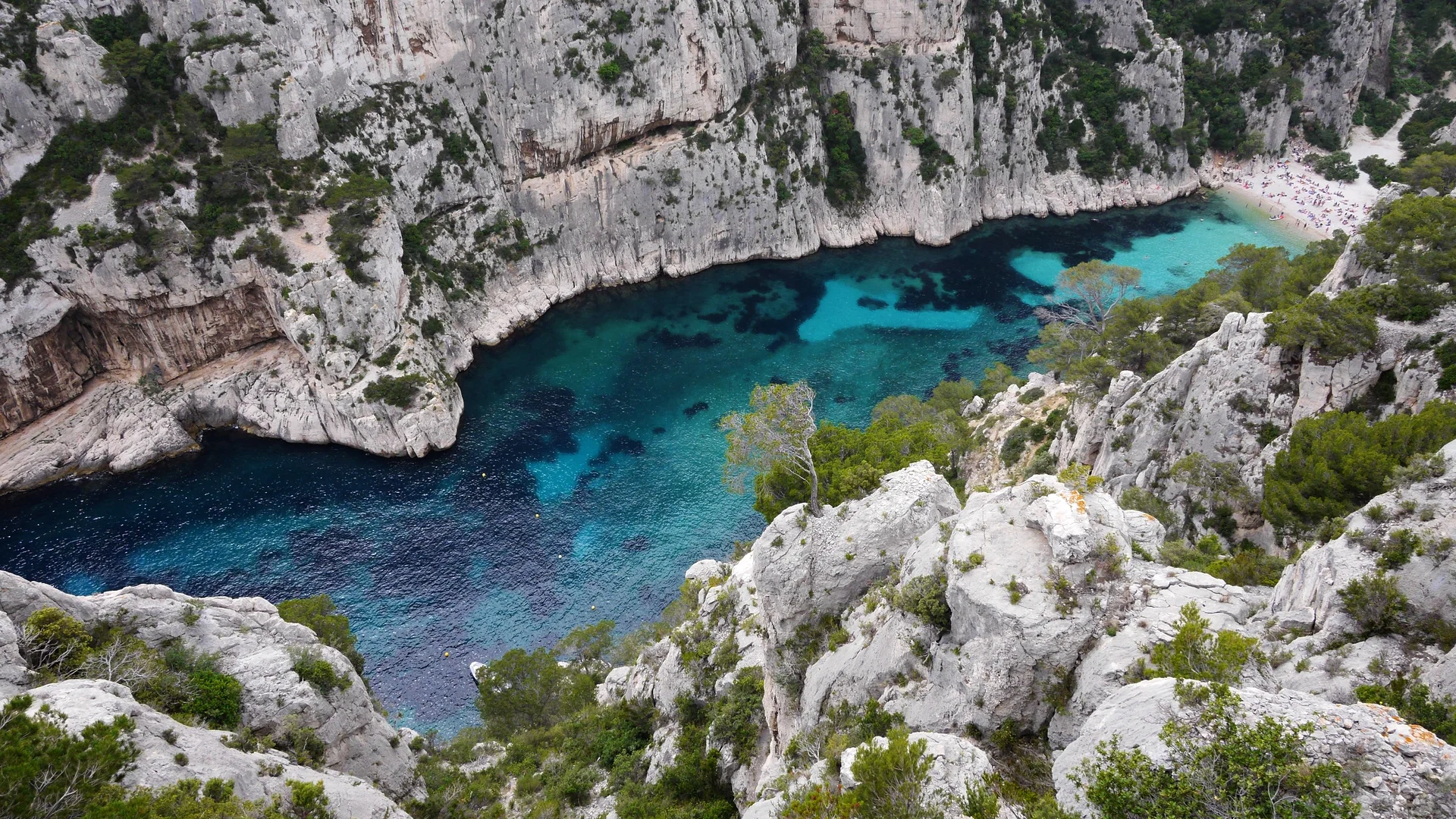
At the edge of the city lies the Parc national des Calanques. These white cliffs plunging into turquoise water create a landscape of rare intensity. From Sormiou to Morgiou, each cove is a promise of escape. Note that access can be restricted during the summer to protect the environment.
Friendly tip: leave early in the morning with plenty of water and sturdy shoes. Always check the weather forecast, as the heat and the mistral wind can make hiking much more demanding than it looks.
Where to eat and drink in Marseille?
The culinary scene in Marseille reflects its port: cosmopolitan and generous. Bouillabaisse, the iconic rockfish stew, is an experience you should try at least once. In the markets, you will find the aroma of fresh goat cheese and black olives with fennel. In the evening, it is hard to resist a glass of pastis on a terrace or a plate of panisse, the local chickpea fritters.
How to get there and get around?
The city is served by the Marseille-Provence airport, located about 30 minutes from the center. From Paris, the TGV train arrives at Gare Saint-Charles in just over three hours. Once you are in town, the metro and buses cover the main areas, but if you want to explore the calanques or the surrounding hills, renting a car is practical.
When to go?
Spring and fall are the best times to visit, offering mild weather and fewer crowds. Summer attracts many visitors, which can make accessing the calanques more difficult. In winter, the mistral wind can be strong, but the light is beautiful and the city feels much more local.

As-tu croisé Zidane ? C'est sa ville de naissance !