


Visiting Aix-en-Provence, Between Art de Vivre and Heritage
Located in the heart of Provence, Aix-en-Provence charms visitors just as much with its quiet elegance as with its rich heritage. For anyone looking to discover the south of France away from the crowded beach resorts, this walkable city offers a rare balance of culture, history, and a relaxed pace of life.
A Historic Downtown
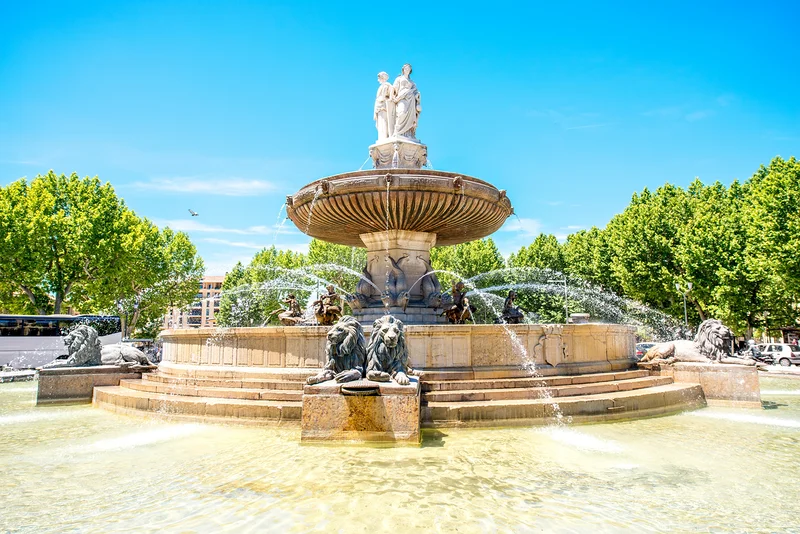
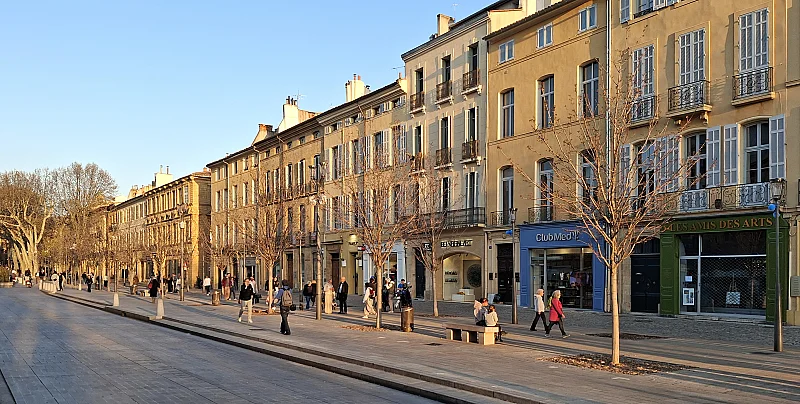
Strolling through downtown Aix-en-Provence feels like stepping back in time. The cobblestone alleys, 17th-century townhouses, and fountains scattered throughout the city reflect the prestigious past of this former capital of Provence. The Saint-Sauveur Cathedral, blending Romanesque, Gothic, and Baroque styles, warrants a close look, much like the Mazarin district, designed in the 17th century by Archbishop Michel Mazarin, brother of the famous cardinal.
Cézanne's Footsteps
It is impossible to talk about Aix without mentioning Paul Cézanne. The Post-Impressionist painter was born and lived here, and his legacy still permeates the city. His studio, left virtually intact, immerses visitors in his creative world. Nearby, the montagne Sainte-Victoire, which he painted repeatedly, can be reached on foot or by car for an outing with sweeping views of the region.
Museums and Living Culture
Aix-en-Provence is not just about the past, as the city remains a dynamic cultural hub. The Granet Museum, housed in a former palace of Malta, displays works by Cézanne, Ingres, Picasso, and Rembrandt. On the performing arts side, the Festival d'Art Lyrique, held every summer in July, draws enthusiasts from around the globe. Theaters like the Théâtre du Jeu de Paume and the Grand Théâtre de Provence enrich the cultural calendar year-round.
Strolls and Provençal Markets
Every day, the city comes alive with its traditional Provençal markets. On Place Richelme, you will find fruit, vegetables, and local specialties. On Saturday, a large market spreads across the Cours Mirabeau and surrounding squares. The plane-tree-lined avenues also make for a pleasant walk, punctuated by sidewalk cafes where you can stop for coffee or a glass of local wine. The Sextius Thermal Baths, meanwhile, serve as a reminder that the city was founded by the Romans for its hot springs.
Sun-Drenched Provençal Cuisine
Aix-en-Provence is an invitation to indulge. You can sample famous almond paste, particularly the calissons d'Aix, the city's signature confection. On the savory side, traditional Provençal dishes like beef daube or tapenade appear on many menus. To accompany a meal or for an aperitif, nothing beats a glass of Coteaux d'Aix-en-Provence, a local wine that is typically rosé and very fruity.
Where to eat?
- Le Poivre d'Ane (Mazarin district): creative Provençal cooking, fresh ingredients, and a warm atmosphere.
- Chez Féraud (downtown): an Aix institution for tasting local specialties in a traditional setting.
- La Table du Pigonnet (Pigonnet district): fine dining inside a charming hotel with a garden.
- Le Zinc d'Hugo (Facultés district): a modern, friendly bistro ideal for a casual, well-prepared lunch.
When to go?
The best time to visit Aix-en-Provence is between May and September, when the weather is dry and sunny. The Festival d'Art Lyrique in July gives the city a unique artistic energy.
How to get there?
High-speed TGV trains from Paris take about 3 hours to reach the Aix-en-Provence TGV station. Bus and car connections are also available from Marseille (30 minutes), Lyon (3 hours), or Nice (2.5 hours). TGV tickets can drop as low as $33* when booked early.
How to get around?
Downtown is very easy to explore on foot. To head a bit further out, the municipal bus network is well-developed, offering frequent and affordable service.

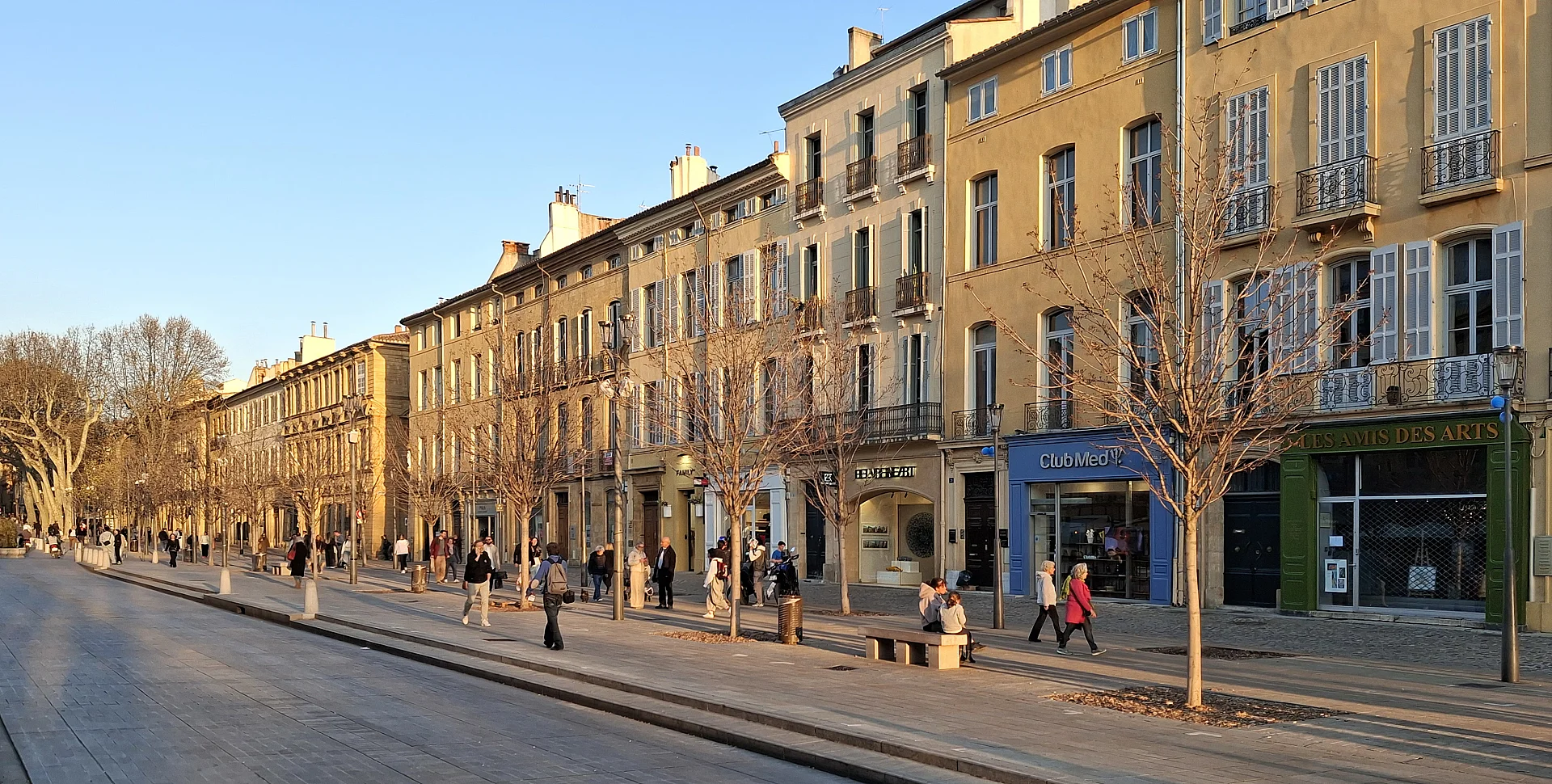

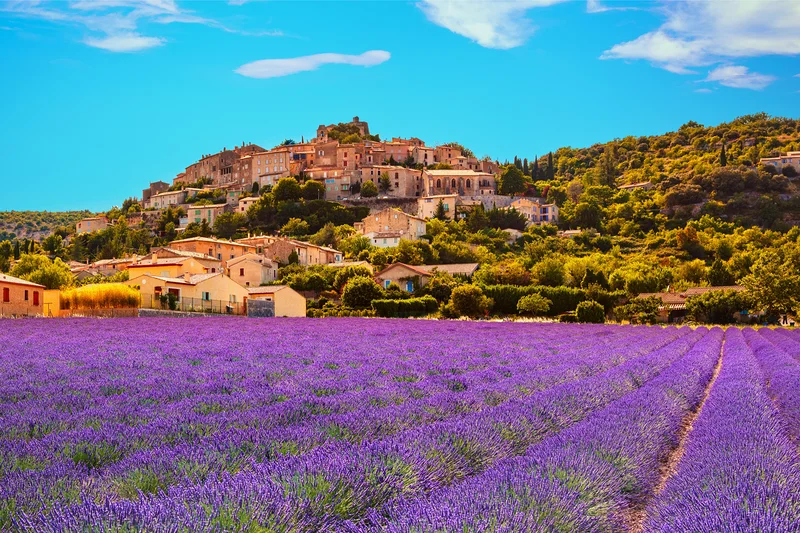
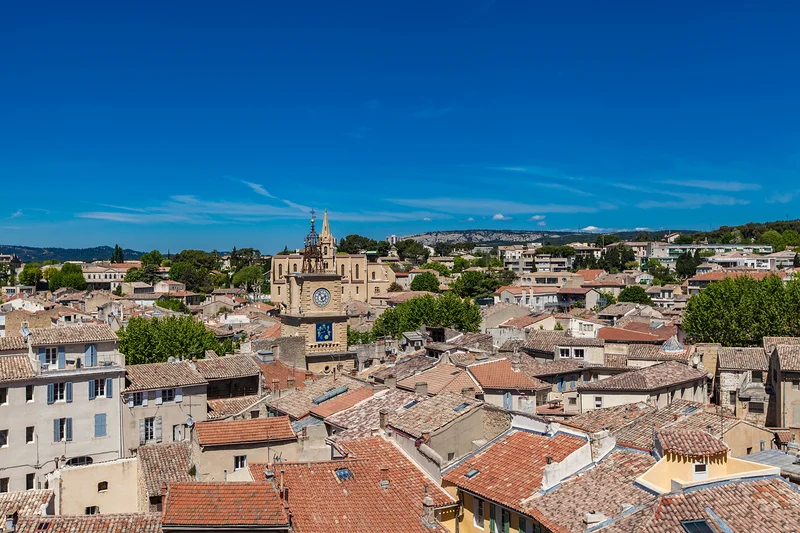
I love this Provençal city. You feel great just wandering through the human-scale heart of Aix-en-Provence. Private mansions, small streets with colorful houses, huge plane trees, and ornate fountains, the city has character! My favorite part was the typical shops in the old town. It is really fun to do your shopping on a market day!