
Visiting Salon de Provence, where history meets local tradition
When you arrive in Salon de Provence, you might notice a distinct scent in the air. It is not just the smell of plane trees or wild thyme from the nearby hills, but a more unique combination of fresh soap and sun-warmed stone. This is the aroma of a town that has kept its blue-collar heart while serving as a stage for major historical events. Here, the fate of France was whispered in the halls of a castle, and the future of the world was penned in the dim light of a humble home.
Is Salon de Provence a good fit for your trip?
This town is a practical stop for those looking to explore authentic Provence without the chaos of larger cities like Aix or Avignon. It appeals to history buffs, families, and travelers interested in traditional craftsmanship. The compact downtown area is entirely walkable, providing a low-stress experience. It serves as an ideal base camp for day trips to the Alpilles, the Luberon, or the Camargue, all of which are reachable in less than an hour by car.
On the other hand, if you are looking for high-energy nightlife or the intensity of a major tourist hub, you might find Salon a bit too quiet. While the town comes alive on market days, it generally maintains a slow, relaxed pace.
A car is essential for anyone wanting to explore the beautiful surrounding areas, as you can see the town itself in just a few hours. Budget-wise, it remains a more affordable option compared to its more famous neighbors.
In the footsteps of Nostradamus and the powerful
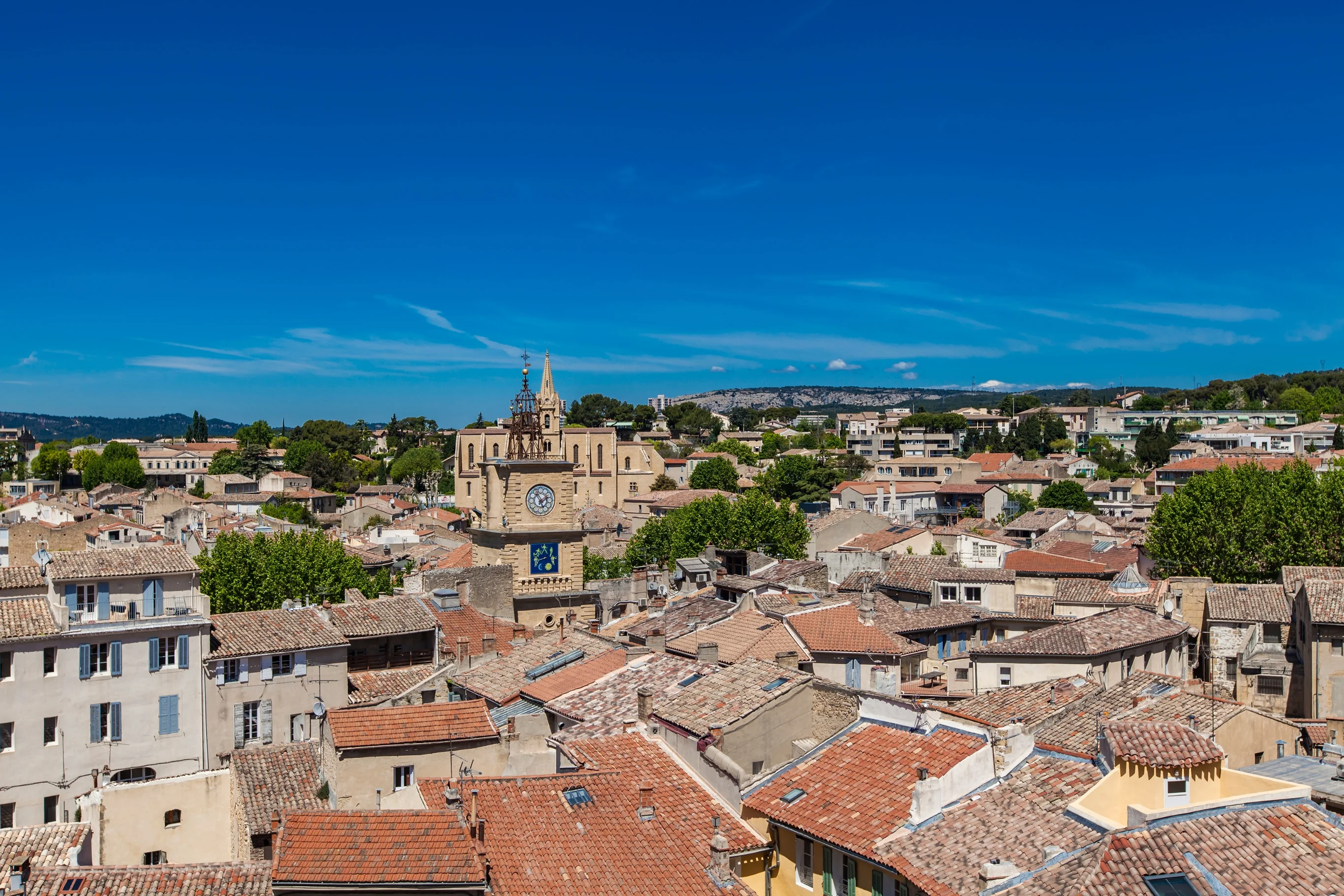
Two major figures loom over the town. The first is the military legacy of the Archbishops of Arles, whose imposing Château de l'Empéri dominates the old center. This thousand-year-old fortress, one of the best-preserved defensive castles in Provence, now houses a premier collection of French military history. Climbing to its terraces provides a dramatic view over the old town rooftops and the Crau plain.
The other, more mysterious figure is Nostradamus. The famous physician and astrologer spent his final years in Salon. His house, now the Maison de Nostradamus, is a museum that dives into his prophecies. You can see the man behind the legend set against the backdrop of his daily life in the 16th century. The route concludes at the Collégiale Saint-Laurent, where his tomb remains.
Friendly tip: Do not just visit the castle. Take time to walk around the Place des Centuries at its base. It is a quiet spot that offers a great perspective of the ramparts, perfect for a photo in the morning light.
The Provençal lifestyle: soap and olive oil
The identity of Salon de Provence is tied to its local crafts. It is a historical birthplace of authentic savon de Marseille (Marseille soap). Several soap makers still carry on this ancestral trade. The most well-known, savonnerie Marius Fabre, offers a look into their process. Visiting the museum and workshops helps you understand the secrets behind making the famous green cube, which is based on olive oil.
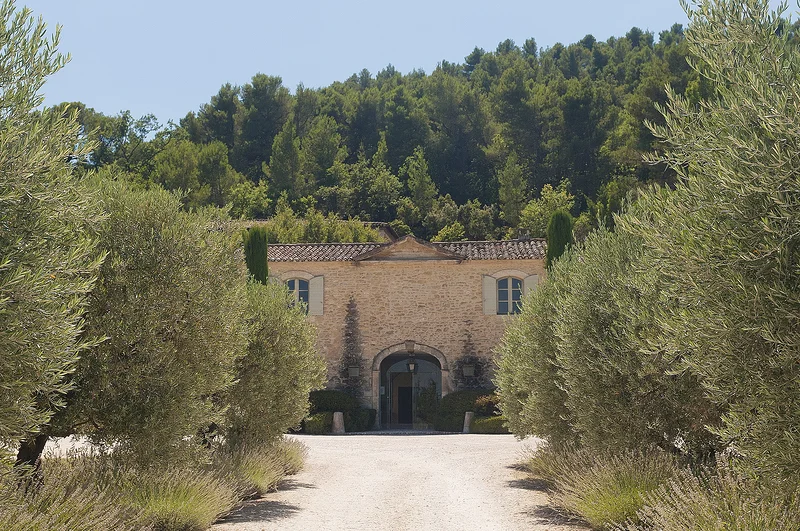
Olive oil is the other liquid treasure of the region. Salon is surrounded by olive groves, and some estates, such as Mas des Bories, open their doors to explain olive cultivation and the subtleties of oil tasting. It is a great way to connect with the terroir and bring home an authentic, tasty souvenir.
Friendly tip: Many soap factories offer free guided tours. Be sure to book in advance, especially during the high season, as spots are limited. It is an educational and sensory experience that kids usually enjoy.
Strolling through the heart of old Salon
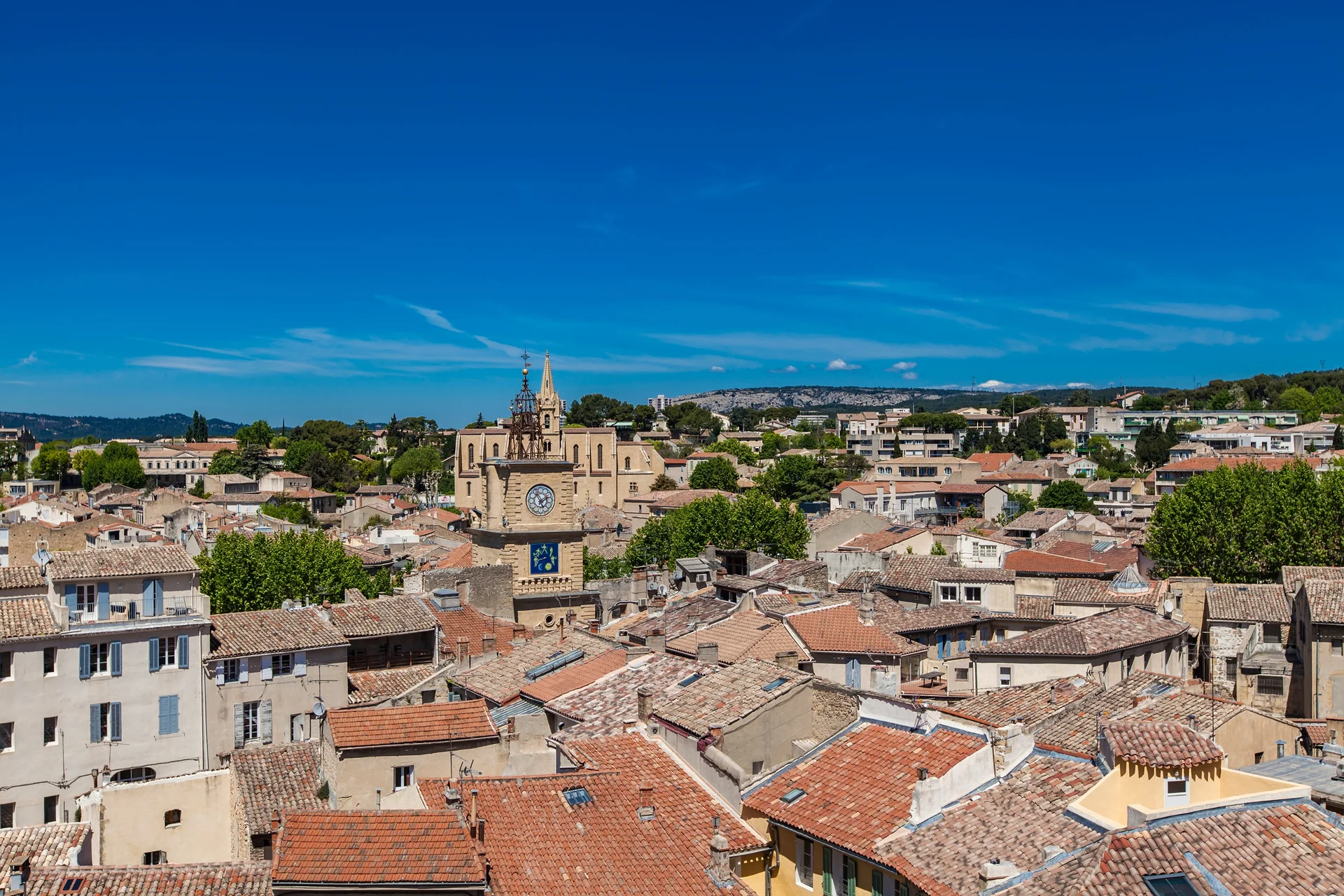
The best way to see the town is to wander through the pedestrian alleys of the historic center. The starting point is often the Fontaine Moussue on Place Crousillat, a moss-covered fountain that looks like it came straight out of a storybook. From there, head up toward the Tour de l'Horloge, which marks the entrance to the old town with its elegant wrought-iron bell tower.
The old center is a maze of shaded squares, boutiques, and historic facades. The large Tuesday morning market on Place Morgan is a must for soaking up the local vibe and stocking up on regional products, from olives and sun-ripened vegetables to goat cheese.
Where to eat and drink in Salon de Provence?
The local food is simple and flavorful, rooted in Provençal tradition. Look for restaurants that feature agneau de Sisteron (Sisteron lamb) or local produce. Try the Broufade, a lesser-known local specialty that is a type of marinated beef stew. For a sweet treat, the local specialty is the cagnoise, a brioche flavored with orange blossom. The Tuesday market is the perfect place to hunt for lavender honey or regional almonds.
Where to stay in and around Salon de Provence?
The historic center has a few boutique hotels and apartments that allow you to explore on foot. This is the ideal choice for a short stay. If you have a car and want to explore Provence, staying in a farmhouse or a guesthouse in the surrounding countryside can offer a more relaxing experience while remaining just minutes from the center.
How to get to and around Salon de Provence?
Salon de Provence has a train station that connects it easily to Avignon and Marseille, making it an accessible destination by rail. Marseille Provence airport, the region's main gateway, is only about 25 km away, some twenty minutes by car. If you are arriving by car, park in one of the large lots on the edge of the center, such as the parking de la Place Morgan, as the town center is largely pedestrianized. Once you are there, walking is the best way to visit the historic core.
When to go?
Spring and early autumn are the best times to visit, with pleasant weather and moderate crowd levels. In the summer, the town comes alive, particularly with its chamber music festival at the Château de l'Empéri, but the heat can be intense. The Christmas season is also charming, with its lights and traditional markets.
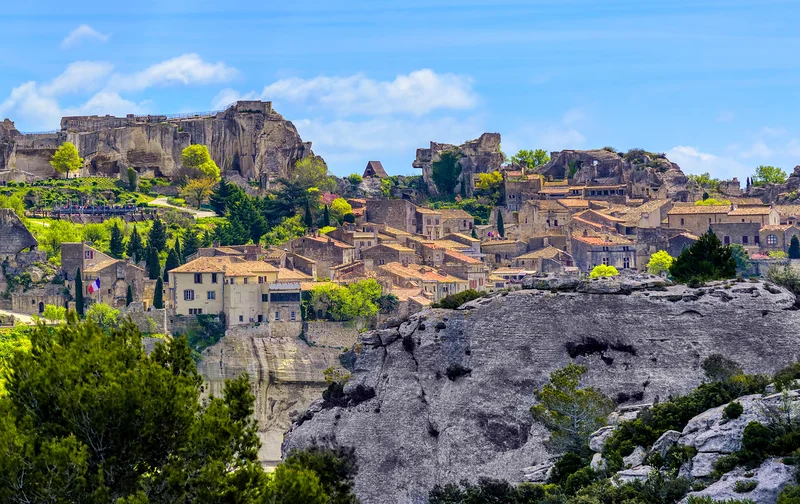
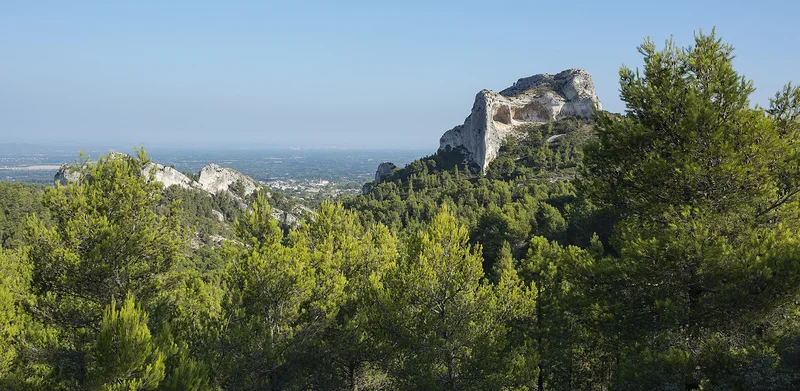
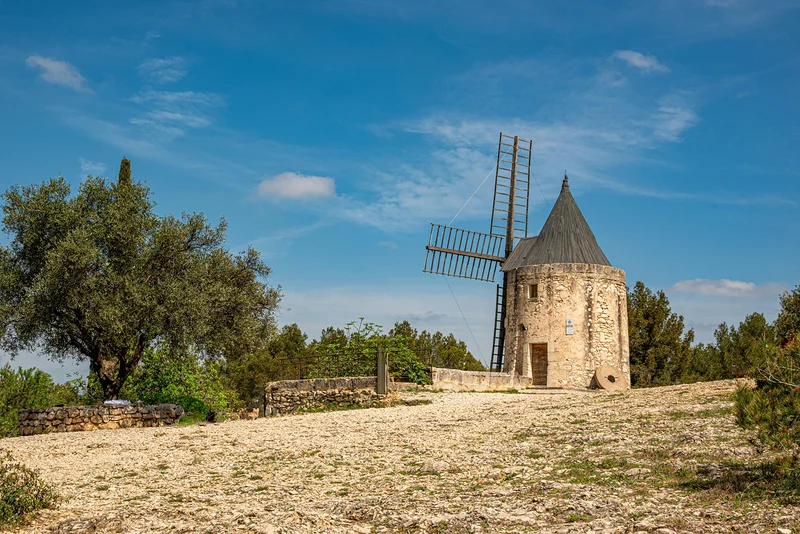
Salon-de-Provence is a small, dynamic town full of charm, especially on market days when its narrow streets really come to life. In the heart of the city sits the mossy fountain, a picturesque and refreshing landmark. Its location is ideal, just a stone's throw from the Alpilles mountains and the village of Lamanon. A beautiful stop between nature and heritage.