
Visiting Les Baux-de-Provence: limestone cliffs and medieval heritage
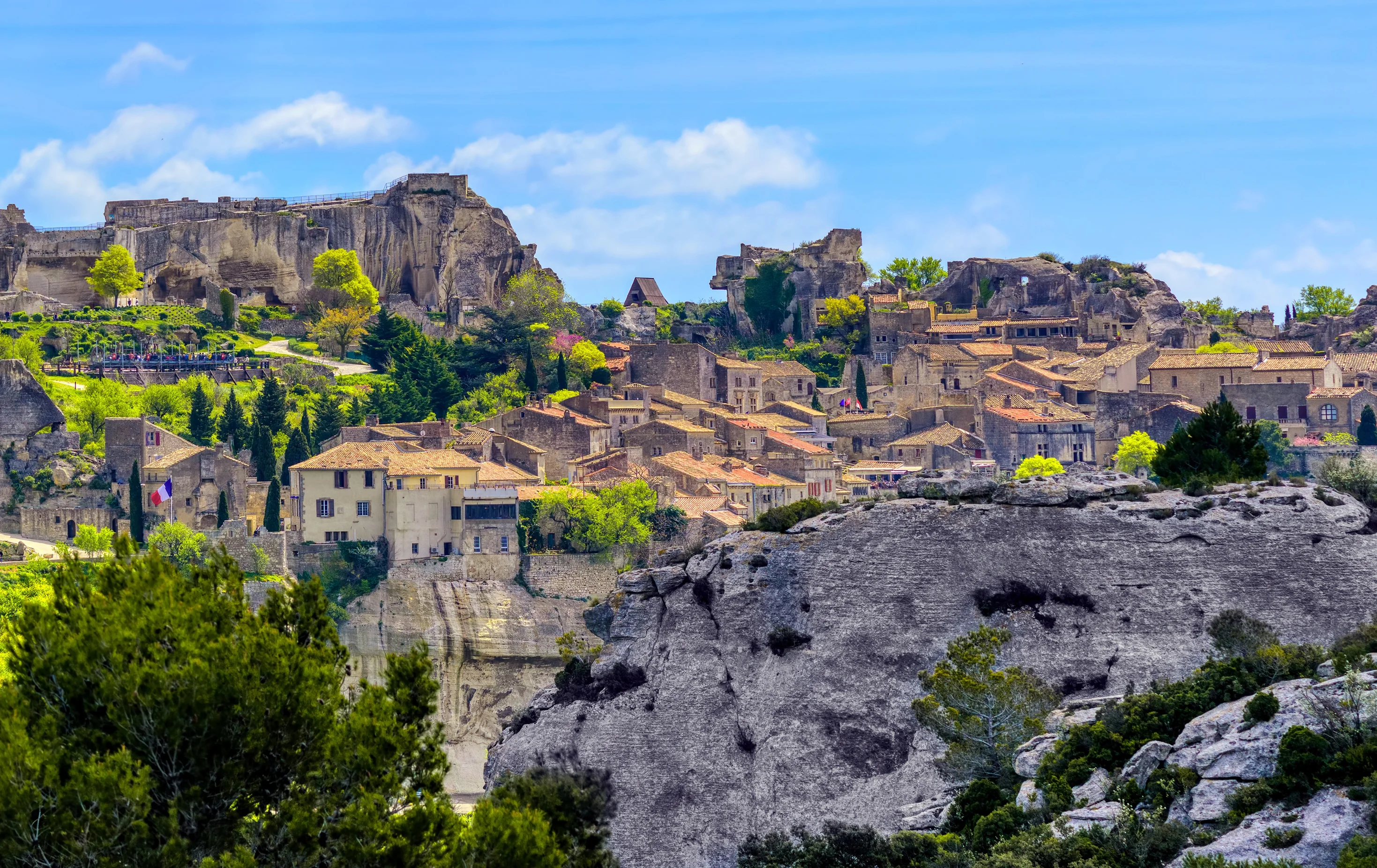
Perched high on a rocky outcrop, this village in southern France draws travelers looking for history, rugged stone landscapes, and classic Provençal character. Les Baux-de-Provence is far from a mere postcard prop, functioning instead as a place rich in emotion and stark contrasts where the past surfaces in every stone.
A fortified village between sky and stone
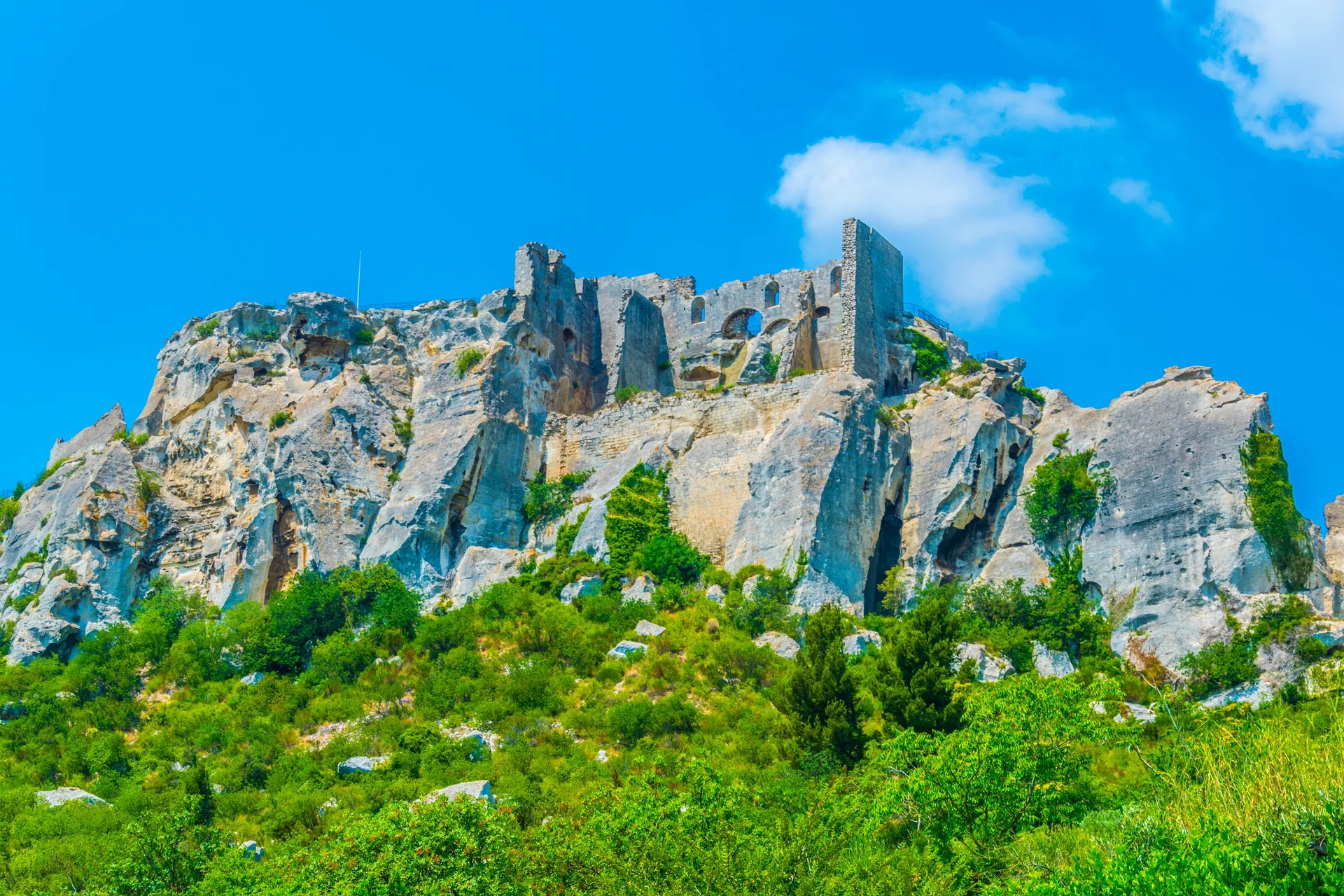
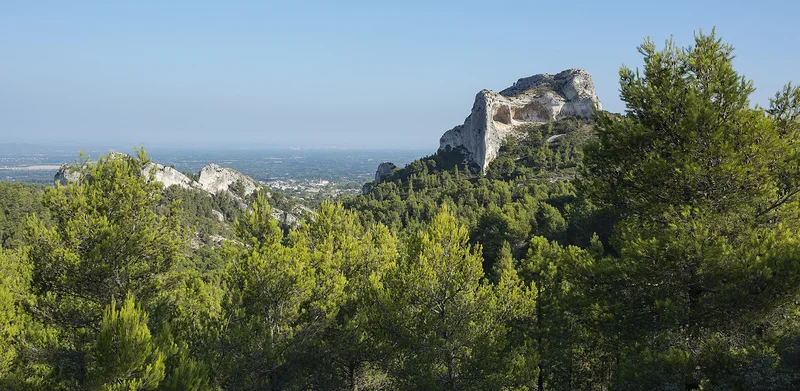
The heart of the village is dominated by the ruins of the medieval citadel, where a paid entry grants access to sweeping views over the Alpilles range. The remnants of the Château des Baux, once a strategic stronghold, still house full-scale siege engines that are often demonstrated during the peak season. The atmosphere feels both solemn and captivating, leaving plenty of room for the imagination.
Galleries of art and light
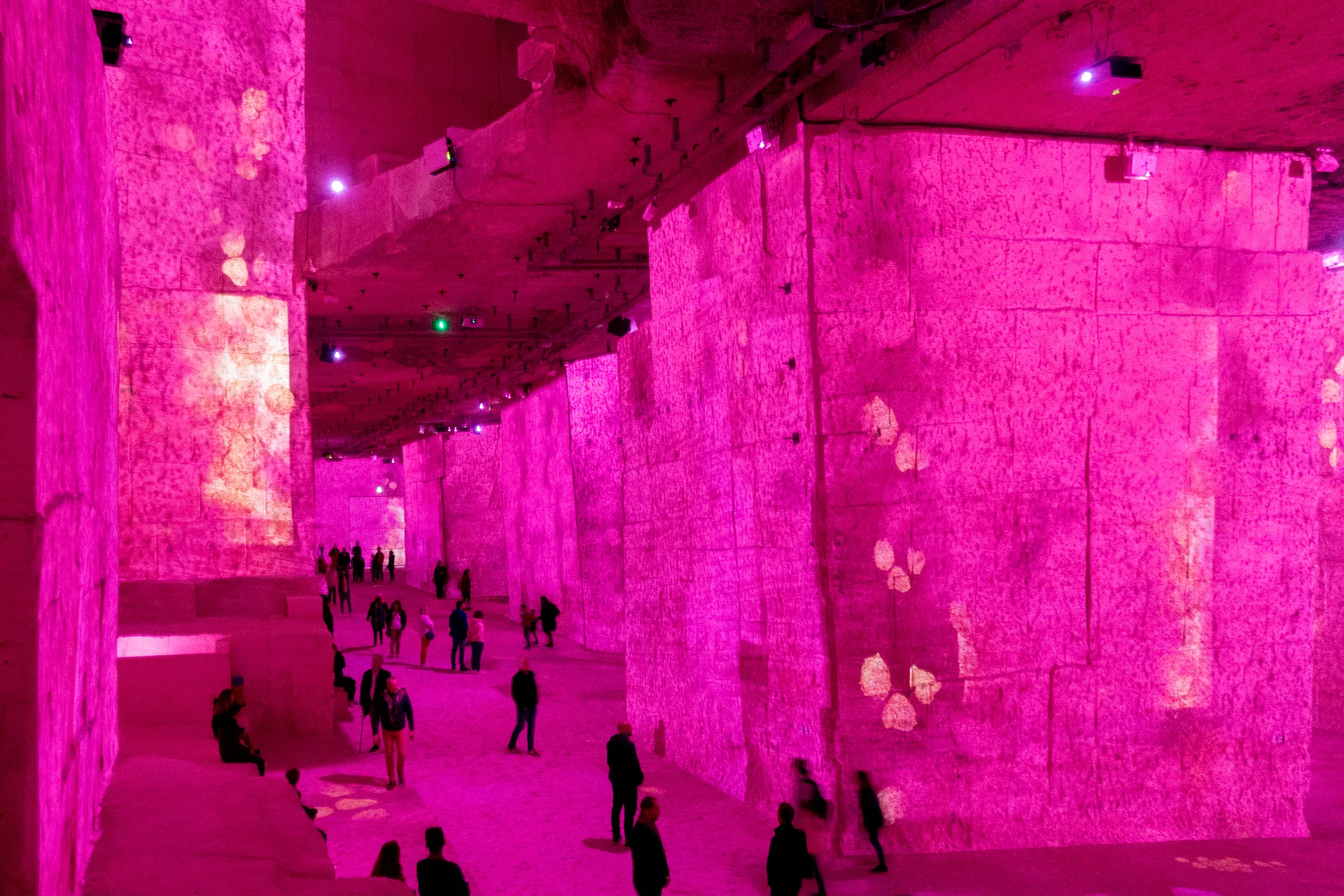
Just a short walk from the village, do not miss the Carrières des Lumières, former limestone quarries converted into an immersive multimedia space. Massive digital exhibitions are projected directly onto the raw stone walls, frequently highlighting master painters like Van Gogh or Chagall. The visual and audio experience earns consistent critical praise and changes every year. A practical tip: book your tickets in advance, especially during the summer months.
Walking trails through vineyards and olive groves
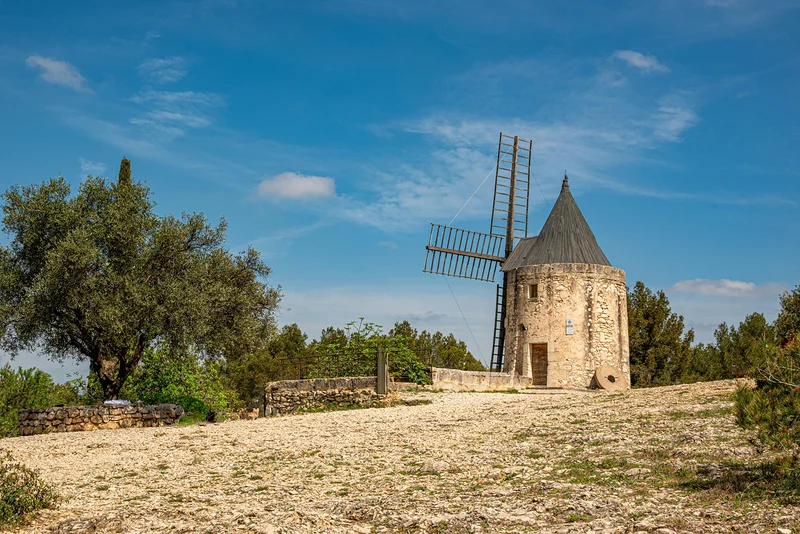
Around the village, hiking paths weave through the garrigue scrubland, vineyards, and olive orchards. The GR6 long-distance trail runs nearby, and several loop trails make it easy to take in the scenery of the Alpilles mountains without major difficulty. These paths also provide unique vantage points of the village that often outshine standard postcard views.
History carved in stone
Les Baux-de-Provence spent centuries as a powerful lordship before becoming a point of contention between the kings of France and Naples. The local heritage runs deep with Romanesque churches, rock-cut chapels, and grand townhouses. Make sure to visit the Chapelle des Pénitents Blancs featuring modern frescoes by Yves Brayer, or the Saint-Vincent church, which is partially carved straight into the rock. Housed in a former townhouse, the Yves Brayer Museum displays a strong collection of works inspired by the Provençal landscape.
Cuisine rooted in Provençal terroir
The village and its surroundings celebrate a hearty Mediterranean cuisine where olive oil, wild herbs, and seasonal produce take center stage. Do not miss local staples like tapenade, Alpilles lamb, or organic AOP Baux-de-Provence wines. To round out the meal, a glass of local rosé or an artisanal pastis enjoyed on a sunny terrace at sunset simply extends the experience.
Where to eat?
- L'Oustau de Baumanière (Val d'Enfer): a Michelin-starred dining room set in a peaceful estate, built for a memorable culinary experience.
- La Reine Jeanne (center): authentic Provençal cooking in a historic setting with a view of the ancient ramparts.
- Le Bouchon Rouge (center): a casual and friendly bistro, ideal for lunch between sightseeing stops.
When to go?
The months of May through June and September through October offer pleasant weather with smaller crowds than the peak summer months. The Alpilles en Musique festival in July brings classical music enthusiasts to the surrounding area.
How to get there?
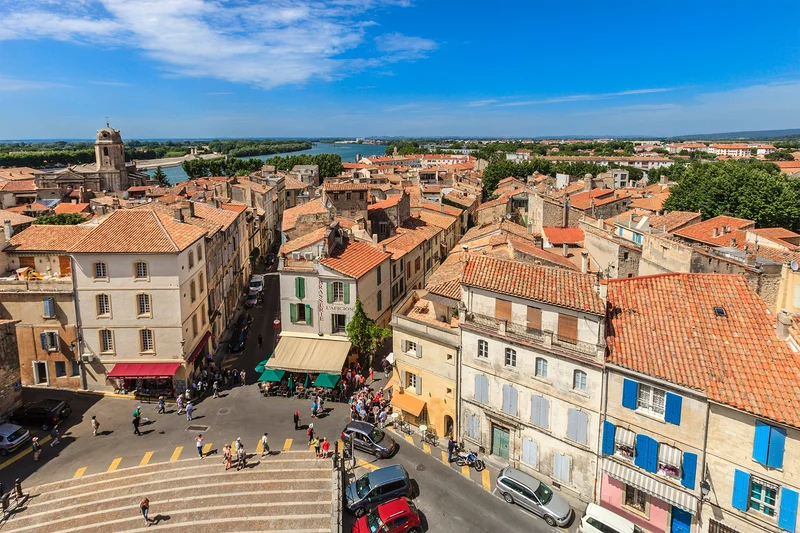
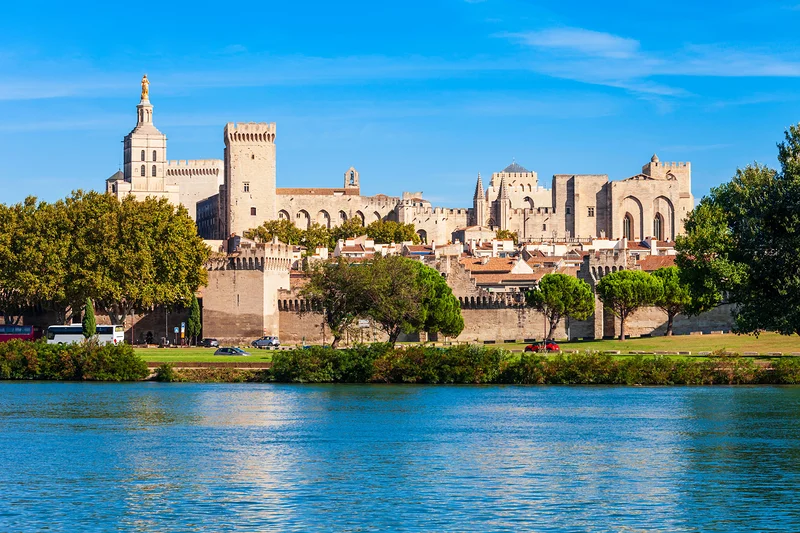
Les Baux-de-Provence sits about thirty minutes by car from either Arles or Avignon. From Paris, taking the TGV high-speed train to Avignon takes roughly three hours, followed by a car rental (around $45* per day). Public transit does not service the village directly.
How to get around?
The village itself is strictly pedestrian. To explore the surrounding region, a car remains essential.
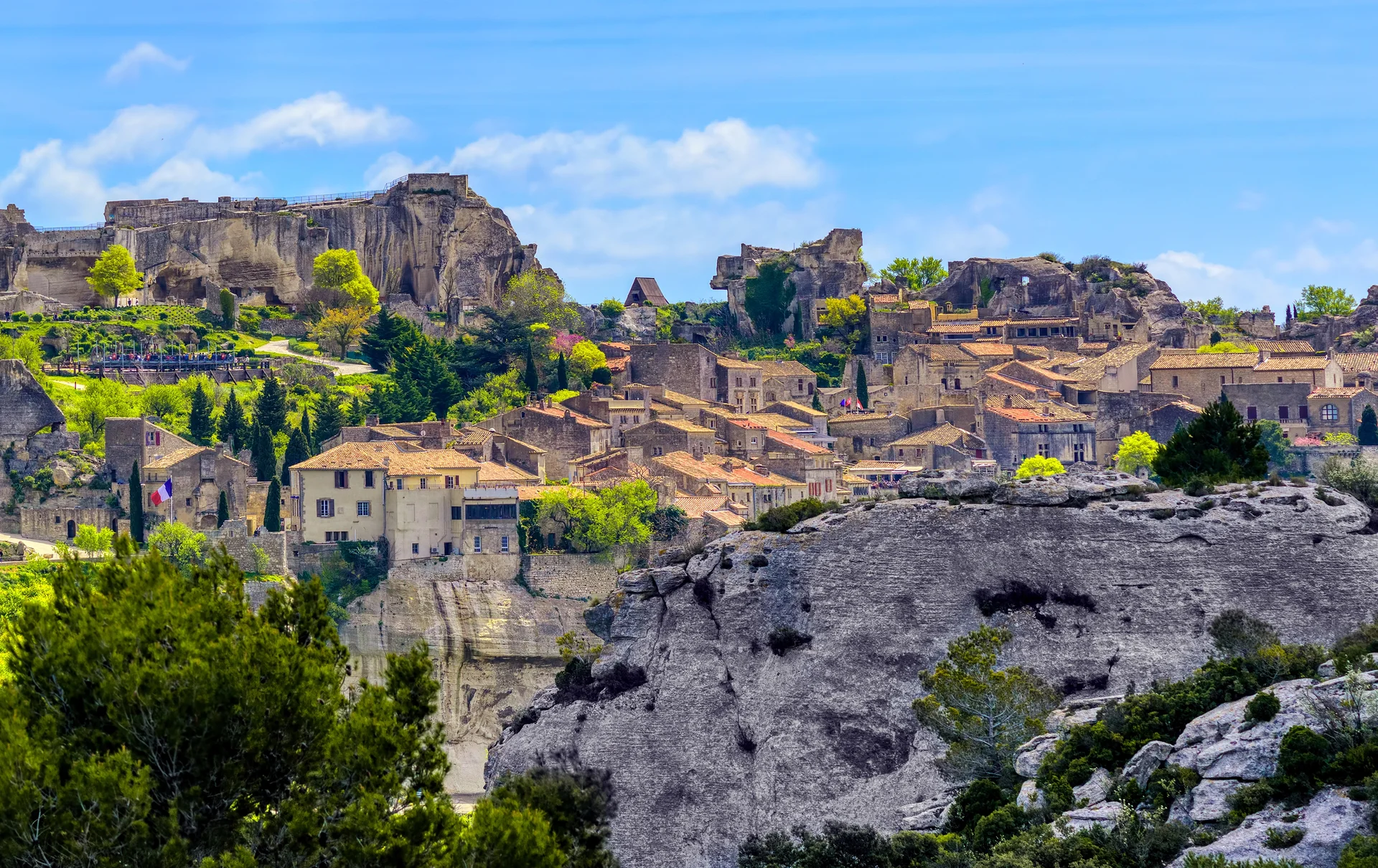
For those who love villages nestled in a spectacular setting, this is a top destination! Perched on a rocky spur, Les Baux is best discovered on foot, wandering between stone houses and fantastic views. Plus, this is where you will find the famous Carrières de Lumière, the highlight of the trip! My advice: avoid the summer months to escape the heat and the tourists, or at least stick to the morning or the evening!