
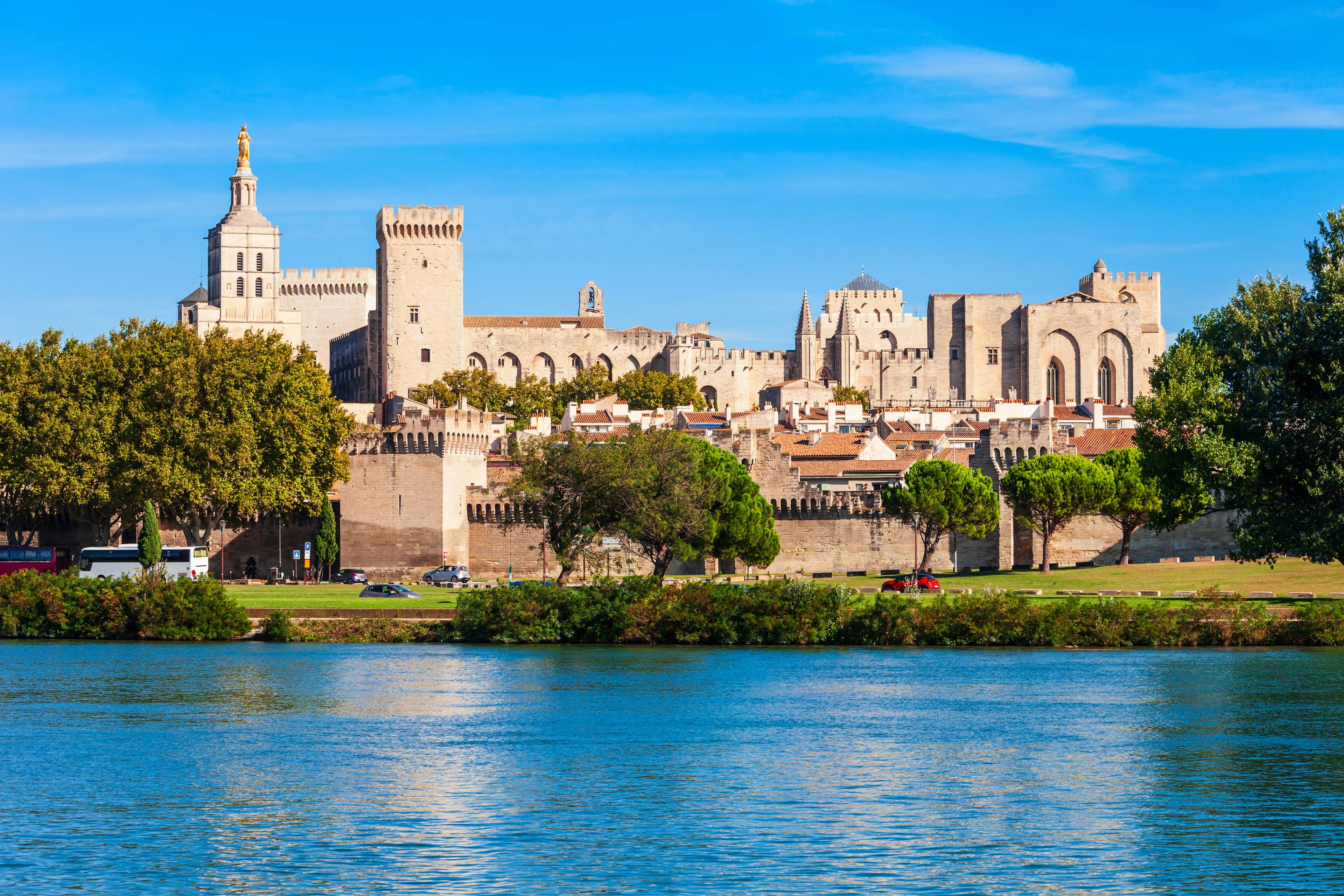
When the popes left Rome for this Provençal city
Local lore says that when the mistral wind howls through the medieval ramparts, it still carries echoes of 14th-century papal intrigue. For seventy years, nine popes chose the breezy banks of the Rhône over the Tiber, constructing the largest Gothic palace ever built. Today, cobblestone alleys inside the old walls still whisper those stories, while every July the city transforms into a massive open-air theater stage, drawing 100,000 theatergoers from around the globe.
A museum city that gets intensely hot in summer
If you love medieval history, monumental architecture, and cultural energy, this papal city is your ideal playground. Art enthusiasts, theater buffs, and wanderers seeking authentic Provençal charm will find plenty to love. On the other hand, if you hate crowds, skip July entirely. The Festival d'Avignon turns the town into a bustling human anthill with prices doubling across the board. Similarly, if you are dreaming of wild nature or lazy beach days, look elsewhere.
The historic center is completely walkable. You do not need a car here, and having one is actually a liability given the maze of narrow streets and nightmarish parking. The major landmarks are packed within a 500-metre radius, but keep in mind that July and August temperatures regularly climb to 35°C and the mistral wind can blow strong enough to knock you sideways.
A reasonable budget for Provence
Plan on $90-$135* per day per person all-in during normal periods. Accommodation ranges from $79* for a decent hotel to $169* for upscale boutique spots, while casual dinners run from $17* at a local bistro to $45* for a more refined meal. Admission to the Palace of the Popes costs $18*, or $22* bundled with the Pont Saint-Bénezet, and most churches are free to enter.
The Palace of the Popes and its medieval setting
The Palais des Papes dominates the skyline with its massive Gothic presence: 15,000 m², four corner towers, and rooms with dizzying vaulted ceilings. The self-guided tour includes a HistoPad, a digital tablet that uses augmented reality to bring 14th-century pageantry back to life. You will see the 48-metre-long Grand Tinel where 3,000 guests once feasted, the frescoes by Matteo Giovannetti in the private chapels, and the austere yet striking papal chambers. From the rooftop terraces, the panorama sweeps across the Rhône, the Pont Saint-Bénézet, and the entire historic core.
Right next door, the Cathédrale Notre-Dame des Doms and its golden Virgin statue tower over the Rocher des Doms. This English-style public park perched 30 metres above the river offers sweeping views, though note that due to ongoing renovations through 2027, only the main overlook is accessible. The Musée du Petit Palais, a five-minute walk away, houses a top-tier collection of medieval and Renaissance art that hurried tourists routinely skip.
Friendly tip: Arrive at the palace right at opening time at 10am to beat the tour groups. Summer afternoons inside can feel relentless. Do not miss the Othoniel Cosmos exhibition running through January 2026, featuring monumental art installations inside the historic state rooms.
The Avignon Bridge and the banks of the Rhône
The Pont Saint-Bénézet ends abruptly in the middle of the Rhône, broken by centuries of floods. These four surviving arches out of the original twenty-two make it a defining symbol of the city. Walking out onto the bridge gives you access to the Saint-Nicolas Chapel and a sense of the 12th-century engineering feat. The view looking back at the palace and ramparts from the far end is postcard-worthy.
Down by the water, the Île de la Barthelasse, Europe's largest river island, offers outdoor cafes, bike paths, and kayak rentals. It is the green lung for locals, perfect for a picnic with a view of the walled city. Across the river, Villeneuve-lès-Avignon is well worth a detour. The Fort Saint-André and its Chartreuse monastery provide unobstructed views looking back at the papal city.
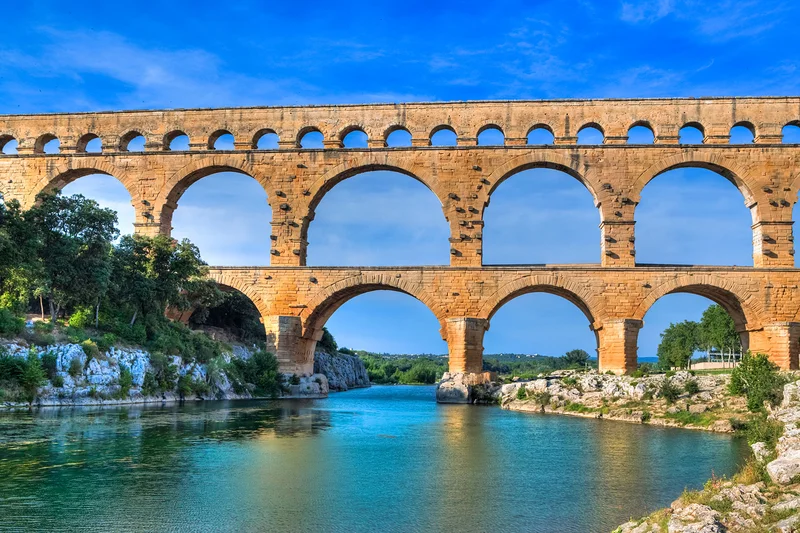
Friendly tip: Rent a bike on Île de la Barthelasse and follow the ViaRhôna bike path all the way to the Pont du Gard (25 km). Go early, pack a picnic, and take the TER regional train back with your bike for an easy return. It makes for a perfect day out.
Secret alleys and lively neighborhoods
Rue des Teinturiers remains the most photogenic street in town: ancient cobblestones, century-old plane trees, waterwheels still turning in the small canal running alongside the pavement. This was once the quarter for dyers who used the water from the Sorgue river for their textiles. Today, trendy bars, cool restaurants, and shaded patios make it a favorite hangout for locals. The evening vibe here gets quite lively.
Place des Corps-Saints, largely skipped by standard guidebooks, gathers several great dining spots around a flower-filled square. Locals hang out here for evening drinks, far away from the crowded terraces on Place de l'Horloge. Rue de la Peyrolerie and Place Saint-Pierre offer other quiet pockets lined with Renaissance facades.
The Halles d'Avignon indoor market on Place Pie overflows with regional goods: black olive tapenade, Ventoux goat cheeses, Cavaillon melons, heirloom tomatoes, and Arles dry sausage. Stalls piled high with candied fruit and colorful berlingot candies are a feast for the eyes and the palate. It is an authentic, no-nonsense market run by real local producers.
Friendly tip: On Sunday mornings, grab a coffee on a patio at Place des Corps-Saints, then climb up to walk along the top of the ramparts, which feature free public access at several points. It is a 4 km loop walk with sweeping views looking down into residential courtyards and rooftops.
The Festival d'Avignon, the mother of all cultural events
Every July since 1947, the city pulses to the beat of the Festival d'Avignon, the world's largest theater festival. The main Cour d'honneur courtyard at the Palais des Papes hosts prestigious headlining shows, while the fringe festival known as the Off features 1,500 different productions taking over churches, courtyards, cellars, and alleyways. The energy is electric: actors in costume handing out flyers, posters plastered on every wall, and packed outdoor terraces running until 2 AM.
If you are planning to visit during the festival, book your lodging and tickets at least three months ahead. Prices spike dramatically, with nightly rates jumping from $90 to $169*-$230*, and restaurants booking out completely by 7pm. That said, the cultural energy more than makes up for the hassle. You might bump into theater legends at the market, watch dancers rehearsing in public squares, and feel art spill out into every corner of the city.
Friendly tip: In July, look for free street performances and fringe shows priced around $12-$17*. You will find a more intimate atmosphere, discover fresh talent, and deal with smaller crowds. Hit the outdoor patios after 10pm once the daytime heat finally breaks.
Where to eat and drink in the City of Popes
Avignon's culinary style blends Provençal traditions with Rhône Valley flavors. Local dishes highlight sun-drenched vegetables like vegetable tian, ratatouille, and barigoule-style artichokes. The hearty daube avignonnaise stews for hours in a Côtes du Rhône red wine. For cheese, local banon cheese wrapped in a chestnut leaf adds earthy flavor to any cheese board.
For a high-end dining experience, La Vieille Fontaine at the Hôtel d'Europe elevates local ingredients inside a Renaissance setting, with tasting menus around $102*. For something more casual, Fou de Fafa on rue des Trois Faucons serves creative Mediterranean cooking in an intimate space for $40* a menu, and reservations are essential. On Place des Corps-Saints, L'Épicerie de Ginette offers generous open-faced tartines and charcuterie boards to share on a lantern-lit patio with a relaxed vibe.
Le Restaurant Bar à Vin Le 46 draws crowds with Provençal tapas and a wine list featuring 200 bottles. Drop by the Marché des Halles in the morning to bite into a still-warm olive oil fougasse flatbread or sip a glass of rosé while watching locals do their grocery shopping.
How to get to and around the papal city
The high-speed TGV train from Paris takes 2 hours and 40 minutes to reach Avignon TGV station, located 6 km south of the center. From there, catch the La Virgule regional shuttle train that connects to Avignon-Centre station in 6 minutes for $4.50*, with departures every 20 to 30 minutes. Alternatively, bus line 10 takes 20 minutes for $2.30*, and a taxi runs $29-$34*.
The downtown Avignon-Centre station sits a 10-minute walk from the ramparts, making it much more convenient if your train stops there. From Lyon, the TGV takes 1 hour, while Marseille and Montpellier are both 30 minutes away. Driving via the A7 highway brings you right past the city, but parking inside the medieval walls is a puzzle. Stick to the Palais des Papes or Gare Centre garages ($17-$23*/day).
Once you arrive, leave the car parked. You can walk across the entire historic center in 15 minutes. TCRA city buses serve the outer neighborhoods and Villeneuve for $1.70* a ticket. Bike rentals are widely available if you want to explore Île de la Barthelasse and the ViaRhôna riverside path.
When to go
The sweet spot for visiting is April through May and September through October: temperatures sit comfortably at 20-25°C, crowds are manageable, and the Provençal light is striking. Spring brings blooming wisteria climbing up old stone facades, while autumn turns the plane trees a coppery gold. Skip July and August if you struggle with high heat (often hitting 35°C) and the intense festival crowds. Winter months from November to February bring sharp price drops, but the mistral wind blows hard and certain sights close early.
The Festival d'Avignon runs all through July, offering a singular cultural experience as long as you lock in lodging months ahead and accept inflated prices. If you do go then, plan your accommodation at least four months in advance.
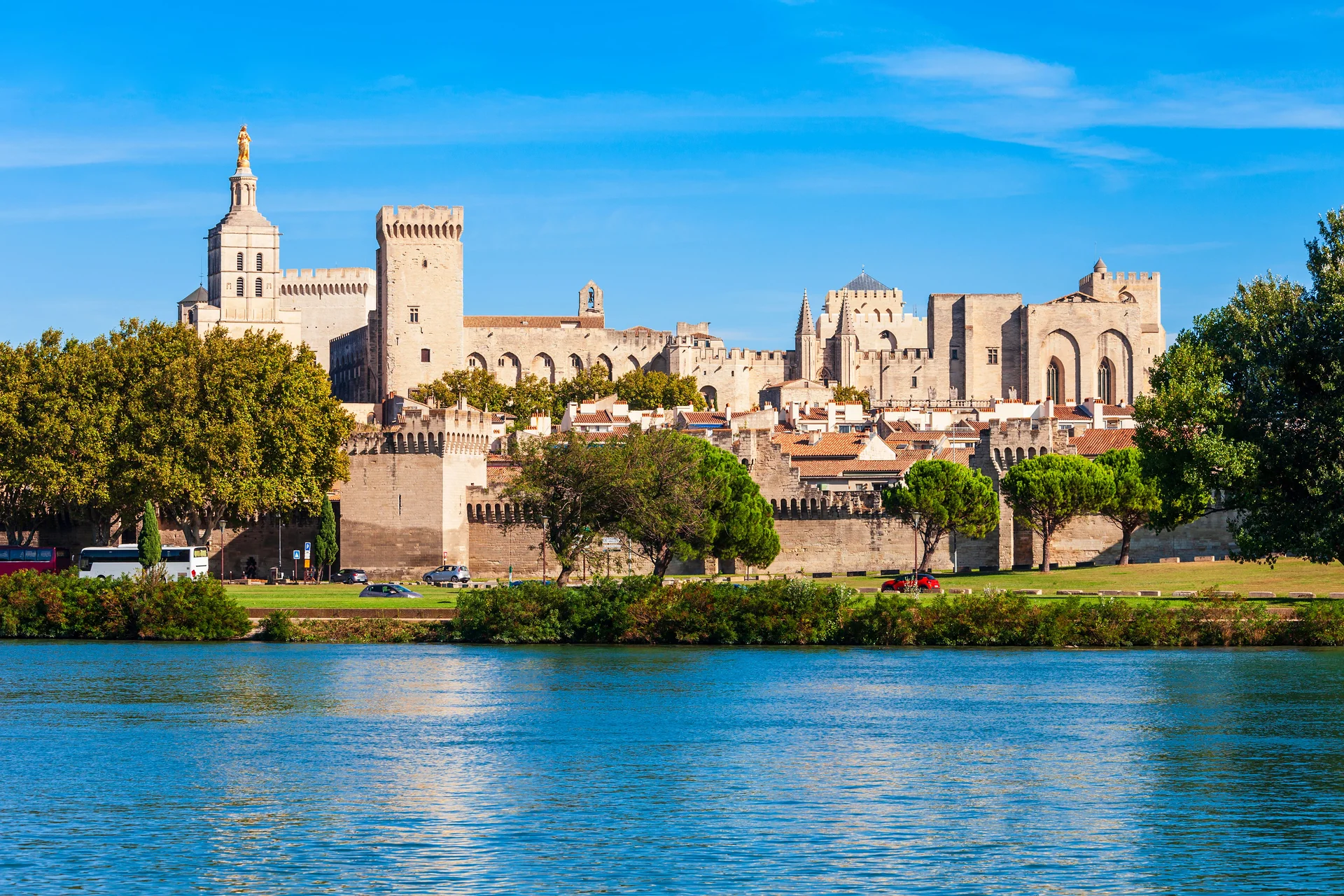
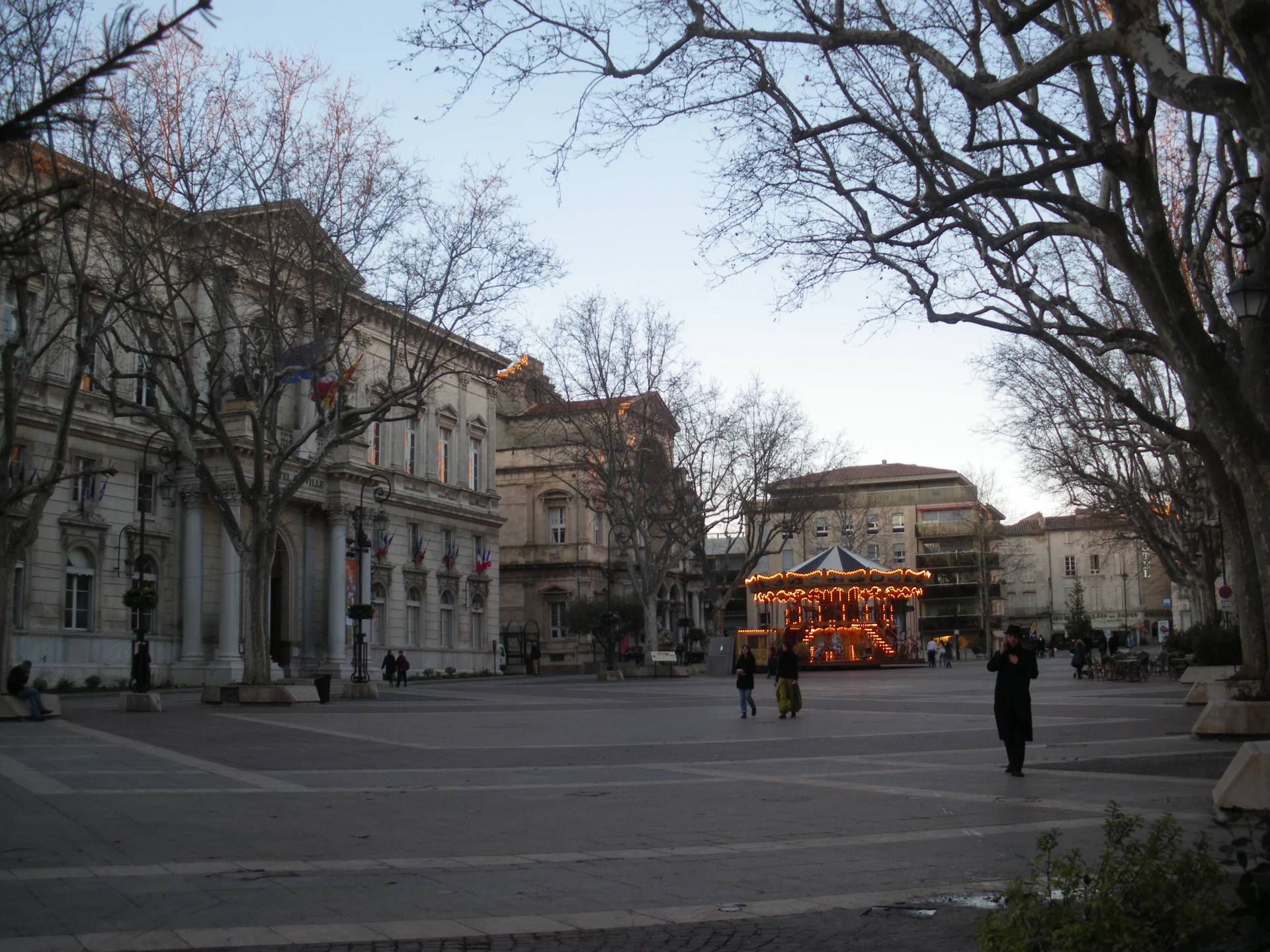
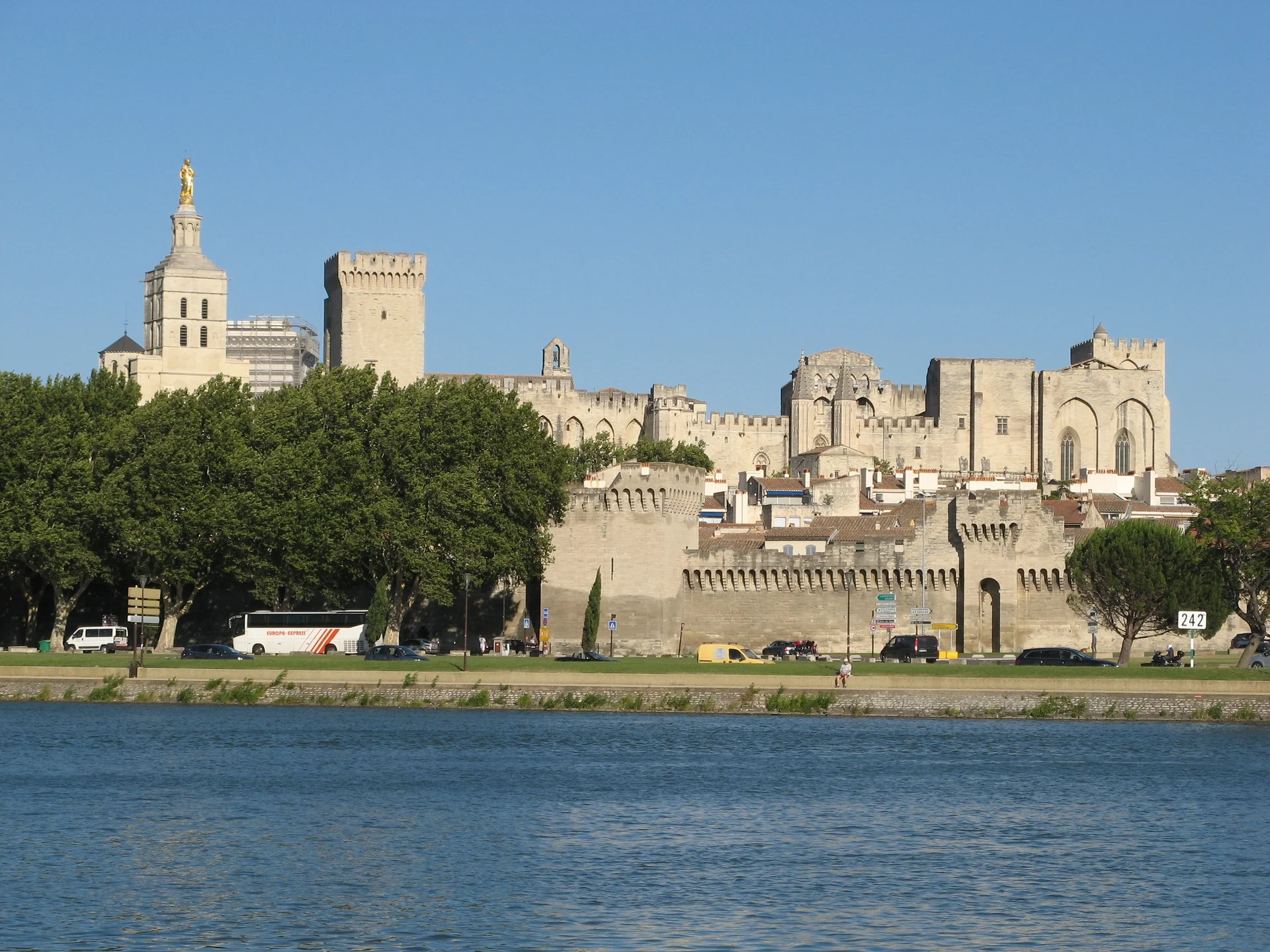
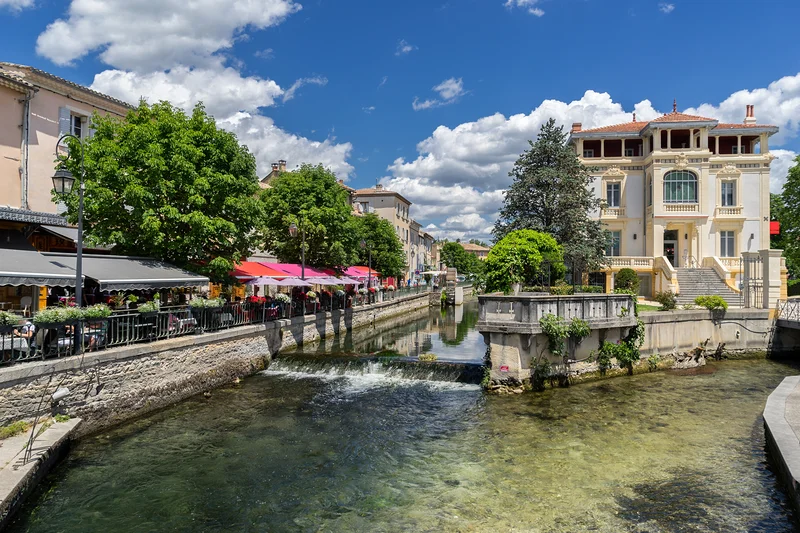
I loved the Avignon city center. You are immediately immersed in a Provençal atmosphere, and the contrast with its sad suburbs is striking. I really enjoyed the cobblestone Rue des Teinturiers. It is shaded by plane trees and runs along the Sorgue canal. It is just as bucolic as can be. Plus, the city has a number of grandiose sites between its Palais des Papes and its famous bridge! To top it all off, Avignon is a real cultural crossroads.