
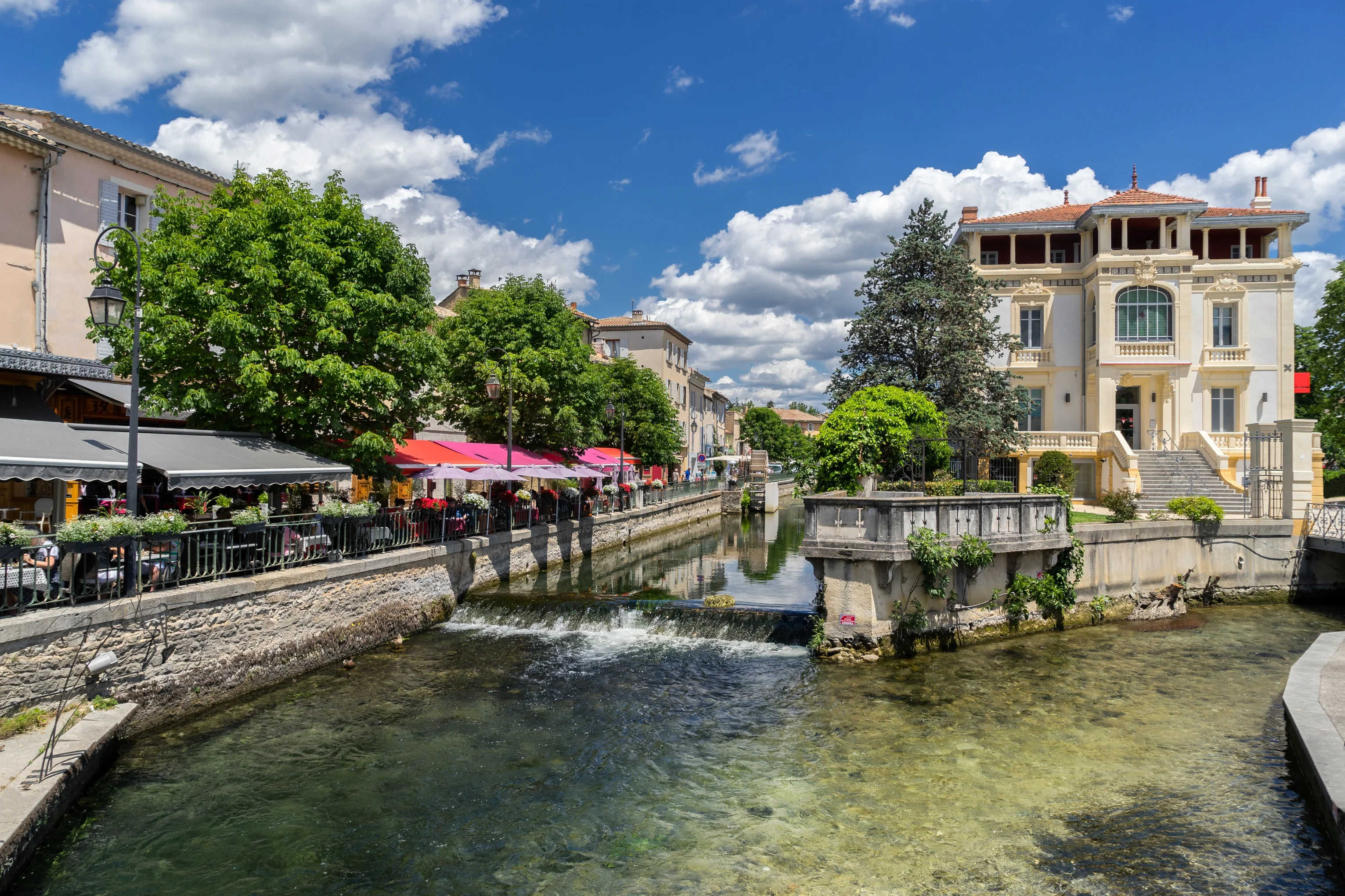
L'Isle-sur-la-Sorgue, where the wheels keep turning
It is 7:00 AM on a summer Sunday. White delivery vans belonging to antique dealers are already clogging the quays. On the Avenue des Quatre Otages, a dealer is unfolding a Napoleon III table while the smell of coffee drifts from waking cafe terraces. In a few hours, 300 stands will transform this small Vaucluse town into the largest antiques market in France outside of Paris. For now, only the gentle lapping of the canals and the creaking of moss-covered wooden water wheels disturb the morning quiet.
A haven for pickers and beyond
Antiques and art enthusiasts will be in their element here. More than 350 permanent antique dealers, seven weekend antique villages, and two international fairs a year have built this town's reputation as a prime hunting ground for vintage goods. Travelers who avoid crowded markets will find less to love here. On Sundays, finding a parking space requires serious patience, and patio dining prices climb accordingly.
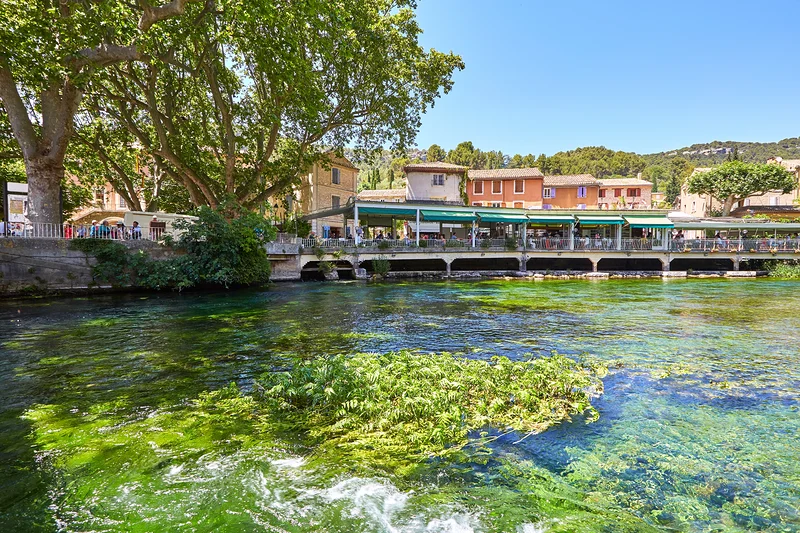
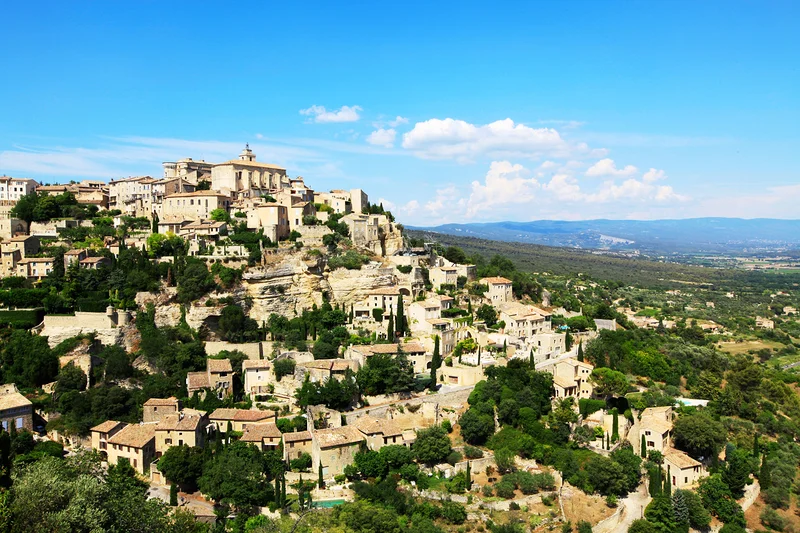
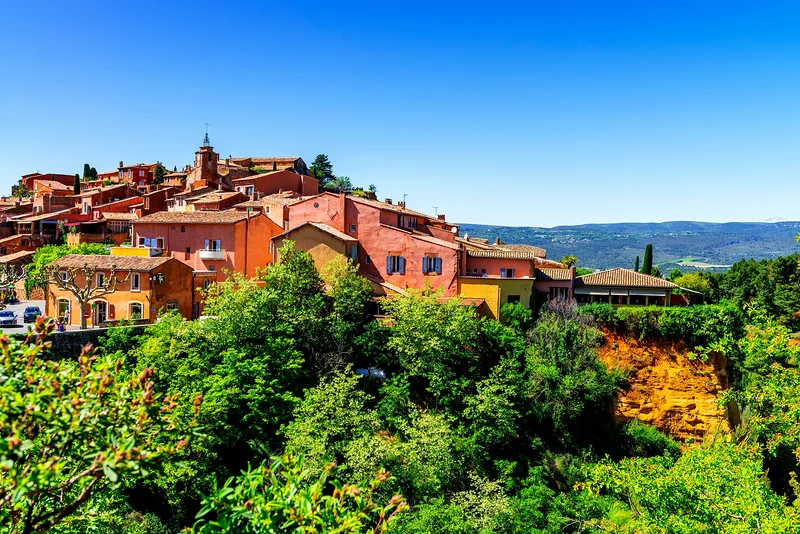
A car is practically essential for exploring the surrounding countryside, even though the town center is entirely walkable. Fontaine-de-Vaucluse, Gordes, Roussillon, and the other villages of the Luberon are all within a 30-minute drive. If you prefer a slower pace, a single day is enough to see the town itself. If you want to use it as a base for exploring the region, plan for three or four days.
Provençal budget: reasonable without being cheap
Expect to pay between $90 and $169* a night for a decent hotel room in the center, and more for boutique properties with historic character. A sit-down restaurant meal runs between $23 and $51* per person. Antiques have no upper limit, ranging from casual flea market finds to serious collector pieces depending entirely on what catches your eye.
Canals and water wheels: the historic core
The Sorgue river splits into multiple branches that wrap around the town center. Back in the 19th century, 62 water wheels powered paper mills, silk spinning mills, and tanneries. Today, only five remain operational, but they give the town its signature look. The wheel walking tour mapped out by the local tourism office takes you past fifteen of them in about 45 minutes of walking.
The streets carry evocative names like rue de la Loutre (Otter Street), rue de l'Anguille (Eel Street), and rue de la Truite (Trout Street). The town spent centuries as a fishing village, and in the 16th century, a local guild protected the fishermen's interests. They used flat-bottomed wooden boats called Nègo-Chin to navigate the shallow waters. The name literally translates to "drowning dog" in the Provençal dialect.
Friendly tip: On the first Sunday of August, a floating market brings the canals to life. Merchants sell goods straight from traditional Nègo-Chin boats while dressed in period costumes. It is a unique local tradition well worth planning your trip around.
The antique villages: where to actually hunt
The Sunday street market draws the biggest crowds, but serious collectors head straight for the permanent antique indoor malls. The Village des Antiquaires de la Gare, housed in a former 19th-century spinning mill, brings together around a hundred galleries across multiple floors. You will find period furniture, baroque chandeliers, 1950s chairs, demijohn glass bottles, and curiosities sourced from all over Europe.
The Isle aux Brocantes caters to more moderate budgets with vintage furniture, decorative items, and garden accessories. The Cour aux Antiquaires targets high-end collectors with rare artifacts and Asian art. Seven distinct villages grid the town, each with its own specific focus.
Friendly tip: The major international antique fairs held over Easter weekend and on August 15th draw 500 exhibitors and thousands of visitors. Book your lodging several months ahead and arrive early in the morning to beat the rush.
Art and culture beyond the antiques
The Notre-Dame-des-Anges Collegiate Church surprises visitors with its flamboyant baroque interior. Behind an austere stone facade lies a dramatic space filled with frescoes, gilded columns, and altarpieces that rival Italian churches. The Tour d'Argent, a 12th-century medieval tower, stands as a reminder of the town's strategic importance during the Middle Ages.
The Fondation Villa Datris exhibits contemporary sculpture inside a historic townhouse in the center, and admission is free. The Campredon Centre d'Art, housed in the 18th-century Hôtel Donadeï de Campredon and devoted in part to poet René Char, a native of the town, hosts photography and digital art exhibitions. Meanwhile, the Musée La Filaventure Brun de Vian-Tiran traces the history of the local wool mill that has been operating since 1808.
Paddling down the Sorgue
The river no longer drives mill wheels, but it now draws kayakers. Several outfitters offer an 8 km paddle trip between Fontaine-de-Vaucluse and the town center. The route takes about two hours on emerald water sitting at a brisk 14°C, winding beneath weeping willows and poplars. Herons, mallards, and the occasional beaver accompany you down the current.
Rentals cost between $30 and $33* per adult and $15 to $17* for children, with Kayak Vert providing the shuttle back to your starting point. The season runs from mid-May through late September, though trips depend entirely on water levels. During dry spells, departures may be canceled.
Where to eat and drink in L'Isle-sur-la-Sorgue
The Sunday market overflows with regional produce: Cavaillon melons, Carpentras strawberries, goat cheeses, olives, tapenades, and Vaucluse black truffles when they are in season. Stands selling pissaladière (onion tart) and socca draw hungry shoppers starting at 10:00 AM.
For a sit-down meal, Le Petit Henri serves classic Provençal dishes in a traditional dining room. L'Idisle, located at the Domaine de la Petite Isle, plates up local specialties under the shade of century-old trees. The quayside terraces offer prime canal views, though you will pay a premium for the location. 17 Place aux Vins and Monsieur Tu are great spots for an afternoon glass of wine.
Where to stay in and around L'Isle-sur-la-Sorgue
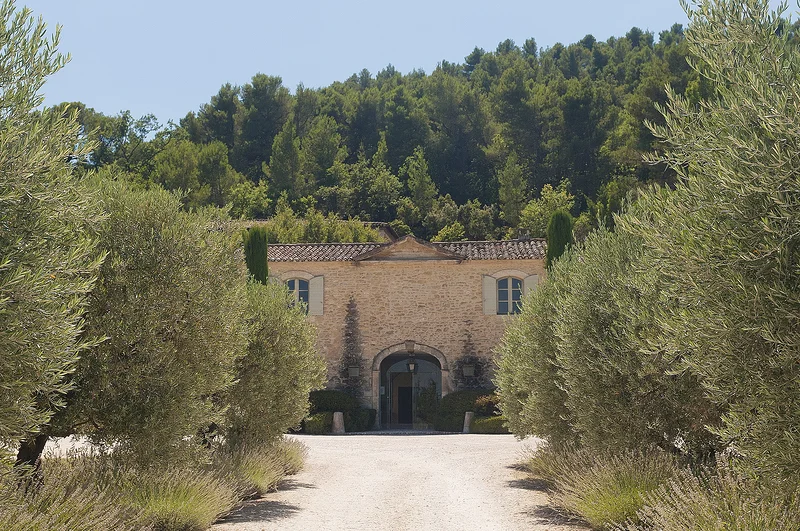
Charming boutique hotels cluster tightly in the town center. The Grand Hôtel Henri occupies a former grand bourgeois residence with a terrace overlooking the Sorgue, though rates exceed $450* a night. The Mas de Cure Bourse offers a more rustic and affordable farmhouse setting on the outskirts. B&Bs are also popping up in converted stone farmhouses throughout the surrounding countryside.
Budget travelers will find shaded campsites tucked among the pines and olive trees in the nearby hills, as the town itself lacks economy hotels in the center. You are better off looking for a room in Cavaillon or Le Thor if you want to keep accommodation costs down.
Getting there and getting around
The local train station connects to Avignon in 25 minutes. Tickets cost just a few euros and save you from Sunday parking headaches. From Paris, take the TGV high-speed train to Avignon and transfer to a local TER train. Eurostar no longer runs its summer direct service from London to Avignon, so change at Lille-Europe or Paris.
If you are driving, expect a 75-minute trip from Marseille via the A7 and N7 highways, or 1 hour from Aix-en-Provence. Parking turns into a puzzle on market days, so arrive before 8:00 AM or park on the edge of town. The center is completely pedestrian-friendly, and you can easily bike to Fontaine-de-Vaucluse via the greenway.
When to go
Spring offers the ideal balance of pleasant weather and manageable crowds. Summer temperatures regularly push past 35°C, and the town gets overwhelmed by visitors. Autumn stays mild through November, bringing brilliant fall foliage to the vineyards and forests of the Luberon. Winter brings a quiet, clear light that makes antique hunting peaceful, though a handful of restaurants close for the season.
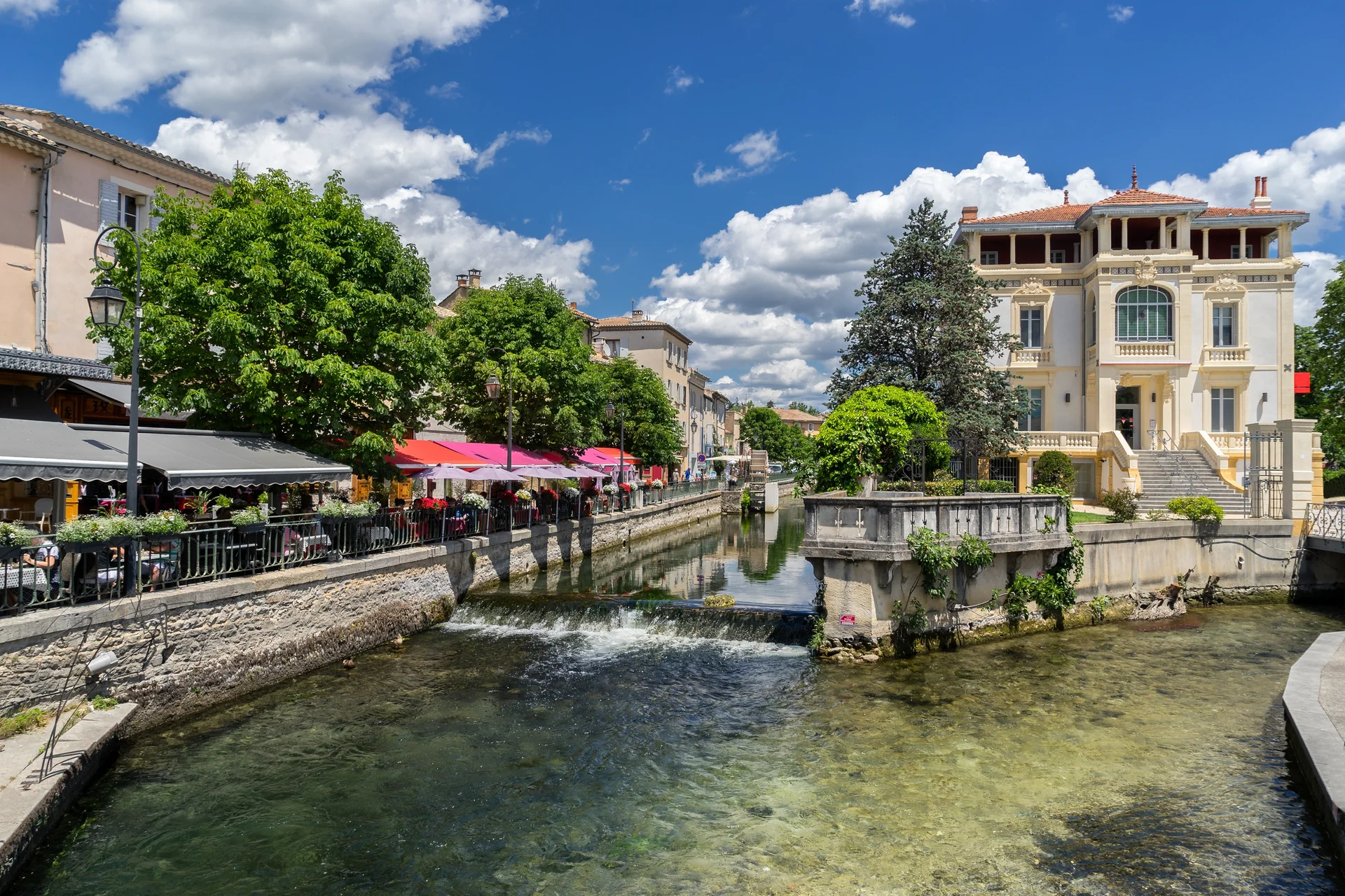
L'Isle-sur-la-Sorgue is a very charming village, especially in the off-season. In the summer, there are way too many people, which ruins the fun a bit. If possible, come outside of school holidays to enjoy it to the fullest. There are plenty of antique dealers and shops, and the atmosphere is much more authentic.