

Visiting Gordes, a Stone Village in the Heart of the Luberon
Clinging to a hillside in the Vaucluse, Gordes draws visitors with its imposing hilltop-village profile, its pale golden stone facades and its open views across the Luberon massif. Listed among the "most beautiful villages of France", it suits travelers who like history, Provençal landscapes and a certain architectural softness.
A Stone Silhouette Facing the Luberon
The village is built on a slope, its houses hugging the rock and forming a uniform whole that is genuinely impressive, especially as you approach from the valley. At the top, the partially restored Château de Gordes looks down over the stone-slab roofs. Today it hosts temporary exhibitions and is a handy landmark for getting your bearings. The whole scene is highly photogenic, especially late in the day, when the warm light deepens the tones of the stone.
Lanes, Calades and Pockets of Shade
You can explore the village center on foot without any set route. The narrow cobbled lanes, sometimes steep, open onto small squares, vaulted passages and sudden views over the valley. Everything is well kept, though some corners feel designed mainly for tourists. The square in front of the Église Saint-Firmin and the old lavoir (public washhouse) make good places to stop and take a break.
Cultural Sites and Troglodyte Heritage
A few kilometers from the center, the Village des Bories, a cluster of dry-stone huts, gives you a look at the Luberon's traditional rural architecture. Lower down in the village, the caves of the Palais Saint-Firmin (paid admission) take you through medieval underground galleries, where you can see troglodyte craft installations. Both sites are small and manageable, and they round out a visit to the village itself.
A Starting Point for Luberon Landscapes
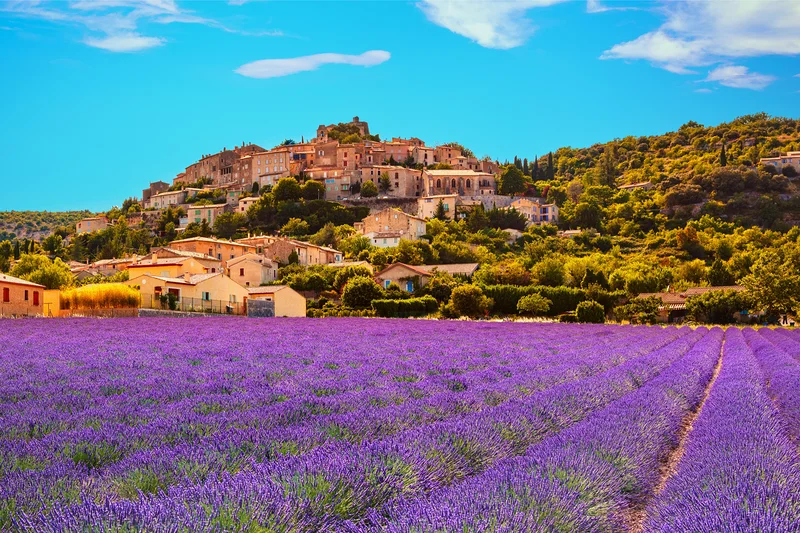
Gordes also works as a base for exploring the surrounding area: the Sénanque Abbey, a few kilometers away, is known for its austere Cistercian architecture and the lavender fields around it (in bloom from late June to mid-July). Several hiking trails lead to hamlets or viewpoints over the Calavon valley. Bring sturdy shoes: the terrain can be rocky.
Simple, Fragrant Country Cooking
On the plate, Provençal cooking comes through in sun-ripened vegetables, Ventoux lamb, local olive oil and aromatic herbs. You'll also often see tapenade (olive spread) or dishes made with black truffle in season. To drink, AOC Ventoux wines or Luberon wines pair well with the local food.
Where to eat
- L'Artegal (center): short menu, well-prepared local ingredients, pleasant terrace on a small square.
- La Trinquette (rue du Four): Provençal cooking, generous portions, good atmosphere, open views.
- Le Cercle Républicain (place Genty Pantaly): simple, affordable bistro, a favorite of regulars in the off-season.
When to go
Spring (May-June) and early fall (September) are the best times to visit Gordes, with softer light and fewer people. In July-August the crowds are noticeable, especially on Tuesday, market day.
How to get there
From Avignon, allow about an hour by road (40 km). Avignon-Provence airport is 30 minutes away by road, and Marseille-Provence, which has far more flights, about an hour. There is no train station in Gordes: you'll need a bus or a car from Cavaillon or L'Isle-sur-la-Sorgue.
How to get around
The village center is pedestrian and hilly. A car is recommended for exploring the surrounding area, though there are also summer shuttles from some neighboring villages.

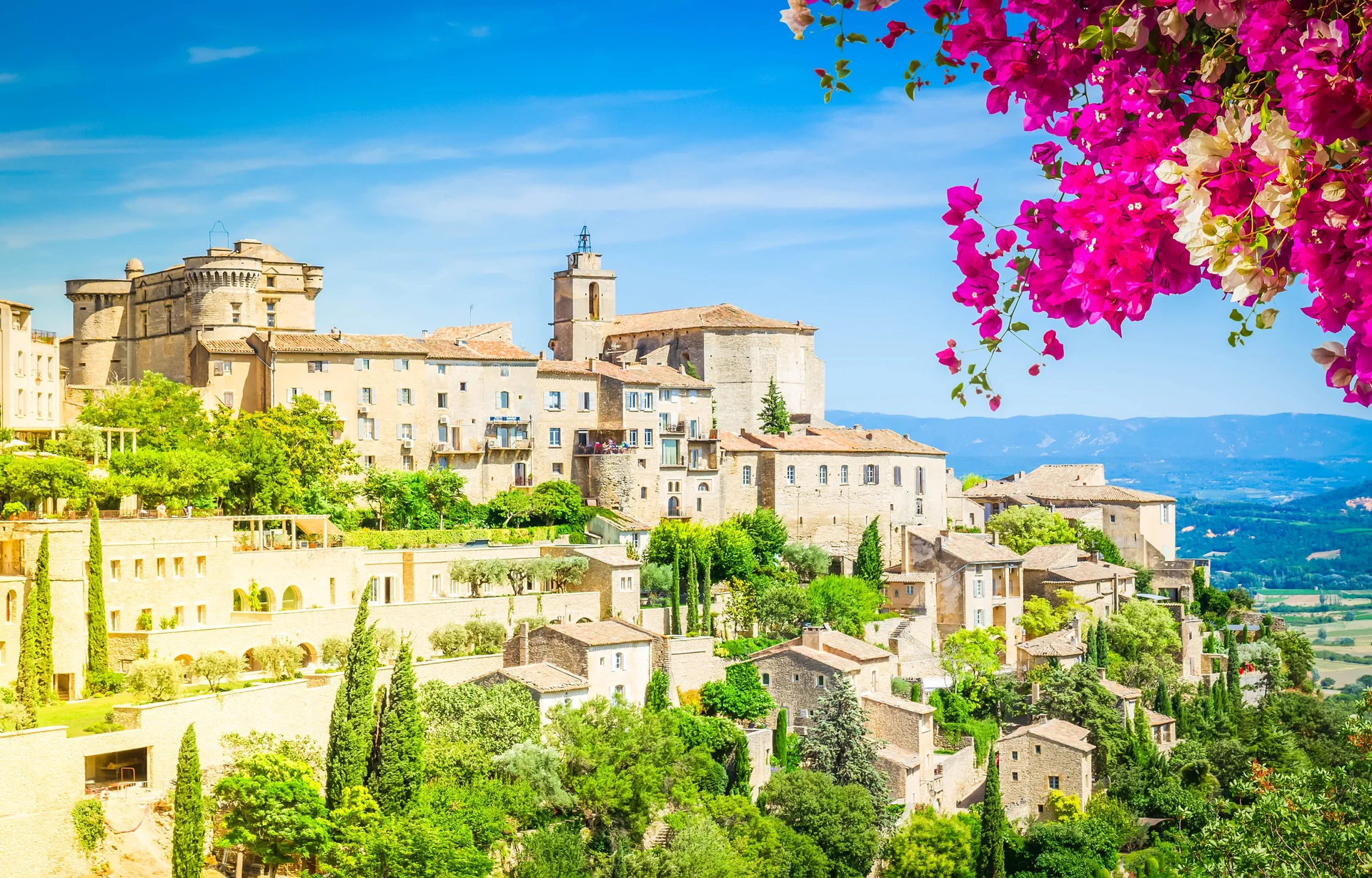

Gordes is without a doubt one of the most beautiful villages in France. Perched on a hillside, it offers a stunning view of the surrounding valley. I loved the stone houses, all in light, harmonious tones.
Strolling through the cobblestone streets is a real pleasure, even if the charm can sometimes be a bit diminished by the influx of tourists, especially in the summer. It still remains a place to discover, which fully deserves its reputation.
And doing a bike loop around Gordes is a great escape.