
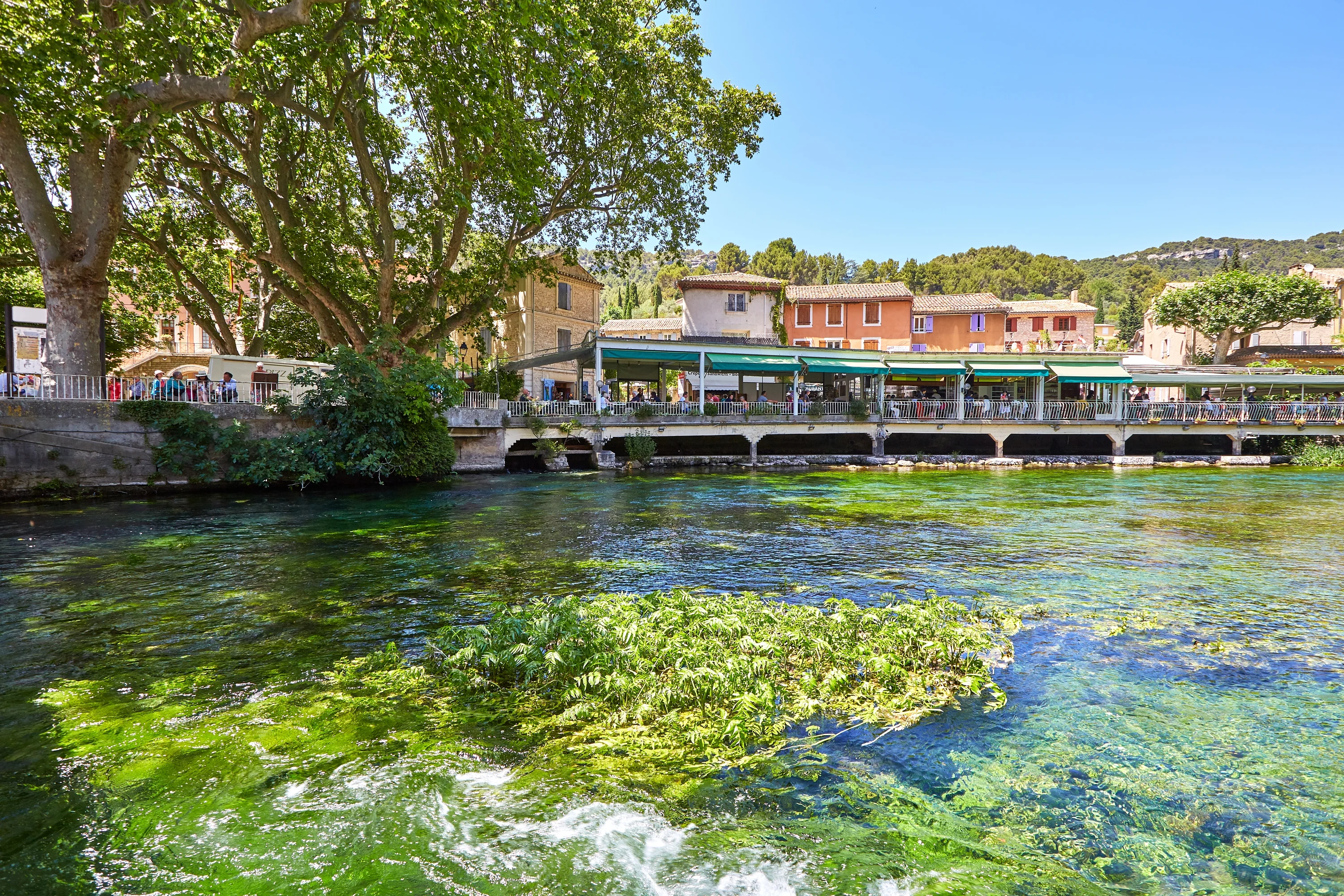
Fontaine-de-Vaucluse, where the river erupts from the earth
Have you ever seen the color of water at its source? In Fontaine-de-Vaucluse, it is an emerald green so pure and intense it looks unnatural. This is not just a village, it is the starting point of the Sorgue river, which surges from deep within the earth at the foot of a massive cliff. The first thing you notice is the chill, a crisp coolness radiating from the water that permeates the air, even in the middle of a hot Provençal summer.
Fontaine-de-Vaucluse, a source of wonders for you?
This place is a living postcard, a draw for families, landscape photographers, and anyone fascinated by nature's mysteries. If the idea of an easy walk along crystal-clear water to reach an impressive chasm appeals to you, this village is a solid choice. Just be prepared for the reality of the site, as it is one of the most visited locations in the Vaucluse.
If you are looking for solitude and the quiet authenticity of a preserved Provençal village, the summer crowds and the walkway lined with souvenir shops might be a letdown. It is an intense, often brief experience. A car is nearly essential, and the parking lots at the entrance are large, mandatory, and paid. Expect to spend about half a day here, moving at the pace of the walk toward the spring.
The core of the experience: between the mystery of the chasm and the gentleness of the Sorgue
The Chasm, source of all mysteries
The main attraction is the chasm itself. You reach it via a wide, maintained path that runs alongside the infant Sorgue. The 15-minute walk is a spectacle in its own right, featuring old waterwheels and that impossible water color. At the end of the path, the site reveals itself: a sheer limestone wall and, at its base, a pool of water that ranges from a peaceful basin to a roaring whirlpool, depending on the season.
Water levels fluctuate significantly. In the spring, after heavy rains, the spring overflows into a powerful cascade. In mid-summer, the water recedes to the bottom of the chasm, leaving behind a field of pebbles and a quietude that invites you to contemplate this crevice, which is over 300 meters deep and remains partially unexplored.
Friendly tip: for a more intimate experience, arrive late in the day after the tour buses have departed. The light on the cliff is sublime, and you can almost hear the breath of the spring in the returned silence.
A heritage defined by water
Before it was a tourist site, the village relied on the power of the Sorgue. The finest example is the Moulin à Papier Vallis Clausa, a faithful reconstruction of a 15th-century paper mill. You can watch artisans craft paper by hand, a fascinating skill powered entirely by water. Admission is free, and the shop is stocked with high-quality goods.
If you look up, you will spot the ruins of the château des Évêques de Cavaillon, which looms over the village. A short climb up a steep path rewards you with a view looking down over the village roofs and the valley. Do not overlook the discreet Notre-Dame-et-Saint-Véran church, a beautiful example of Provençal Romanesque architecture.
Friendly tip: access to the castle is somewhat hidden and requires sturdy footwear. Do not attempt it in flip-flops. The panorama at sunset is striking and far from the crowds on the main path.
Kayaking on the Sorgue
For a radically different perspective, why not paddle down the Sorgue? Several outfitters offer canoe and kayak routes from Fontaine-de-Vaucluse to L'Isle-sur-la-Sorgue. It is a family-friendly trip, accessible to everyone, that allows you to glide over incredibly clear water surrounded by lush vegetation.
This is the perfect activity to escape the tourist density of the chasm and truly immerse yourself in the beauty of the river. The descent is refreshing and offers unique vantage points for local flora and fauna.
Where to eat and drink in Fontaine-de-Vaucluse?
Options are plentiful but very tourist-oriented along the main path. For a more local experience, look for restaurants that highlight truite de la Sorgue (Sorgue trout), a local specialty. You will also find many ice cream parlors and confectioners. Do not leave without trying a regional candied fruit or a piece of artisanal nougat.
Where to stay in Fontaine-de-Vaucluse and the surrounding area?
The village has a few hotels and guest houses, but inventory is limited and books up quickly. The best strategy is to stay in the nearby area. L'Isle-sur-la-Sorgue, known as the "Venice of the Comtat" with its many antique shops, is only a few miles away. It serves as a much livelier base camp with more options for lodging and dining, making it easy to visit nearby villages like Gordes or Roussillon.
How to get there and get around?
A car is essential. The village is located away from major public transit lines. Be prepared to park in one of the large paid lots at the entrance, where a daily flat rate is the standard. Once parked, the entire village and the path to the spring are accessible only on foot, as walking is the primary way to experience the site. The nearest TGV station is Avignon, 30 km away; from North America you fly into Paris or Marseille and pick up the train there.
When to go?
Spring is arguably the best season. Nature is vibrant and the flow of the spring is at its peak, offering a powerful display. Autumn is also an excellent option, with beautiful colors and much more reasonable crowd levels. Summer is both very hot and extremely crowded; if you have no other choice, aim for a visit very early in the morning.
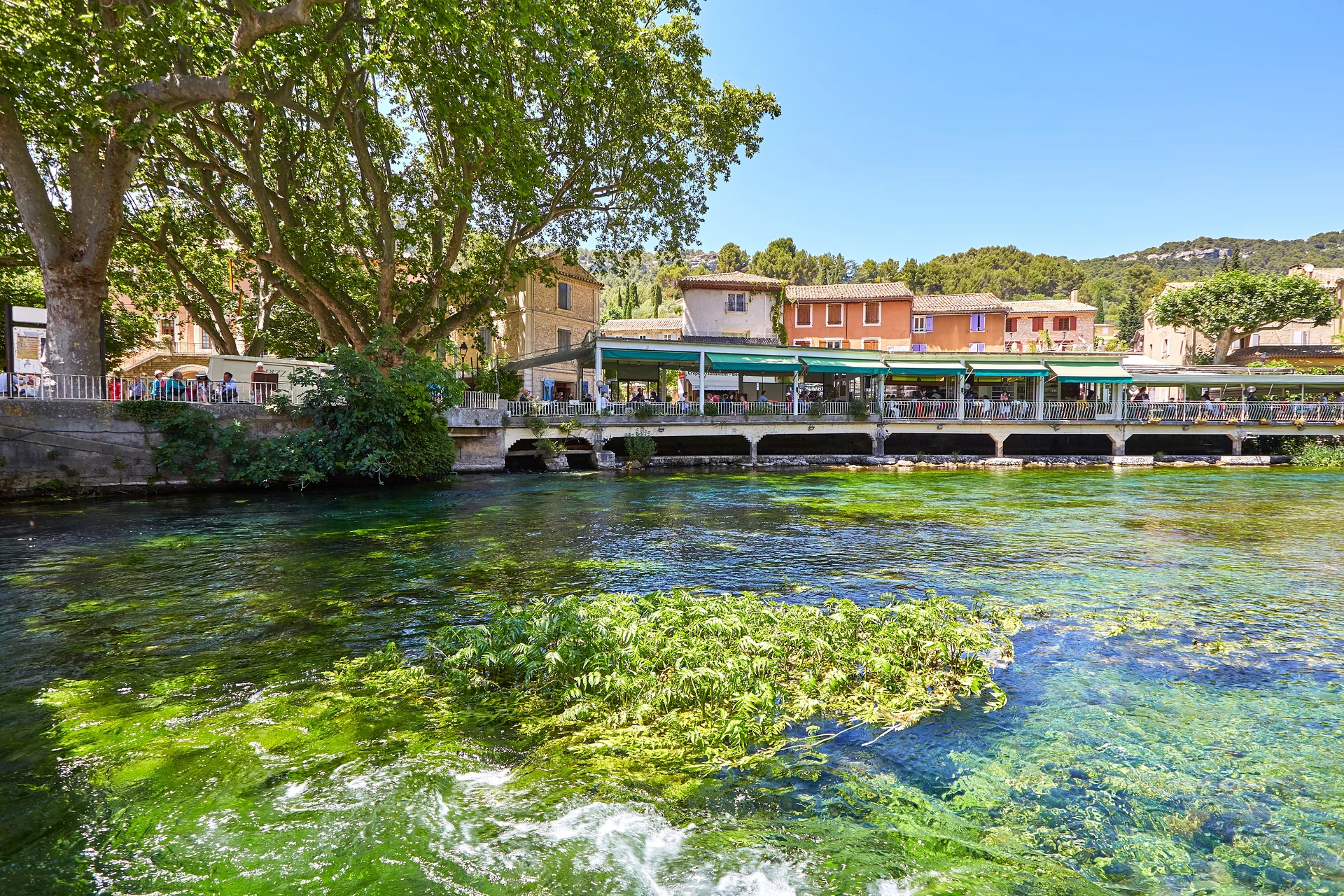
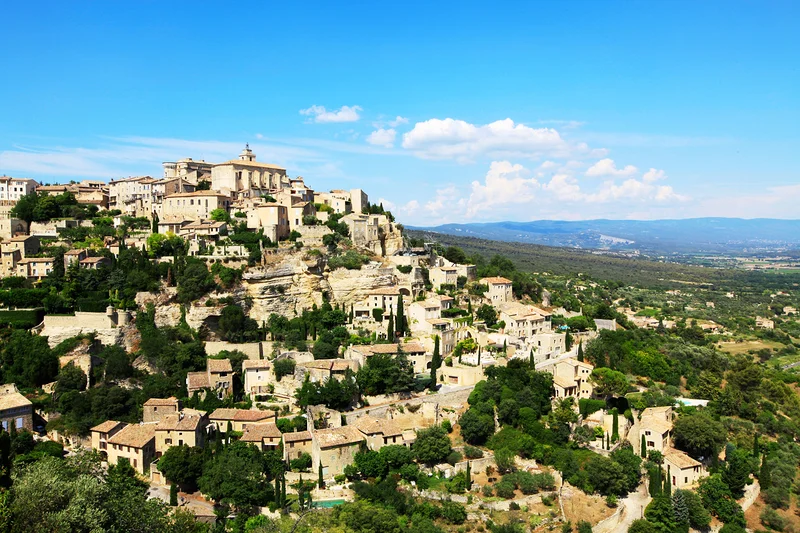
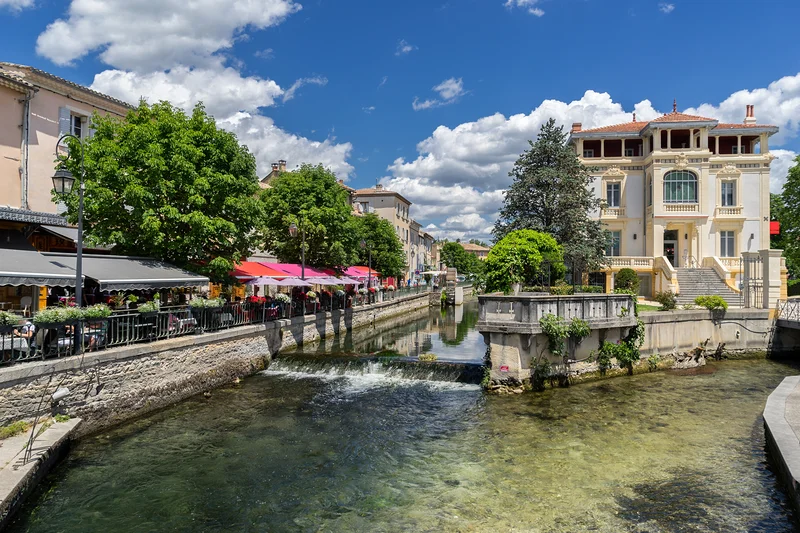
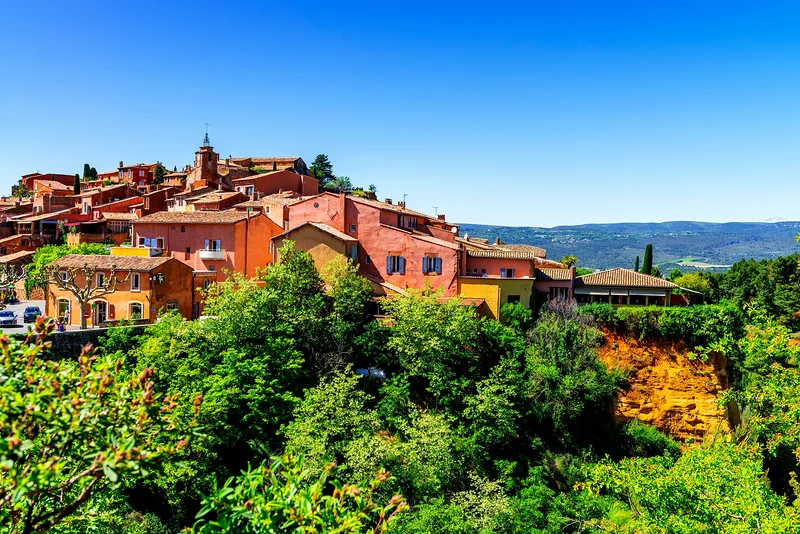
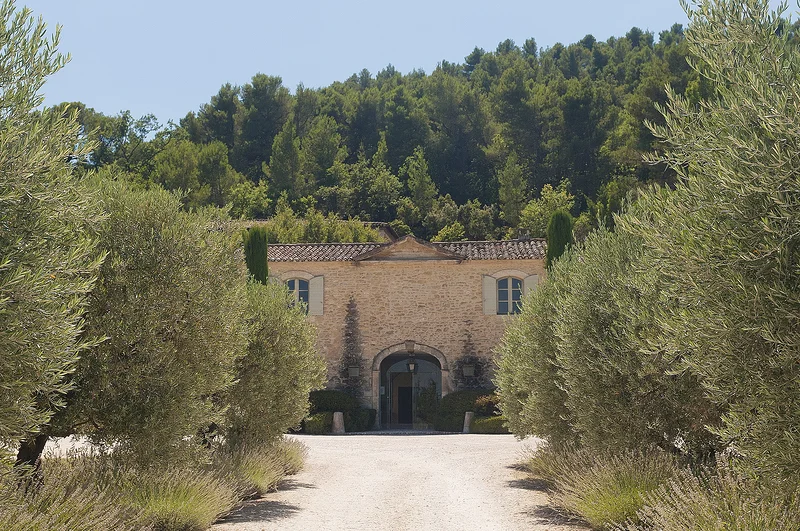
Based on the photos, I was expecting something else. Fontaine-de-Vaucluse is really very touristy and you can feel it. I find that the town lacks charm and authenticity. The spring didn't look at all like what you see online. Maybe I didn't arrive at the right time, but there was almost no water and a lot of trash around...