
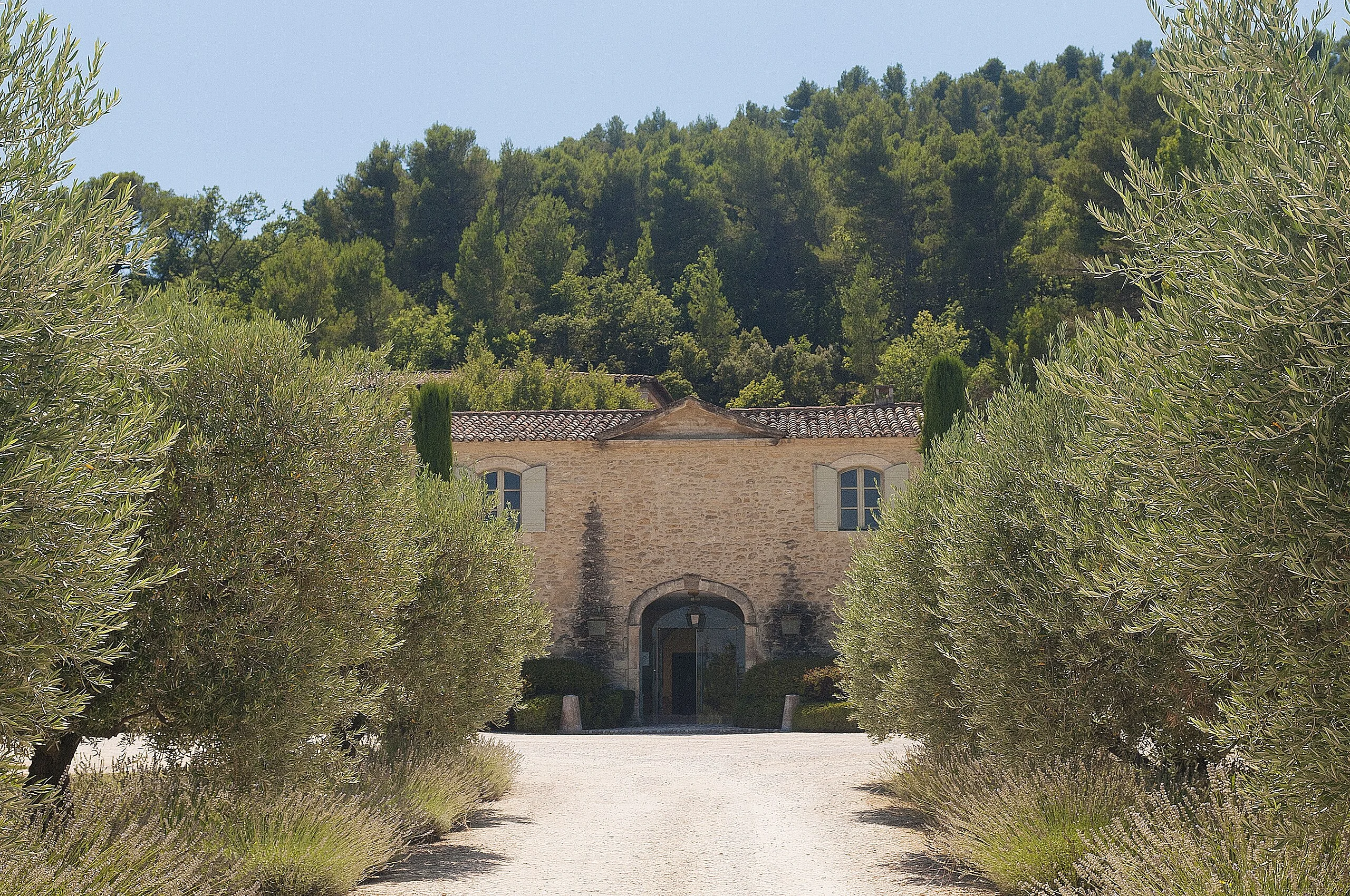
Ménerbes, the village where Picasso kept his loves hidden
Somewhere between the cemetery and the old washhouse, a single house wears no plaque. One door, one window, looking out over the valley. It used to be the village jail. That detail captures the exact spirit of Ménerbes: even the humblest walls tell a story, and no one is rushing to tell it to you. You have to earn it.
Perched on a limestone spur at an elevation of 230 meters, this community of a thousand residents stretches along a rocky ridge like a stone ship sailing across a sea of vineyards. The name comes from Minerva, the Roman goddess of wisdom. The advice is fitting.
For those who prefer slowness over checklist tourism
If you prefer museum-villages lined with souvenir shops and heavy crowds, head toward Gordes instead. Ménerbes draws a different crowd. Think art enthusiasts, wine lovers, and those seeking quiet contemplation. Peter Mayle wrote his bestseller A Year in Provence here in 1989, triggering an invasion of British tour buses that has thankfully receded. The village has returned to its original stillness.
A car is essential. Public transit does not serve the village properly. The pace here is all about wandering, not chasing monuments. Half a day is enough to walk the lanes, but setting aside a full day lets you sit down for a leisurely meal, walk over to the Domaine de la Citadelle, and head down to the Neolithic dolmen in the valley.
A Luberon budget, meaning substantial
The Luberon is not budget-friendly Provence. Plan on $135 to $230* a night for a charming guesthouse, and $29 to $45* for a lunch with wine. Tastings at the local wine estates are often free, which helps offset the costs.
The siege that forged the legend
In October 1573, 150 Protestant soldiers seized the village, which was then papal territory. The Catholic response took four years to organize, but when it arrived, it came with 12,000 soldiers, 1,200 cavalrymen, 800 sappers, and 12 cannons. The Protestant occupation lasted five years, two months, and eight days. The 150 Protestants held out until their water supplies ran dry. Nine hundred cannonballs pounded the walls. Some are still visible today, embedded in the facades.
This fierce resistance explains the village's defensive architecture. The Château du Castellet to the west and the 16th-century Citadelle to the east frame the settlement like two sentinels. Between them lie winding alleys designed to slow down any attacker. Today, they mostly slow down walkers marveling at the ochre facades and faded blue shutters.
In the footsteps of artists
Ménerbes has always drawn creators looking for light and solitude. Dora Maar, photographer and Picasso's muse, lived here until her death in 1997 in a house the painter gave her in 1944. The Maison Dora Maar now hosts artists in residence. Nicolas de Staël, a French painter of Russian origin, settled in Castellet in 1953 before taking his own life two years later. The castle remains in his family's hands.
Contemporary art galleries now line the narrow streets. The Galerie Pascal Lainé, open for over 25 years, showcases international artists in an intimate setting. The studio of Jane Eakin, an American painter who lived here for decades, is open to visitors from May to October.
Friendly tip: climb up to the Place de l'Horloge at the top of the village for the most spectacular view of the Luberon and Mount Ventoux. The 18th-century belfry still chimes the hours.
Truffles, wine, and corkscrews
The Maison de la Truffe et du Vin du Luberon occupies the former Hôtel d'Astier de Montfaucon, a 17th-century mansion restored by former mayor Yves Rousset-Rouard. The wine cellar brings together all 60 wine estates of the regional natural park. Tastings are free from April to October. In winter, truffle hunting outings with a producer and his dog let you hunt for tuber melanosporum, the black diamond of the Luberon.
Two kilometers from the village, the Domaine de la Citadelle cultivates both vines and a touch of eccentricity. Its Corkscrew Museum displays 1,200 specimens ranging from the 17th century to today. Some pieces are entirely unique. The visit wraps up with a tasting of the estate's reds and rosés. Fans of organic wine can head over to Château La Canorgue, made famous by Ridley Scott's film A Good Year.
The dolmen and the forgotten ruins
On the D3 toward Bonnieux, one kilometer from the village, the Dolmen de la Pitchoune sits right under a small bridge. This Neolithic megalith dates back to around 4800 BC. The slab forming the roof weighs six tons. Human bones, teeth, pottery, and flint arrowheads have all been discovered here. Pitchoune means little girl in old Provençal. No one knows why.
Three kilometers away, the 13th-century Abbaye de Saint-Hilaire features a Romanesque cloister and medieval frescoes. The monks eventually handed the property over to winemakers. The estate produces an AOC Luberon wine that you can taste in a setting of sober beauty.
Where to eat and drink in Ménerbes
Le Galoubet serves straightforward Provençal cuisine in a cozy setting right in the heart of the village. The bouillabaisse and the lamb stew are worth the detour, and the tarte Tatin makes for a solid finish. La Cave à Manger offers a bistronomic menu with a view of the valley. For a high-end dining experience, La Bastide de Marie on the road to Bonnieux combines refinement with vineyards stretching out as far as the eye can see.
Organic cherry juice remains an overlooked local specialty. The cherry orchards in the plain supply the village tables. On Thursday mornings, the Provençal market takes over the main street with farmhouse goat cheeses, lavender honey, black Nyons olives, and sun-drenched vegetables. In winter, a truffle market lets you buy straight from the producers.
Where to sleep in and around Ménerbes
Hotel options remain limited within the village itself. La Bastide de Marie offers luxury rooms on a wine estate with a pool and a restaurant. Guesthouses in stone townhouses offer a more intimate stay. The official town hall website lists local accommodations.
For more choices, L'Isle-sur-la-Sorgue, 20 minutes away, brings together hotels and restaurants for all budgets. Bonnieux and Gordes, less than fifteen minutes away, offer similar alternatives. Renting a traditional stone farmhouse or cottage remains the preferred choice for a multi-day stay in the Luberon.
How to get to and around Ménerbes
The Marseille-Provence airport is a 1h15 drive away. The airport in Avignon, 30 minutes away, offers connections to Paris and select European cities. The high-speed TGV train reaches Avignon TGV in 2h40 from Paris, and Aix-en-Provence TGV in 3 hours. Renting a car is essential, as public transit does not connect the Luberon villages efficiently.
From Cavaillon, follow the signs for Apt along the D2. The village is clearly marked. Park in the lot on Rue de la Fontaine at the entrance to the medieval center. The upper alleys are pedestrian-only and can be quite steep. Wear comfortable shoes.
When to go?
May and September offer the best balance of pleasant weather and manageable crowds. Provençal summers can be overwhelming with intense heat and tourists. Winter reveals a different side of the village: quiet, contemplative, with truffle menus running from December to March. The Musicales du Luberon bring classical concerts to Saint-Luc church during the summer. Avoid August if you prefer to steer clear of crowds.
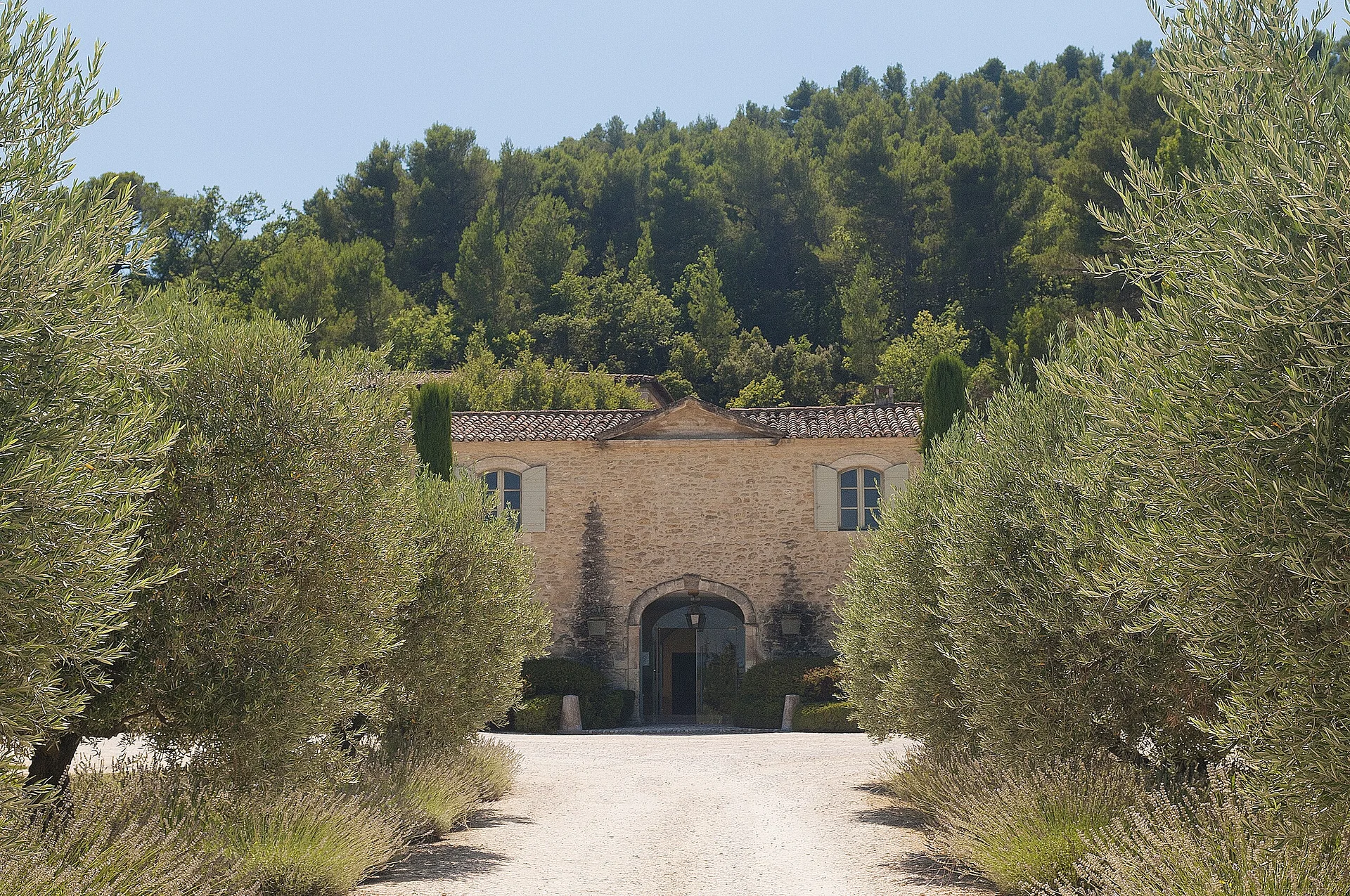
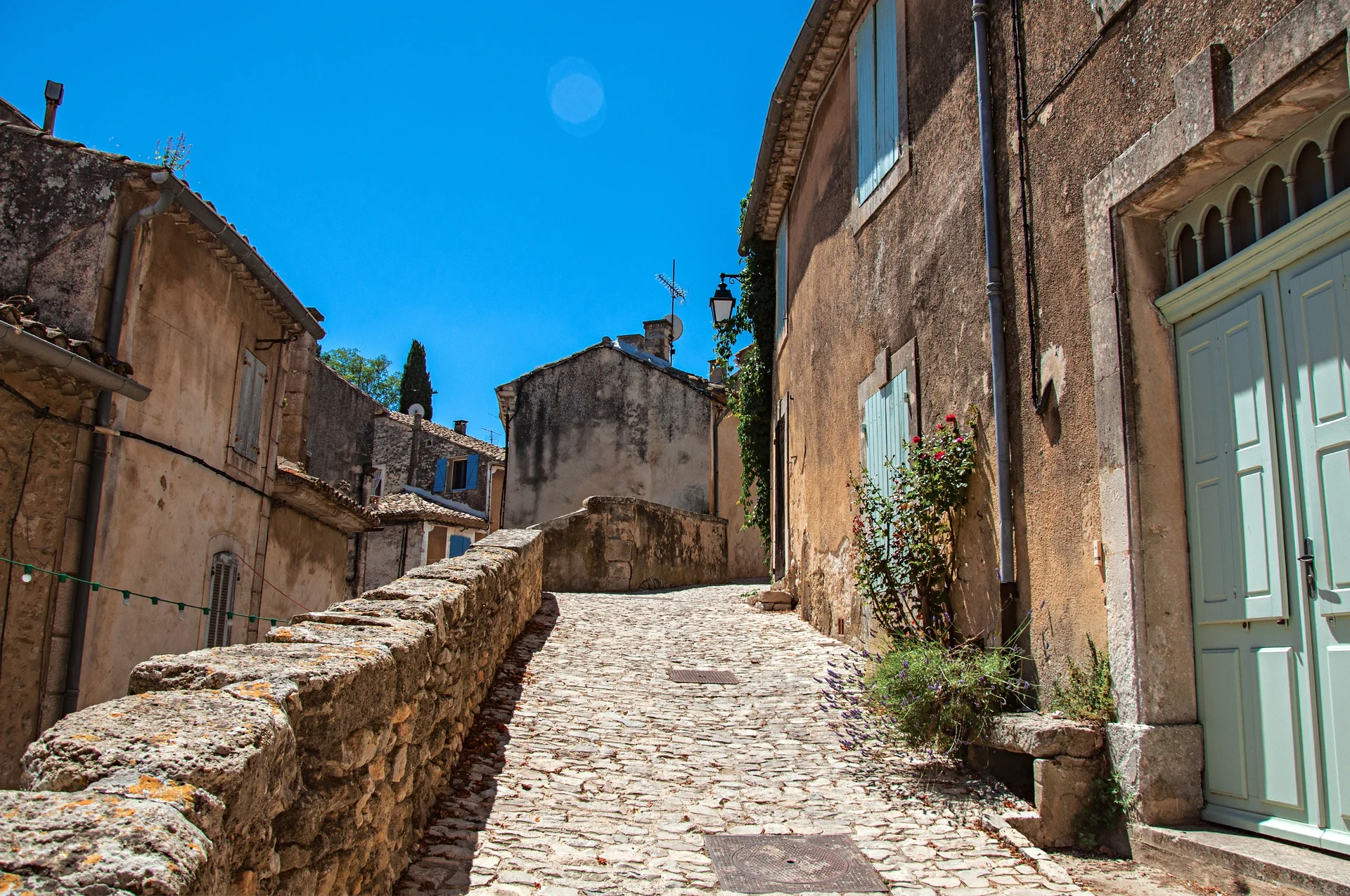
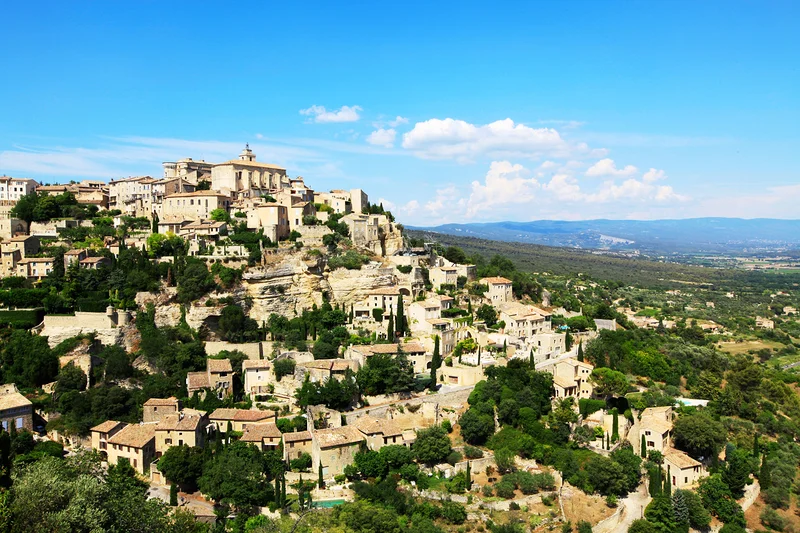
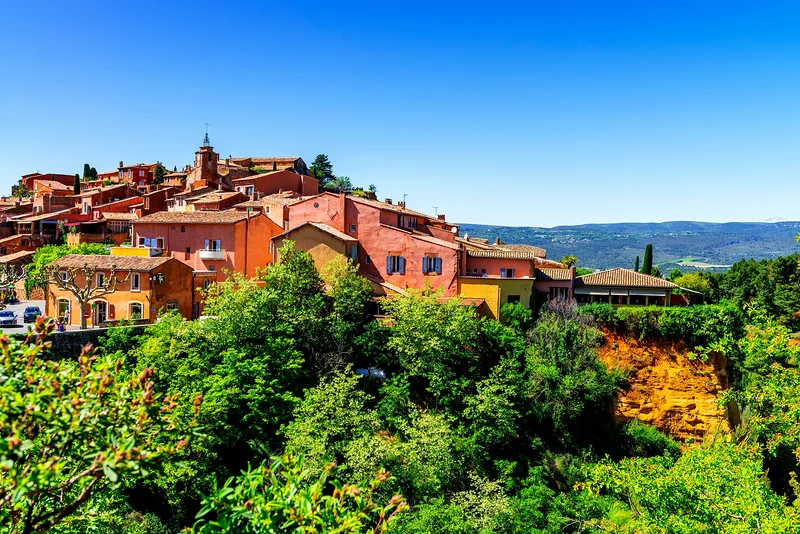
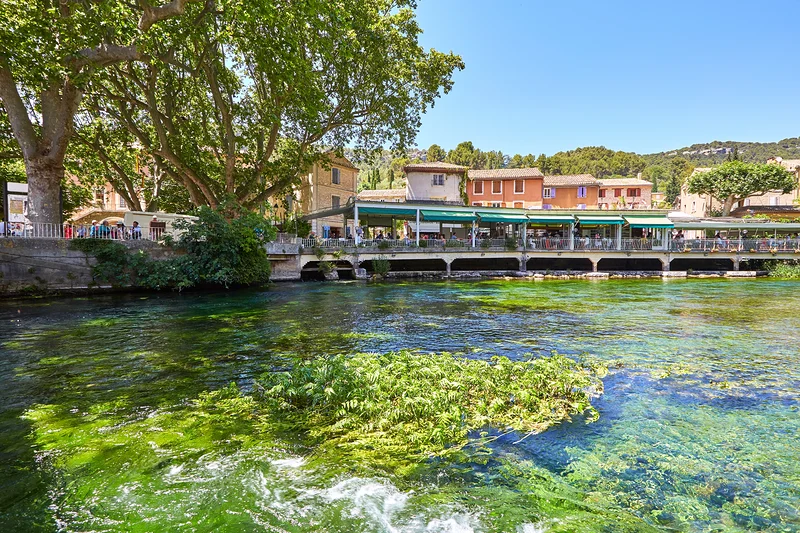
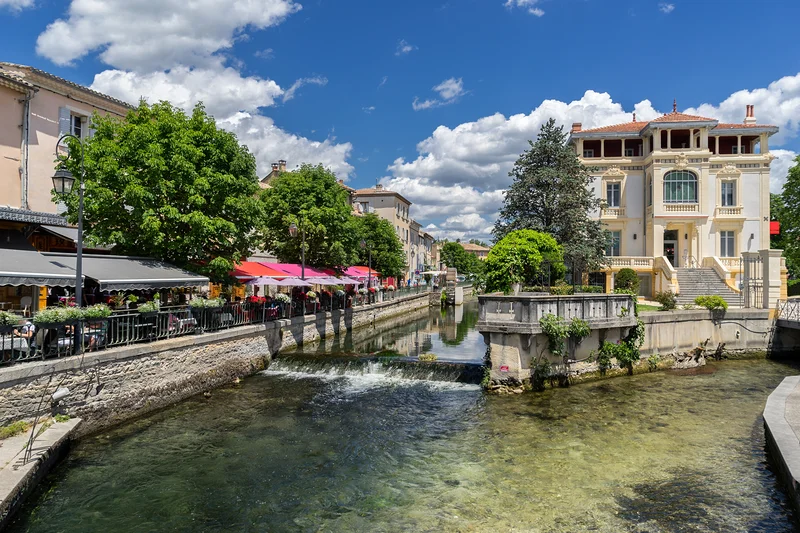
A beautiful village that is best visited in the spring, which is when I went. It is a very bright place that looks like a painting. If you want to enjoy an authentic atmosphere, this is the place. Greenery, flowers, beautiful houses, a very pleasant view. Ideal for an afternoon stroll! Perfect if you need to recharge far from the hustle and bustle of the city.