
Visiting Fontvieille: where Provence reveals itself through windmills and Roman ruins
The sound of cicadas accompanies a light breeze moving through olive groves, filling the air with the scent of wild herbs and lavender. Fontvieille is more than just a name. It is an invitation to slow down and wander the lanes of an authentic Provençal village where every stone seems to have a story. Here, the legacy of Alphonse Daudet and the Roman past blend with a Mediterranean pace of life, creating a quiet escape far from the daily grind.
The right fit for history and nature lovers?
If you connect with history, scenic landscapes, and the Provençal way of life, Fontvieille is ready for you. It is a destination for couples looking for a romantic getaway, families interested in ancient ruins, and nature lovers who enjoy walking under the southern sun. Whether you are a heritage enthusiast, a casual hiker, or a foodie who enjoys local markets, you will find plenty to appreciate.
On the other hand, if you are looking for sprawling beaches, late-night parties, or heavy shopping, Fontvieille might feel too quiet. The village offers a peaceful atmosphere where local culture and landscape are the main attractions.
A car is nearly essential for exploring the surrounding area, and lodging prices can vary significantly depending on the season.
Between Roman heritage, legends, and iconic landscapes
Fontvieille acts as an open book on the history of Provence, offering a mix of culture, nature, and relaxation.
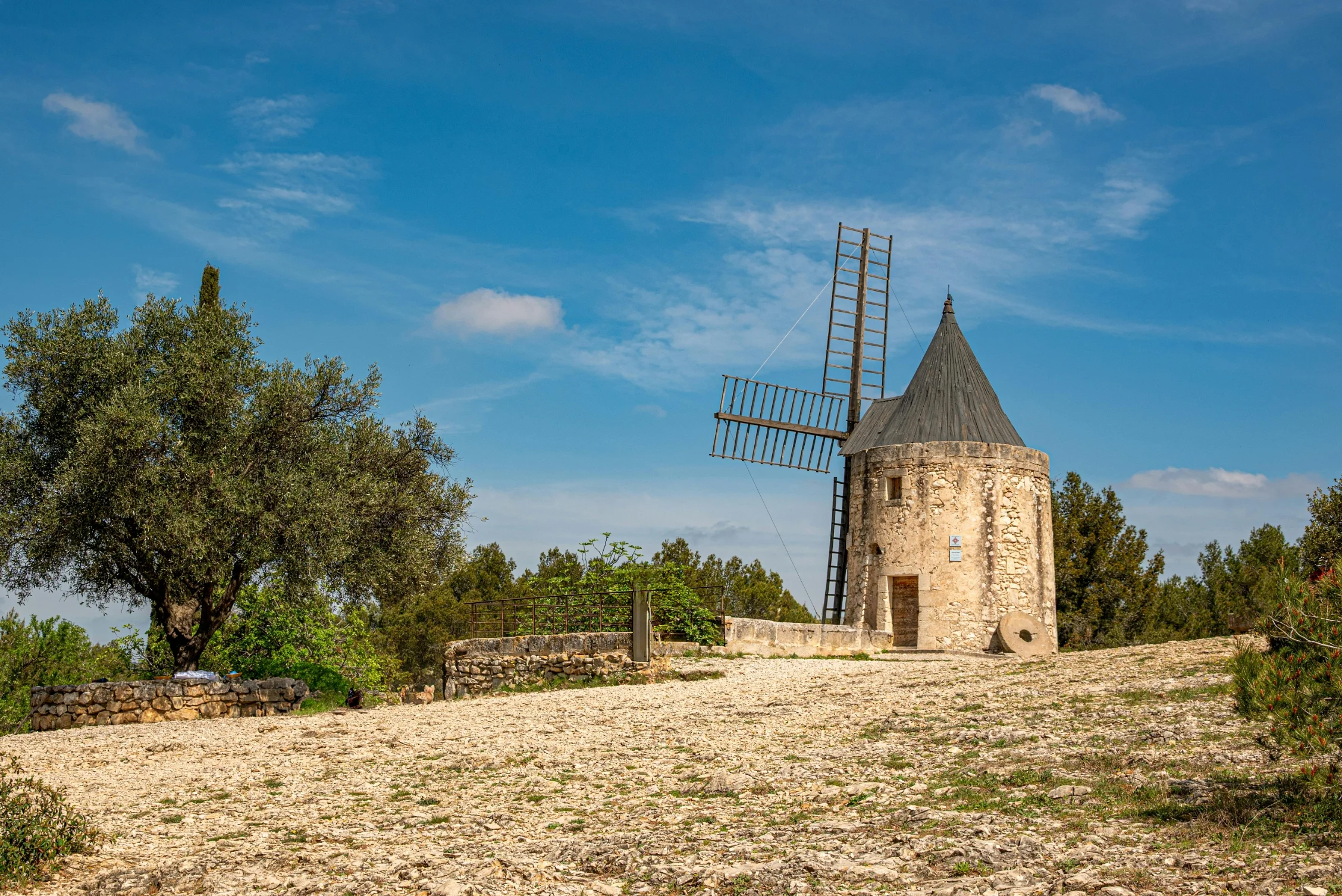
In the footsteps of Alphonse Daudet: windmills and the Château de Montauban
The spirit of author Alphonse Daudet still lingers in Fontvieille, particularly around the famous Moulin de Daudet perched on the hill. This mill, along with the three others surrounding it, serves as a picturesque reminder of the region's agricultural past. Right next door, the Château de Montauban, the writer's former residence, offers a glimpse into his world. A walk through this setting feels like stepping into the atmosphere of his famous Letters from My Mill.
Friendly tip: Do not just stick to the official windmill. Explore the trails leading to the others; the view over the Provençal countryside is just as charming and often much quieter.
The Roman aqueduct and the Barbegal bridge: a trip to antiquity
Just outside Fontvieille, you will find impressive remnants of Roman engineering: the ruins of the aqueduct and the majestic arches of the Barbegal aqueduct bridge. This complex fed Arles its water and drove sixteen waterwheels: the largest flour mill known from the Roman world. It is a lesser-known site that is worth the detour for history buffs.
Friendly tip: Bring good shoes and water if you plan to explore the area around the aqueduct bridge. The site is out in the open and offers great walking paths.
Château de l'Estagnol and Montmajour Abbey: historical gems
Fontvieille is surrounded by architectural treasures. The Château de l'Estagnol, with its medieval appearance, adds a touch of mystery to the landscape. A bit further away, the imposing Montmajour Abbey, a listed historic monument since 1840, stands as a masterpiece of Romanesque Provençal art. Its ruins and cloister are sights to behold.
Friendly tip: Visit Montmajour Abbey early in the morning to enjoy the serenity of the site and the specific light that highlights its ancient stones.
The village and surroundings: local life and Provençal markets
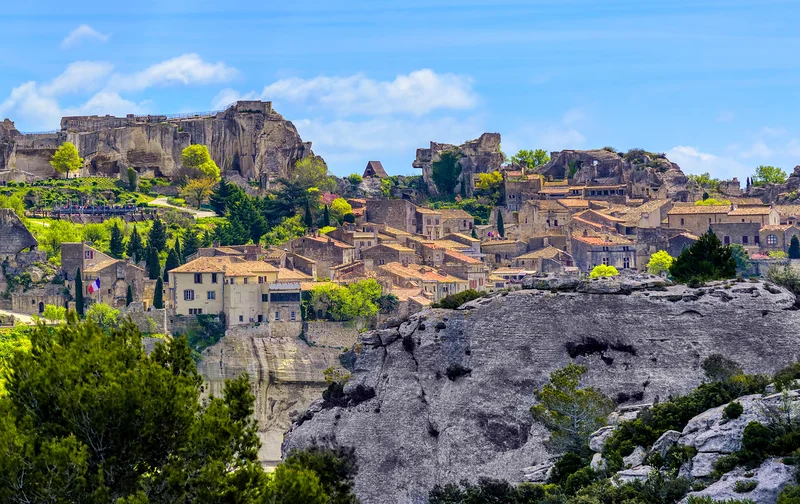
Stroll through the center of Fontvieille to discover shaded squares and fountains. The village has a local feel, with small shops and café terraces. The Provençal markets in nearby villages, such as those in Les Baux-de-Provence or Maussane-les-Alpilles, are essential for soaking up local flavors and colors.
Friendly tip: Feel free to wander off the main path. This is often where you find the prettiest houses and the small details that define the charm of Provence.
Where to eat and drink in Fontvieille?
In Fontvieille, the food reflects the region: generous, fragrant, and based on fresh ingredients. Expect Mediterranean flavors with a heavy emphasis on local olive oils. Try the tapenade, anchoïade, and sun-ripened vegetables. Village restaurants often serve dishes based on what is available at the market. Be sure to enjoy a chilled Provençal rosé with your meal. Specialties like gardiane de taureau (a local bull stew) or petits farcis provençaux (stuffed vegetables) are also staples here.
Where to stay in and around Fontvieille?
Fontvieille offers a range of lodging that fits its Provençal character: guest houses in restored farmhouses, small boutique hotels, and villas with pools. For a full experience, look for a gîte in the immediate surroundings, nestled among the olive trees. Nearby villages like Maussane-les-Alpilles or Paradou also offer excellent options, often with superb views of the Alpilles mountain range.
How to get there and get around?
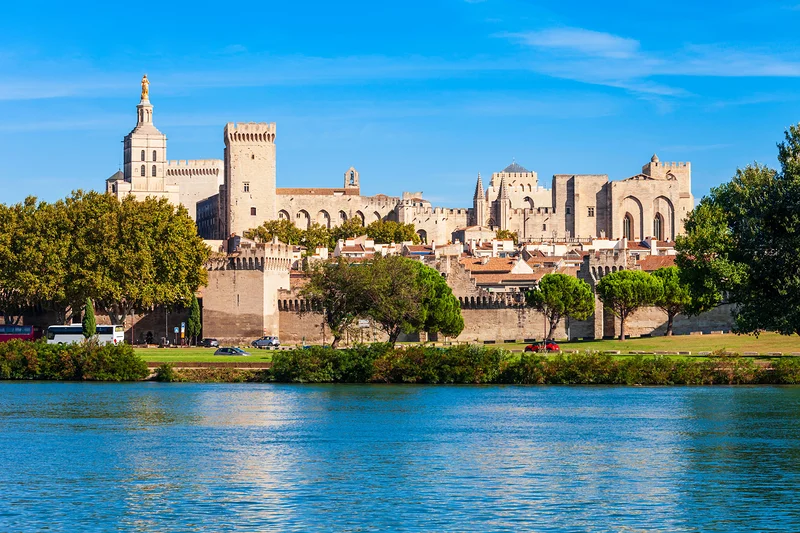
Fontvieille is ideally located in Provence, just a few miles from Arles. A car is the most practical way to explore the village and its surroundings. You can easily reach Fontvieille via the A7 or A54 motorways. The nearest TGV station is in Avignon, where you can rent a car to drive to the village.
Once you are there, the center of Fontvieille is easy to walk. For excursions to Roman sites or hilltop villages, a car is necessary.
When to go?
Spring (April to June) and early autumn (September to October) are the best times to visit Fontvieille. The weather is mild and sunny, perfect for walking and exploring sites. The poppy fields in spring and the fiery colors of autumn are beautiful sights. Summer (July and August) is hot and very popular, with higher tourist traffic. If you prefer quiet and cooler temperatures, winter can be an option, though some shops and attractions may have reduced hours.
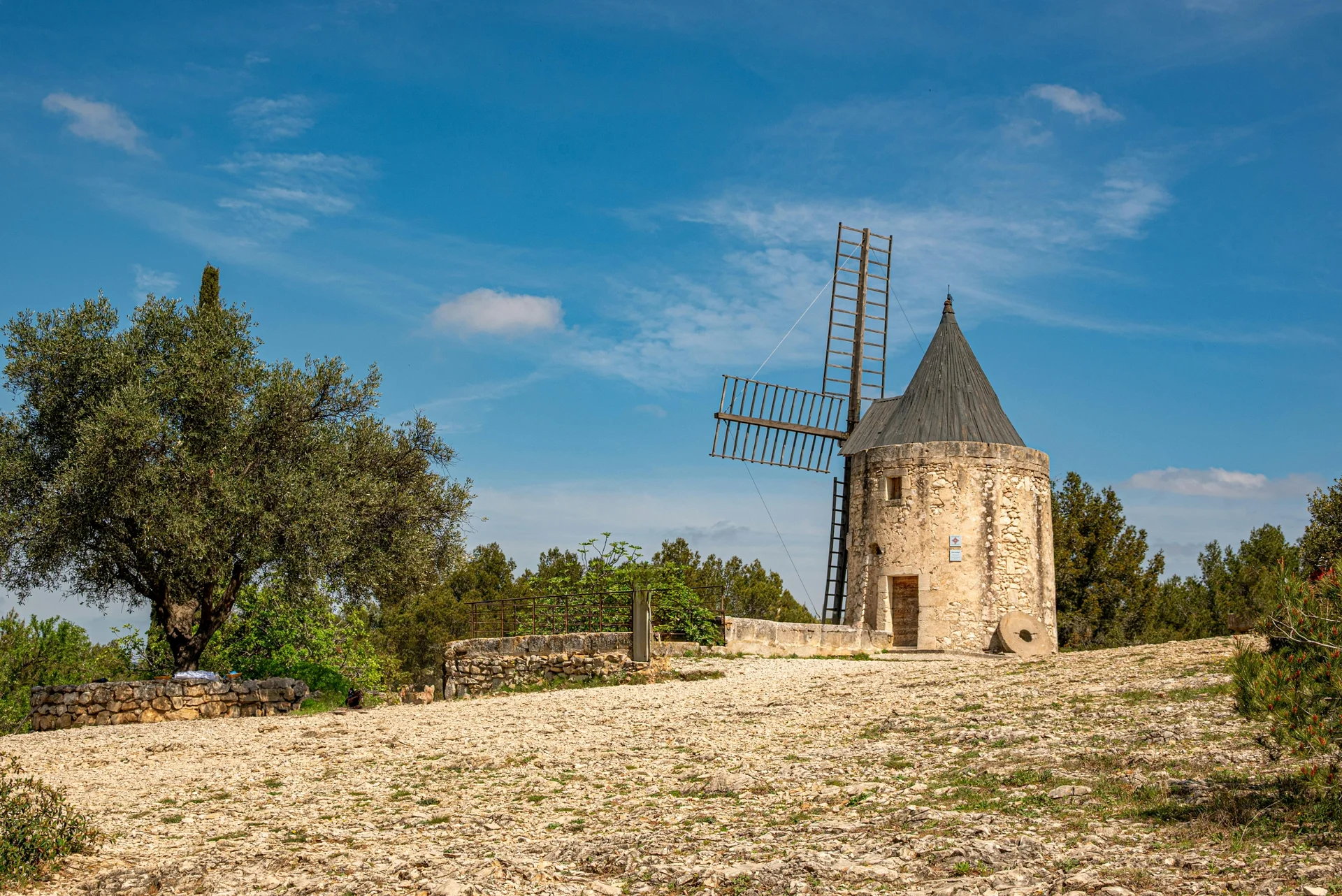
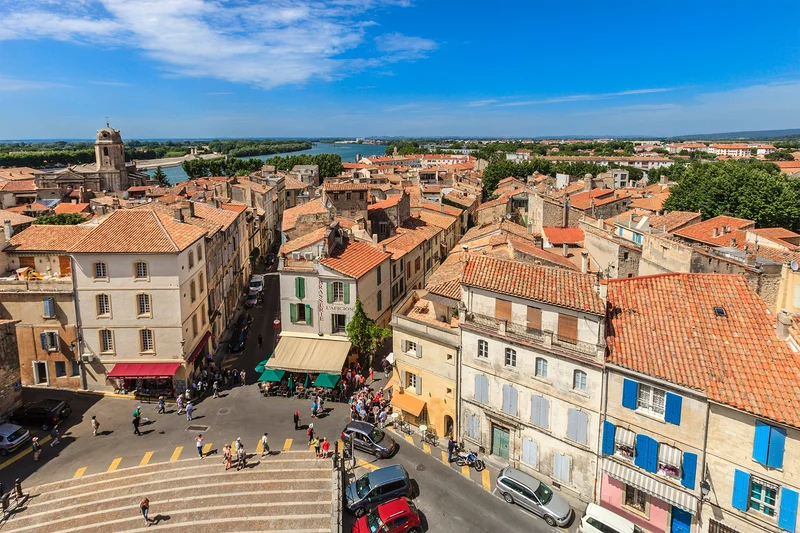
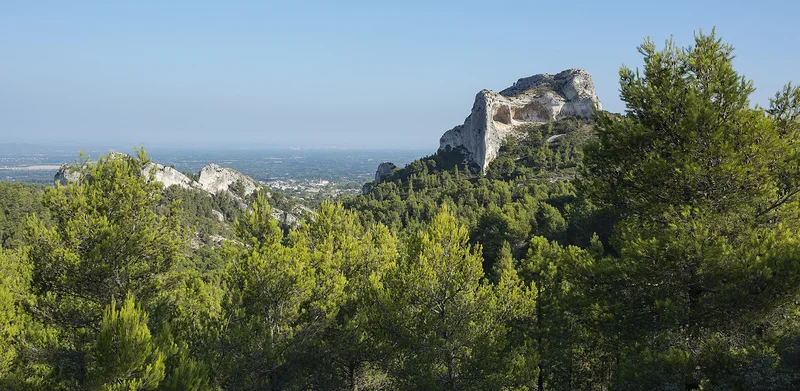
A beautiful village to walk in the footsteps of the writer. You can really feel the typical soul of the region there. Of course, there is the famous windmill, which is best enjoyed with a nice, easy walk. But you can also find an aqueduct, a castle... There is no shortage of attractions for heritage lovers!