
Visiting Arles, where every stone tells a story
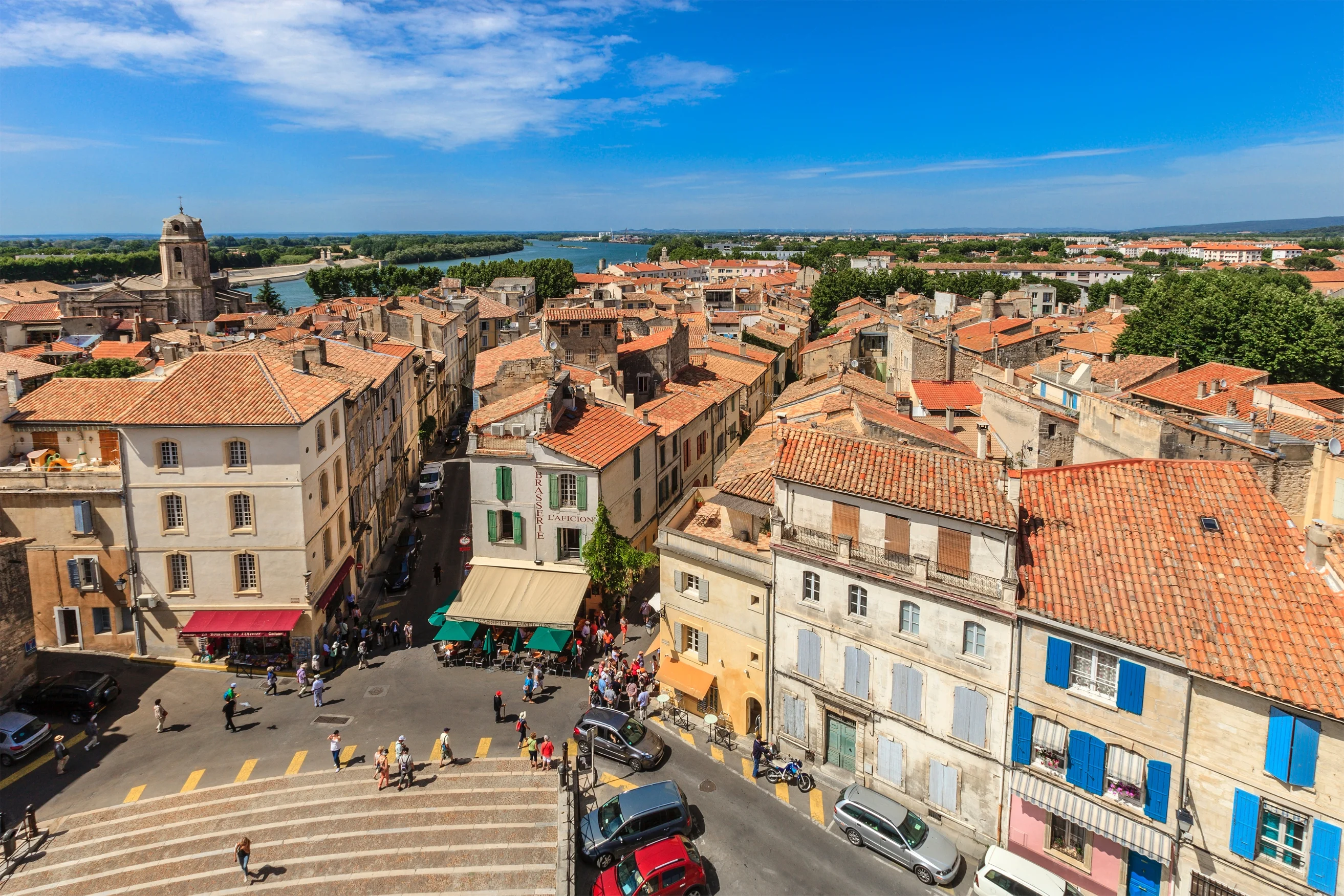
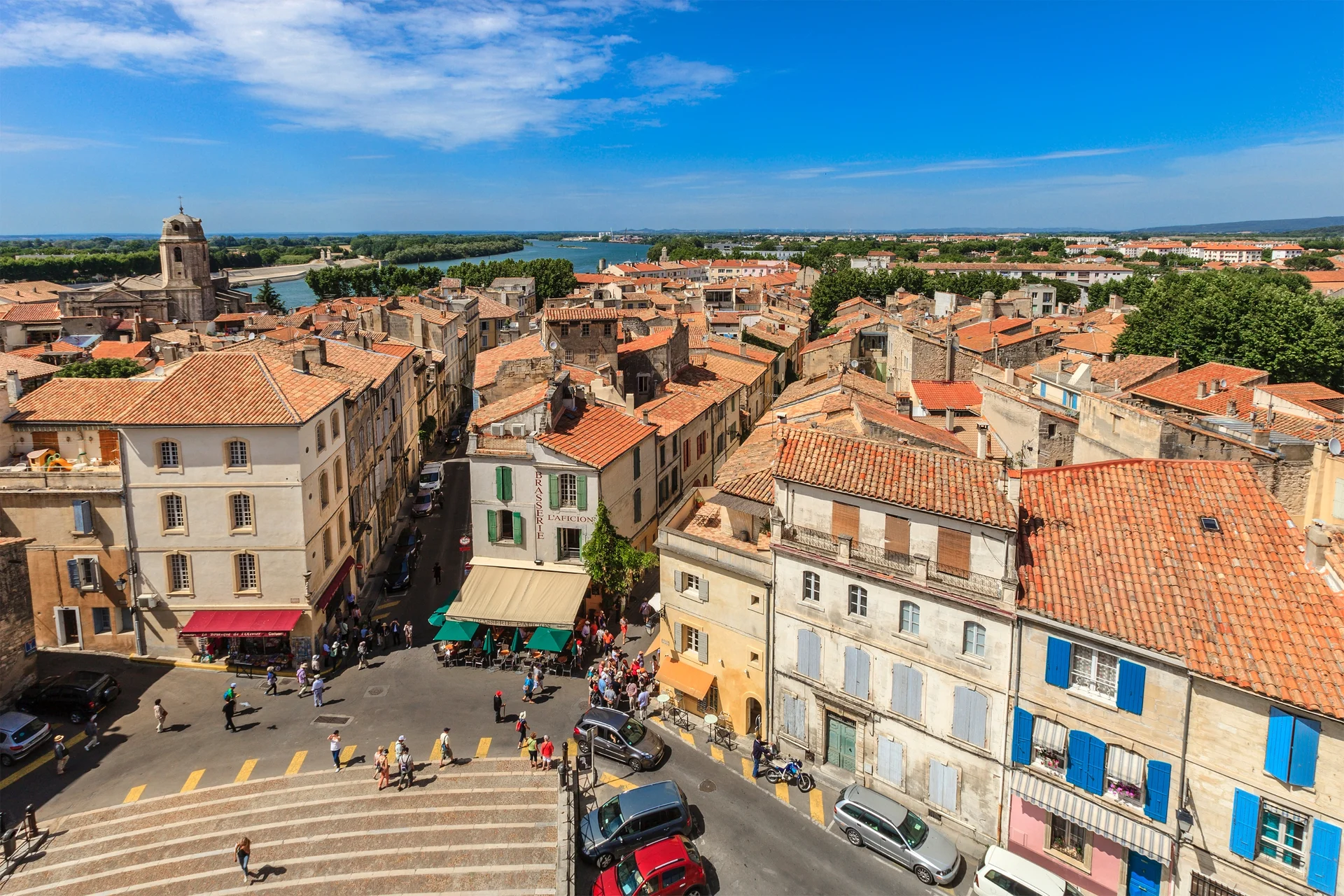
What color is Arles? Is it the ochre of its Roman roof tiles, the bright yellow of Van Gogh's sunflowers, or the saline white of the nearby Camargue? The truth is that Arles cannot be captured in a single shade. This is a city where time seems to have folded back on itself, where you walk on cobblestones once trodden by legionnaires to reach a futuristic tower designed by Frank Gehry. The mistral wind that sweeps across the Place du Forum seems to still carry the echoes of the Dutch painter's conversations.
Arles, a time machine that is not for everyone
Arles is a dream destination for history buffs, pilgrims following in the footsteps of Van Gogh, and photography enthusiasts. If you enjoy cities where art and heritage are part of every corner, you will be happy here. It is a city best experienced on foot, wandering through the maze of narrow streets in the La Roquette or Cité neighborhoods. The atmosphere feels like a large Provencal village, authentic and lively.
However, if summer crowds stress you out, the period of the Rencontres de la photographie can be intense.
The heat can be overwhelming in midsummer, turning the visit to ancient ruins into a challenge. Regarding the budget, while Arles remains more accessible than some of its neighbors on the French Riviera, prices rise quickly during festivals. To explore the Camargue, a car is almost essential, but for the historic center, leave it in a parking lot and just walk.
A deep dive into Roman Provence
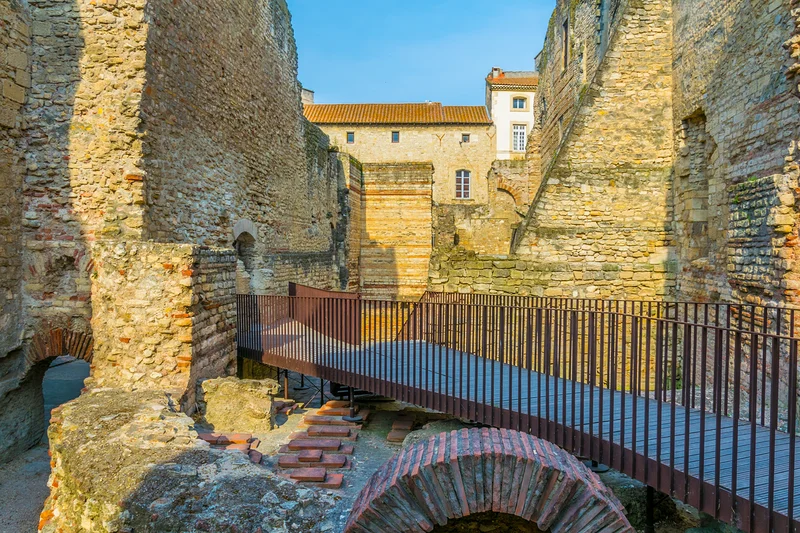
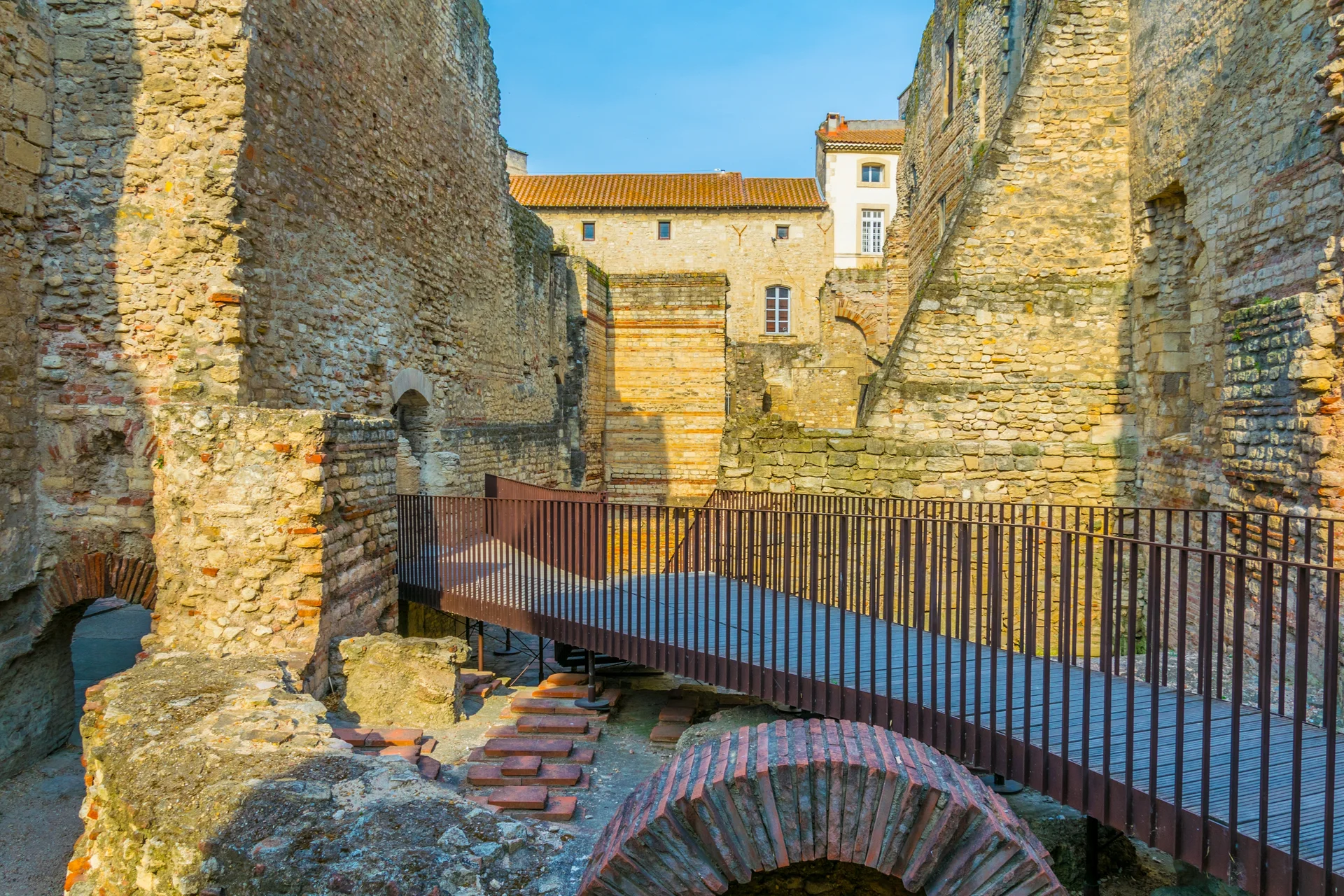
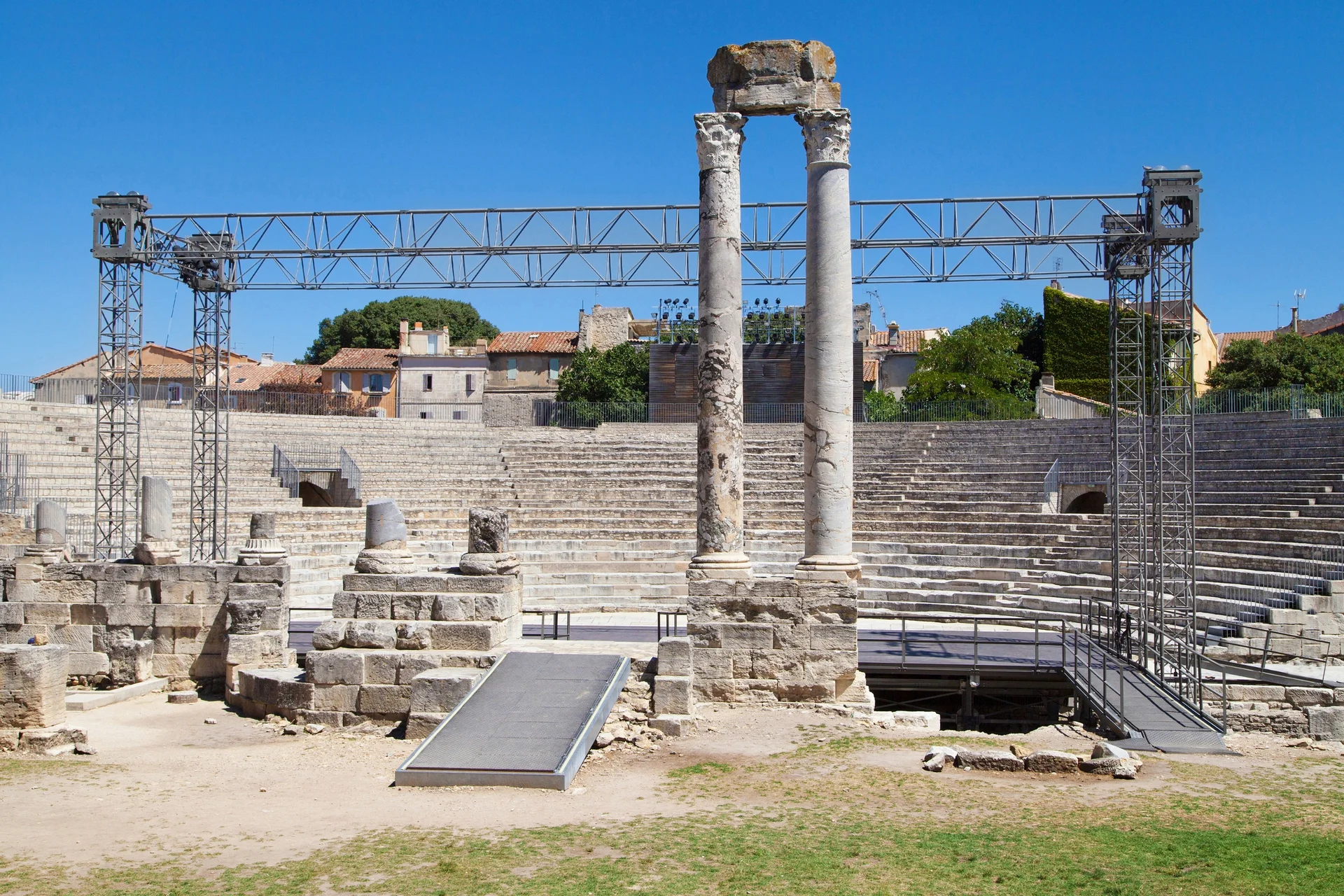
The Roman past of Arles is not confined to a museum, it is the backdrop of daily life. The Arènes, incredibly well-preserved, still vibrate with bullfighting events and concerts, two millennia after their construction. A few steps away, the Théâtre Antique, although more fragmentary, retains a wild poetry, especially during evening performances. For a more mysterious experience, go down into the bowels of the city to explore the Cryptoportiques, those underground galleries that supported the ancient forum.
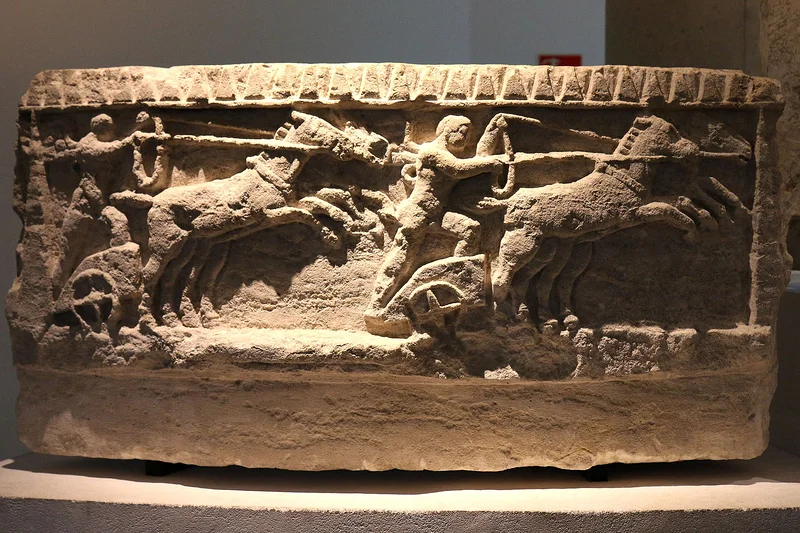
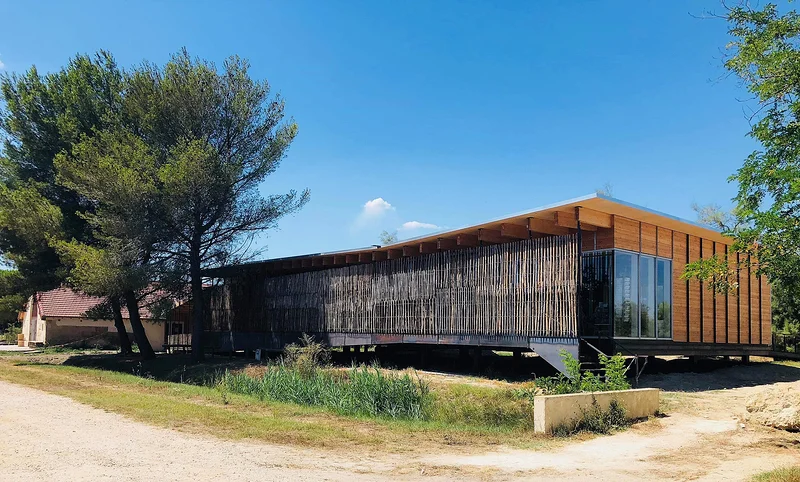
End this trip through time with a walk along the Alyscamps, an alley of sarcophagi lined with poplar trees that was one of the most prestigious necropolises of the ancient world. It is a timeless place, imbued with quietude. To go deeper, the Musée départemental Arles Antique brings together treasures found in the Rhône, including a bust presumed to be Caesar with striking realism.
Friendly tip: Buy a monument pass! There are several formulas available (Liberté, Avantage...) that allow you to visit multiple sites at a very competitive rate. It pays for itself quickly and simplifies your logistics.
In the footsteps and light of Van Gogh
Arles is inseparable from Vincent van Gogh. The painter lived through an intense and incredibly productive period here. While none of his major works have remained, his spirit is everywhere. The starting point is the Espace Van Gogh, the former hospital where he was treated. The interior courtyard, which he painted, has been recreated exactly and offers a welcome break.
The real pilgrimage consists of following the walking circuit that leads to the places where the artist set up his easel. Panels reproduce his paintings, like on the Place du Forum for his famous "Café Terrace at Night," or on the banks of the Rhône for "Starry Night." To understand the artist's legacy, the Fondation Vincent Van Gogh presents works by contemporary painters in dialogue with those of the Dutch master.
Friendly tip: In the evening, after the crowds have left, return to the Place du Forum. Sit at a terrace near the famous café (often packed) and watch the lights. It is at that moment that you best feel the atmosphere that Van Gogh wanted to capture.
From ancient art to the Luma tower
Arles is not a museum city. Its artistic soul continues to reinvent itself. The most striking symbol of this renewal is the twisted and metallic tower of the Fondation Luma, a contemporary art center that has redesigned the city skyline. Whether you like its bold architecture or not, the site and its park are worth seeing.
Every summer, the city becomes the world capital of photography with the Rencontres d'Arles. Exhibitions spread throughout the city, occupying chapels, cloisters, and warehouses, creating a fascinating dialogue between heritage and current creation. For a more classic approach, the Musée Réattu, installed in a former grand priory of the Order of Malta, offers a beautiful fine arts itinerary, including drawings by Picasso.
Where to eat and drink in Arles?
Arles gastronomy draws its inspiration between Provence and the Camargue. The signature dish is the gardianne de taureau, a savory and slow-cooked stew, traditionally served with riz de Camargue (Camargue rice). Do not miss the saucisson d'Arles, a local specialty, or the small Camargue clams, the tellines. On Saturday mornings, the large market on the boulevard des Lices is a feast for the senses: olives, goat cheese, and the scent of herbs de Provence.
How to get there and get around Arles?
Arles is easily accessible by train thanks to its TGV station, located about a 10-minute walk from the center. It is the simplest option. By car, it is strongly advised to park in peripheral parking lots, like the parking des Lices, and explore the center on foot. Most sites are concentrated within a small perimeter. For short distances, look for the free electric shuttle Hopla! that winds through the center.
When to go?
Spring and autumn are the ideal seasons to visit Arles. Temperatures are pleasant, the light is magnificent, and tourist numbers are more moderate. Summer is the season of major events like the Rencontres de la photographie, but the heat and crowds can be intense. September is an excellent compromise, with the Feria du Riz and weather that is still very mild.
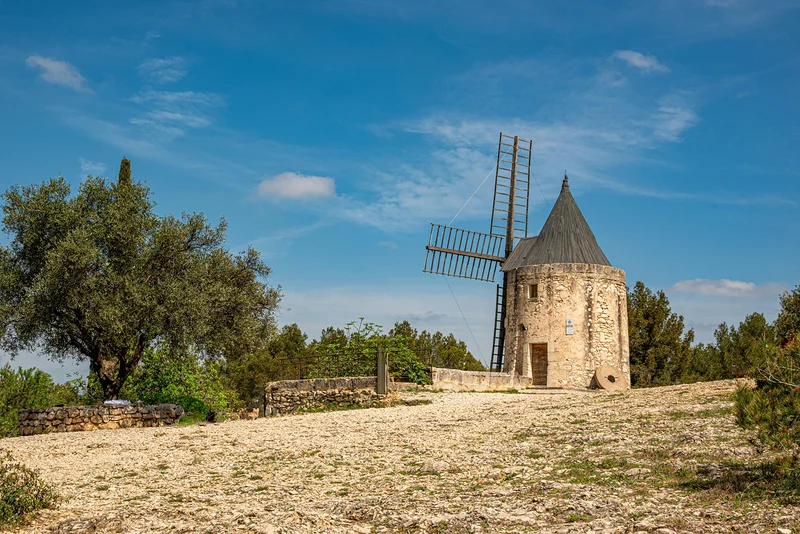
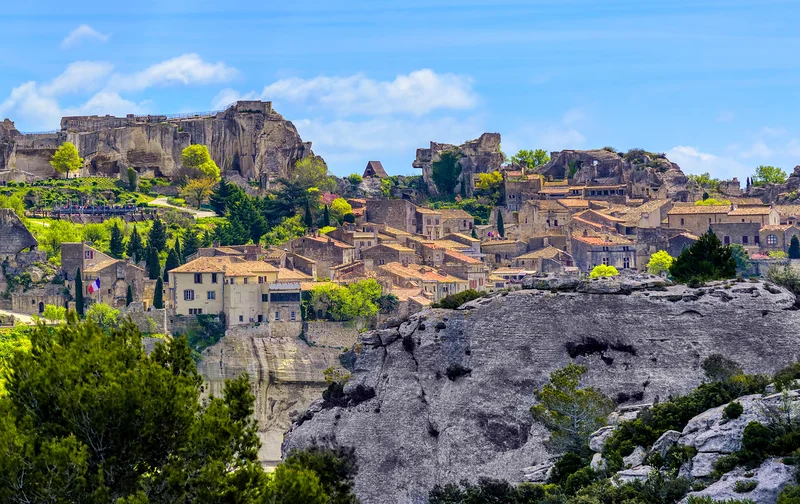
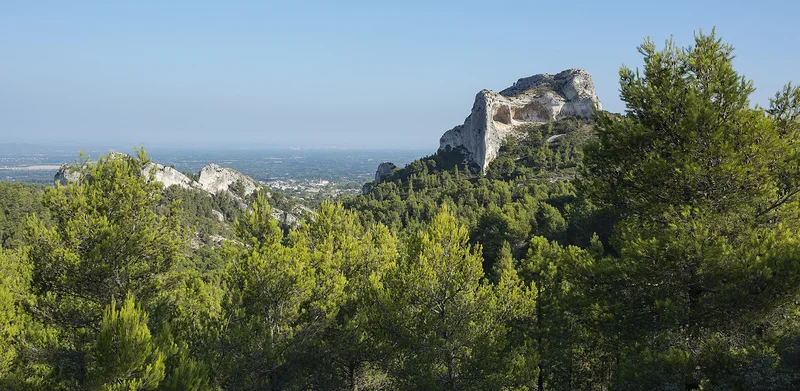
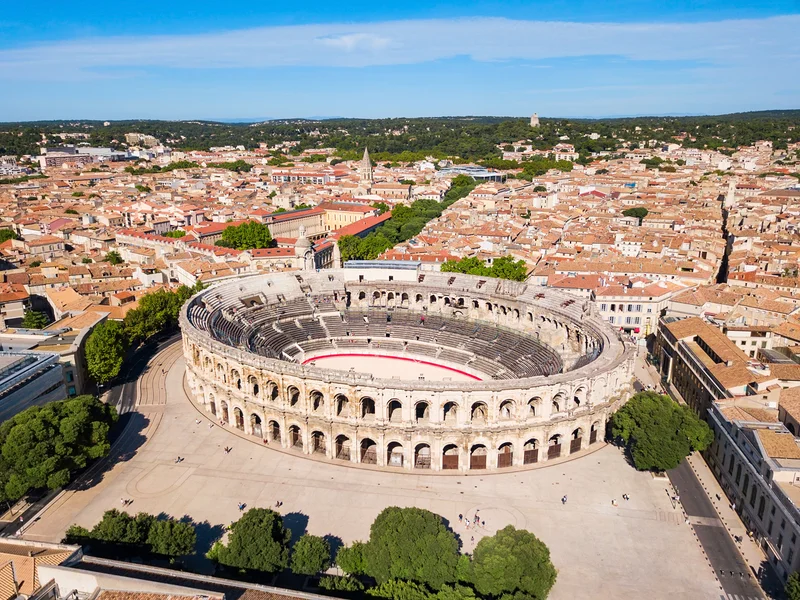
If you love old stone buildings and cities steeped in history like I do, Arles will win you over! You really get transported back through the centuries here, and this Roman city in Provence hides so many treasures. You'll find iconic arenas, an incredible museum, and the Camargue is just a stone's throw away. The Musée Départemental de l'Arles Antique remains my absolute favorite.