
Cassis, the Provençal Village Where Cliffs Plunge into Blue Water
Frédéric Mistral once wrote that anyone who has seen Paris but missed Cassis has seen nothing at all. The Provençal poet was barely exaggerating. This tiny fishing port wedged between Cap Canaille, France's highest sea cliff, and the first of the limestone inlets possesses an almost surreal beauty. The water shifts from turquoise to deep navy depending on the angle of the sun, pastel facades reflect off the harbor, and the local dry, mineral white wine pairs with sea urchins better than almost anywhere else.
Cassis, A Destination for Raw Nature Lovers
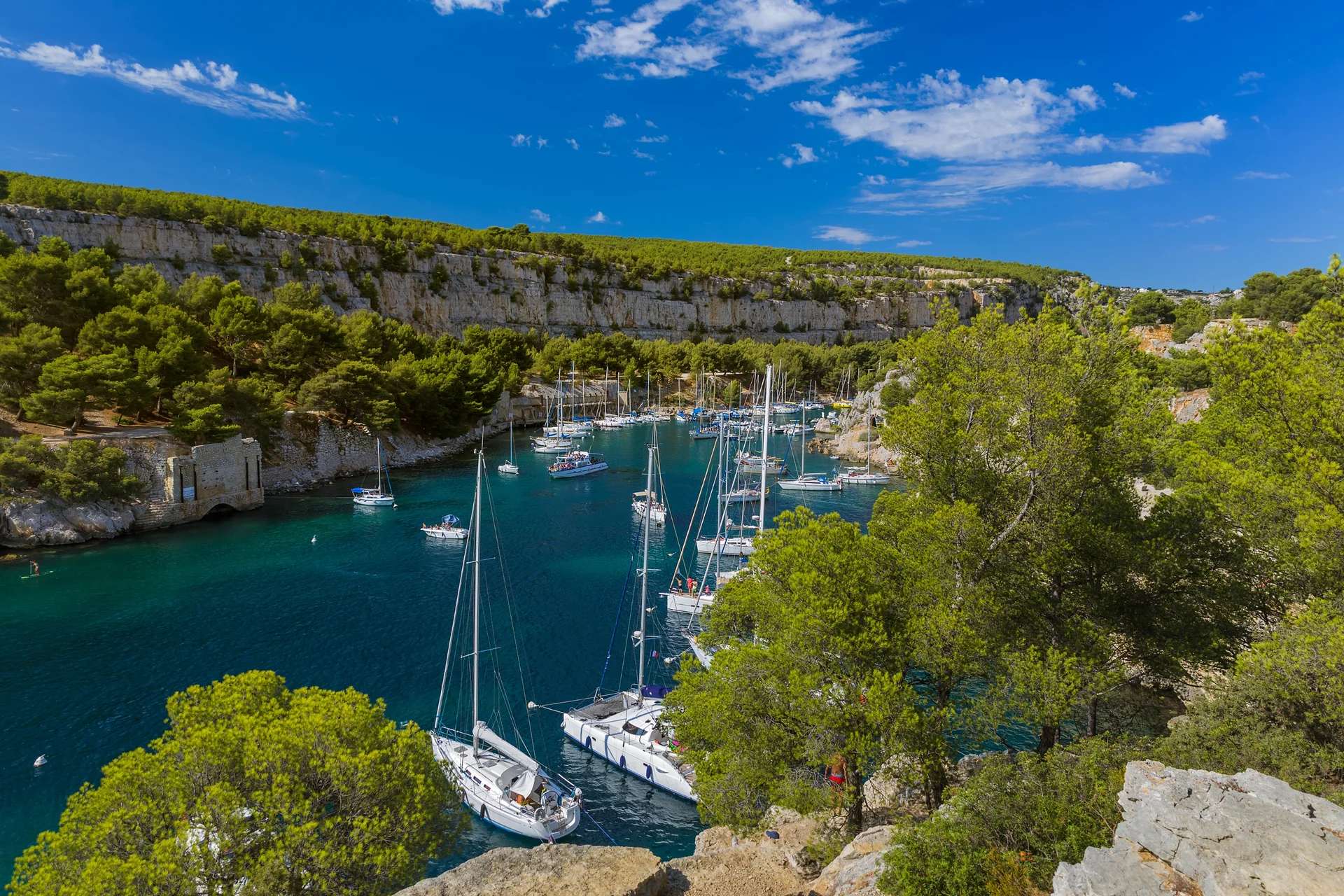
This village draws hikers, divers, and travelers who prefer wild coves over manicured resort beaches. The calanques of Port-Miou, Port-Pin, and En-Vau rank among the most striking along the Mediterranean coast. Be warned: reaching them requires serious walking, sometimes two hours round trip on rocky, uneven trails. Families with strollers or anyone with mobility limitations will want to stick to boat tours instead.
If you are looking for late-night clubbing or sprawling sandy beaches, keep driving. Cassis is a town of about 7,000 residents that quiets down completely after 10 PM. The beaches are small and fill up fast in summer, and parking turns into a headache from June through September. Having a car quickly becomes a liability once you arrive.
A Salty Price Tag, Like the Sea Air
Cassis commands resort-town prices. Expect to pay $113 to $210* a night for a decent hotel during peak season, and $23 to $45* per person for a casual meal by the harbor. A boat tour to the inlets costs between $21 and $32* depending on the duration. Paid parking downtown climbs to $3.40* an hour in the summer months.
The Calanques: The Main Event
The Calanques National Park, established in 2012, protects this dramatic coastline. Starting from Cassis, you can hike to three main inlets on foot. The first, Port-Miou, harbors a marina inside a narrow sea inlet. There is no beach here, but the starting point is dramatic. The trail continues toward Port-Pin, an intimate cove framed by Aleppo pines, reached in about a 45-minute walk.
The star of the show remains En-Vau. This cove features translucent water framed by sheer rock walls where rock climbers scale the heights, and it appears on every local postcard. Plan for about an hour and a half of walking from Port-Miou, including a steep descent at the end. The effort is real, but the payoff is unmatched.
Friendly tip: in summer, access to the calanques is regulated and sometimes shut down entirely due to wildfire risks. Check the national park's website the day before your hike. Head out before 8 AM to beat both the crowds and the intense midday heat.
Cap Canaille and the Route des Crêtes
On the opposite side of town from the inlets, Cap Canaille raises its ochre and red cliffs 394 meters straight up from the sea. The Route des Crêtes connects Cassis to La Ciotat over 15 kilometers, offering dizzying overlooks. Pull-offs line the route so you can stop at the scenic viewpoints. When winds blow hard, officials close the road for safety.
Several trails cross the upper ridges of the cape. The sentier du Petit Prince leads to a prime view over the bay, while the more ambitious GR 51 traverses the massif toward Marseille. The cliff colors shift through the day, from pale ochre in the morning to blazing red by late afternoon.
The Port and Village: Provençal Strolling
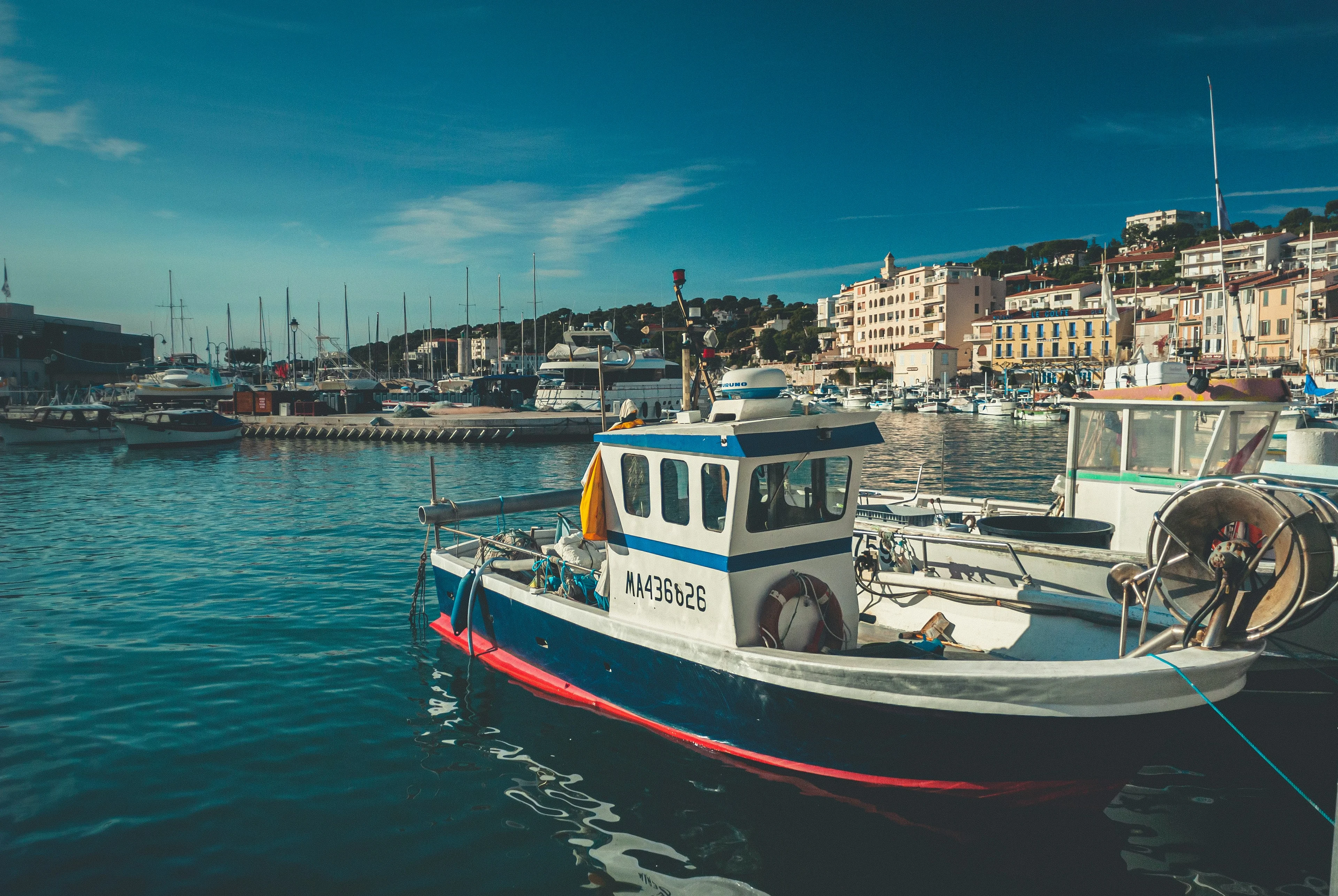
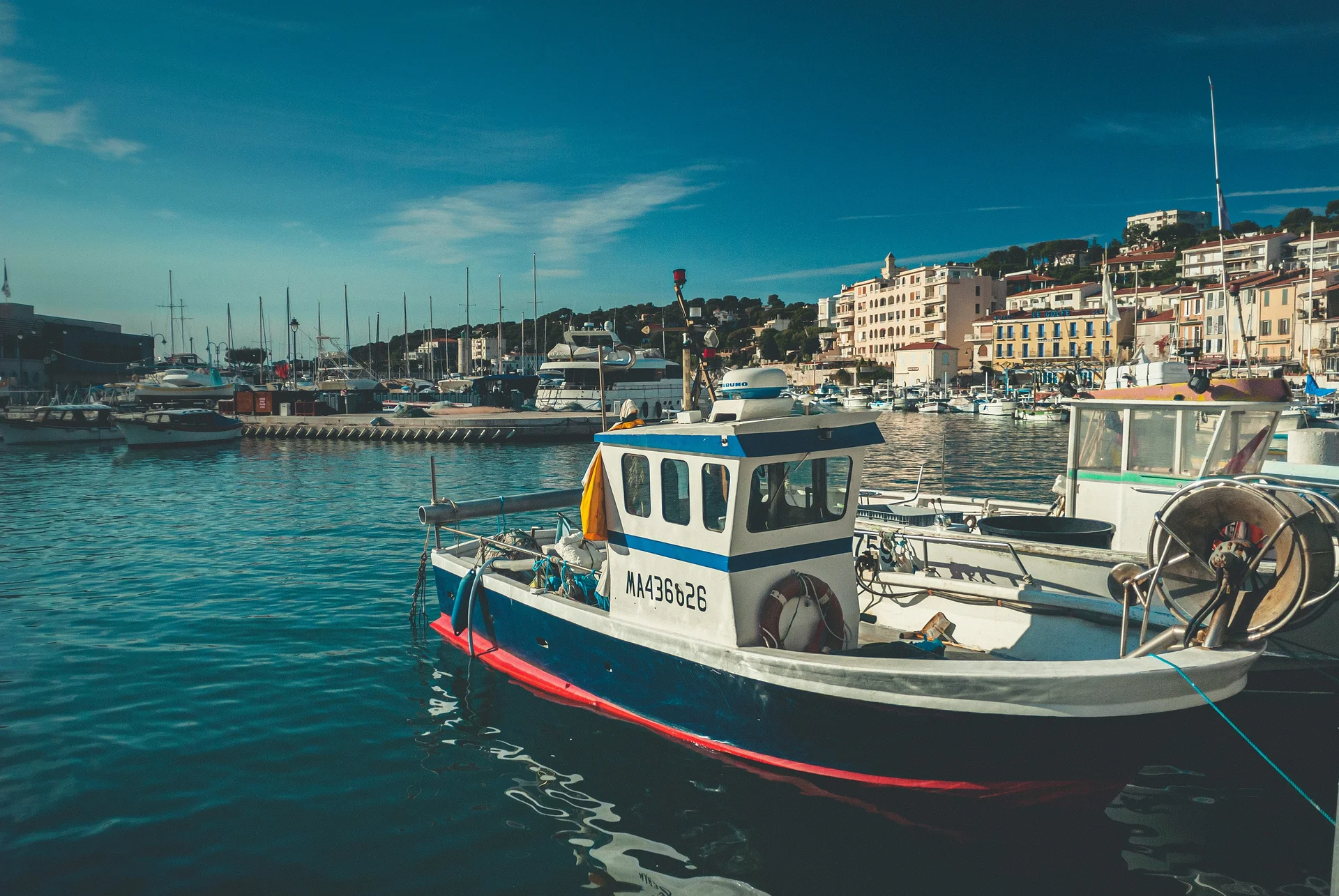
The port of Cassis lines up outdoor terraces facing the pointus, traditional brightly painted fishing skiffs. The vibe stays family-friendly and grounded, a far cry from the glitz of Saint-Tropez. Local fishermen still sell their morning catches right off the docks when they return. On Wednesdays and Fridays, the Provençal market takes over the side streets with stalls stacked with fresh fruit, olives, and regional soaps.
Behind the harbor, narrow streets climb toward the medieval castle, a private property closed to visitors, though the surrounding viewpoints are worth the walk up. The Municipal Museum is small but well-curated, covering local history and displaying works by artists who spent time in the region.
Friendly tip: book a terrace table for lunch rather than dinner. Harbor restaurants largely serve similar menus, but the midday atmosphere under the sun looking out over the boats beats the evening scene.
The Beaches: Small but Precious
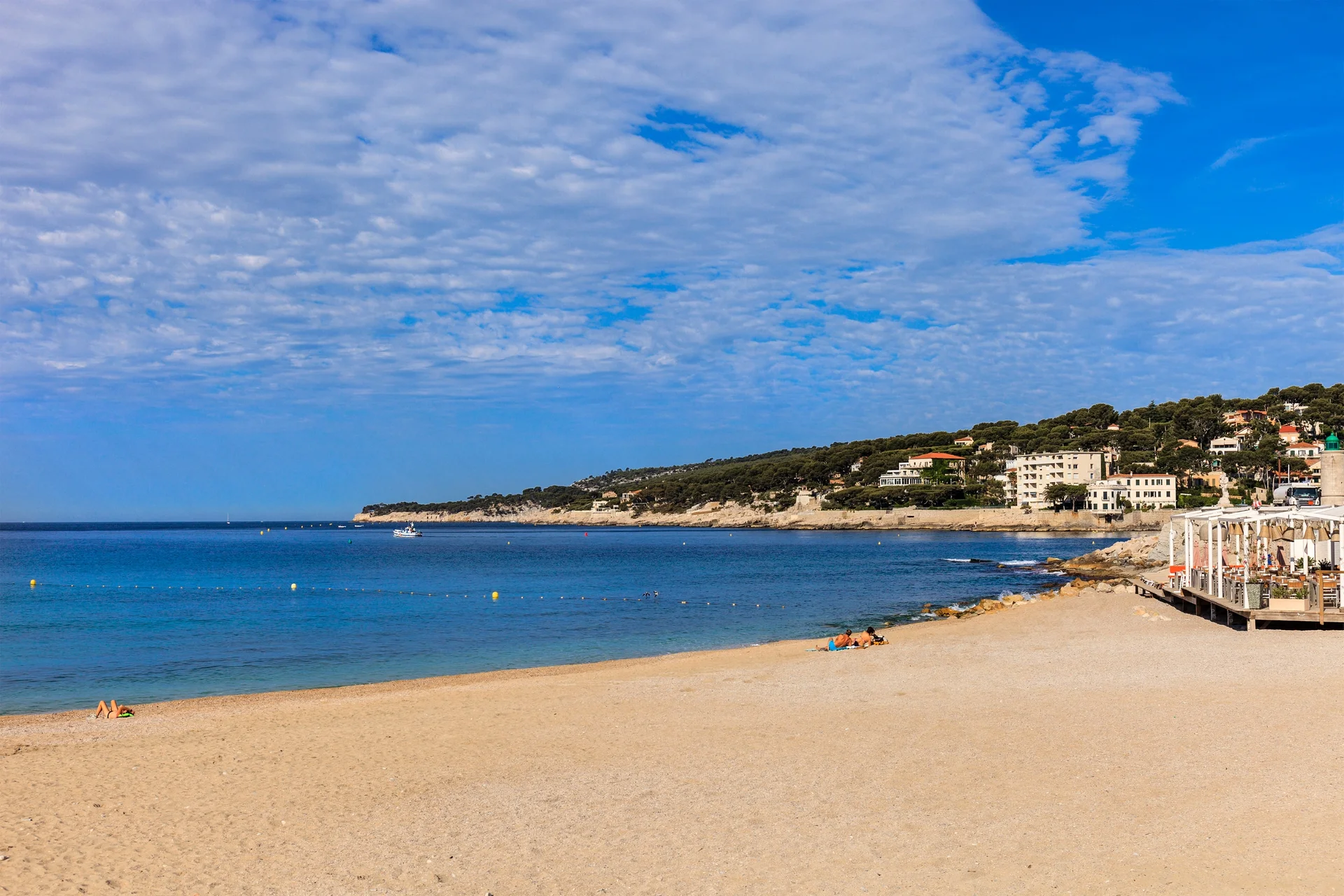
Grande Mer, the town's main beach, mixes pebbles with coarse sand. The water runs crystal clear, but space gets tight by 10 AM in July and August. Bestouan Beach, just west of the port, offers a slightly less congested alternative. For more quiet, target the secluded coves that require a hike or a boat to reach.
Where to Eat and Drink in Cassis?
Cassis white wine, holding AOC status since 1936, makes the ultimate pairing for seafood. Dry, floral, and laced with notes of citrus and almond, it is best served chilled on harbor terraces. Local wine estates in the surrounding hills welcome visitors for tastings, and Clos Sainte-Magdeleine, perched right above the sea, is worth seeking out.
When it comes to food, regional sea urchins in season from November through April are a local specialty. Bouillabaisse appears on many menus, but few kitchens prepare it properly according to tradition. You are often better off ordering a simple plate of grilled fish of the day. Nino, a local fixture for decades, serves straightforward seafood without pretense.
How to Get There and Around Cassis?
The Cassis train station, served by regional trains from Marseille, sits three kilometers from the center, with a shuttle bus connecting the station to the port in summer. By car, count on 25 minutes from Marseille via the A50 highway. Parking remains the main pain point because downtown spaces are scarce and expensive. Perimeter park-and-ride lots offer free shuttle buses into town during peak season.
Marseille-Provence Airport, 50 kilometers away, handles flights from across Europe. From Paris, the high-speed train to Marseille Saint-Charles takes 3 hours and 15 minutes, followed by a 30-minute regional train or drive down to Cassis.
When to go?
May through June and September through October offer the best balance of pleasant weather, swimmable water, and manageable crowds. Summer turns the village into a packed ant hill, and calanques access gets unpredictable due to wildfire closures. Winter sees many restaurants close down, but hikers love the empty trails and the golden low-angle light hitting the cliffs.
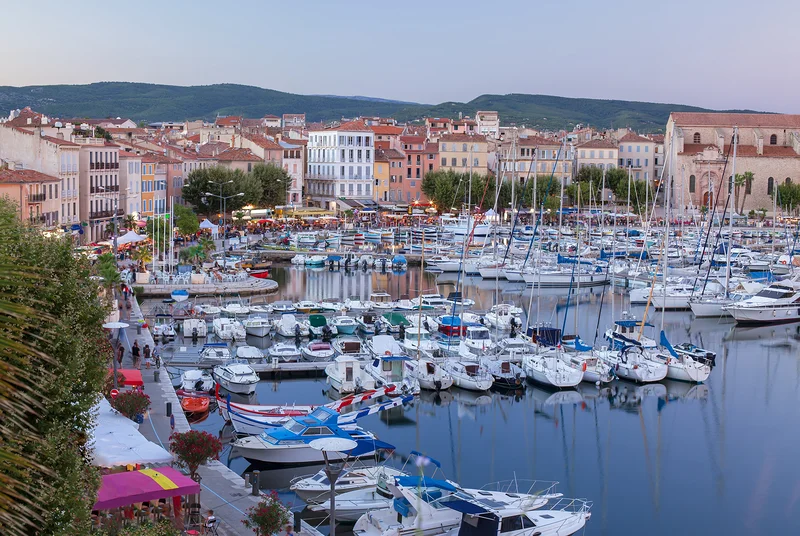
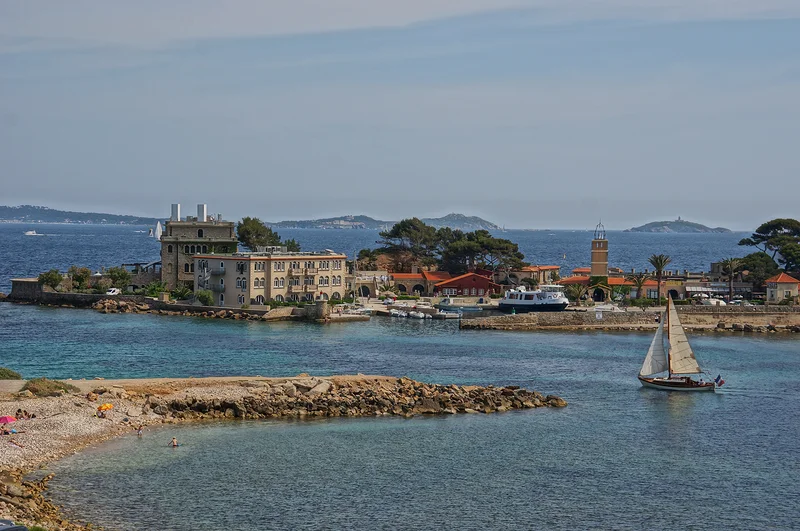
Far from the glitz of Cannes or Nice, I love Cassis for its down to earth, authentic, and preserved vibe. Even though the village is small, its colorful facades and pretty port, which is always lively, make it absolutely charming. Plus, there is no shortage of things to do between the beaches with turquoise waters, the calanques, and the hiking trails. The Grande Mer and Bestouan beaches are easy to get to, but they get crowded fast. For me, you get a much better experience with a boat rental, because I was able to reach small, deserted coves. Don't miss the Provencal market, which takes place at Place Baragnon, to taste some local products.