
Visiting La Ciotat, a working-class soul in the heart of the calanques
People often say the Mediterranean tastes of salt and smells of pine. In La Ciotat, it also carries the sound of metal, a distant echo of the former shipyards that forged its identity. Before you even head for the beach, listen closely. You might not hear the clatter of the sheet-metal workers anymore, but you will feel that industrious spirit that sets the town apart from its more polished neighbors.
Is La Ciotat the right stop for you?
La Ciotat is not a polished gem. It is a city with scars from its industrial past, and that is exactly what makes it fascinating. It is ideal for travelers seeking authenticity beyond the postcard image, families who want to enjoy accessible beaches and activities, and of course, cinephiles following in the footsteps of the Lumière brothers. It will also delight lovers of raw nature who do not mind a bit of hiking.
On the other hand, if you are dreaming of the glitz of the French Riviera, luxury boutiques, and a refined atmosphere, you might be caught off guard.
Practically speaking, the budget here is more manageable than in Cassis, but summer parking is a full-contact sport. Once you arrive, your legs will be your best allies.
Tracing the roots of cinema
Imagine a place where cinema was born. It is not Hollywood, but right here. The cornerstone of this history is the Eden-Théâtre, which bills itself as the oldest movie theater in the world still in operation. Its facade is a pilgrimage in itself, a trip back in time to that famous screening of "L'Arrivée d'un train en gare de La Ciotat" that reportedly terrified the first audiences.
Friendly tip: Before your visit, check the Eden-Théâtre schedule. Attending a screening, whatever it may be, in this legendary space is an experience that goes far beyond just watching a movie. It is a moment of connection with history.
The call of the sea: The calanques and Île Verte
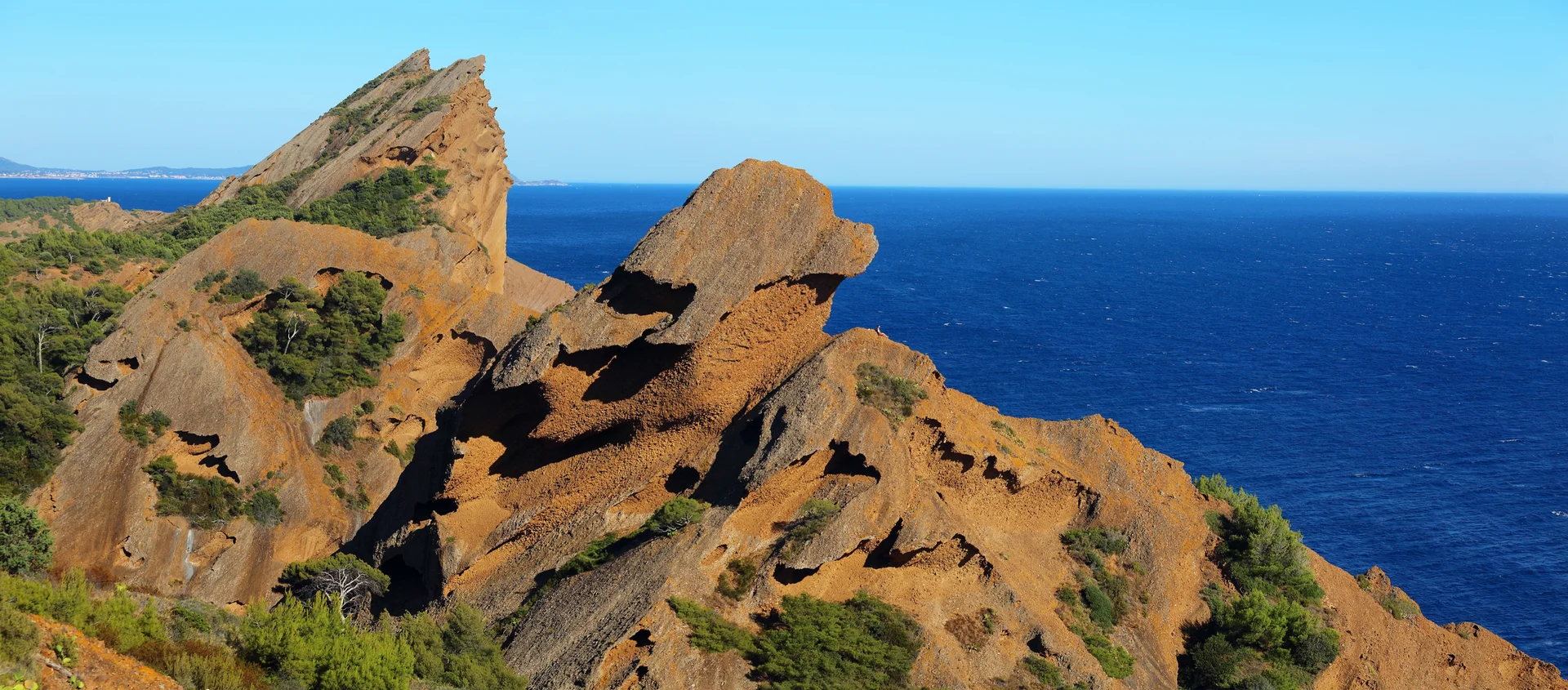
Nature here is dramatic and accessible. Two jewels stand out without requiring hours of trekking. On one side, the Mugel Park, a lush botanical garden tucked at the foot of the imposing Bec de l'Aigle, offers sweeping views over the bay. On the other, the Calanque de Figuerolles, a cove with jagged rock formations and crystal-clear water, is reachable via a flight of stairs.
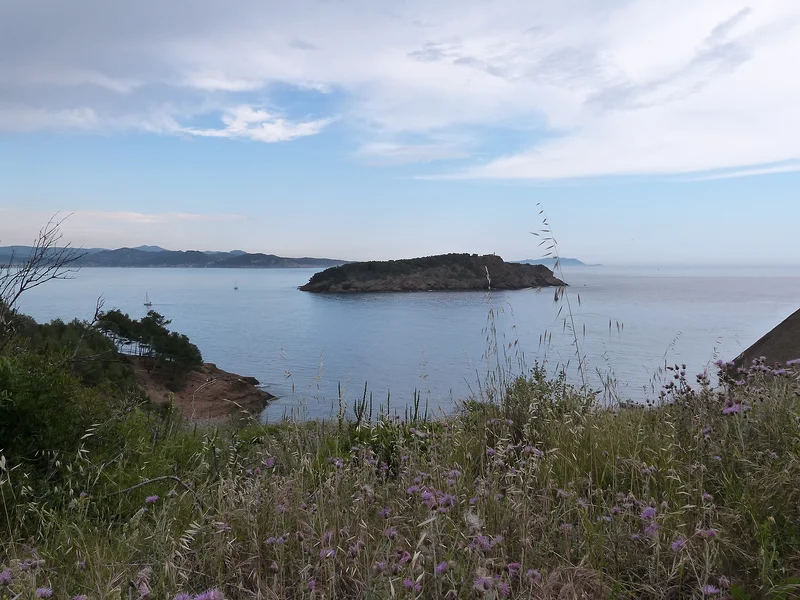
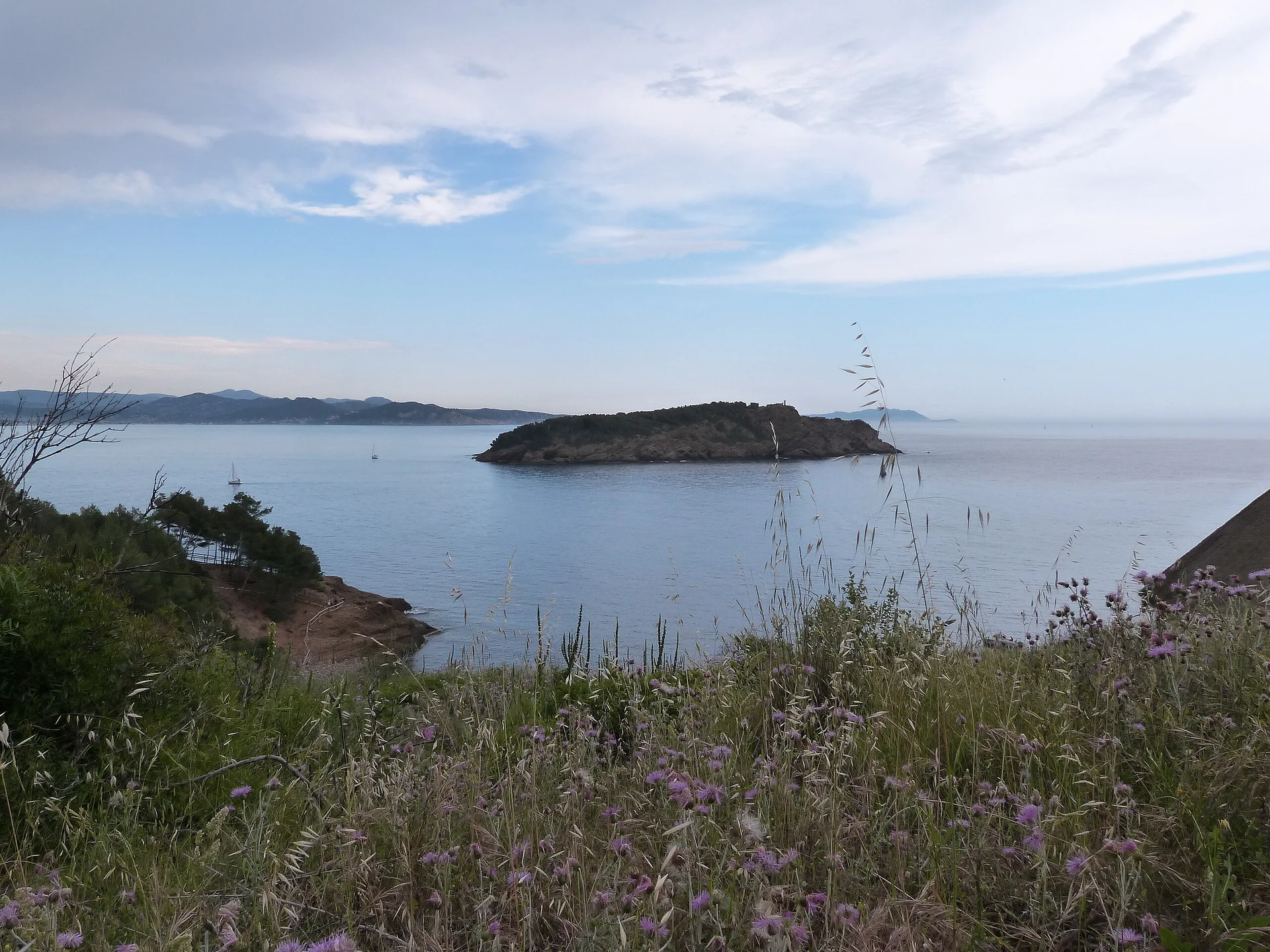
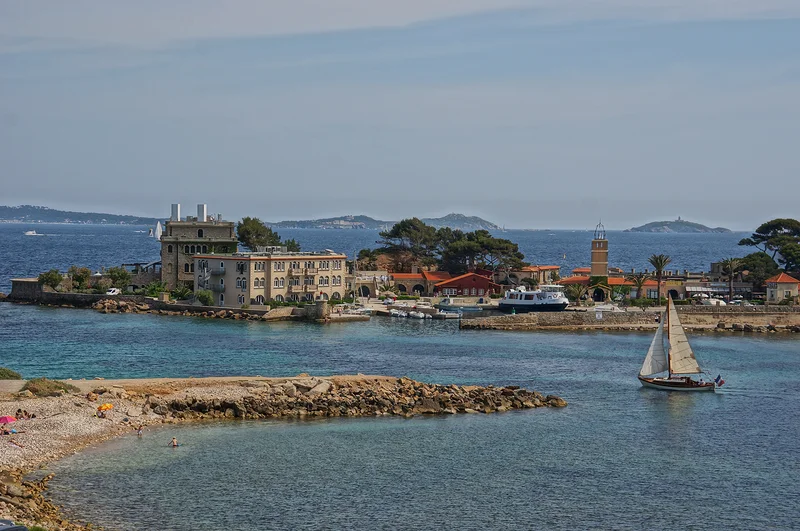
For a true escape, a maritime shuttle takes you to Île Verte in just a few minutes. It is the only wooded island in the department, a small paradise for a quiet swim away from the mainland bustle.
Friendly tip: For the Calanque de Figuerolles, leave the flip-flops behind. Wear water sandals or sneakers to descend comfortably and explore the rocks. The reward is water of incredible clarity, perfect for snorkeling.
The beating heart of the old port and its alleys
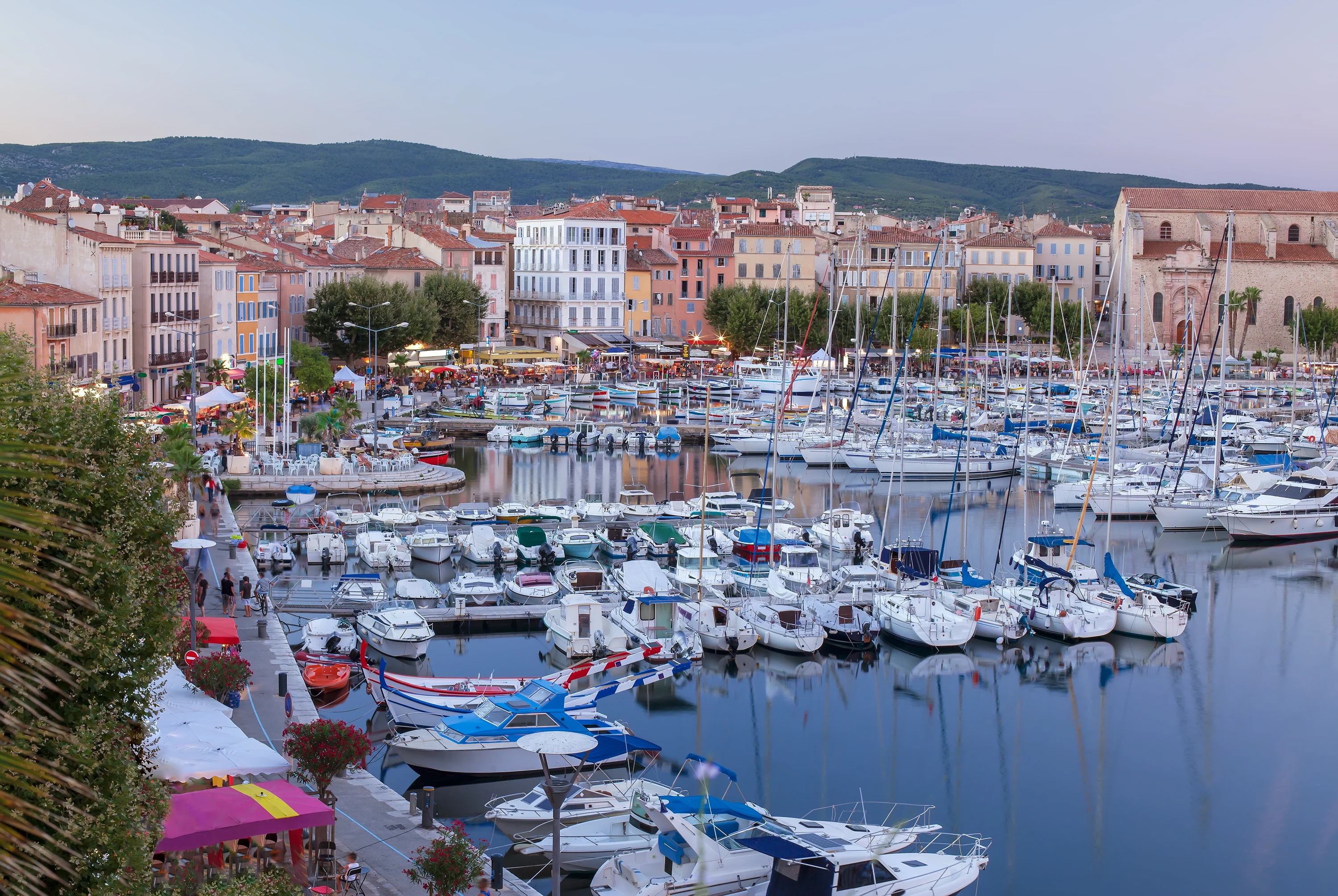
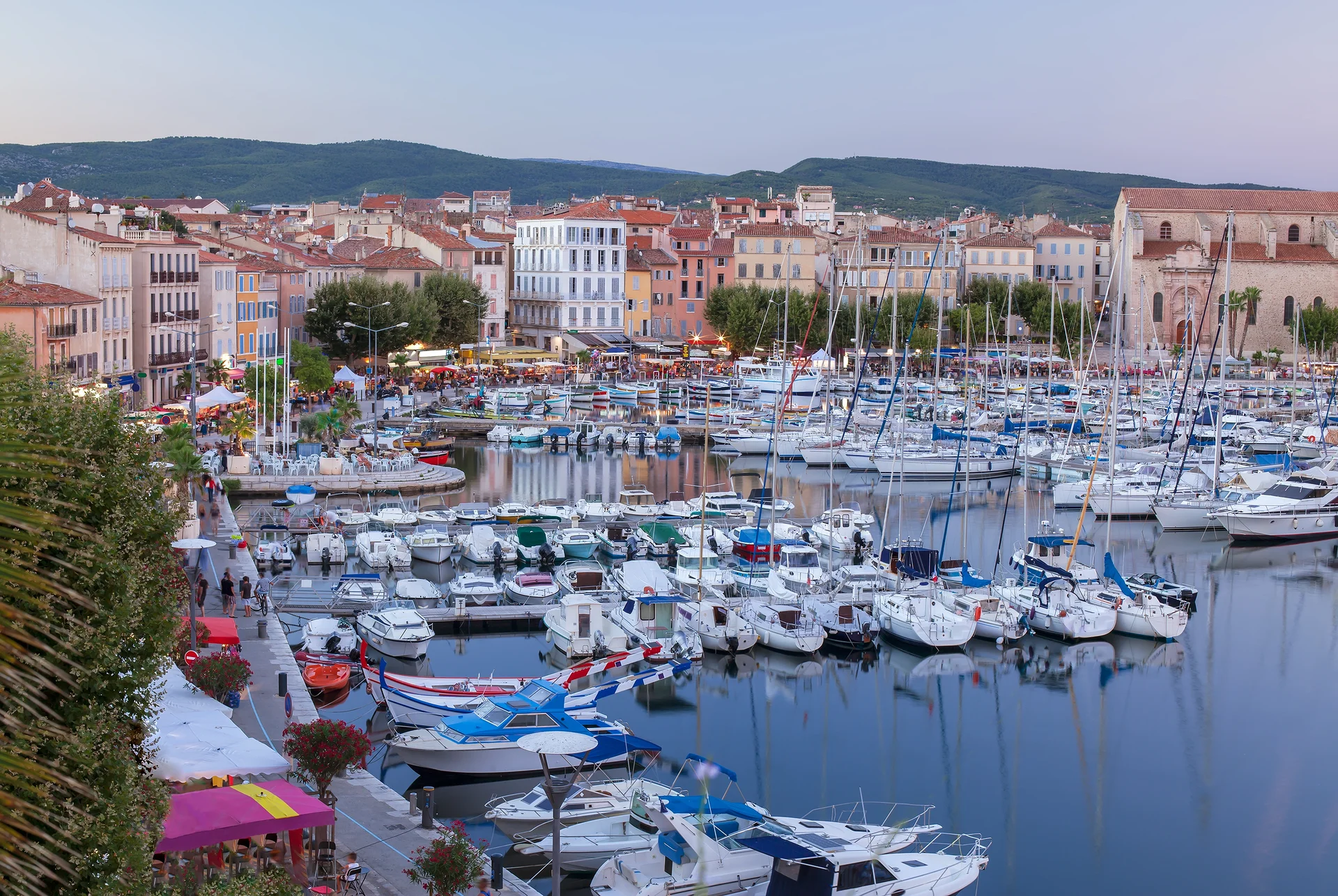
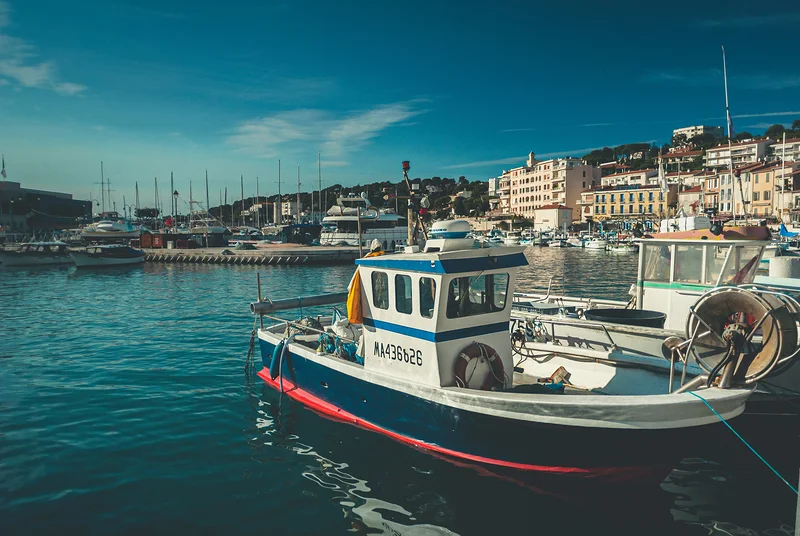
The vieux port is the nerve center of the city. This is where you feel the pulse of La Ciotat, between lively terraces, colorful pointus (traditional wooden fishing boats), and the Sunday market. Do not hesitate to get lost in the surrounding streets, looking up to admire the colorful facades and subtle oratories. It is a lively, working-class neighborhood that is deeply endearing.
Friendly tip: On Sunday morning, buy a piece of cade (a chickpea flour pancake) at the port market, find a bench facing the sea, and simply watch the local life. It is the best way to soak up the atmosphere.
Where to eat and drink in La Ciotat?
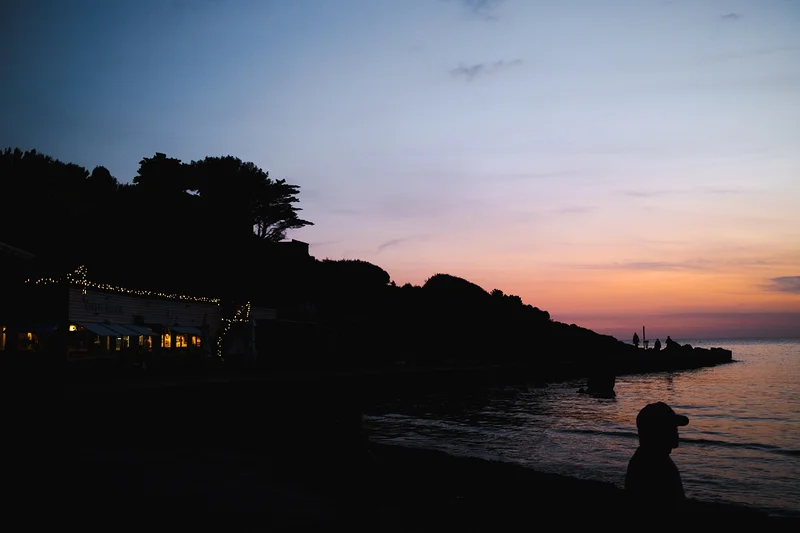
The local culinary scene is simple and tasty, focused on the sea. Forget the stuffy gourmet restaurants and favor the bistros at the port where you will be served fish caught that very morning. Keep an eye on the chalkboards for rockfish soup or supions à la provençale (small squid cooked in a garlic and herb sauce). For an aperitif, order a glass of wine from the neighboring AOC Bandol, the perfect companion for a sunset.
Getting to and around La Ciotat
La Ciotat is accessible via the A50 motorway connecting Marseille and Toulon. Be careful, in high season, the city entrances and especially parking can be very challenging. The train station is located a bit outside the center, but regular bus shuttles make it easy to reach the heart of town.
Once you are there, the historic center, the port, and the nearby calanques are best explored on foot.
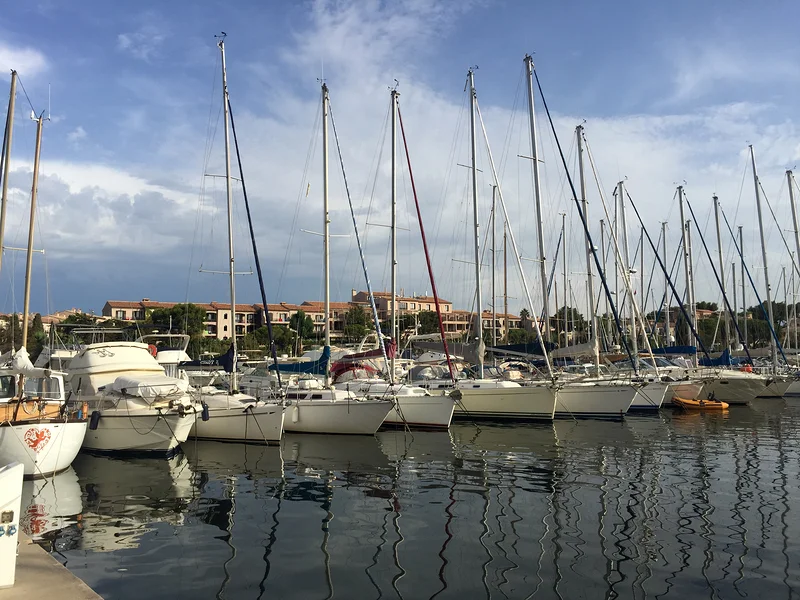
Unlike a lot of beach towns that just popped up to host vacationers, La Ciotat has a story to tell. It is the filming location of the first motion picture, a former shipyard in crisis that successfully converted into a maintenance site for yachts, and more. The city museum is interesting, and the visit to the shipbuilding house is fascinating if you are lucky enough to get a testimonial from an employee who showed us and narrated spectacular videos of cruise ships being launched.
Of course, it is also a seaside town with city beaches and a few calanques.
That being said, the industrial past of the city, while interesting, leaves its mark (not to say disfigures) on the landscape. There are quite a few buildings that could use a facelift, and the "calanques" are frankly a disappointment. They are small, dusty (especially Figuerolles), crowded, and the seabed is not exceptional (though we did spot a few octopuses).