
Visiting Fort Saint-Jean in Marseille
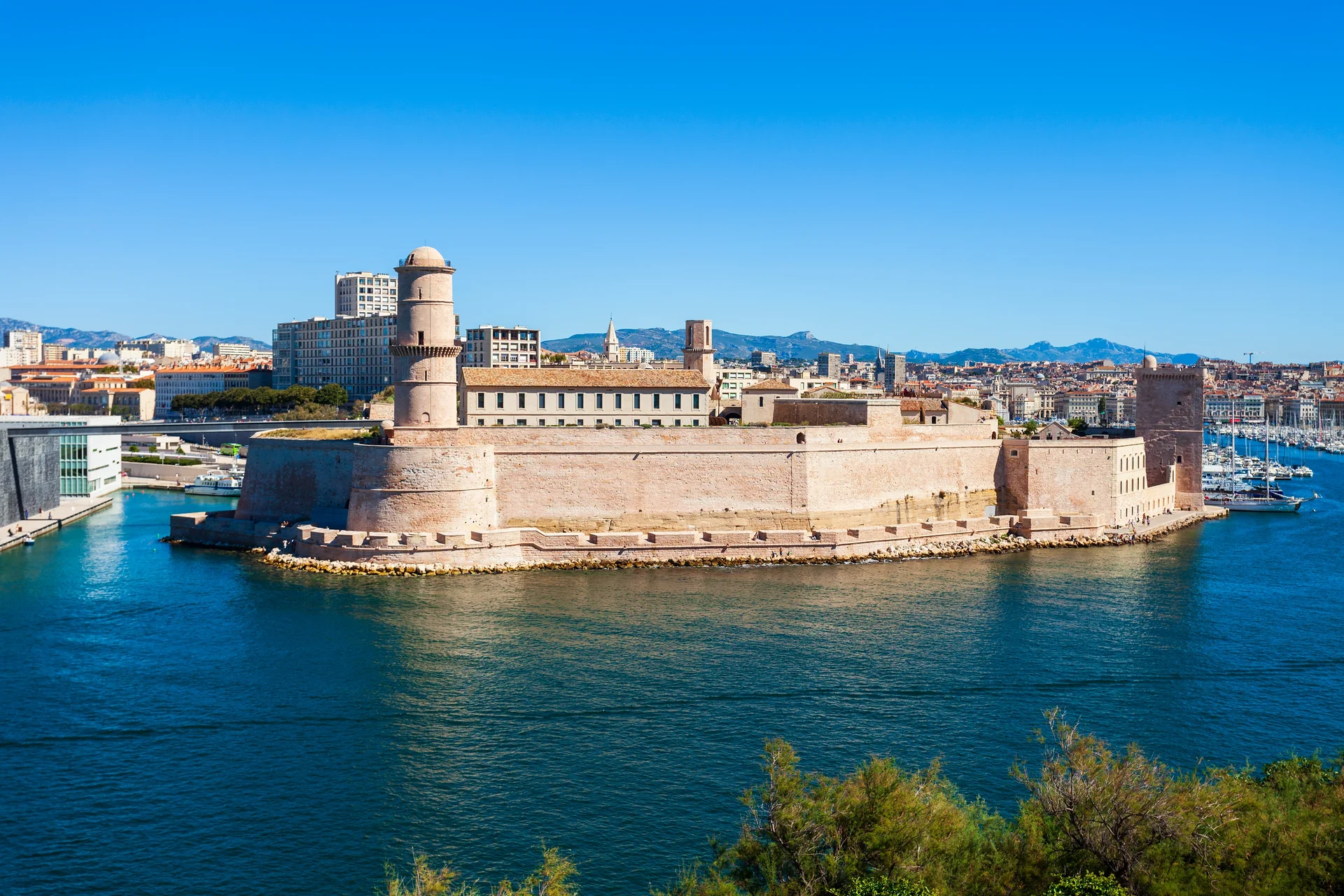
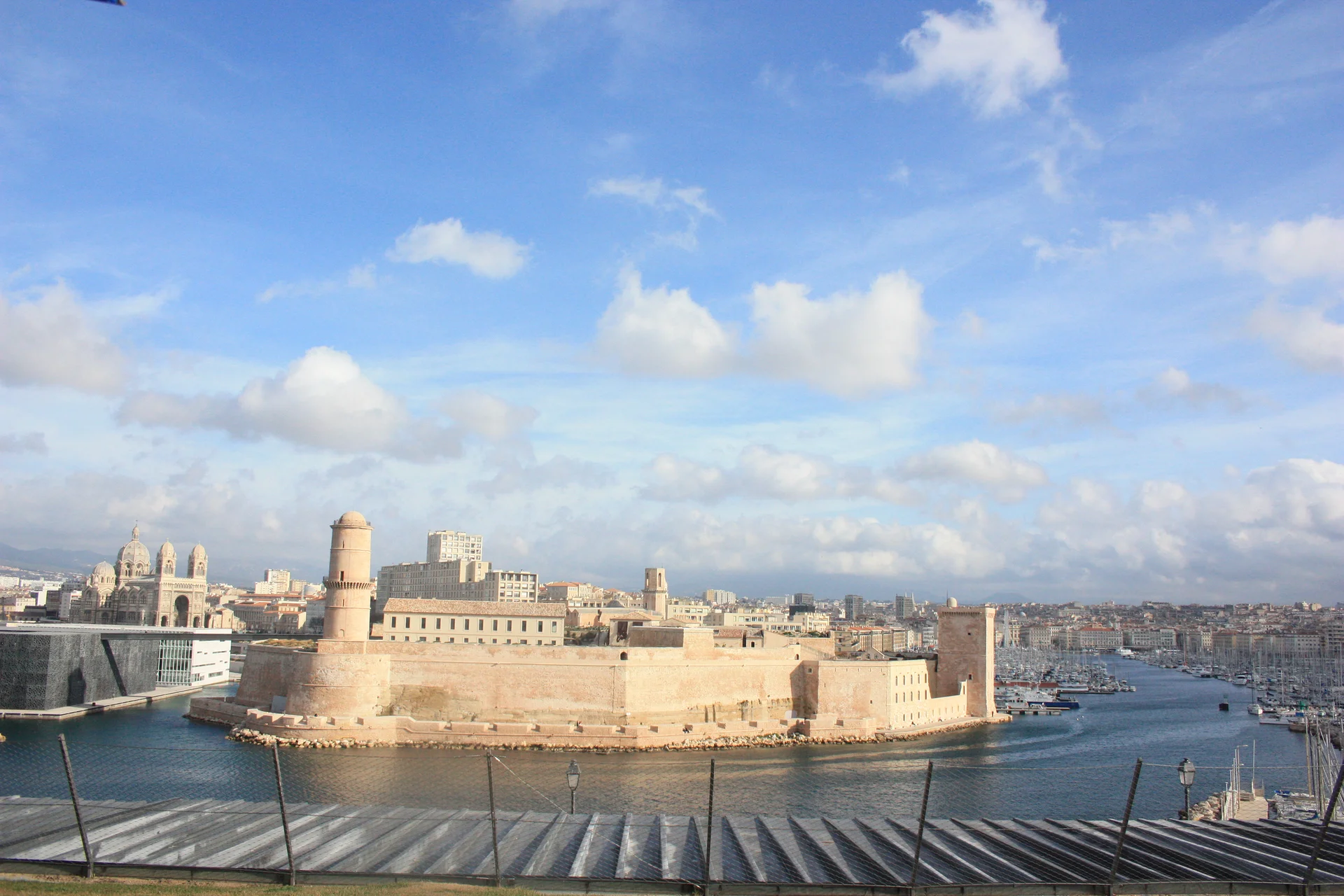
At the entrance to the Vieux-Port, Fort Saint-Jean stands guard over the water. Balancing military history with sweeping views, this site offers a walk that bridges the past and the present.
A historic Mediterranean bastion
Built in the 17th century by order of Louis XIV, Fort Saint-Jean was designed to monitor and defend the entrance to the port of Marseille. Constructed atop the foundations of earlier religious and military buildings, it has hosted soldiers, pilgrims, and sailors for over three centuries. Its thick ramparts speak to its defensive utility, though the fact that its cannons were originally pointed toward the city center caused long-standing friction with local residents.
A walk between heritage and modernity
Renovated in the 2010s, the fort is now part of the Mucem (Museum of European and Mediterranean Civilizations). A high-level footbridge connects the historic stone structures to the museum's contemporary wing. The route provides an easy stroll along the ramparts, with clear sightlines over the Vieux-Port, the Panier neighborhood, and the open sea. The architecture creates a sharp contrast between weathered stone and modern concrete and metal frameworks.
What to see during your visit
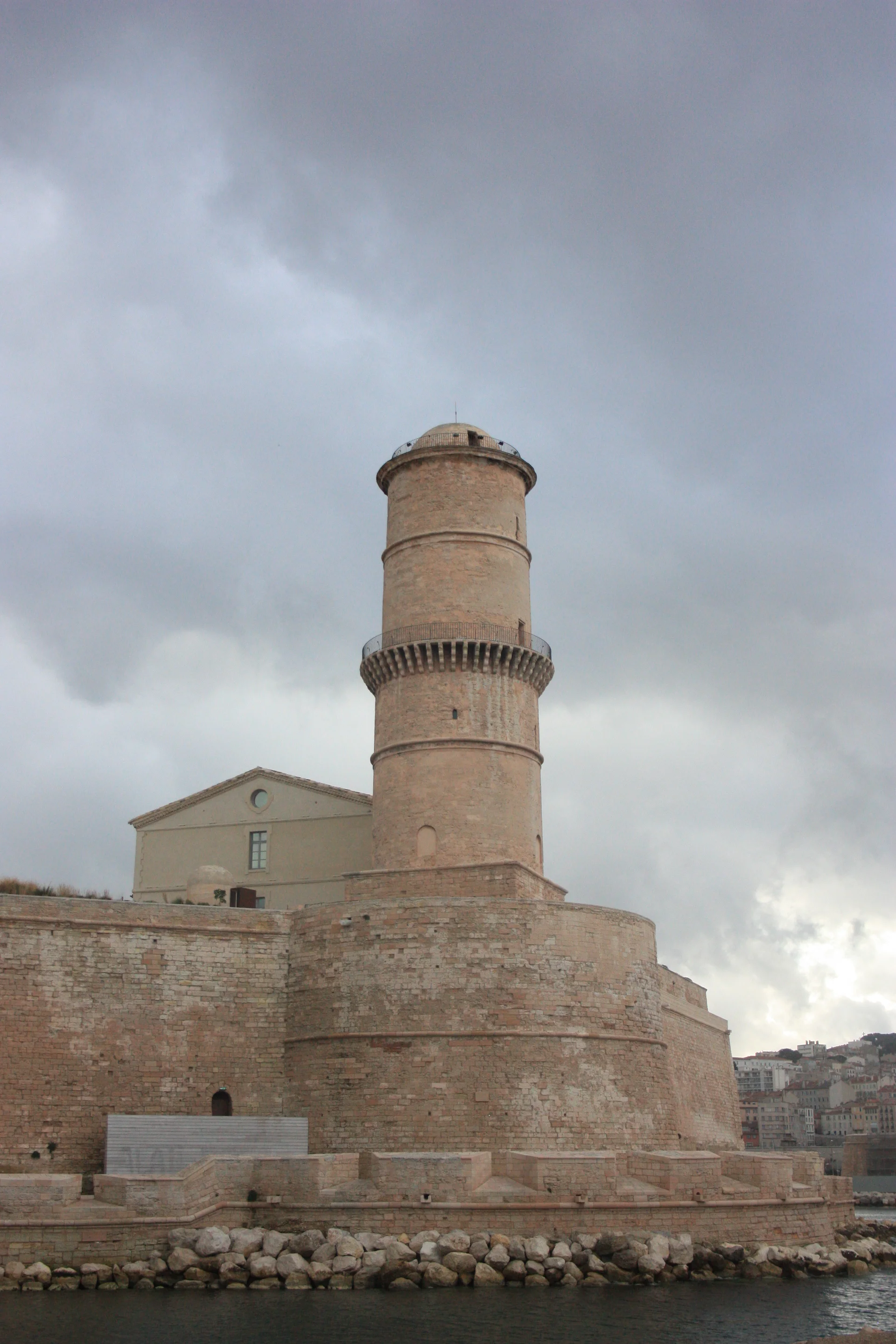
While exploring the different sections of Fort Saint-Jean, look for the well-kept Mediterranean gardens, changing temporary exhibitions, and various archaeological remnants. The square tower and the round tower serve as the site's primary defensive landmarks and offer the best vantage points. At sunset, the lighting highlights the raw texture of the stone walls. Entry to the fort itself is free, though specific exhibitions within the Mucem require a ticket purchase.
Opening hours
- November to April: 10:00 AM to 6:00 PM
- May to October: 10:00 AM to 8:00 PM

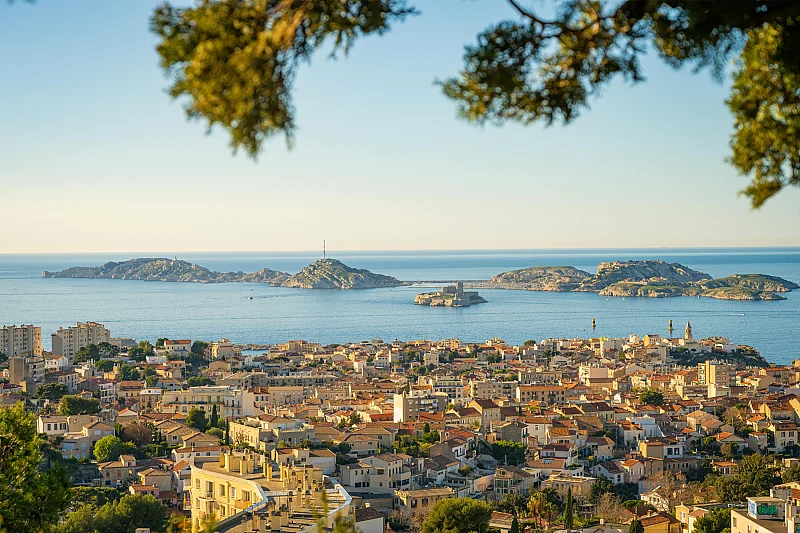
Very easy to visit from the Mucem. I really enjoyed the walk along the ramparts and through the narrow corridors. The site is very well laid out. There are chairs available to soak up the sun. There is also a cafe and a small shop. The views of the city are truly magnificent, especially of the Old Port. I recommend continuing your tour of Marseille toward the Le Panier neighborhood, which is accessible directly via a footbridge.