
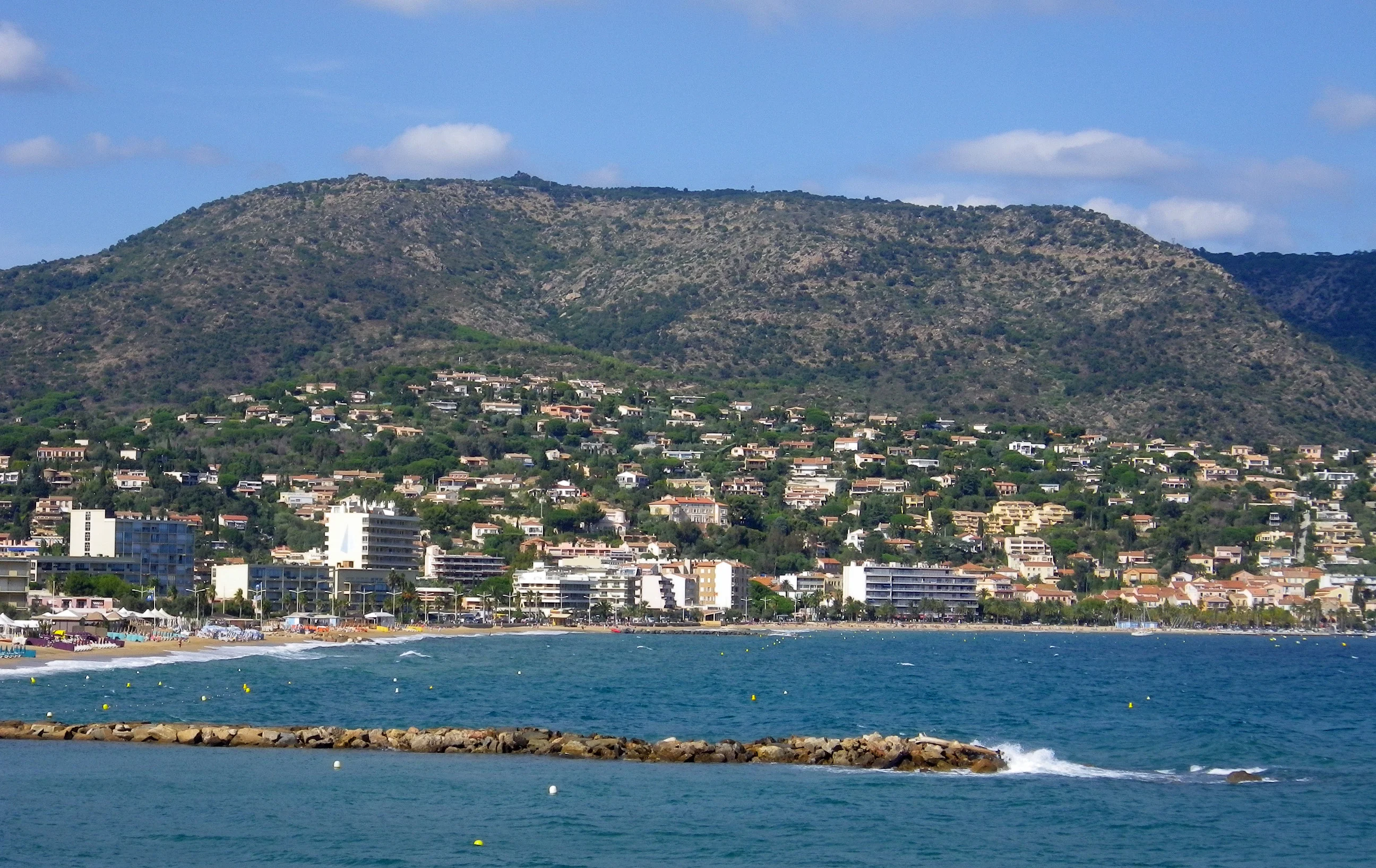
Le Lavandou, twelve beaches and a port with a local draw
The name has nothing to do with lavender. In Provençal, "lavandou" refers to a washhouse, the kind where the hamlet's women used to beat their laundry in the 18th century.
That detail says a lot about the identity of this coastal resort. Before attracting vacationers, it was a village of Genoese and Catalan fishermen, drawn by an exceptionally rich fishing ground. In 1913, the hamlet separated from Bormes-les-Mimosas to become an independent town. Back then, 150 local fishermen hauled their nets onto these shores. A few still do.
Le Lavandou: the Côte d'Azur without the flash
This resort suits families, fine-sand loungers, and anyone looking for a more accessible alternative to Saint-Tropez. The coastline stretches for 7.5 miles and features exactly 12 beaches, each with its own personality. The waters hold Blue Flag status, and the coves retain a wild feel despite the summer crowds.
On the flip side, night owls and luxury boutique hunters will want to skip it. Downtown consists of three parallel pedestrian streets, a handful of shops, and a lively yet modest port. Having a car is essential for exploring the various beaches and surrounding villages.
A reasonable budget for the French Riviera
Expect to pay $90 to $169* a night for a hotel, or $57 to $102* for a rental or high-end campground. A meal on the beach runs between $23 and $45*. Shuttle boats to the Golden Islands cost around $29 to $40* round-trip.
The beaches: a collection of personalities
Each beach carries an official nickname assigned by the tourism office. Saint-Clair Beach, known as "The Pearl," remains the most popular with its fine sand, turquoise water, beach restaurants, and open hill views. Located about a mile from the center, it draws families thanks to its gentle slope.
Further along, Aiguebelle Beach is worth the trip. Nicknamed "The Enchantress," it alternates between sandy patches and small rocky coves where snorkelers easily spot sea bream, octopuses, and sea urchins. Travelers seeking quiet will prefer Pramousquier Beach, "The Mysterious," reached via small paths and bordered by dark and light sand.
Friendly tip: Jean Blanc beach requires walking down more than 100 steps, which keeps the crowds away. The sand is silvery-white and the water is crystal-clear. Perfect for a quiet day.
The coastal path and the painters' trail
The coastal path starts at the port and hugs the shore for nearly 2 miles over to La Fossette. The route alternates between rocks, umbrella pines, and sweeping views of the Mediterranean. A longer variant connects to the Bormes-les-Mimosas trail via the Pointe du Gouron.
In Saint-Clair, the Painters' Trail retraces the footsteps of artists who stayed here in the late 19th century. The Saint-Clair Terraces, once farmed for early produce and flowers, bear witness to an era before tourism took over.
The Golden Islands: the mandatory day trip
From the port, shuttle boats run daily to Port-Cros, Porquerolles, and Levant Island. Port-Cros is a marine national park where diving and hiking reveal protected biodiversity. No cars are allowed here. Marked underwater trails let you observe marine life with just a mask and snorkel.
Porquerolles offers a different vibe with Caribbean-style white-sand beaches to the north, steep cliffs to the south, and vineyards and eucalyptus forests in the center. Levant Island, partially naturist, draws a more secluded crowd.
Friendly tip: Book your shuttle ticket the day before during peak season. Morning departures let you enjoy the beaches before the rush.
The port and the old village
The Lavandou port mixes fishing boats with sailing yachts. Fishermen still sell their daily catch right on the dock. The atmosphere stays family-oriented, far from the flash of busier ports. Saint-Louis Church, built in 1855, overlooks the neighborhood with its Provençal facade.
The "Château," a 19th-century Italian-style building that now houses the tourism office, makes an ideal starting point for exploring the pedestrian alleys. The Thursday morning Provençal market fills the town center with colors and Mediterranean scents.
Where to eat and drink in Le Lavandou?
The local specialty is bouillabaisse, served at several spots around the port. L'Emberluque, in the old village, serves up flaming meat skewers and a bouillabaisse fondue that are well worth trying. Fans of wood-fired grilled fish will find plenty to love at traditional fisherman-run restaurants.
On the beach, Coco Beach in La Fossette offers an exceptional setting in an isolated cove. Mamma Mia in Saint-Clair serves pizzas right by the sea. Pazzi Plage in Aiguebelle lets you lunch right on the water. Reservations are recommended in summer.
Where to stay in Le Lavandou and around?
The town center concentrates hotels and rentals near the port and the main beach. The Saint-Clair neighborhood suits families looking for direct access to the most popular stretch of sand. Cavalière, about 4 miles away, offers quieter properties with island views.
Camp du Domaine, a 5-star campground in Bormes-les-Mimosas, offers direct beach access across 110 acres of pine forest. For a romantic stay, the guesthouses in the hills of the Maures mountains guarantee quiet and sweeping views. Bormes-les-Mimosas, a flowered medieval village 2.5 miles away, is a charming alternative.
How to get to and around Le Lavandou?
The Toulon-Hyères airport is 11 miles away. From Nice, expect a 1.5-hour drive down the highway. The regional Zou! bus network serves the town, but schedules are limited. A bike path connects Toulon to Le Lavandou along the coast.
In town, a little tourist train runs between the beaches during high season. A car remains the most practical way to explore the 12 beaches and neighboring villages. Parking gets tough in July and August, so opt for peripheral lots and walking.
When to go?
The region gets 300 days of sunshine a year. May, June, and September offer the best balance of pleasant weather and manageable crowds. July and August leave the beaches packed and drive up prices. The Corso Fleuri parade in March celebrates the arrival of spring with floats covered in fresh flowers.
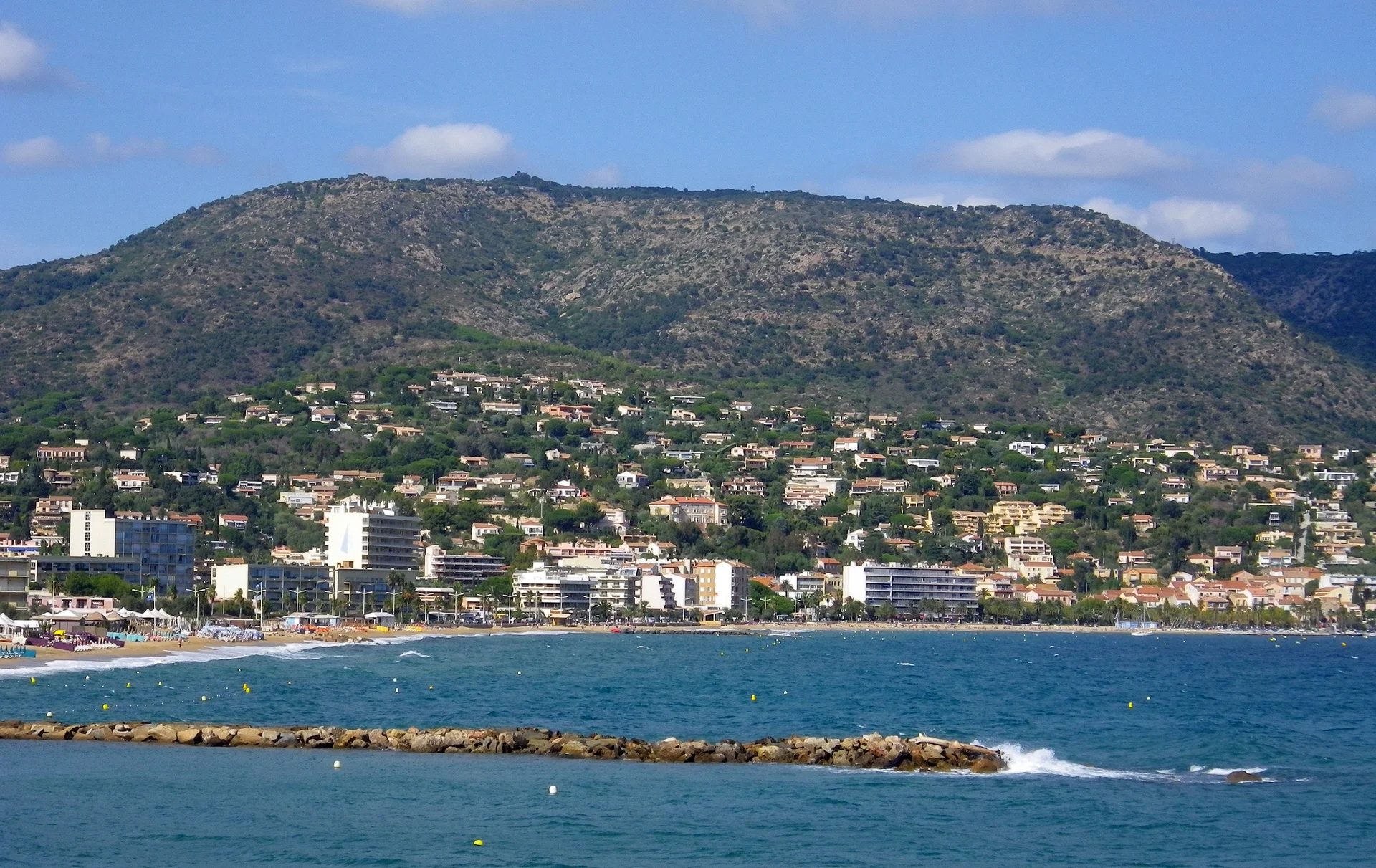
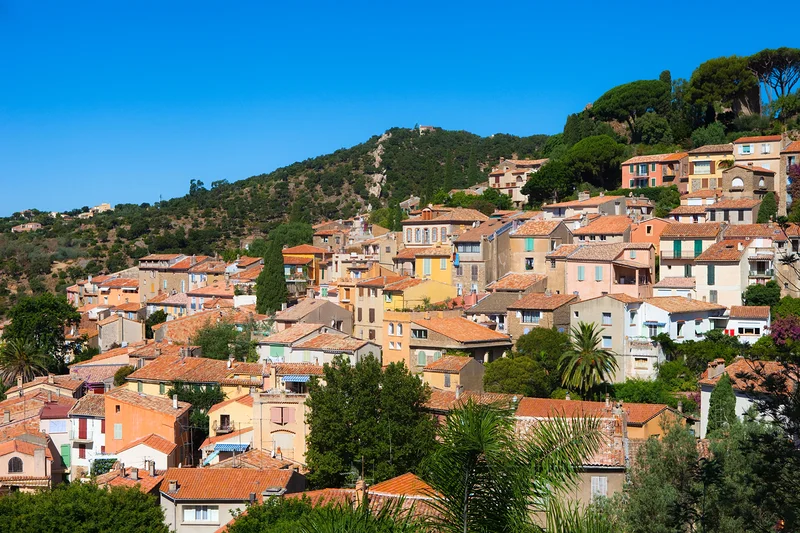
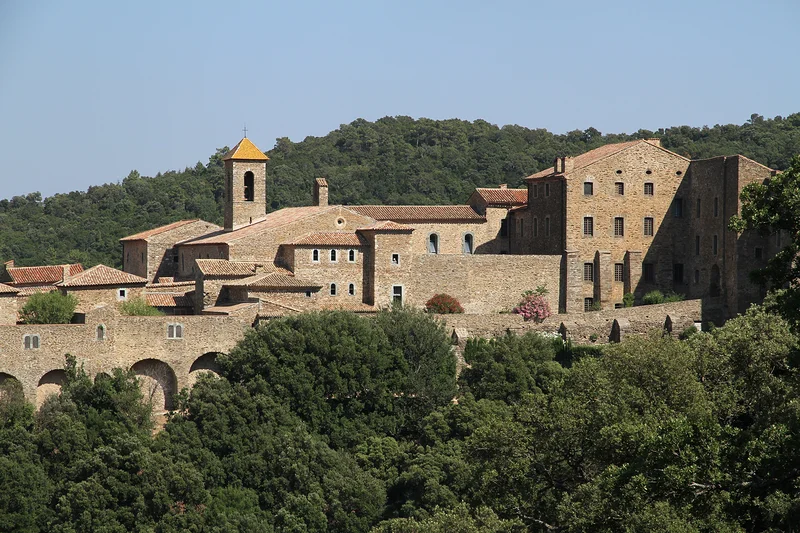
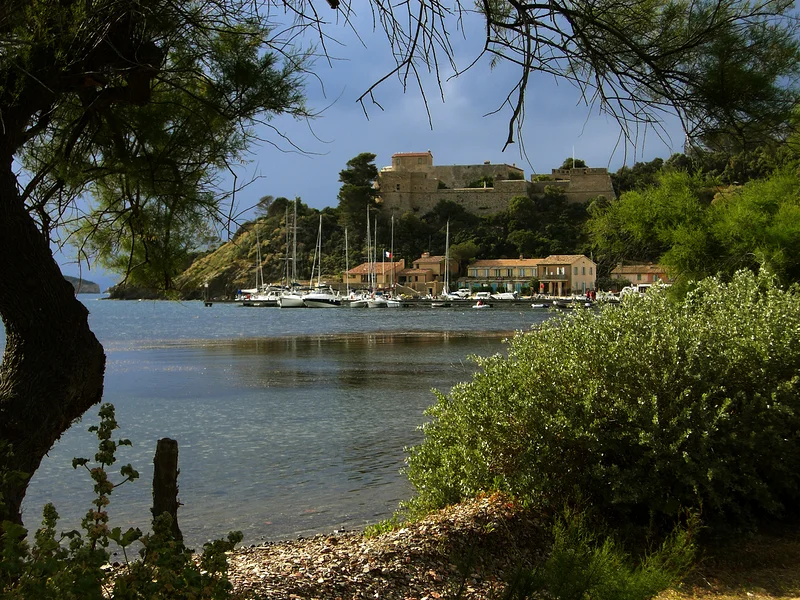
With a name like that, you can already feel the vacation vibes! I enjoyed the fine sandy beach accessible from the town (even if I prefer places that are a bit more wild). It also has a warm and friendly atmosphere. The town center is very charming, clean, and has pretty squares and houses. There are also a few activities to do with the family (or not) like the little tourist train!