
Visiting Hyères: The wild and floral coast of the Var
The scent of maritime pines mingles with the salty breeze, carrying the fragrance of blooming bougainvillea. Hyères captures the essence of the French Riviera, a town where Victorian-era elegance meets Mediterranean simplicity, serving as a gateway to protected islands and dramatic coastal scenery. It offers a refined yet relaxed atmosphere that feels a world away from the typical tourist traps.
Is Hyères your kind of destination?
If your ideal vacation involves the Provençal sun, fine sandy beaches, breezy coastal hikes, and a rich but understated history, Hyères is for you. It is a great fit for families looking for a laid-back pace, couples who appreciate changing landscapes, and active travelers who want to windsurf, dive, or cycle. If you are looking to avoid the crushing summer crowds of the more famous resort towns, Hyères provides a more authentic alternative, though it still gets lively in the peak of summer.
Practically speaking, having a car is a major plus for exploring the surrounding areas, though public transit does a solid job of connecting the city center to the main beaches. Prices here are reasonable compared to some of its more upscale neighbors, offering excellent value for a city on the Côte d'Azur.
Exploring Hyères and beyond
Strolling through the old town
Let yourself be charmed by the cobblestone alleys of the old town, a labyrinth where every corner reveals a piece of history. From shaded squares to colorful facades, the vibe is quintessential Provence. The château des Seigneurs de Fos, perched on its hill, overlooks the town and offers a panoramic view of the area, the presqu'île de Giens, and the Îles d'Or.
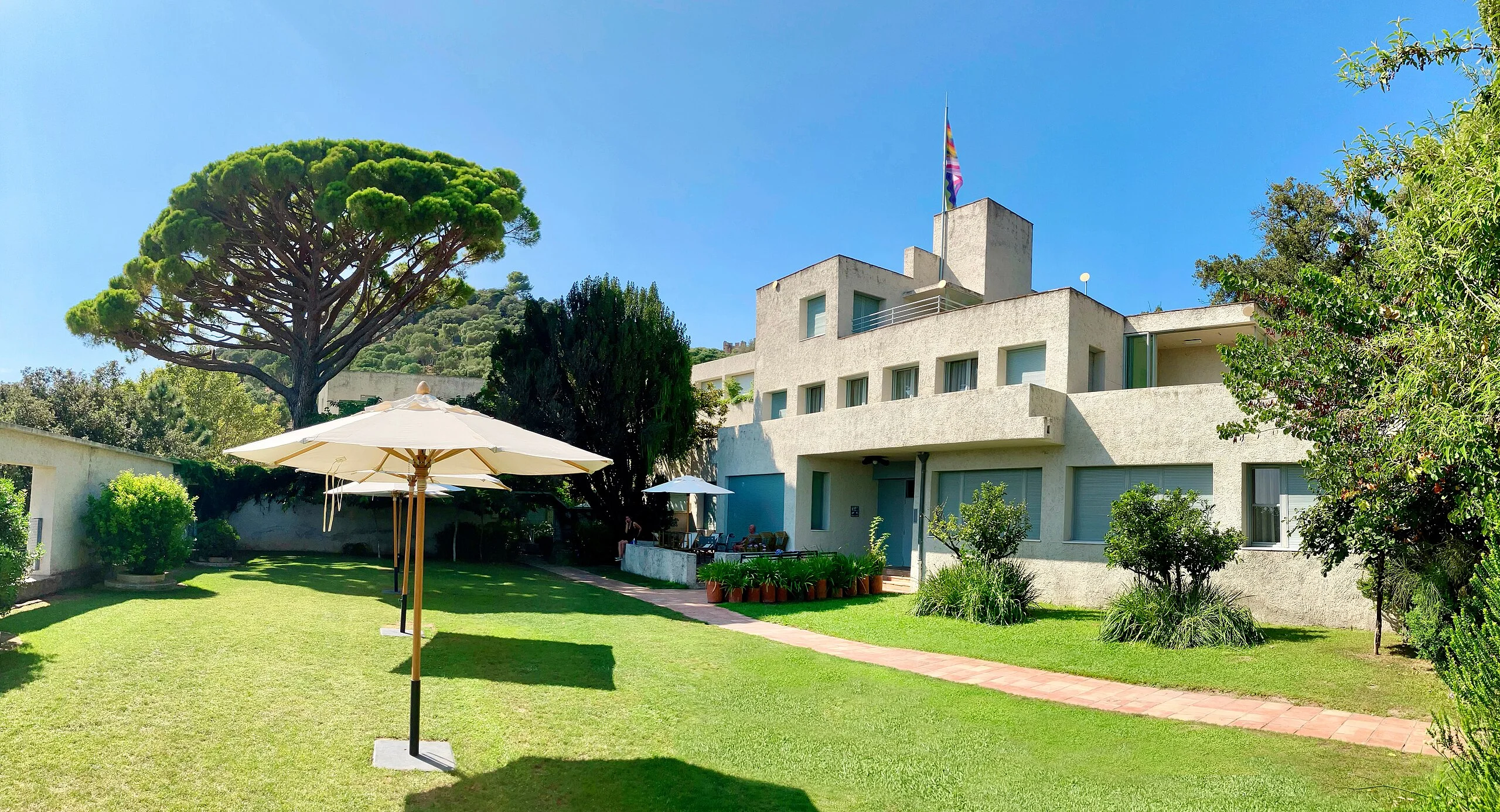
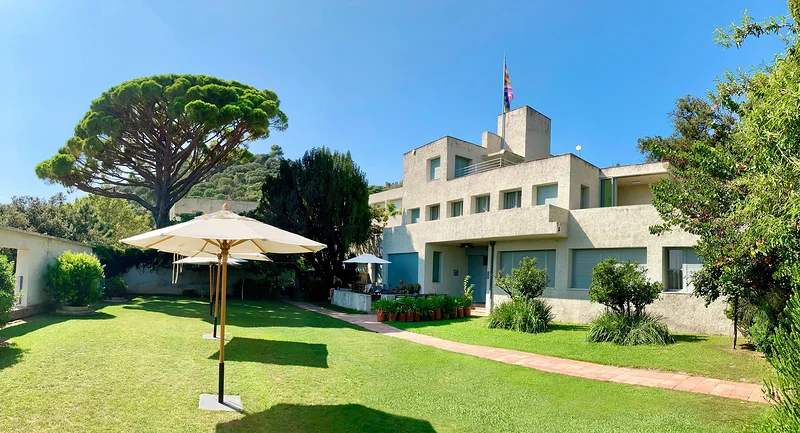
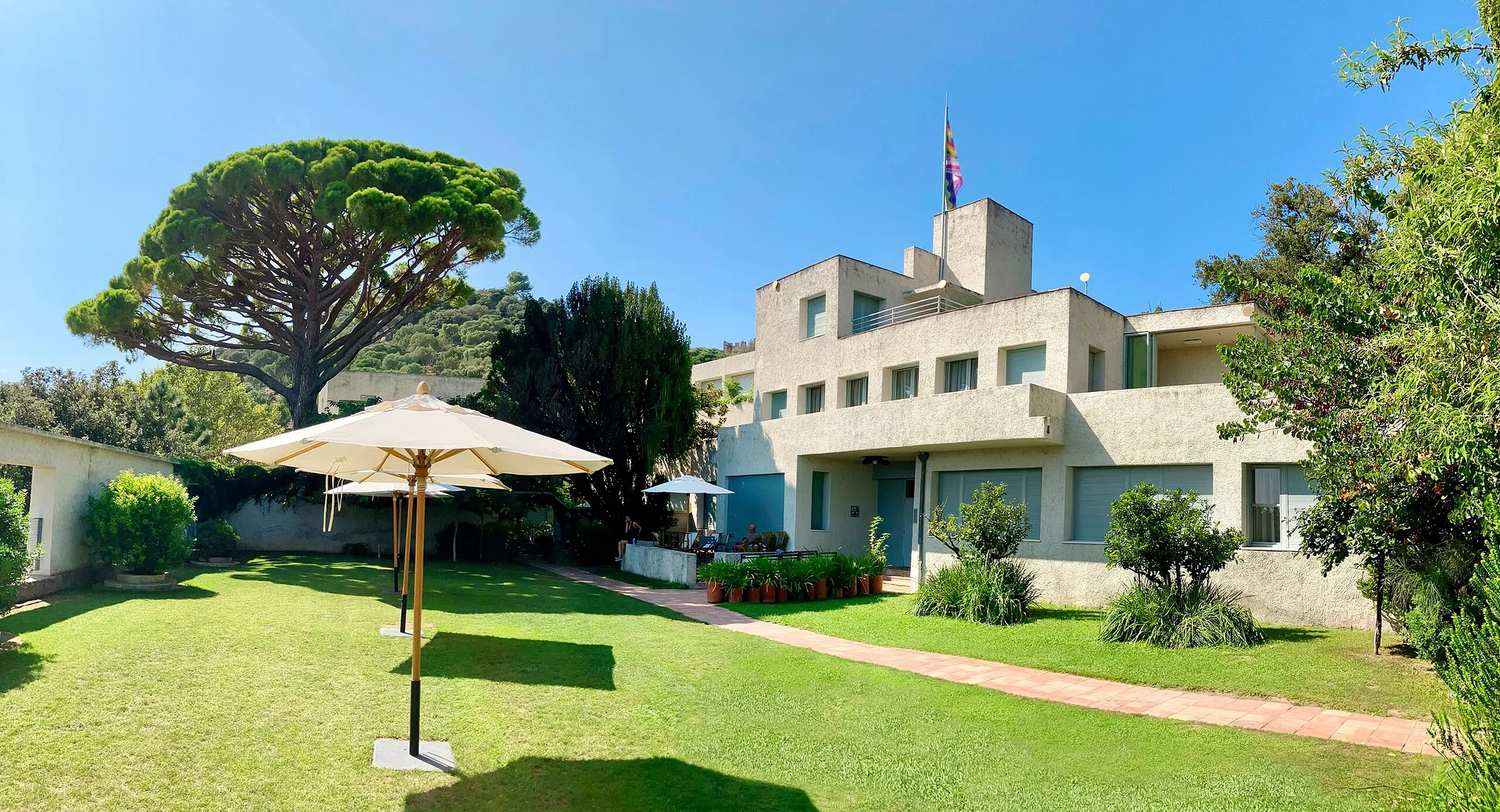
Do not miss the collégiale Saint-Paul with its distinctive bell tower, or the Villa Noailles, a 1920s modernist architecture masterpiece that now serves as an international art and design center.
Friendly tip: Skip the map and just get lost in the narrow streets of old Hyères. You will inevitably stumble upon a small craft shop or a quaint café. For the Villa Noailles, check their current exhibits, as entry is often free.
The Îles d'Or: Porquerolles, Port-Cros, and Le Levant
Hyères is the ideal jumping-off point for the mythical Îles d'Or. Each has its own personality: Porquerolles, the largest, is a cycling paradise with fine sand beaches and vineyards. Port-Cros is a land and sea national park, a quiet haven for hikers and snorkelers. Finally, the wilder île du Levant is home to a well-known naturist community and a military zone.
Friendly tip: For Porquerolles, rent a bike the moment you arrive at the port. It is the best way to find hidden spots like the Plage d'Argent or the Fort Sainte-Agathe. For Port-Cros, bring sturdy walking shoes and a mask and snorkel to explore the underwater trails.
The beaches of the Giens Peninsula and the calm of L'Almanarre
The presqu'île de Giens is a strip of land connected to the mainland by a double tombolo, a rare geological phenomenon. On one side, you have the family-friendly, sheltered beaches of the east; on the other, the massive plage de l'Almanarre, a windsurfing and kitesurfing paradise swept by the Mistral wind. In the middle, the salins d'Hyères form a protected natural space where you can spot pink flamingos and diverse birdlife. It is a perfect balance of water sports, lounging, and nature watching.
Where to eat and drink in Hyères?
The local culinary scene highlights the best of Provence and the Mediterranean. Expect fresh-caught fish, sun-ripened vegetables, and fragrant olive oil. Try the socca, a chickpea flour pancake, or tapenade, a savory olive spread. Local markets, especially the one on the place de la République, are packed with fresh produce and local specialties.
For a memorable meal, look for a restaurant on the port of Hyères-Plage or in the old town. Wine bars offer excellent local labels, often from the coteaux varois or Bandol vineyards.
Getting there and getting around
Hyères has its own airport, Aéroport de Toulon-Hyères (TLN), which handles domestic and select international flights. By train, the Hyères station is well connected. If you are driving, the A570 highway leads directly to town. Once you are there, the local bus network is efficient for getting from the city center to the beaches and various neighborhoods. To reach the islands, regular ferry shuttles depart from the port of Tour Fondue on the Giens peninsula.
When to go?
Spring (April-May) and early autumn (September-October) are the best times to visit Hyères. The weather is mild and sunny, crowds are thinner, and the landscape is at its most vibrant. Summer (July-August) is very hot and popular, with significant crowds, especially on the beaches and islands. Winters stay mild, but many businesses may be closed, and the weather can be unpredictable, though the sun often makes an appearance. Spring is by far the most pleasant time to visit.
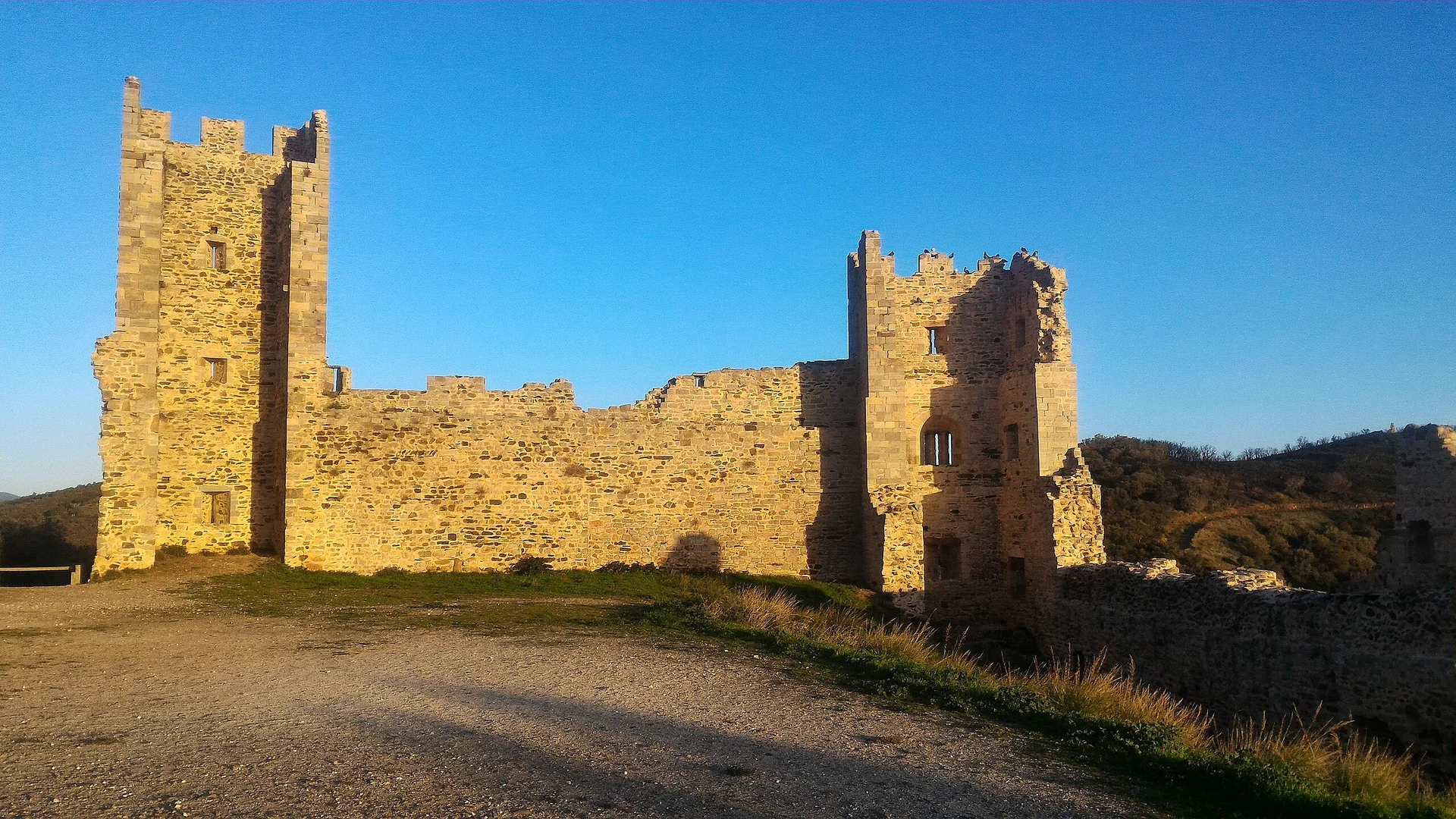
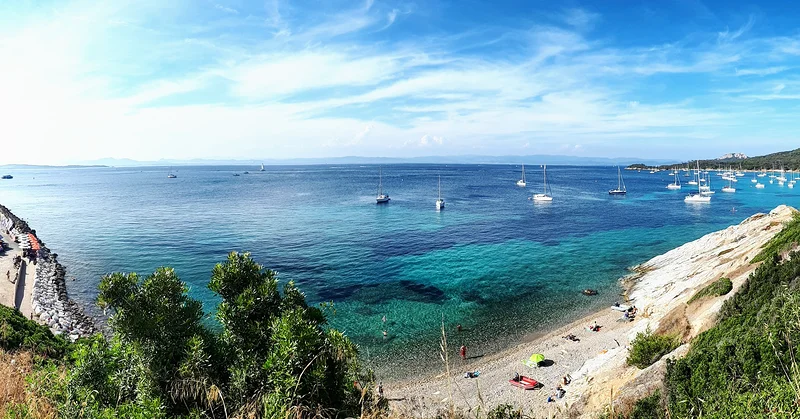
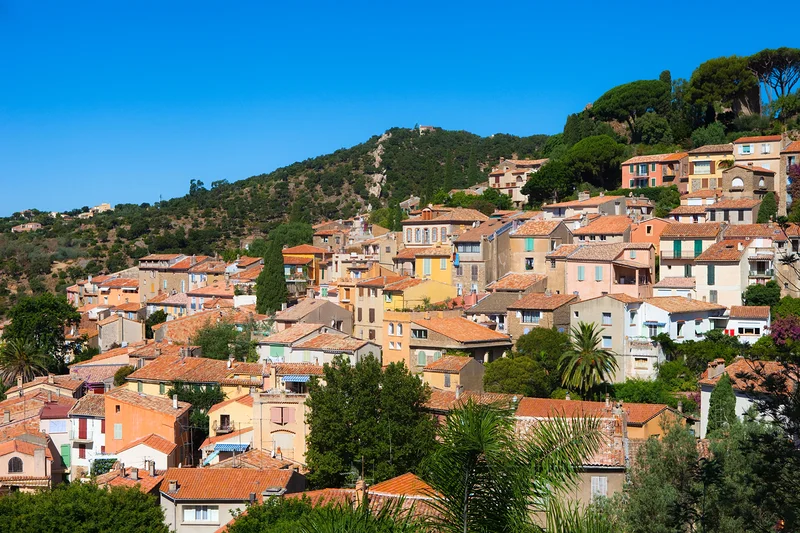
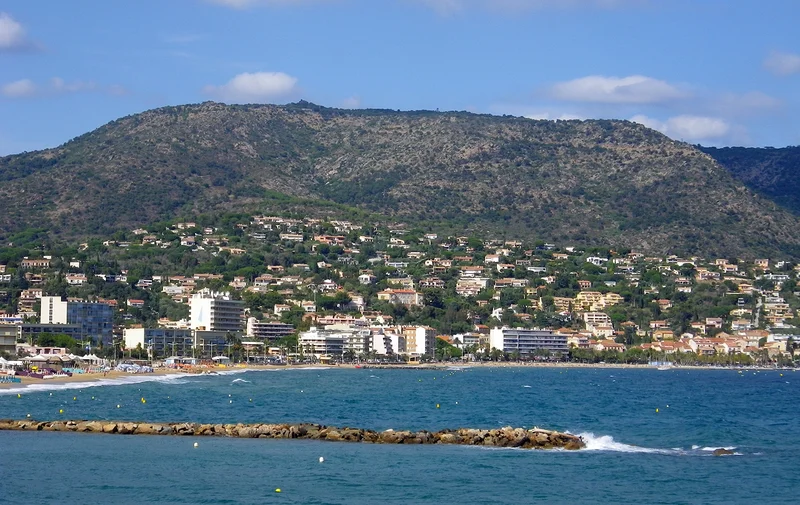
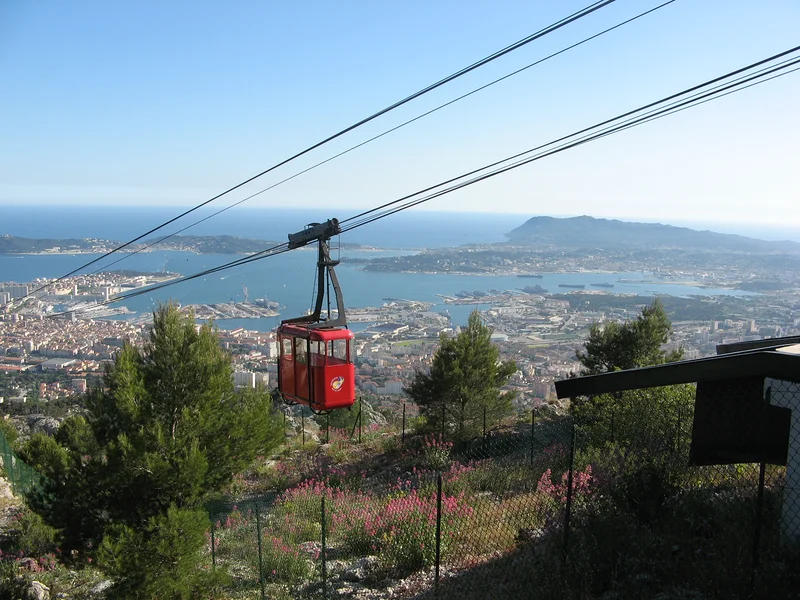
Hyères stretches from its sunny hills with its ruined castle all the way to the Golden Islands archipelago.
For my part, I fell in love with the medieval city with its old houses and narrow streets.
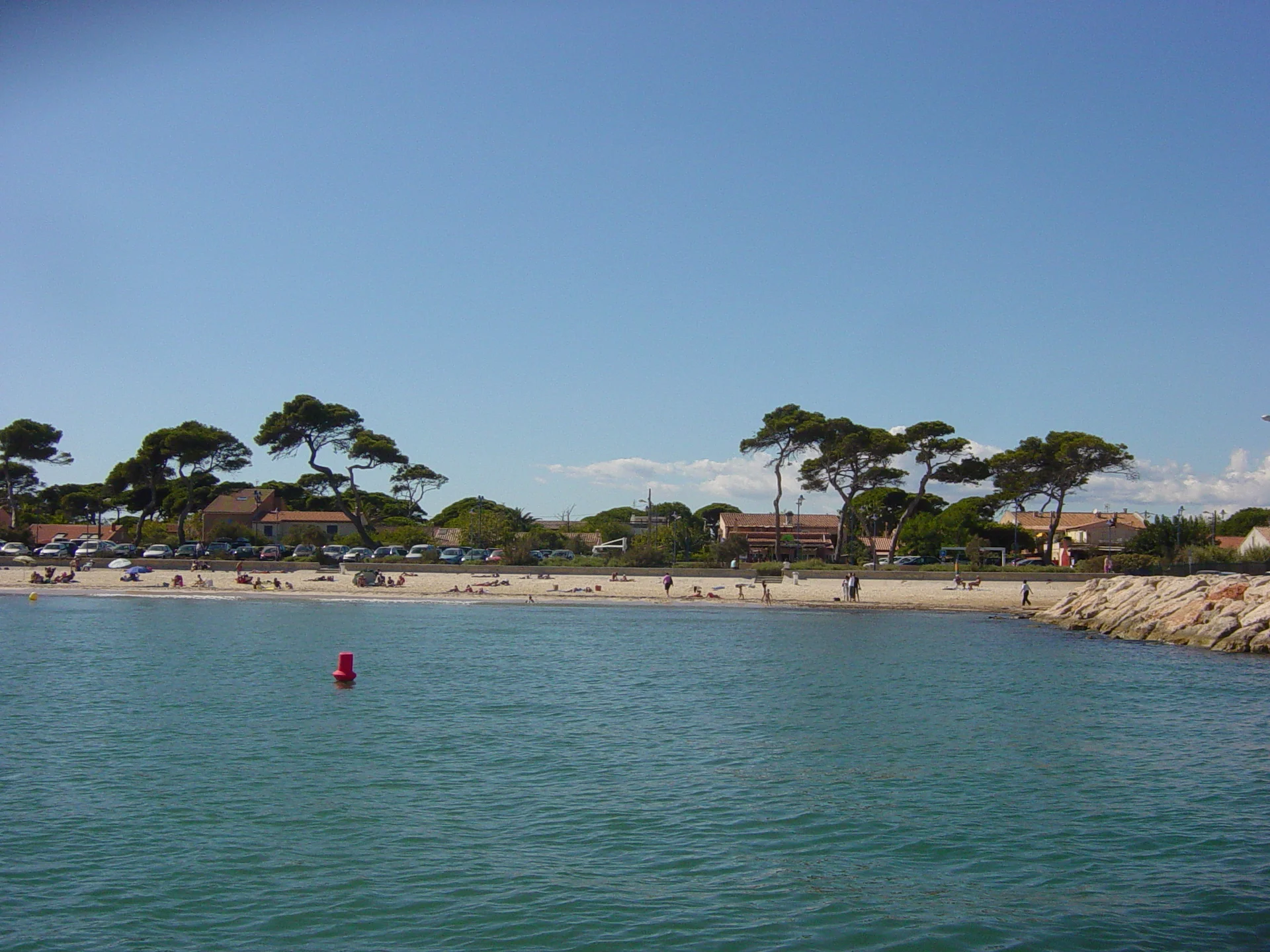
For those who prefer the sea, head to the beaches of the Giens peninsula. I loved the endless Almanarre beach right in front of the Salt Marshes, where the flamingos hide.
Finally, when taking the boat to the islands, I recommend Port-Cros. It is the original site of the national park, and it will surprise you with all its fish species.
Hyères offers a very varied range of discoveries and activities!