
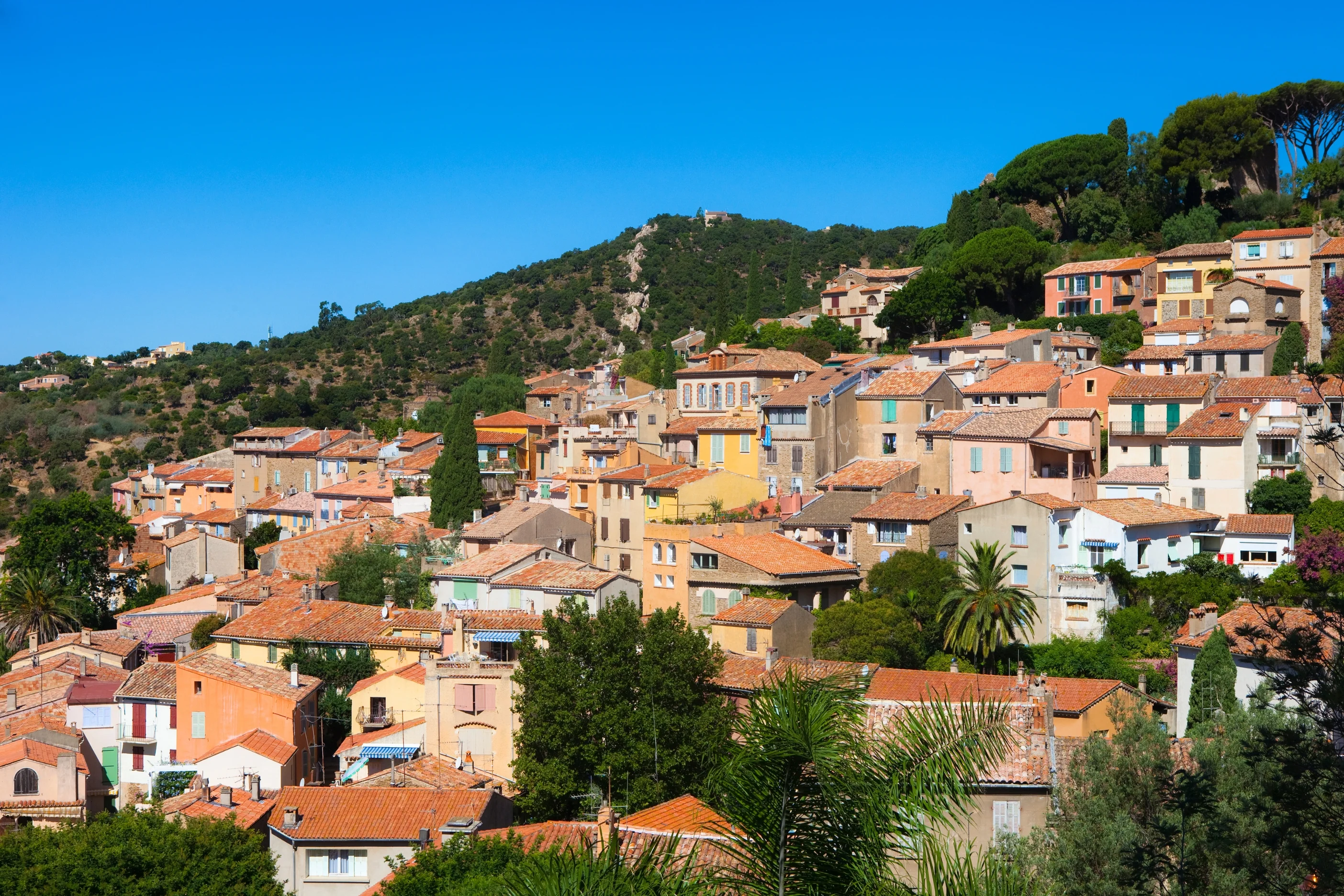
Bormes-les-Mimosas, when the French Riviera skips the spotlight
It is the scent that hits you first. A powdery, almost sweet perfume that hangs in the air from January to March: mimosa. This flower, imported from Australia in the 19th century, took to the local soil so well that it eventually gave the village its name. The fishermen who founded this settlement in the 9th century, tired of pirate raids coming from the sea, perched it high on a hill to keep watch over the horizon. A thousand years later, you understand their choice when you catch the panoramic view of the îles d'Or from the steep cobblestone alleys.
A Provençal village that refuses to compete with Saint-Tropez
Bormes-les-Mimosas appeals to travelers who want the Côte d'Azur without the media circus. The village draws botany enthusiasts, hikers drawn to the massif des Maures, and families looking for unspoiled beaches. Night owls will be disappointed, as the village goes to sleep after 10:00 PM. High rollers will not find much here either.
A car is practically essential if you want to make the most of the 11 miles of coastline. The finest beaches, like Estagnol or Cabasson, require a drive down a few miles of winding road. You explore the perched village on foot, but getting back and forth between the sea and the hilltop demands a vehicle.
French Riviera pricing without the Saint-Tropez markups
Expect $102 to $169* a night for a guesthouse or small boutique hotel, and $23 to $40* for a decent meal. Parking in the village is free near the Parc Gonzalez. The most popular beaches charge around $12* for day parking during the summer.
Wandering up the lanes of the old village
The medieval heart of Bormes-les-Mimosas climbs in switchbacks from place Gambetta, where the tourist office is located, up to the ruins of the château des Seigneurs de Fos. In between lies a labyrinth of evocative alleyways: the rue Rompi Cuou with its 83 steps, the Venelle des Amoureux where artists have set up their studios, and the cuberts, which are the vaulted passageways typical of the Var department.
The église Saint-Trophyme, built in the 18th century in a late Romanesque style, occasionally hosts French presidents vacationing at the nearby fort. Higher up, the small chapelle Saint-François de Paule marks the spot where a Calabrian monk reportedly saved the village from the plague in the 15th century.
Friendly tip: hike up to the chapelle Notre-Dame de Constance, perched at an elevation of 1,063 feet. The old Stations of the Cross path leading up to it offers a sweeping view of the coast, the islands, and the hinterland. Allow 45 minutes round-trip from the castle.
Over 700 plant species within reach
The village holds the four-flower label and the title of France's most beautifully flowered village. That is not marketing exaggeration, as 90 varieties of mimosa and over 700 plant species are cataloged here. The Parc Gonzalez, designated a Remarkable Garden, gathers plant species from Australia and across the globe on a hillside overlooking the Mediterranean.
To see even more, the pépinière Julien Cavatore maintains the country's finest collection of mimosas, featuring 180 rare species and varieties. The tourist office organizes guided botanical tours every Tuesday morning in the spring. The Domaine du Rayol, located 9 miles away, expands the experience with a conservatory dedicated to Mediterranean biodiversity.
Seven miles of beaches between wild coves and fine sand
The coastline of Bormes-les-Mimosas divides into two distinct atmospheres. The plage de la Favière, stretching for 745 yards, brings together families, dive shops, and the marina. It is the most accessible and best-equipped stretch of sand. In fact, the port de la Favière was the first in Europe to earn clean port certification, complete with artificial nurseries to protect juvenile fish.
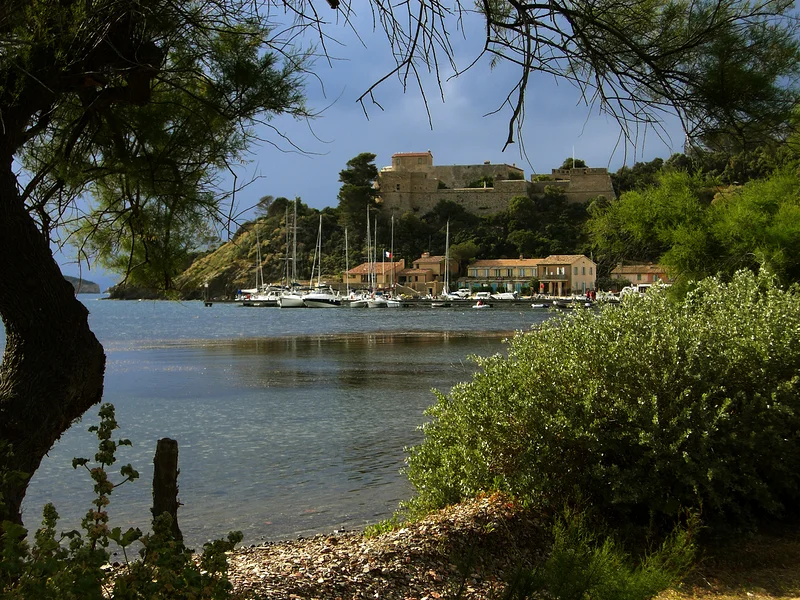
The beaches of Estagnol and Cabasson present an entirely different look. White sand, turquoise water, and shaded pine groves for a picnic make you feel almost like you are in the Caribbean. Cabasson beach looks out at the Fort de Brégançon, the presidential retreat perched on its rocky islet, which has been open to the public since 2014.
Friendly tip: the sentier du littoral coastal path connects the beaches on foot. Bring sturdy shoes and water. The section between Cabasson and Brégançon remains wild and uncrowded, even in August.
The Fort de Brégançon and boat excursions
Built in the 11th century on a rocky outcropping, the Fort de Brégançon became a presidential summer residence in 1968 under de Gaulle. François Hollande opened it up for public tours in 2014. The 2.5-hour guided tours must be booked through the tourist office website, available only in July and September.
From the port of Favière, passenger ferries head out to the îles d'Or: Porquerolles, Port-Cros, and Le Levant. Plan for a full day for Porquerolles, which is well worth the detour for its paradise-like beaches and marked trails. Hybrid boat tours also offer a chance to spot dolphins offshore.
Where to eat and drink in Bormes-les-Mimosas?
Local cooking draws on Provençal terroir and the sea. The Côtes de Provence wines produced by the nine wine estates in the commune pair perfectly with grilled fish. The Château Malherbe, facing the fort, offers tastings in a historic setting.
The Restaurant Lou Portaou, whose name means the main entrance to the village in Provençal, serves traditional food in an unpretentious setting. Le Jardin focuses on a refined Provençal menu on a terrace shaded by Mediterranean plants. Eden Flow, featuring a sea view and Sunday brunch, draws a trendier crowd.
The Wednesday morning market on place Saint-François is the top spot to pick up rosemary olive oil, mimosa honey, goat cheeses, and local cured meats. In July and August, a night market animates the village on Tuesday evenings starting at 6:00 PM.
Where to stay in Bormes-les-Mimosas and nearby?
The old village features a few guesthouses and small boutique hotels. The Eden Rose Grand Hôtel, built in the early 20th century on the heights, combines a spa, an infinity pool, and Mediterranean views. The Hôtel Bellevue, on place Gambetta, places you right in the center of the village.
The La Favière neighborhood down by the water is where you will find vacation rentals and campgrounds. It makes the most practical sense for families looking to mix beach time with sightseeing. Le Lavandou, the neighboring beach town, offers plenty of lodging options with a livelier nighttime atmosphere.
How to get to and around Bormes-les-Mimosas?
The Toulon-Hyères airport is a 25-minute drive away. The airport in Nice is 1.5 hours away, while Marseille-Provence is 1 hour and 15 minutes away. If you are driving from Paris, count on 8 hours via the A6 and A7 highways. From Lyon, 4 hours is enough.
The closest high-speed train station is in Hyères, 20 minutes away. Local shuttles connect the station to the village, though timetables are limited. A car remains the most convenient way to explore the coast and the massif des Maures. Parking in the village is free near the parking Saint-François at the east entrance.
When to go?
The mimosa bloom from January to March turns the village into a yellow, fragrant explosion. On the last weekend of February, the Grand Corso du Mimosa features a parade of flower-covered floats through the streets. Spring and early autumn bring ideal temperatures for hiking without the summer crowds.
Summer remains high season, bringing packed beaches and inflated prices. August can feel stifling. If you are visiting to swim, prioritize June or September when the water is warm and parking spaces are easier to find.
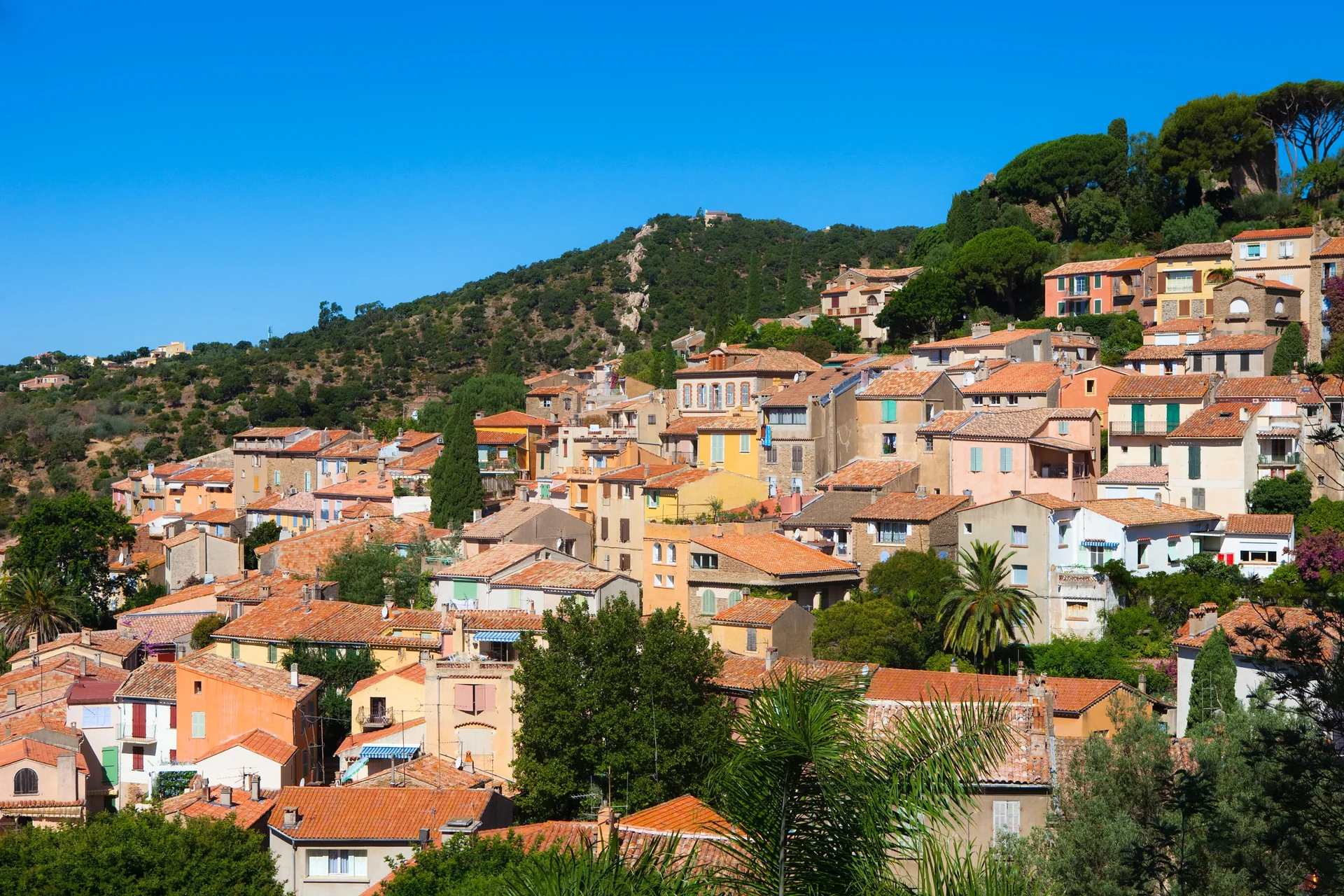
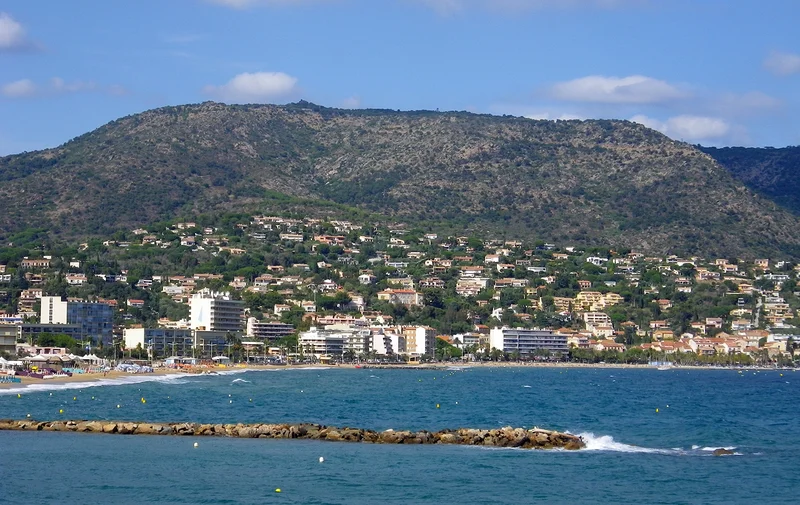
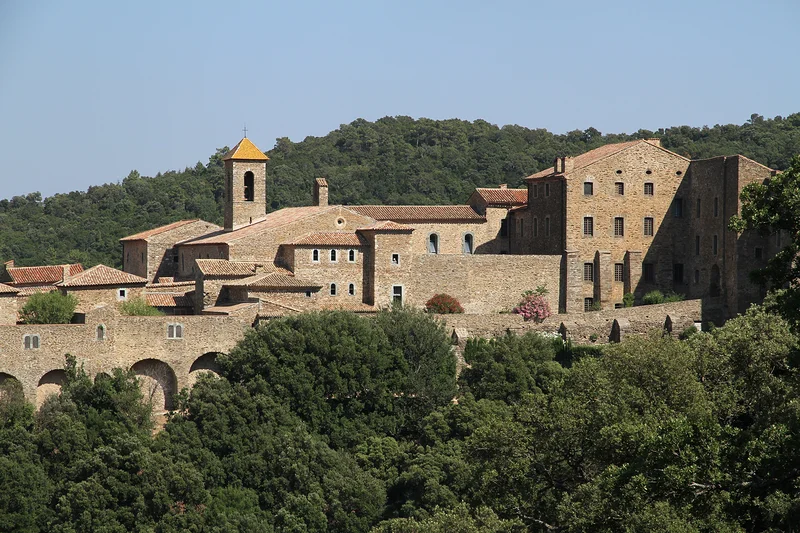
Tired of the winter gray? I have the place for you! Bormes-les-Mimosas will fill your eyes with sunshine. The village is absolutely beautiful during the blooming season. Otherwise, you have a place full of charm, nestled between the seaside and hiking trails. Truly an exceptional spot!