
Collobrières, the Chestnut Capital of the Var in the Maures Mountains
Its name comes from grass snakes. Dozens of serpents once populated the banks of the réal Collobrier, the river that still runs through the village today. That detail tells you a lot about the place: this is deep, forested Var country, far removed from the beach club racket of the coast.
Just a few dozen kilometers from Saint-Tropez, the Maures range feels like it belongs to another century. Cork oaks, chestnut trees, the scent of pine resin and fresh undergrowth. Welcome to the French capital of marrons glacés.
Built for Those Escaping the Var Coast Crowds
This village offers no beaches, no nightlife, and no contemporary art museums. What it does give you instead is a protected backcountry, some of the finest hiking trails in the Var, and an honest local food identity. It is the dream destination for winding down after a few days on the French Riviera, or for an autumn weekend surrounded by nature.
Ideal destination for:
- Hikers looking for pristine forests far from overcrowded trails
- Fans of Provençal gastronomy and local farm products
- Families with kids, thanks to walks through the chestnut groves and the marrons glacés museum
- Lovers of religious and medieval heritage
- Travelers who want a quiet base to explore the Maures Massif
Not suitable for:
- Swimmers and beach lovers: no coastline is accessible from the village
- Car-free travelers: the village is isolated and public transit options are sparse
- Anyone seeking nightlife, trendy bars, or an urban cultural scene
- Summer hikers: access to forest massifs is restricted from June through September due to wildfire risks
Reasonable Pricing, Well Below Var Coast Rates
| Expense Type | Indicative Range |
|---|---|
| Budget lodging (bed and breakfast, rural gîte in the Maures) | $57 to $85* / night |
| Comfortable lodging (3-star Hôtel Notre Dame with pool, in the village) | From $96* / night |
| Quick bites (sandwich, chestnut ice cream at Confiserie Azuréenne) | $9 to $17* |
| Restaurant meal (Provençal cuisine, house specialties) | $23 to $40* |
| Activities (free hiking, free marrons glacés museum, Chartreuse visit) | to $12* |
| Backpacker daily budget | $68 to $90* |
| Comfortable daily budget | $146 to $180* |
Isolated, Yet Accessible: The Realities of the Var Backcountry
A car is virtually essential. The village sits about 40 km northeast of Toulon and 25 km from Hyères along winding forest roads. The D39 from Pierrefeu-du-Var and the D14 from Grimaud are the two main access routes, both highly scenic and quite narrow. Top off your gas tank or charge your EV before heading up. The village's single ATM can run out of cash during long weekends.
A major warning between June and September: access to the forest massifs of the Var is subject to daily wildfire prevention restrictions. The access map is updated every evening for the following day. Before any hike or visit to the Chartreuse de la Verne, check the Var prefecture website or call the local tourist office.
The Medieval Village and the River: A Well-Spent Hour Strolling
The heart of the village deserves some time on foot. The alleys paved in calade, the characteristic pebble mosaic of Provence, wind between old houses with colorful shutters. Place de la Mairie, shaded and cooled by an old fountain, serves as the natural gravitational center of the village.
The 12th-century humpback stone bridge spans the réal Collobrier, where ducks paddle along the current. Higher up in the village, the ruins of Saint Pons Church, dating back to 1080, loom over the rooftops. On the slopes above, the arboretum created by a passionate agronomical engineer shelters trees brought back from his travels along the riverbank: pecan trees, Atlas cedars, and tulip trees. Admission is free.
Friendly tip: The original 12th-century bell from the Carthusian monastery is on display in the lobby of the Collobrières town hall. It is a rare piece that often goes unnoticed, accessible during standard opening hours.
Chartreuse de la Verne: 12 km of Forest to Reach Silence
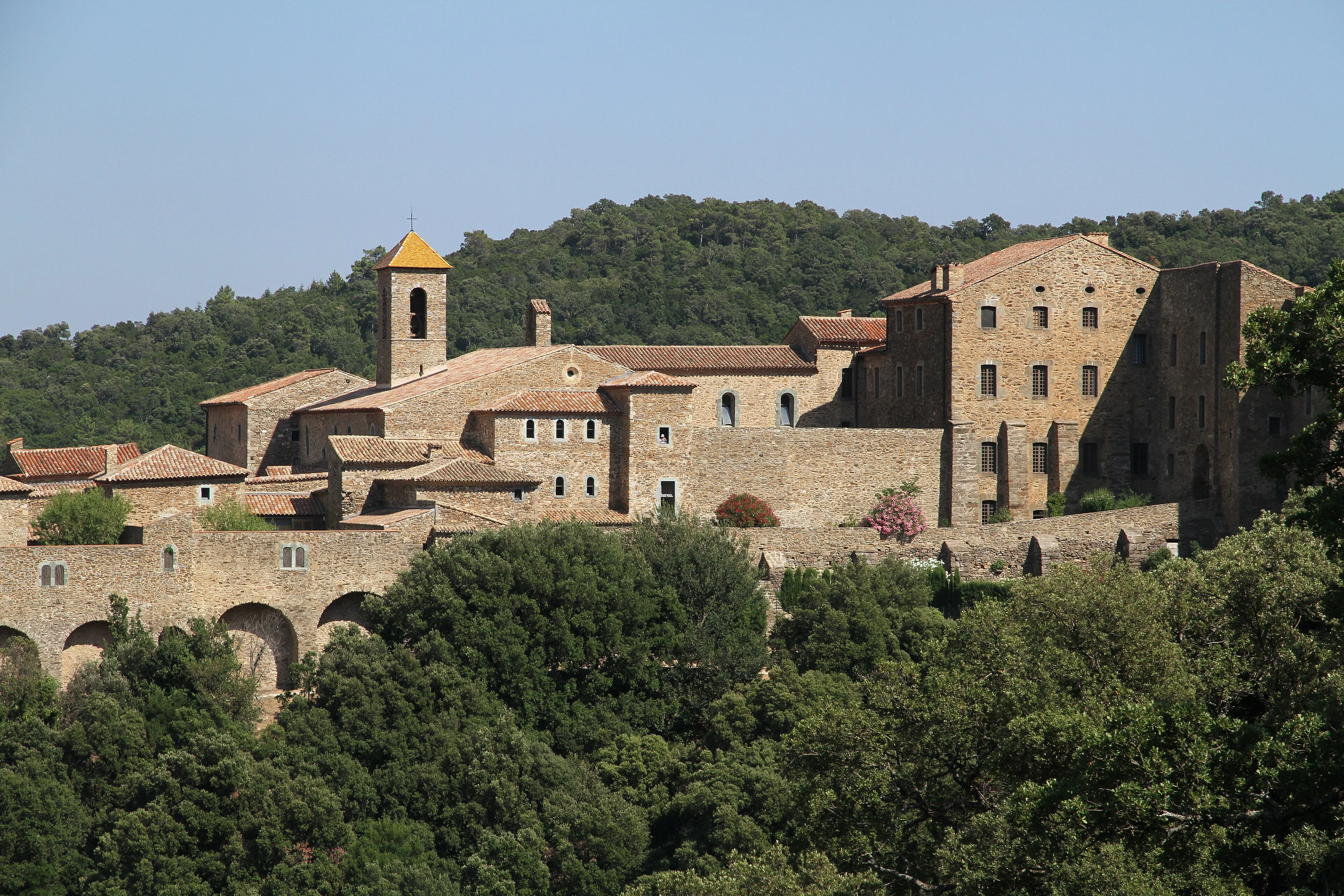
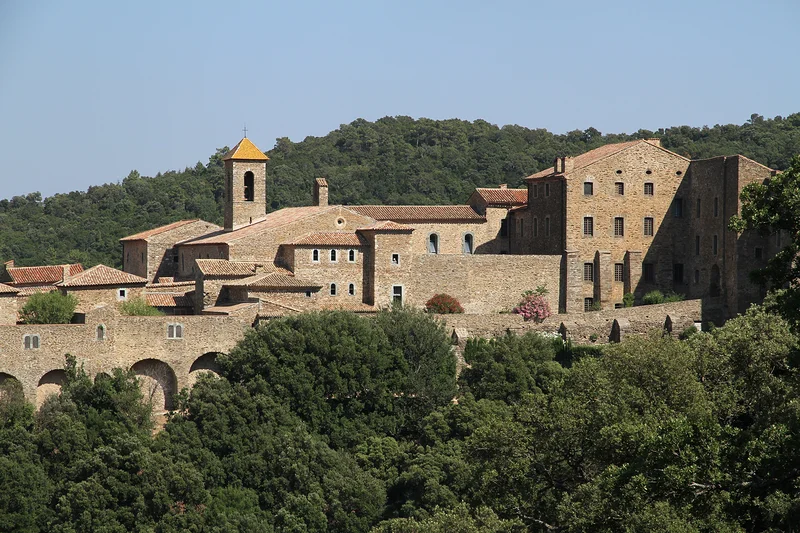
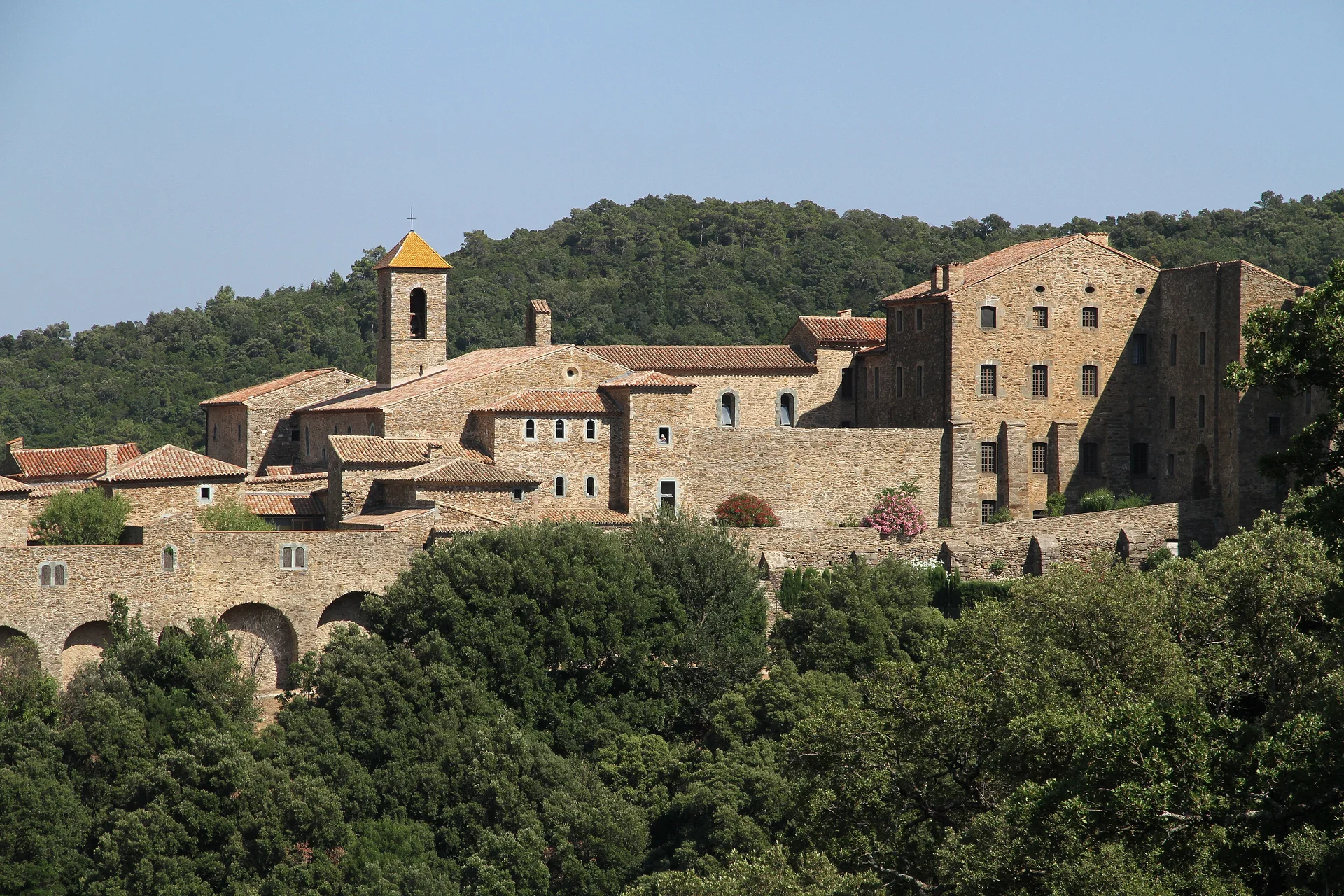
This is the standout monument of the area. Founded around 1174, destroyed and rebuilt several times, the Chartreuse de la Verne has been classified as a Historic Monument since 1921. Its current buildings date from the 17th and 18th centuries, constructed from Serpentine des Maures, a green metamorphic stone quarried locally. A community of nuns still occupies the site today.
It opens its doors year-round, except in January and on public holidays. Hours vary by season. The road leading there from Collobrières is magnificent and demanding: 12 km of forest switchbacks where passing cars can be tricky in spots.
Good to know:
- Panoramic views from the monastery stretching across the Bay of Saint-Tropez to the east and the Prealps to the north
- Several marked trails start directly from the parking lot, including the loop toward the Verne reservoir
- Inaccessible to buses or coaches longer than 8 meters, which keeps crowds manageable
Chestnut Groves and the Chestnut Festival: Autumn as the Reigning Season
The 2,000 hectares of chestnut groves in the Maures Massif are largely concentrated around the village. Chestnut cultivation here dates back to the 13th century, initiated by the Carthusians of la Verne themselves. Today, nearly 400 chestnut growers in the Var still harvest this crop.
Every autumn, on the last three Sundays of October, the Chestnut Festivals draw around 20,000 visitors to taste the fruit in every imaginable form: roasted over coals, candied as marrons glacés, pureed into cream, ground into flour, or brewed into beer. Admission is free, but parking is organized outside the village with shuttle service. Book your lodging well in advance if you want to stay overnight that weekend.
Friendly tip: Three marked trails start right from the village. The shortest one, the 2 km botanical trail, runs alongside the communal chestnut grove. For a more ambitious walk, the 6 km discovery trail offers views over the entire forest and the sea from the heights. Departures begin at the stadium parking lot on the eastern edge of the village.
Where to Eat and Drink in Collobrières?
Confiserie Azuréenne, operating in the village since 1945, is much more than a souvenir shop. Their 100% natural marrons glacés are made on-site, and the chestnut ice cream, especially the rum-infused variety, makes a stop worthwhile on its own. The adjoining marron glacé museum is free and open daily.
For lunch or dinner, Hôtel-Restaurant des Maures, overlooking the river, serves solid Mediterranean cooking: cod loin provençale, seasonal specialties, and inevitably a chestnut-based dessert. The retro decor feels like stepping back a few decades, which is far from unpleasant.
Where to Stay in Collobrières and Around?
In the village, the 3-star Hôtel Notre Dame is the primary address with an outdoor pool that is popular in the summer. Rates start at $96* a night, which is reasonable for the region. Bed and breakfasts and rural gîtes are abundant nearby, particularly toward Bormes-les-Mimosas and La Londe-les-Maures, about twenty minutes away.
For adventurers, a hikers' lodge sits near the Chartreuse de la Verne for an overnight stay in the middle of the forest. The closest campgrounds are toward the coast in Bormes or La Londe. Outside of the Chestnut Festival weekends, finding last-minute lodging is generally possible.
How to Get to Collobrières?
From Toulon: 40 km, about 50 minutes via the D554 then the D39. From Nice: about 1 hour and 30 minutes by car via the A57. From Marseille: about 1 hour and 30 minutes via the A57 and Toulon. The Toulon-Hyères Airport is the closest, sitting 35 km away, but it has no transatlantic service: travelers from North America land at Nice or Marseille and drive from there.
By public transit, getting here is notably more complicated. Toulon train station is 40 km away, and bus connections exist but run infrequently. Seasonal shuttles operate from certain coastal resort towns. For travelers arriving from afar, renting a car from Toulon or Hyères remains the most practical solution.
How to Get Around Collobrières?
The village is entirely walkable in under an hour. For nearby hiking trails, departures start directly from the stadium parking lot or the heights of the old village without needing a vehicle.
For Chartreuse de la Verne and other sites across the massif, a car is mandatory. There is no local taxi service or rideshare app operating in this rural sector. Plan your trips with complete independence.
When to go?
Autumn is prime time: forest colors, chestnut harvesting, mild temperatures, and the Chestnut Festivals in October. Spring, from March to May, is ideal for hiking before the summer restrictions kick in. Avoid July and August for the trails and the Chartreuse: access to the forest massifs depends on daily wildfire risk levels and can close without notice.
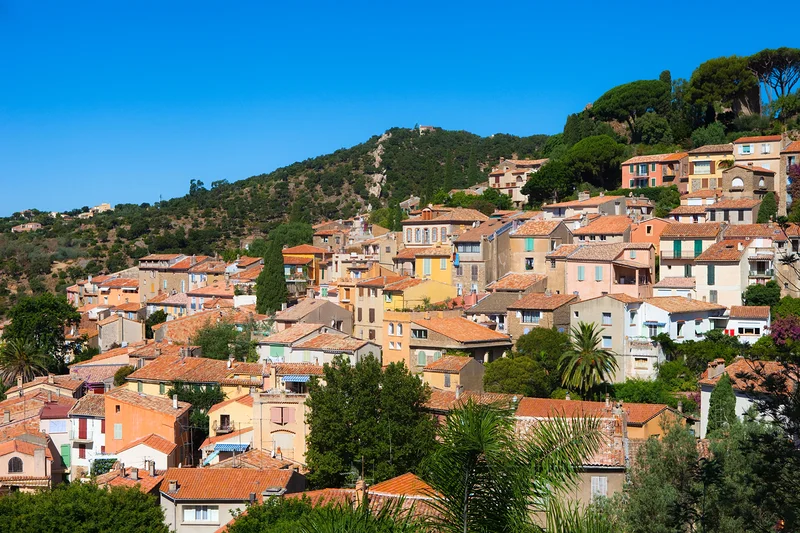
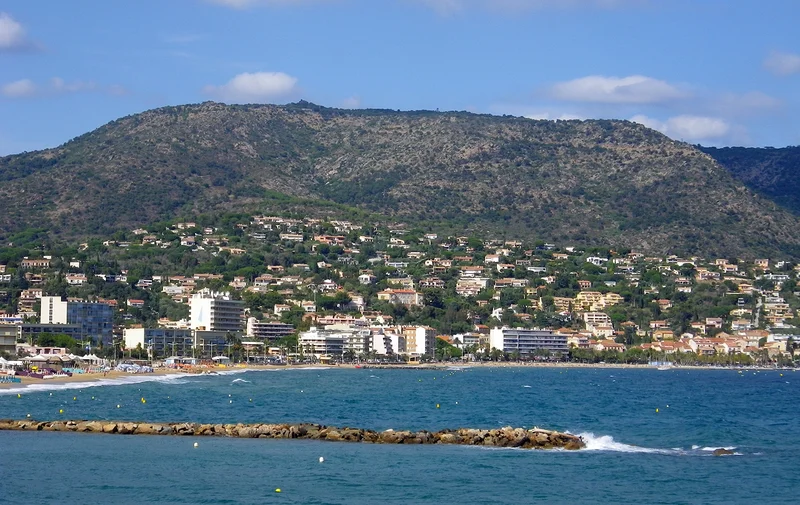
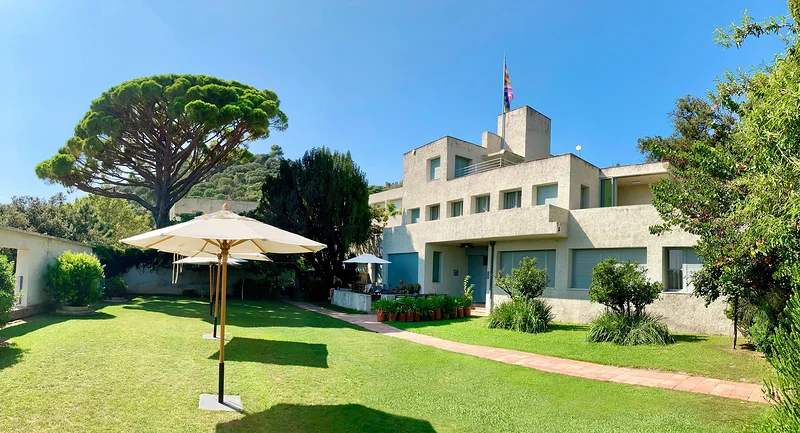
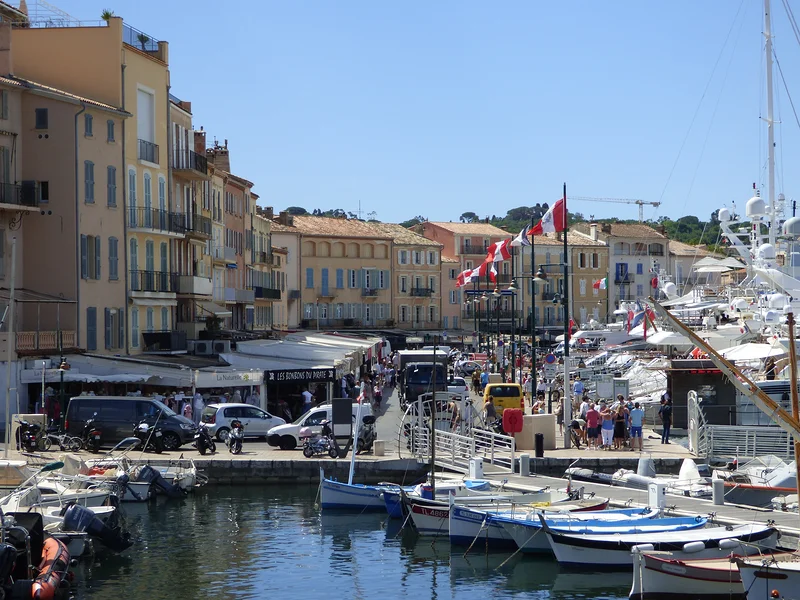
You get all the charm of a traditional village in the South, with its pink stone houses. What is great is that you get to enjoy two very different vibes. On one side, the countryside with chestnuts and vineyards. On the other, the sea which is just over a half hour away by car. That makes it a really good home base for visiting the region.