
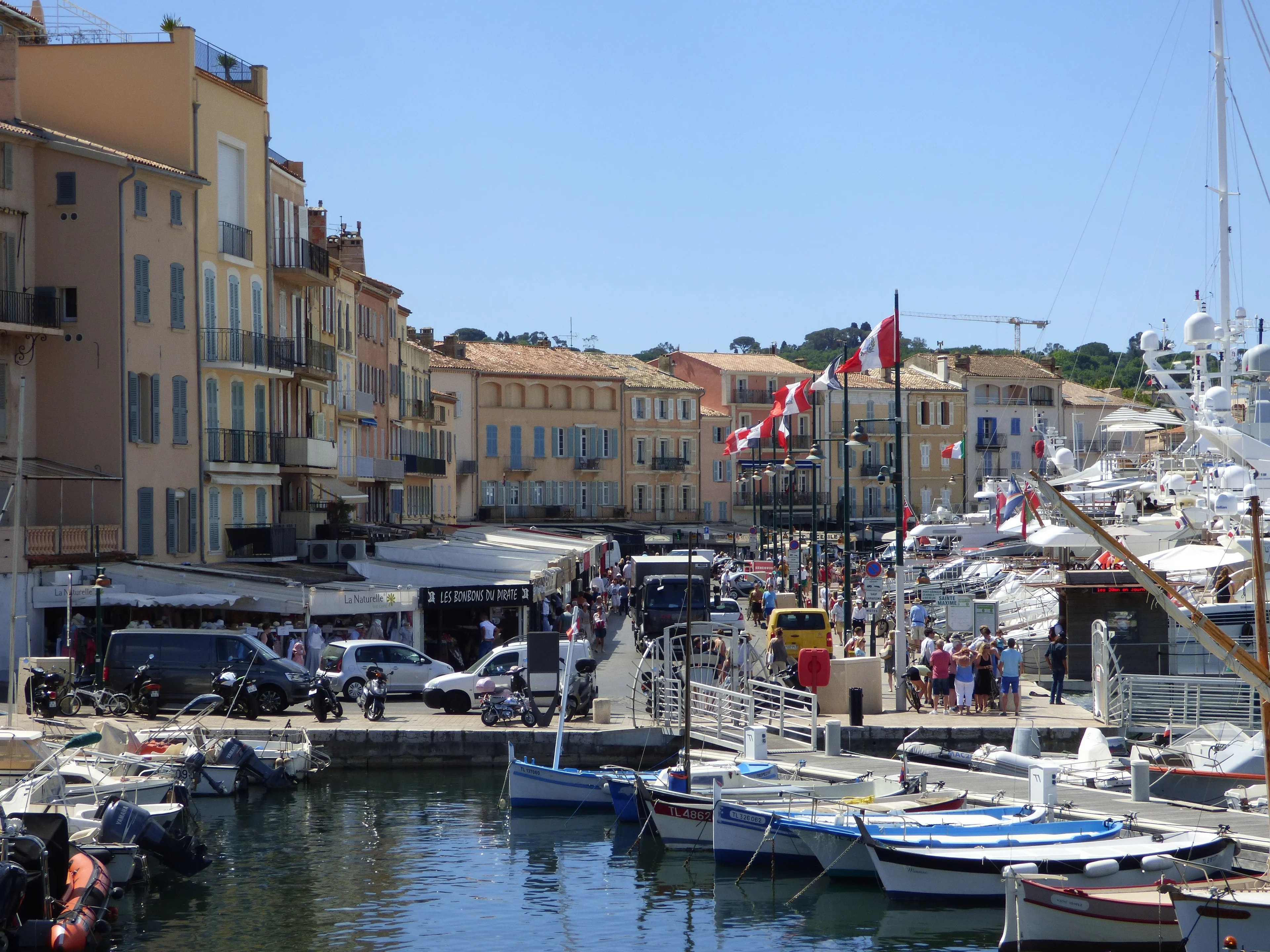
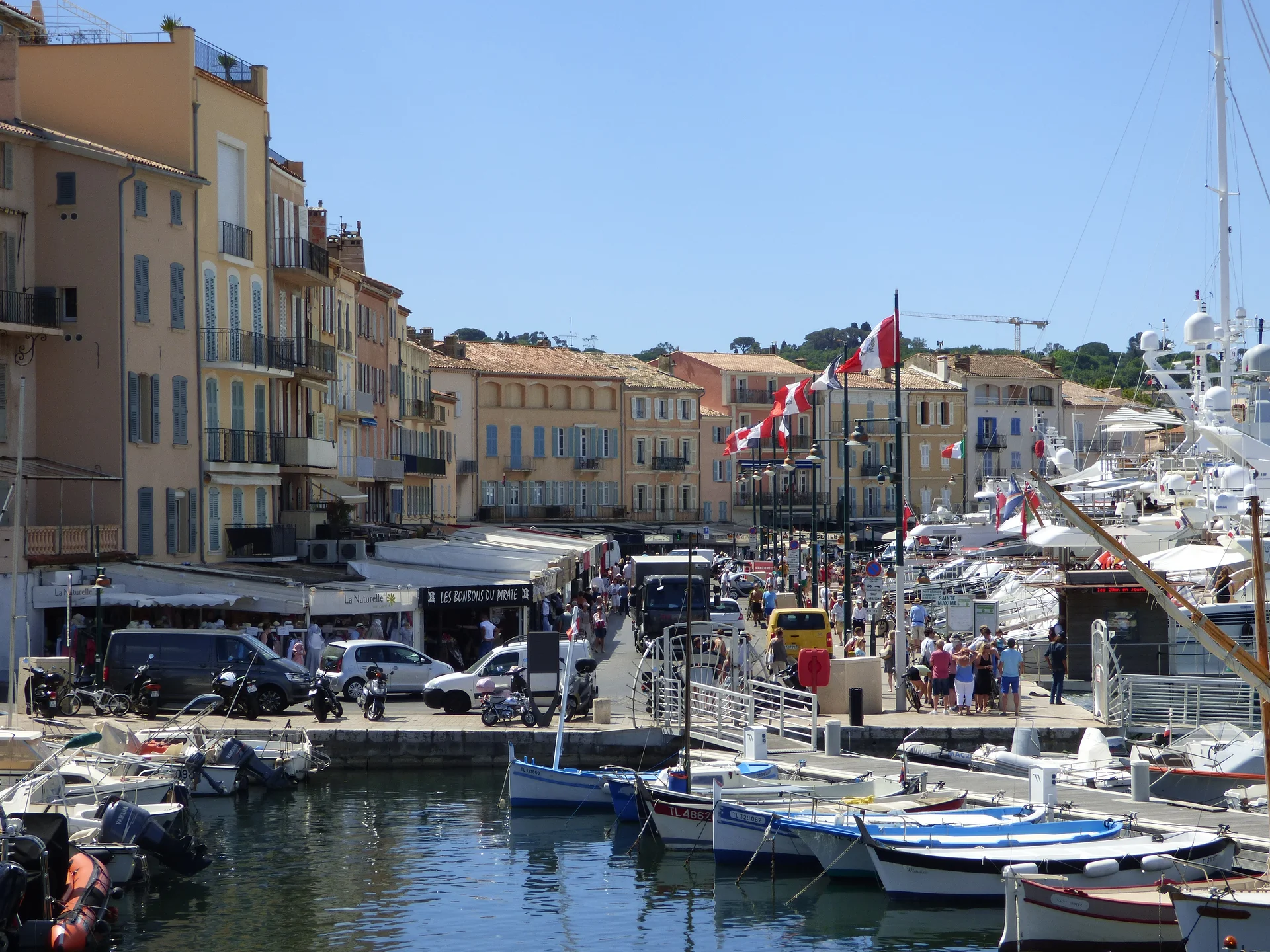
Saint-Tropez, the fishing village that captured the world
In 1887, a local named Sénéquier opened a café right on the harbor. Its red chairs haven't moved an inch since. Seventy years later, Brigitte Bardot turned her gaze toward it, and the entire world discovered this tiny tip of the Var peninsula. You know the rest: outsized yachts, paparazzi, Dior boutiques, and champagne at $570* a bottle.
Yet behind that glossy veneer, something older remains. An ochre and red bell tower rising above the rooftops. Narrow alleys where laundry still hangs out to dry. The rhythmic clack of pétanque balls beneath the plane trees.
Saint-Tropez: the destination of extremes
If you are looking for a casual and approachable stretch of the French Riviera, look elsewhere. The town draws a wealthy clientele, celebrities seeking privacy, and sightseers watching the spectacle. Prices skyrocket starting in June. A lounge chair on Pampelonne Beach can cost $79* for the day. Lunch at a beach club runs at least $169*.
Here is the paradox: the old village remains walkable, free to explore, and genuinely charming. Art lovers will find a world-class museum here. Hikers can tackle 20 kilometers of coastal trails without spotting a single yacht. The key is timing, as the town returns to a human scale and reasonable prices in the off-season from November to May.
A budget that adds up fast
Plan on $169 to $340* per day for two people in the summer, depending on your style. Accommodation starts around $169* a night for a decent room and climbs without limit. Harborfront restaurants carry hefty bills, but spots tucked away on side streets offer set menus for $29-$40*.
The harbor and the old village
The quai Jean-Jaurès is the main stage for local life. The sidewalk tables at Sénéquier offer prime views of the yachts and their owners. Watching the scene without ordering anything costs nothing. In the morning before 10 AM, the harbor still belongs to the fishermen.
The La Ponche neighborhood begins right where the luxury boutiques stop. Once a haven for fishermen, it keeps its narrow alleys, faded facades, and a tiny beach wedged between two towers. This is where painters stayed in the early 20th century. Paul Signac set up his studio here in 1892, drawing Matisse, Bonnard, and Marquet in his wake.
Friendly tip: head up to the Citadel in the late afternoon. The 17th-century fortress houses a maritime history museum, but the real draw is the panoramic view over the gulf and the village rooftops.
The beaches, from Pampelonne to secret coves
First misconception to clear up: there is no large beach in Saint-Tropez proper. Downtown is a harbor. For sand, head to the neighboring town of Ramatuelle, a 10-minute drive away. That is where the famous 4.5-kilometer stretch of Pampelonne Beach unfolds, made famous by the film And God Created Woman.
Beach clubs line the sand: Club 55, the oldest and most sought-after; Nikki Beach, known for its party scene; and Tahiti Beach, recognizable by its orange umbrellas. Book several weeks ahead for July and August. A lower-key alternative is Graniers Beach, reached on foot from the Citadel, featuring a single rustic restaurant right on the sand and views across the gulf.
For quiet seekers, La Moutte Beach takes some effort, as a 20-minute trail protects it from the crowds. Keep in mind that part of this beach is clothing-optional.
Art and culture, the town's other side
The Annonciade Museum occupies an old chapel facing the harbor. Its post-impressionist collection rivals major Paris museums, featuring Signac, Matisse, Derain, Bonnard, and Vuillard. The building itself, washed in Mediterranean light, makes the visit worthwhile. Allow an hour and around $9* for admission.
For something more quirky, the Gendarmerie and Cinema Museum pays tribute to Louis de Funès and the popular Gendarme film series shot here in the 1960s. The former police station recreates sets and costumes for fans of classic French comedy.
Friendly tip: the market at the Place des Lices runs on Tuesday and Saturday mornings. Expect Provençal goods, straw hats, and colorful fabrics. After shopping, watch locals play pétanque under the century-old plane trees.
The hilltop villages nearby
Ramatuelle deserves more than a quick drive-by on your way to the beach. This medieval village with its spiraling alleys overlooks the vineyards and the sea. It produces excellent Côtes de Provence rosés. Gassin, ranked among the prettiest villages in France, offers a 360-degree view of the gulf from its viewpoint.
Port Grimaud, a 15-minute drive away, stands out for its unique architecture. This planned marina village built in the 1960s mimics Venetian canals. Some find it kitsch, while others find it charming. Water taxis let you explore the waterways for a few euros.
Where to eat and drink in Saint-Tropez
The tarte tropézienne was born here in 1955. This brioche pastry filled with light cream was popularized by Brigitte Bardot, who supposedly gave it its name. The original bakery, La Tarte Tropézienne, still operates on Place des Lices. A slice runs about $6.80*.
To eat without breaking the bank, skip the waterfront. L'Auberge des Maures in the old town serves honest Provençal cooking for around $40*. Les Graniers, on the beach of the same name, serves grilled fish and salads in a protected setting. In Ramatuelle, Les Moulins occupies an old olive mill with a shaded terrace.
For fine dining, La Vague d'Or holds three Michelin stars. Chef Arnaud Donckele elevates Mediterranean ingredients here. Budget: $230 to $450* per person.
How to get to and around Saint-Tropez
The town has no train station, which is part of its preserved charm. From Paris, the TGV high-speed train reaches Saint-Raphaël in 4 hours. A bus then makes the connection in 1 hour 30 minutes for about $3.40*. Nice Airport is 95 kilometers away, while Toulon-Hyères Airport is 52 kilometers away.
In the summer, taking the ferry from Nice or Cannes bypasses the legendary traffic jams on the D98 highway. The crossing takes 1 hour 30 minutes and costs $23 to $45* one-way. Once you arrive, the center is entirely walkable. For reaching the beaches, a scooter or car becomes essential. Downtown parking garages cost $3.40 to $5.70* per hour.
When to go
Skip July and August if you dislike crowds, inflated prices, and traffic. May, June, and September offer the best compromise: pleasant weather, swimmable sea temperatures, and reasonable rates. Winter reveals another side of the town, when locals reclaim the streets, restaurants seat guests without reservations, and the sun shines frequently.
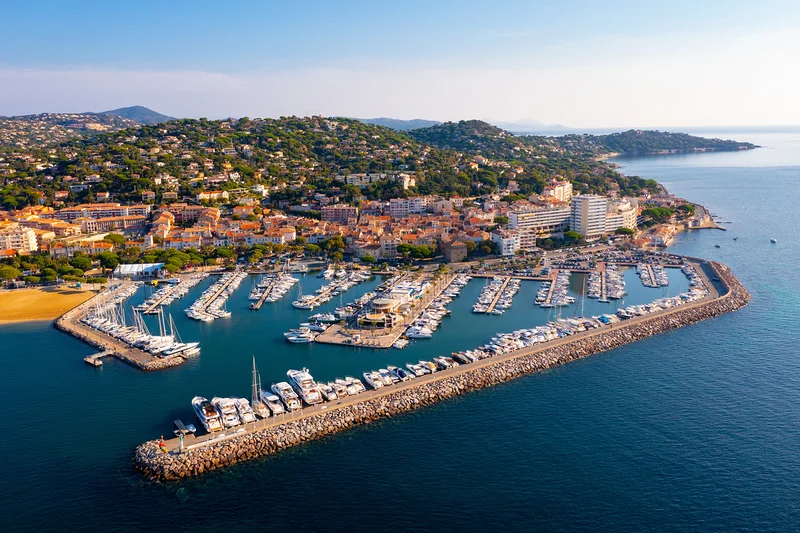
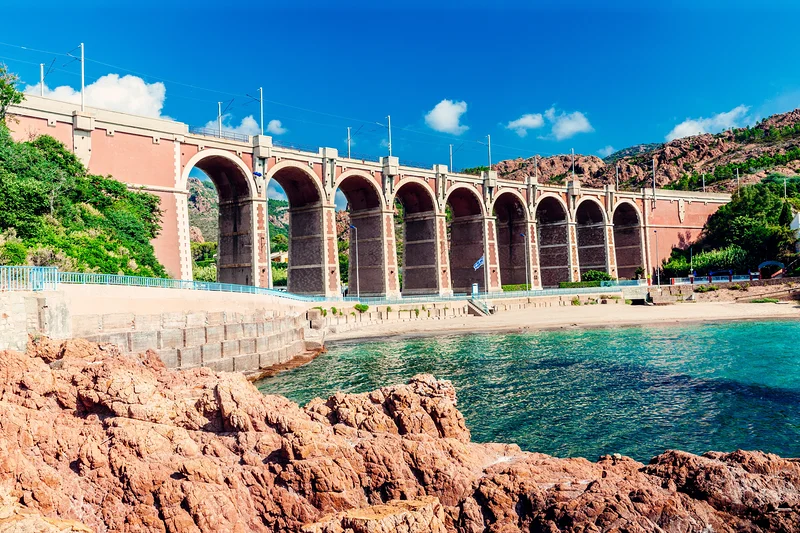
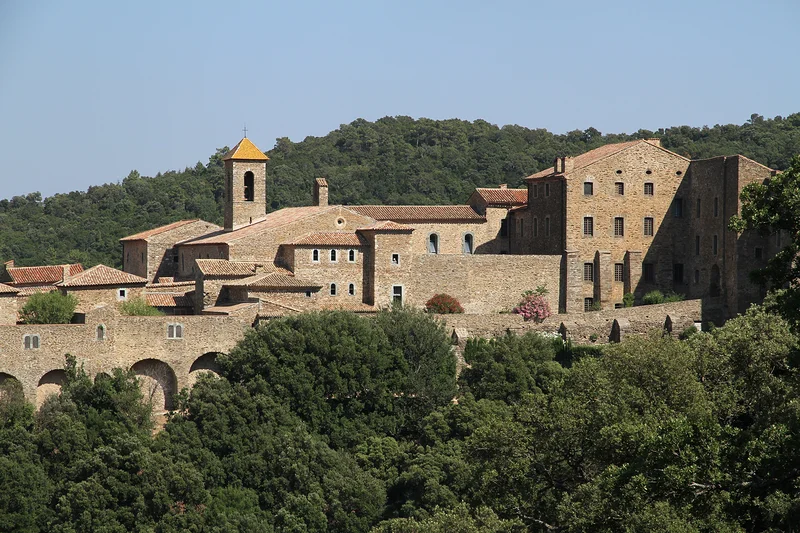
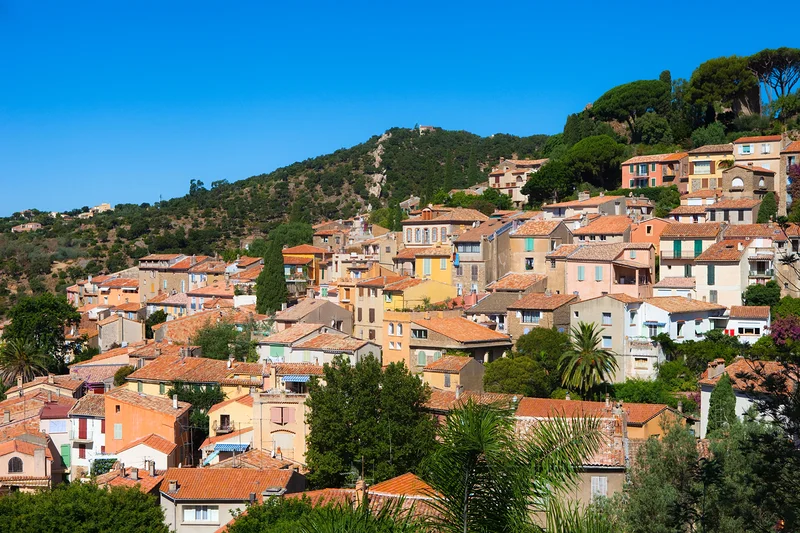
One of my favorite cities in the south! Typically Provençal, it offers plenty of colorful narrow streets for wandering, a very pleasant chic harbor, and beautiful beaches. It is like a smaller, more picturesque Cannes. From the top of the citadel, the view of the city and the boats is magnificent. I also recommend a unique museum, the Gendarmerie and Cinema Museum, which immerses you in the sets of the famous Gendarme of Saint-Tropez. Try to go during the off-season, because in the summer, the city is packed.