
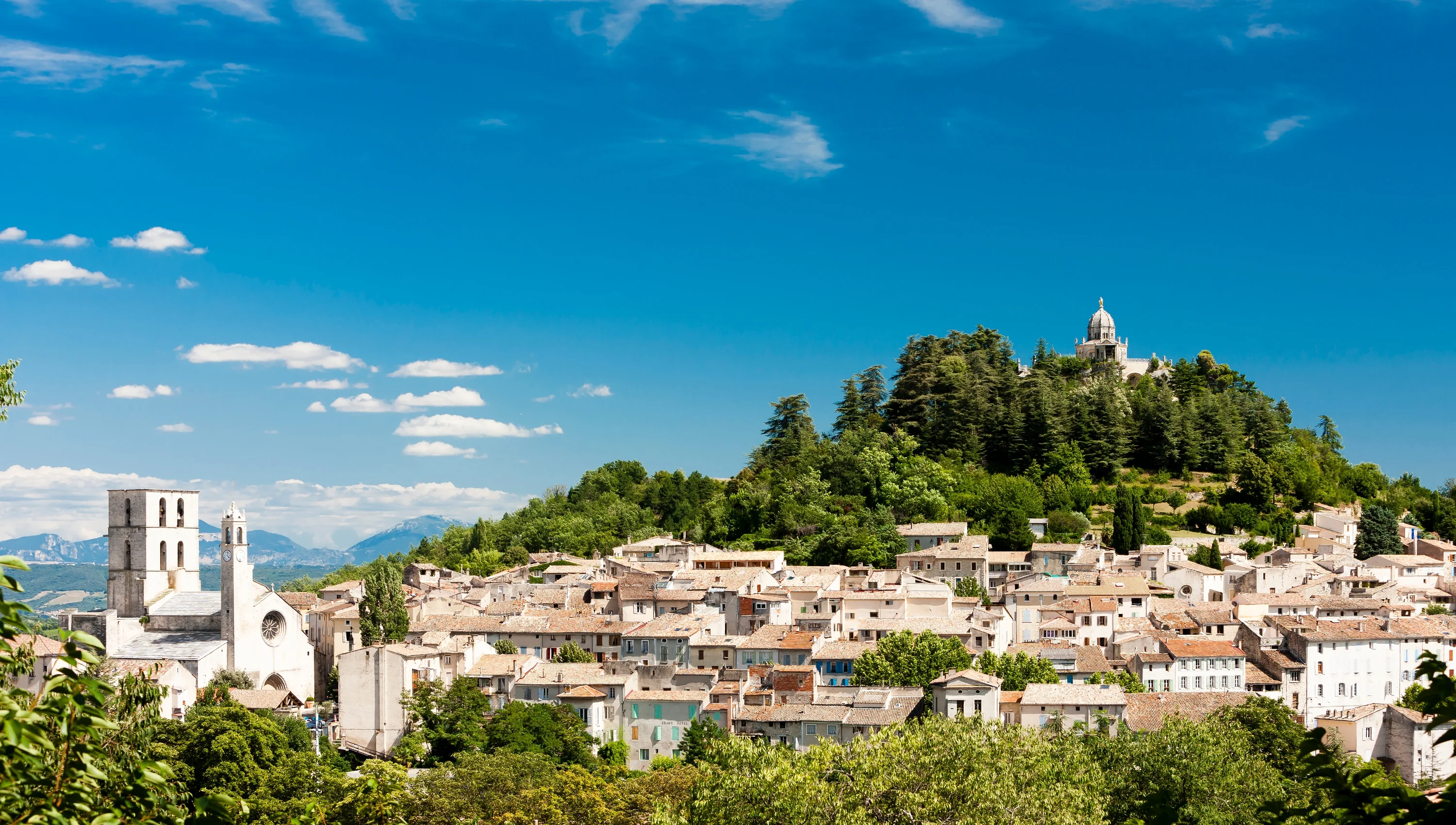
Forcalquier, the forgotten capital where four women became queens
Back in the thirteenth century, the four daughters of Count Raimond Berenger V married kings. Eleanor, Marguerite, Sancie, and Beatrice became queens of England, France, Germany, and Sicily. Ever since that golden era, Forcalquier has carried the nickname City of the Four Queens.
This hilltop town lost its status as the county capital, but it kept the quiet pride of a place that used to run things. Today, it is a town of 5,000 residents where you run into artists, herbalists, and Provence enthusiasts escaping the crowds of the neighboring Luberon.
Forcalquier: who is it for, and why go?
Forcalquier appeals to travelers looking for a slice of Provence without the tourist gloss. You will not find packed tour buses or cookie-cutter souvenir shops here. People come for the Monday market, one of the largest and oldest in the region, documented since the twelfth century. They also come to hike the montagne de Lure, the secret younger sibling of Mont Ventoux. Herb lovers will feel right at home since the region is the historical birthplace of Haute-Provence lavender.
On the flip side, skip this stop if you want nightlife or nearby beaches. Forcalquier is a place for quiet reflection. Restaurants close early, often between 2:30 PM and 7:30 PM. Having a car is non-negotiable for exploring the surrounding countryside. That is the trade-off for enjoying some of the clearest skies in France, officially recognized by the nearby astronomical observatory.
A reasonable budget for Provence
Good news: Forcalquier remains accessible compared to the upscale villages of the Luberon. Expect to pay $68 to $102* a night for a bed and breakfast, and $17 to $29* for a full meal with local wine. Most main sights are free or cheap. The average daily budget runs $90 to $135* per person, lodging included.
The old town and its oddities
Your exploration starts on place du Bourguet, the beating heart of the town. Every Monday morning, close to 200 stalls pop up selling goat cheese, lavender honey, olives, and herbes de Provence. On the first Monday of the month, the market scales up even further. During the summer, the town sets up free parking lots with horse-drawn carriage shuttles to handle the crowds.
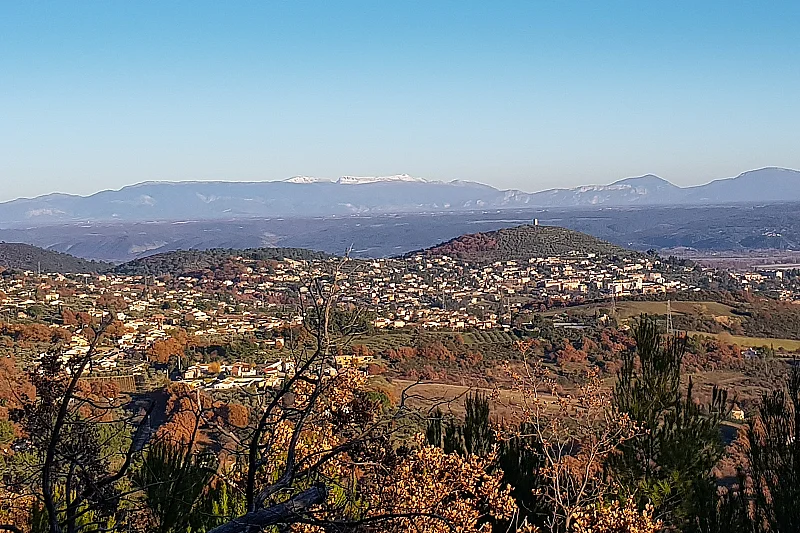
Next, climb up to the citadel via the Stations of the Cross path. At the top, the Notre-Dame-de-Provence chapel stands out with its octagonal shape and nineteenth-century Neo-Byzantine style. Its 15-bell carillon rings out every Sunday morning at 11:30 AM. The real draw, though, is the view: a 360-degree panorama of tile roofs, the snow-dusted peak of the montagne de Lure in winter, and on clear days, the Digne Prealps.
Friendly tip: get to the market before 9:00 AM if you want to dodge the rush. Locals do their shopping by 8:00 AM to snag the best produce.
Medieval heritage and Provençal scents
The couvent des Cordeliers, founded in the thirteenth century by Franciscans, now houses the European University of Scents and Flavors. They host introductory perfumery workshops there, and walking into the cloister is free. The Notre-Dame-du-Bourguet cathedral, dating back to 1155, features a notable 1629 pipe organ and blends Romanesque and Gothic architecture.
Do not miss the classified cemetery just outside town. This striking site, protected as a historic monument since 1946, looks like a green hedge maze. A municipal gardener had the idea to prune yew trees into archways and living walls, with each opening revealing a gravestone. It holds the largest collection of pruned yews in France.
Nature and geological sites
Located 3 km north of town, the Rochers des Mourres create a lunar landscape. These 25-million-year-old limestone formations were sculpted by erosion into giant mushrooms. The word mourre means head in Provençal. Author Pierre Magnan, who lived in Forcalquier in a tiny dovecote, frequently featured this spot in his mystery novels.
In Mane, the Salagon Priory houses a departmental museum and six hectares of ethnobotanical gardens labeled as a Remarkable Garden. More than 1,700 species grow there, including a medieval garden, medicinal plants, and a pre-Columbian vegetable plot. For amateur astronomers, the Observatoire de Saint-Michel-l'Observatoire sits 10 km away in an area with minimal light pollution.
Where to eat and drink in Forcalquier?
The local food scene focuses on short supply chains. La Campagne Saint-Lazare builds its menu around vegetable creations. Le Feuillée, chef Louis Gachet's fine dining spot, highlights local producers. For a casual meal, the cafe terraces on place du Bourguet offer a pleasant setting. On Thursday afternoons, an organic market makes it easy to stock up on goat cheese and honey for picnics.
Where to stay in and around Forcalquier?
The town center has a few boutique hotels and guesthouses. Le Grand Hôtel, right at the foot of the old town, has rooms overlooking the montagne de Lure. La Bastide Saint-Georges offers a more upscale setup with a swimming pool. Surrounding villages like Saint-Michel-l'Observatoire and Mane are packed with affordable gîtes. For an unusual stay, les Bulles de Forcalquier let you sleep in transparent domes right under the stars.
How to get to and around Forcalquier?
Forcalquier has no train station. The closest high-speed TGV station is Aix-en-Provence, a 1h10 drive away. ZOU buses connect via Manosque in 2h30. Line 65 also runs from Marseille Saint-Charles in 2 hours. Marseille-Provence Airport is a 1h20 drive away. Having a car is essential for exploring the region since the A51 highway passes 10 km away with an exit at La Brillanne. Parking in the center is free.
When to go?
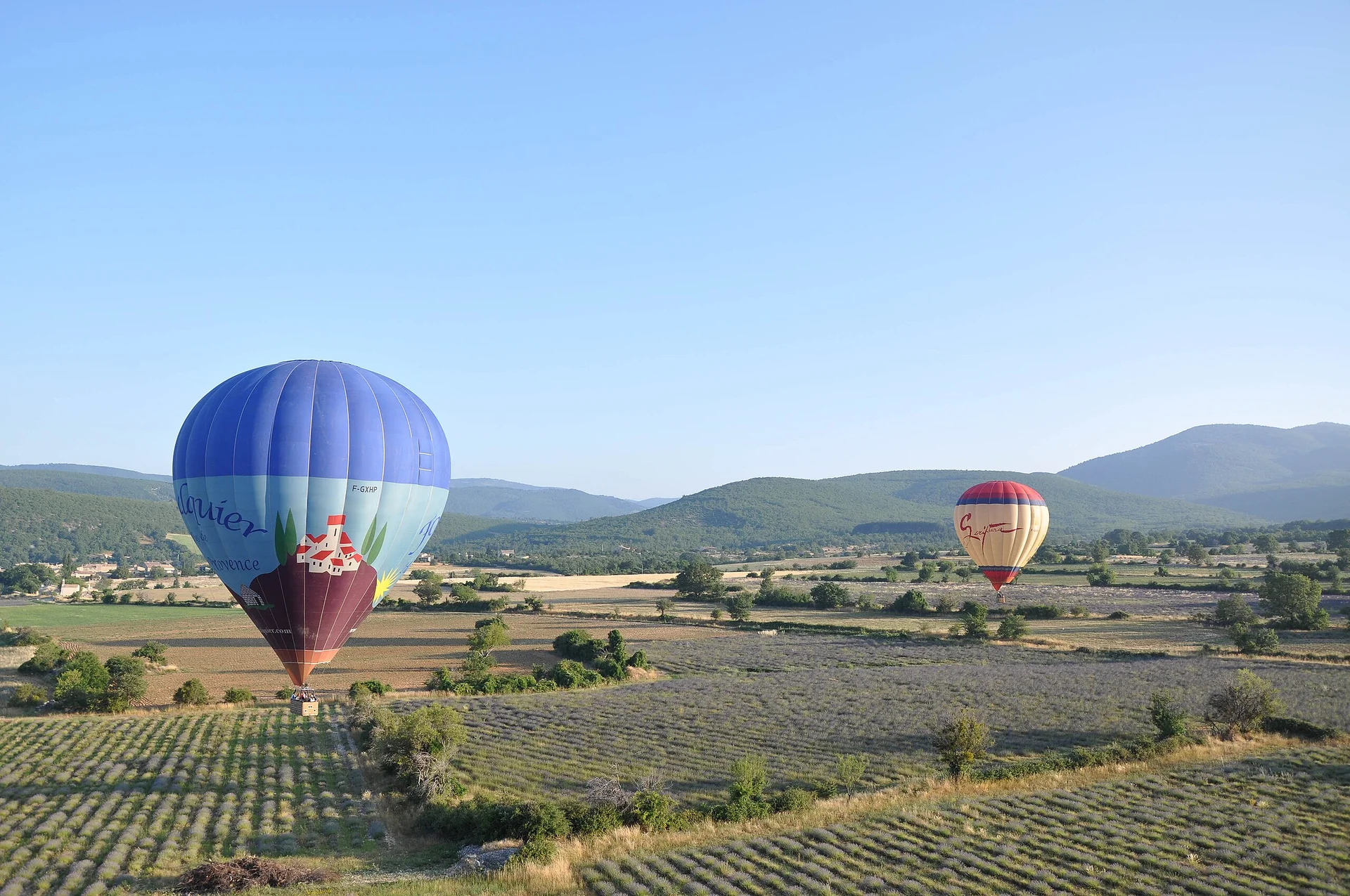
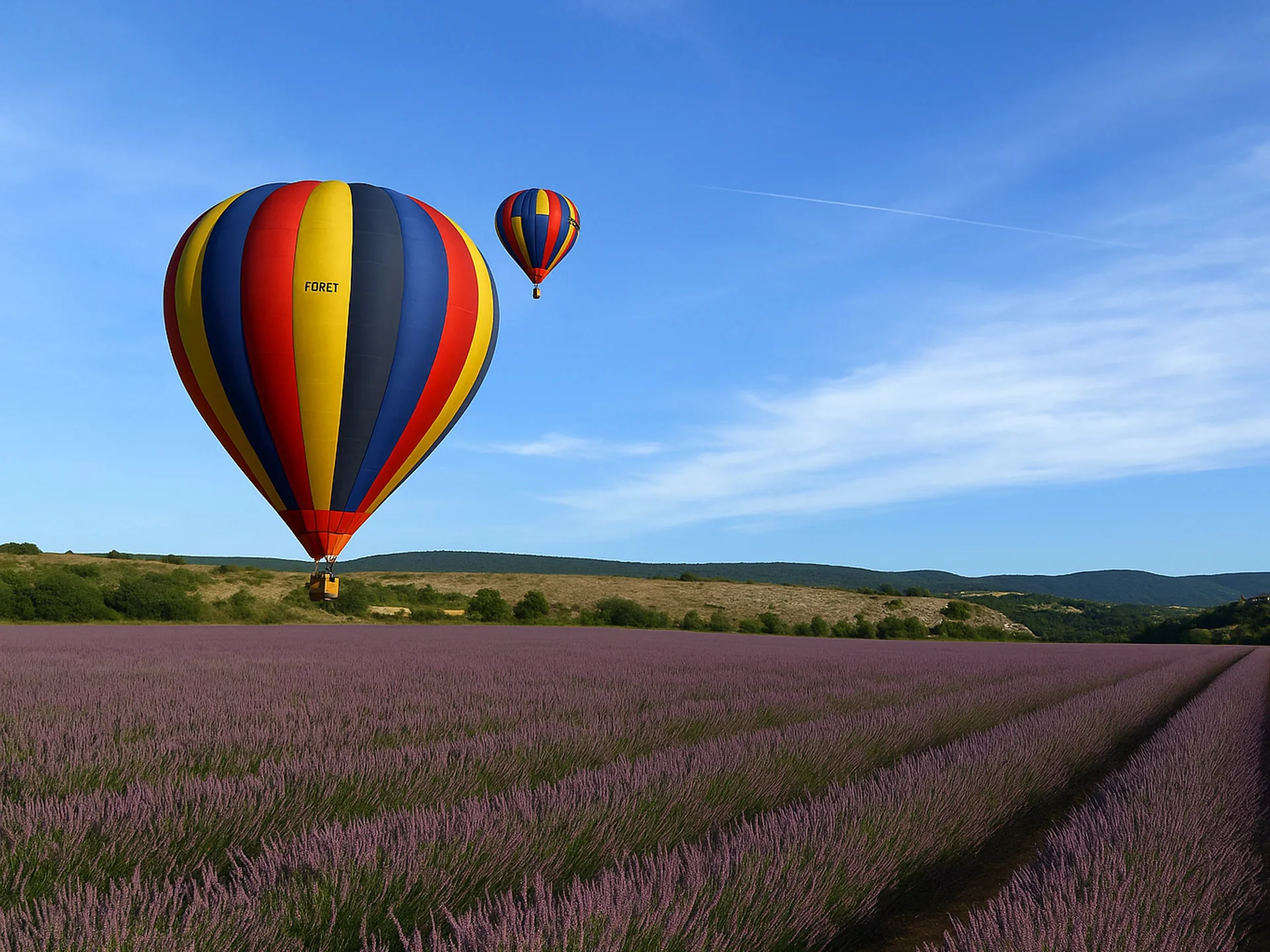
Spring and autumn hit the sweet spot between mild weather and peace and quiet. If you want to see lavender in bloom, aim for mid-June to mid-August. The bloom lasts longer around Forcalquier than in the rest of Provence, sometimes stretching to August 15 on the Albion plateau. Summers get very hot, with temperatures climbing past 35°C in July. In winter, the montagne de Lure dusts over with snow and the town quiets down completely, making it the ideal season for solitude seekers.
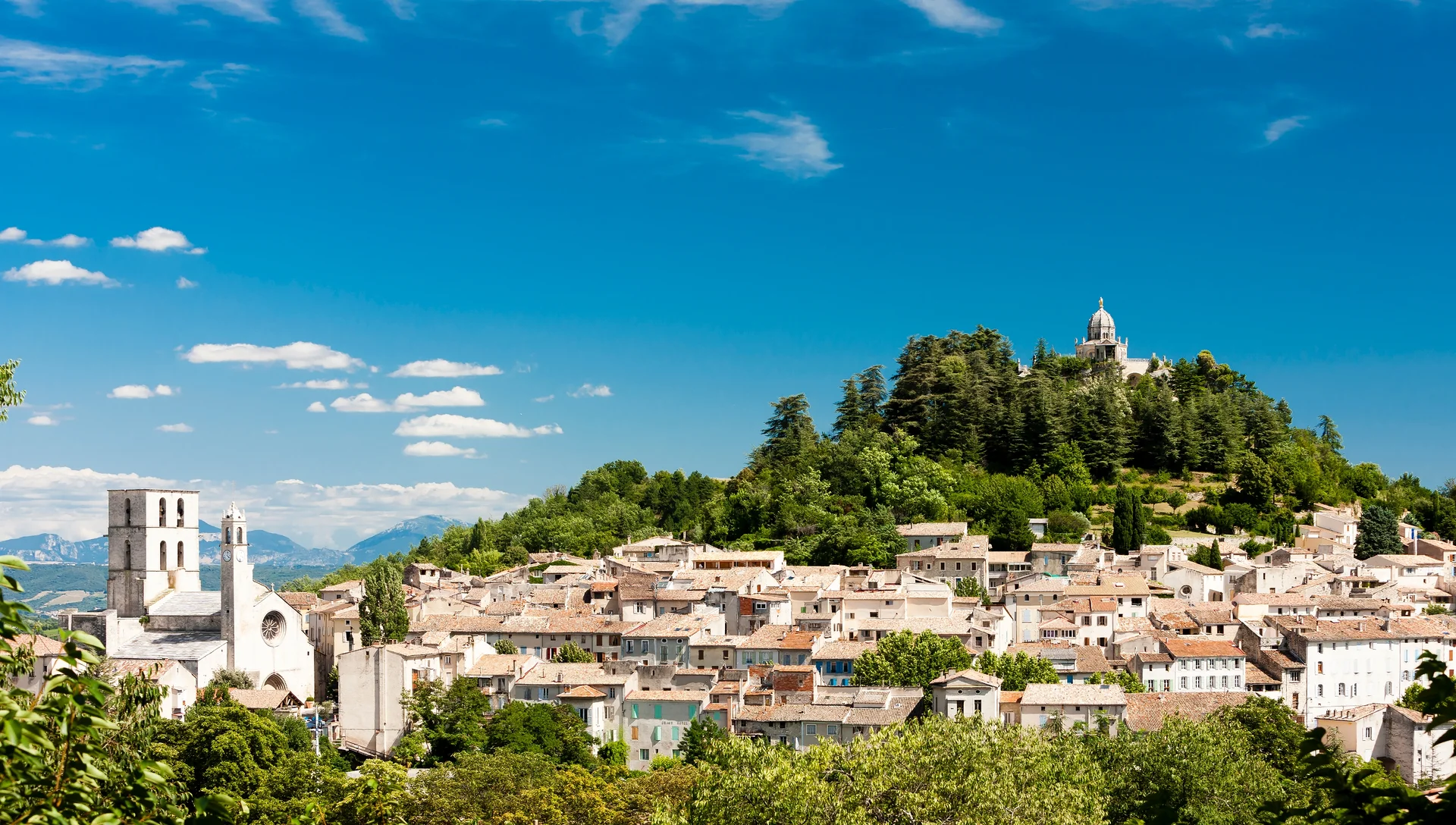

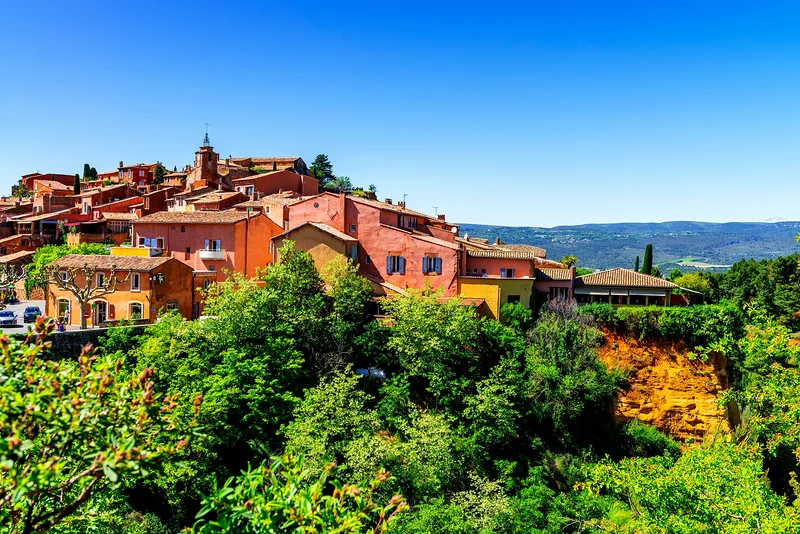
For me, this small town in the Alpes-de-Haute-Provence is a must, the city is full of charm!
I loved wandering through the old cobblestone alleys, admiring the historical monuments (Notre-Dame-du-Bourguet Cathedral, Couvent des Cordeliers) and smelling the typical scents of the market products!
Plus, you can find a substantial selection of shops and some really good restaurants, dream spots to enhance your discovery!
Quick tip: hike up to the terrace of Notre-Dame-de-Provence. From up there, you will tower over the town and its hilly region.