
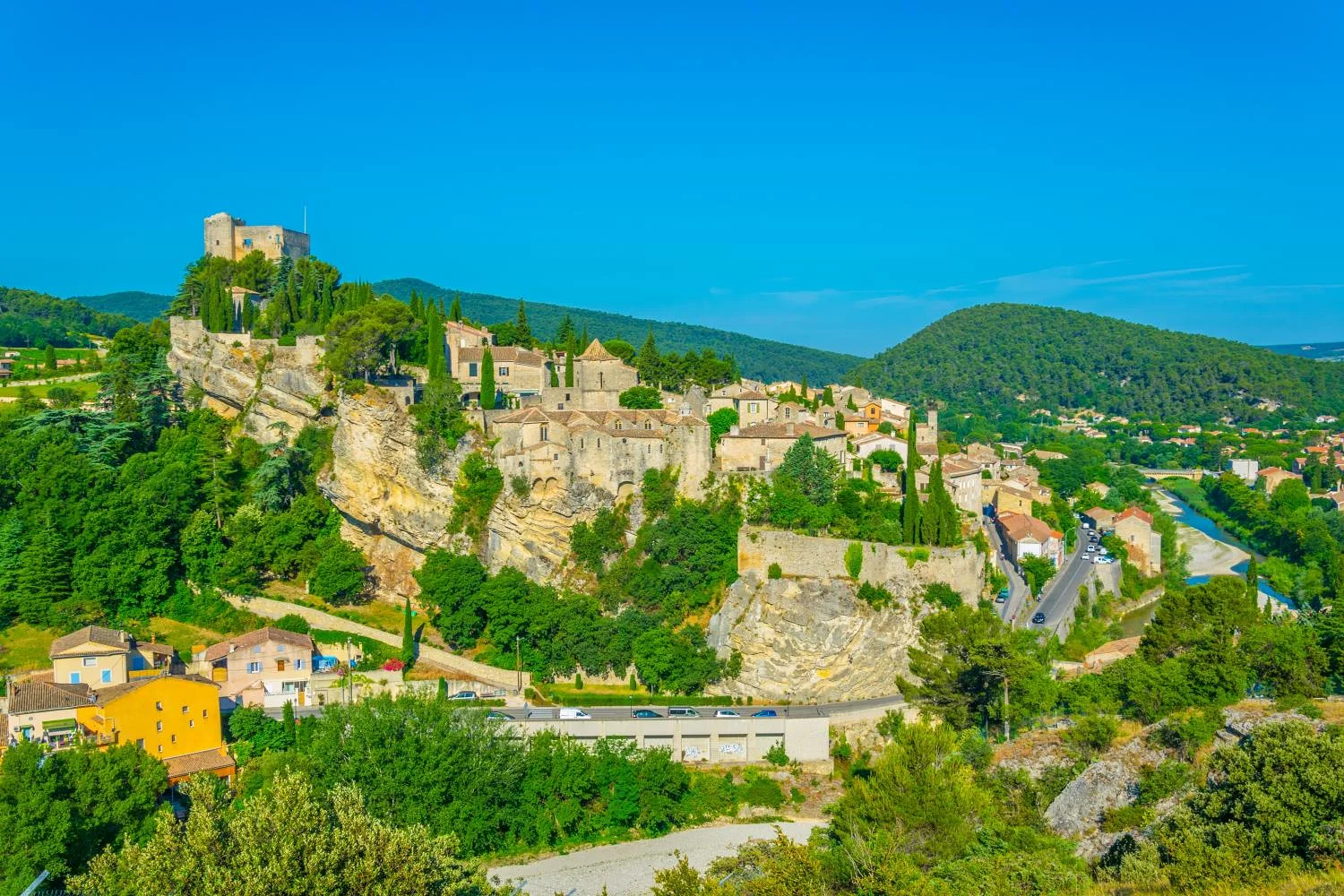
Vaison-la-Romaine, Three Layered Towns at the Foot of Mont Ventoux
Until 1924, the town was simply called Vaison. Then l'abbé Sautel, a local priest obsessed with archaeology, started digging. What he unearthed beneath backyard gardens and house foundations changed the town name, and its future, forever.
Fifteen hectares of Gallo-Roman ruins emerged from the dirt, making this small town in the Vaucluse department the largest archaeological site in France open to the public. Here, the ancient Roman town, the medieval citadel, and the Provençal market town sit just yards apart, separated by a Roman bridge that cars still drive across after 2,000 years on the job.
Provence for Travelers Who Want to Understand, Not Just Look
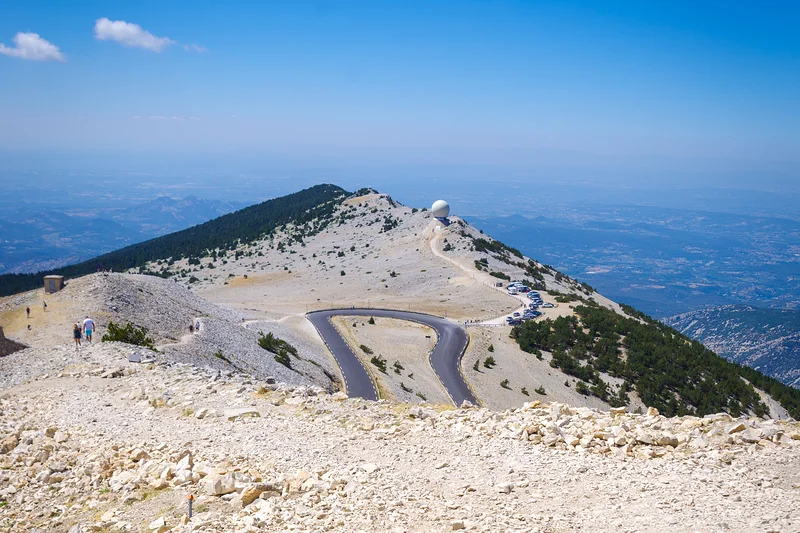
This town appeals to history buffs, wine lovers, and hikers. The mix of ancient heritage, Côtes du Rhône vineyards, and quick access to the Mont Ventoux and the Dentelles de Montmirail makes it an ideal base for exploring the northern Vaucluse. The Tuesday market, one of the most famous in Provence, is reason enough to make the trip.
Anyone looking for the coast, nightlife, or postcard-perfect Luberon villages will leave disappointed. Vaison is a substance-over-style destination. The town carries a deep scar in its memory, specifically the catastrophic flash flood of the Ouvèze on September 22, 1992, which claimed 37 lives locally. The Roman bridge held firm, but the lower neighborhoods were devastated. Today the town has healed, and residents prefer that visitors focus on their heritage rather than that tragedy. They are right.
Practical and Stress-Free
Vaison is entirely walkable. Parking lots near the ancient sites are free. The town has plenty of restaurants, hotels, and shops to make an independent stay easy. The Mediterranean climate can make sightseeing exhausting in mid-summer, so pack a hat and water. Safety is a non-issue.
A Moderate Budget for Provence
The combined admission pass for all archaeological sites costs $11* per adult, $4.50* for ages 10-17, and is free under 10. Expect $90 to $169* a night for a boutique hotel or bed and breakfast, $17 to $29* for lunch, and $40 to $62* for a careful dinner. A full day runs around $68-$113* per person.
Roman Times: Puymin, La Villasse, and the Ancient Theater
The archaeological park is split into two sites on opposite sides of the tourist office. At the Puymin site, you will find the House of the Laureled Apollo, a 2,000-square-meter domus that gives a concrete idea of daily Roman life with its reception rooms featuring marble floors, private baths, and kitchens. Right next door, the House of the Arbor covered 3,000 square meters. These people lived well.
The ancient theater, carved into the Puymin hillside, held 6,000 spectators in the 1st century. It still hosts performances today, and the view from the upper rows sweeps across the surrounding hills. The Théo Desplans Museum, located on the same site, houses white marble imperial statues of Hadrian and his wife Sabina, recovered from the theater pits in 1912.
The La Villasse neighborhood, on the opposite bank from the main street, shows the commercial scale of the ancient city. You walk on paved streets lined with shops, passing public baths and patrician residences. The complex reveals a prosperous city in Gallia Narbonensis, which served as the capital of the Vocontii Gallic tribe.
Friendly tip: The admission pass is valid for 24 hours. If you arrive late in the day, start with La Villasse on your first evening, then head to Puymin the next morning. Free guided tours run on Tuesdays and Thursdays at 2:30 PM in season, and they are well worth joining.
The Medieval Upper Town: Calades and Panoramic Views
To reach the medieval citadel, you cross the Roman bridge. The single 17-meter arch, which clears the Ouvèze in one leap, has been classified as a Historic Monument since 1840. It is easily the most photographed landmark in town, and it earns that status.
On the other side, the path winds upward between stone houses clinging to the cliffside. The cobblestone alleys, known as calades in Provençal, lead to the belfry tower, old fortified gates, and small squares cooled by fountains. At the summit, the ruins of the Counts' Castle, built in 1195 by Raymond VI, Count of Toulouse, offer a view that easily rewards the steep climb. You can spot the lower town, the vineyards, and Mont Ventoux in the distance.
Back down in the lower town, make time to visit the Notre-Dame-de-Nazareth Cathedral and its 11th- and 12th-century cloister. It stands as one of the finest examples of Provençal Romanesque architecture, and the cloister garden holds a rare serenity. The Saint-Quenin Chapel, tucked slightly away, is also worth a detour for its triangular apse, an architectural curiosity found nowhere else in Provence.
Wines, Markets, and Perched Villages: Gourmet Provence
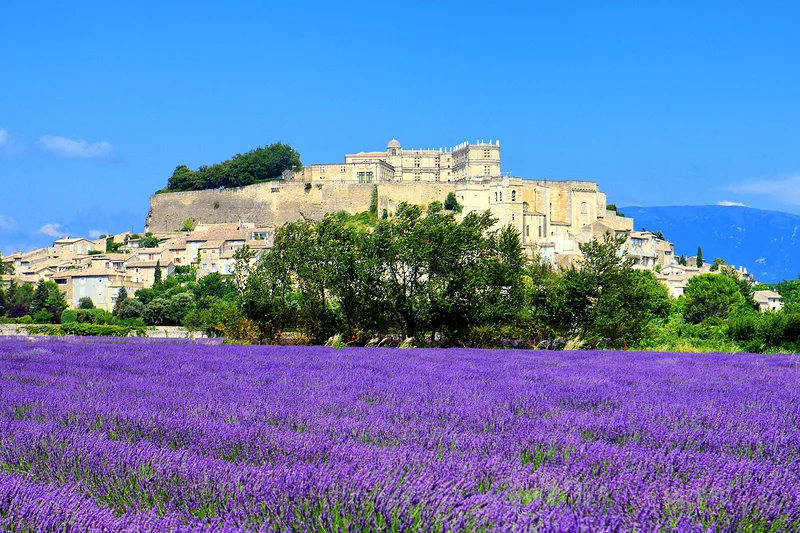
The large Tuesday morning market has run since 1483, when Pope Sixtus IV granted Vaison permission to hold one. In summer, it expands to 450 vendors and takes over the entire downtown. Fruits, vegetables, goat cheese, olives, lavender honey, charcuterie, and Provençal fabrics make it a real working market, not a tourist trap. Arrive early around 8:00 AM to browse local farm stalls before the crowds arrive. An organic farmers market also runs on Saturday mornings along the Burrus service road.
Since 2016, the town has held its own appellation, the AOC Côtes du Rhône Villages Vaison-la-Romaine. The vineyards span 188 hectares across five communes. The reds, based on grenache, syrah, and mourvèdre, carry notes of spice and garrigue brush. Several wineries open their doors for tastings, and the Caves des Collines, located 3 km out on the road to Roaix, combines a wine cellar with a craft brewery.
Friendly tip: The villages surrounding Vaison hold some of the best crus in the southern Rhône. Séguret, ranked among the prettiest villages in France, sits 10 minutes away. Gigondas and Rasteau, 20 minutes away, produce world-renowned wines. Combine a hike in the Dentelles de Montmirail with a winery stop for the ideal day trip.
Where to Eat and Drink in Vaison-la-Romaine?
The most recommended table in town is Le Moulin à Huile, right at the foot of the medieval citadel with a terrace overlooking the Ouvèze. Amandine and Jérôme work with hyper-local fresh ingredients, earning recognition from Gault & Millau. Menus run between $45 and $63*, and reservations are advised. For a casual pizza with a view of the calades, try the Pizzeria du Vieux Vaison in the upper town.
Les Maisons Du'O, overlooking the medieval citadel, serves market-driven cuisine in a contemporary setting with panoramic views. It is the hottest reservation in town, so book ahead in season. For a relaxed drink paired with charcuterie boards and flammekueche, La Pause in the center is a great find with its selection of organic wines and craft beers.
Where to Stay in Vaison-la-Romaine and Around?
For a historic stay, the Hostellerie Le Beffroi occupies two 16th- and 17th-century private mansions in the heart of the medieval citadel. All 22 rooms are unique, the pool offers valley views, and the La Fontaine restaurant focuses on careful Provençal cooking. Driving up the narrow lanes requires some confidence, but the charm makes up for it.
Down in the lower town, the Hotel Burrhus is well-located, modern, and more accessible. B&B fans will find plenty of options in Vaison and neighboring villages priced between $90 and $146* a night. For total immersion in the vineyards, look toward Séguret or the hills between Rasteau and Cairanne, where several wine estates rent out gîtes.
How to Get to and Around Vaison-la-Romaine?
Vaison has no train station. From Avignon, expect about an hour by car via the D977 or an hour on the regional ZOU! bus from the Avignon bus station. From Orange, it is a 30-minute drive. Coming by car from Paris, the A7 highway leads to the Bollène or Orange exits, followed by 30 to 45 minutes on local two-lane roads.
Flying in from abroad, the closest airports are Marseille Provence (a 2-hour drive) and Avignon (1 hour). The town itself is easily explored on foot. A car is necessary if you want to explore the surrounding countryside, Ventoux, the Dentelles, and the wine villages.
When to go?
The best windows are April through June and September through October, when temperatures are pleasant, sites are open continuously, and crowds are manageable. In July, the Vaison Danse Festival takes over the ancient theater with international dance companies for three weeks. Every three years, the Choralies turn the town into a giant choral singing festival. Skip August if you struggle with intense heat and prefer to avoid crowded market stalls.


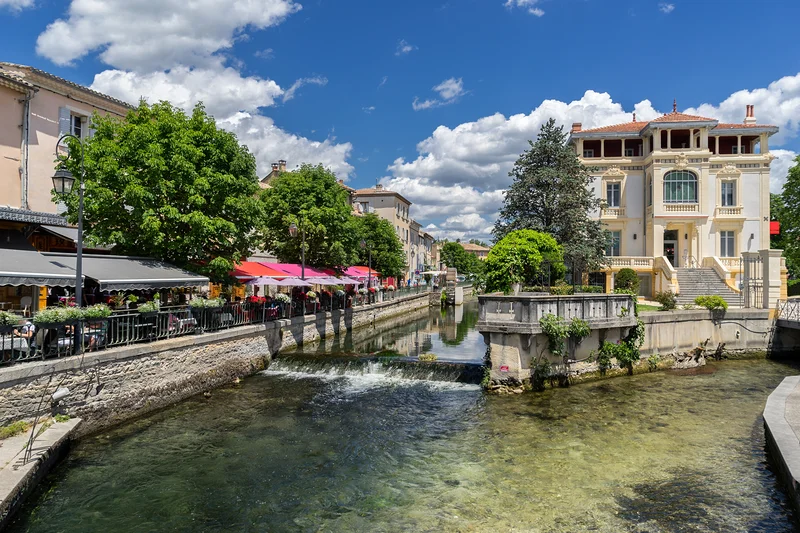
A must-see if you are passing through the Vaucluse or Ardèche! A town that really lives up to its name with magnificent ruins and an incredible juxtaposition of different eras. The presence of water adds a real sense of calm. You can really feel the Provençal art of living here. The highlights? The historical sites like the Roman bridge.