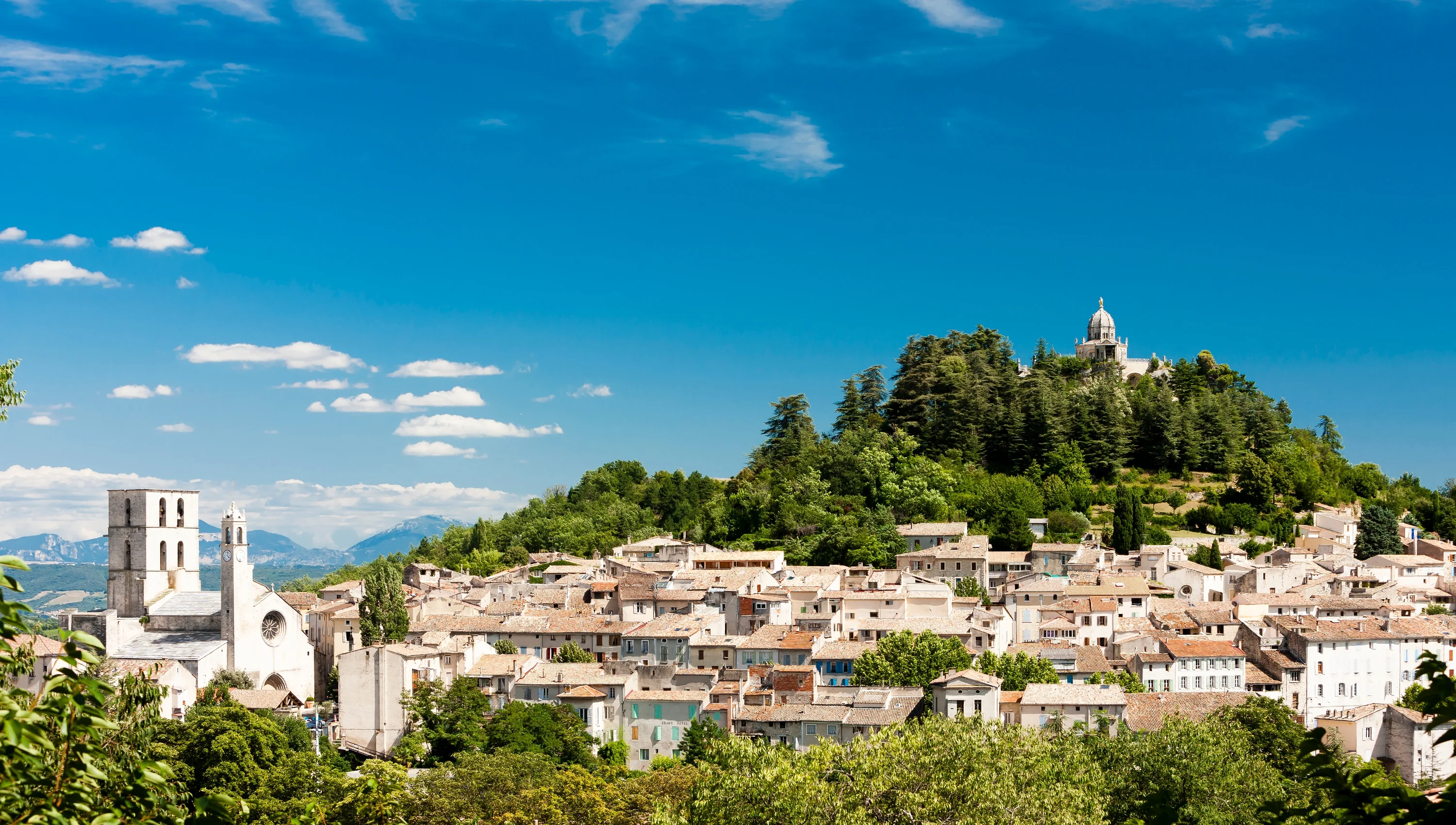
Forcalquier

What to do in Provence: top 20 highlights in 2026

The mistral blows a hundred days a year, and it is the wind that gives the sky the light the painters came looking for. The rankings below are built by travellers like you.

Our members' favourite places in Provence

Ranked on recommendations from travellers who went there

#1 Marseille +297 recs

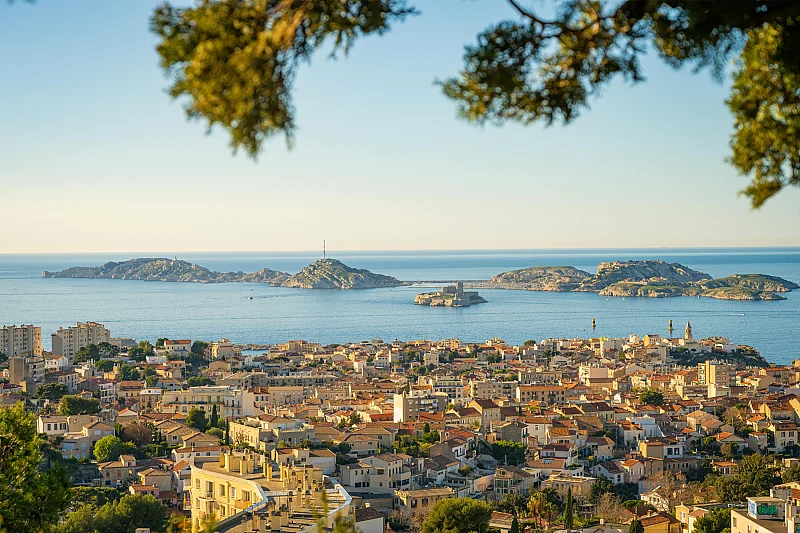
Marseille is a city of sharp contrasts, balancing a Mediterranean soul with a gritty, rebellious edge. Between the narrow alleys of Le Panier, the limestone cliffs of the Calanques, the activity at the Vieux-Port, and the coastal views along the Corniche, the city offers a raw sensory experience. You can grab a bowl of bouillabaisse by the water, trek up to Notre-Dame-de-la-Garde for a panoramic view of the skyline, and immerse yourself in an atmosphere that feels as unfiltered and intense as a summer day in South Florida.

#2 Avignon +128 recs

For seventy years, nine popes governed Christendom from this Provençal city, leaving behind the largest Gothic palace in Europe. Today, medieval ramparts enclose a historic core where every narrow street hints at papal intrigue. Each summer, the world’s largest theater festival turns the city into a massive stage. Between a local market overflowing with flavors, a legendary bridge severed by the Rhône, and secret lanes lined with plane trees, this former papal capital is impossible to ignore.

#3 Arles +126 recs

Arles is where the soul of Provence meets the scale of Ancient Rome. You can walk through the same sun-drenched streets that inspired Van Gogh and stand in the middle of a 2,000-year-old arena that still hosts events today. It is a rare spot that balances UNESCO-listed Roman ruins with a modern art scene, providing an experience defined by raw history and a light that feels like a permanent golden hour.

#4 Hyères +106 recs

Hyères sits between the sea and the scrubland, showing a side of the French Riviera that feels less crowded than Nice or Cannes. The town combines a historic old center with easy access to the golden islands, known as the Îles d'Or. It is a practical base for travelers who want to balance sightseeing with sailing or windsurfing, all set against a classic Mediterranean backdrop.

#5 Aix-en-Provence +101 recs

Aix-en-Provence moves at a pace that makes you feel like a local within hours. You get a mix of historic cobblestone streets, traditional markets, and a level of cultural activity that keeps the city relevant year round. It is the kind of place where you can spend your morning in an art museum and your afternoon lingering at a cafe, much like the slower-paced lifestyle found in Santa Fe.

#6 La Ciotat +98 recs

La Ciotat is more than just a French Riviera postcard. This is where cinema history first took root right at the water's edge. Between the raw majesty of limestone inlets like Figuerolles and the echoes of a naval past lingering over the old port, the town offers an authentic Mediterranean experience. It draws travelers looking for a place with actual character, a destination with a story that goes deeper than its gold-sand beaches.

#7 Cassis +95 recs

Frédéric Mistral once claimed that if you have seen Paris but not Cassis, you have seen nothing. This small Provençal port, tucked between the tallest sea cliff in France and the famous calanques, makes a compelling case for that sentiment. The water shifts from turquoise to deep navy throughout the day, while the limestone cliffs of Cap Canaille glow orange at sunset. On the port terraces, a glass of local AOC white wine paired with fresh sea urchins offers a coastal experience that rivals the best spots along the California shoreline.

#8 Les Baux-de-Provence +91 recs

Les Baux-de-Provence sits carved into white limestone cliffs, offering a maze of medieval alleys that look out over the Alpilles mountains. Beyond the stone ruins, visitors head to the Carrières des Lumières for high-tech art projections inside a former quarry. It is a quiet, rugged escape in the south of France that balances historical architecture with hiking trails through the local garrigue scrubland.

#9 Saintes-Maries-de-la-Mer +66 recs

Set in the middle of the Camargue wetlands, Saintes-Maries-de-la-Mer is where local traditions meet the Mediterranean coastline. This town offers a quiet look at southern French culture, with salt marshes and beaches that feel a bit like the remote stretches of the Outer Banks.

#10 Toulon +60 recs

Twenty years ago, the neighborhood near the naval base was known as Chicago. While the old sailor bars have been replaced by art galleries and trendy sidewalk cafes, the gritty port identity remains. You can spot the Charles de Gaulle aircraft carrier from the shore, the local markets are heavy with the scent of olives and lavender, and the beaches stay accessible without the gridlock common in other coastal spots. Toulon skips the glitz of the French Riviera to keep things authentic and grounded.

Our members' favourite things to do in Provence

Ranked on recommendations from travellers who did them

#1 Carrières de Lumières (Les Baux-de-Provence) +40 recs 4.9/5

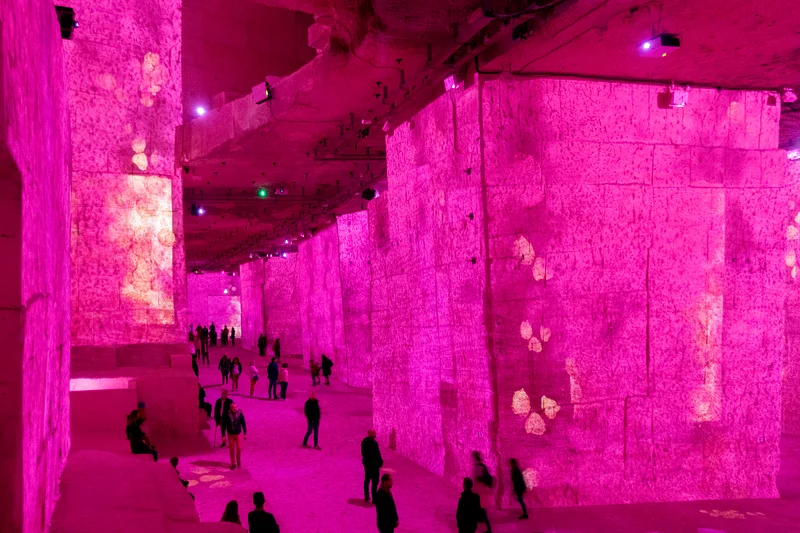
Carrières de Lumières, formerly known as Cathédrale d'Images in Les Baux-de-Provence, turns a historic quarry into an immersive art space. Works by artists like Van Gogh or Klimt are projected onto massive stone walls with animations and a synced soundtrack. This sensory experience suits all ages, offering a modern perspective on art. Located near the village, it is a memorable visit.

See the guide See deals

#2 Palace of the Popes (Avignon) +37 recs 5/5

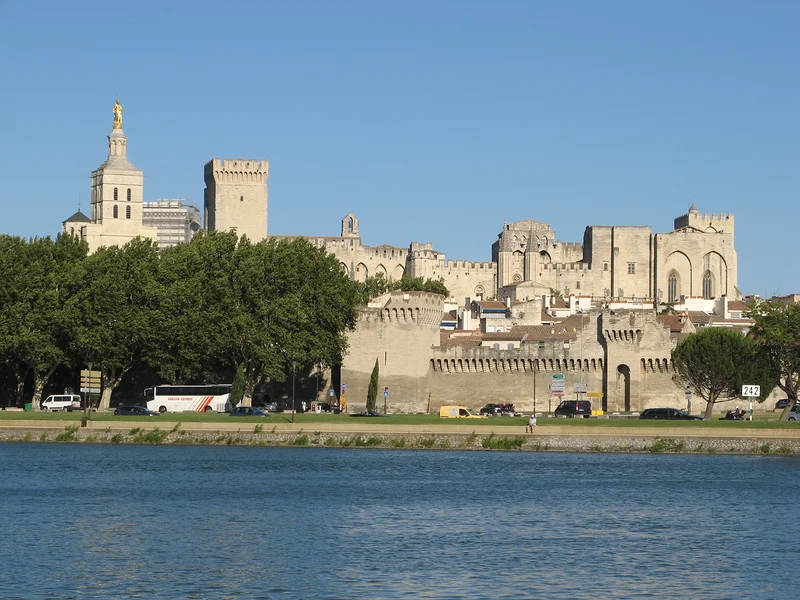
From 1309 to 1377, nine popes turned Avignon into the capital of Western Christendom. Their Palace of the Popes, the world's largest Gothic palace at 15,000 square meters, anchors this history. Explore 25 monumental rooms, including the Grand Tinel and the soaring Grande Chapelle Clémentine, featuring frescoes by Matteo Giovannetti. Augmented reality HistoPad tours bring these interiors to life.

See the guide See deals-7%AVYGEO7

#3 Old Port of Marseille (Marseille) +34 recs 4.8/5

The Old Port of Marseille serves as the historic soul of Marseille. With fishing boats, active quays, and the Ombrière by Norman Foster, it captures the local spirit. It is the perfect base for visiting the Château d'If or the Calanques. Enjoy the fish market and sunny terraces anytime.

See the guide See deals

#4 Giens Peninsula (Hyères) +30 recs 5/5

The Giens Peninsula, linked to the mainland by a double tombolo, is a natural treasure in the Var region. With fine sand beaches, secret coves, and coastal trails offering expansive views, it is a key birdwatching site at the Salins d'Hyères (Hyères Salt Marshes). It is a top spot for swimming, hiking, watersports, and wildlife spotting, especially pink flamingos.

See the guide See deals

#5 Calanques National Park (Marseille) +26 recs 5/5

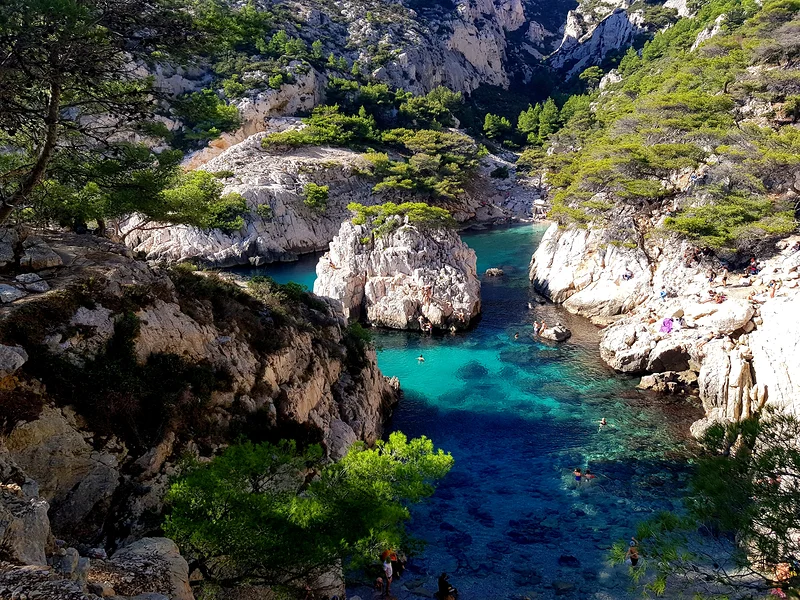
Stretching along the coast between Marseille and Cassis, Calanques National Park features limestone cliffs and turquoise water. Explore via trails leading to the Sugiton, En-Vau, and Port-Pin coves. Kayaking and diving are popular activities. Access is restricted during summer months to protect the environment and manage fire risks.

See the guide See deals

#6 Port of Cassis (Cassis) +26 recs 4.5/5

Port of Cassis is a classic Provençal fishing village framed by white cliffs and turquoise water. As the gateway to the famous Calanques, this town charms visitors with its colorful houses and outdoor dining. Enjoy fresh Mediterranean cuisine and the local white wine while the historic castle watches over the bay.

See the guide See deals

#7 Avignon Cathedral (Avignon) +25 recs 4.6/5

Located on the Place du Palais des Papes, on the left bank of the Rhône, Notre-Dame-des-Doms, the Avignon Cathedral, serves as the seat of the archdiocese. Built in the 12th century on the Rocher des Doms, it features a Provençal Romanesque architectural style influenced by ancient works, notably through its fluted columns and triumphal arch porches. It is the oldest monument in the square, and you will easily spot it by the 4.5-ton gilded statue of the Virgin Mary, the city's protector, standing atop the bell tower.

The Cardinal de Saint-Georges brought in Sienese master Simone Martini to paint its frescoes. The cathedral was expanded with additional chapels during the 14th and 18th centuries. Start by admiring the exterior. On the parvis stands a calvary featuring a wooden crucifix surrounded by statues of biblical figures.

Inside, the pristine white walls and minimalist design are striking. The atmosphere is quiet and provides a welcome escape after touring the nearby palace during the peak summer season. The recently restored stained glass windows are refined, as are the alcoves. Do not miss the tombs of popes Jean XXII and Benoît XII, or the white marble cathedra, the bishop's throne.

If you are visiting at the end of the year, the Christmas nativity scene is a highlight. In late August, the popular Ban des Vendanges festival features a special mass, a small tasting of the harvest from the cathedral's own vines, and a free concert. If you prefer baroque, romantic, or sacred music, visit during October and November for the organ autumn festival.

If you have time, head to the Jardin des Doms (Doms Garden) for a view over the city and the surrounding landscape. Listen for the carillon. With 35 bells, 15 of which can ring in unison, it remains the third loudest in France.

#8 Mont Faron (Toulon) +25 recs 4.5/5

Towering over Toulon, Mont Faron offers a unique mix of history and recreation. For centuries, the mountain fueled the local dye industry, famous for its purple and vermillion pigments until the 1500s. Today, it hosts a zoo, a war memorial, and varied sports, all paired with expansive views of the city.

#9 Basilique Notre-Dame de la Garde (Marseille) +24 recs 5/5

Towering over Marseille from its hilltop perch, Basilique Notre-Dame de la Garde is the city's most iconic landmark. Its Romano-Byzantine architecture, intricate mosaics, and nautical ex-voto offerings define the space. Whether you hike up for a workout or take public transit, it provides a quiet escape and the best views of the city.

#10 Mont Ventoux (Bédoin) +23 recs 5/5

Rising 1,910 meters above the Vaucluse, Mont Ventoux looms over Provence with its wind-swept, barren peak. As a UNESCO biosphere reserve, it hosts a unique mix of Mediterranean and Alpine biodiversity. Whether you drive, cycle, or hike from Bédoin, this legendary Tour de France mountain rewards you with 360-degree views across three regions.

See the guide See deals

Map of Provence

Visiting Provence

White limestone drops straight into the water at the calanques, between Marseille and Cassis. Drive an hour north and you are on the plain of Arles, its marshes and its bulls. Another hour and Mont Ventoux closes the horizon.

What Provence has of its own is a density of history the landscape does not hint at. A Roman arena still in use, a fourteenth-century papal palace, bauxite quarries turned into projection halls: all of it inside a fifty-kilometre radius.

You will love it if

  • You walk: the calanques are only properly seen on foot or by boat
  • Markets and tables matter to you as much as monuments
  • You come in May, June or September rather than August

Look elsewhere if

  • You are after cool air: the valley passes thirty-five degrees in July
  • The mistral would ruin a beach day for you
  • You plan to drive to the calanques in summer, when access is controlled

The must-sees

The highlights

  1. Calanques National Park

    1 Calanques National Park +26 recs

    Twenty kilometres of coves between Marseille and Cassis, Europe's only peri-urban national park. En-Vau has to be earned: two hours on the way in, no shade, and access is controlled in summer according to fire risk.

  2. The Palace of the Popes

    2 The Palace of the Popes +37 recs

    The largest Gothic palace in the world, built in twenty years in the fourteenth century when the papacy sat in Avignon. The rooms are bare, and it is the volume that impresses, not the decoration.

  3. The Carrières de Lumières

    3 The Carrières de Lumières +40 recs

    Former limestone quarries at Les Baux-de-Provence, whose thirty-metre walls serve as the screen for monumental projections. The temperature stays at fourteen degrees all year.

  4. The MuCEM

    4 The MuCEM +22 recs

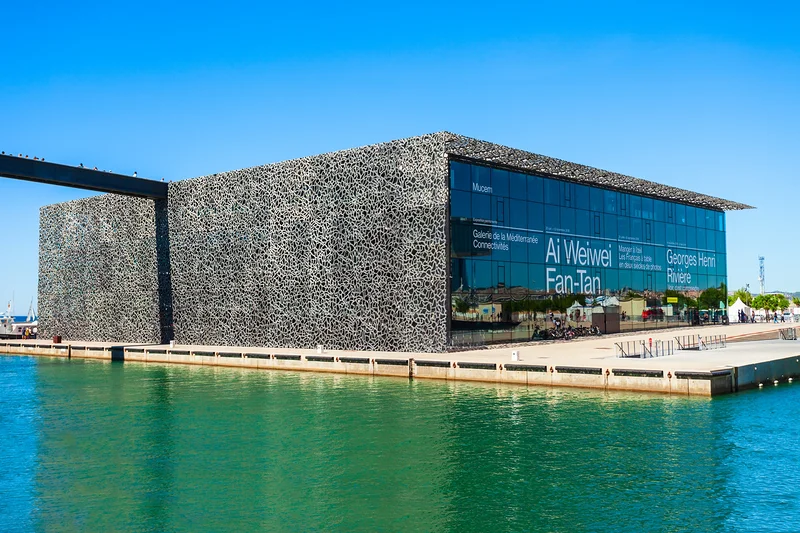
    The museum of Mediterranean civilisations, linked to Fort Saint-Jean by a footbridge. The latticed concrete building is worth the visit on its own, and the terrace looks straight onto the mouth of the Old Port.

  5. Arles and its arena

    5 Arles and its arena +126 recs

    A first-century Roman amphitheatre, still used for the ferias. The town kept its ancient street pattern, and its eight Roman and Romanesque monuments are World Heritage listed.

The classic mistake

Planning the calanques on a mistral day. The boat shuttles stay in, the paths become exposed and swimming is unpleasant. The wind is forecast three days out, and a plan B in town costs less than a lost day.

Our itineraries in Provence

Our itineraries by length of stay
LengthItineraryWhat you see
Long weekend (3 days)Marseille › CassisCity, port, calanques
1 weekMarseille › Aix-en-Provence › Arles › AvignonCalanques, antiquity, popes
10 daysMarseille › Cassis › Toulon › Hyères › Aix › Arles › AvignonCoast, islands and back country

Two bases are enough for a week: Marseille or Cassis for the coast, Avignon or Arles for inland. An hour's drive separates them.

The train serves Marseille, Aix, Avignon and Arles, which makes the historic loop doable without a car. The moment you aim for the Luberon, the Alpilles or the coves, it becomes necessary again.

When to visit Provence

RatingSeasonWeatherCrowds and prices
May, June and September20 to 28 °C, dry and brightBusy, mid-range prices
April and October15 to 22 °C, short showersModerate, good prices
July and August28 to 36 °C, dryPeak, high prices
November to March6 to 14 °C, frequent mistralQuiet, coast winding down

Our advice

Choose June over September if the lavender fields matter to you: the Valensole plateau flowers from mid-June to mid-July, and cutting follows. For the sea, the water is at its warmest in September.

Getting to Provence

  1. 1 By train Simplest

    Eurostar to Paris or Lille, then the high-speed line puts Marseille three hours from the capital and Avignon two hours forty. Both central stations spare you a car for a city stay.

  2. 2 By plane Fastest

    Marseille Provence is twenty-five minutes from the centre by shuttle, and easyJet flies in from several British airports. Useful from abroad, rarely a gain once the trip to the airport is counted.

  3. 3 By car Most flexible

    essential for the Luberon, the Alpilles and the trailheads. In town it costs a lot to park, and both Marseille and Aix have a low-emission zone.

Train to Marseille or Avignon, then hire a car locally for the country days: that combination costs the least, and it avoids paying for city parking on nights when the car sits idle.

Getting around Provence

Between Marseille, Aix, Arles and Avignon, the train is enough and saves time. For hilltop villages and the calanques there is no alternative to a car, except the boat shuttles from Marseille and Cassis.

Worth knowing

Access to the Calanques massif is regulated every day in summer according to fire risk, and closure can be total. The next day's order is published late the previous afternoon: check it before you plan your walk.

What to eat in Provence

  • Bouillabaisse: originally the fishermen's soup, made from unsold fish. Good houses serve the broth and the fish separately, and announce the day's species.
  • Pastis: anise and liquorice, served with a jug of cold water. The ratio is one to five, and you add the water to the spirit, never the other way round.
  • Pieds et paquets: stuffed sheep tripe, simmered a whole night in white wine and tomato. A Marseille winter dish, ordered at midday.
  • Navettes: small dry biscuits with orange blossom, shaped like a boat. One bakery in the Panier district has baked them to the same recipe since the eighteenth century.
  • Olive oil from Les Baux: an appellation of the valley, tasting of matured olive, stronger than the mild oils. The mills open to visitors in November, at pressing time.
  • Camargue rice: grown in the delta paddies since the middle of the twentieth century, it goes with bull meat in gardiane.
  • Calisson d'Aix: candied melon and almond on unleavened wafer, glazed with sugar. The almond shape has not changed since the fifteenth century.

Markets run in the morning and empty out before one o'clock. Aix holds its own on Tuesday, Thursday and Saturday, Arles on Saturday morning, along two kilometres of boulevard.

Where to stay in Provence

AreaWhat it is forWorth knowing
Marseille, Old Port or PanierMuseums, harbour, calanques trailheadsLively late, transport until midnight
Cassis or La CiotatCoves, coastal path, boatSmall capacity, full in August
Aix-en-ProvenceTown, markets, CézanneCentral for inland, high rates
AvignonPopes, Luberon, AlpillesFull and expensive during the July festival
HyèresGolden Isles, beaches, cyclingThe most affordable on the coast

One coastal base and one inland base: that split saves the most time, because the two landscapes are not visited from the same point.

For the Hyères islands, sleeping over changes the day: once the last boat has gone, Porquerolles has nothing to do with what it is at midday.

How much does a trip in Provence cost?

Indicative budget per person, excluding travel to the region
StyleLengthBudget per person
Budget (campsite or hostel, markets, trails)7 days350 to 500 €
Comfortable (hotel, restaurants, museums and boat)7 days850 to 1,300 €
High end (boutique hotel, starred tables)7 days2,200 to 3,000 €
  • The season: on the coast a room costs 50 to 70 % more in August than in May, and Avignon doubles its rates during the festival.
  • The calanques: the massif is free on foot. The boat shuttle and the private charter are the only outlays, and walking avoids both.
  • The markets: a meal of bread, oil, cheese and fruit bought in the morning replaces a restaurant without losing anything.
  • Parking: in Marseille and Aix it weighs as much as a meal a day. A car left in a garage on city nights costs less than the same car parked downtown.
  • The lunch menu: in good houses it is half the price of the evening card, from the same kitchen.

Traditions and way of life in Provence

The mistral is not a weather anecdote: it comes down the Rhône valley a hundred days a year, it dries the air, and it is what gives the raw light Van Gogh painted in Arles. Old houses turn their backs to it, with no opening to the north, and the cypress hedges are planted to break it.

Pétanque is played everywhere and can be watched without intruding, but a game has its codes: you do not walk inside the throwing circle, and you do not speak to the player taking aim. The game comes from La Ciotat, where the feet-together rule was invented in 1910 for a player who could no longer run.

One summer habit to know: many village shops close between midday and four o'clock, bakeries included. You shop early, you sleep or swim in the afternoon, and life starts again after six, when the heat drops.
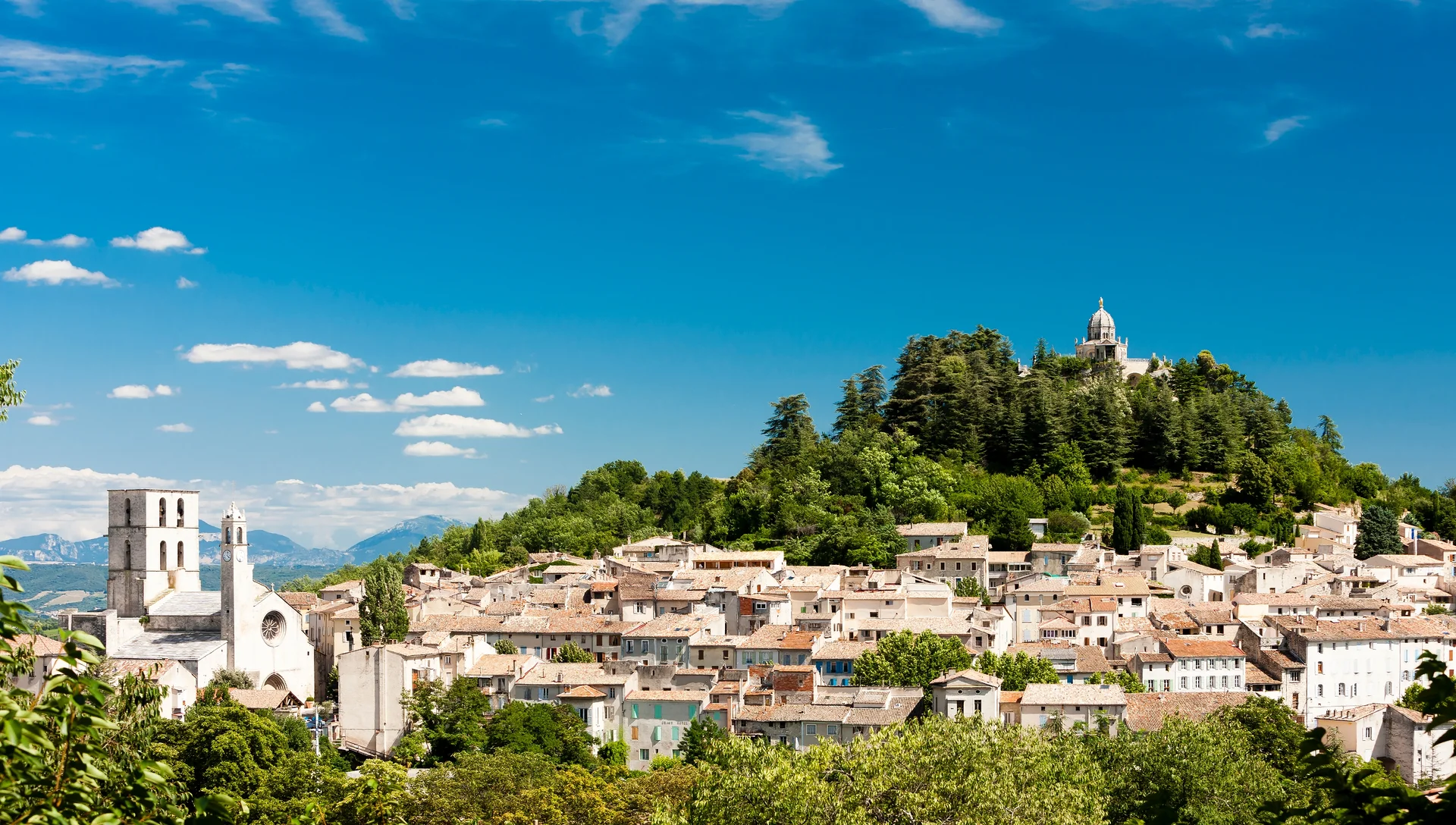
Top photos posted by members

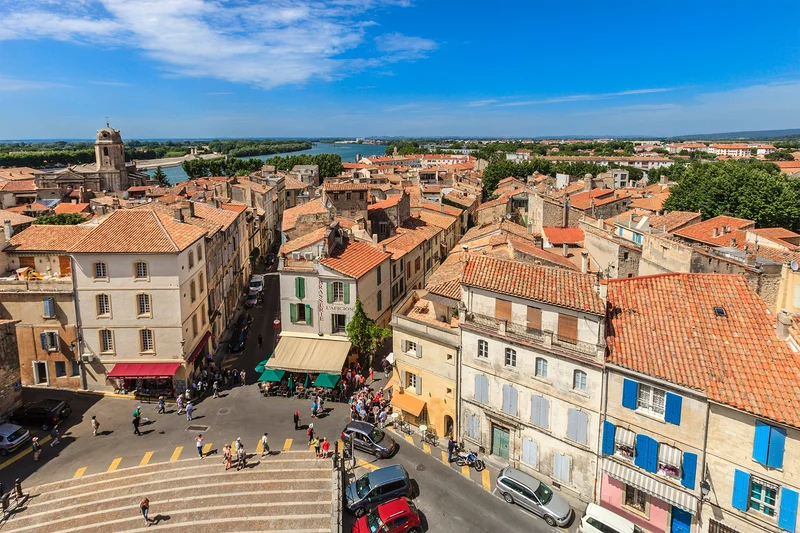
Forcalquier
Les Salles-sur-Verdon (photo d'Olivier Cleynen)
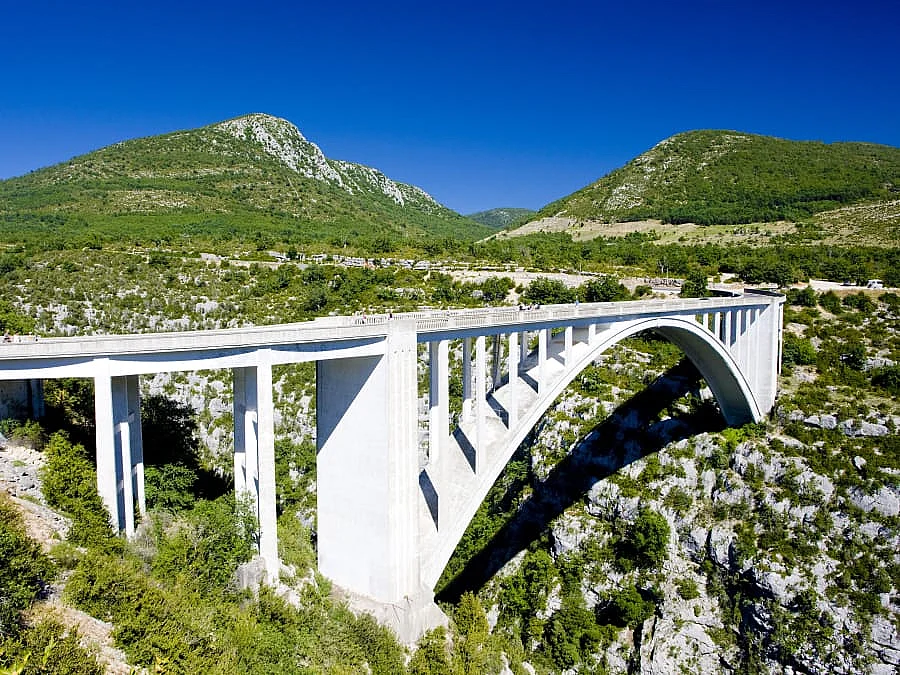
Pont de l'Artuby, 182m au dessus des Gorges du Verdon

Articles posted by members

Traveler reviews

Perfect for a vacation with family or friends

Such a pleasure discovering the Giens Peninsula in the off season! Lovely sandy beaches as far as the eye can see and great walks to do. I stayed at the campsite (a bit more upscale than a standard ca…

61

Gateway to the world

In Marseille, there is a special atmosphere. It is a city of departures and arrivals to and from the world, and at the same time it has a Provençal tradition that you see when you watch the people who…

168

A beautiful, lively, and friendly square

One of the most beautiful spots in Avignon (which already has so much charm), the Place de l'Horloge is a must-see. It is pretty and shaded, with plenty of cafes and restaurants that make for a welcom…

156

Quintessentially Provençal

This small town is a top choice for art and culture lovers. I loved the energy of the streets, and the presence of monuments and mansions gives the town center a rather upscale atmosphere. Try to come…

126

Nature right at the doorstep of Marseille

Perfect for hiking, I love walking the trails that offer beautiful views of this land of contrasts. Here, the limestone is as white as the sky is blue! As a bonus, the pine trees provide welcome shade…

138