
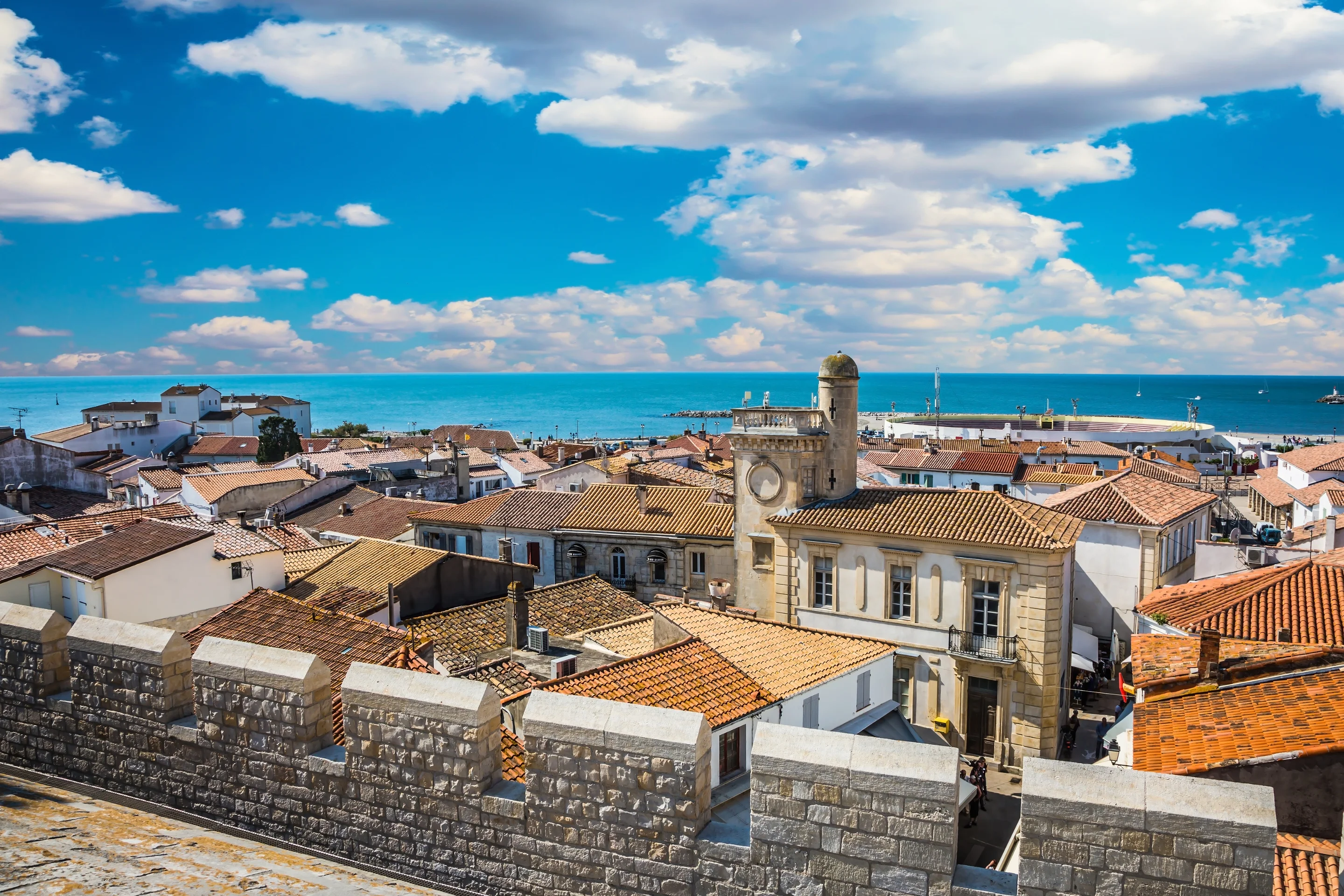
Saintes-Maries-de-la-Mer: Where tradition meets the wild
Located in the heart of the Camargue, Saintes-Maries-de-la-Mer offers a deep dive into a region where tradition, raw nature, and spiritual history exist side by side. This Mediterranean coastal town feels distinct, set against a backdrop of protected landscapes that feel like a more rugged, marshy version of the Outer Banks.
A village shaped by history and faith
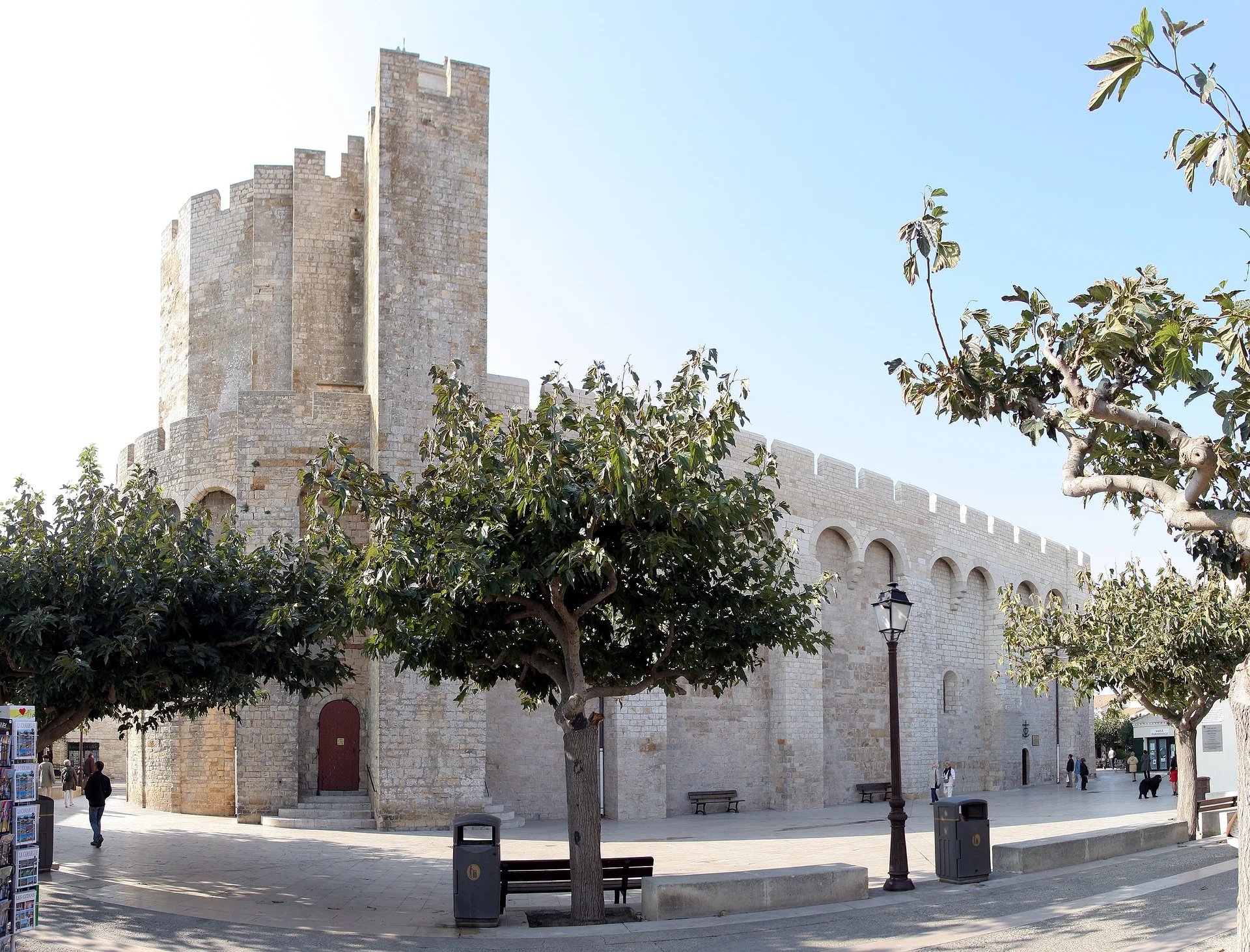
The town takes its name from the legend of the Saintes Maries, who are said to have arrived here by sea to escape persecution. The Notre-Dame-de-la-Mer fortified church, which dates back to the 9th century, is a major pilgrimage site. It is particularly significant for the Romani community, who honor Saint Sara here every May. With its thick, defensive walls and austere architecture, the sanctuary stands as a testament to the village's long spiritual history.
Preserved nature within reach
Surrounded by marshes, ponds, and rice paddies, the village is a natural base camp for exploring the local ecosystem. The Parc Ornithologique du Pont de Gau, located just a few miles away, is the place to spot flamingos, herons, and other species in their natural habitat. To really get a feel for the landscape, local horse riding or cycling trails provide the best way to navigate the terrain.
Beaches that feel untouched
The coastline around Saintes-Maries-de-la-Mer stretches for miles, offering plenty of room to spread out. The plage de l'Amphore is close to the center and easy to reach, while the plage de la Gacholle is more rugged and better suited for those looking for peace and quiet. These stretches of fine sand are ideal for taking in the Mediterranean.
A living, shared culture
Life here moves to the rhythm of Camargue traditions. The courses camarguaises, which are bullfights that do not involve killing the animal, highlight the agility of the raseteurs as they face the bulls. Local fêtes votives, complete with parades and festivities, bring both residents and visitors together. Throughout the year, you will likely hear Romani music, which adds a distinct sound to the local atmosphere.
Gastronomy rooted in the Camargue terroir
The food in Saintes-Maries-de-la-Mer is a direct reflection of the land. Gardiane de taureau, a slow-cooked bull meat stew served with local Camargue rice, is the quintessential dish. Seafood is also a pillar of the local diet, with tellines (small wedge clams) and moules (mussels) appearing on nearly every menu. A glass of vins des Costières from Nîmes is the standard pairing for these meals.
Where to eat?
- Le Jardin des Délices (city center): Traditional cuisine that focuses on local ingredients in a relaxed setting.
- La Cave à Huitres (city center): A dedicated seafood spot known for fresh, well-prepared catches.
- Le Chante Clair (city center): A family-run restaurant with a broad menu and hearty portions.
When to go?
May and September are the best months to visit. The temperatures are mild, and the heavy summer crowds have thinned out. The Romani pilgrimage in May is a major cultural event, offering a rare look at deep-seated local traditions.
How to get there?
Saintes-Maries-de-la-Mer is best reached by car from Arles (about a 45-minute drive) or Montpellier (about 1 hour and 30 minutes). Buses also run between Arles and the village. Montpellier Airport is the closest major hub for those arriving by air.
How to get around?
The village itself is very walkable. To venture into the surrounding countryside, renting a bike or a horse is the standard way to explore the Camargue at a slower pace.
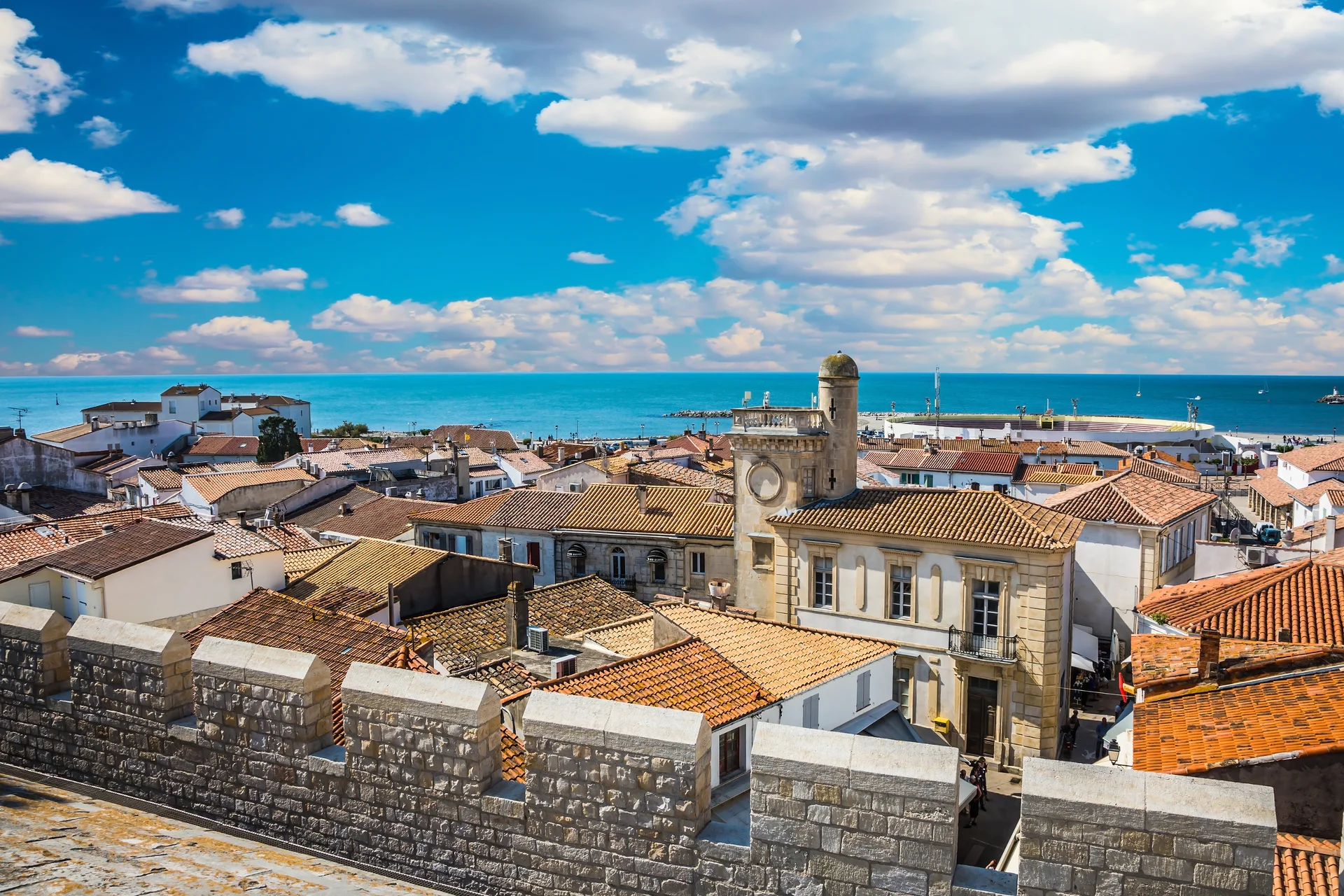
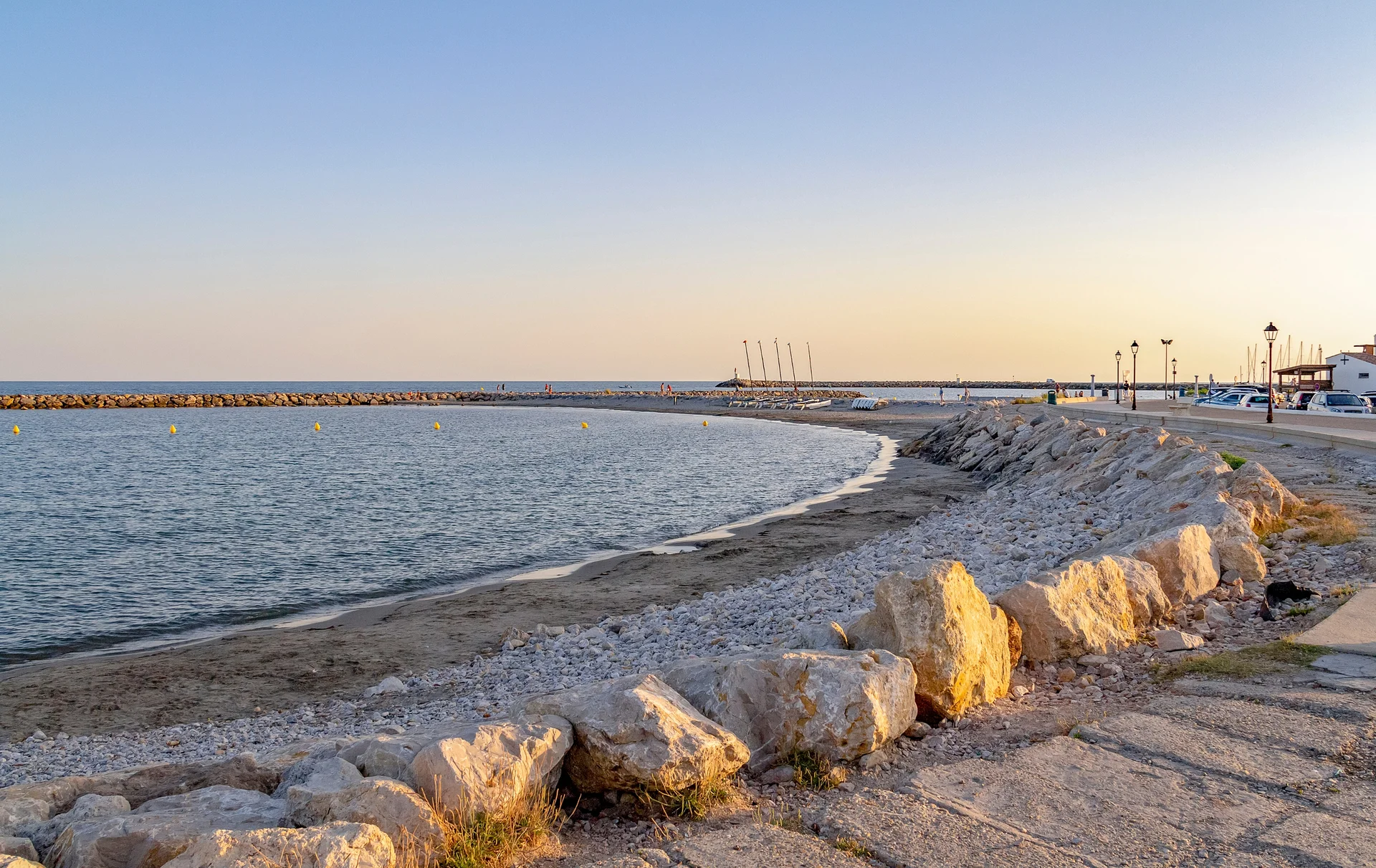
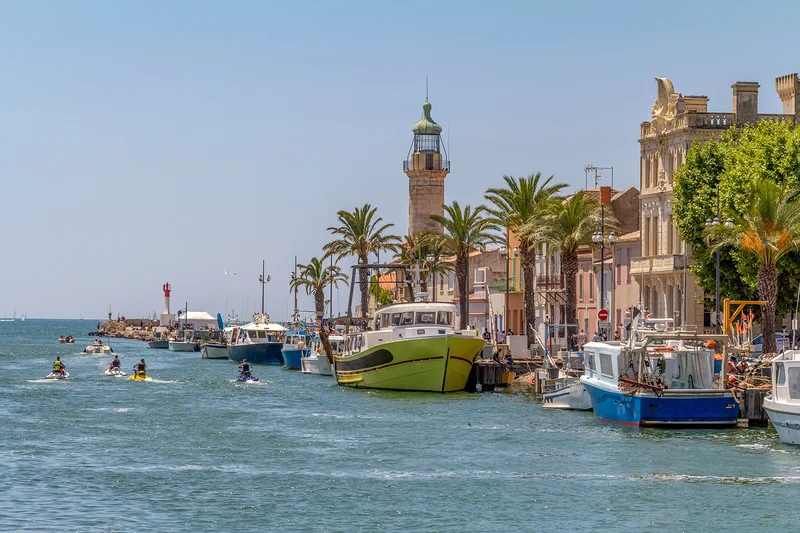
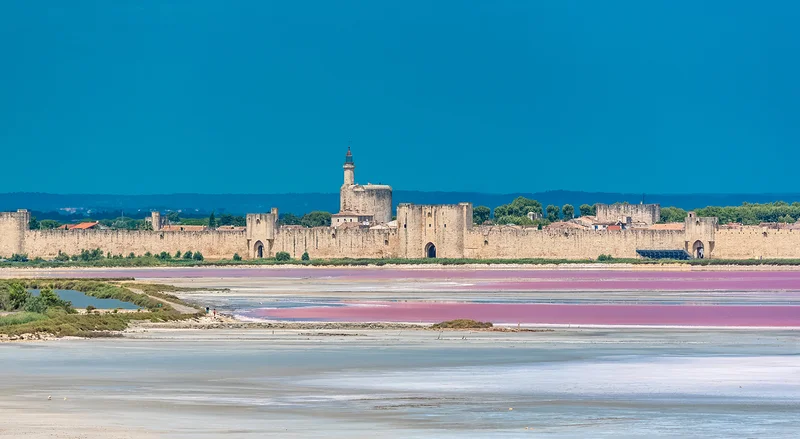
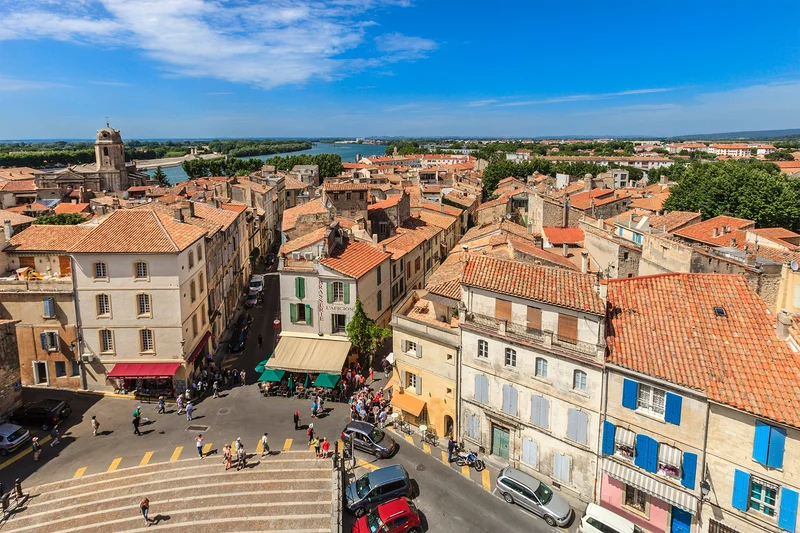
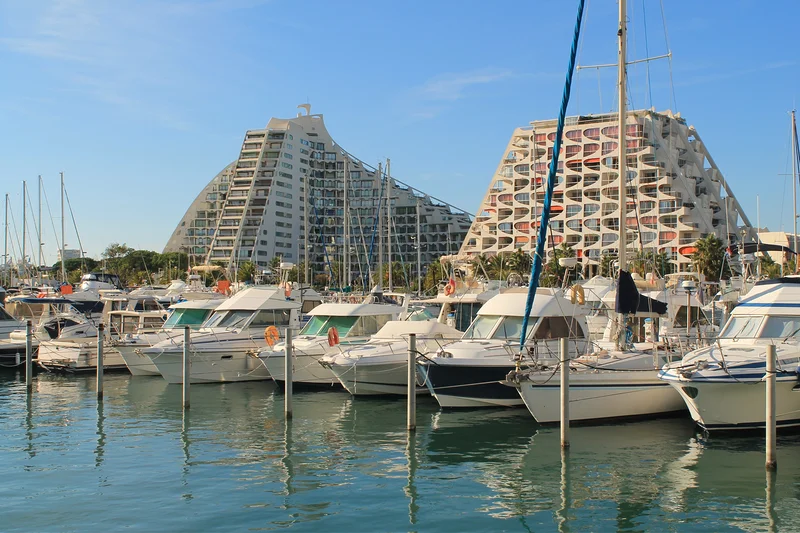
Saintes-Maries-de-la-Mer is a charming little seaside town nestled in the heart of the Camargue. I really enjoyed its simple, friendly atmosphere, with its beaches, lively narrow streets, and deeply rooted Camargue traditions.
That said, I highly recommend avoiding weekends and especially the month of August, which is when the famous Gypsy pilgrimage takes place and the town gets extremely crowded. To really enjoy it, it is better to visit out of season.
In my opinion, the best way to discover the area is by bike. You cruise through the Camargue landscapes, passing marshes, wild horses, black bulls, and hundreds of birds. It is a beautiful way to appreciate nature at your own pace, far from the crowds.