
Visiting Le Grau-du-Roi, Camargue Roots on the Mediterranean
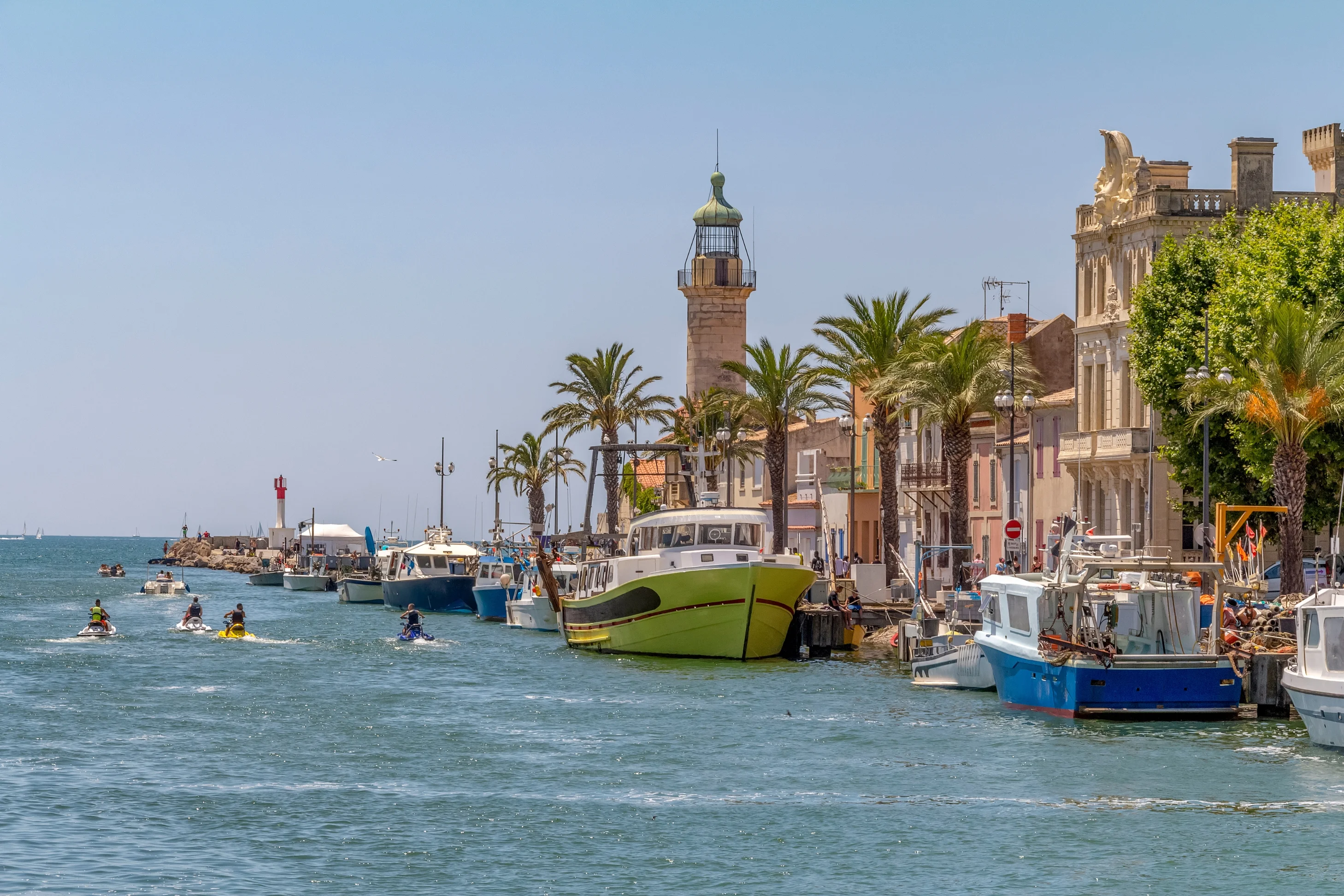
The salty sea air blends with the aroma of garlic aioli drifting from portside restaurant patios. Between boat masts clinking in the breeze and seagulls calling overhead, an elderly woman in espadrilles negotiates the price of telline clams with a fisherman whose hands are weathered by decades at sea. Welcome to Le Grau-du-Roi, a pocket of the Camargue sitting right on the coast where Rhône delta traditions meet the Mediterranean lifestyle, untouched by massive real estate development.
Le Grau-du-Roi, a Haven for Nature Lovers and Simplicity
This coastal town in the Gard department draws families seeking authenticity and nature enthusiasts. Forget massive hotel resorts and flashy private beach clubs here, as the charm comes entirely from simplicity. Birdwatchers and nature photographers find plenty to love, while kids enjoy horseback riding through the salt marshes and impromptu fishing off the jetty.
Budget-wise, expect to spend between $90 and $135* per day for a couple during peak season, covering lodging and meals. A car is not strictly necessary for getting around the town center and main beaches, but having one helps when you want to explore the surrounding wetlands and the Petite Camargue region.
Travelers looking for wild nightlife might find things too quiet, as evening entertainment here usually means aperitifs on a terrace or casual live music down by the port.
The Port and Its Living Traditions
The beating heart of town remains its working fishing port, where colorful wooden boats unload their daily catch right at dawn. The fish market stalls overflow with gilthead bream, sea bass, and the tiny local clams that locals rake up at low tide. The atmosphere captures the feel of old-school Mediterranean ports before mass tourism took over.
Along the docks, traditional shipyards keep alive the craft of building flat-bottomed Camargue boats. These recognizable vessels with their raised prows have navigated the shallow waters of the local lagoons for centuries. A few craftspeople still open their workshops to visitors to share their trade secrets.
Friendly tip: head to the port around 4:30 PM to watch the fishing boats return and buy ultra-fresh seafood straight from the fishermen.
Wild Beaches and Secret Lagoons
Espiguette Beach
Located 10 kilometers from downtown, this massive expanse of fine sand stretches for 18 kilometers without a single building in sight. Shifting dunes carved by sea breezes shelter rare plant life and colonies of terns. Crystal-clear water and shallow sandbars make it a favorite for families, though the complete lack of shade means bringing umbrellas and strong sunscreen is essential.
The Petite Camargue Lagoons
The Ponant Lagoon and its neighbors offer year-round birdwatching. Greater flamingos, grey herons, and egrets thrive in these brackish waters lined with tamarisk and samphire. Maintained walking trails let you observe this wildlife up close without disturbing it, especially from the viewing blinds at the Scamandre nature reserve.
Friendly tip: rent e-bikes from Vélo Camargue to easily navigate the 20 kilometers of bike paths crisscrossing the marshes.
Camargue Flavors and Bullfighting Traditions
The Cheval Blanc ranch offers demonstrations of traditional Camargue horsemanship and cattle-sorting tutorials. Herdsmen in traditional dress practice the ancient skills of this unique culture while white horses gallop through salt flats under the watchful eyes of visitors. The vibe stays family-friendly and genuine, far from tourist traps.
The town bullring, given over entirely to Camargue races, comes alive during local festivals: nimble runners known as raseteurs try to snatch cockades tied between the bulls' horns. These events are far less violent than Spanish-style bullfighting, preserving a centuries-old tradition as a community celebration.
Friendly tip: book your ranch lunch in advance because these communal tables fill up fast, especially on Sundays.
Where to Eat and Drink in Le Grau-du-Roi
Local cooking blends Camargue and Mediterranean influences with skill. Telline clams, tiny pearlescent shellfish, are served sautéed with garlic and parsley or fried in crispy fritters. Camargue red rice traditionally accompanies gardiane de taureau, a rich stew seasoned with marshland herbs. Do not miss rouille de seiche, a regional cuttlefish stew with a noticeable kick.
At Mémé Georgette down by the port, three generations of the same family have served up what locals consider the best bouillabaisse on the Gard coast. Regulars show up right at opening time to secure a table on the terrace overlooking the fishing boats.
How to Get to and Around Le Grau-du-Roi
Montpellier Airport is a 45-minute drive away. Le Grau-du-Roi has its own train station, the terminus of the TER line from Nimes; the 132 regional bus line covers the same route in 1 hour and 15 minutes. Driving from Paris takes about 7 hours down the A9 highway to the Gallargues exit.
Once you arrive, everything in the center is walkable or accessible by bike. Free summer shuttle buses run every 30 minutes between the port, the main beaches, and the Espiguette campgrounds.
When to go
May, June, and September offer the best weather: comfortable temperatures, warm water for swimming, and manageable crowds. July and August bring families in droves, driving up prices and filling the beaches. Winters are mild but breezy, making it an ideal time for birdwatching around the lagoons.
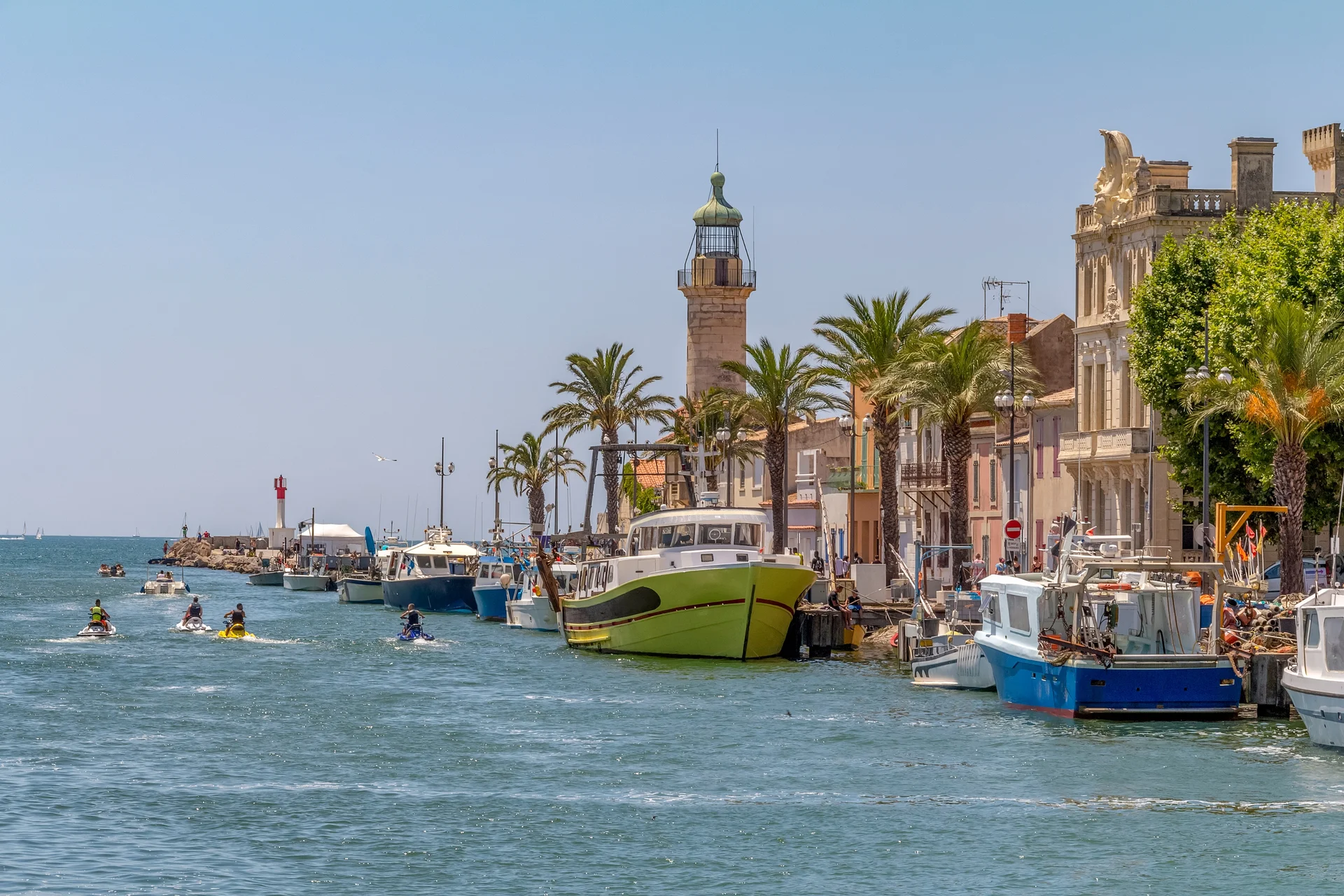
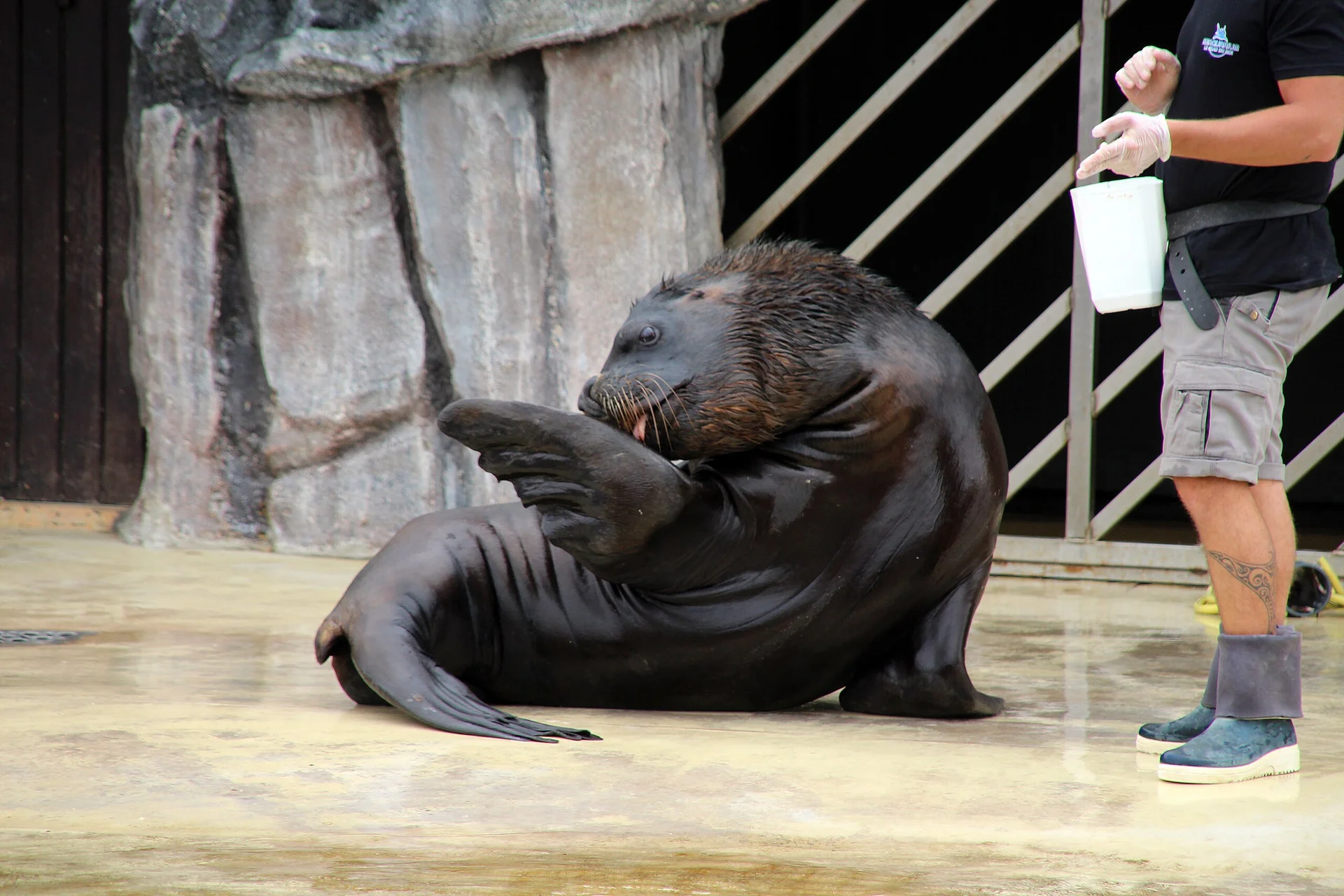
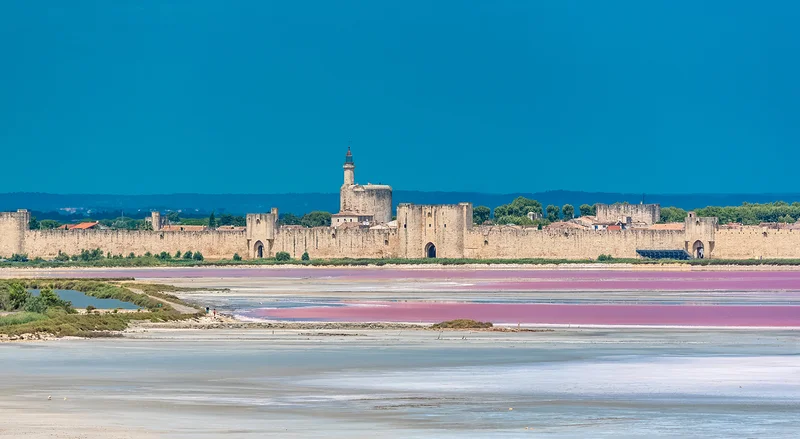
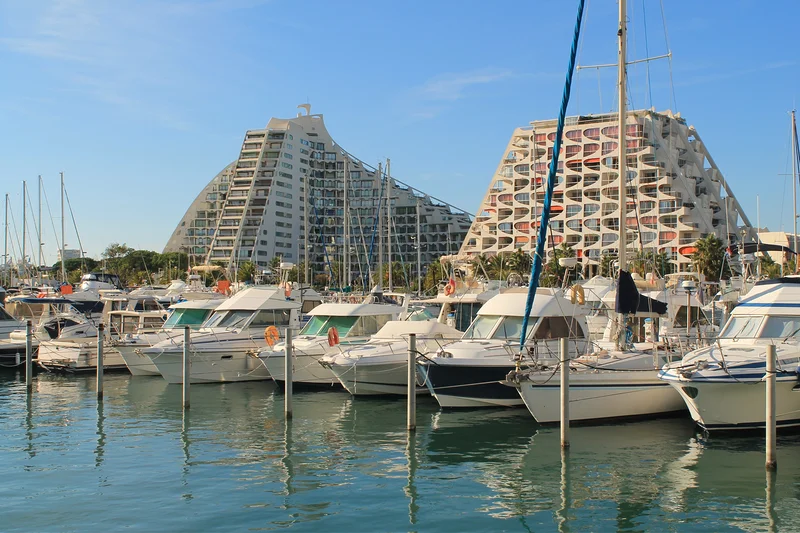
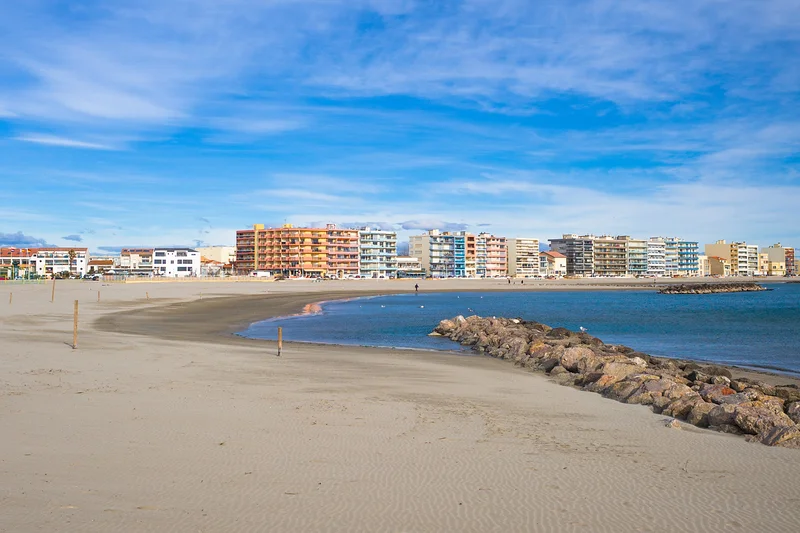

I love aquariums, so the one in Le Grau-du-Roi was how I first discovered the town. While it is definitely worth a visit, the town itself has its own charm too. Especially when you visit at the start of the nice weather, before the high season. It is a pretty little port, plus it is close to most of the sites of interest in the region!