Visiting Mexico: Where Millennia-Old Civilizations Meet the Caribbean
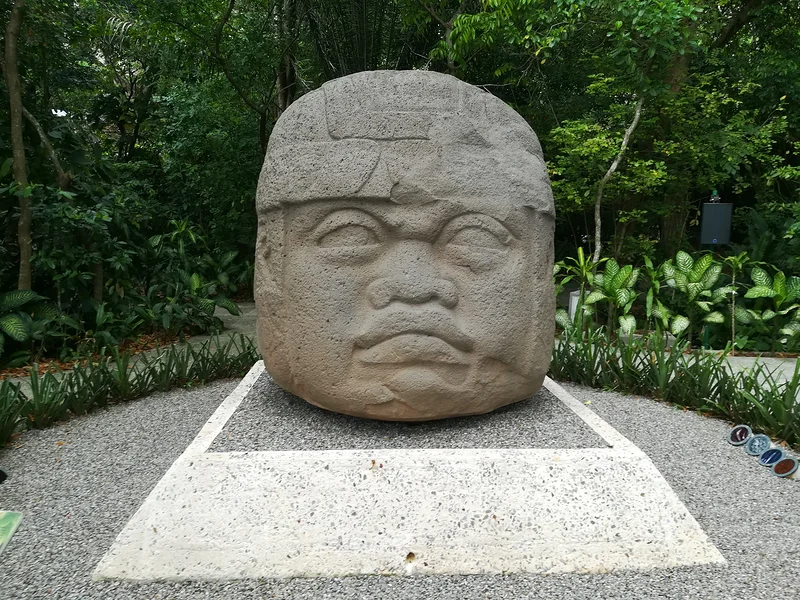
The scent of grilled corn drifting from a street brazier, the deep green of a jungle sinkhole, a Mayan pyramid rising above the canopy. Mexico hits you with its sheer scale and historical depth. This country of 130 million residents holds more Unesco World Heritage sites than any other Latin American nation.
From the turquoise waters of the Yucatán to the snow-capped volcanoes of the central highlands, and from colonial cities to indigenous mountain towns in Chiapas, you cannot possibly see everything in a single trip.
A Destination That Requires Some Planning
This country rewards travelers who are ready to step off the beaten path and navigate a few rough edges. Tourist regions like the Yucatán, Campeche, and the Riviera Maya remain safe when you exercise standard precautions. Other states, notably Guerrero, Sinaloa, and Michoacán, face strict travel warnings from authorities. The language barrier can be real outside major tourist hubs, as English is rarely spoken.
Mexico rewards those who take their time. Three weeks let you combine the capital, Mayan ruins, and beaches. Two weeks work well to explore one region in depth. Spending just a week around Cancun or Tulum offers a quick taste of the country, but misses its real depth.
A Flexible Budget Tailored to Your Style
Plan on $23 to $45* a day if you travel backpacker style staying in hostels and eating street food. A comfortable budget of $68 to $135* covers decent hotels, sit-down dinners, and excursions. The all-inclusive resorts along the Riviera Maya easily run past $230* a night.
Pre-Columbian Cities That Leave a Lasting Mark
- Chichén Itzá remains the most famous Mayan site, named one of the New Seven Wonders of the World. The Kukulkán pyramid draws massive crowds. Arrive right at opening at 8:00 AM to experience the site before tour buses roll in from Cancun. Admission runs about 600 pesos for foreign visitors.
- Palenque delivers a completely different atmosphere. This Mayan city emerges from the Chiapas jungle in a misty, atmospheric setting. The temples and the palace showcase remarkable architectural sophistication. The site opens at 8:00 AM, and the humid heat makes an early start essential.
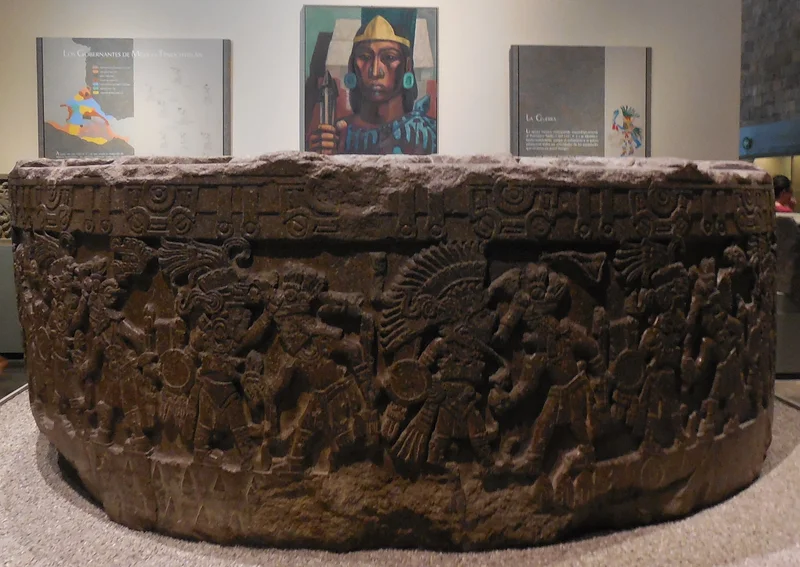
- Teotihuacán, an hour outside Mexico City, predates the Aztec civilization by centuries and flourished alongside the Classic Maya cities. Its Pyramids of the Sun and Moon loom over the 2.5 km Avenue of the Dead. Buses leave from the northern bus terminal in Mexico City every 15 minutes for roughly 50 pesos.
Friendly tip: The ruins of Calakmul, deep in the Campeche jungle, provide a much quieter experience than Chichén Itzá. The main pyramid climbs to 45 meters, and the sweeping forest views are incredible. Give yourself a full day to get there from Bacalar or Campeche.
Cenotes and Lagoons That Defy Imagination
The Yucatán holds more than 6,000 cenotes, which are natural sinkholes filled with crystal-clear freshwater. Some have turned into crowded tourist stops, while others remain quiet and secluded. Near Valladolid, the Oxman, Suytun, and Ik Kil cenotes are easy to visit in a single day. Entry ranges from 100 to 250 pesos depending on the location.
Bacalar Lagoon, known as the lagoon of seven colors, offers a peaceful alternative to the packed beaches of the Riviera Maya. Its turquoise waters shift from pale blue to deep navy based on the depth. Bacalar draws mostly Mexican vacationers and seasoned travelers, keeping a much more relaxed vibe than Tulum.
La Huasteca Potosina, the Best-Kept Secret
This region in north-central Mexico packs in waterfalls, turquoise rivers, and surrealist gardens. The Tamul waterfall drops 105 meters and is reached by wooden canoe up the river. Xilitla holds Edward James's Las Pozas, a labyrinth of surreal concrete sculptures hidden in the dense jungle. The area sees few foreign tourists, and prices stay low.
Colonial Cities Where Time Stands Still
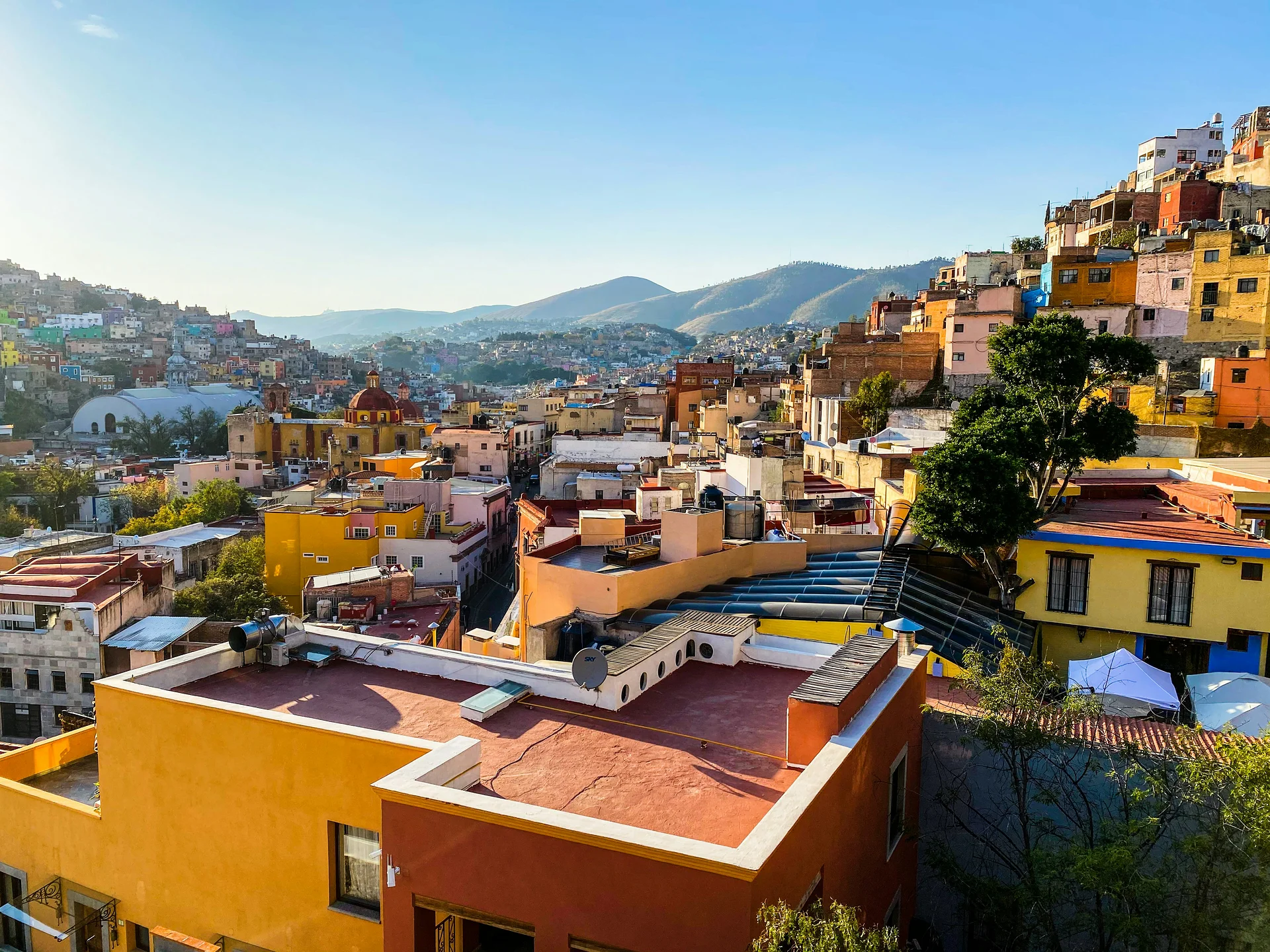
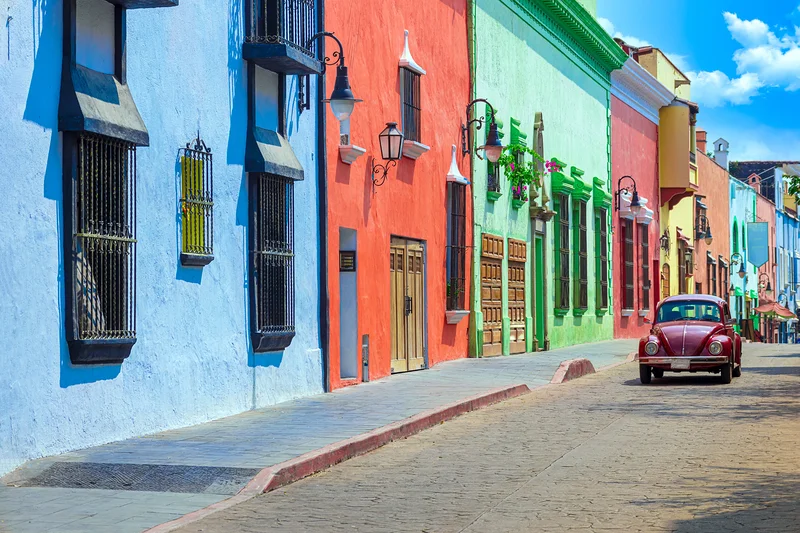
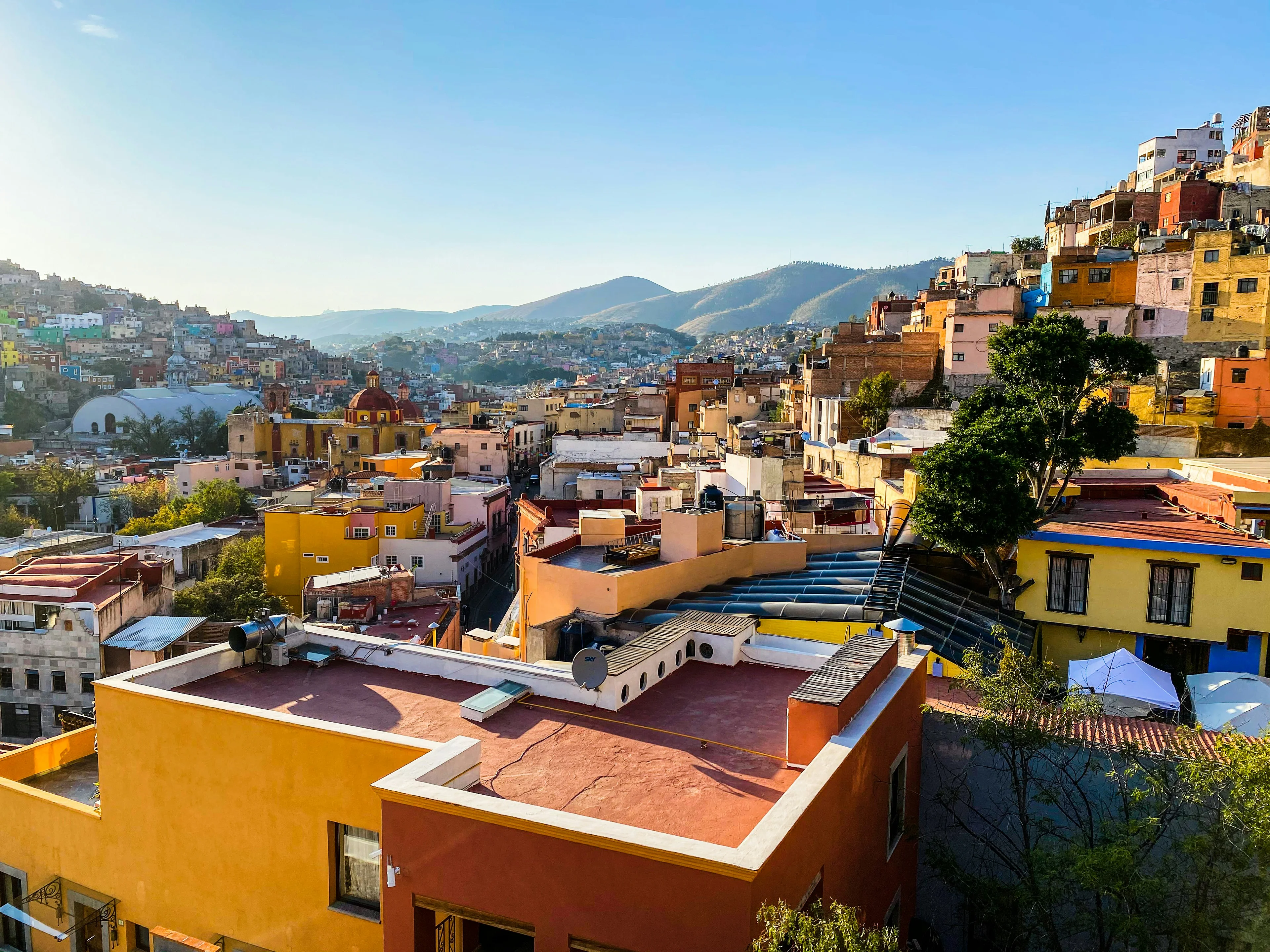
- Guanajuato cascades its colorful alleyways down the slopes of a valley. Its underground tunnels, once rushing rivers, now function as subterranean roadways. The nightly callejoneadas music walks provide a great dive into local student culture.
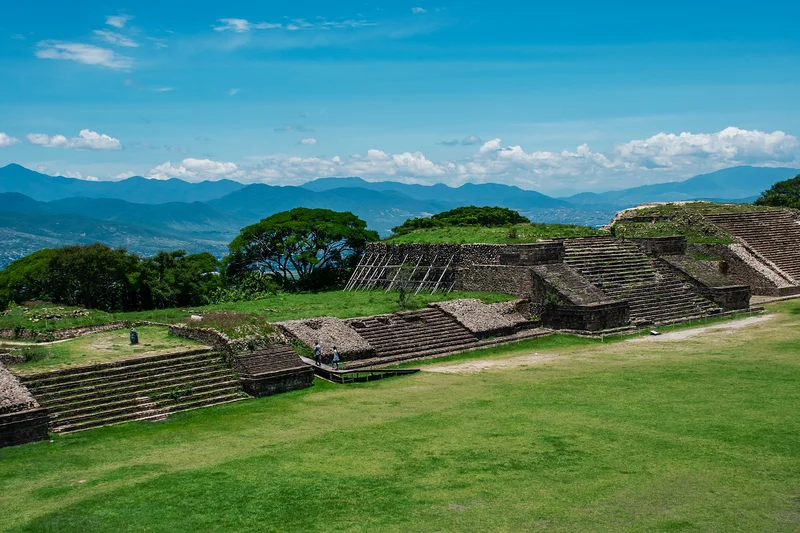
- Oaxaca charms visitors with its laid-back pace. Markets overflow with Zapotec crafts, and mezcal bars pour dozens of varieties of agave spirits. The archaeological site of Monte Albán sits 20 minutes from downtown, looking down over the valley.
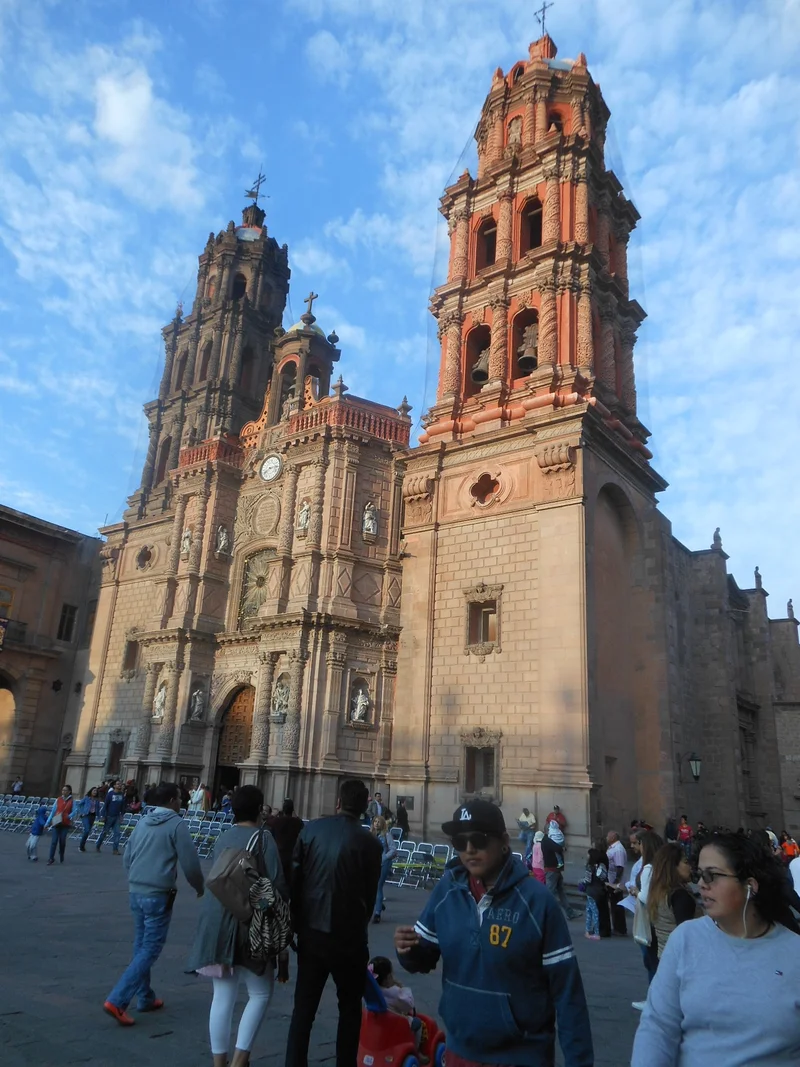
- San Cristóbal de las Casas, sitting at an altitude of 2,200 meters in Chiapas, blends colonial heritage with Tzotzil and Tzeltal indigenous traditions. The nearby mountain villages of Zinacantán and San Juan Chamula preserve fascinating syncretic rituals.
Beaches and the Caribbean Coast
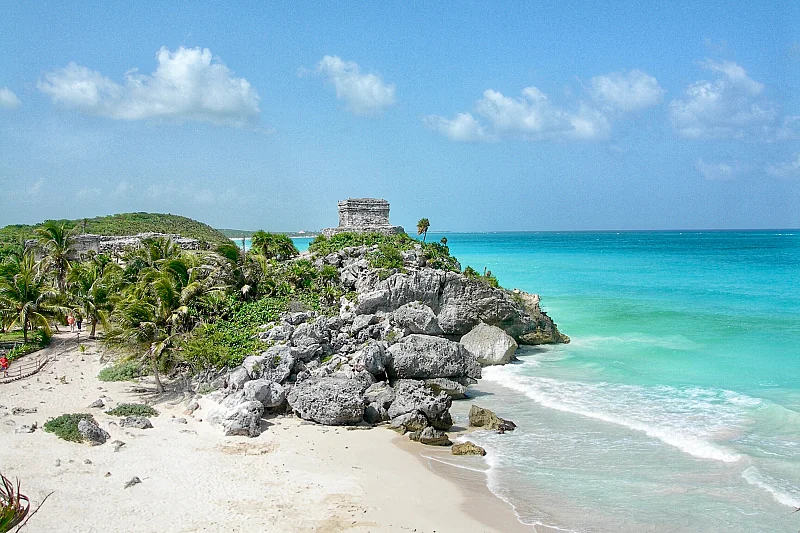
Playa del Carmen packs restaurants and boutiques along its pedestrian Quinta Avenida. Tulum draws a trendy crowd with its upscale beach clubs and Mayan ruins perched above the surf. Prices here have spiked dramatically in recent years.
To escape the crowds, head to Holbox, a car-free island north of the Yucatán, or El Cuyo, a quiet, sleepy fishing village. The Pacific coast offers solid alternatives, including Puerto Escondido for serious surfing and Mazunte for a slow-paced beach retreat.
Friendly tip: Mahahual, near the Belize border, gives you Caribbean beaches without the heavy crowds of Tulum. The town stays sleepy on days when cruise ships are not in port.
Beyond Tacos: The Depth of Mexican Cuisine
Mexican tacos change completely depending on the region. In Mexico City, al pastor tacos spin on vertical spits brought over by Lebanese immigrants. In the Yucatán, cochinita pibil tacos feature pork slow-roasted in citrus juice and achiote paste. An orden of three tacos runs between 30 and 60 pesos at a street food stand.
Oaxaca rules the culinary world with its mole sauces, complex blends combining chocolate, chilies, and dozens of spices. Artisanal mezcal has steadily replaced tequila in the glasses of food lovers here. Along the coasts, fresh fish and seafood ceviches cost just a handful of pesos in local markets.
When to Visit Mexico
The dry season from November to April delivers the best weather across most of the country. The Riviera Maya and the Yucatán are best visited from November to March, right before the heavy heat and the hurricane season running from June through October. The central highlands get cold at night during December and February.
Día de los Muertos on November 1st and 2nd transforms the entire country. The most dramatic celebrations take place in Pátzcuaro and on Janitzio Island in Michoacán. Book your lodging several months ahead if you plan to travel during this time.
Getting to Mexico
Direct flights to Mexico City or Cancun take around 11 to 12 hours from major European hubs. Aeroméxico and Air France run regular routes. Fares range from $570 to $1,350* depending on the season. Layovers through the US add extra hours and require an ESTA.
US citizens do not need a visa for tourist stays under 180 days. You will receive an immigration form upon arrival. Keep it safe in your passport, as border agents ask for it when you leave, and losing it triggers a fee of around 600 pesos.
Getting Around Mexico
Long-distance buses run by ADO and ETN connect major cities in reclining comfort. A trip from Cancun to Mérida costs around 400 pesos for 4 hours. Domestic flights with Volaris or Viva Aerobus can get you from Mexico City to Cancun in 2 hours for $57 to $169*.
Renting a car through car rental agencies gives you real freedom in the Yucatán, where attractions are spread out. Plan on $34 to $57* a day for a basic compact car, and avoid driving after dark. In cities, Uber operates smoothly and saves you from haggling with street taxis.