
Visiting Chichen Itza, one of the New Seven Wonders of the World
One of the finest archaeological sites in Mexico
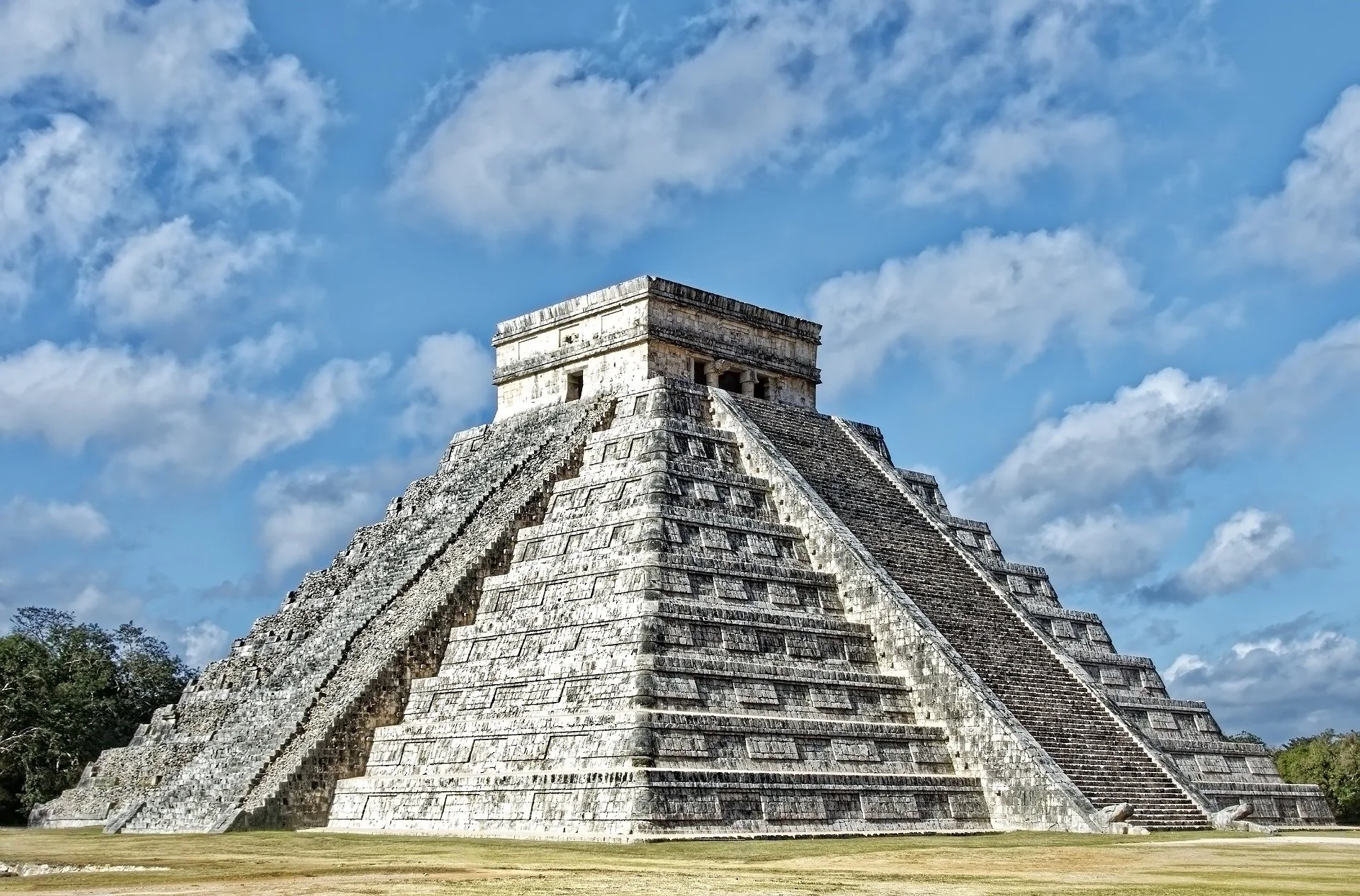
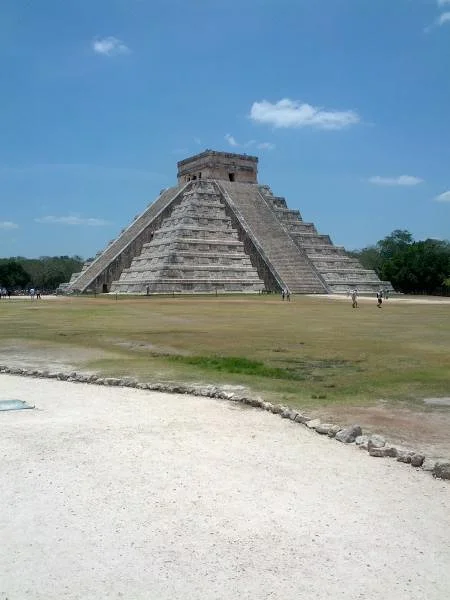
Stunning Maya and Toltec ruins sit on the Yucatán peninsula, tucked between Merida and Valladolid. Chichen Itza, a UNESCO World Heritage site, ranks among the most impressive archaeological landmarks in Mexico. Spanning more than 300 hectares, the site features the iconic Kukulcán pyramid, known as el Castillo, the Juego de Pelota (Ball Court), the Cenote Sagrado (Sacred Cenote), the Conjunto de las Monjas (Nuns' Complex), along with the Group of a Thousand Columns and the Temple of the Warriors.
A history dating back to the 10th century
In the 10th century, the leader of Tula, a prominent pre-Columbian city, selected this location as a religious capital. Chi translates to mouth and Chen to well. Itza refers to both the local branch of the Maya who lived there and the water sorcerer.
Unlike many other pre-Columbian ruins, Chichen Itza was never completely abandoned, though its global significance was rediscovered in the mid-19th century. After their visit in 1841, American explorer John Lloyd Stephens and architect Frederick Catherwood helped draw international attention to the ruins of Chichen Itza. This sparked a broader interest in the archaeological exploration of the region.
Tips for your visit
Arrive early, ideally before 10:00 AM, to experience the site before the crowds peak. A guided tour is highly recommended to better grasp the intricacies of Maya civilization.
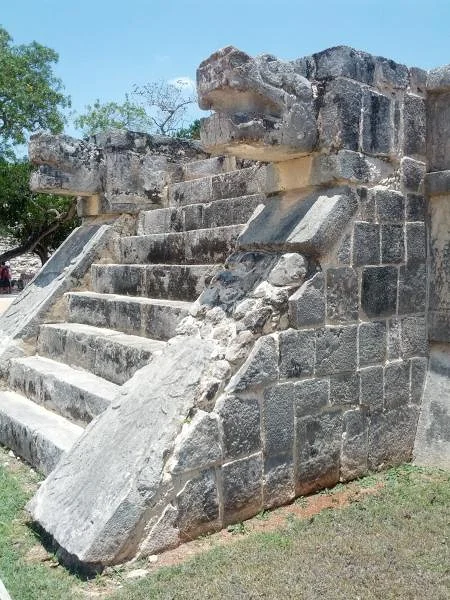
Start your walk at the massive del Castillo temple. Its four staircases, each with 91 steps, represent a total of 364 days. Because of its precise alignment with the sun, the structure casts a shadow resembling a slithering serpent during the equinoxes, honoring Kukulcán, the Feathered Serpent God. The pyramid contains two temples and houses a Chac mool statue along with a red jaguar throne.
Continuing through the site reveals the deep Maya expertise in architecture and astronomy. El juego de pelota illustrates how vital these games were to their culture, as they were believed to influence the rain. El Cenote Sagrado, the primary site for offerings and rituals tied to the 52-year renewal cycle, is particularly striking. Finally, be sure to see the Conjunto de las Monjas, a beautiful temple adorned with carvings of Chac.
Ending with a refreshing dip
You will find five cenotes on the property, which are natural sinkholes where you can cool off. Due to the popularity of the area, plan to visit the Ik Kil Cenote in the late afternoon. This natural stone pool is 30 meters high and 60 meters wide. Bring a swimsuit and a towel, as you can use the on-site changing rooms.
Opening hours
| Monday | 08:00-17:00 |
|---|---|
| Tuesday | 08:00-17:00 |
| Wednesday | 08:00-17:00 |
| Thursday | 08:00-17:00 |
| Friday | 08:00-17:00 |
| Saturday | 08:00-17:00 |
| Sunday | 08:00-17:00 |
*Information subject to change

Chichen Itza is one of the seven wonders of the modern world. Even if it does not quite measure up to other wonders like Machu Picchu, it really shows off the building skills of the Mayans. Having a guide is essential to enjoy a half-day visit to the site. They will explain things like how the shadow of the feathered serpent god works on El Castillo, the main temple. I found the part about the Mayan ball court particularly interesting.