
Oaxaca, where Mexico reveals its secret soul
The scent hits you before your boots even touch the cobblestones: a blend of roasted cacao, copal smoke, and grilled corn drifting through the mountain air. You do not just visit Oaxaca; you inhale it.
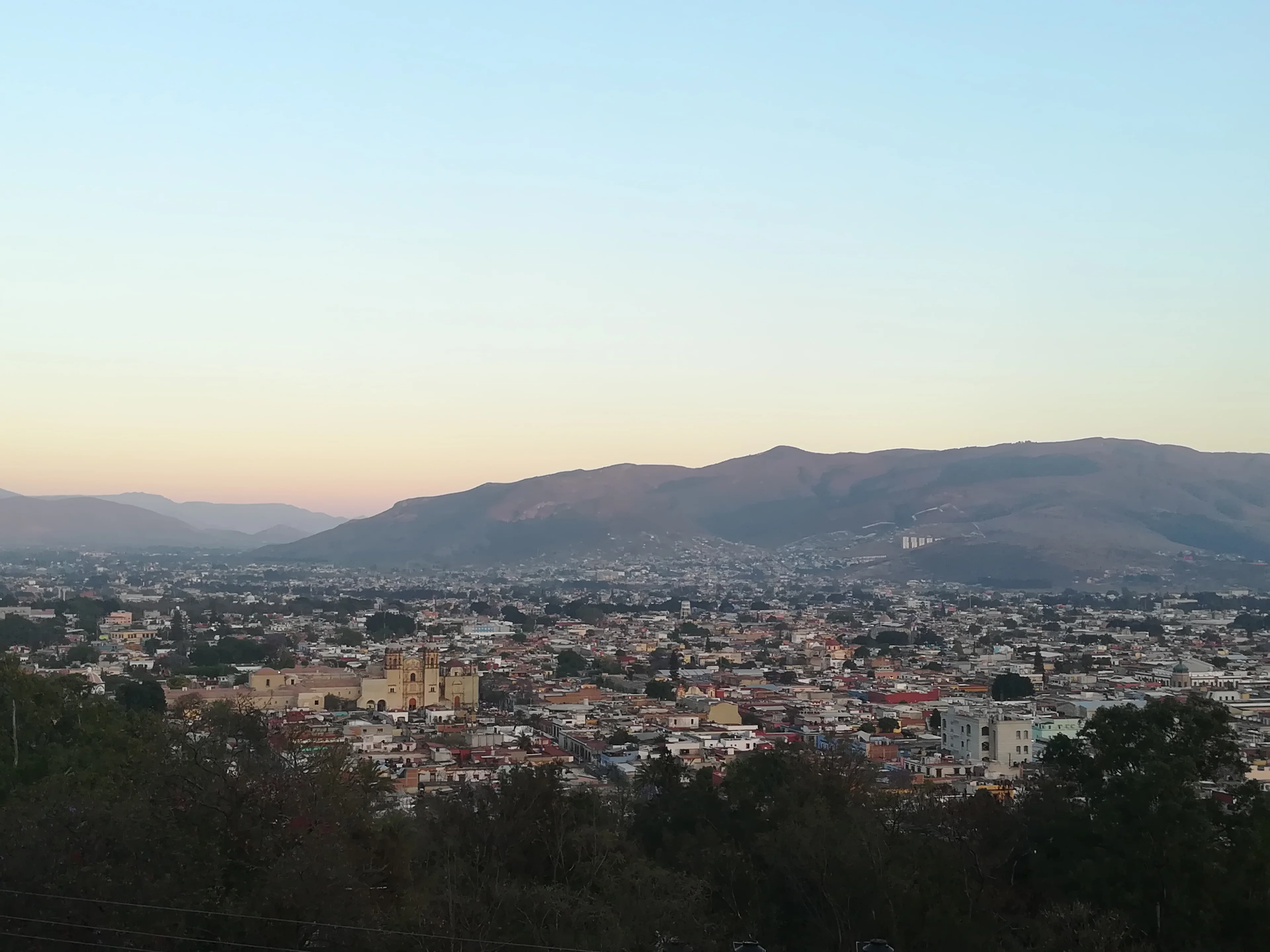
This colonial city is tucked into a valley 1,500 meters above sea level, ringed by arid ridges and fields of blue agave. It is home to sixteen of Mexico's sixty-eight indigenous cultures. Here, Zapotec traditions are not museum pieces but the daily reality for merchants, weavers, and master mezcal distillers who carry on age-old practices.
A destination for curious souls
Oaxaca is built for travelers seeking authenticity, from food lovers looking for bold flavors to craft enthusiasts and history explorers digging into pre-Hispanic roots. Couples and solo travelers will find a relaxed and safe atmosphere, a world away from the high-rise resort crowds. Families will appreciate the welcoming local culture and diverse activities.
If you have your heart set on the beach, keep in mind it takes a half-day of driving over winding mountain roads to reach the Pacific coast. The city also sees frequent protests that can cause traffic delays, and the altitude can be draining for the first couple of days. You do not need a car in the city center, but you will want one to explore the surrounding villages.
An affordable budget for Mexico
Expect to spend about 900 to 1,250 MXN per day ($50-$69*) for a comfortable stay. Budget 450 to 700 MXN ($25-$39*) for a room in a boutique hotel, 180 to 270 MXN ($9.90-$15*) for a hearty meal in local comedores or markets, and just a few pesos for local colectivo vans. If you stick to hostels and street food, it is easy to drop your daily spend below 600 MXN ($33*).
The Centro Histórico: A UNESCO-listed color maze
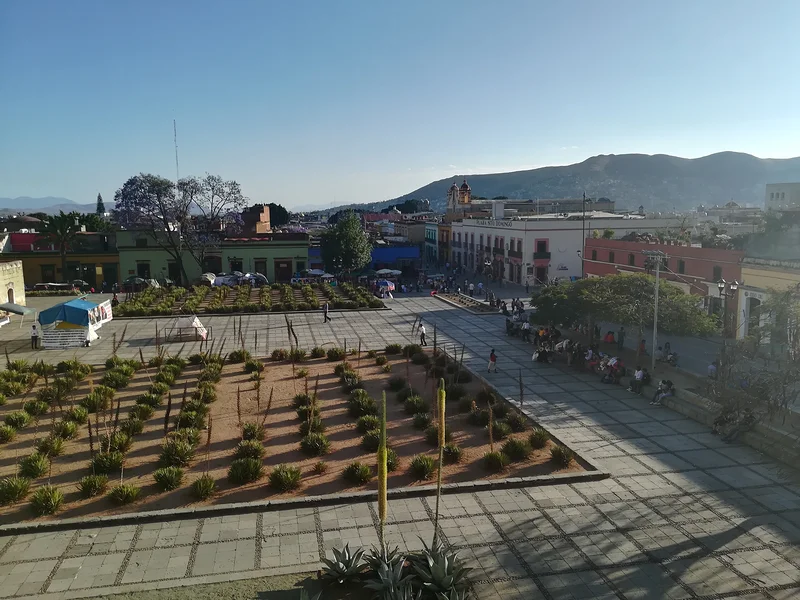
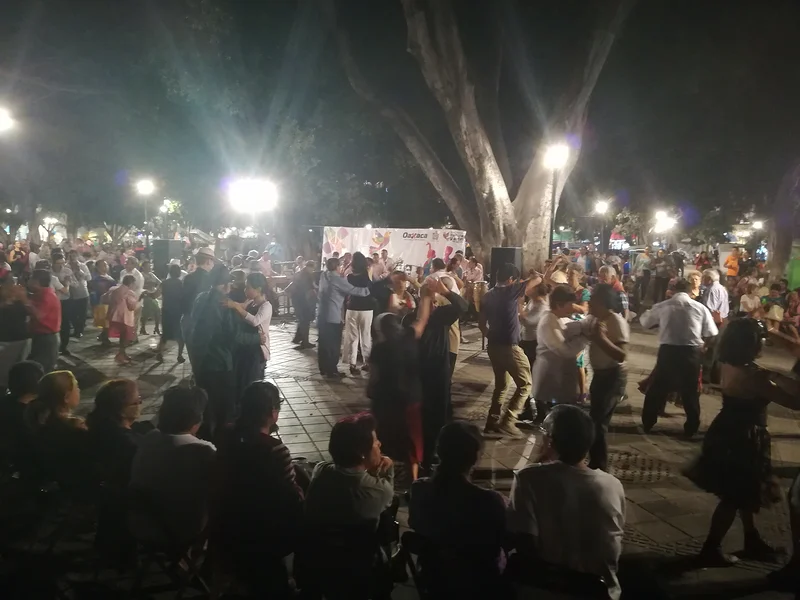
The city's heartbeat centers on the Zócalo, a plaza shaded by laurel trees where mariachi bands play near vendors selling nieves artesanales (artisanal sorbets). Café tables spill out onto the pavement, and the energy stays high well into the night. Nearby, pedestrian streets like Macedonio Alcalá are lined with art galleries, boutiques selling embroidered textiles, and chocolate shops where they grind the cacao right in front of you.
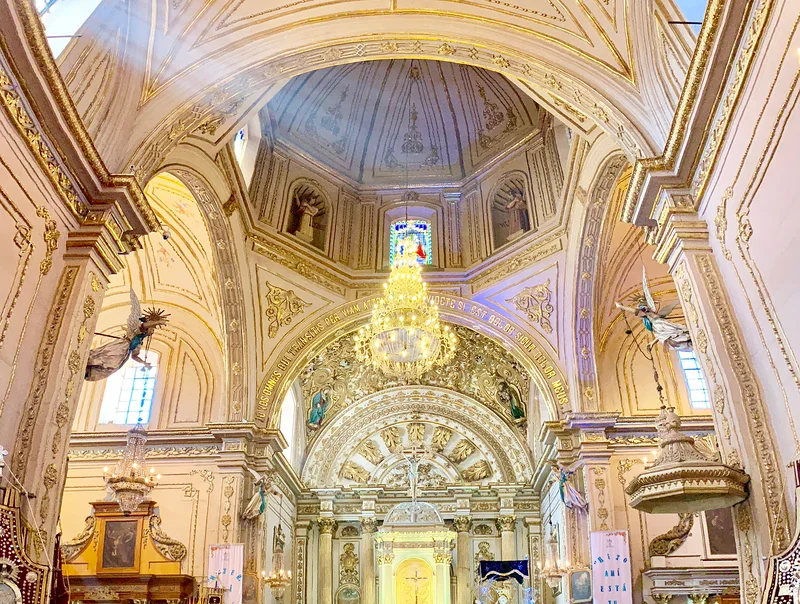
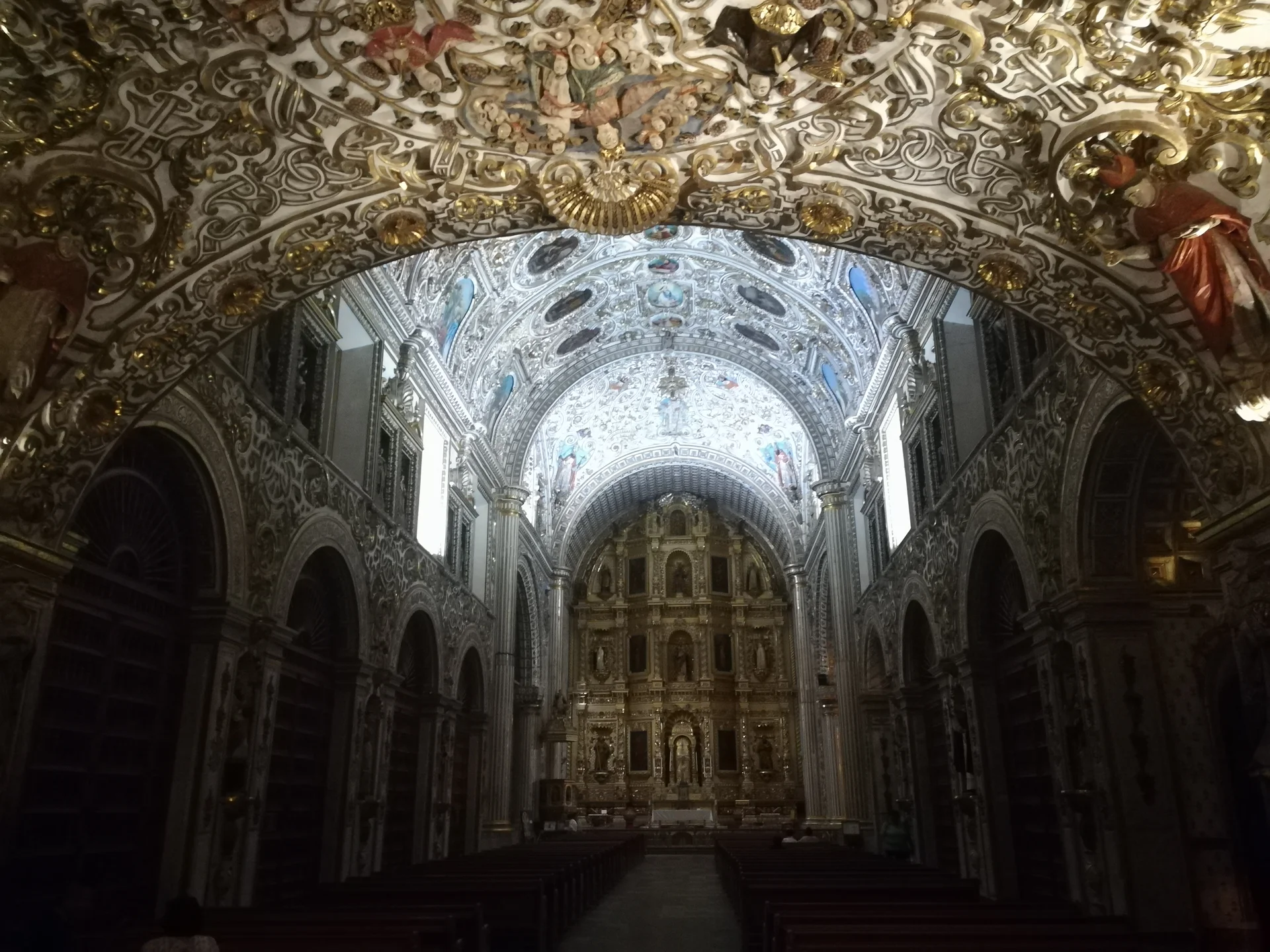
Do not miss the Santo Domingo de Guzmán church, a baroque masterpiece with a gold-leaf interior that is genuinely impressive. The attached monastery houses the Museo de las Culturas, where the treasures from Tomb 7 at Monte Albán, including a turquoise-encrusted skull, showcase the splendor of the Mixtec civilization.
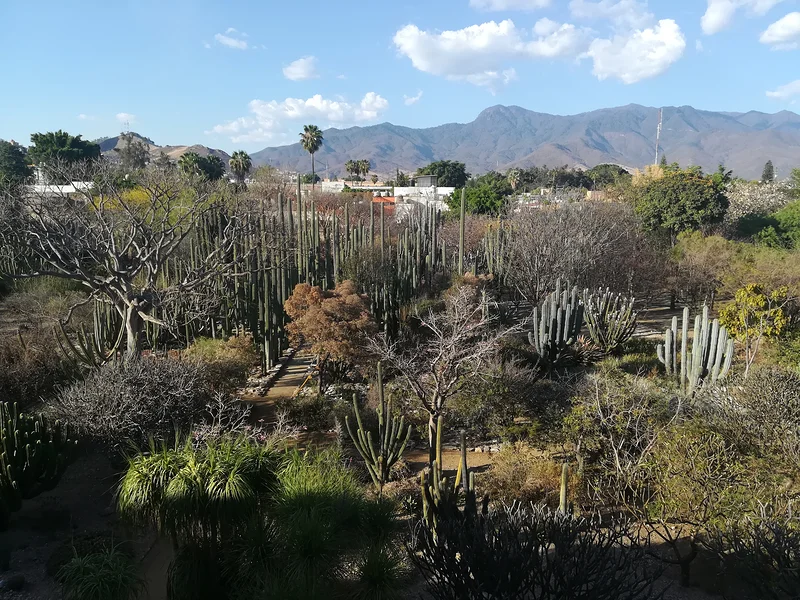
Friendly tip: The Jardín Etnobotánico is only accessible via guided tour, so get there early. The 11 a.m. tour in English (100 MXN) fills up fast. If it is booked, the Spanish tour (50 MXN) is often more intimate and runs more frequently.
Pre-Hispanic treasures nearby
Monte Albán, the ancient Zapotec capital
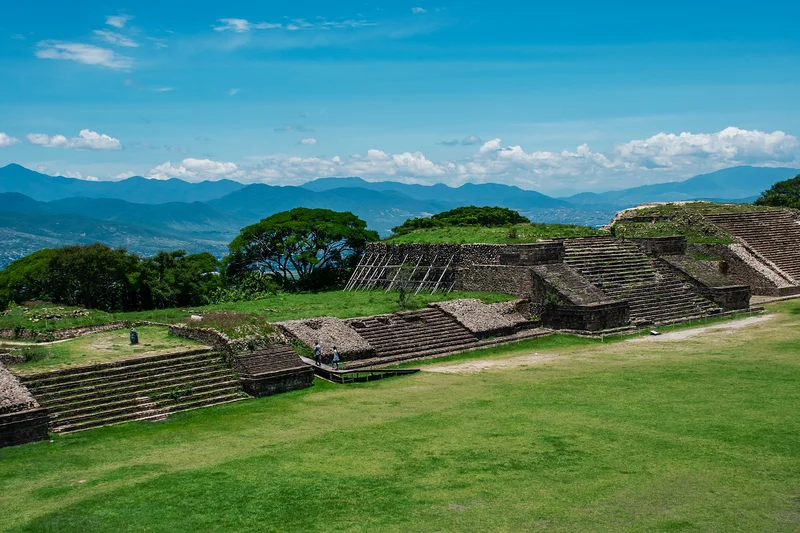
Located thirty minutes by shuttle from downtown, the archaeological site of Monte Albán has dominated the valley since 500 B.C. This World Heritage site, dotted with pyramids, temples, and an imposing juego de pelota (ball court), offers a tactile history lesson. The free museum by the exit does a great job of providing context for the artifacts found on-site.
Friendly tip: Take the shuttle from Calle Minas (about 70 MXN round-trip) instead of a taxi, and arrive at opening time to beat the crowds and the midday heat.
Hierve el Agua and the Tule Tree
An hour and a half away, the natural pools at Hierve el Agua are surreal. Mineral deposits have created "petrified waterfalls" that overlook the valley and agave fields. You can swim in the cool, natural infinity pools while looking out over the mountains.
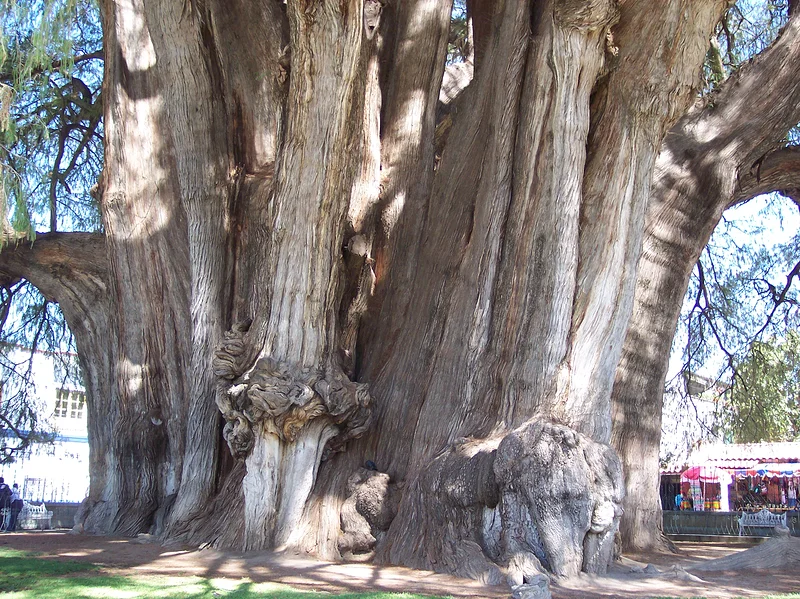
On the way back, stop at Santa María del Tule to see the widest tree in the world. It is a Montezuma cypress estimated to be between 1,500 and 3,000 years old, with a trunk measuring 14 meters in diameter. It is a quiet giant that puts our sense of time into perspective.
The living crafts of the villages
The Oaxaca Valley is essentially an open-air workshop. In San Bartolo Coyotepec, potters shape barro negro, a lustrous black ceramic unique to this region. In Teotitlán del Valle, Zapotec weavers create wool rugs using natural dyes like cochineal and indigo, following techniques passed down for generations.
For the famous colorful figurines, head to San Martín Tilcajete, the birthplace of alebrijes, which are fantastical creatures carved from copal wood. Many family workshops welcome visitors and even host painting sessions.
Friendly tip: Visit the Tlacolula market on Sunday morning, which is the largest weekly market in the area. It is a total sensory experience where you can try barbacoa cooked underground and crispy chicharrones.
The Pacific coast: A side trip worth taking
If you have the time, cross the Sierra Madre del Sur to reach the state's wild coastline. Mazunte, Puerto Escondido, and Huatulco offer turquoise bays, world-class surfing, and a bohemian vibe. Plan for a half-day in a shared taxi or a full day on a bus to navigate the coffee-covered mountains.
Where to eat and drink in Oaxaca?
Oaxaca is widely considered the gastronomic capital of Mexico, and every meal proves it. The local star is mole negro, a complex sauce blending chiles, spices, and chocolate, served over chicken. For something bolder, chapulines (toasted grasshoppers) are a popular snack to pair with a shot of artisanal mezcal.
Do not leave town without trying tlayudas, large crispy tortillas topped with beans, Oaxaca cheese, and tasajo (thinly sliced beef), or tamales steamed in banana leaves. The Mercado 20 de Noviembre is the temple of street food. Pick your meat from the stalls, have it grilled to order, and pair it with memelitas and spicy salsas.
How to get to and around Oaxaca?
Xoxocotlán International Airport receives daily flights from Mexico City and some limited connections from the U.S. The flight from the capital takes about an hour, or you can take a bus for about 7 hours (360-1,100 MXN, or $20-$60*, depending on the carrier). ADO buses offer reclining seats and Wi-Fi, making the trip comfortable.
From the airport, shared colectivos cost about 85-140 MXN to the center depending on your destination. In town, everything is walkable. For excursions, colectivos leave from peripheral terminals, or you can hire a private driver-guide for the day (expect 1,500-2,000 MXN). The Didi app works perfectly for getting around the city.
When to go?
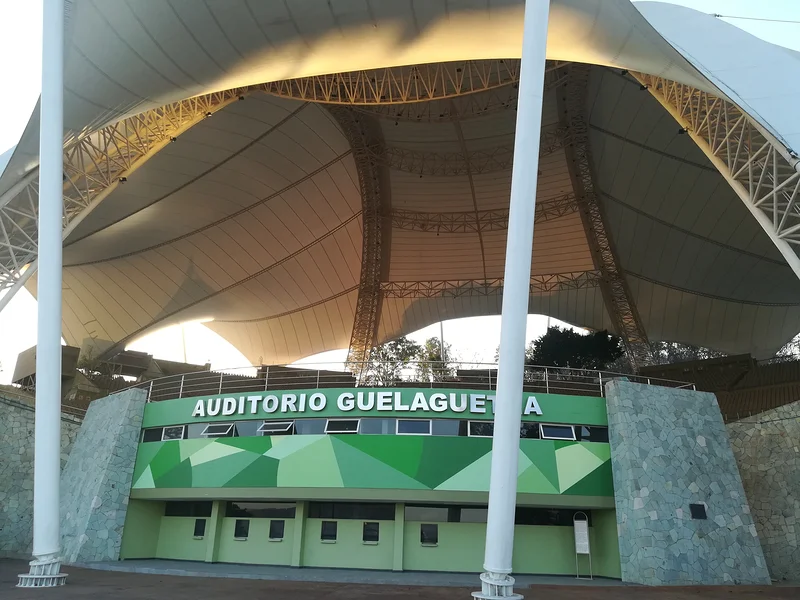
The best time to visit is from October to March, when you get blue skies, mild temperatures between 68 and 82°F (20-28°C), and incredible festivals. The Día de Muertos (late October to early November) turns the city into an open-air theater, though you must book your lodging months in advance. The Guelaguetza (July) celebrates the state's sixteen indigenous cultures with a massive festival of dance and color.
Avoid the rainy season (June to September), as torrential late-afternoon downpours can wash out your plans, and the heat in May can be stifling.
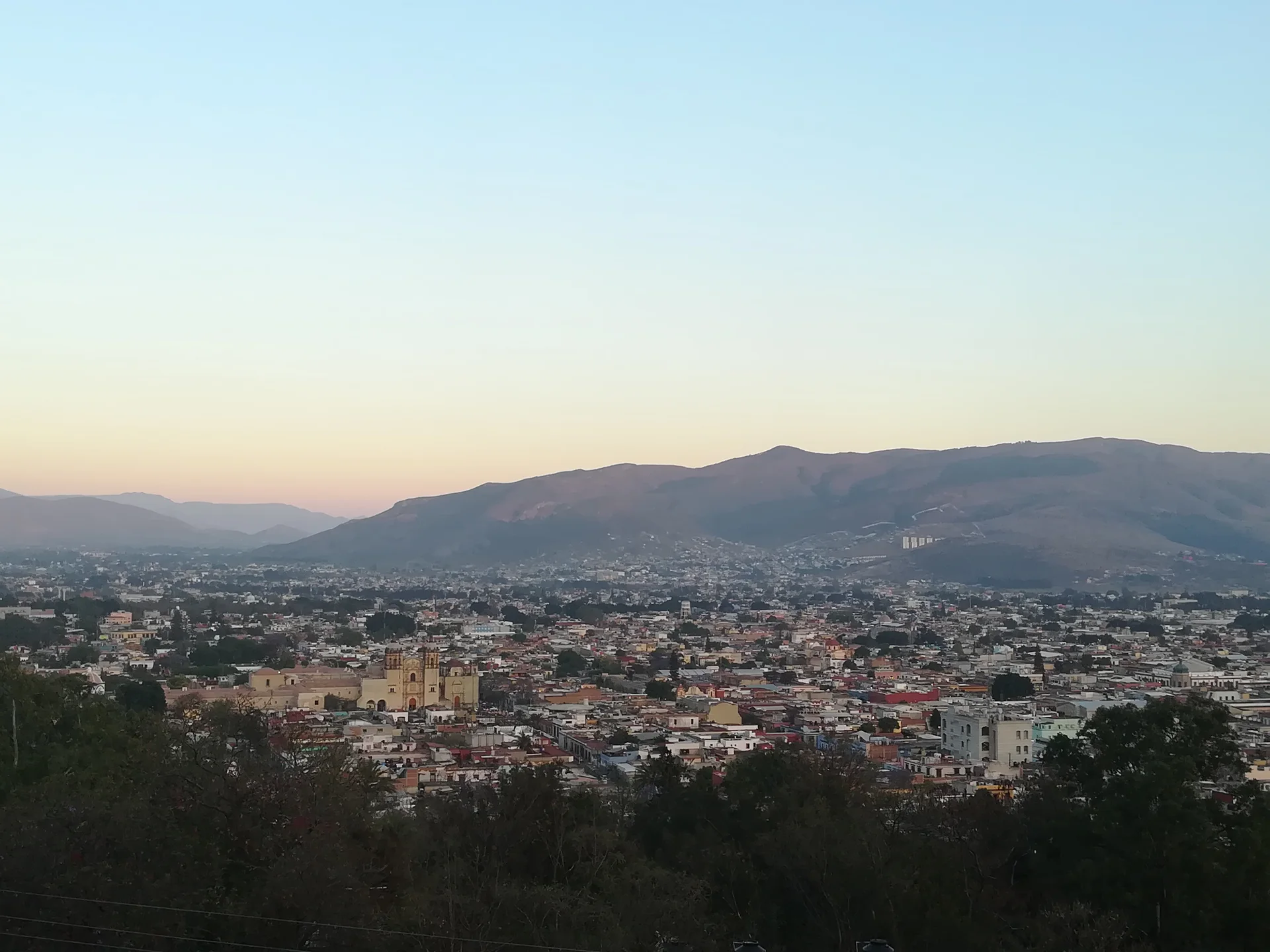
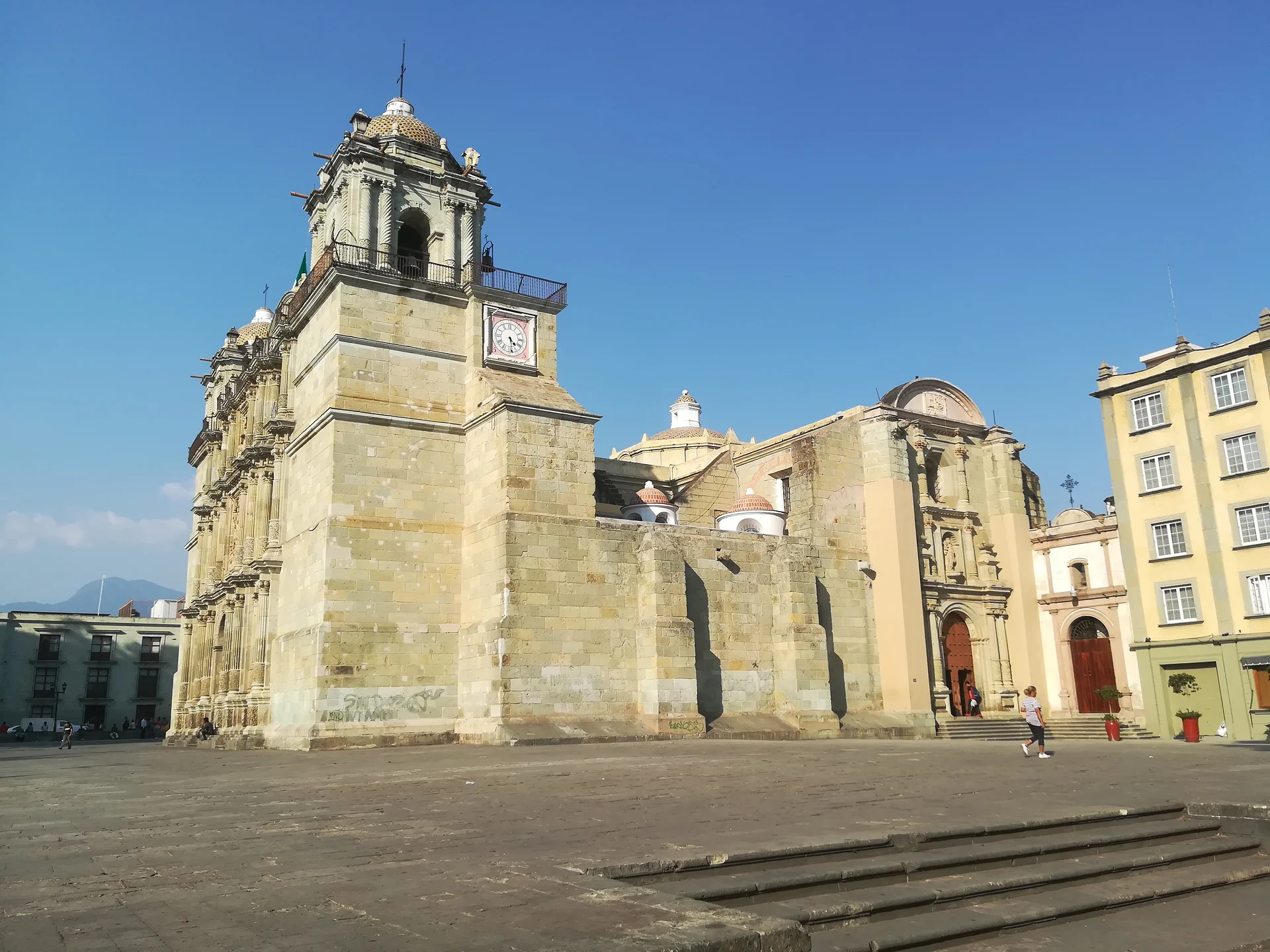
We stayed on the outskirts of the city, but I remember we really enjoyed the old downtown area, where the pedestrian plazas and colonial-era churches are great to explore on foot. I also have fond memories of dinners on a rooftop. Other activities I enjoyed: day trips to Monte Alban, Hierve el Agua, and the Mezcal distilleries (special shout-out to our guide, Minerva!).
And if you have the chance to take the road from the Pacific coast to Oaxaca, you will see stunning mountains covered in forest and coffee plantations!