Tulum

Things to do in Tulum: top 3 must-see attractions

Looking for inspiration to visit Tulum? Browse the attractions our traveler community loves most — historic sites, cultural visits, scenic walks and laid-back spots...

Top 3 attractions our members recommend

#1 Xel-Ha Park +17 recs 5/5

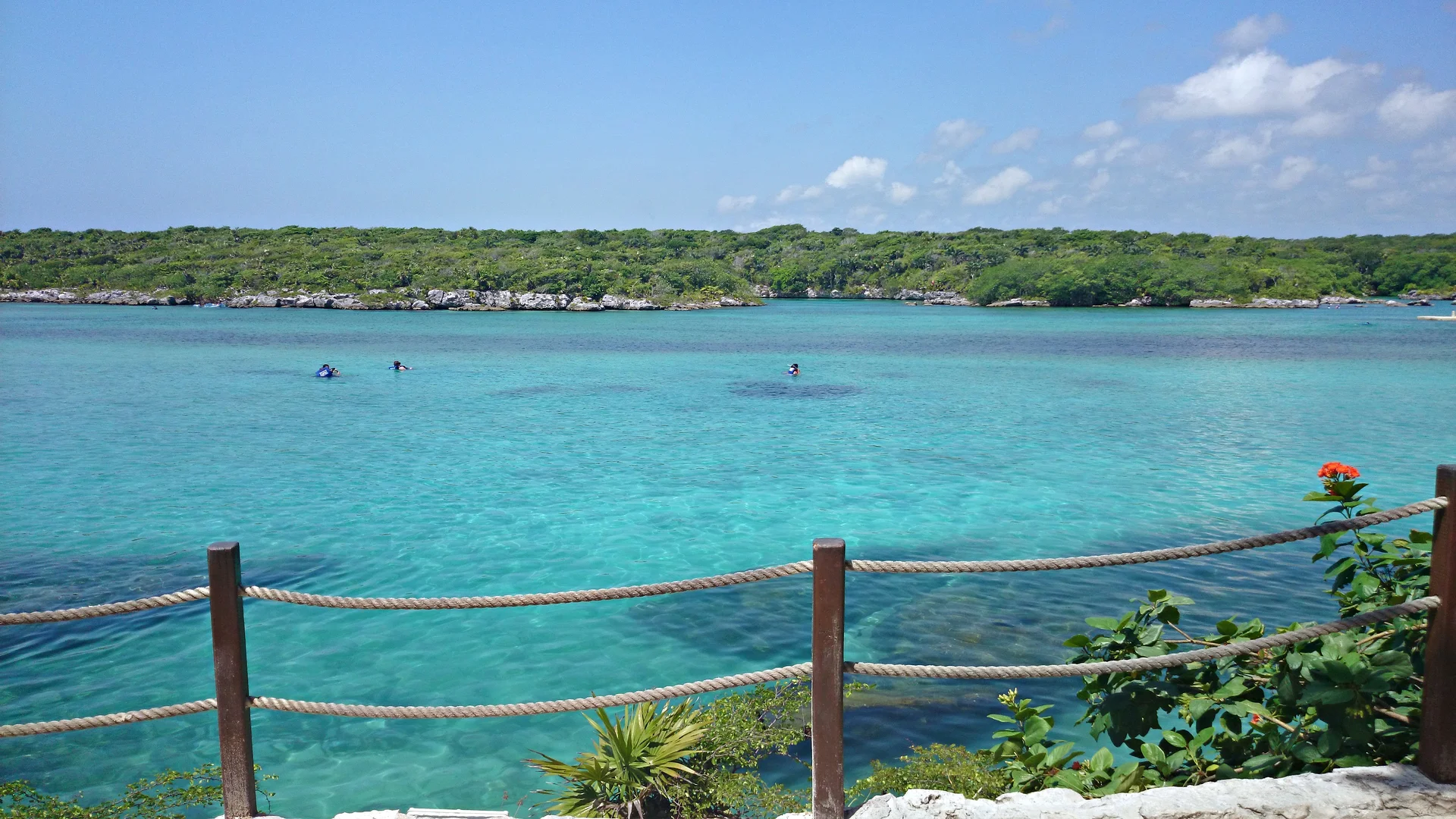
Xel-Ha Park, located near Tulum, serves as a premier eco-tourism destination in Mexico. Known for its lagoon where sea and river waters converge, it offers snorkeling to view marine life. Visitors can float down the river on inner tubes, hike jungle trails, or lounge on beaches. With all-inclusive options, it guarantees a memorable day.

See the guide View offers-7%AVYGEO7

#2 Tulum Ruins +16 recs 5/5

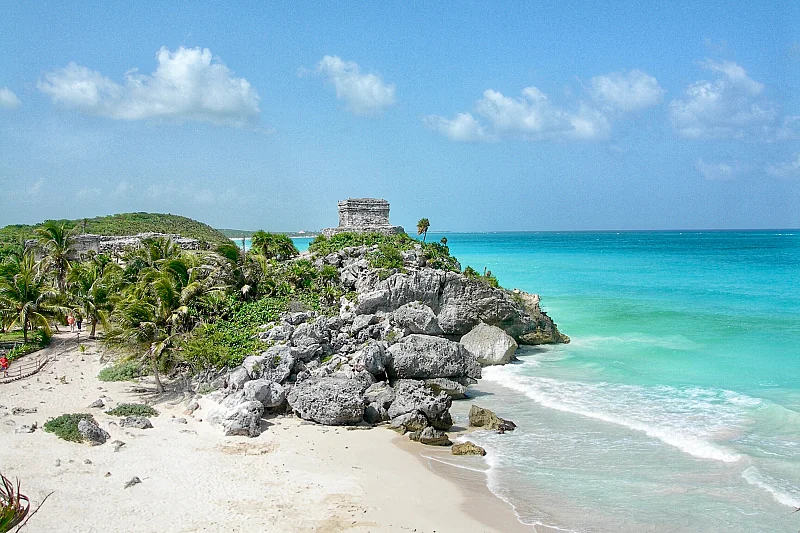
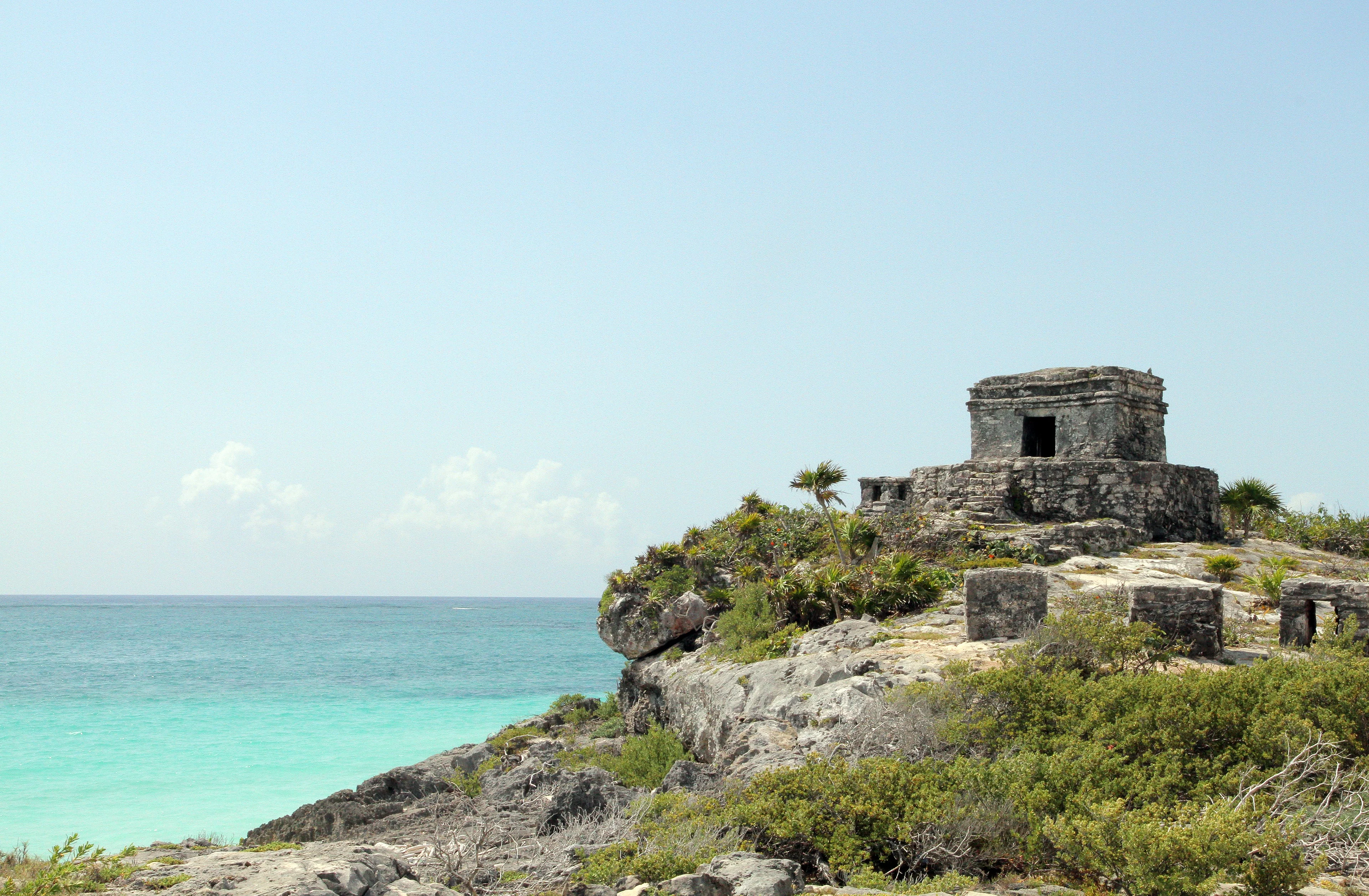
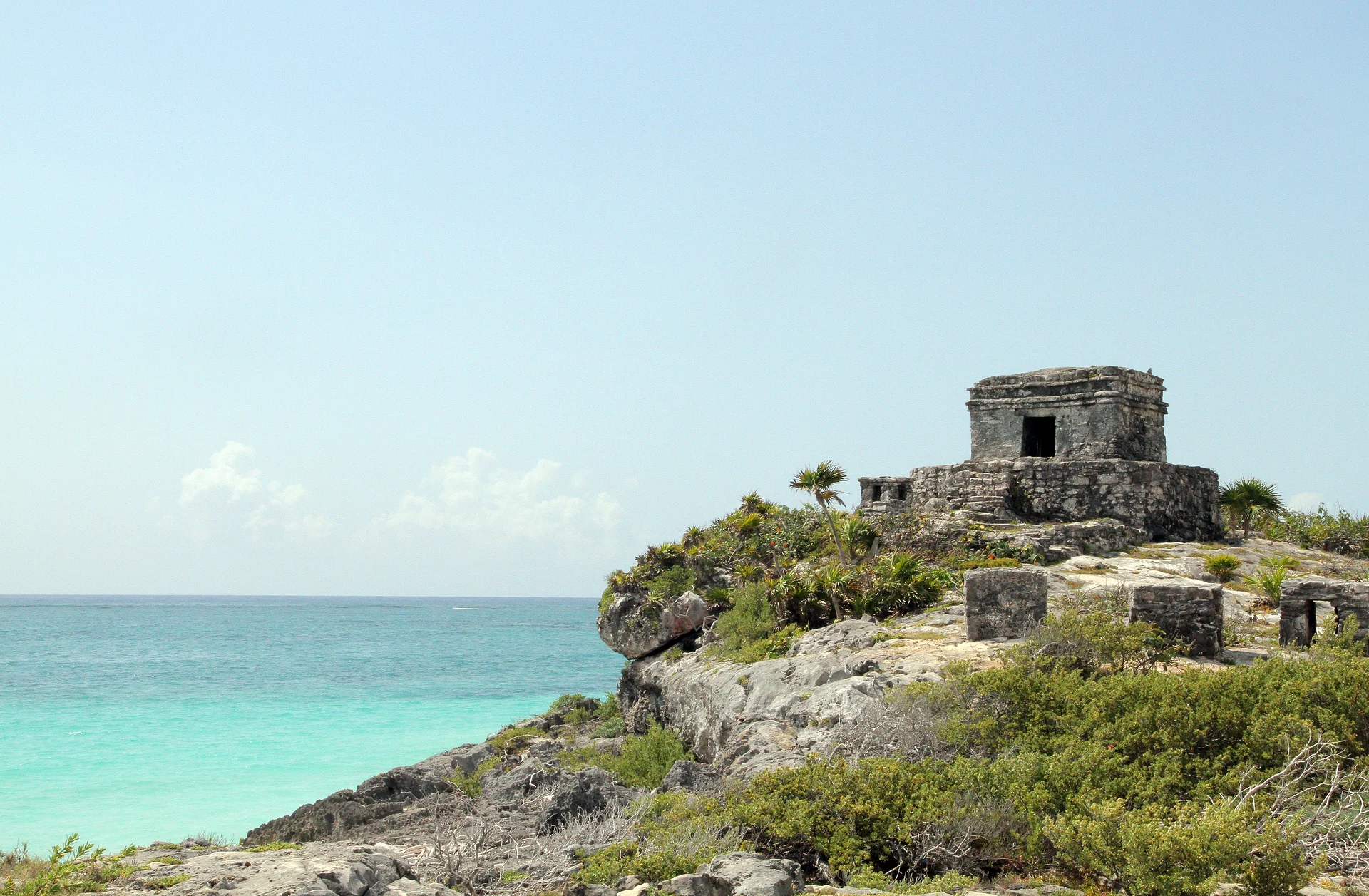
Located on the eastern coast of the Yucatán Peninsula, Tulum is a former Maya city known for its position overlooking the Caribbean Sea. Established starting in the 13th century, it served as a major trade port and religious hub. Key structures include El Castillo, the Temple of the Frescoes, and the Temple of the Descending God. Arrive early to beat the heat and crowds, then head to the beach below for a swim.

See the guide View offers-7%AVYGEO7

#3 Tulum National Park pas encore de reco

Tulum National Park spans 664 protected hectares where Mayan history meets Caribbean nature. Perched on a cliff overlooking turquoise waters, ancient ruins sit alongside white beaches, dense jungle, and clear cenotes. Between archaeological exploration, swimming, and spotting tropical wildlife, this Mexico destination offers an experience unique in the Americas.

See the guide View offers-7%AVYGEO7

Map of must-see attractions in Tulum

Tulum: where Instagram hype meets Mexican reality

The scent of burning copal drifts through the morning air. Somewhere in the jungle, a group is finishing a yoga session while the first tour buses converge on the ruins.

For a decade, Tulum has played a dual role: that of an ancient Maya city overlooking the Caribbean and a hideout for digital nomads in search of hashtag-worthy spirituality. Yet, between the two, there is a third city, one of 40-peso ($2) tacos and empty cenotes, provided you wake up before dawn.

Tulum: the bohemian-chic paradise has a price

This destination appeals to those who love sublime beaches, wellness vibes, and fusion gastronomy. If you are looking to mix archaeological tours, swims in underground natural pools, and sunset cocktails, you are in the right place. Yogis, photographers obsessed with aesthetics, and couples looking for tropical romance will feel right at home.

However, if you are hoping for the colonial Mexico of Oaxaca or the local markets of Mexico City, look elsewhere. Tulum has sacrificed part of its local soul on the altar of luxury tourism. Prices in the hotel zone rival Miami, traffic has become a nightmare, and sargassum seaweed can turn a dream beach into a brown carpet between April and September. Renting a car significantly simplifies trips to nearby cenotes and sites.

Two Tulums, two budgets

Expect to spend between 50 and 200 euros per day ($55 to $220) depending on your style. In the pueblo, a dorm bed costs 10 to 15 euros ($11 to $16), and a full meal is less than 8 euros ($9). In the hotel zone, prepare to shell out 150 to 400 euros ($165 to $440) per night for a boutique hotel and 40 to 80 euros ($44 to $88) per meal at trendy restaurants.

The ruins facing the sea: the icon of the Yucatán

The Tulum archaeological site remains the only Maya vestige built by the sea. Perched on a 12-meter cliff, El Castillo once served as a lighthouse to guide merchant canoes through the barrier reef. The Maya traded jade, turquoise, and quetzal feathers here. It was here that Spanish conquistadors first sighted the Mexican coast in 1518.

Since January 2025, access to the ruins is only possible through the Parque del Jaguar, which has pushed the price up to about 515 pesos ($26) for foreign visitors. The price now includes access to the beaches located within the park.

Friendly tip: arrive at 8 a.m. for the opening. By 10 a.m., the tour groups from Cancún arrive in droves. The site visit takes 1.5 hours, so save time to head down to the small beach below, the only place where swimming is free near the ruins.

Cenotes: the sunken cathedrals of the Yucatán

The Yucatán Peninsula hides thousands of natural wells formed by the collapse of limestone caves. For the Maya, these freshwater sinkholes were portals to the underworld. Today, they offer a refreshing dip after the tropical heat.

The Gran Cenote is the most accessible from Tulum, by bike or taxi. Its translucent waters, where turtles and fish swim, justify its popularity. To escape the crowds, prefer the Cenote Escondido or the Cenote Cristalino, less known but just as spectacular. Experienced divers should head to Dos Ojos, an 80-kilometer underground network.

The Cenote Calavera, nicknamed the Temple of Doom, offers three circular openings in its ceiling through which the most daring jump directly into the water. The Cenote Car Wash owes its strange name to its former function as a car wash, before locals discovered the aquatic cavity underneath.

Friendly tip: use only biodegradable sunscreen, or better yet, none at all. Chemicals destroy these fragile ecosystems. Most cenotes provide life jackets and lockers.

The pueblo vs. the hotel zone

Tulum Pueblo remains the Mexican heart of the city. It is where locals live, where prices remain reasonable, and where the real markets and taquerias are concentrated. The main street is lined with banks, pharmacies, and al pastor taco stands. The vibe is messier but more alive than in the beach zone bubble.

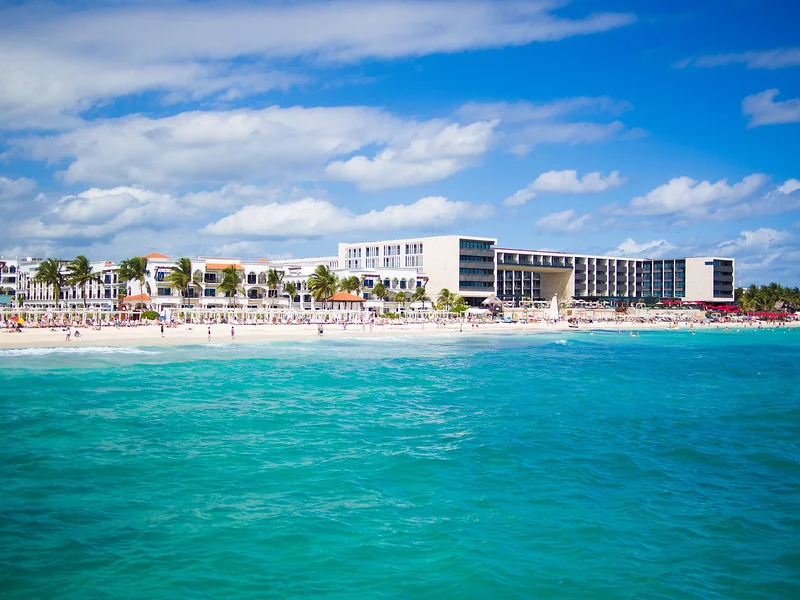
The hotel zone stretches along a congested coastal road, lined with boutique hotels with Instagrammable facades, fusion restaurants, and beach clubs where entry is paid via a minimum consumption fee. On the north side, closer to the ruins, establishments are more affordable. On the south side, toward the Sian Ka'an reserve, luxury reaches its peak with addresses like Azulik, Papaya Playa Project, or Casa Malca.

Public beaches

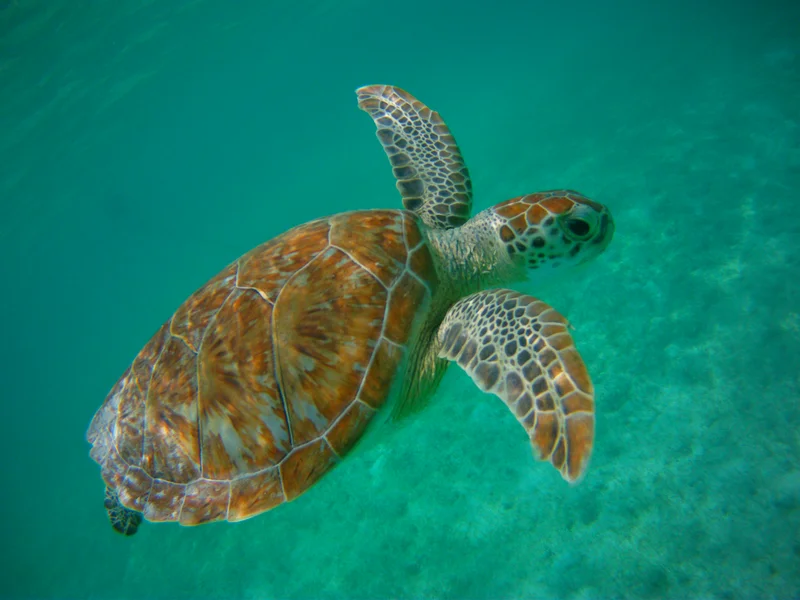
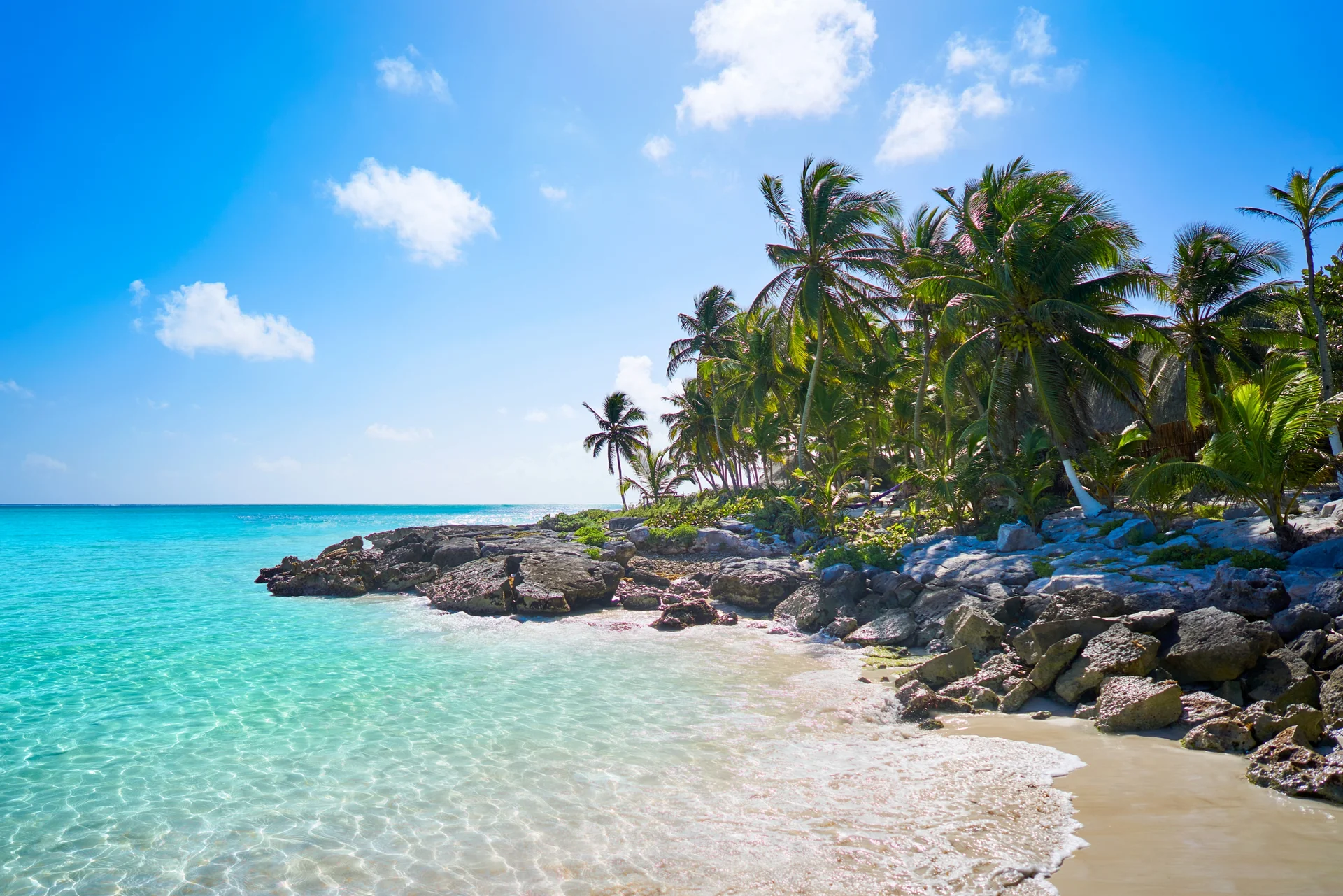
Playa Paraíso remains the most famous, but the sand is crowded. Playa Santa Fe, just south of the ruins, offers free access and more tranquility. For a wild escape, Playa Xcacel, 20 minutes to the north, is a protected nature reserve where sea turtles come to lay eggs between May and October.

Sian Ka'an: the true green lung

This UNESCO-listed biosphere reserve covers more than 5,000 km² of jungle, mangroves, and lagoons. It is wild Mexico just a half-hour drive away. You can spot manatees, dolphins, crocodiles, and hundreds of bird species. The easiest entry point is Muyil, with its less-frequented Maya ruins and its floating descent through the mangrove canals.

The other option, Punta Allen, requires a 4x4 or an organized excursion due to the state of the road. Count on 100 to 150 euros ($110 to $165) for a full day with transport, a guide, and snorkeling in the barrier reef.

Where to eat and drink in Tulum?

The local culinary scene oscillates between 40-peso ($2) tacos and 100-euro ($110) fusion meals. In the pueblo, El Carboncito grills its al pastor meats over charcoal, a step above standard stands. Antojitos La Chiapaneca serves 8-peso ($0.40) tacos and attracts local crowds every night. El Camello Jr. offers fresh seafood in a no-frills setting.

For a healthy breakfast, Burrito Amor has built its reputation on organic burritos and cold-pressed juices. Fans of French cuisine will find what they are looking for at Ma Chérie. In the beach zone, Gitano marries mezcal cocktails with modern Mexican cuisine in a candlelit jungle setting. Hartwood, a pioneer of wood-fired cooking, remains an institution but requires reservations several days in advance.

The local food hall is Palma Central: a relaxed spot with pizza, tacos, barbecue, and cocktails. On Tuesday nights, salsa classes attract locals and travelers alike.

Where to sleep in Tulum and the surroundings?

Two strategies are at play. Sleeping in the pueblo allows you to save money and experience daily Mexican life. Hostels like Mayan Monkey offer a pool, yoga, and a backpacker vibe for about 20 euros ($22). Jungle Keva offers cabins in the vegetation for unbeatable value.

In the hotel zone, the budget explodes, but the setting becomes magical. Establishments like Nomade, Be Tulum, or Mezzanine justify their rates with semi-private beaches and a tropical retreat atmosphere. Book several weeks in advance for high season, from November to April.

For a compromise, the La Veleta neighborhood, between the pueblo and the beach, attracts digital nomads with its coworking spaces, trendy cafes, and rents that are less insane than the waterfront.

How to get to and around Tulum?

Since the end of 2023, Tulum has its own international airport, Felipe Carrillo Puerto, 25 minutes from the center. Direct flights from the United States and Canada are increasing, but always compare with Cancún, which is better served and sometimes cheaper. From Paris, expect a layover in Mexico City or the United States.

From Cancún, ADO buses reach Tulum in 2.5 hours for about 300 pesos ($15). Colectivos, shared minibuses, leave from Playa del Carmen every 10 minutes for 50 pesos ($2.50). Warning: Uber does not operate in Tulum. Local taxis negotiate their rates, so always ask for the price before getting in.

Once there, biking remains the most pleasant way to reach beaches and nearby cenotes. Rentals start at 150 pesos ($7.50) per day. For more distant excursions like Cobá or Sian Ka'an, a rental car simplifies everything.

When to go?

The dry season, from November to April, offers the best compromise between pleasant weather and manageable crowds. The months of December to February have the highest prices. Avoid the sargassum season, from April to September, which can turn turquoise beaches into smelly brown carpets. Check the Red de Monitoreo del Sargazo on Facebook before booking. Hurricane season runs from June to November, with a peak in September.
Find the best deals to travel to Tulum

Activities and guided tours Hotels and stays Flights Custom trips

When to visit Tulum?

The most favorable period to discover Tulum covers:

January February March October November

Favorable months also include:

April May September

Check the details below to fine-tune your choice based on your preferences!

Climate and atmosphere in Tulum month by month

January Very Favorable

Temperatures
19°C to 28°C
Sea water
27°C
Sunshine
7.5h / day
Rainy days
5 days
Rainfall
80 mm

Tulum in January offers a relaxed pace, perfect beach weather, and comfortable temperatures. The Mayan ruins overlooking the sea look their best under the winter sun, and the cenotes are ideal for diving and snorkeling.

February Very Favorable

Temperatures
20°C to 29°C
Sea water
27°C
Sunshine
8h / day
Rainy days
4 days
Rainfall
60 mm

The weather stays perfect, though you will be sharing the space with plenty of other travelers. Electronic music festivals draw a trendy crowd, while excursions to the Sian Ka’an Biosphere Reserve offer the chance to spot dolphins and sea turtles in their natural habitat.

March Very Favorable

Temperatures
21°C to 30°C
Sea water
27°C
Sunshine
8.5h / day
Rainy days
5 days
Rainfall
70 mm

The sea is calm and perfect for diving in the coral reefs. Sunsets are spectacular, and the beaches fill up with the art events and yoga retreats that have made Tulum famous.

April Very Favorable

Temperatures
23°C to 31°C
Sea water
28°C
Sunshine
9h / day
Rainy days
6 days
Rainfall
90 mm

The bohemian vibe holds steady with cultural festivals and lively artisan markets. Visitors spend their time paddleboarding along the coast and hitting the popular beach clubs for evening parties.

May Favorable

Temperatures
24°C to 32°C
Sea water
28°C
Sunshine
9.5h / day
Rainy days
10 days
Rainfall
120 mm

The heat is ramping up, but the sea breeze keeps the days comfortable. Jungle excursions are a great way to explore archaeological sites with fewer crowds, and beachfront restaurants offer a relaxed vibe for your evenings.

June Favorable

Temperatures
25°C to 32°C
Sea water
29°C
Sunshine
9h / day
Rainy days
13 days
Rainfall
180 mm

The rainy season kicks off in June, though showers are typically brief and refreshing. The area stays active with wellness retreats and Mayan spiritual ceremonies that draw travelers looking for a little peace of mind.

July Less Favorable

Temperatures
25°C to 33°C
Sea water
29°C
Sunshine
8.5h / day
Rainy days
15 days
Rainfall
210 mm

Humidity is high, but the beaches stay lively with live music and night markets. The cenotes provide a welcome cooldown, and diving in the underground caves becomes an unforgettable experience.

August Less Favorable

Temperatures
25°C to 33°C
Sea water
29°C
Sunshine
8h / day
Rainy days
16 days
Rainfall
230 mm

Expect frequent rain showers, but the sun usually breaks back through quickly. This is a quieter time of year, making it a solid choice if you prefer a less crowded Tulum. You will find plenty of Mayan rituals and yoga retreats taking place throughout the lush, green landscape.

September Less Favorable

Temperatures
24°C to 32°C
Sea water
29°C
Sunshine
7.5h / day
Rainy days
14 days
Rainfall
200 mm

Hurricane season is at its peak, though direct hits remain rare. Hotels and beach clubs offer discounts, and archaeological sites like <strong>Cobá</strong> are much quieter, making for a more personal experience without the usual crowds.

October Favorable

Temperatures
23°C to 31°C
Sea water
28°C
Sunshine
8h / day
Rainy days
10 days
Rainfall
150 mm

The weather turns more pleasant and the local event calendar picks up. Celebrations for <strong>Día de los Muertos</strong> turn the streets into a colorful spectacle, and restaurants host special dinners for this iconic holiday.

November Very Favorable

Temperatures
21°C to 30°C
Sea water
28°C
Sunshine
8.5h / day
Rainy days
7 days
Rainfall
110 mm

Expect mild temperatures and water conditions that are still perfect for swimming. Tulum hosts various arts and ecology festivals during this time, drawing a crowd focused on nature and spirituality.

December Very Favorable

Temperatures
20°C to 29°C
Sea water
27°C
Sunshine
8.5h / day
Rainy days
5 days
Rainfall
90 mm

The year-end holidays bring a special energy, with celebrations right on the sand and dinners served under the stars. The town draws travelers looking for a getaway and high-end experiences set against a backdrop of preserved nature.

Weather charts for Tulum

Top photos posted by members

Tulum
Parc national de Tulum
Xel Ha

Traveler reviews on Tulum

Write a review

Reviews summary

On the city

2 reviews
+8
recs
  • Overall 5/5
  • Family 5/5
  • Couple 5/5
  • Friends 5/5

On the attractions

14 reviews
+33
recs
  • Water parks +17 recs
  • Archaeological sites +16 recs

Surely the most beautiful city in the Yucatan

Tulum is a must-see city in the Yucatan. Known for its famous archaeological park by the sea, it is also a pleasant beach resort that is less Americanized than Cancun or Playa del Carmen.
The ideal way to explore is to rent a bike for a beautiful ride starting from the archaeological site, heading toward the beach road, and continuing all the way to the reserve. In the hotel zone, you will find charming boutique hotels that are a real treat for the eyes. I also really enjoyed the crocodile cenote as well as the Kaan Luum lagoon, both of which are accessible by bus.

15
Recommends :
Overall rating :
With family :
As a couple :
With friends :

A hidden gem on the Riviera Maya

The contrast with neighboring towns like Playa del Carmen or Cancun feels really good.
Here, there are no long avenues lined with hotels, no clusters of bars or clubs or restaurants that have nothing Mexican about them.

No, in Tulum you will find ancient Mayan ruins, beaches that have remained in a more or less natural state, and coral reefs teeming with multicolored fish... Very, very nice

8
Recommends :
Overall rating :
With family :
As a couple :
With friends :

You've seen every review.

More cities to visit from Tulum