
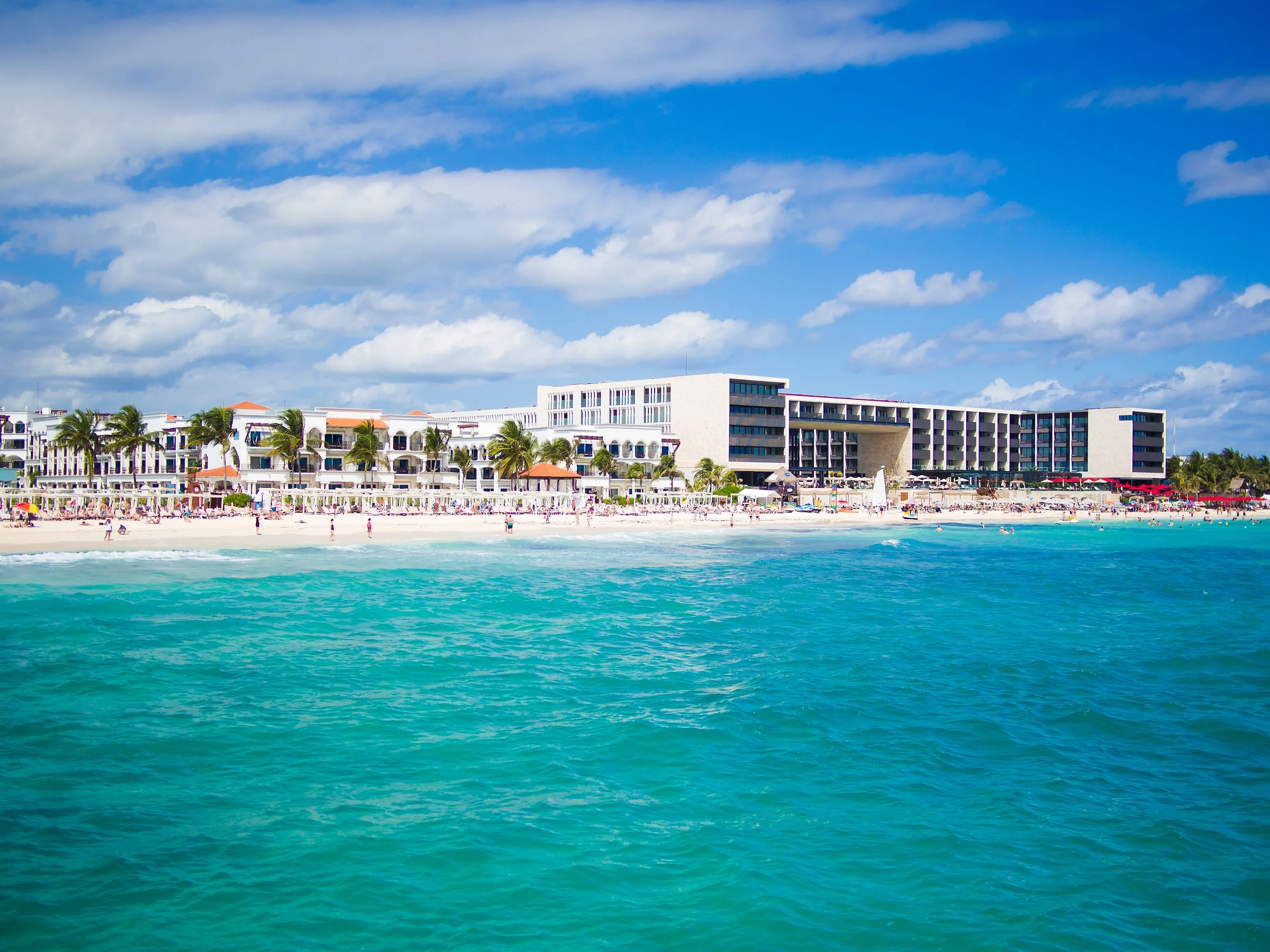
Playa del Carmen, the beach town that swallowed a fishing village
The sand is still cool, the sea a surreal shade of blue, and the sun begins to set the Portal Maya ablaze. This 16-meter bronze sculpture was dedicated on December 21, 2012, the date of the supposed Mayan end of the world. At this hour, you are practically alone facing one of the finest Caribbean sunrises. Two hours later, this same spot will be overrun by tour peddlers, promoters, and vacationers chasing mojitos.
All of Playa del Carmen lives in that exact contradiction.
What started as a tiny Mayan fishing port in the 1980s, serving as the compulsory ferry stop for the sacred island of Cozumel, has turned into one of the fastest-growing cities in Latin America. The former Xaman-Ha, meaning "waters of the north" in Mayan, is now simply called "Playa" by the regulars.
The town draws a cosmopolitan mix of European expats, North American snowbirds, digital nomads, and Mexican families. The outcome is a strange cocktail of 20-peso taquerias and 100-dollar-a-day beach clubs.
Playa del Carmen: a dialed-down Cancún, for better or worse
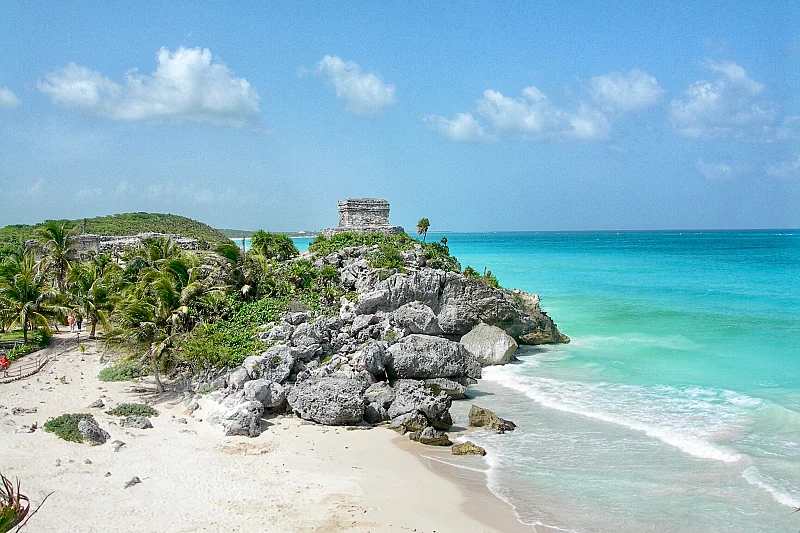
If you want a more relaxed alternative to Cancún without giving up a lively nightlife scene and total tourist comfort, Playa del Carmen hits every mark. Couples, groups of partying friends, families, and scuba divers all find their groove here. The city also acts as a prime base camp for exploring the entire Riviera Maya: cenotes, the ruins of Tulum, Cozumel island, and Chichén Itzá are all reachable in under two hours on the road.
On the flip side, if you dream of a wild, untouched Mexico, you will be searching for a long time. Playa del Carmen was built for tourism, and you feel it. Quinta Avenida, the 22-block pedestrian strip running parallel to the beach, sometimes feels more like an open-air shopping mall than a Mexican street. People will constantly stop you to sell excursions, t-shirts, and sometimes quite a bit more.
Travelers looking for genuine cultural immersion will prefer cities like Oaxaca, Mérida, or San Cristóbal de las Casas.
The safety question in Playa del Carmen
Playa del Carmen remains statistically one of the safest cities in Quintana Roo for travelers. Cartels operate in the region, but visitors are not their target. There have been past shooting incidents in nightlife districts, particularly around Calle 12.
Nothing systemic, but keep your usual guard up: do not walk around flashing valuables, stick to well-trafficked areas after dark, and check the local situation before heading out. CAPTA, the tourist protection center, operates several offices around town if you run into trouble.
Sargassum, the unwanted guest
This is the topic nobody in the brochures talks about. For several years, massive amounts of sargassum seaweed have washed ashore on the beaches of the Riviera Maya, especially between April and August. On some days, Playa's beaches are blanketed in a brown carpet that smells like rotten eggs. On other days, the water is crystal clear. It is entirely unpredictable.
Hotels put out cleaning crews every morning and offshore barriers get deployed, but the issue lingers. Friendly tip: if the beach is your absolute top priority, plan your trip between November and March, or look at alternatives like Isla Mujeres or the western coast of Cozumel, which take much less of a hit.
An accessible budget, if you dodge the tourist traps
Playa del Carmen stays very affordable if you step off Quinta Avenida for food and drinks. Budget between $33 and $99* a day depending on your travel style: a hostel bed starts at $11-$17*, a decent double room runs between $44 and $110*, and a meal at a local taqueria costs $2.20 to $4.40*. The resorts and beach clubs, however, can easily triple that tab.
Quinta Avenida and downtown: the noisy heartbeat of Playa
There is no escaping it. Quinta Avenida serves as the backbone of the city, a long pedestrian avenue stretching from Parque Fundadores down south up to Calle 40 to the north. International boutiques, restaurants of every cuisine, cocktail bars, and art galleries line up back-to-back. The evening energy is electric, almost too much for some.
Past Calle 28 heading north, the avenue turns quieter and more local. That is where residents and expats hang out. Take time to wander over to Avenida 10 and the side streets, where you will spot colorful murals, small independent shops, and an atmosphere that reminds you you are actually in Mexico.
Friendly tip: steer clear of the restaurants on Quinta between Calle 2 and Calle 14. That is the heavy tourist zone where prices double or triple for often mediocre food. Head north of Calle 28 or move west toward Avenida 30 to eat where the locals go.
The beaches: postcard views versus reality
The main beach right in downtown Playa del Carmen looks great in pictures but stays crowded and prone to sargassum. For a better beach day, two spots stand out clearly.
Punta Esmeralda, on the north side of town, is the favorite beach for Mexican families. You get white sand, palm trees, and a freshwater cenote that empties directly onto the shore. Admission is free. On weekends, it gets packed with locals. On weekdays, it is a quiet slice of paradise ideal for catching a sunset.
Playa Xpu-Ha, a 30-minute drive south, features clear turquoise water and a relatively untouched setting. Admission runs around 50 pesos, and for 200 pesos you get a credit toward food at the beach restaurant. Playa Mamitas leans into the party scene with loud music, a massive beach club, and Spring Break energy. You have been warned.
Cenotes and excursions: the region's real treasure
The cenotes are the main reason travelers fall in love with the Yucatán. These natural sinkholes filled with surreal blue freshwater dot the entire peninsula. Close to Playa, Cenote Azul, Cristalino, and Jardín del Edén sit just a 15 to 20-minute drive away and offer memorable swimming spots. Get there early in the morning to beat the crowds.
For a deeper adventure, Río Secreto is a semi-flooded cave system where you navigate between stalactites and crystal-clear water on a guided tour. It stands out as one of the most striking experiences in the area. Expect to pay around $88-$110* per person, professional photos included.
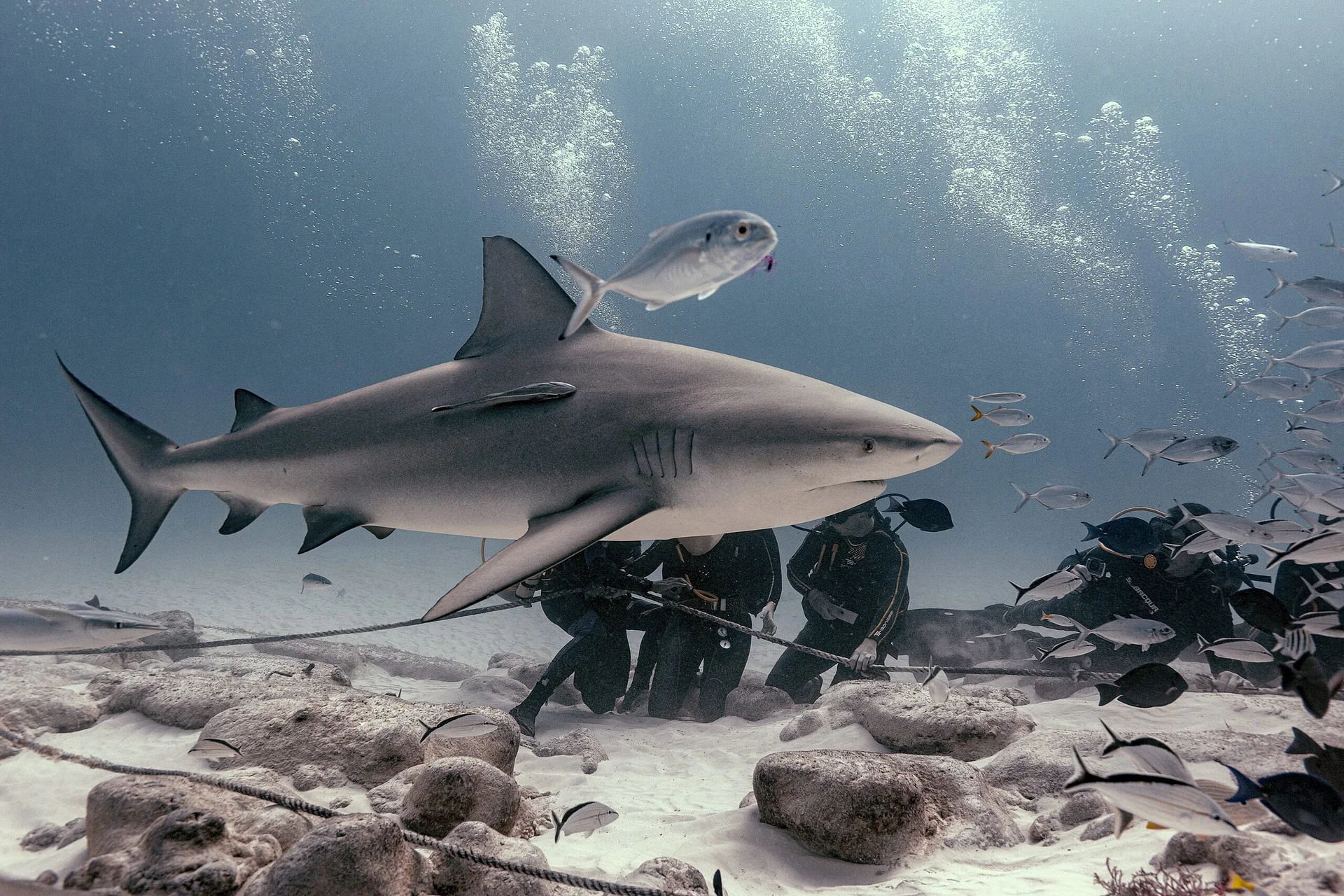
Seasoned divers take note: Playa del Carmen remains one of the few spots on earth where you can dive with bull sharks in their natural habitat from November through late February. The coral reefs off Cozumel, reachable via a 45-minute ferry ride, are part of the second-largest barrier reef on the planet.
Friendly tip: for day trips to Tulum or Coba, skip the organized tours sold on Quinta, which often feature inflated prices and endless souvenir shop stops. Grab a colectivo from Calle 2 instead for just a few dozen pesos.
Nightlife: from traditional cantinas to mega-clubs
After dark, Playa del Carmen shifts gears. The party epicenter revolves around Calle 12, home to massive clubs like Coco Bongo, a wild cabaret combining circus acts, impersonators, and a giant dance floor. The shows do not kick off until 11pm.
For a more grounded evening, Cantina Don PP serves hearty traditional food alongside tequila in a casual local setting. Manne's Biergarten, run by a long-term German expat, makes for an unexpected hideout two blocks off Quinta serving craft beers, German fare, and an international crowd of regulars.
Where to eat and drink in Playa del Carmen
Playa's food scene provides some of its best surprises. The local specialty is tacos al pastor: slow-roasted marinated pork shaved from a vertical spit, topped with a slice of pineapple, cilantro, onions, and a spicy salsa. To try the finest ones in town, head to El Fogón on Avenida 30. Lines are common, which tells you you are in the right place. Tacos start around $1.10* each.
For a memorable breakfast, La Cueva del Chango, tucked away in a tropical garden off Quinta, serves chilaquiles and huevos rancheros that make the trip worthwhile. At night, the spot transforms into a romantic dinner venue. Another local favorite is El Ñero, a late-night taqueria opening at 5pm that caters mostly to neighborhood locals. Their tacos al pastor rival the ones at El Fogón.
The most unique dining experience goes to Alux, a restaurant set inside a 10,000-year-old natural cave containing its own cenote. Book ahead and try the cocktails made with Xtabentún, a Mayan anise liqueur.
Where to stay in Playa del Carmen and surroundings
Picking the right neighborhood changes everything. The zone between Calle 14 and Calle 28 on the east side offers the best compromise between beach access, nearby restaurants, and relative quiet at night. Avoid sleeping near Calle 12 unless you want to vibrate to heavy basslines until 4am.
Playacar, down south, is a gated residential community featuring all-inclusive resorts, better-maintained beaches, and the free Mayan ruins of Xaman-Ha. It works best for families wanting quiet surroundings within walking distance of town. North of Calle 38, the vibe turns more residential and prices drop, making Airbnb rentals a solid value.
How to get to and around Playa del Carmen
The closest gateway is Cancún International Airport (CUN), Mexico's second busiest after Mexico City. From major North American hubs like Miami, Houston, or New York, airlines fly nonstop to Cancún in roughly 2 to 4 hours. From the airport, the ADO bus reaches downtown Playa in about an hour for 10 to 12 USD, offering air conditioning, modern seating, and total reliability. A private taxi runs around 100 USD.
Around town, walking handles most downtown trips. For trips down the coast toward Tulum or Akumal, colectivos are unbeatable, costing a handful of pesos for fast, frequent departures. The ferry to Cozumel leaves hourly from the terminal at the end of Calle 1, costing roughly 390 pesos round-trip for a 45-minute crossing. Renting a car makes sense if you plan to explore distant cenotes or drive out to Chichén Itzá.
When to go
The ideal window runs from November to March, featuring comfortable temperatures around 27-30°C, minimal rain, and almost zero sargassum. This is peak tourist season, meaning higher rates and heavy crowds between Christmas and New Year's. For a sweet spot balancing weather, crowds, and budget, aim for April-May or November. Skip June through September if beach days matter to your trip, as sargassum peaks, heat becomes oppressive, and hurricane season gets underway.


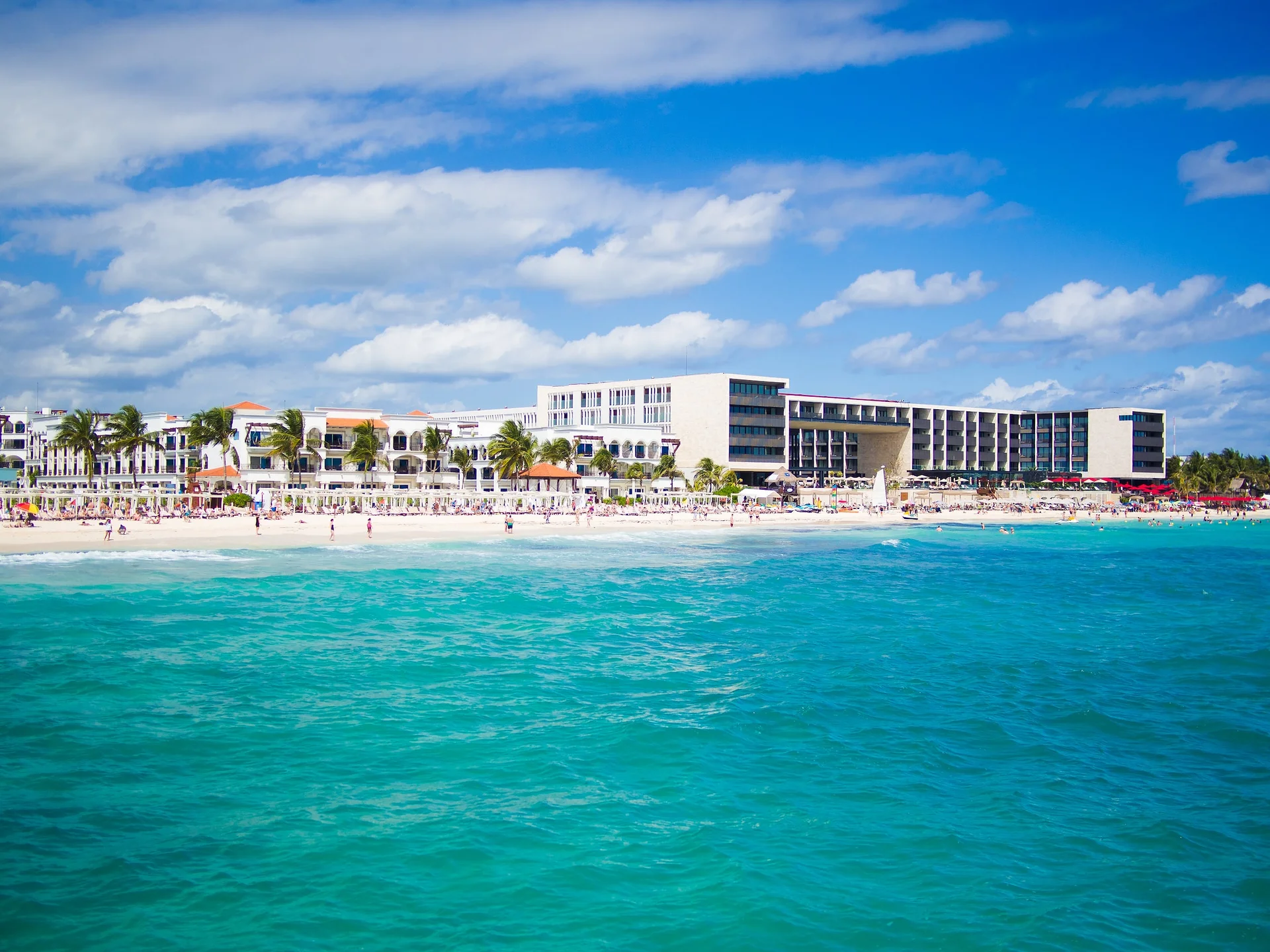

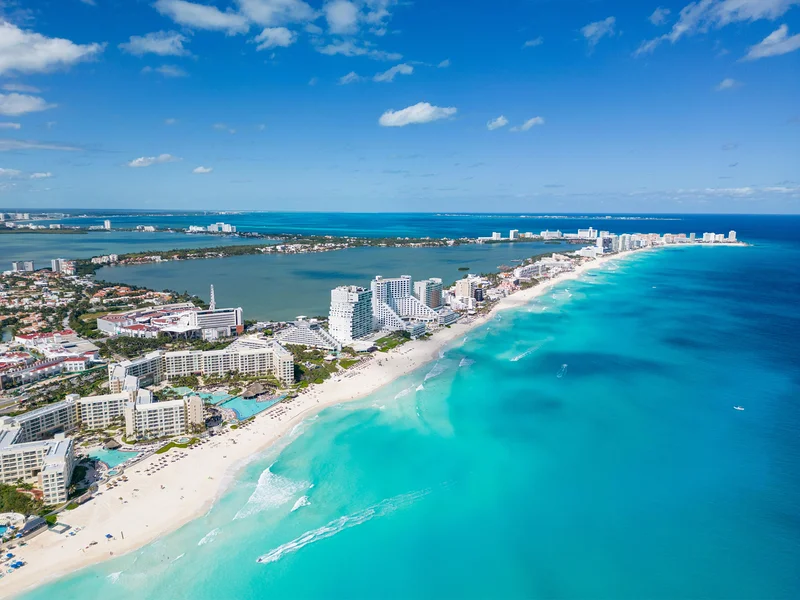
Playa del Carmen is a big strip with tons of shops, restaurants, and clubs, always super lively, day and night. If you have seen the cult scene from the movie The Mask with Jim Carrey and Cameron Diaz, then you absolutely have to go check out the real place where it was filmed: Coco Bongo on the Playa del Carmen avenue.
The must-do excursion in Mexico leaving from Playa del Carmen is going to see the whale sharks. The best time is in August, and you will have the chance to come across the largest fish on the planet. You can even dive with them: I was only a few centimeters away.
It is forbidden to touch them, of course, but everyone respected the rules. Each group had about 10 minutes to enjoy it so as not to stress the whale shark, which was swimming calmly.