
Mexico City, the mountain giant that you will want to devour bite by bite
It is 6:30 in the morning in the Roma Norte neighborhood. The rich, sweet scent of tamales drifts from a cart parked on a corner lined with century-old trees. A vendor calls out tamaaales, oaxaqueños in a nasal voice while a jogger steers around a dog sleeping on the sidewalk. Mexico City is already up, and it is hungry.
This is the first thing to understand about this capital of Mexico and its 22 million souls: here, everything starts and ends with food. In between, you have 150 museums, neighborhoods with radically different personalities, the ruins of Tenochtitlan buried beneath the asphalt, and an urban energy unlike any other capital on the continent.
Mexico City, for whom exactly?
Let us be straight with you. Mexico City is not a postcard destination with turquoise beaches. It is a loud megalopolis, occasionally polluted, and so sprawling that it can test travelers who dislike spontaneity. But for everyone else, it is practically love at first sight.
Ideal destination for:
- Food lovers, from $1.20* tacos to Michelin-starred tables
- Fans of history and pre-Columbian civilizations
- Curious travelers who enjoy vibrant major cities
- Travelers on a tight budget as well as those with deeper pockets
- Art enthusiasts, museum-goers, and street culture fans
- Digital nomads looking for a great quality of life relative to cost
Not recommended for:
- Those seeking beach lounging and relaxation
- Anxious travelers who need a constant sense of security
- People sensitive to air pollution or high altitude
- Anyone who dislikes crowds and urban noise
A very gentle budget for a capital of this scale
We will say it without hesitation: Mexico City is one of the most accessible major capitals in the world. You can eat divinely for just a few euros, the subway costs $0.34* per ride, and the free or nearly free cultural offerings are massive. Only the high-end restaurants and luxury hotels in Polanco rival European prices.
| Expense item | Price range |
|---|---|
| Night in a hostel (dormitory) | $17 to $29* |
| Night in a comfortable hotel or Airbnb | $57 to $102* |
| Quick bite (tacos, market) | $2.30 to $5.70* |
| Sit-down restaurant meal (Roma/Condesa area) | $14 to $29* |
| Transportation and activities for one day | $5.70 to $17* |
| Backpacker daily budget | $40 to $62* |
| Comfortable daily budget | $90 to $146* |
What you need to know before you go
Mexico City sits at an altitude of 2,240 metres. The first few days, shortness of breath is real, especially if you climb stairs or pack your schedule with walking. Drink plenty of water and take it easy for the first 48 hours. Spanish is king: English works in tourist districts, but a few words of Spanish will open doors.
Never drink tap water. Even locals avoid it. Bring a filtered water bottle or buy garrafones at convenience stores.
Is it dangerous to travel to Mexico City?
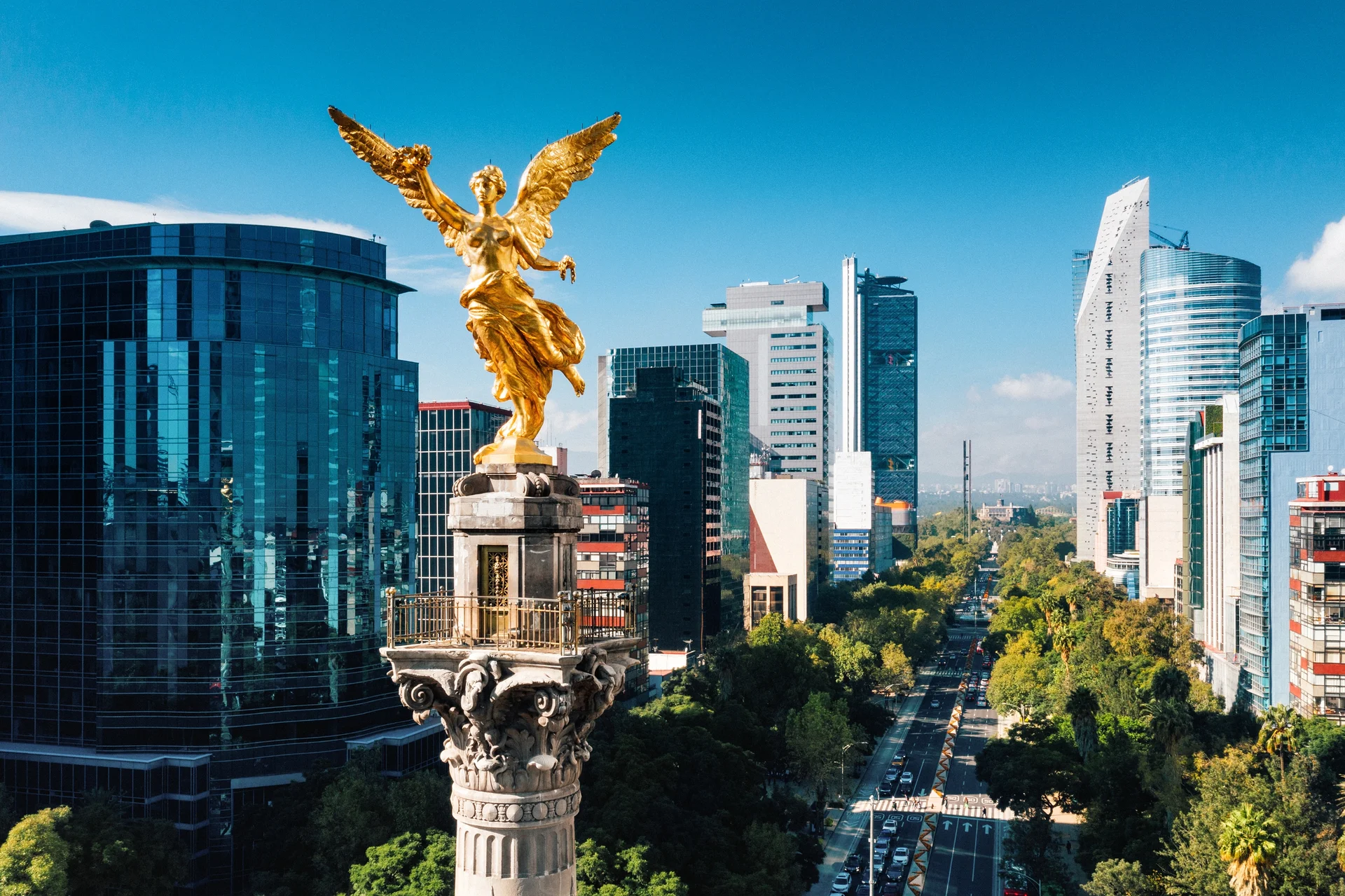
The question always comes up, and the answer requires nuance. Tourist neighborhoods like Roma, Condesa, Polanco, and Coyoacán are generally safe during the day. After dark, stick to well-frequented areas and take an Uber home.
The Centro Histórico is vibrant during the day but can feel uncomfortable after nightfall, especially as you move away from the main thoroughfares. Neighborhoods to avoid entirely: Tepito, La Lagunilla, Doctores. The boundary between a pleasant neighborhood and a sensitive area can be just a few streets over.
Friendly tip: never hail a cab off the street, even if it looks official. Use Uber or DiDi consistently. It is rule number one for local residents.
The Centro Histórico: where it all began
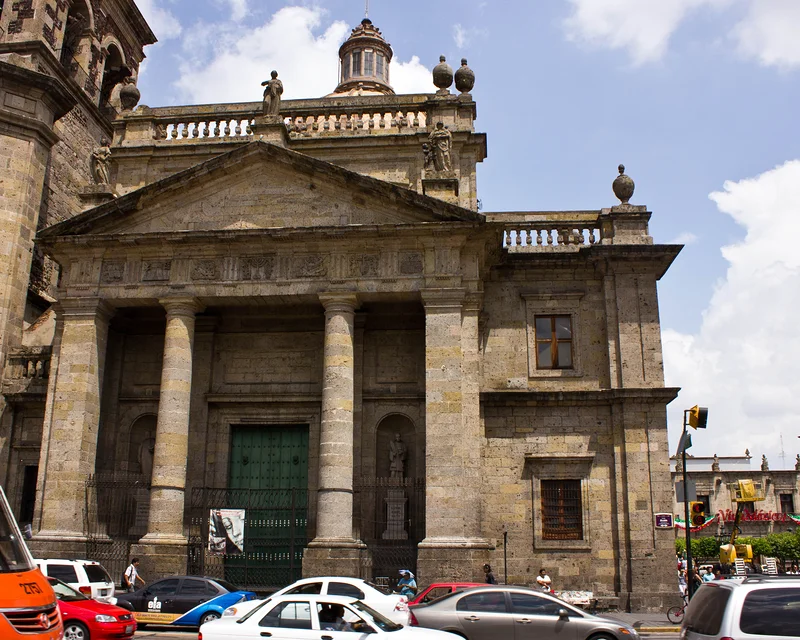
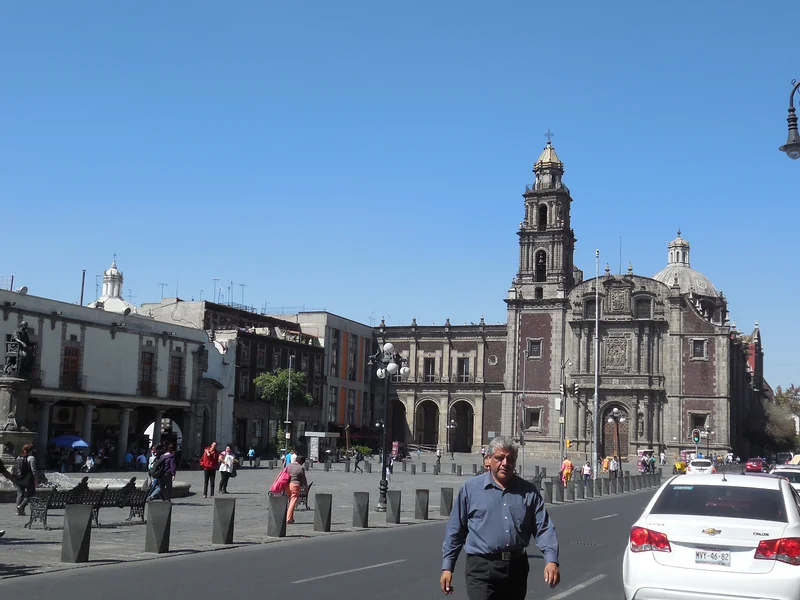
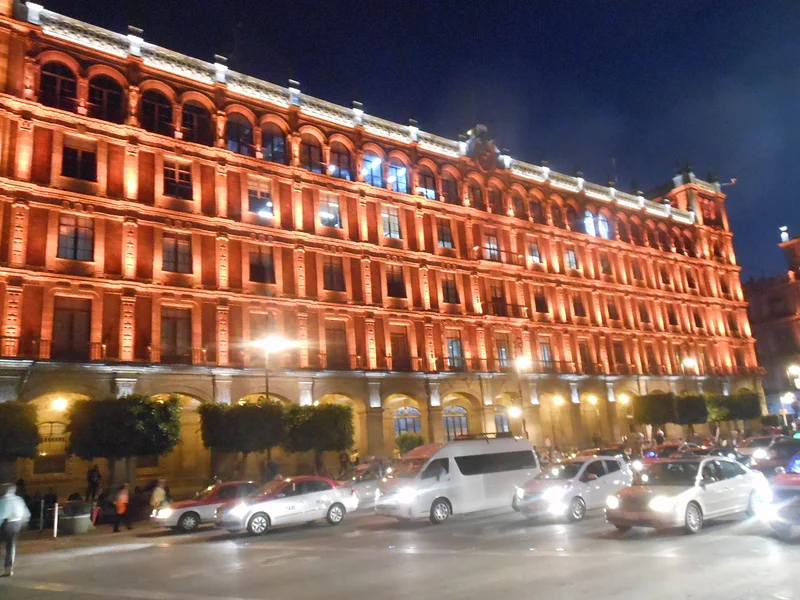
The Zócalo, the central square, is one of the largest in the world. On one side, the Catedral Metropolitana slowly sinks into the clay soil of a former lake bed. Built by the conquistadors over the stones of an Aztec pyramid, its foundations are stabilized today by hydraulic jacks.
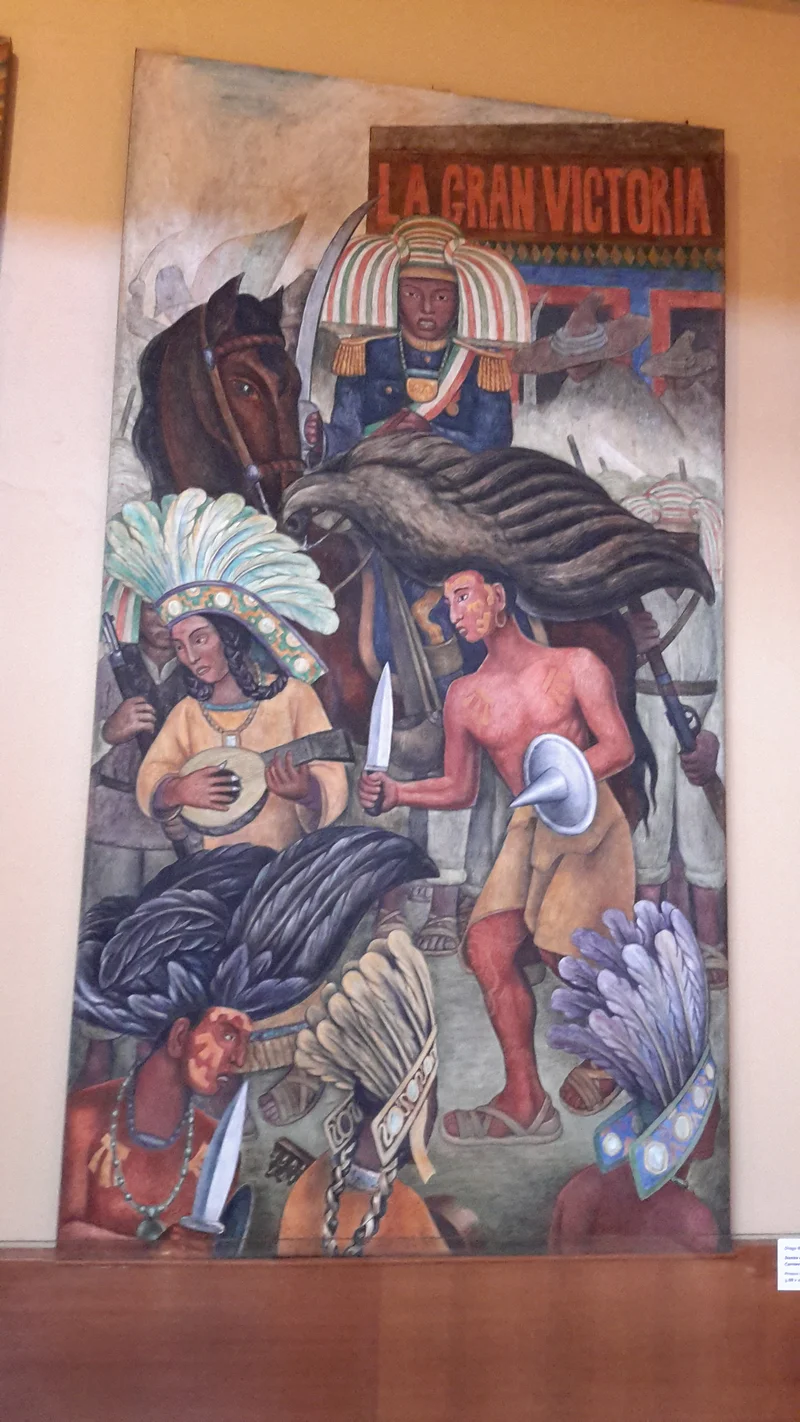
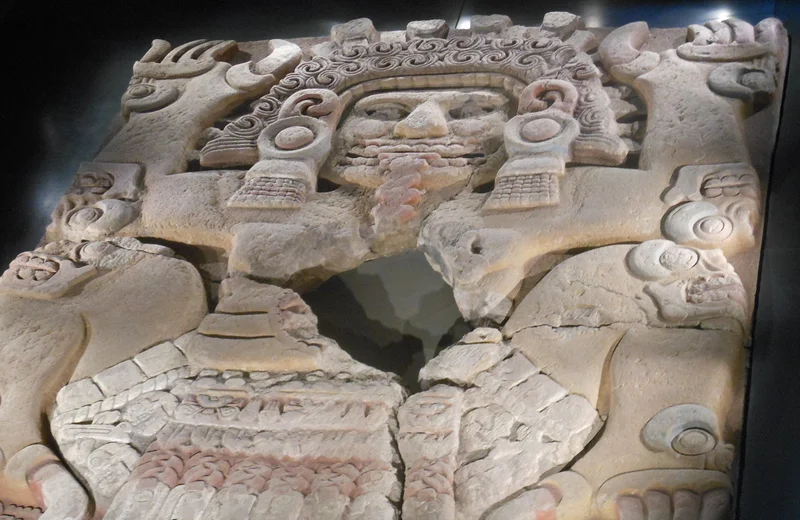
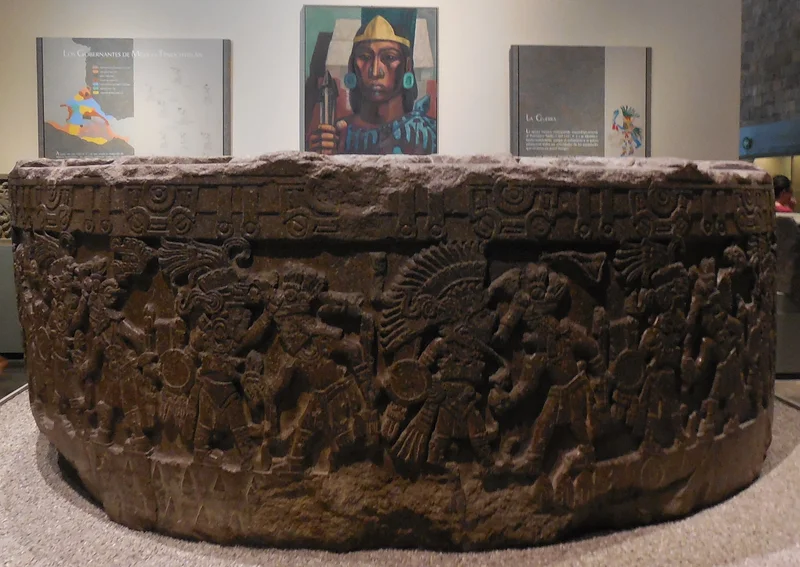
On the other side, the Palacio Nacional houses Diego Rivera's monumental frescoes tracing the country's history, which are free to visit. Just behind it, the ruins of the Templo Mayor and its adjacent museum serve as a reminder that this city is built on the rubble of the Aztec capital.
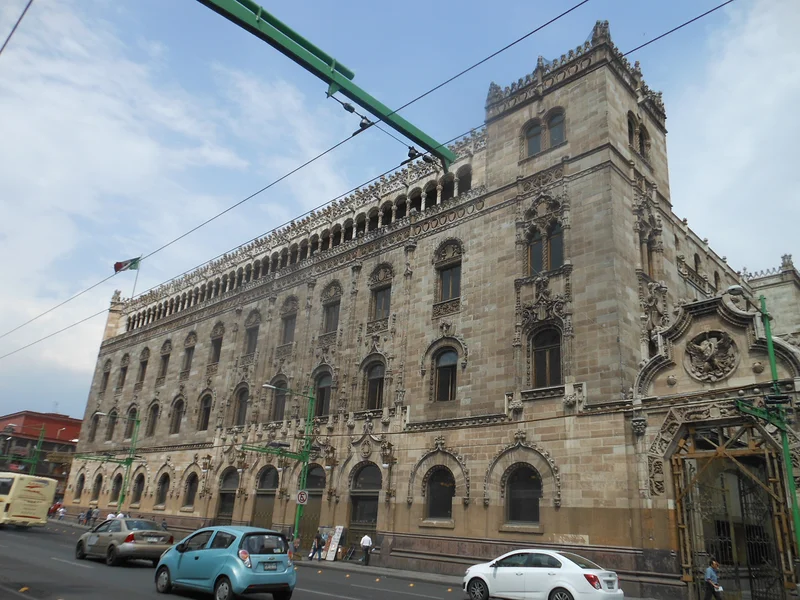
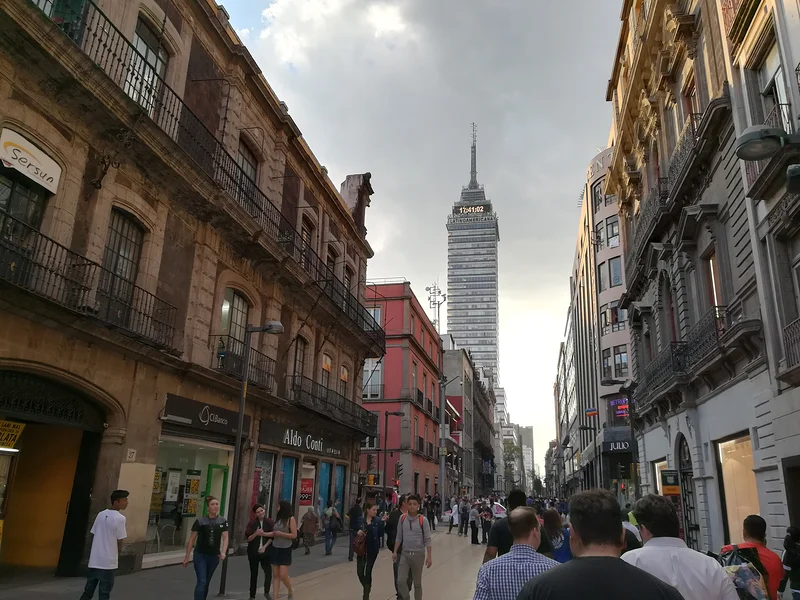
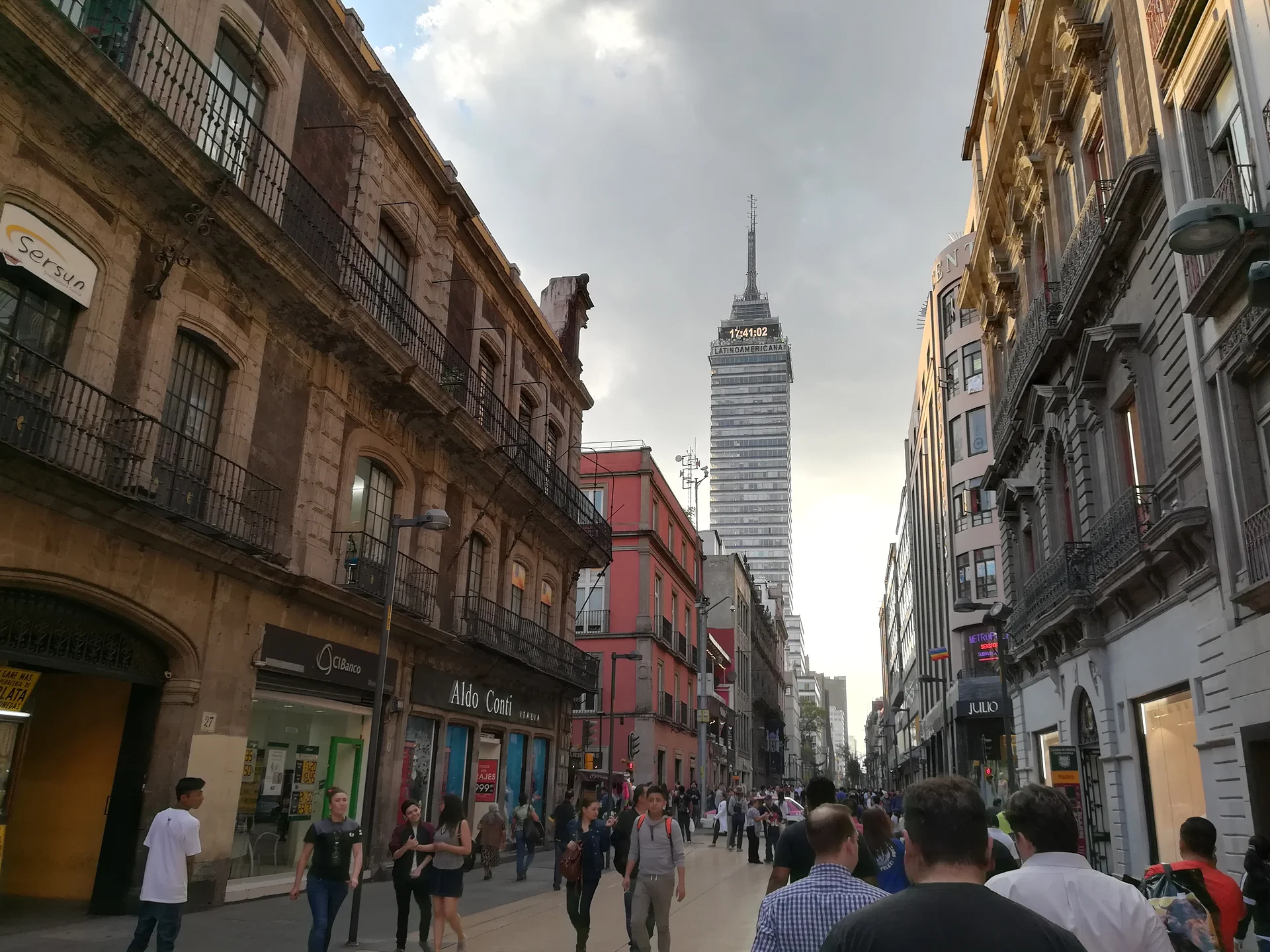
Walk up Madero Street, which is pedestrian-only and always lively, until you reach the Palace of Fine Arts, an Art Nouveau and Art Deco masterpiece. Further along, the Museo Nacional de Antropología in Chapultepec Park covers the Olmec, Maya, and Aztec civilizations. Plan for at least 3 hours.
Friendly tip: on Sundays, many national museums are free and the atmosphere in the parks is festive. It is also the day when the Paseo de la Reforma is closed to cars and open to cyclists.
Roma and Condesa: the beating heart of neighborhood life
These two neighboring districts concentrate most of what makes Mexico City so appealing on a daily basis. Roma Norte is a haven for foodies. Every street lines up specialty coffee shops, mezcal bars, chef-driven restaurants, and taquerias where lines are the best indicator of quality.
La Condesa, right next door, moves at a gentler pace. Parque México serves as the neighborhood living room, where you will cross paths with dozens of dogs, weekend swing dancers, and vendors selling esquites, corn in a cup slathered with mayonnaise, lime, and chili.
Amsterdam Street, a former racetrack oval turned pedestrian promenade, loops around the neighborhood past striking Art Deco facades.
We hold a strong opinion: for a first trip, this is the area where you should book your stay. The density of great tables per square meter has no real competition, and walking is enough for most of your needs.
Coyoacán and the South: the village and the canals
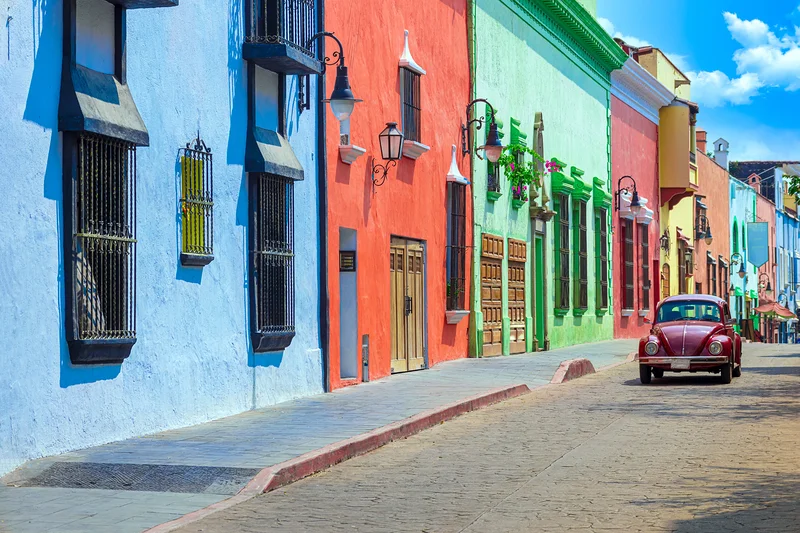
A 30-minute Uber ride south, Coyoacán feels more like a small colonial town than a district of a megalopolis. Cobblestone streets, colorful facades, shaded squares. This is where Frida Kahlo was born and lived. The Casa Azul, her home turned museum, is one of the most visited sites in the city. Book your tickets online in advance.
The Jardín Centenario and the Mercado de Coyoacán are social hubs where Mexican families gather on weekends. Try the market tostadas: piled high with shrimp, octopus, or mole, they are served on a crunchy tortilla for a handful of pesos.
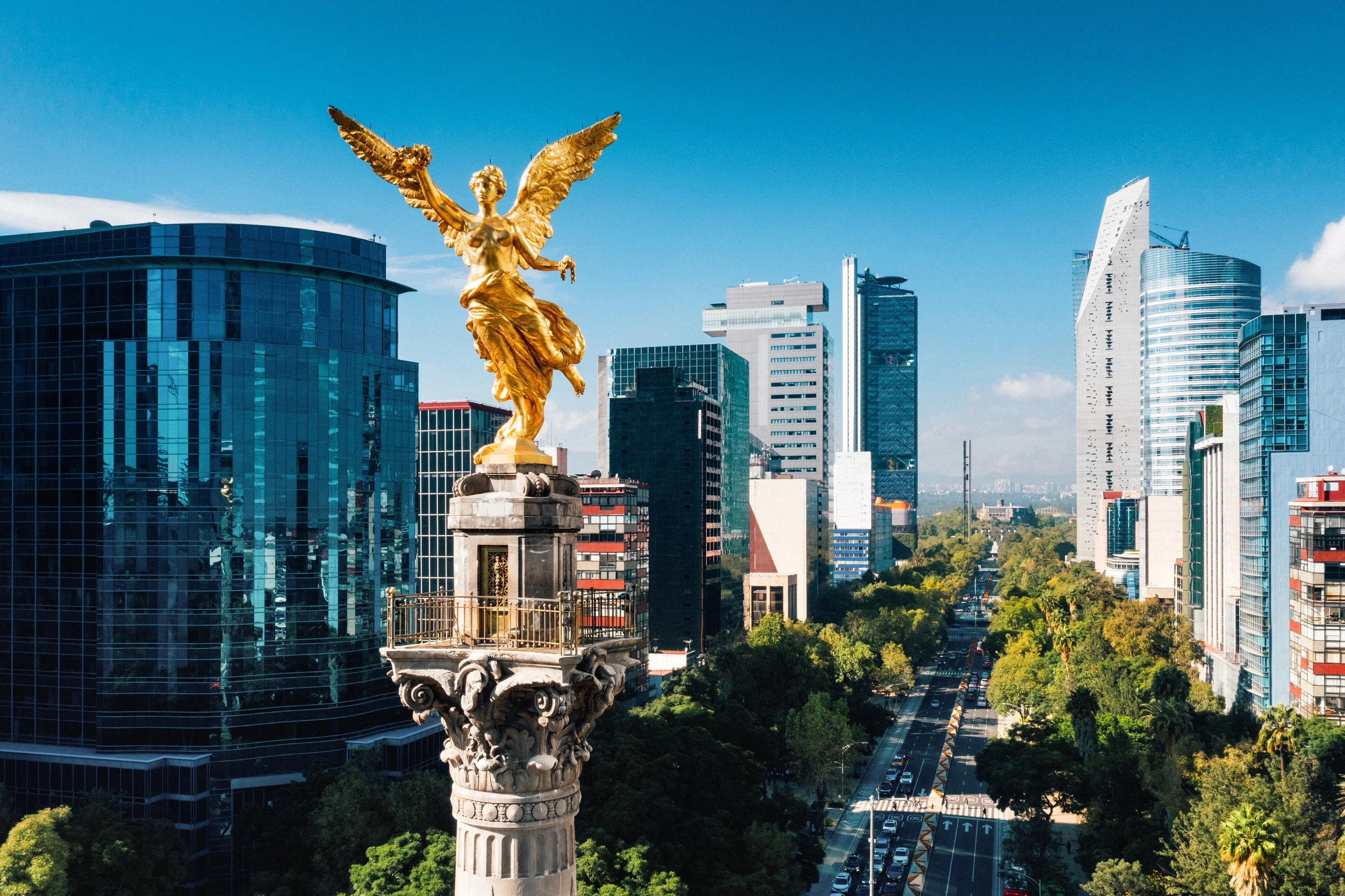
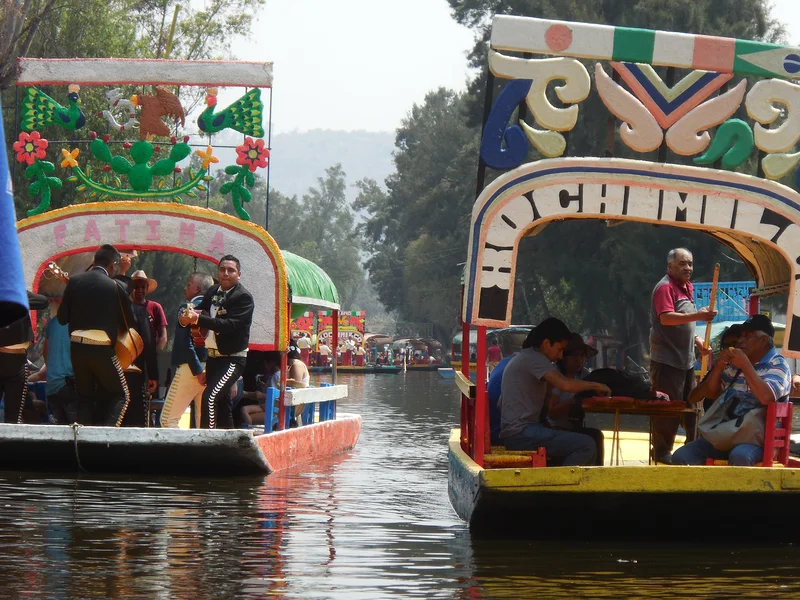
Further south, the Jardines de Xochimilco offer a UNESCO-listed escape. You board trajineras, colorful wooden boats that glide along canals lined with chinampas, floating gardens inherited from pre-Hispanic times. Mariachis play from passing boats while vendors offer elotes and micheladas. Expect to pay about 750 pesos an hour for a trajinera.
Friendly tip: in Xochimilco, head directly to the Nativitas or Cuemanco piers. Avoid the touts who approach you well before the entrance as they inflate prices and are not always licensed.
Polanco, Chapultepec, and experiences you cannot miss
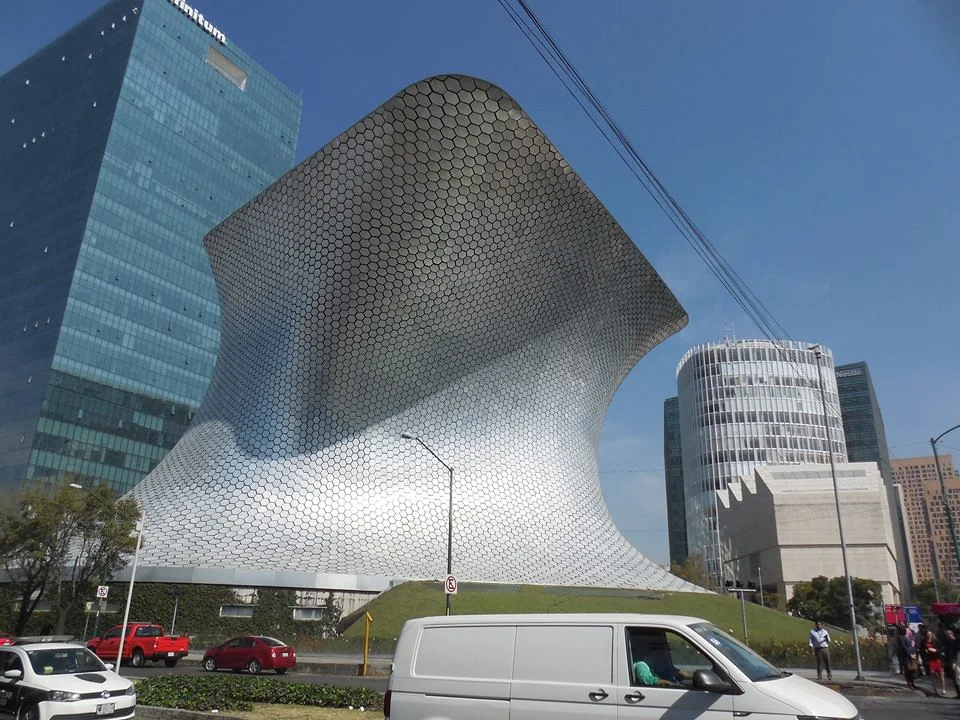
Polanco is the city's upscale district, home to luxury boutiques and starred restaurants like Pujol or Quintonil. However, the neighborhood also features two free museums: the Soumaya Museum, with its undulating facade covered in aluminum hexagons, and the Museo Jumex, dedicated to contemporary art.
Right next door, the Bosque de Chapultepec spreads across more than 680 hectares of greenery. The Chapultepec Castle, perched on a hill, offers sweeping views of the city and houses the National History Museum. Admission costs around 85 pesos, which is less than $4.70*.
Lucha Libre and Teotihuacan
To experience something quintessentially Mexican, catch a Lucha Libre match, Mexican professional wrestling that blends combat arts with theatrical staging. The masked wrestlers are wild, but the crowd in the stands is even wilder. Bouts take place at the Arena México on Tuesday and Friday nights, with tickets starting at 100 pesos.
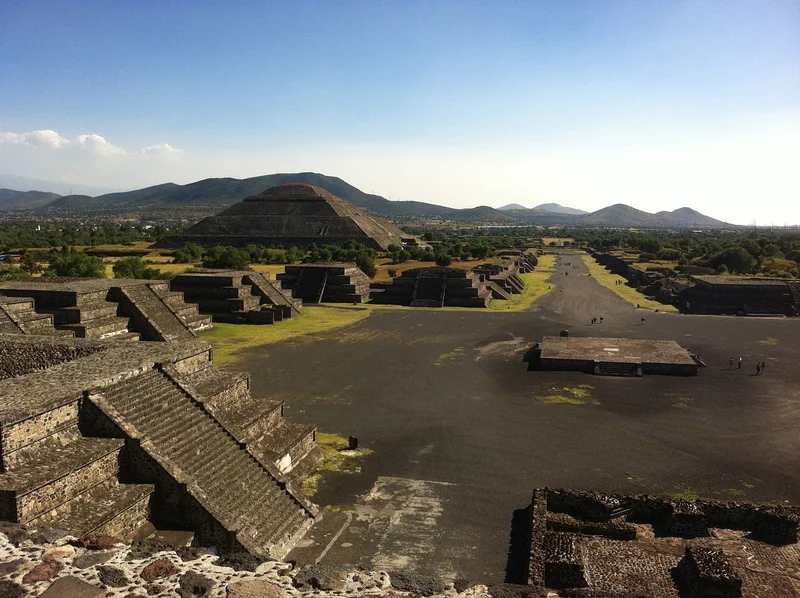
Also carve out a half day for the pyramids of Teotihuacan, located 45 minutes north of the city. Head out early in the morning to beat the heat. Bus access from the Terminal Norte costs less than $5.70* round trip.
Where to eat and drink in Mexico City?
Mexican gastronomy is inscribed on UNESCO's intangible cultural heritage list, and this is where it expresses itself in every form. Mexico City is a global culinary capital, from street carts to exceptional fine-dining tables.
Street food, the backbone of the city
Tacos al pastor are the absolute emblem: marinated pork cooked on a vertical spit, served with pineapple and cilantro on a corn tortilla, all for 10 to 20 pesos a taco. Chilaquiles, fried tortillas smothered in salsa with cream and cheese, make the ultimate local breakfast.
Every morning, tamales are sold from mobile carts for under $2.30*. The golden rule: eat where the locals are waiting in line. Wash your hands before eating rather than blaming the tacos if your stomach protests.
Markets and notable tables
The Mercado de San Juan is the city's gourmet market, featuring exotic products ranging from chapulines to quality cheeses. The Mercado de Coyoacán offers a more grassroots experience. For total immersion, explore the massive Mercado de la Merced, the largest market in town.
On the restaurant side, Contramar in Roma is famous for its tuna tostadas. Rosetta, housed in a Roma Norte townhouse, serves refined contemporary Mexican cuisine. El Moro, open since 1935, serves the best churros and hot chocolate in town.
Do not leave the city without tasting mezcal at a specialized bar, aguas frescas made from fresh fruit, and pulque, an ancestral fermented agave beverage enjoyed in the historic pulquerias of the Centro.
How to get to Mexico City?
Benito Juárez International Airport, located 10 km from downtown, is Latin America's busiest airport. From Europe, expect roughly 11 to 12 hours of direct flight with Air France or Aeroméxico. Connecting flights through the United States or Spain often reduce the ticket price to $450-$680* when booked in advance.
From the airport, the most reliable transfer is an Uber, costing 100 to 200 pesos depending on your destination. Metrobús Line 4 also runs to the center for 30 pesos. If you are traveling from another city in Mexico, first-class ADO buses connect Oaxaca in 6 hours and Puebla in 2 hours, starting at 300 pesos.
How to get around Mexico City?
Certain neighborhoods are easy to explore on foot: Centro Histórico, Roma, Condesa, Zona Rosa, and San Rafael. For longer distances, the metro covers most of the city for 5 pesos a ride. The Metrobús, a bus rapid transit network, rounds out the transit grid well. Pick up a rechargeable MB card upon arrival, which works for both systems.
For safety, choose Uber or DiDi over traditional street taxis, especially at night. Fares rarely exceed $5.70-$9* around town. The Ecobici bike-share system runs smoothly in Roma, Condesa, and Polanco, offering weekly passes available to tourists.
When to go?
The dry season, from November to April, offers the best conditions: blue skies, mild daytime temperatures between 20 and 25°C, and cool nights. January and February are the most pleasant and least crowded months of the peak season. The rainy season, from June to September, brings frequent heavy but brief afternoon showers. Mornings stay clear and prices drop noticeably.
Two periods to note: late October for Día de Muertos, one of the country's most spectacular celebrations, and March-April for the blooming jacarandas that carpet the city in purple. Avoid Semana Santa if you dislike cities emptied of residents who head to the beach.
A city I wouldn't call beautiful, but it has the merit of being able to surprise you at every moment. The street tacos, the trinket vendors everywhere, the many bars and restaurants for going out, but also the museums, the old historic center, the lively evenings, seeing a fight, sorry, a lucha libre show...