
What to know about Teotihuacan
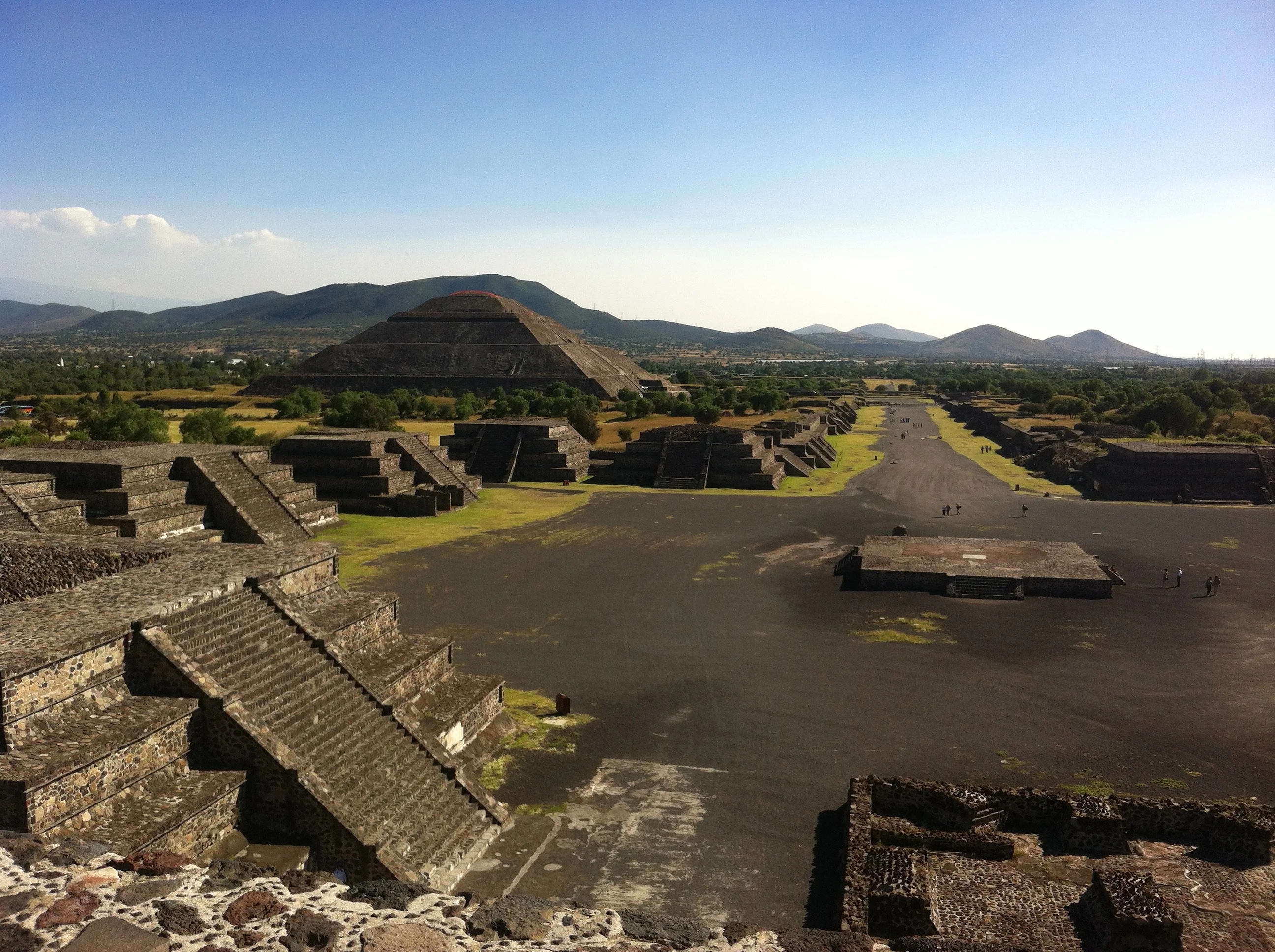
Located about 30 miles from Mexico City, Teotihuacan is defined by its massive pyramids and layers of history. This pre-Columbian site was once among the largest metropolises on the planet, offering a direct look at Mesoamerican civilization. Between the archaeology and the cultural history, a visit here is a deep dive into Mexico's past.
The majestic Pyramid of the Sun
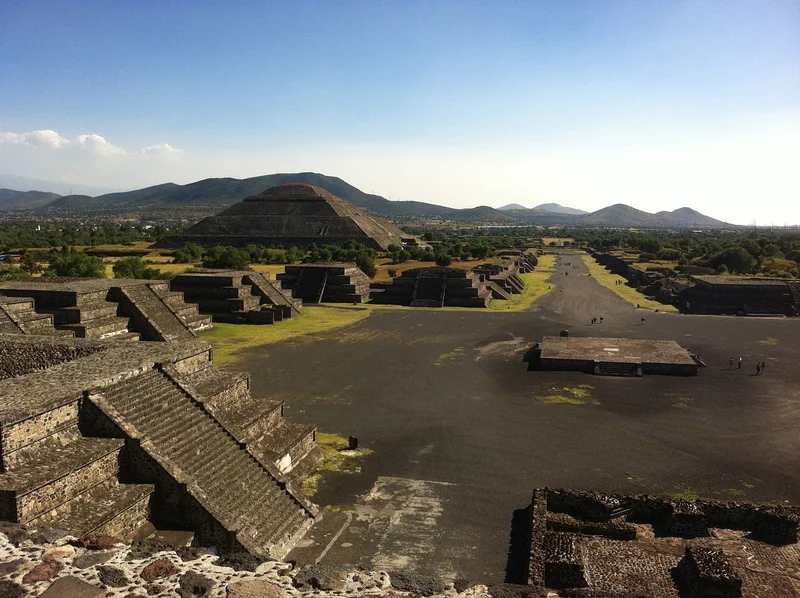
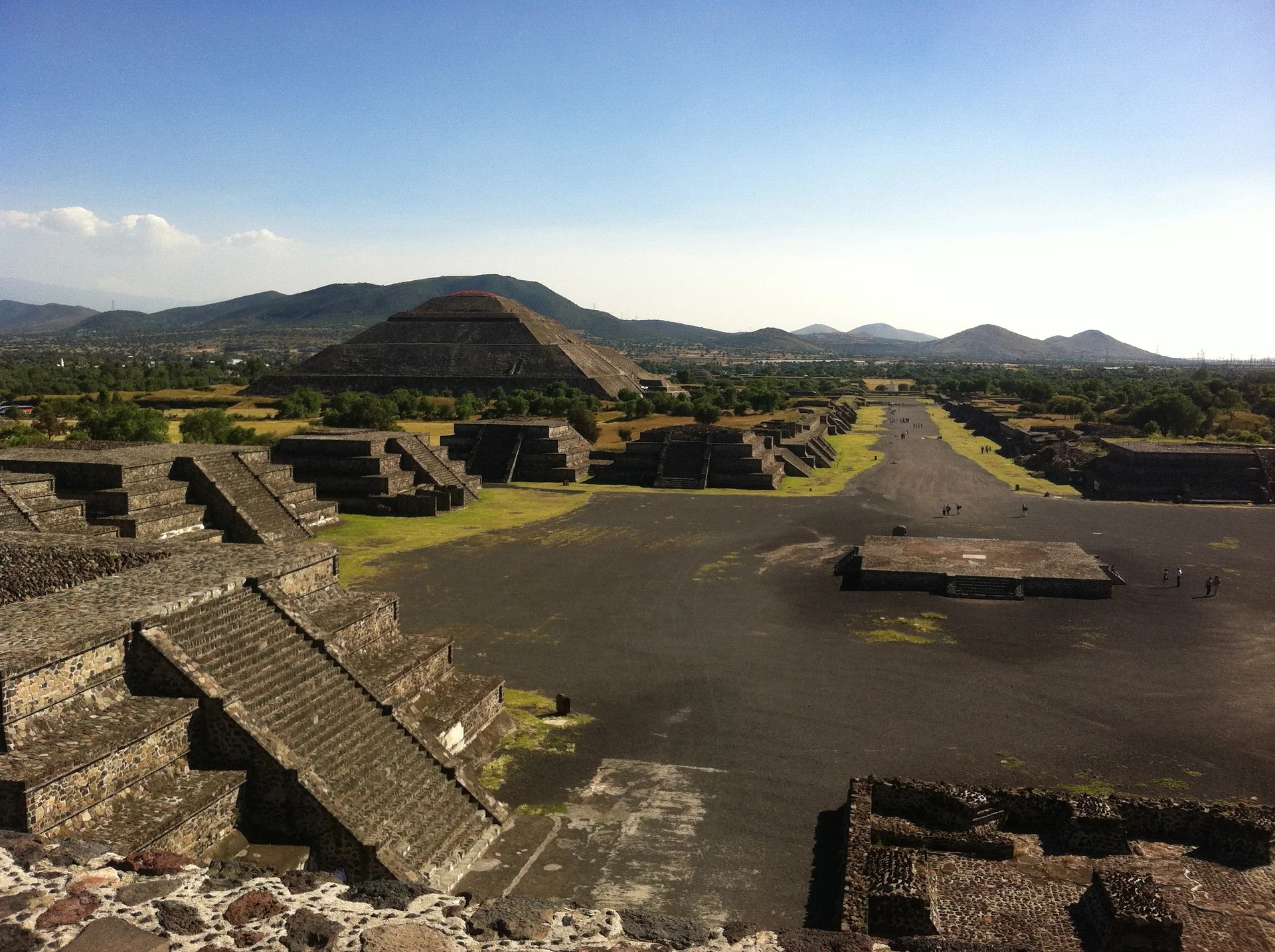
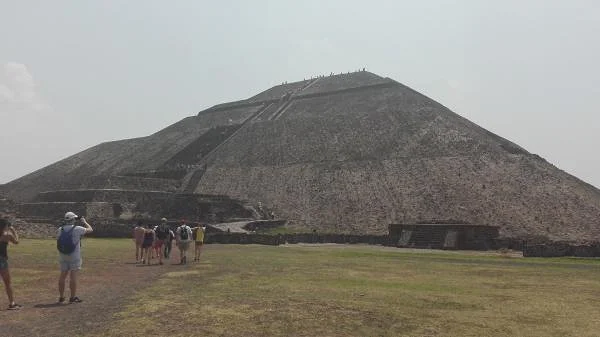
The Pyramid of the Sun dominates the entire landscape and is one of the most impressive structures from antiquity. Standing 213 feet tall with a base spanning over 720 feet, it is the largest structure in Teotihuacan. The climb is steep, but it rewards you with a panoramic view of the entire site and the surrounding mountains.
The Pyramid of the Moon and the Avenue of the Dead
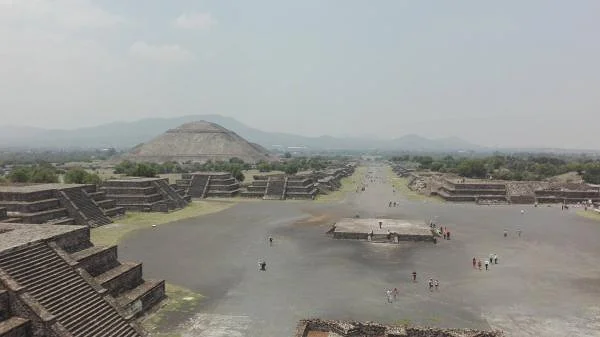
Facing the Pyramid of the Sun is the Pyramid of the Moon, which is slightly smaller but just as imposing. It marks the northern end of the Avenue of the Dead, the city's main thoroughfare. This long path, flanked by temples and palaces, shows the sophisticated urban planning of the ancient city. Walking this route reveals the remnants of a civilization whose influence once stretched far beyond central Mexico.
The Temple of Quetzalcoatl and the Citadel
Further south, the Temple of Quetzalcoatl, also known as the Temple of the Feathered Serpent, displays refined architecture and intricate stone carvings. Located in the heart of the Citadel, the temple is decorated with feathered serpent heads and stylized jaguars, representing the gods worshiped by the Teotihuacanos. This area likely served as a primary political and religious center.
The Museum of Teotihuacan Culture
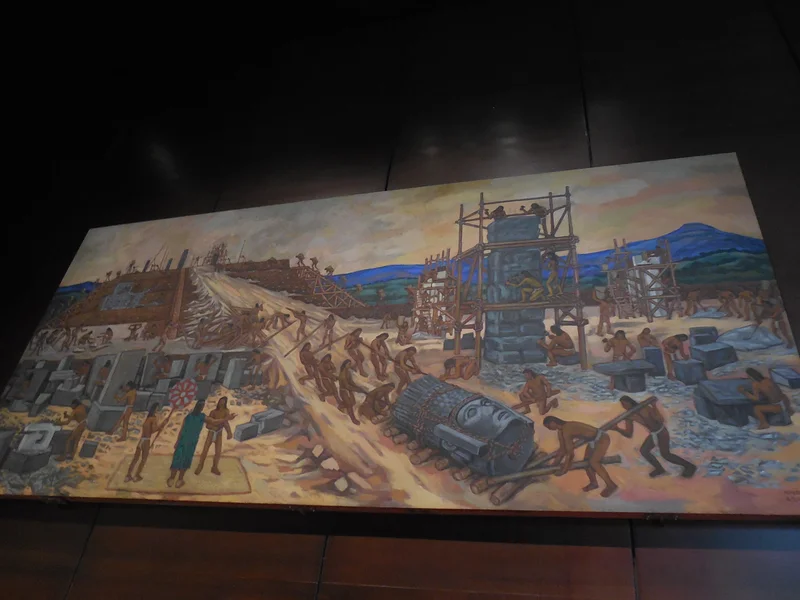
Before you leave, stop by the Museum of Teotihuacan Culture to get a better grasp of the civilization that built this city. You will find scale models of the ancient metropolis, colorful murals, and various ritual and craft objects. It is a necessary stop to provide context for the ruins you have just walked through.
Ancestral flavors
Local food preserves pre-Hispanic culinary traditions. Look for tlacoyos, which are thick corn patties stuffed with beans or cheese, frequently sold by street vendors near the site. Barbacoa de borrego, lamb slow-cooked in maguey leaves, is a staple of central Mexican cuisine.
For a drink, try pulque, a fermented agave sap beverage known for its distinct flavor and cultural significance.
Where to eat?
- La Gruta (near the site): A restaurant set inside a cavern, serving traditional Mexican dishes in an unusual, atmospheric setting.
- Mayahuel (San Juan Teotihuacan): An elegant space featuring dishes that highlight local ingredients like cactus and lamb.
- Restaurante Techinanco (near the site): Friendly service with authentic staples like quesadillas and Aztec soup.
Where to stay?
- Hotel Quetzalcalli (San Juan Teotihuacan): A budget-friendly option with a local vibe and fast access to the pyramids.
- Villas Arqueológicas Teotihuacan (near the site): A comfortable establishment with decor inspired by pre-Hispanic culture.
- Hotel Teoticamp (San Juan Teotihuacan): A solid choice for families, featuring a pool and green spaces.
When to go?
The best time to visit Teotihuacan is from November to April, when temperatures are comfortable and rainfall is low. Avoid the summer months from June to September, when the heat can be intense and thunderstorms are frequent. Every year in March, the spring equinox draws thousands of visitors who come to experience the site.
How to get there?
From Mexico City, you can reach Teotihuacan by bus from the Terminal del Norte in about 1 hour for a round-trip fare of 100 pesos (about $6). Renting a car or taking a taxi are other options if you want more flexibility. Many tour operators also offer guided excursions that include transportation.
How to get around?
The archaeological site is a walking destination, but it is vast, so bring comfortable shoes and plenty of water. In the surrounding area, taxis and local colectivos are available to reach San Juan Teotihuacan and its restaurants.
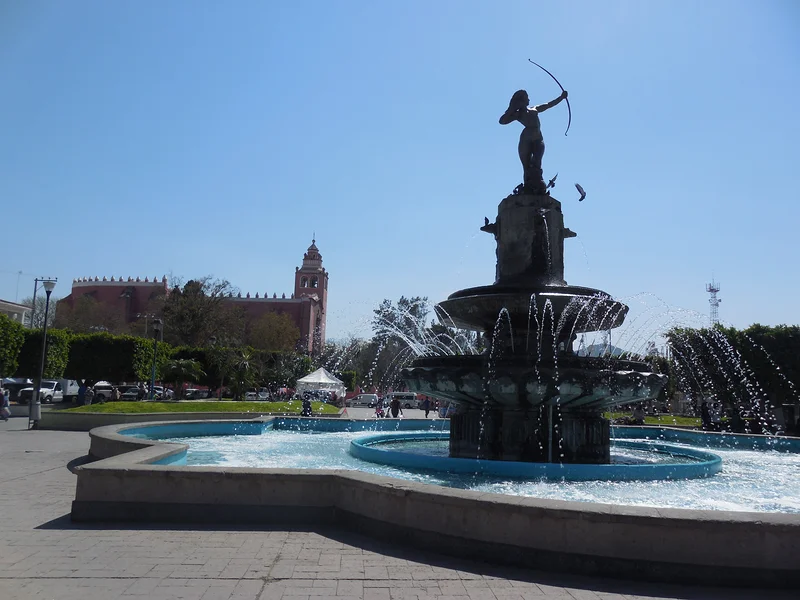
Teotihuacán is mainly visited for the archaeological site. The town itself is not really worth the trip, except to grab a bite to eat or buy some crafts. There are a lot of vendors selling obsidian objects. You can stop in town by bus, even though it is easier to get there by car.