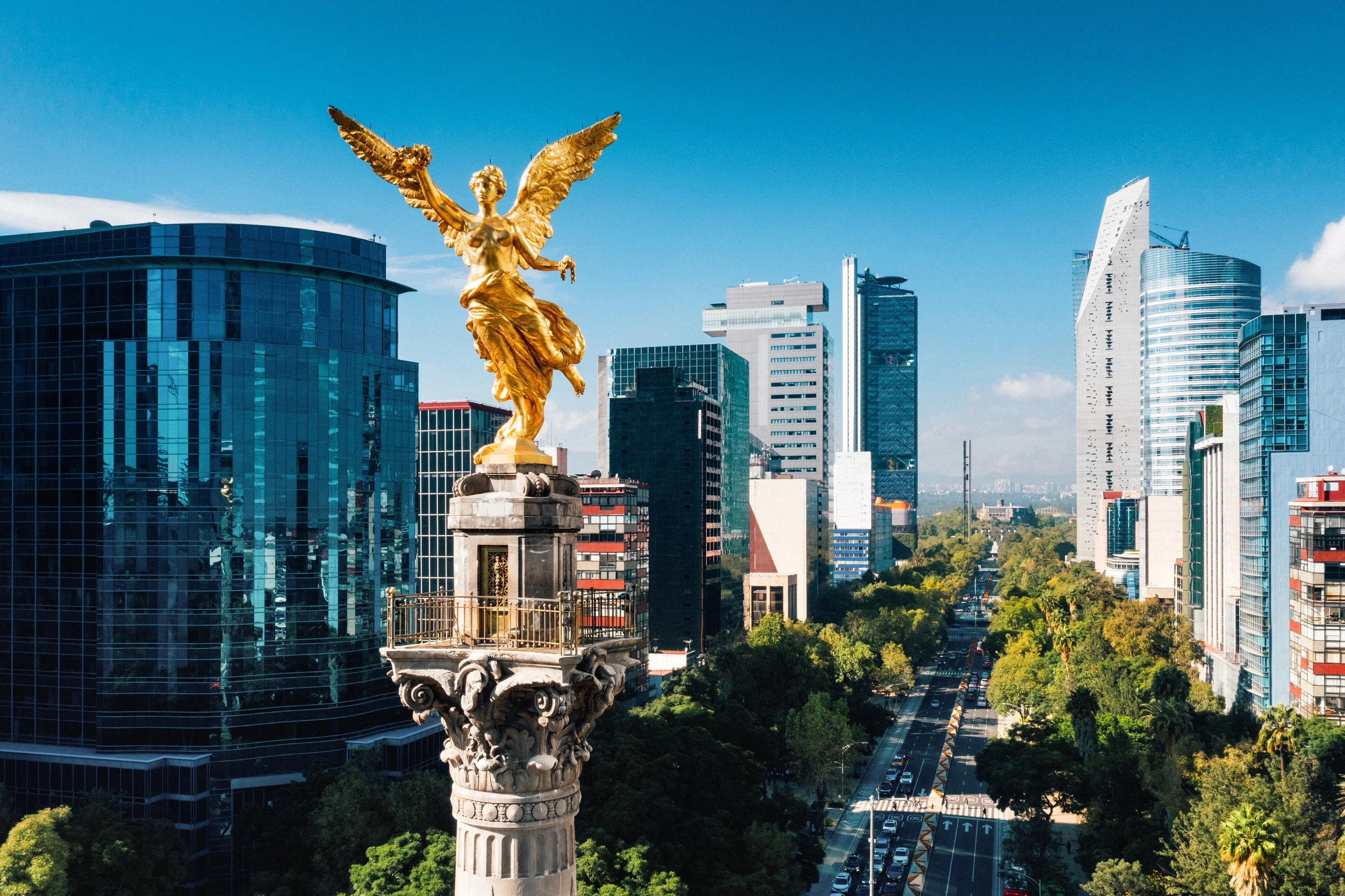
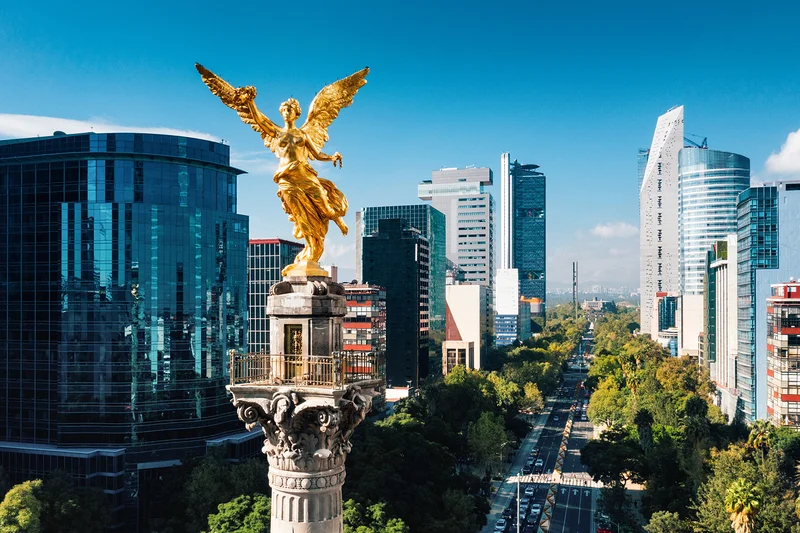
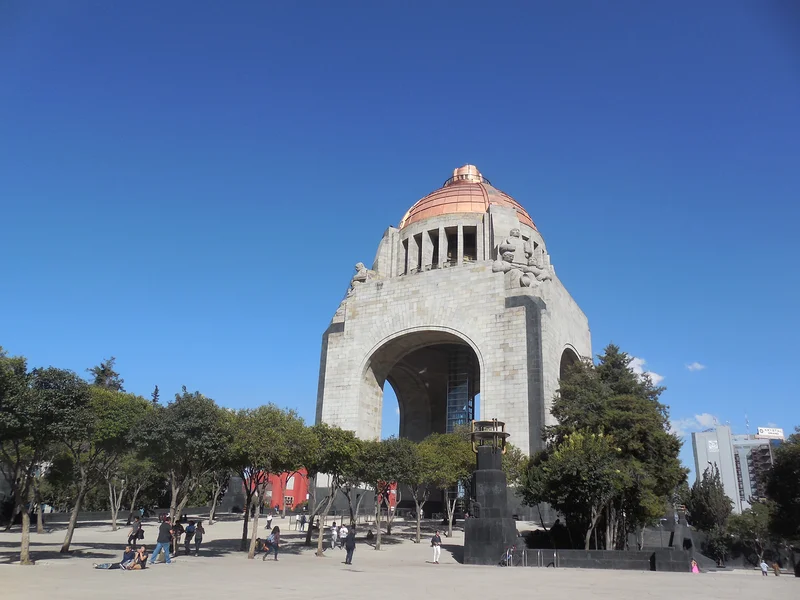
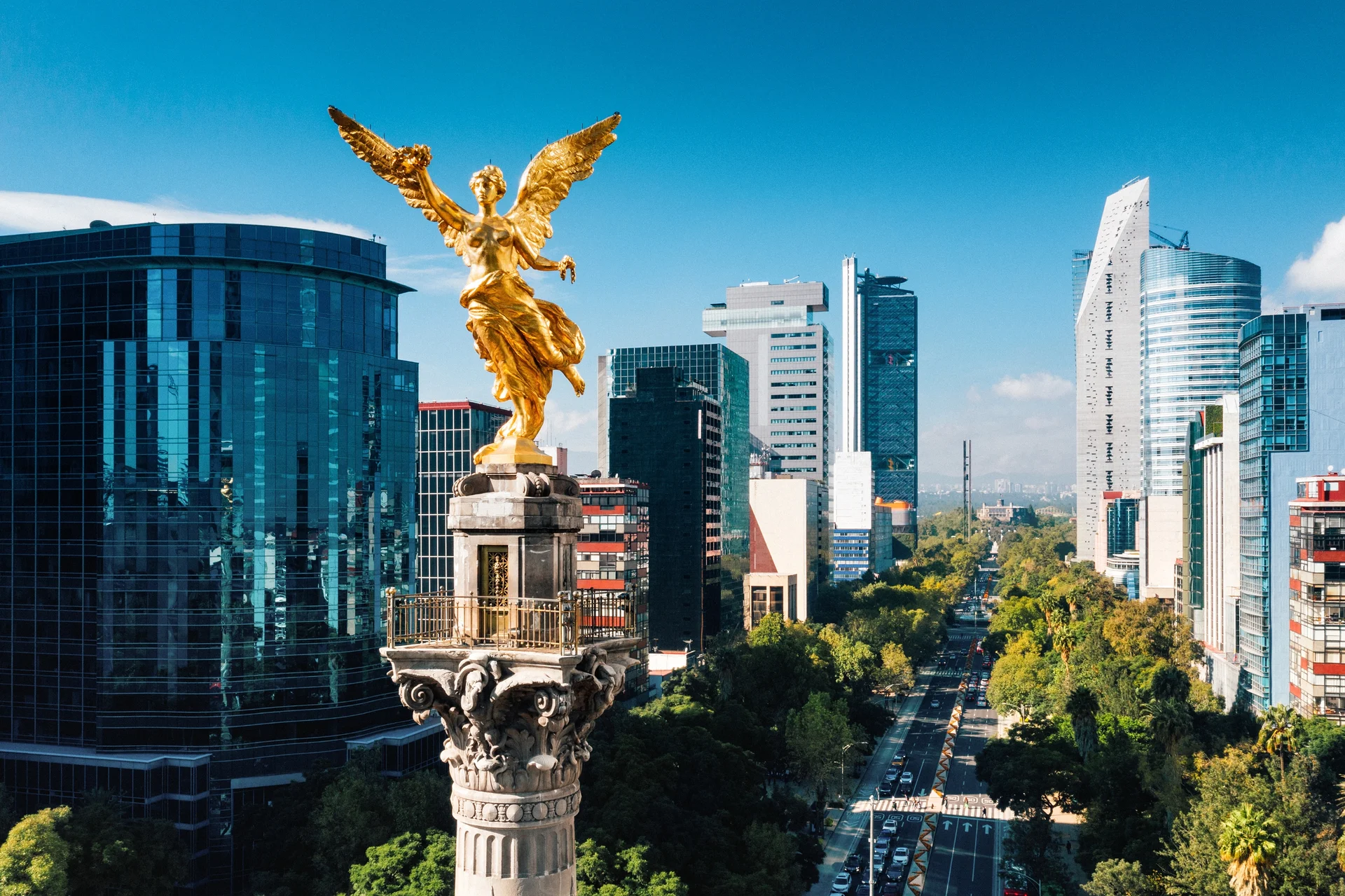
Angel de la Indepencia à Mexico

Things to do in Mexico City: top 12 must-see attractions 2026

Looking for inspiration to visit Mexico City? Browse the attractions our traveler community loves most — historic sites, cultural visits, scenic walks and laid-back spots...

Top 12 attractions our members recommend

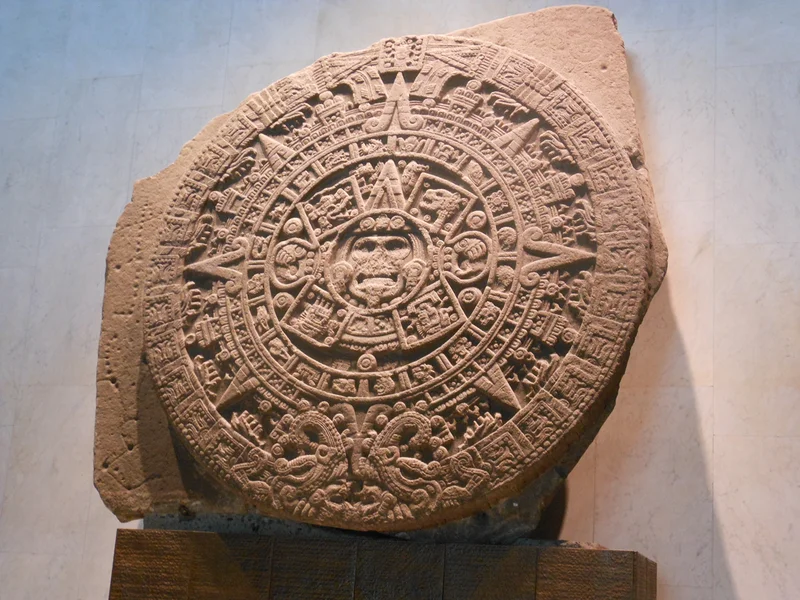
National Museum of Anthropology

#1 National Museum of Anthropology +21 4.7

Le centre culturel le plus célèbre de Mexico, c’est bien le Musée national d'anthropologie. Cet endroit compte la plus grande collection de pièces mésoaméricaines au monde ! C’est pour cette raison qu’il attire des millions de visiteurs chaque année, et notamment une grande partie des voyageurs qui transitent par Mexico. La visite dure deux à trois heures si vous voulez voir uniquement les plus belles pièces. Cependant, les passionnés d’archéologie y passeront facilement toute la journée. L’idéal est de prendre un guide qui vous fournira des explications complètes sur les collections du Musée. Sinon, des audioguides sont disponibles à l’accueil du bâtiment.

Voir le guide View offers
Chapultepec Castle

#2 Chapultepec Castle +19 5

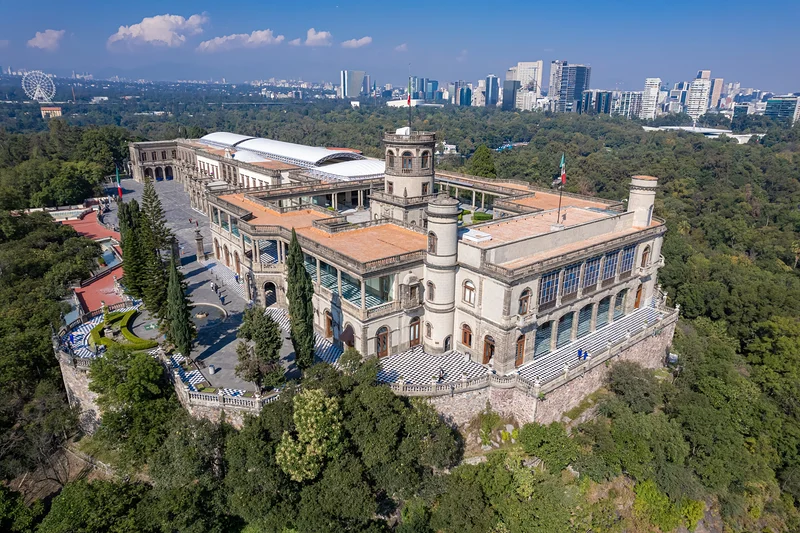
Si vous êtes de passage à Mexico, ne manquez pas la visite du très beau Château de Chapultepec. Situé non loin du centre de la capitale, il en impose par son architecture et son histoire passionnante. L’édifice a été construit en 1785 et servait d’abord comme lieu de repos pour les dirigeants du pays, avant d’être une école militaire puis un observatoire astronomique. Depuis 1939, il abrite le Musée National d’Histoire, une des plus belles collections de pièces et de documents relatifs au passé du Mexique. Optez pour une visite guidée afin d’en découvrir plus en profondeur tous les trésors.

Voir le guide View offers-7%AVYGEO7
Zócalo

#3 Zócalo +16 4.7

Le Zócalo, au cœur de Mexico, est une vaste place historique entourée de monuments emblématiques comme la Cathédrale Métropolitaine et le Palais National avec ses fresques de Diego Rivera. Le site archéologique du Templo Mayor abrite des vestiges aztèques de Tenochtitlan. C'est aussi un espace vibrant avec des événements culturels et des spectacles. Les alentours regorgent de marchés et de restaurants proposant des spécialités mexicaines, faisant du Zócalo un incontournable pour une immersion dans l'histoire et la culture de Mexico.

Soumaya Museum

#4 Soumaya Museum +16 5

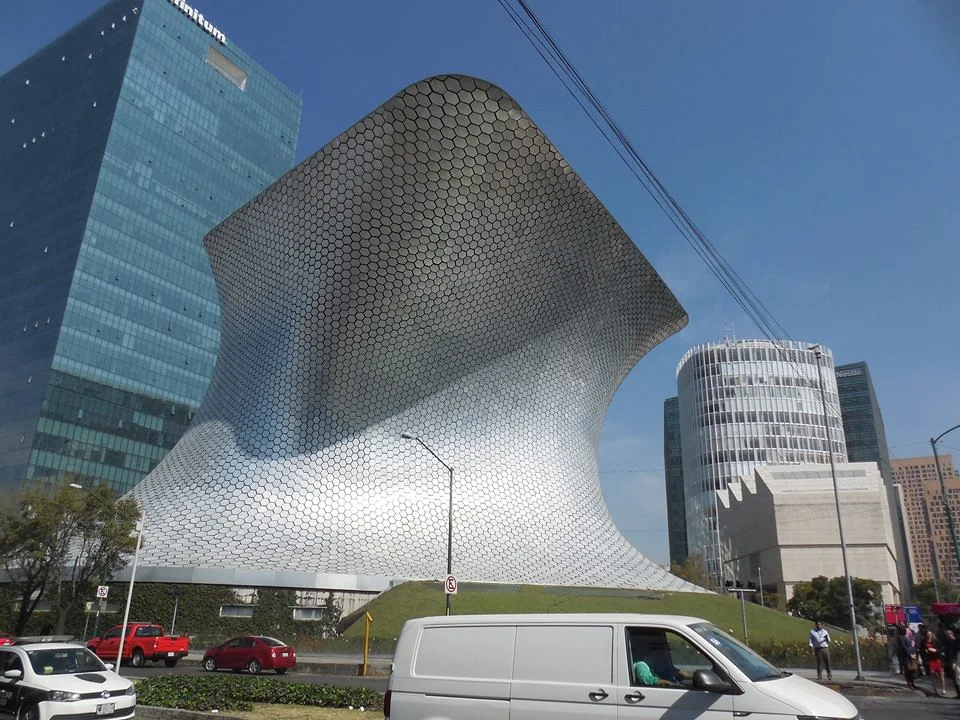
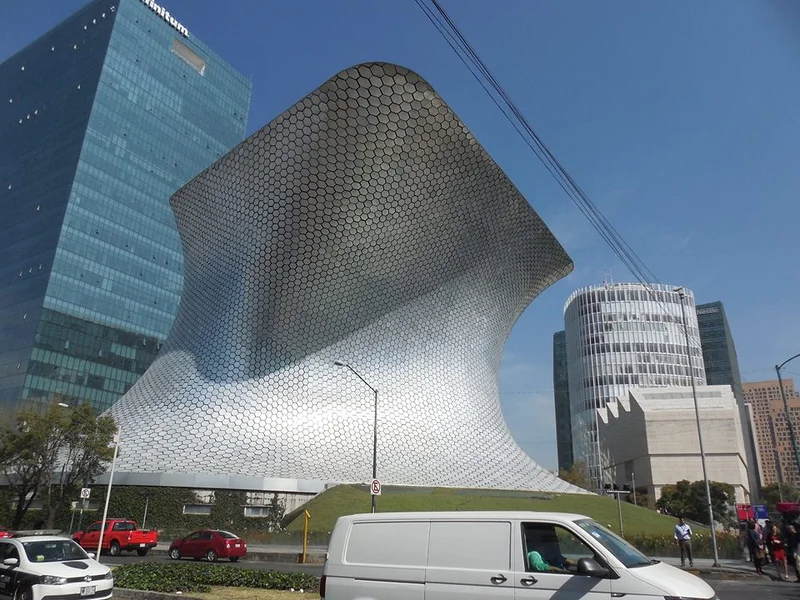
Le musée Soumaya, situé au nord de Mexico, capitale du Mexique, impressionne d’abord par son architecture. On l’aperçoit de loin avec ses 16 000 plaques d’aluminium qui évoquent les écailles d’un reptile. Ce bâtiment de 6 étages a été fondé grâce aux dons de Carlos Slim, homme d’affaires mexican considéré comme une des personnes les plus riches au monde. Le musée a été baptisé Soumaya en hommage à son épouse. Vous y trouverez une belle collection de plus de 64 000 pièces d’art latino-américain, incluant des dizaines d’expositions temporaires. Fait assez rare pour être noté, l’entrée est gratuite tous les jours.

Voir le guide View offers
Azteca Stadium

#5 Azteca Stadium +14 4.2

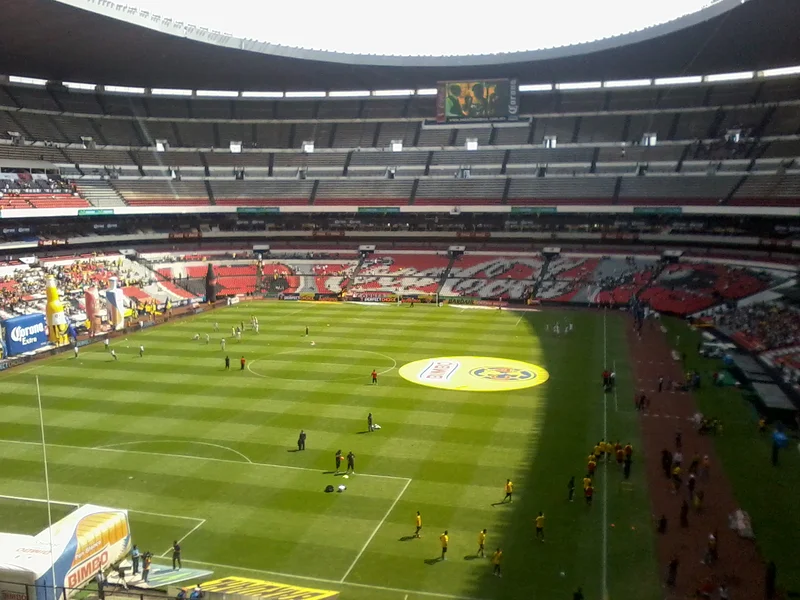
Le Stade Azteca, le plus grand stade du Mexique, est un monument du sport avec une capacité de plus de 87 000 spectateurs. Inauguré en 1966, il a accueilli deux finales de Coupe du Monde. Les visites guidées vous plongent dans son histoire fascinante, des vestiaires à la pelouse. Assister à un match, que ce soit de l’équipe nationale ou d’un club local, offre une ambiance électrisante. Ne manquez pas cette expérience unique lors de votre séjour à Mexico !

Voir le guide View offers
Metropolitan Cathedral

#6 Metropolitan Cathedral +12 5

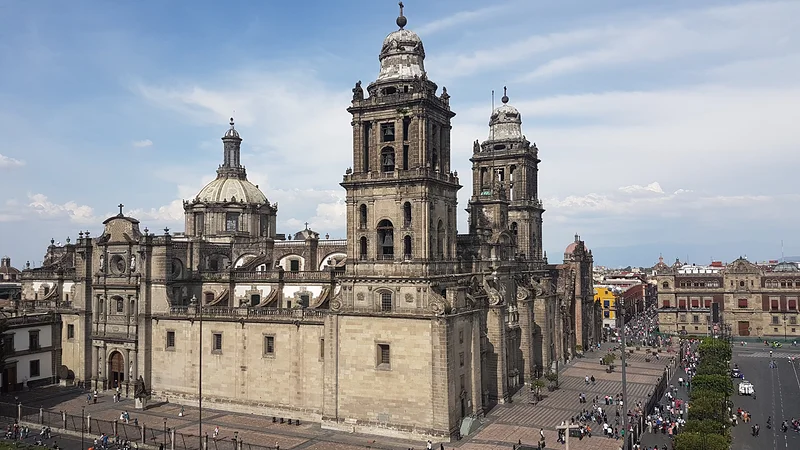
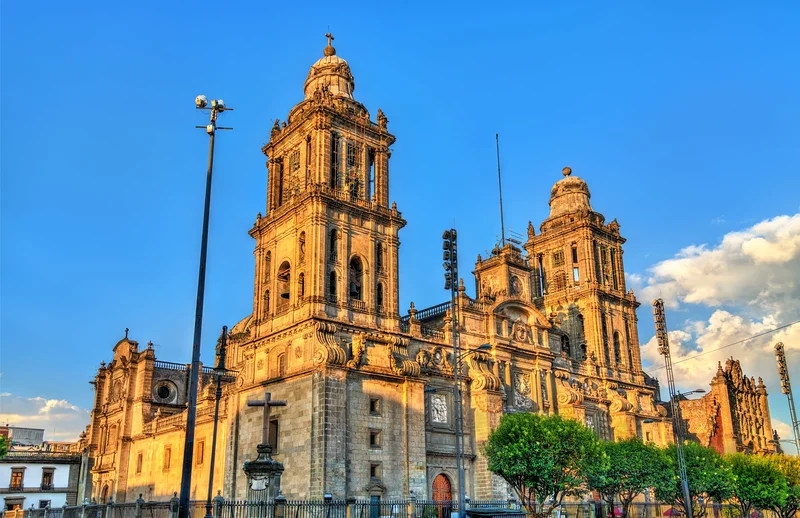
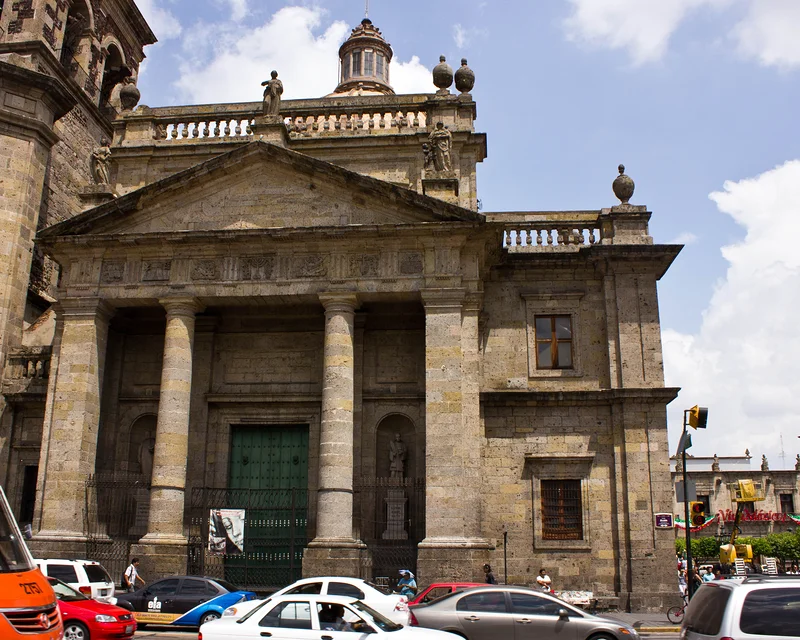
La cathédrale métropolitaine de Mexico, située au Zócalo, est un incontournable pour les amateurs d’histoire et d'architecture. Construite entre 1573 et 1813, elle présente un mélange de styles gothique, baroque et néoclassique. À l’intérieur, on peut admirer des œuvres d’art, des retables dorés et un impressionnant orgue monumental. En plus d'être un site historique, la cathédrale reste un lieu de culte actif avec des messes quotidiennes et des célébrations religieuses importantes, témoignant de la tradition catholique du Mexique.

Voir le guide View offers
Templo Mayor

#7 Templo Mayor +9 4.5

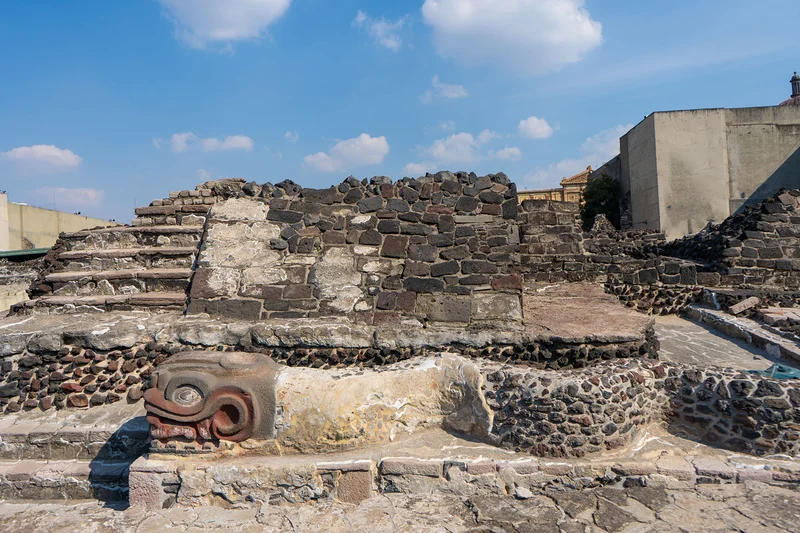
Le Templo Mayor, situé au cœur de Mexico, est un site archéologique emblématique de l'ancienne capitale aztèque, Tenochtitlan. Découvert en 1978, il comprend les vestiges de pyramides, d'autels et de sculptures dédiées aux divinités Huitzilopochtli et Tlaloc. Le musée du Templo Mayor présente une riche collection d'artefacts, offrant un aperçu de la vie quotidienne et des pratiques rituelles des Aztèques. Ce site fascinant permet aux visiteurs de plonger dans l'histoire préhispanique du Mexique et de découvrir l'héritage culturel des Aztèques.

Voir le guide View offers
Chapultepec Park

#8 Chapultepec Park +9 4.5

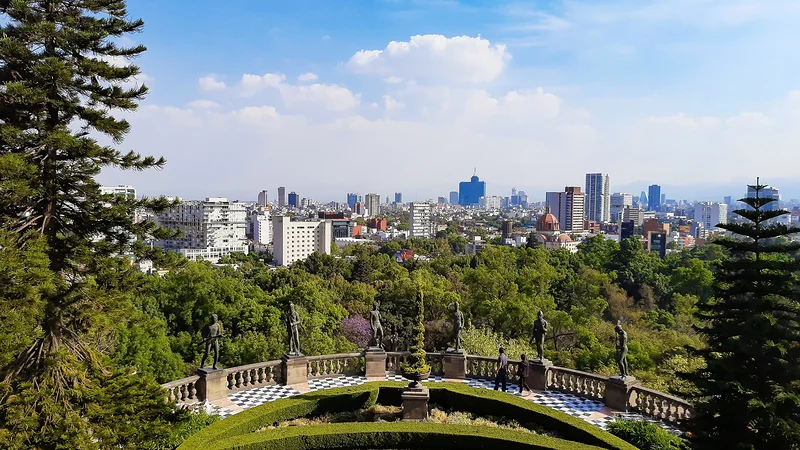
Le parc de Chapultepec est un vaste espace vert au cœur de Mexico, combinant nature et culture. Il abrite le château de Chapultepec, d’anciens jardins aztèques, ainsi que plusieurs musées, dont le musée national d’Anthropologie. Le parc comprend aussi des lacs, un zoo et des espaces de promenade, attirant aussi bien les touristes que les habitants. C’est un lieu idéal pour une pause au milieu de la ville, avec des vues panoramiques et des activités variées.

Frida Kahlo Museum

#9 Frida Kahlo Museum +8 3.5

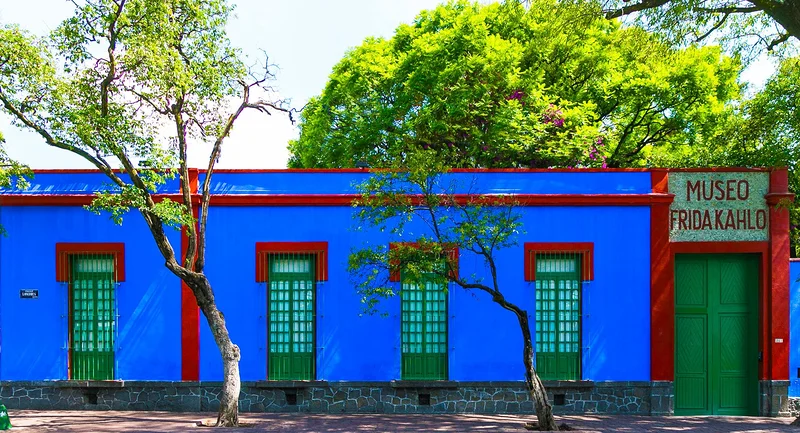
Le Musée Frida Kahlo, situé dans la Casa Azul à Coyoacán, est un incontournable de Mexico. Il présente la vie et l'œuvre de l'artiste emblématique à travers ses peintures, objets personnels et photos. Les visiteurs peuvent explorer les pièces originales de sa maison, où elle a vécu avec Diego Rivera, ainsi que de magnifiques jardins. Le musée permet de comprendre son engagement politique et ses luttes personnelles, tout en offrant un aperçu unique de la culture mexicaine.

Voir le guide View offers
National Palace

#10 National Palace +7 4

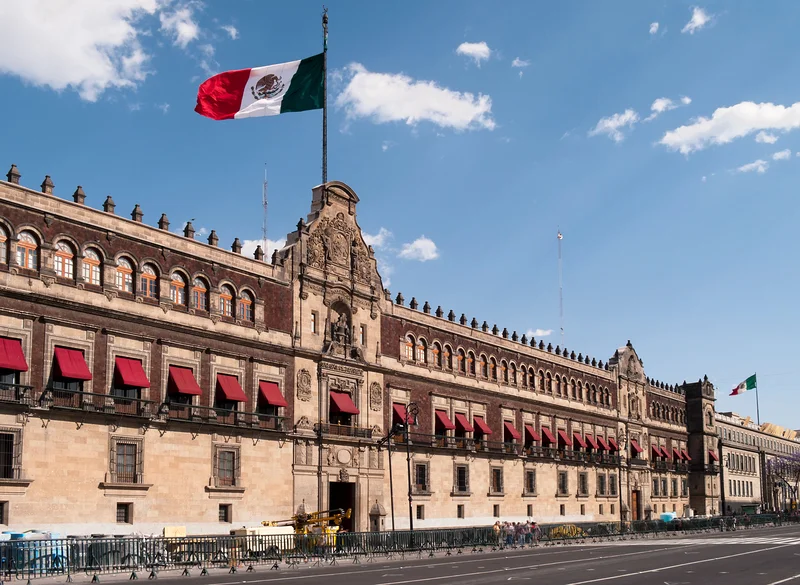
Le palais national de Mexico, situé sur la Plaza de la Constitución (Zócalo), est un incontournable pour découvrir l'histoire et la culture du Mexique. Construit sur les fondations de l'ancienne Tenochtitlan, cet édifice impressionnant abrite des fresques emblématiques de Diego Rivera, illustrant l'histoire du pays. Les visiteurs peuvent explorer la cour centrale et la salle des conseils, tout en profitant d'expositions temporaires et d'événements culturels. En visitant le palais national, vous découvrirez un symbole vivant du patrimoine et de l'identité mexicaine.

Basilica of Our Lady of Guadalupe

#11 Basilica of Our Lady of Guadalupe +7 5

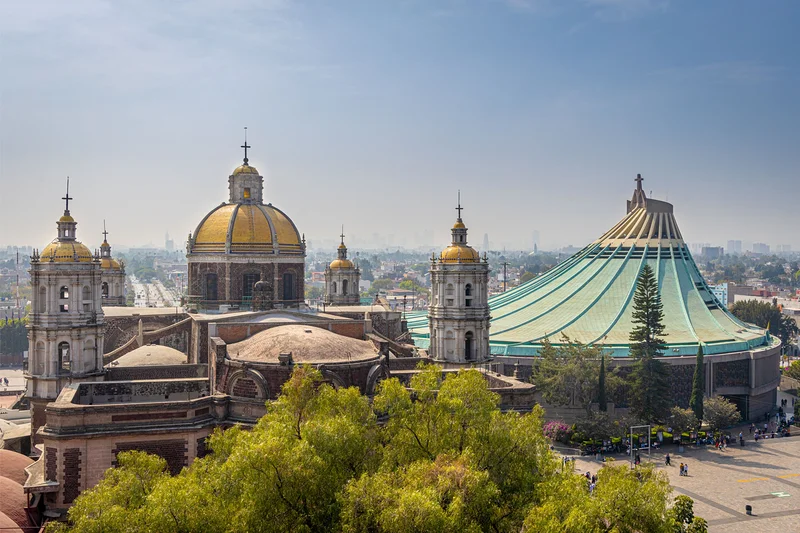
La basilique Notre-Dame de Guadalupe, située au nord de Mexico, est un sanctuaire majeur dédié à la Vierge de Guadalupe, sainte patronne du Mexique. Le site, comprenant la basilique moderne et plusieurs édifices historiques, attire des millions de pèlerins chaque année. Les visiteurs peuvent y admirer la tilma de Juan Diego, un artefact sacré, et explorer des bâtiments religieux comme l'ancienne basilique baroque et la chapelle du Cerrito. Ce lieu de culte et de recueillement propose également des expositions d'art sacré et offre un panorama impressionnant sur la ville.

Voir le guide View offers
Estadio Azteca

#12 Estadio Azteca pas encore de reco 3

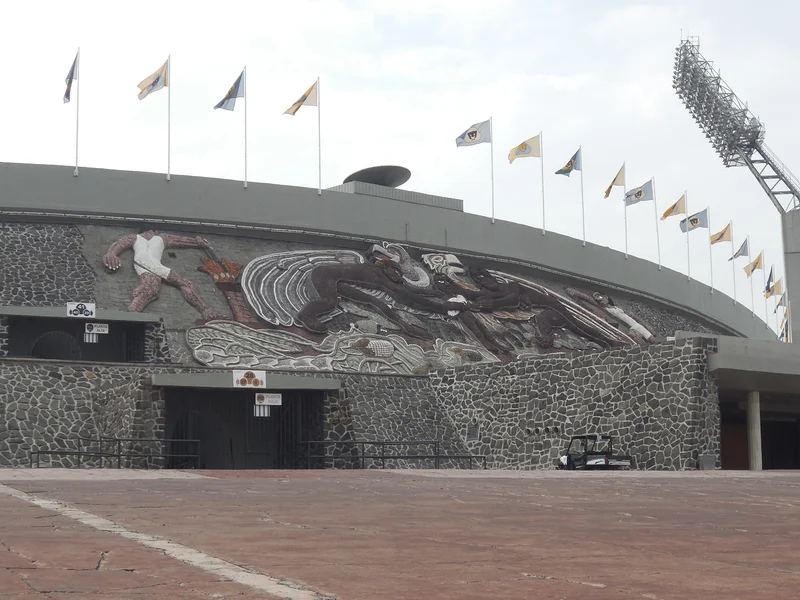
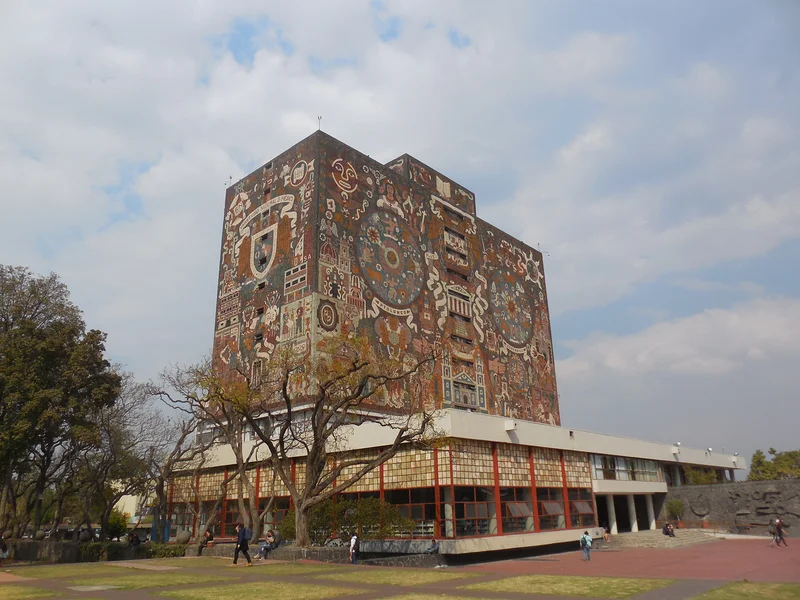
Le stade olympique de Mexico, situé sur le campus de l’UNAM, est un site emblématique du sport et de l’histoire mexicaine. Construit pour les Jeux olympiques de 1968, il est connu pour son architecture inspirée des traditions préhispaniques et sa fresque de Diego Rivera. Aujourd’hui, il accueille les matchs des Pumas UNAM ainsi que divers événements culturels. Son intégration au campus, classé par l’UNESCO, en fait une visite intéressante pour les amateurs de sport et d’architecture.

Map of must-see attractions in Mexico City

Mexico City, the mountain giant you can sink your teeth into

It is 6:30 a.m. in the Roma Norte neighborhood. The rich, sweet scent of tamales drifts from a cart parked on a corner lined with century-old trees. A vendor calls out "tamaaales, oaxaqueños" in a nasally pitch, while a jogger sidesteps a dog sleeping on the sidewalk. Mexico City is already up, and it is hungry.

This is the first thing to understand about this capital of Mexico and its 22 million souls: here, everything begins and ends with food. In between, there are 150 museums, neighborhoods with radically different personalities, the ruins of Tenochtitlan buried beneath the asphalt, and an urban energy that looks like no other capital on the continent.

Mexico City, for whom exactly?

Let's be direct. Mexico City is not a postcard destination with turquoise beaches. It is a loud megalopolis, polluted at times, and sprawling to the point of discouraging travelers who dislike the unpredictable. But for everyone else, it is almost guaranteed love at first sight.

Ideal for:

  • Food enthusiasts, from the $1 (18 MXN) taco to the star-rated restaurant
  • History buffs and fans of pre-Columbian civilizations
  • Curious travelers who enjoy high-energy big cities
  • Travelers on a tight budget as well as those with generous wallets
  • Fans of art, museums, and street culture
  • Digital nomads looking for a good quality-of-life-to-cost ratio

Not ideal for:

  • Those seeking beaches and lounging
  • Anxious travelers who need to feel perfectly safe at all times
  • People sensitive to air pollution or high altitude
  • Those who dislike crowds and urban noise

A very approachable budget for a capital of this scale

We say it without hesitation: Mexico City is one of the most accessible major capitals in the world. You can eat like royalty for just a few dollars, the subway costs 5 MXN ($0.30) per ride, and the free or low-cost cultural offerings are immense. Only the high-end restaurants and luxury hotels in Polanco carry prices reminiscent of major US or European cities.

Estimated daily budget per person in Mexico City, 2025-2026 figures
Expense Category Price Range
Night in a hostel (dorm) 280 to 470 MXN ($15 to $25)
Night in a comfortable hotel or Airbnb 940 to 1,700 MXN ($50 to $90)
Street food meal (tacos, market) 40 to 95 MXN ($2 to $5)
Restaurant meal (Roma/Condesa neighborhood) 225 to 470 MXN ($12 to $25)
Transport + daily activities 95 to 280 MXN ($5 to $15)
Backpacker daily budget 660 to 1,030 MXN ($35 to $55)
Comfortable daily budget 1,500 to 2,450 MXN ($80 to $130)

What you need to know before you go

Mexico City sits at an altitude of 7,350 feet. During the first few days, shortness of breath is real, especially if you are climbing stairs or packing your schedule with sightseeing. Drink plenty of water and take it easy for the first 48 hours. Spanish is king: English works in tourist-heavy areas, but a few words of Spanish go a long way.

Never drink the tap water. Even locals avoid it. Bring a filtered water bottle or buy garrafones (large jugs) at convenience stores.

Is it dangerous to travel to Mexico City?

The question comes up constantly. The answer is nuanced. Tourist-heavy neighborhoods like Roma, Condesa, Polanco, and Coyoacán are generally safe during the day. At night, stay in well-trafficked areas and use Uber to get around.

The Centro Histórico is vibrant during the day but can feel uneasy after dark, especially if you wander away from the main thoroughfares. Neighborhoods to avoid entirely: Tepito, La Lagunilla, Doctores. The border between a pleasant neighborhood and a sensitive area can be just a few blocks.

Friendly advice: never take a taxi hailed on the street, even if it looks official. Use Uber or DiDi, every time. It is the number one rule for residents of the city.

The Centro Histórico: where it all began

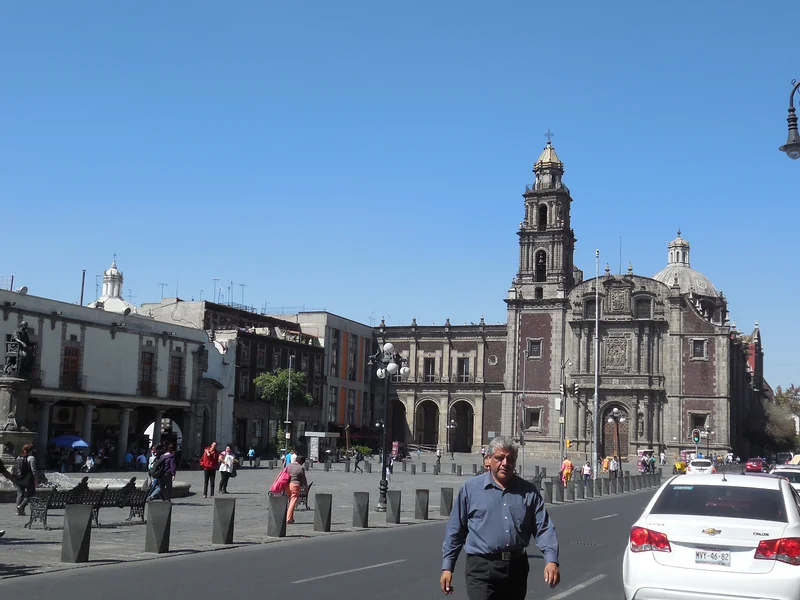
The Zócalo, the main square, is one of the largest in the world. On one side, the Catedral Metropolitana is slowly sinking into the clay soil of a former lake. Built by the conquistadors on the stones of an Aztec pyramid, its foundations are now stabilized by hydraulic jacks.

On the other side, the Palacio Nacional houses the monumental murals of Diego Rivera depicting the entire history of the country, which you can see for free. Just behind it, the ruins of the Templo Mayor and its adjacent museum serve as a reminder that this city is built on the rubble of the Aztec capital.

Walk up Calle Madero, a pedestrian street that is always buzzing, until you reach the Palacio de Bellas Artes, an Art Nouveau and Art Deco masterpiece. Further away, the Museo Nacional de Antropología, located in Chapultepec Park, covers the Olmec, Mayan, and Aztec civilizations. Allow at least 3 hours.

Friendly advice: on Sundays, many national museums are free and the atmosphere in the parks is festive. It is also the day when the Paseo de la Reforma is closed to cars and opened to cyclists.

Roma and Condesa: the beating heart of neighborhood life

These two neighboring districts concentrate the essence of what makes Mexico City so seductive on a daily basis. Roma Norte is a haven for foodies. Every street is lined with specialty coffee shops, mezcal bars, chef-driven restaurants, and taquerías where the length of the line is the best indicator of quality.

La Condesa, right next door, moves at a slower pace. The Parque México is the neighborhood's living room: you will see dozens of dogs, swing dancers on the weekends, and vendors selling esquites, which is corn in a cup topped with mayonnaise, lime, and chili.

The Calle Amsterdam, a former racetrack oval turned into a pedestrian promenade, circles the neighborhood, passing by remarkable Art Deco facades.

We have a firm opinion: for a first visit, this is where you should base yourself. The density of great eateries per square foot is hard to beat, and walking is enough for most of your needs.

Coyoacán and the South: the village and the canals

A 30-minute Uber ride to the south, Coyoacán feels more like a small colonial town than a district of a megalopolis. Think cobblestone streets, colorful facades, and shaded squares. This is where Frida Kahlo was born and lived. The Casa Azul, her home turned into a museum, is one of the most visited sites in the city. Book your tickets online in advance.

The Jardín Centenario and the Mercado de Coyoacán are hubs of daily life where local families gather on weekends. Try the tostadas at the market: topped with shrimp, octopus, or mole, they are served on a crunchy tortilla for a handful of pesos.

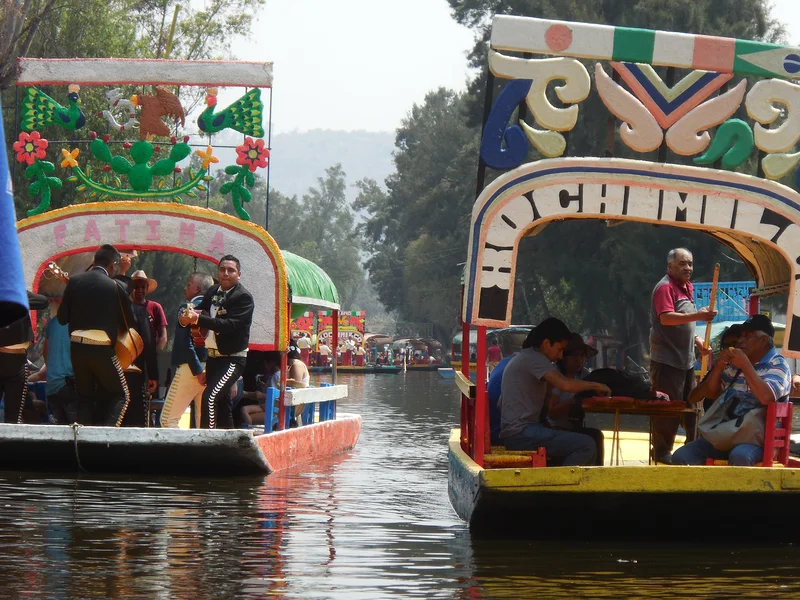
Further south, the Jardines de Xochimilco offer a UNESCO-listed escape. You board trajineras, the colorful boats that glide along canals lined with chinampas, the floating gardens inherited from the pre-Hispanic era. Mariachis play from passing boats, and vendors sell elotes and micheladas. Expect to pay around 750 pesos an hour for a trajinera.

Friendly advice: in Xochimilco, head directly to the Nativitas or Cuemanco piers. Avoid the touts who approach you long before the entrance: they inflate prices and are not always licensed.

Polanco, Chapultepec, and essential experiences

Polanco is the city's upscale neighborhood, home to luxury boutiques and star-rated restaurants like Pujol or Quintonil. But the district also holds two free museums: the Museo Soumaya, with its undulating facade covered in aluminum hexagons, and the Museo Jumex, dedicated to contemporary art.

Just next door, the Bosque de Chapultepec spans over 1,680 acres of greenery. The Castillo de Chapultepec, perched on a hill, offers an incredible view of the city and houses the National Museum of History. Admission is about 85 pesos, or less than $5.

Lucha Libre and Teotihuacán

For a quintessential Mexican experience, attend a Lucha Libre match, the Mexican wrestling that mixes combat sports with spectacular theater. The masked wrestlers are wild, but the atmosphere in the stands is even wilder. Matches are held at the Arena México on Tuesday and Friday nights, with tickets starting at 100 pesos.

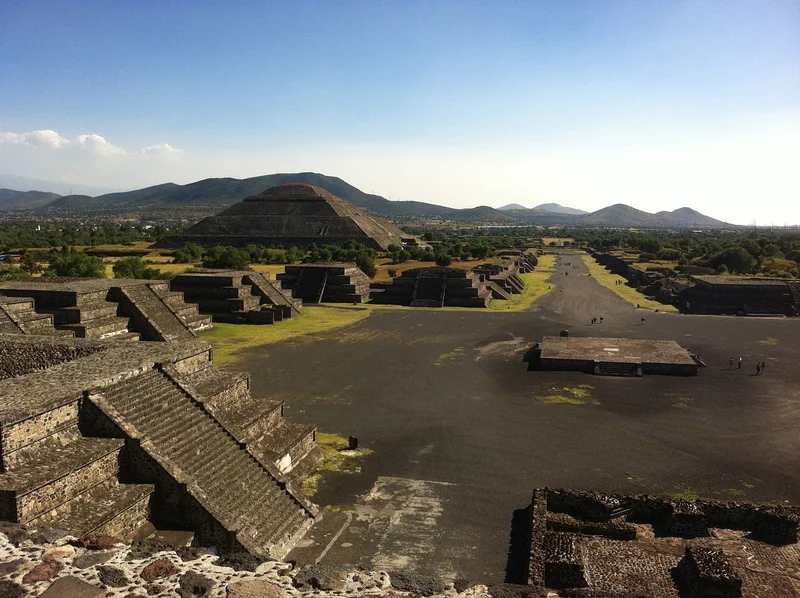
Also, set aside a half-day for the pyramids of Teotihuacán, 45 minutes north of the city. Leave early in the morning to avoid the heat. Taking the bus from the Terminal Norte costs less than $5 round-trip.

Where to eat and drink in Mexico City?

Mexican gastronomy is on the UNESCO Intangible Cultural Heritage list, and this is where it expresses itself in every form. Mexico City is a world-class culinary capital, from street stands to exceptional dining rooms.

Street food, the backbone of the city

Tacos al pastor are the absolute emblem: marinated pork cooked on a vertical trompo, served with pineapple and cilantro on a corn tortilla. All for 10 to 20 pesos per taco. Chilaquiles, fried tortillas coated in salsa with cream and cheese, are the local breakfast of choice.

Every morning, tamales are sold from street carts for less than $2. The golden rule: eat where the locals are queuing. Wash your hands before eating rather than blaming the tacos if your stomach protests.

Markets and notable tables

The Mercado de San Juan is the city's gourmet market, with exotic products ranging from chapulines (grasshoppers) to high-quality cheeses. The Mercado de Coyoacán offers a more grassroots experience. For total immersion, also explore the massive Mercado de la Merced, the largest market in the city.

As for restaurants, Contramar in Roma is famous for its tuna tostadas. Rosetta, set in a house in Roma Norte, offers refined contemporary Mexican cuisine. And El Moro, open since 1935, serves the best churros and hot chocolate in the city.

Do not leave the city without trying mezcal in a specialized bar, aguas frescas made with fresh fruit, and pulque, an ancient fermented agave drink enjoyed in the historic pulquerías of the Centro.

Where to stay in Mexico City and the surrounding areas?

Your choice of neighborhood largely determines your experience. Roma Norte is the top choice for combining restaurants, nightlife, and easy access to the rest of the city. Options range from affordable hostels to designer boutique hotels.

La Condesa is better suited for longer stays and travelers who prioritize quiet. The parks, cafes, and Airbnb apartments make it a pleasant base to settle into. Polanco is the luxury choice, with an enhanced sense of security. Coyoacán, further out, appeals to families and those who want a village pace.

The Centro Histórico offers lower rates, but the nighttime atmosphere is significantly less comforting. Reserve it for daytime visits rather than accommodation for a first trip.

How to get to Mexico City?

The Benito Juárez International Airport, 6 miles from the city center, is the largest in Latin America. From the US, there are numerous direct flights from major hubs like Houston, Dallas, LA, and Miami. Flying into Mexico City is simple; just ensure your US passport is valid for the duration of your stay. No visa is required for US citizens for short stays.

From the airport, the most reliable transfer is an Uber, for 100 to 200 pesos depending on your destination. The Metrobús Line 4 also connects to the center for 30 pesos. If you are traveling from another city in Mexico, first-class ADO buses connect Oaxaca in 6 hours and Puebla in 2 hours, starting at 300 pesos.

How to get around Mexico City?

Some neighborhoods are easily navigated on foot: Centro Histórico, Roma, Condesa, Zona Rosa, and San Rafael. For longer distances, the subway covers most of the city for 5 pesos per ride. The Metrobús, a bus rapid transit network, complements the system well. Get a rechargeable MB card as soon as you arrive, valid for both networks.

For safety, prioritize Uber or DiDi rather than traditional taxis, especially at night. Fares rarely exceed 100-150 pesos within the city. The Ecobici bike-share system works well in the Roma, Condesa, and Polanco neighborhoods, with weekly passes available to tourists.

When to visit?

The dry season, from November to April, offers the best conditions: blue skies, mild temperatures between 68 and 77°F during the day, and cool nights. January and February are the most pleasant months and less crowded than the peak of the high season. The rainy season, from June to September, brings showers that are often violent but brief in the late afternoon. Mornings remain clear and prices drop significantly.

Two periods to keep in mind: late October for the Día de Muertos, one of the most spectacular celebrations in the country, and March-April for the jacarandas in bloom that carpet the city in violet. Avoid Semana Santa if you dislike cities deserted by their inhabitants who have headed to the beach.
Find the best deals to travel to Mexico City

Activities and guided tours Hotels and stays Flights Custom trips

When to visit Mexico City?

The most favorable period to discover Mexico City covers:

January February March October November

Favorable months also include:

April May September

Check the details below to fine-tune your choice based on your preferences!

Climate and atmosphere in Mexico City month by month

January Favorable

Temperatures
6°C to 21°C
Sunshine
7h / day
Rainy days
2 days
Rainfall
11 mm

The post-holiday atmosphere is quiet and pleasant, making it an ideal time to explore historic neighborhoods like <strong>Coyoacán</strong> or the colonial center without the usual crowds. Take advantage of the sunny, comfortable days to relax on an outdoor patio.

February Very Favorable

Temperatures
7°C to 23°C
Sunshine
8h / day
Rainy days
1 days
Rainfall
5 mm

February is an ideal time to explore museums and archaeological sites like <strong>Teotihuacán</strong> in comfortable conditions. The weather is dry and mild, making it the perfect month to spend time in the parks and gardens of the Mexican capital.

March Very Favorable

Temperatures
9°C to 25°C
Sunshine
8h / day
Rainy days
2 days
Rainfall
13 mm

The comfortable temperatures are perfect for hitting the many outdoor cultural events and popular festivals throughout the city center. It is an excellent time to explore the authentic, high-energy local markets.

April Very Favorable

Temperatures
11°C to 27°C
Sunshine
7.5h / day
Rainy days
4 days
Rainfall
23 mm

Expect pleasant weather for exploring historic landmarks and major museums, such as the <strong>Frida Kahlo Museum</strong>. The city's cultural scene picks up in April, with a variety of music and art events taking place throughout the city.

May Favorable

Temperatures
12°C to 26°C
Sunshine
7h / day
Rainy days
9 days
Rainfall
55 mm

The rains begin to pick up, but the mornings remain clear and ideal for exploring the city streets. This is a prime time for cultural events that highlight local cuisine, which is a major focus throughout the month.

June Favorable

Temperatures
11°C to 23°C
Sunshine
6h / day
Rainy days
10 days
Rainfall
119 mm

The rainy season kicks off, with showers typically rolling in late in the day. Mornings are often clear, making it a great time to hit the tourist sites, but you should always keep a raincoat or umbrella handy.

July Less Favorable

Temperatures
11°C to 22°C
Sunshine
6h / day
Rainy days
12 days
Rainfall
176 mm

Expect a wet month with frequent downpours that often cut outdoor plans short. Even so, the city maintains a warm, energetic atmosphere inside its many cafes, bars, and galleries.

August Less Favorable

Temperatures
11°C to 23°C
Sunshine
6h / day
Rainy days
11 days
Rainfall
131 mm

Expect frequent rain, which can complicate your outdoor plans. Indoor activities, such as exploring museums and covered markets, are your best bet during this time of year.

September Less Favorable

Temperatures
11°C to 22°C
Sunshine
5.5h / day
Rainy days
11 days
Rainfall
142 mm

Expect regular rain showers, but the Independence Day celebrations on the 16th bring a unique energy to the city, complete with street festivals and impressive fireworks displays in the heart of downtown.

October Favorable

Temperatures
10°C to 22°C
Sunshine
7h / day
Rainy days
6 days
Rainfall
51 mm

Rain showers taper off throughout the month, giving way to more pleasant, clear days. It is a prime window to explore the city parks and local markets before the surge of visitors arrives in November.

November Very Favorable

Temperatures
8°C to 22°C
Sunshine
7.5h / day
Rainy days
3 days
Rainfall
18 mm

November is the perfect time to experience the famous Day of the Dead, a unique and authentic event celebrated with passion throughout <strong>Mexico City</strong>. Just be sure to pack layers for the evenings, as temperatures can get chilly.

December Very Favorable

Temperatures
7°C to 22°C
Sunshine
8h / day
Rainy days
2 days
Rainfall
8 mm

December brings a lively, upbeat energy to the city, fueled by popular Christmas celebrations. Take in the festive decorations and browse the traditional markets popping up across every neighborhood.

Weather charts for Mexico City

Flight prices to Mexico City, month by month

Tip: click the filter icon below to choose your departure city and trip duration.

Top photos posted by members

Angel de la Indepencia à Mexico
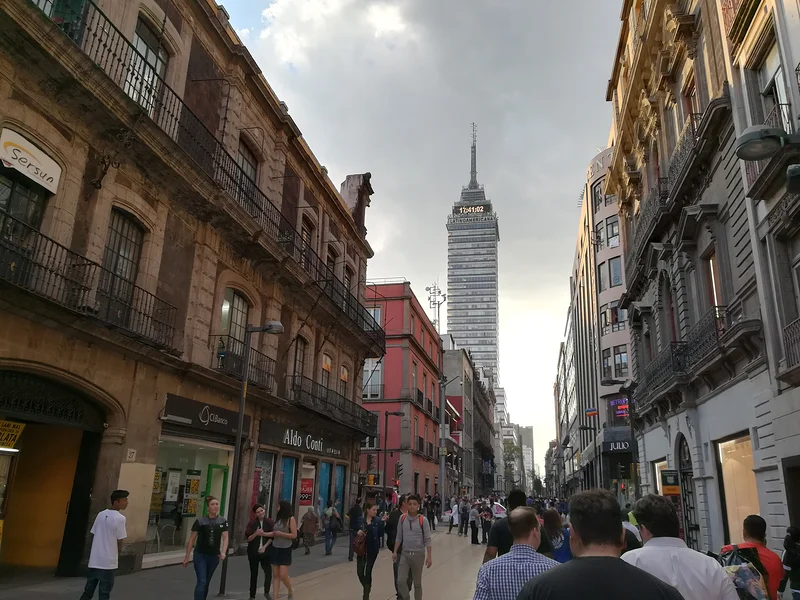
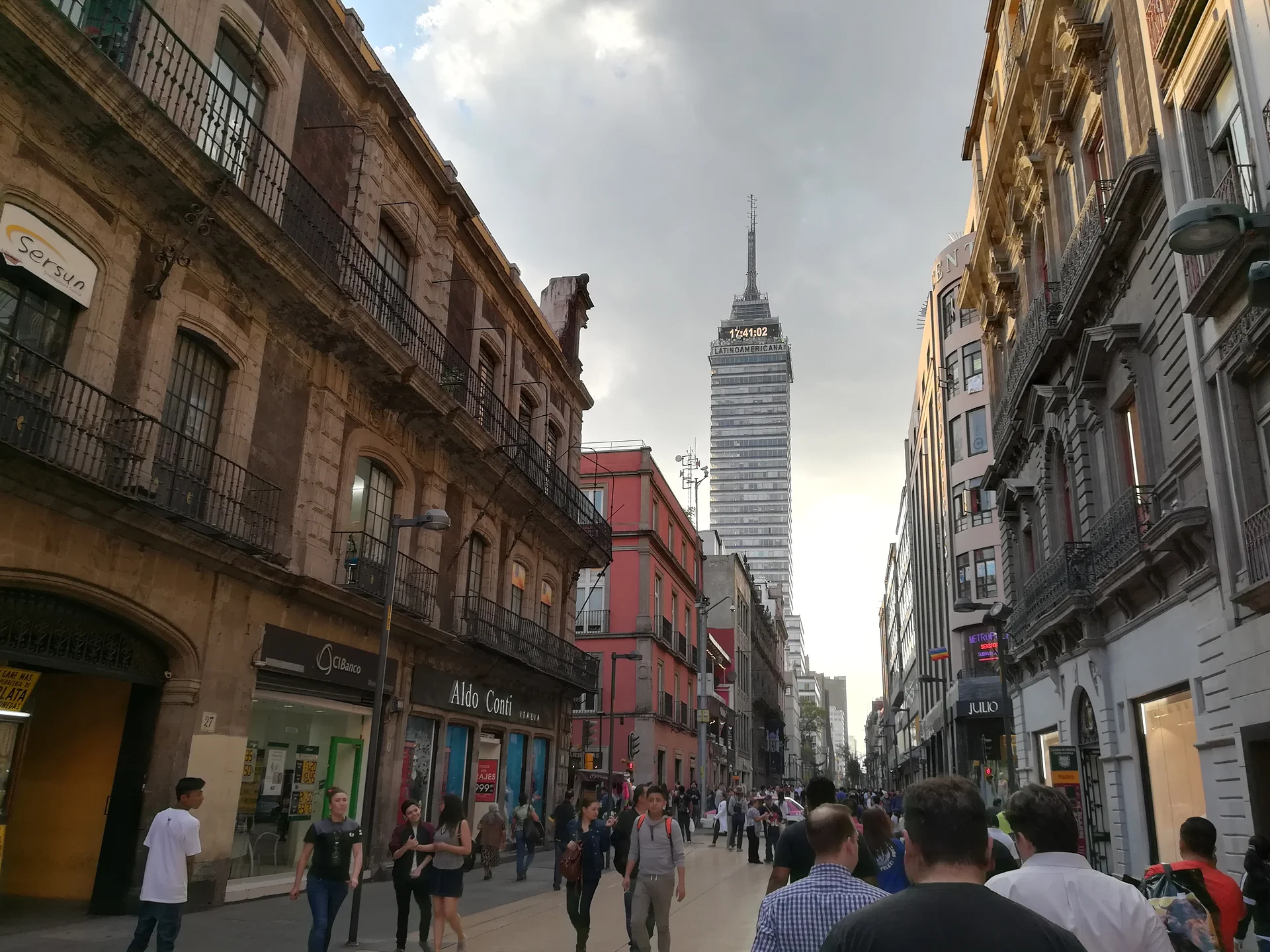
Torre Latino
Museo Soumaya

Traveler reviews on Mexico City

Write a review

Reviews summary

On the city

5 reviews
+19
recos
  • Overall 4.2/5
  • Family 3/5
  • Couple 3.6/5
  • Friends 4.6/5

On the attractions

100 reviews
+229
recos
  • Museums +73
  • Monuments +28
  • Churches and cathedrals +26
  • Castles and palaces +26

A delicious mess

A city I wouldn't call beautiful, but it has the merit of being able to surprise you at every moment. The street tacos, the trinket vendors everywhere, the many bars and restaurants for going out, but also the museums, the old historic center, the lively evenings, seeing a fight, sorry, a lucha libre show...

9
Recommends :
Overall rating :
With family :
As a couple :
With friends :

An overwhelming city, visit in multiple trips

Mexico City is gigantic, crowded, and polluted. But the capital is worth the trip for its many museums and historical sites.
The best strategy if you land in this city is to start your stay with a quick tour of the historic center. It is interesting to visit the National Museum of Anthropology at the end of your trip, after having visited several archaeological sites in other regions. If you pass through Mexico City again while traveling from East to West Mexico, you can then check out other neighborhoods like Polanco or Coyoacán.

6
Recommends :
Overall rating :
With family :
As a couple :
With friends :

Too crowded but cool neighborhoods

Mexico City is huge, the traffic is always jammed, and the sidewalks aren't exactly designed to accommodate pedestrians or outdoor seating. The altitude, the terrain, and the overcrowding mean that breathing can get a bit difficult at times (I'm a little asthmatic).

On the flip side, several spots and neighborhoods are worth the trip. I'm thinking of Zocalo (treat yourself to a meal at one of the rooftops surrounding the square!), Polanco, Chapultepec, Reforma, the Museum of Anthropology...

It's worth seeing, but it would be a shame to spend your entire trip in the capital.

2
Recommends :
Overall rating :
With family :
As a couple :
With friends :

A total change of scenery

Mexico City is a huge megalopolis full of contrasts, offering a wide variety of activities, vibes, and neighborhoods.

Polanco is elegant and refined, the Zocalo is historic, Xochimilco is aquatic and surprising...

In short, it is worth stopping in the Mexican capital for a few days before or after a trip around the country.

On the other hand, there are really a lot of people and traffic, to the point that it is sometimes annoying. I would not make this a family or romantic trip.

2
Recommends :
Overall rating :
With family :
As a couple :
With friends :

A great home base for exploring Mexico

There are so many activities, monuments, and museums in Mexico City. Plenty to spend a few pleasant days.

Beyond that, definitely don't forget to head out and discover the rest of the country. Whether it is the pre-Columbian ruins (like Teotihuacan), the colonial cities, the southern jungle, the northern desert, the Pacific coast and its whales, or the Atlantic coast and its turtles, there is something for everyone!

2
Recommends :
Overall rating :
With family :
As a couple :
With friends :

You've seen every review.

More cities to visit from Mexico City