
Visiting the Soumaya Museum
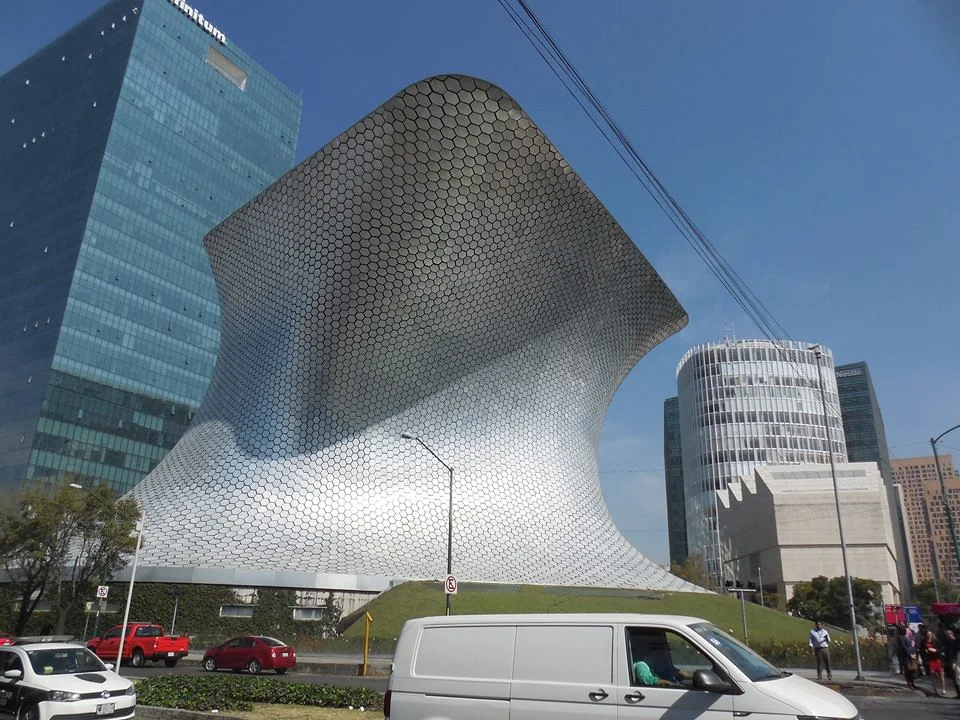
In the northern part of Mexico City, the capital of Mexico, the Soumaya Museum is impossible to miss. The 151-foot structure is wrapped in 16,000 hexagonal aluminum tiles, creating a facade that often draws comparisons to a serpent's scales.
Its history
The Soumaya Museum opened in 2011 on the site of a former paper factory. The architect Fernando Romero, known for his work on the Palacio de Convenciones (Convention Center) in Ciudad Juarez, designed the futuristic silhouette to catch and reflect sunlight. The project was funded by Mexican billionaire Carlos Slim, who was named the world's wealthiest man by Forbes for four consecutive years. As a major art collector, he consolidated his holdings under the management of the Fundación Carlos Slim, A.C. (Carlos Slim Foundation). The building is named after his wife, Soumaya Domit, who passed away in 1999. Slim insisted that the museum remain open every day of the year and stay free for everyone to ensure broad public access to the arts.
What to see at the Soumaya Museum
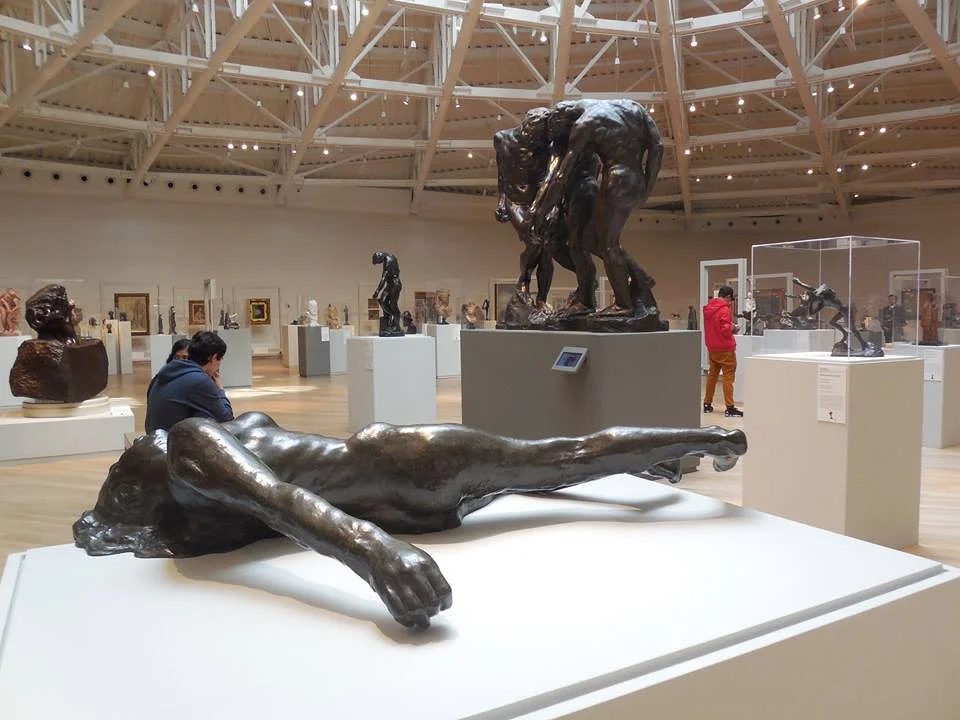
The museum houses a vast collection of over 64,000 pieces spanning history from Mexico, South America, and beyond. Beyond the permanent exhibits, such as "The Age of Rodin" on the top floor, the museum hosts rotating temporary shows. The collection is spread across six floors and 64,583 square feet of gallery space, all linked by a continuous spiral ramp. The European art wing features works from the 15th to the 20th century, representing Italian, French, Spanish, and German schools. Auguste Rodin, whose works here form the largest collection of his sculptures outside of Europe, is a highlight, alongside pieces by Pablo Picasso, Salvador Dali, and Diego Rivera.
Opening hours
| Monday | 10:30-18:30 |
|---|---|
| Tuesday | 10:30-18:30 |
| Wednesday | 10:30-18:30 |
| Thursday | 10:30-18:30 |
| Friday | 10:30-18:30 |
| Saturday | 10:30-18:30 |
| Sunday | 10:30-18:30 |
*Information subject to change

The building's architecture is really unique with its twisted quadrilateral shape. The architect Fernando Romero outdid himself.
The collection of paintings and art objects, spread over no less than 6 floors, is definitely worth a look. There are pieces from Asia that were in transit to Mexico on their way to Europe, Mexican artists, and sculptures by the Frenchman Rodin (the largest exhibition of this artist outside of France).
When you take the circular ramp to climb the floors smoothly, you can learn about the history of Mexico with the help of timelines.
This museum is really well done.