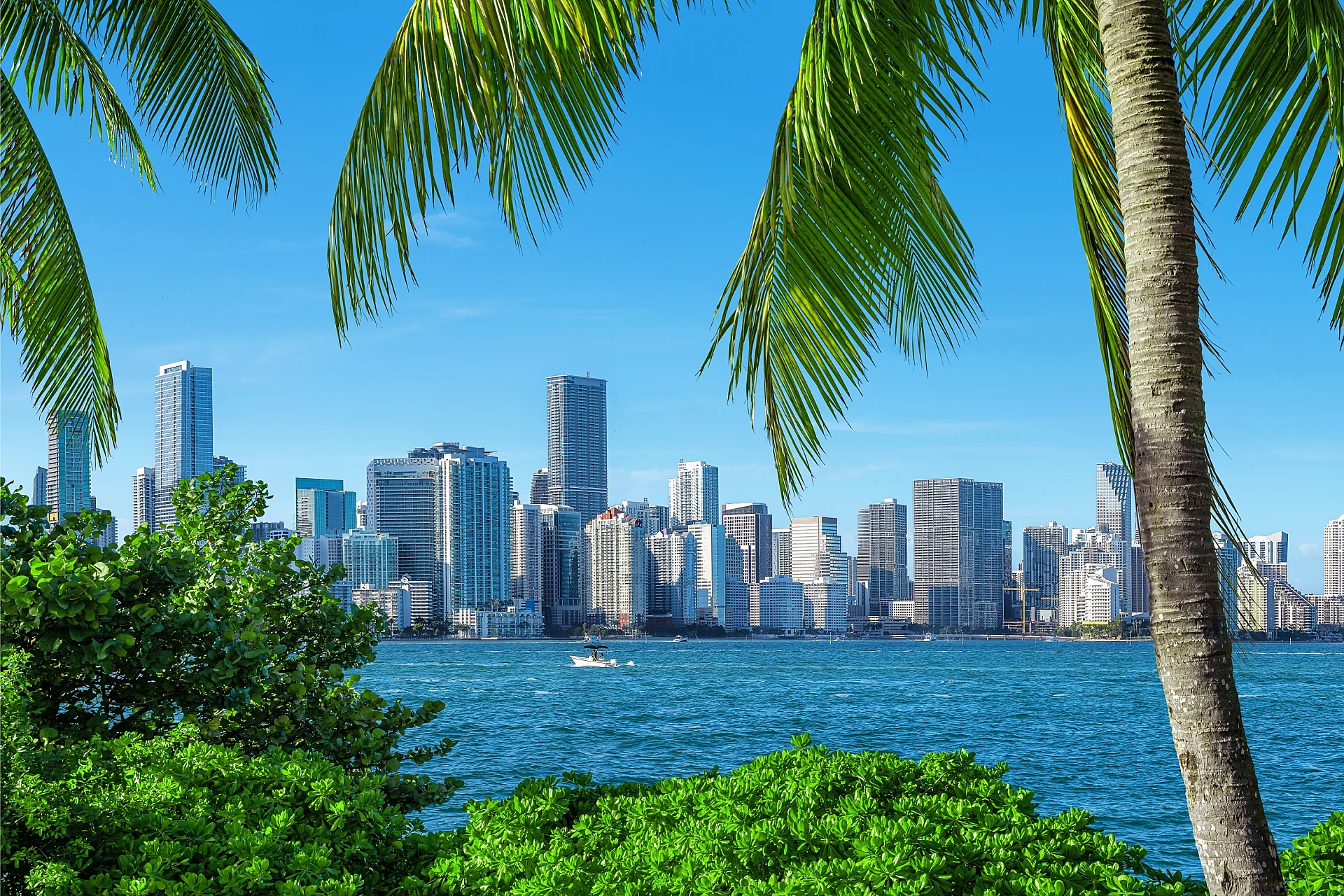
Miami, where America dissolves into the Caribbean
The air here smells of salt, dark Cuban espresso, and monoi oil. In Little Havana, a third of the population speaks Spanish on a daily basis, and domino games have been played under the trees for decades. Just a few miles away, the neon lights of Ocean Drive illuminate pastel Art Deco facades. Miami is not really an American city like any other, functioning more as a gateway between the United States and Latin America.
Is this destination for you?
If you dream of warm beaches year-round, nightlife that never quits, and a dense cultural mix spanning Cuba, Haiti, and North America, Miami checks every box. It also serves as an excellent base for trips out to the Everglades or the Florida Keys.
On the flip side, if you are looking for a historic city in the European sense, or if heavy humidity and the crowds of Miami Beach in high season wear you down, you will not feel entirely at home here. Miami is young, image-focused, and heavily spread out, meaning you will feel stuck quickly without a car.
A good match for:
- Beach lovers, sun seekers, and night owls
- Fans of Latin American and Caribbean culture
- Enthusiasts of Art Deco architecture and street art
- Families looking for theme parks and outdoor nature activities in the Everglades and the Keys
Not a good match for:
- Travelers who dislike high humidity and tropical downpours
- Anyone looking for a compact historic center that is easy to explore on foot
- Tight budgets, especially when it comes to lodging on Miami Beach
A budget that climbs fast, especially on Miami Beach
| Expense | Range |
|---|---|
| Basic hotel night / motel | $80 to $120 |
| Comfortable hotel night (South Beach, Downtown) | $200 to $400 |
| Quick bite (Cuban spot, food truck) | $10 to $15 |
| Sit-down restaurant meal | $30 to $60 |
| Transportation and daily activities | $25 to $50 |
Estimated rates subject to change
Practical realities: heat, cars, and safety
The climate is subtropical, meaning hot and humid year-round, with violent but brief thunderstorms in the summer. Temperatures hover around 26°C in the winter and 35°C in the summer, with hurricane season running from June to November.
Miami is a sprawling city built for driving. Outside of Downtown and South Beach, walking does not make much practical sense. On the safety front, tourist areas are generally secure, but stay alert at night around Overtown and certain out-of-the-way streets in Downtown.
South Beach, the Art Deco showcase
The heartbeat of the city is in SoBe, the shorthand nickname for South Beach, which encompasses iconic Miami Beach. Stroll on foot or cruise in a convertible through the Art Deco District and take in the colorful facades, many of which now house contemporary art galleries. The stretch of Ocean Drive between 5th and 14th Streets remains the most striking.
At 1114 Ocean Drive stands Casa Casuarina, the former mansion of Gianni Versace, built using architectural plans inspired by Christopher Columbus's son's home in the Dominican Republic. The Art Deco District Welcome Center offers walking tours that are well worth taking if you want to catch architectural details you might otherwise miss.
Washington Avenue and Lincoln Road
On Washington Avenue, the post office and its rotunda are worth a look. Right next door, Espanola Way and its wrought-iron balconies feel like a Mediterranean alley dropped straight into Florida. For shopping, head to Lincoln Road, where you will find the Colony Theater and the Lincoln Theater, two Art Deco gems.
Do not miss the Holocaust Memorial, anchored by a giant hand reaching toward the sky, sculpted by Kenneth Treister.
The beaches, each with their own personality
Families and outdoor athletes congregate at South of Fifth or Crandon Park Beach. For a quieter vibe, Lummus Park Beach is a solid choice, while South Pointe Park draws windsurfers. The section around 17th Street is traditionally the city's gay-friendly beach zone.
Friendly tip: hit Ocean Drive early in the morning or late in the afternoon. The low light carves out the pastel facades, and you will miss the heavy crowds that flood the avenue by noon.
Wynwood and Downtown, the creative side of Miami
Far from the beach resort scene, Wynwood displays monumental murals across nearly 70 galleries and facades. The formerly industrial neighborhood has transformed into an open-air museum and anchors much of the city's street art scene.
In Downtown, head up the Miami Tower or check out HistoryMiami, the museum chronicling how Julia Tuttle and John Collins shaped the city in the late 19th century. Along Brickell Avenue, the Atlantis, Palace, and Imperial residential towers showcase Miami's vertical and financial side. For a bit of shopping, Bayside Marketplace right on the bay gets the job done.
Little Havana and Coral Gables, two faces of the south
Little Havana, stretching along Calle Ocho, remains the city's most lively Latino neighborhood. The Brigade 2506 Museum tells the story of the Cuban fighters who lost their lives in the 1961 Bay of Pigs invasion. At Maximo Gomez Park, the atmosphere is friendly and loud, so pull up a chair for a free and welcoming game of dominoes.
Further south, Coral Gables cultivates a polished Mediterranean urban layout, home to the historic Biltmore hotel and the public Venetian Pool. The Vizcaya Museum and Gardens, a historic villa with Italian-style gardens, rounds out this quieter side of town.
With kids
- Zoo Miami, one of the largest tropical zoos in the United States
- Jungle Island, featuring parrots and exotic wildlife
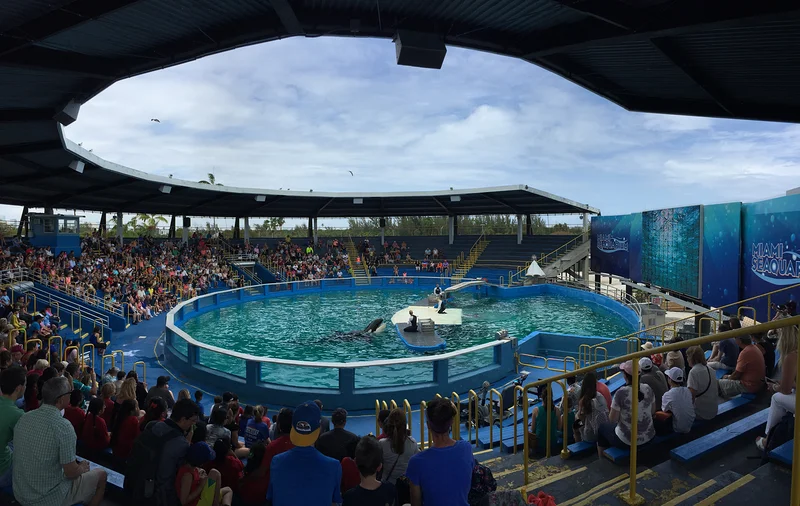
- Miami Seaquarium, located on Virginia Key
- Monkey Jungle, where monkeys roam in relative freedom
Where to eat and drink in Miami
In Little Havana, stop for a strong, sweet Cuban espresso paired with a guava pastelito. The Cuban sandwich, pressed and loaded with roasted pork, is best enjoyed at neighborhood cafeterias rather than tourist-heavy spots.
For seafood, stone crab claws are a local specialty, particularly associated with Joe's Stone Crab in South Beach, which has been open since 1913. Wynwood's food trucks dish out fusion cuisine that is often easier on the wallet than sit-down restaurants.
Where to stay in and around Miami
South Beach packs in the iconic Art Deco hotels, but it remains the most expensive and noisy area at night. Downtown and Brickell offer modern, quieter high-rises with direct access to the Metromover. For a more budget-friendly and family-oriented stay, the neighborhoods of Coral Gables and Coconut Grove offer leafy surroundings just a short drive from the center.
How to get to Miami
Air France, American Airlines, and Delta operate daily direct flights to Miami International Airport (MIA) from Paris, taking about 9 to 10 hours. Other carriers offer connecting flights through New York, Frankfurt, or Washington, often at lower rates depending on the season.
Getting around Miami
In Downtown, the automated elevated Metromover is completely free and convenient for getting over to Brickell or the arts district. For the rest of the sprawling metro area, renting a car is practically a must.
Book through specialized rental agencies rather than booking counters directly at the airport or hotels, as using an advance prepaid voucher can often save you up to 35% off the final price.
When to go?
Winter, from December to April, remains the prime window with pleasant temperatures, less humidity, and low rain risk. If you want to dodge the crowds, steer clear of early December during the Art Basel festival and mid-March during the Miami Winter Conference, two periods when hotels book solid and prices spike.