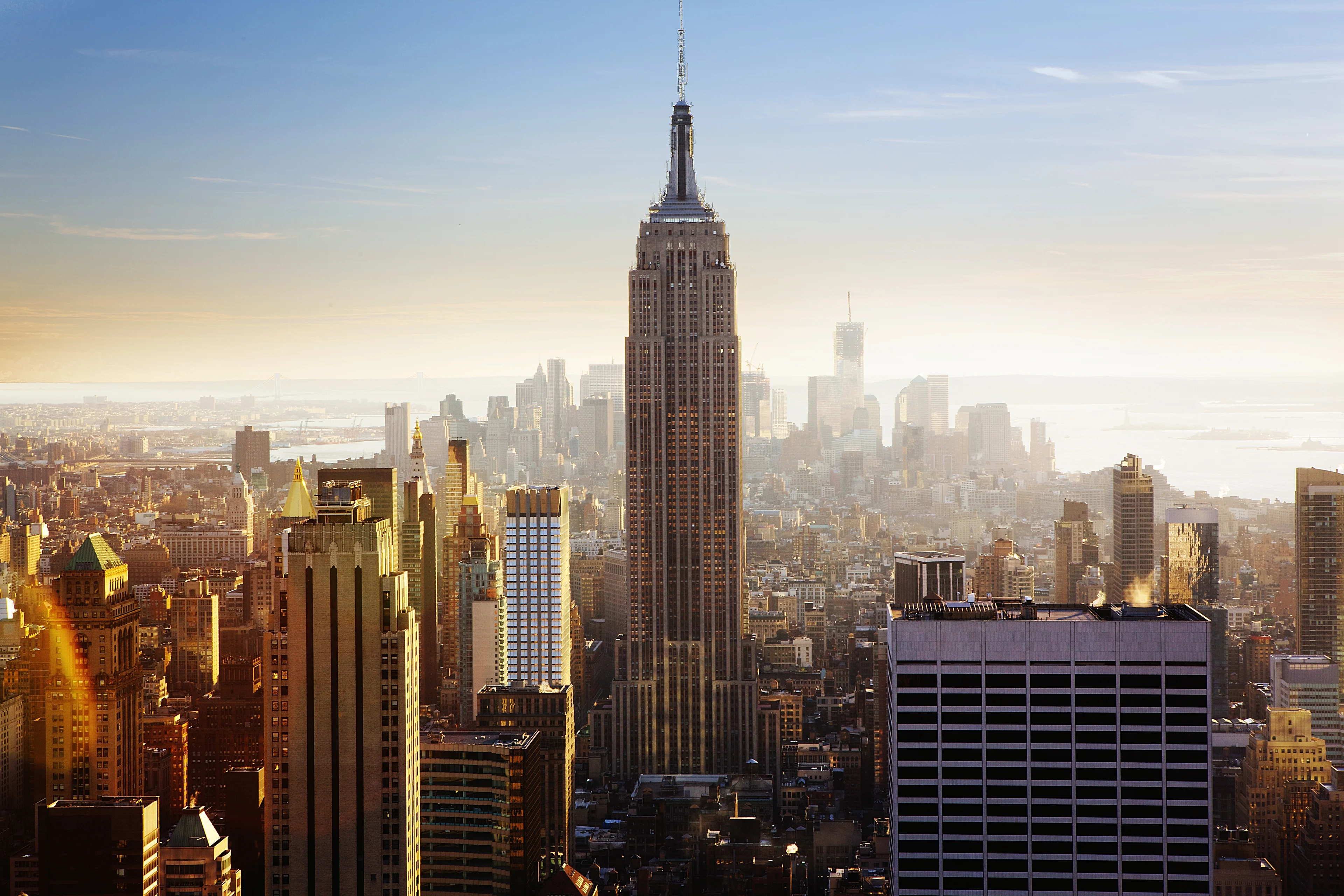
Famous for the White House, the U.S. Capitol, and the towering Washington Monument, Washington, the capital of the United States located in the District of Columbia in the northeast of the country, stretches along the banks of the Potomac River. Known for wide avenues, imposing neoclassical white buildings, and expansive parks, it is a remarkably walkable city that draws thousands of visitors every year, especially domestic travelers. The climate is humid subtropical, with temperatures that shift significantly across the seasons.
World-Class Museums That Cost Nothing
You have likely heard of the Smithsonian Institution. It is a massive U.S. research and museum complex backed by substantial resources. Its dozen-plus museums and galleries hold staggering collections housed in majestic buildings, and almost all of them are located right on the National Mall, a 3.5 km green space stretching from the Capitol to the banks of the Potomac.
If you have ever dreamed of space exploration, head straight to the National Air and Space Museum (near the L'Enfant Plaza metro station). Pulling in 6 million visitors annually, it is a firm favorite for travelers of all ages.
For history and culture, the National Museum of African American History and Culture (NMAAHC), accessible via the Smithsonian or Federal Triangle metro stops, offers profound exhibits. Opened in 2016, you will want to reserve your free timed-entry pass online in advance.
If you prefer fine art, the National Gallery of Art (near the Archives-Navy Memorial metro) features Italian Renaissance masterpieces alongside major European figures like Leonardo da Vinci, Monet, Rembrandt, Van Gogh, Vermeer, Matisse, Picasso, and Warhol.
If American art is more your speed, check out the Smithsonian American Art Museum (at the Gallery Place metro). The gallery dedicated to U.S. presidents is also well worth a look.
When the weather is nice, take a walk over to the National Zoo (at the Woodley Park Zoo metro). You will find giant pandas, tigers, and dedicated aquatic habitats for otters, sea lions, and more.
Symbols of Global Power
Starting from the Washington Monument, plan for at least a half-day to complete the full memorial circuit, which includes the World War II Memorial, Albert Einstein Monument, Vietnam Veterans Memorial, Lincoln Memorial, Korean War Veterans Memorial, Martin Luther King Jr. Memorial, Franklin Delano Roosevelt Memorial, Jefferson Memorial, and the US Holocaust Memorial Museum. Do not miss the famous six-meter marble statue inside the Lincoln Memorial.
Want a closer look at the machinery of government?
Tour the U.S. Capitol on a 15-minute guided tour, which requires signing up in person at the Visitor Center beneath the Capitol. Tours run daily from 8:50 to 15:20, and you will need a photo ID or passport to claim your ticket.
You can also tour the inside of the Pentagon, provided you submit your reservation at least 14 days ahead.
When to Go
Spring and fall are the ideal times to visit Washington. If you are watching your budget, January and February bring the lowest crowds and cheapest rates of the year.
Getting There
Airlines like Air France and United operate nonstop flights from Paris-Charles de Gaulle to Washington Dulles International Airport. The Silver Line metro extension provides direct rail service into the city, taking about an hour for the price of a standard fare. Shuttle services and taxis are faster, but significantly more expensive.
Getting Around
Walking and the Metrorail are the best ways to navigate the city. Pick up a SmarTrip card for around $2 at any station ticket machine. A single metro fare ranges from $2.25 to $6.75 on weekdays between 5:00 and 21:30, depending on distance, and drops to a flat $2.50 late evenings and weekends. Unlimited transit passes covering both subway and bus lines run $13.50 for a 1-day pass, $33.75 for 3 days, and $60.75 for 7 days.